
|
연간정보 서비스
상품코드
2132630
Global Infrastructure Sherpa - 커스텀 엔터프라이즈 데이터Global Infrastructure Sherpa - Custom Enterprise Data |
||||||

인프라 시장의 가시화 및 추적
‘Global Infrastructure Sherpa’는 인프라 관련 거래 및 이에 관련된 기업들을 분석을 위한 체계적인 데이터세트로 정리하고 있습니다.
누가, 무엇을, 누구와, 어디서 수행하고 있는가
GIS는 기록된 인프라 활동과 실명의 참여자 및 그 역할을 연계합니다. 거래 기록에는 발표 내용, 장소, 기술, 당사자, 정보 출처가 정리되어 있으므로, 사용자는 각 이벤트에 걸친 기업의 활동을 면밀히 검토할 수 있습니다.
- 01 : 인프라 활동
- 발표일 및 정보 출처와 함께 다양한 기술 및 시장에 걸친 기록된 제휴 및 기타 거래 활동을 추적할 수 있습니다.
- 02 : 맥락 속의 기업
- 특정 이벤트에서 어떤 당사자가 명시되었는지, 또한 GIS가 각 당사자에게 할당한 역할을 확인할 수 있습니다. 반복적으로 등장하는 기업의 경우, 해당 기업의 시간 경과에 따른 활동을 검증하기 위한 기초 자료가 됩니다.
- 03 : 분석용 데이터
- 구조화된 기록과 CSV 내보내기 기능을 통해 다른 워크플로우에서의 분석을 지원합니다.
데이터가 바로 제품
조직 고유의 시스템이나 워크플로우 내에서 활용할 수 있도록 GIS 기록을 평가해 주십시오.
- 01 : 인프라 거래
- 제공되는 GIS 기록에는 제목, 거래 유형, 기록된 상태, 국가 및 기술 분류가 기재되어 있어 인프라 관련 사건을 식별할 수 있습니다.
- 02 : 기업 및 기록된 역할
- 샘플에서는 거래 상대방과 거래상의 역할이 연결되어 있습니다. 이를 통해 각 레코드에 걸친 참여 현황이나 관계성을 조사하기 위한 출발점이 제공됩니다.
- 03 : 정보 출처의 추적 가능성
- 샘플에는 각 거래마다 ‘source_url’이 포함되어 있습니다. 정보 출처에 대한 링크를 통해 수신자는 기초가 되는 보고 내용과 그 배경을 확인할 수 있습니다.
- 04 : 기존 레코드 구조
- 이 샘플에서는 기존 GIS 필드 및 식별자를 사용하고 있습니다. 해당 필드 사전을 통해 새로운 스키마를 도입하지 않고도 제공되는 열이 정의되어 있습니다.
- 05 : API 또는 정기적인 CSV 제공
- API 및 프로그래밍 방식의 제공에 대해서는 제공된 제품 자료에서 별도로 합의 및 가격 책정이 이루어집니다. 정기적인 CSV 제공은 구매자와 협의하여 범위를 정하는 제공 옵션입니다.
- 06 : 명확하게 정의된 상업적 범위
- 정기적인 제공을 시작하기 전에, 대상 범위, 제공 빈도, 허용되는 이용 목적 및 상업적 조건에 대해 합의해 주십시오. 이 샘플은 평가용 데이터를 보여주는 것입니다
인프라 인텔리전스 활용하기
구매자 자신의 환경에서 라이선스가 부여된 GIS 데이터를 활용하는 사례입니다.
- 01 : 사내 조사
- 거래 기록과 그 정보 출처에 대한 링크를 기존 조사 워크플로우에 통합하여, 기업명이나 기록된 직책 정보를 조사에 활용할 수 있습니다.
- 02 : 기업 모니터링
- 정기적인 기록을 활용하여 특정 기업이나 인프라 관련 주제의 모니터링을 지원합니다. 배포 빈도 및 변경 사항에 대한 대응은 사전에 합의해야 합니다.
- 03 : 시장 분석
- 제공된 기록을 기존의 국가, 기술, 거래 유형별 필드별로 그룹화합니다. 결과는 제공된 범위를 나타내는 것이며, 시장에 대한 완전한 조사 결과는 아닙니다.
- 04 : 관계 분석
- 기록된 관여 상황을 활용하여, 어떤 기업이 어떤 역할로 공동 관여하고 있는지 조사합니다. 관여 여부가 있다고 해서 소유권이나 지배 관계의 유무를 확정하는 것은 아닙니다.
- 05 : 고객 대상 인텔리전스
- GIS 데이터가 구매자의 고객 업무를 어떻게 지원할 수 있는지 평가합니다. 고객에 대한 제시, 2차 배포 및 파생 결과물에 대해서는 합의된 라이선스 범위가 필요합니다.
- 06 : 통합 평가
- 실전 요구 사항을 정의하기 전에, 예상되는 워크플로우에서 샘플을 테스트하십시오. 식별자, 형식 및 갱신 처리에 대해서는 함께 검토해야 합니다.
평가 대상이 되는 구체적인 데이터 제품
기존 샘플 필드를 통해 수신자가 확인 및 테스트할 수 있는 내용을 보여줍니다.
- 01 : id· headline
- 기존 GIS 레코드 식별자와 트랜잭션 제목이 각 제공 행의 출발점이 됩니다.
- 02 : deal_type· status
- 기록된 분류는 해당 거래의 내용을 나타냅니다. 상태에 대해서는 용어집 및 소스의 문맥을 참조하여 해석해 주십시오. 이는 프로젝트 완료를 나타내는 증거가 아닙니다.
- 03 : country· technology
- 기존의 지리적 및 기술적 분류는 제공된 레코드의 선택과 그룹화를 돕습니다.
- 04 : announcement_date· created_at
- 레코드에는 두 필드 모두 포함되어 있습니다. 해당 정의는 제공된 사전에 부합하며, 서로 대체 가능한 날짜로 취급해서는 안 됩니다.
- 05 : counterpart_count· counterparts
- 이 샘플에는 대응 레코드 수 및 역할이 기록된 참가자 이름이 포함되어 있습니다. 가져오기를 계획할 때는 제공된 표현 내용을 확인해 주십시오.
- 06 : source_url
- 소스 링크는 레코드의 일부로 남아 있으며, 거래의 배경이 되는 보고 정보로 거슬러 올라갈 수 있는 경로를 제공합니다.
샘플부터 시작하여 공급 정의를 수립
엔터프라이즈 데이터 참여를 위한 평가 경로 제안입니다.
- 01 : 대상 범위 선정
- 구매자의 사용 사례와 관련된 국가, 인프라 기술 및 거래 범위를 정의합니다.
- 02 : 기존 레코드 검증
- 대상을 좁힌 샘플과 해당 사전을 확인합니다. 예상되는 사내 워크플로우에서 데이터를 테스트하고, 평가에 필요한 정보를 파악합니다.
- 03 : 제공 방식 합의
- API 또는 정기적인 CSV 제공 범위에 대해 제공 빈도, 형식, 운영 요건을 포함하여 합의합니다. 매일 데이터 제공은 합의해야 할 요건이며, 확립된 서비스 보장은 아닙니다.
- 04 : 업데이트 처리 정의
- 신규 레코드, 수정 및 식별자 처리 방법에 대해 합의합니다. 이 예시는 운영 환경에서의 업데이트 프로토콜을 규정하는 것이 아닙니다.
- 05 : 이용 목적에 대한 라이선스 설정
- 사내 이용, 고객에 대한 표시, 제3자에 대한 배포 및 파생 결과물에 대해 정의합니다. 상업적 조건은 합의된 범위를 반영해야 합니다.
- 06 : 약정 확인
- 정기적인 제공이 시작되기 전에, 납품 책임, 지원 및 상업적 조건을 확인해 주십시오. 본 팸플릿에서는 제작과 관련된 서비스 수준은 규정되어 있지 않습니다.
기록된 활동, 도식화
기술 및 시장을 아우르며, 발표일 및 출처 정보를 포함하여 기록된 파트너십 및 기타 거래 활동을 추적합니다.
각 거래에 대한 이해
헤드라인부터 상세 내용까지
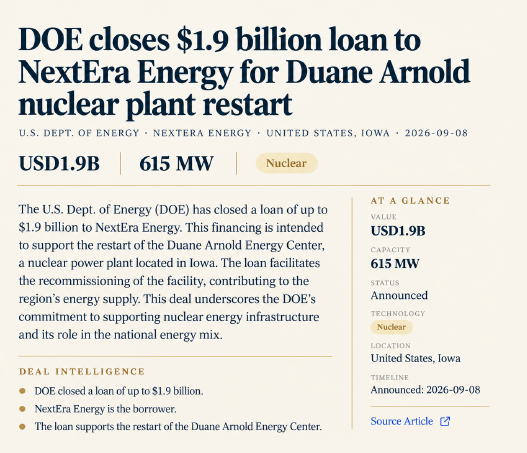
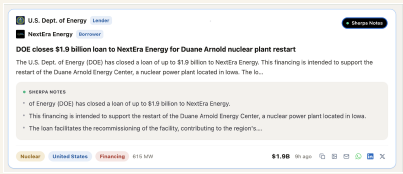
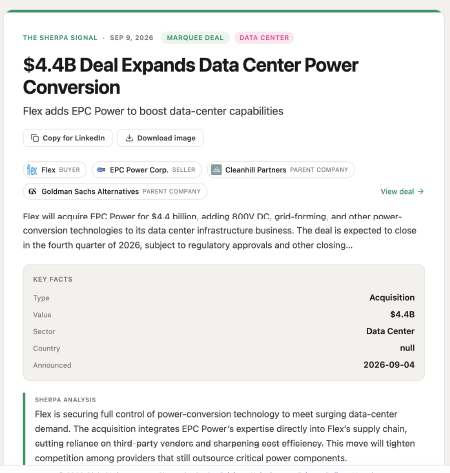
화면에는 거래 개요, 체계적으로 정리된 상세 정보, 딜 인텔리전스, 셰르파 노트 및 출처 기사로의 링크가 표시됩니다.
출처 : 제공된 GIS 플랫폼의 콜라주, 2026년 9월. 프레젠테이션을 위해 거래의 시각적 표현을 강조했으나, 원문의 문구 및 수치는 그대로 유지되었습니다. ‘Sherpa Notes’는 캡처된 그대로 표시되어 있습니다. 이 수치들은 말레이시아의 샘플과는 별개의 것입니다.
셰르파 시그널 읽기
조사 및 보고서
캡처된 기사에는 거래 제목, 관련 당사자명, 주요 사실 및 ‘Sherpa Analysis’가 공개된 열람 화면에 정리되어 있습니다.
관계 네트워크
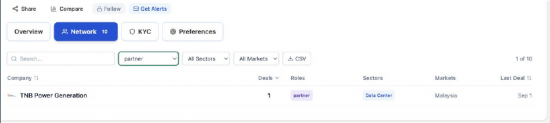
이벤트에서 어떤 당사자가 명시되어 있는지, 그리고 GIS가 각 당사자에게 할당한 역할을 확인해 주십시오. 반복적으로 등장하는 당사자는 기업의 활동 추이를 분석하는 데 중요한 단서가 됩니다.
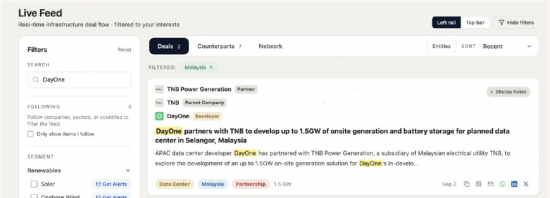
DayOne
GIS 앱의 실제 스크린샷입니다. 표시된 네트워크는 파트너 역할로만 한정되어 있지만, 화면 내용에는 변경 사항이 없습니다.
문맥상 기업
이벤트에 어떤 당사자가 포함되어 있는지, 또한 GIS가 각 당사자에게 할당한 역할을 확인할 수 있습니다. 반복적으로 등장하는 사례는 기업의 활동 추이를 분석하기 위한 기초가 됩니다.
부문별 활동 비교
다양한 기술 분야에 걸쳐 활동하는 기업
히트맵을 통해 여러 기업의 기록된 부문별 활동 현황을 하나의 비교 화면에서 시각화할 수 있습니다.
부문별 활동 현황
- 기업
- RWE
- TotalEnergies
- Orsted
- Shell
- Vestas
- NVIDIA
- Copenhagen Infrastructure Partners
- Iberdrola
- OX2
- ENGIE
- Amazon
- Nordex Group
- Microsoft
- Santander
지역별 활동 탐색하기
지역별 활동
- 기업
- RWE
- Nordex Group
- TotalEnergies
- Meta
- Petrobras
- GE Vernova
- Shell
- Copenhagen Infrastructure Partners
- Amazon
- BNP Paribas
- Iberdrola
- ENGIE
- EDF
- Equinor
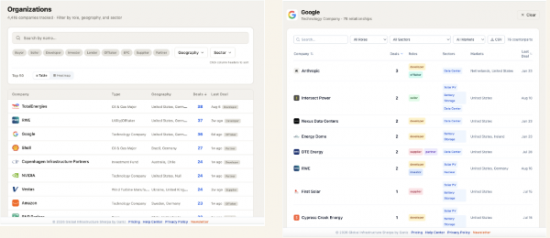
조직을 검색하고 그 관계를 추적합니다.
- 조직 검색
- 거래처 간의 관계를 추적
기업 비교
기업을 나란히 비교
표시된 ‘매치업’ 뷰에는 기록된 활동의 개요와 역할별 내역이 표시되며, 각 기업별로 표시되는 참가자와 양사에 공통으로 속한 참가자가 구분되어 있습니다.
개요
- 지표
- ExxonMobil
- Aramco
- 거래 총수 : 5/1
- 네트워크 규모 : 10/1
- 기술 분야 : 가스/산업/석유·가스/석유·가스
- 시장 : 가봉/그리스/가이아나/미국/사우디아라비아
역할별 내역
- 개발사 - 5개 파트너
- 공동 개발 : 없음
- ExxonMobil 단독
- Golden Pass LNG
- Energean
- HELLENiQ ENERGY
- Global Infrastructure Partners
- Aramco 단독
- Saipem
- 파트너 - 3개 파트너
- 공동 개발 : 없음
- ExxonMobil 단독
- BP
- CF Industries
- EnLink Midstream
- Aramco 단독
- 없음
- 공급업체 - 2개 파트너
- 공동 개발 : 없음
- ExxonMobil 단독
- Aramco 단독
글로벌 인프라 커버리지
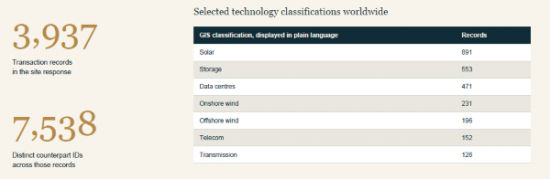
기록된 시장에는 미국, 영국, 인도, 호주, 브라질, 독일 외에도 말레이시아가 포함됩니다. 평가 대상 범위는 시장 및 기술별로 선택할 수 있습니다.
KSMThe infrastructure market, mapped and tracked
Global Infrastructure Sherpa brings infrastructure transactions and the companies involved into a structured dataset for analysis.
Who is doing what, with whom and where
GIS connects recorded infrastructure activity with named participants and their roles. Transaction records bring together the announcement, location, technology, parties and source reference, so users can examine company activity across events.
- 01:Infrastructure activity
- Follow recorded partnerships and other transaction activity across technologies and markets, with announcement dates and source references.
- 02:Companies in context
- See which parties are named in an event and the role GIS assigns to each. Repeated appearances provide a basis for examining a company’s activity over time.
- 03:Data for analysis
- Structured records and CSV export support analysis in other workflows.
The data is the product.
Evaluate GIS records for use within your organization’s own systems and workflows.
- 01:Infrastructure transactions
- The supplied GIS records identify infrastructure events with a headline, deal type, recorded status, country and technology classification.
- 02:Companies and recorded roles
- The sample links named counterparties to transaction roles. This provides a starting point for examining participation and relationships across records.
- 03:Source traceability
- The sample includes a source_url for each transaction. Source links allow recipients to inspect the underlying reporting and its context.
- 04:Existing record structure
- The sample uses existing GIS fields and identifiers. Its field dictionary defines the delivered columns without introducing a new schema.
- 05:API or recurring CSV
- API and programmatic delivery are separately agreed and priced in the supplied product materials. Recurring CSV is a delivery option to scope with the buyer.
- 06:A defined commercial scope
- Agree the coverage, delivery frequency, permitted uses and commercial terms before recurring supply. The sample illustrates data for evaluation
Put infrastructure intelligence to work.
Potential uses of licensed GIS data within a buyer’s own environment.
- 01:Internal research
- Bring transaction records and their source links into an existing research workflow, with company names and recorded roles available for investigation.
- 02:Company monitoring
- Use recurring records to support monitoring of named companies and infrastructure themes. Delivery frequency and change handling must be agreed.
- 03:Market analysis
- Group supplied records by existing country, technology and deal-type fields. Results describe the supplied coverage, not a complete census of the market.
- 04:Relationship analysis
- Use recorded participation to examine which companies appear together and in what roles. Participation alone does not establish ownership or control.
- 05:Client-facing intelligence
- Evaluate how GIS data could support a buyer’s client work. Client display, onward distribution and derived outputs require an agreed license scope.
- 06:Integration evaluation
- Test the sample in the intended workflow before defining production requirements. Identifiers, formats and update handling should be reviewed together.
A concrete data product to evaluate.
Existing sample fields show what a recipient can inspect and test.
- 01:id · headline
- An existing GIS record identifier and transaction headline provide the starting point for each supplied row.
- 02:deal_type · status
- Recorded classifications describe the transaction. Interpret status using the dictionary and source context; it is not evidence of project completion.
- 03:country · technology
- Existing geographic and technology classifications support selection and grouping of the supplied records.
- 04:announcement_date · created_at
- The record contains both fields. Their definitions remain those in the supplied dictionary; they should not be treated as interchangeable dates.
- 05:counterpart_count · counterparts
- The sample carries a counterpart count and named participants with recorded roles. Review the supplied representation when planning ingestion.
- 06:source_url
- The source link remains part of the record, providing a route back to the reporting behind the transaction.
Start with the sample. Define the supply.
A proposed evaluation path for an enterprise data engagement.
- 01:Select coverage
- Define the countries, infrastructure technologies and transaction coverage relevant to the buyer’s use case.
- 02:Test existing records
- Review a focused sample and its dictionary. Test the data in the intended internal workflow and identify the information required for evaluation.
- 03:Agree delivery
- Scope API or recurring CSV delivery, including cadence, format and operational requirements. Daily supply is a requirement to agree, not an established service commitment.
- 04:Define update handling
- Agree how new records, corrections and identifiers will be handled. The sample does not establish a production update protocol.
- 05:License the intended use
- Define internal use, client display, onward distribution and any derived outputs. Commercial terms should reflect the agreed scope.
- 06:Confirm the arrangement
- Confirm delivery responsibilities, support and commercial terms before recurring supply begins. No production service level is established by this brochure.
Recorded activity, illustrated
Follow recorded partnerships and other transaction activity across technologies and markets, with announcement dates and source references.
Understand each transaction
From headline to detail
The screens show the transaction narrative, structured details, Deal Intelligence, Sherpa Notes and the source-article link.
Source: supplied GIS platform collage, September 2026. Transaction visual enhanced for presentation; source wording and figures retained. Sherpa Notes shown as captured. These values are separate from the Malaysian sample
Read the Sherpa Signal
Research and reports
The captured article brings a transaction headline, named parties, key facts and Sherpa Analysis into a published reading view.
Relationship network
See which parties are named in an event and the role GIS assigns to each. Repeated appearances provide a basis for examining a company’s activity over time.
DayOne
Actual GIS app screenshot. The visible network is filtered to the partner role; screen contents are unchanged.
Companies in context
See which parties are named in an event and the role GIS assigns to each. Repeated appearances provide a basis for examining a company’s activity over time.
Compare sector activity
Companies across technologies
The heatmap makes the recorded sector activity of multiple companies visible in one comparison view.
SECTOR ACTIVITY
- Company
- RWE
- TotalEnergies
- Ørsted
- Shell
- Vestas
- NVIDIA
- Copenhagen Infrastructure Partners
- Iberdrola
- OX2
- ENGIE
- Amazon
- Nordex Group
- Microsoft
- Santander
Explore geographic activity
GEOGRAPHY ACTIVITY
- Company
- RWE
- Nordex Group
- TotalEnergies
- Meta
- Petrobras
- GE Vernova
- Shell
- Copenhagen Infrastructure Partners
- Amazon
- BNP Paribas
- Iberdrola
- ENGIE
- EDF
- Equinor
Find organisations. Trace their relationships.
- FIND ORGANISATIONS
- TRACE COUNTERPARTY RELATIONSHIPS
Compare companies
Side-by-side company comparison
The captured Matchup view shows an overview of recorded activity and a role breakdown, distinguishing shared participants from those shown for each company.
Overview
- Metric
- ExxonMobil
- Aramco
- Total Deals: 5 / 1
- Network Size: 10 / 1
- Technologies: Gas / Industrial / Oil Gas / Oil Gas
- Markets: Gabon / Greece / Guyana / United States / Saudi Arabia
Role Breakdown
- Developer - 5 partners
- Shared: None
- Only ExxonMobil
- Golden Pass LNG
- Energean
- HELLENiQ ENERGY
- Global Infrastructure Partners
- Only Aramco
- Saipem
- Partner - 3 partners
- Shared: None
- Only ExxonMobil
- bp
- CF Industries
- EnLink Midstream
- Only Aramco
- None
- Supplier - 2 partners
- Shared: None
- Only ExxonMobil
- Only Aramco
Global infrastructure coverage
Recorded markets include the United States, United Kingdom, India, Australia, Brazil and Germany, as well as Malaysia. Scope can be selected for evaluation by market and technology.


