



|
시장보고서
상품코드
1896742
전자기 무기 시장(2026-2036년)Global Electromagnetic Weapons Market 2026-2036 |
||||||

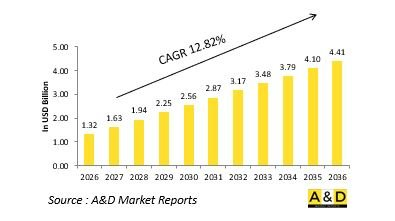
세계의 전자기 무기 시장 규모는 2026년에는 약 13억 2,000만 달러로 추정되며, 2036년까지 44억 1,000만 달러에 달할 것으로 예상되며, 2026-2036년 예측 기간 동안 CAGR 12.82%의 성장이 전망됩니다.
전자기 무기 시장 소개
방어용 전자기 무기 시장은 현대전의 혁신적인 전환을 상징하며, 기존의 폭발물에 의존하지 않고 전자기에너지를 사용하여 적의 목표물을 무력화, 손상 또는 파괴하는 시스템에 초점을 맞추고 있습니다. 이들 무기는 고출력 마이크로파, 전자기 펄스, 레일건 등의 메커니즘을 통해 작동하며, 신속한 교전, 풍부한 탄약 용량, 물류 제약의 감소를 실현합니다. 전자 장비, 통신 시스템, 유도 탄약을 무력화시키는 능력은 전자전 및 대 드론 작전에서 특히 유용하게 사용될 수 있습니다. 군대가 보다 효율적이고 정밀하며 비용 효율적인 억제 수단을 찾는 가운데, 전자기 무기는 차세대 방어 전략의 중요한 구성요소로 부상하고 있습니다. 이는 비동력적이고 확장 가능한 표적 포착 수단을 제공하며, 전자화 및 데이터 중심화되는 전장에서 결정적인 전술적 우위를 유지하면서 부수적 피해를 최소화하는 데 초점을 맞추고 있는 추세에 부합합니다.
전자기 무기 시장에서 기술의 영향
기술 발전은 전자기 무기의 미래와 실용성을 재정의하고 있습니다. 펄스 전력 시스템, 초전도 재료, 소형 에너지 저장장치의 비약적인 발전으로 에너지 밀도와 무기 효율이 크게 향상되었습니다. 이러한 혁신을 통해 전자기 시스템은 고정밀, 소형이면서도 높은 수준의 지향성 에너지를 공급할 수 있게 되었습니다. 첨단 표적 포착 알고리즘, AI, 적응형 제어 시스템의 통합은 고속 이동 표적과 스텔스 표적에 대한 무기의 대응력을 높입니다. 냉각 시스템 및 에너지 회수 기술의 향상으로 육상, 해상 및 항공 플랫폼의 지속적인 작동과 기동성이 더욱 향상되었습니다. 또한, 전자파 차폐 및 내자성 강화 기술의 발전은 경쟁 기술의 병행 혁신을 촉진하고 있습니다. 전반적으로 전력전자, 재료과학, AI 제어의 시너지 효과로 인해 전자기 무기는 개념적 프로토타입 단계에서 실전 배치가 가능한 전장 자산으로의 전환을 가속화하고 있습니다.
전자기 무기 시장의 주요 촉진요인
신속하고 비용 효율적인 정밀 공격 능력에 대한 수요 증가는 방어용 전자기 무기 시장의 주요 촉진요인입니다. 현대전이 점점 더 전자화되는 가운데, 물리적 파괴 없이 적의 시스템을 무력화시키는 능력은 전략적 우위를 가져옵니다. 드론 군집 공격, 미사일 포화 공격, 전자파 교란에 대한 우려가 높아지면서 여러 위협을 동시에 무력화할 수 있는 전자기 솔루션에 대한 수요가 증가하고 있습니다. 에너지 무기 시스템에 대한 전 세계적인 관심은 낮은 탄환당 비용, 물류 부담 감소, 거의 즉각적인 공격 가능성에 기인합니다. 국방 현대화 프로그램에서는 공격 능력과 방어 능력을 모두 강화하기 위해 지향성 에너지 기술이 우선순위를 차지하고 있습니다. 또한, 전투 환경에서의 생존성 및 적응성 향상을 위한 움직임이 이동 가능하고 확장 가능한 전자기 시스템 연구를 촉진하고 있습니다. 이러한 요인으로 인해 전자기 무기는 기존의 운동 에너지 무기를 보완하는 미래 전투 작전의 기반이 되고 있습니다.
전자기 무기 시장의 지역별 동향
방위 전자기 무기 시장의 지역적 역학은 다양한 전략적 우선순위, 연구 역량, 위협 환경에 의해 형성됩니다. 북미는 강력한 국방 연구 기관과 대규모 에너지 무기 프로그램을 바탕으로 개발 및 시험에 있어 선도적인 위치에 있습니다. 유럽은 상호운용성과 지속가능성을 중시하며, 해상/항공방위 분야에 전자기 기술을 통합하는 데 주력하고 있습니다. 아시아태평양에서는 증가하는 지정학적 긴장과 현대화 활동으로 인해 작고 기동성이 높은 전자기 솔루션에 대한 독자적인 연구가 진행되고 있습니다. 중동에서는 비대칭 억제력 강화를 목적으로 대드론 및 국경 방어용 지향성 에너지 시스템에 대한 검토가 활발히 이루어지고 있습니다. 라틴아메리카와 아프리카는 향후 채용을 염두에 두고 방산협력과 기술제휴를 통해 관계를 강화하고 있습니다. 모든 지역에서 기존 방어 시스템을 보완하면서 전자전 및 사이버전 영역의 새로운 위협에 대응할 수 있는 배치 가능한 멀티 플랫폼 전자기 무기에 대한 관심이 높아지고 있습니다.
세계의 전자기 무기 시장에 대해 조사 분석했으며, 시장에 영향을 미치는 기술, 향후 10년간의 예측, 각 지역별 시장 동향 등의 정보를 전해드립니다.
목차
전자기 무기 시장 보고서의 정의
전자기 무기 시장 세분화
범위별
지역별
최종사용자별
향후 10년간 전자기 무기 시장 분석
전자기 무기 시장 기술
세계의 전자기 무기 시장 예측
지역의 전자기 무기 시장 동향과 예측
북미
촉진요인, 억제요인, 과제
PEST
시장 예측과 시나리오 분석
주요 기업
공급업체 Tier 상황
기업 벤치마크
유럽
중동
아시아태평양
남미
전자기 무기 시장 국가 분석
미국
방위 프로그램
최신 뉴스
특허
이 시장의 현재 기술 성숙도
시장 예측과 시나리오 분석
캐나다
이탈리아
프랑스
독일
네덜란드
벨기에
스페인
스웨덴
그리스
호주
남아프리카공화국
인도
중국
러시아
한국
일본
말레이시아
싱가포르
브라질
전자기 무기 시장 기회 매트릭스
전자기 무기 시장 보고서에 관한 전문가의 의견
결론
Aviation and Defense Market Reports에 대해
KSM 26.01.08The Global Electromagnetic Weapons market is estimated at USD 1.32 billion in 2026, projected to grow to USD 4.41 billion by 2036 at a Compound Annual Growth Rate (CAGR) of 12.82% over the forecast period 2026-2036.
Introduction to Electromagnetic Weapons Market:
The defense electromagnetic weapons market represents a transformative shift in modern warfare, focusing on systems that use electromagnetic energy to disable, damage, or destroy enemy targets without relying on conventional explosives. These weapons operate through mechanisms such as high-powered microwaves, electromagnetic pulses, and railguns, offering rapid engagement, deep magazine capacity, and reduced logistical constraints. Their ability to neutralize electronics, communication systems, and guided munitions makes them particularly valuable in electronic warfare and counter-drone operations. As militaries seek more efficient, precise, and cost-effective deterrence tools, electromagnetic weapons are emerging as a key component of next-generation defense strategies. They provide a non-kinetic, scalable means of targeting that aligns with the growing focus on minimizing collateral damage while maintaining decisive tactical superiority in increasingly electronic and data-centric battlefields.
Technology Impact in Electromagnetic Weapons Market:
Technological advancements are redefining the potential and practicality of electromagnetic weapons. Breakthroughs in pulsed power systems, superconducting materials, and compact energy storage have significantly improved energy density and weapon efficiency. These innovations allow electromagnetic systems to deliver high levels of directed energy with increased precision and reduced size. The integration of advanced targeting algorithms, artificial intelligence, and adaptive control systems enhances weapon responsiveness against fast-moving or stealth targets. Improvements in cooling systems and energy recovery have further enabled sustained operation and mobility across land, sea, and air platforms. Additionally, advancements in electromagnetic shielding and hardening are driving parallel innovation in countermeasure technologies. Overall, the synergy of power electronics, materials science, and AI-driven control has accelerated the transition of electromagnetic weapons from conceptual prototypes to deployable battlefield assets.
Key Drivers in Electromagnetic Weapons Market:
The growing need for rapid, cost-effective, and precise engagement capabilities is a major driver of the defense electromagnetic weapons market. As modern warfare becomes increasingly electronic, the ability to disable enemy systems without physical destruction offers strategic advantages. Rising concerns over drone swarms, missile saturation attacks, and electronic interference have intensified the demand for electromagnetic solutions capable of neutralizing multiple threats simultaneously. The global focus on energy-based weapon systems stems from their low cost per shot, reduced logistical burden, and near-instantaneous strike potential. Defense modernization programs are prioritizing directed-energy technologies to enhance both offensive and defensive capabilities. Additionally, the push for greater survivability and adaptability in contested environments drives research into portable, scalable electromagnetic systems. These factors collectively position electromagnetic weapons as a cornerstone of future combat operations, complementing conventional kinetic arsenals.
Regional Trends in Electromagnetic Weapons Market:
Regional dynamics in the defense electromagnetic weapons market are shaped by differing strategic priorities, research capabilities, and threat landscapes. North America leads in development and testing, supported by strong defense research institutions and large-scale energy weapon programs. Europe focuses on integrating electromagnetic technologies into naval and air defense applications, emphasizing interoperability and sustainability. In the Asia-Pacific region, rising geopolitical tensions and modernization efforts are driving indigenous research into compact and mobile electromagnetic solutions. The Middle East is increasingly exploring directed-energy systems for counter-drone and border defense roles, seeking to strengthen asymmetric deterrence. Latin America and Africa are engaging through defense collaborations and technology partnerships to explore future adoption. Across all regions, the emphasis is shifting toward deployable, multi-platform electromagnetic weapons that can complement traditional defense systems while addressing evolving threats in electronic and cyber warfare domains.
Key Defense Electromagnetic Weapons Program:
Leidos has received a $38 million contract from the U.S. Air Force to advance electromagnetic weapons development. Under the IDIQ agreement awarded by the Air Force Research Laboratory, the company will focus on developing next-generation High Power Electromagnetic (HPEM) sources and components, as stated in the Department of Defense announcement. HPEM technologies have applications across multiple defense domains, including directed-energy weapons, counter-IED systems, and electronic warfare.
Table of Contents
Electromagnetic Weapons Market - Table of Contents
Electromagnetic Weapons Market Report Definition
Electromagnetic Weapons Market Segmentation
By Range
By Region
By End User
Electromagnetic Weapons Market Analysis for next 10 Years
The 10-year Electromagnetic Weapons Market analysis would give a detailed overview of Electromagnetic Weapons Market growth, changing dynamics, technology adoption overviews and the overall market attractiveness is covered in this chapter.
Market Technologies of Electromagnetic Weapons Market
This segment covers the top 10 technologies that is expected to impact this market and the possible implications these technologies would have on the overall market.
Global Electromagnetic Weapons Market Forecast
The 10-year Electromagnetic Weapons Market forecast of this market is covered in detailed across the segments which are mentioned above.
Regional Electromagnetic Weapons Market Trends & Forecast
The regional Electromagnetic Weapons Market trends, drivers, restraints and Challenges of this market, the Political, Economic, Social and Technology aspects are covered in this segment. The market forecast and scenario analysis across regions are also covered in detailed in this segment. The last part of the regional analysis includes profiling of the key companies, supplier landscape and company benchmarking. The current market size is estimated based on the normal scenario.
North America
Drivers, Restraints and Challenges
PEST
Market Forecast & Scenario Analysis
Key Companies
Supplier Tier Landscape
Company Benchmarking
Europe
Middle East
APAC
South America
Country Analysis of Electromagnetic Weapons Market
This chapter deals with the key defense programs in this market, it also covers the latest news and patents which have been filed in this market. Country level 10 year market forecast and scenario analysis are also covered in this chapter.
US
Defense Programs
Latest News
Patents
Current levels of technology maturation in this market
Market Forecast & Scenario Analysis
Canada
Italy
France
Germany
Netherlands
Belgium
Spain
Sweden
Greece
Australia
South Africa
India
China
Russia
South Korea
Japan
Malaysia
Singapore
Brazil
Opportunity Matrix for Electromagnetic Weapons Market
The opportunity matrix helps the readers understand the high opportunity segments in this market.
Expert Opinions on Electromagnetic Weapons Market Report
Hear from our experts their opinion of the possible analysis for this market.


