



|
시장보고서
상품코드
1896748
방위 훈련 및 시뮬레이션 시장(2026-2036년)Global Defense Training and Simulation Market 2026-2036 |
||||||

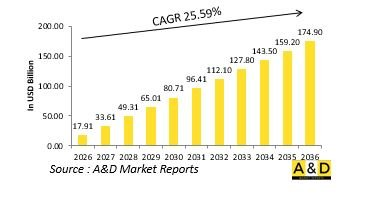
세계의 방위 훈련 및 시뮬레이션 시장 규모는 2026년에는 약 179억 1,000만 달러로 추정되며, 2036년까지 1,749억 달러에 달할 것으로 예상되며, 2026-2036년 예측 기간 동안 CAGR 25.59%의 성장이 전망됩니다.

방위 훈련 및 시뮬레이션 시장 소개
방위 훈련 및 시뮬레이션 시장은 실제 군사 시나리오를 재현하는 첨단 기술과 시스템을 포함하고 있으며, 인원의 전투 준비, 전략 계획, 작전 수행 능력을 향상시키는 것을 목표로 하고 있습니다. 이러한 솔루션은 가상 환경, 구조적 환경, 실전 환경을 결합하여 실전 훈련에 따른 비용과 위험 없이 작전 준비태세와 의사결정 능력을 강화할 수 있습니다. 훈련 및 시뮬레이션 시스템은 항공, 육상, 해상, 사이버 작전을 포함한 광범위한 방어 영역을 포괄하고 있습니다. 군인과 지휘관이 복잡한 작전을 리허설하고, 협업을 개선하고, 통제된 조건에서 결과를 평가할 수 있습니다. 전쟁의 디지털화가 진행되고 첨단 무기 시스템이 등장함에 따라 전 세계 국방 기관들은 위협이 큰 멀티 도메인 전장을 재현할 수 있는 시뮬레이션 환경에 많은 투자를 하고 있습니다. 상호운용성, 정밀전, 작전 적응성의 중요성이 높아짐에 따라 시뮬레이션 기반 훈련은 국방 준비 및 현대화 전략의 중요한 요소로 자리 잡고 있습니다.
방위 훈련 및 시뮬레이션 시장에서 기술의 영향
기술은 고도로 몰입형, 데이터 기반, 적응형 훈련 환경을 조성함으로써 방위 훈련 및 시뮬레이션 시장을 크게 변화시키고 있습니다. VR 기술과 AR 기술을 통해 복잡한 지형과 역동적인 전황을 재현한 실감나는 360도 전투 시뮬레이션이 가능해졌습니다. AI는 상황에 따른 적 생성, 훈련생 성과 분석, 실시간 훈련 모듈 개별화 등에 활용되고 있습니다. 클라우드 컴퓨팅과 네트워크화된 시뮬레이션 시스템의 통합으로 서로 다른 위치에 있는 여러 부대가 공유된 가상 공간에서 공동 훈련을 할 수 있게 되었습니다. 디지털 트윈과 첨단 모델링 툴을 통해 전체 무기 플랫폼과 운영 시스템을 시뮬레이션할 수 있으며, 군는 물리적 자산을 위험에 빠뜨리지 않고도 부대 훈련과 시험을 수행할 수 있습니다. 또한, 모션 캡처, 햅틱 피드백, 고화질 그래픽의 발전으로 시뮬레이션은 그 어느 때보다 실제에 가깝게 구현되고 있습니다. 이러한 기술 발전으로 훈련은 정적인 훈련에서 모든 방어 영역에서 준비태세와 작전 정확도를 향상시키는 지능적이고 확장 가능한 생태계로 변모하고 있습니다.
방위 훈련 및 시뮬레이션 시장의 주요 촉진요인
방위 훈련 및 시뮬레이션 시장의 주요 촉진요인은 현대 전쟁의 복잡성으로 인해 인력을 훈련하기 위한 현실적이고 비용 효율적인 방법이 필요하게 되었습니다. 첨단 국방 플랫폼의 높은 운영 및 유지보수 비용은 군가 조종사, 차량, 작전 리허설에 있어 가상 환경에 대한 의존도를 높이는 요인으로 작용하고 있습니다. 또한, 항공·육상·해상·우주·사이버 전력이 원활하게 연계되는 멀티 도메인 작전에 대한 관심이 높아지고 있는 것도 통합 훈련 시스템의 필요성을 증대시키고 있습니다. 예산 효율성, 안전 문제, 지속가능성 목표는 자원 집약적인 야외 훈련의 대안으로 시뮬레이션 기반 훈련의 채택을 더욱 촉진하고 있습니다. 전 세계 각국의 국방 현대화 구상은 시뮬레이션을 즉각적인 대응태세와 연합군의 상호운용성을 실현하는 중요한 원동력으로 간주하고 있습니다. 또한, 무인 및 자율 시스템의 부상은 첨단 시뮬레이션을 통해서만 달성할 수 있는 전문적인 훈련 프레임워크를 요구하고 있습니다. 이러한 요인들은 진화하는 세계 위협에 대비한 국방 인력 양성에 있어 시뮬레이션의 역할이 매우 중요하다는 것을 보여줍니다.
방위 훈련 및 시뮬레이션 시장 지역별 동향
방위 훈련 및 시뮬레이션 시장의 지역별 동향은 국방 우선순위와 현대화 계획에 의해 형성된 다양한 패턴을 보여줍니다. 북미는 항공작전과 연합작전을 지원하는 고충실도 시뮬레이션 센터와 AI 기반 훈련 솔루션에 대한 막대한 투자로 선도적인 위치에 있습니다. 유럽은 다국적 방어 프레임워크에 따른 공동 훈련 시스템을 중시하고 동맹군 간의 상호운용성을 추진하고 있습니다. 아시아태평양은 지정학적 긴장 고조와 대규모 국방 현대화 속에서 즉각적인 대응 태세를 강화하기 위해 훈련 인프라를 빠르게 확장하고 있습니다. 중동은 가혹한 환경에서의 작전 효율성을 최적화하기 위해 방공 및 대테러 훈련용 시뮬레이션에 집중하고 있습니다. 라틴아메리카와 아프리카는 파트너십과 기술 이전을 통해 훈련 수준을 향상시키기 위해 시뮬레이션 기술 채택을 확대하고 있습니다. 모든 지역에서 VR/AR 플랫폼, 네트워크화된 시뮬레이션 시스템, 데이터 분석 기술의 채택이 가속화되고 있습니다. 이러한 전 세계적인 변화는 차세대 시뮬레이션 기반 훈련을 통해 전투 준비태세, 협력 및 의사결정을 강화하는 데 초점을 맞추고 있다는 것을 반영합니다.
세계의 방위 훈련 및 시뮬레이션 시장에 대해 조사 분석했으며, 시장에 영향을 미치는 기술, 향후 10년간의 예측, 각 지역별 시장 동향 등의 정보를 전해드립니다.
목차
방위 훈련 및 시뮬레이션 시장 보고서의 정의
방위 훈련 및 시뮬레이션 시장 세분화
지역별
구성요소별
용도별
향후 10년간 방위 훈련 및 시뮬레이션 시장 분석
방위 훈련 및 시뮬레이션 시장 기술
세계의 방위 훈련 및 시뮬레이션 시장 예측
지역의 방위 훈련 및 시뮬레이션 시장 동향과 예측
북미
촉진요인, 억제요인, 과제
PEST
시장 예측과 시나리오 분석
주요 기업
공급업체 Tier 상황
기업 벤치마크
유럽
중동
아시아태평양
남미
방위 훈련 및 시뮬레이션 시장 국가 분석
미국
방위 프로그램
최신 뉴스
특허
이 시장의 현재 기술 성숙도
시장 예측과 시나리오 분석
캐나다
이탈리아
프랑스
독일
네덜란드
벨기에
스페인
스웨덴
그리스
호주
남아프리카공화국
인도
중국
러시아
한국
일본
말레이시아
싱가포르
브라질
방위 훈련 및 시뮬레이션 시장 기회 매트릭스
방위 훈련 및 시뮬레이션 시장 보고서에 관한 전문가의 의견
결론
Aviation and Defense Market Reports에 대해
KSM 26.01.08The Global Defense Training and Simulation market is estimated at USD 17.91 billion in 2026, projected to grow to USD 174.90 billion by 2036 at a Compound Annual Growth Rate (CAGR) of 25.59% over the forecast period 2026-2036.
Introduction to Defense Training and Simulation Market
The defense training and simulation market encompasses advanced technologies and systems that replicate real-world military scenarios to prepare personnel for combat, strategic planning, and mission execution. These solutions combine virtual, constructive, and live simulation environments to enhance operational readiness and decision-making skills without the cost or risk associated with live exercises. Training and simulation systems cover a wide spectrum of defense domains, including air, land, naval, and cyber operations. They enable soldiers and commanders to rehearse complex missions, improve coordination, and assess outcomes in controlled conditions. With the increasing digitization of warfare and the emergence of sophisticated weapon systems, defense forces worldwide are investing heavily in simulated environments that can replicate high-threat, multi-domain battlefields. The growing importance of interoperability, precision warfare, and mission adaptability has made simulation-based training a vital component of defense preparedness and modernization strategies.
Technology Impact in Defense Training and Simulation Market:
Technology is profoundly reshaping the defense training and simulation market by creating highly immersive, data-driven, and adaptive training environments. Virtual and augmented reality technologies are enabling realistic, 360-degree combat simulations that replicate complex terrains and dynamic battlefield conditions. Artificial intelligence is being used to generate adaptive adversaries, analyze trainee performance, and personalize training modules in real time. The integration of cloud computing and networked simulation systems allows multiple units across different locations to train collaboratively in shared virtual spaces. Digital twins and advanced modeling tools are also enabling the simulation of entire weapon platforms or operational systems, allowing forces to train and test without risking physical assets. Moreover, advances in motion capture, haptic feedback, and high-fidelity graphics are making simulations more lifelike than ever before. These technological developments are transforming training from static exercises into intelligent, scalable ecosystems that enhance readiness and operational precision across all defense domains.
Key Drivers in Defense Training and Simulation Market:
The defense training and simulation market is primarily driven by the increasing complexity of modern warfare, which demands realistic and cost-effective methods to train personnel. The high operational and maintenance costs of advanced defense platforms have encouraged militaries to rely more on virtual environments for pilot, vehicle, and mission rehearsals. The rising emphasis on multi-domain operations-where air, land, sea, space, and cyber forces must work seamlessly-has also increased the need for integrated training systems. Budget efficiency, safety concerns, and sustainability goals further propel the adoption of simulation-based training as an alternative to resource-intensive field exercises. Defense modernization initiatives across the world highlight simulation as a key enabler for readiness and joint-force interoperability. Additionally, the emergence of unmanned and autonomous systems requires specialized training frameworks that can only be achieved through advanced simulation. Together, these factors underline simulation's role as an essential element in preparing defense personnel for evolving global threats.
Regional Trends in Defense Training and Simulation Market:
Regional trends in the defense training and simulation market reveal diverse patterns shaped by defense priorities and modernization agendas. North America leads through significant investments in high-fidelity simulation centers and AI-driven training solutions supporting air and joint-force operations. Europe emphasizes collaborative training systems that align with multinational defense frameworks, promoting interoperability among allied forces. The Asia-Pacific region is rapidly expanding its training infrastructure to enhance readiness amid rising geopolitical tensions and large-scale defense modernization. The Middle East focuses on simulation for air defense and counterterrorism training, optimizing operational efficiency in demanding environments. Latin America and Africa are increasingly incorporating simulation technologies to improve training standards through partnerships and technology transfers. Across all regions, the adoption of virtual and augmented reality platforms, networked simulation systems, and data analytics is accelerating. This global shift reflects a unified focus on enhancing combat preparedness, coordination, and decision-making through next-generation simulation-based training.
Key Defense Training and Simulation Program:
CAE announced that it has secured defence contracts worth over C$80 million in the fourth quarter of fiscal year 2016 to deliver simulation products and training services to military customers worldwide. Key awards include a contract from the NATO Support and Procurement Agency (NSPA) to carry out a major upgrade of the German Navy's Sea King MK41 helicopter simulator; a contract via Public Works and Government Services Canada (PWGSC) to provide the Canadian Coast Guard with a Bell 412/429 helicopter simulator; and a contract to upgrade the U.S. Air Force KC-135 tanker aircrew training devices. The KC-135 contract had been previously announced to trade media on February 11, though its value was not disclosed.
Table of Contents
Defense Training and Simulation Market - Table of Contents
Defense Training and Simulation Market Report Definition
Defense Training and Simulation Market Segmentation
By Region
By Component
By Application
Defense Training and Simulation Market Analysis for next 10 Years
The 10-year Defense Training and Simulation Market analysis would give a detailed overview of Defense Training and Simulation Market growth, changing dynamics, technology adoption overviews and the overall market attractiveness is covered in this chapter.
Market Technologies of Defense Training and Simulation Market
This segment covers the top 10 technologies that is expected to impact this market and the possible implications these technologies would have on the overall market.
Global Defense Training and Simulation Market Forecast
The 10-year Defense Training and Simulation Market forecast of this market is covered in detailed across the segments which are mentioned above.
Regional Defense Training and Simulation Market Trends & Forecast
The regional Defense Training and Simulation Market trends, drivers, restraints and Challenges of this market, the Political, Economic, Social and Technology aspects are covered in this segment. The market forecast and scenario analysis across regions are also covered in detailed in this segment. The last part of the regional analysis includes profiling of the key companies, supplier landscape and company benchmarking. The current market size is estimated based on the normal scenario.
North America
Drivers, Restraints and Challenges
PEST
Market Forecast & Scenario Analysis
Key Companies
Supplier Tier Landscape
Company Benchmarking
Europe
Middle East
APAC
South America
Country Analysis of Defense Training and Simulation Market
This chapter deals with the key defense programs in this market, it also covers the latest news and patents which have been filed in this market. Country level 10 year market forecast and scenario analysis are also covered in this chapter.
US
Defense Programs
Latest News
Patents
Current levels of technology maturation in this market
Market Forecast & Scenario Analysis
Canada
Italy
France
Germany
Netherlands
Belgium
Spain
Sweden
Greece
Australia
South Africa
India
China
Russia
South Korea
Japan
Malaysia
Singapore
Brazil
Opportunity Matrix for Defense Training and Simulation Market
The opportunity matrix helps the readers understand the high opportunity segments in this market.
Expert Opinions on Defense Training and Simulation Market Report
Hear from our experts their opinion of the possible analysis for this market.


