
|
시장보고서
상품코드
1927658
방위용 인공지능(AI) 시장(2026-2036년)Global Defense AI Market 2026-2036 |
||||||

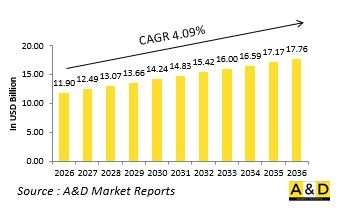
세계의 방위용 인공지능(AI) 시장 규모는 2026년에 119억 달러로 추정되고, 2026-2036년의 예측 기간에 CAGR4.09%로 성장하여 2036년까지 177억 6,000만 달러에 이를 전망입니다.
세계 방위용 인공지능(AI) 소개
세계 방위용 인공지능(AI)은 군사 환경에서 기계가 인식하고, 학습하고, 추론하고, 의사결정을 지원할 수 있도록 하는 고도의 계산 시스템을 적용하는 것을 말합니다. 이러한 능력은 상황 이해와 작전 효율성을 향상시키기 위해 전체 방어 작전에 점점 더 많이 통합되고 있습니다. 인공지능은 센서, 정보 피드, 작전 네트워크에서 생성되는 대량의 데이터를 해석하고, 원시 정보를 실용적인 지식으로 변환하는 데 도움을 줍니다. 이는 플랫폼 중심의 전쟁에서 속도와 정확성이 결정적인 정보 주도형 작전으로의 전환을 반영합니다. 국방용 인공지능은 인간의 판단 권한을 대체하는 것이 아니라 지휘 기능, 정보 평가, 병참 조정, 훈련 시뮬레이션을 지원합니다. 오히려 분석의 깊이와 예측적 인식을 제공함으로써 판단력을 보완합니다. 군사 임무가 더욱 복잡해지고 시간적 제약이 강화되는 가운데, 작전상 우위를 유지하기 위해 인공지능은 필수 불가결한 요소가 되고 있습니다. 국방 조직이 장기적인 전략 계획과 임무 수행 준비를 지원하면서, 데이터 밀집도가 높은 전쟁 환경에서도 작동할 수 있는 적응형 툴을 요구함에 따라 그 역할은 계속 확대되고 있습니다.
세계 방위용 인공지능(AI)의 기술적 영향
기술 발전은 방위용 인공지능(AI)의 적용 범위와 신뢰성을 크게 확대했습니다. 머신러닝 아키텍처의 발전으로 시스템은 지속적인 재프로그래밍 없이도 패턴 인식, 위협 평가, 새로운 데이터에 대한 적응을 실현할 수 있게 되었습니다. 고성능 컴퓨팅은 멀티 도메인 정보 스트림의 신속한 분석을 지원하고, 실시간 대응 능력을 강화합니다. 안전한 데이터 환경과 보호된 처리 프레임워크는 간섭과 조작에 대한 내성을 강화합니다. 로컬 컴퓨팅을 통한 인공지능 시스템의 작전 지역 근접 배치가 진행되어 중앙 집중식 인프라에 대한 의존도가 낮아지고 있습니다. 센싱, 모니터링, 통신 플랫폼과의 통합을 통해 전체 방어 네트워크의 무결성을 향상시킵니다. 이러한 발전으로 인공지능은 신뢰할 수 있는 분석 파트너로서 작전상 압박을 받는 상황에서도 상황 인식, 조정 및 의사결정의 질을 향상시킬 수 있습니다.
세계 방위용 인공지능(AI)의 주요 촉진요인
국방 분야에서 인공지능의 역할 확대에는 몇 가지 요인이 작용하고 있습니다. 현대의 전장에서는 인간의 처리 능력을 넘어서는 정보량이 생겨나면서 자동 분석에 대한 수요가 증가하고 있습니다. 진화하는 위협에 효과적으로 대응하기 위해서는 보다 빠른 의사결정 주기가 필요합니다. 인공지능은 자원 배분과 작전 계획의 최적화를 통해 부대의 효율성을 지원합니다. 전략적 경쟁은 정보 우위를 가져오는 기술에 대한 투자를 촉진합니다. 국방 현대화 프로그램에서는 디지털 전환이 우선순위를 차지하고 있으며, 인공지능의 통합이 가속화되고 있습니다. 또한, 인적 자원의 절감도 반복적인 분석 업무의 자동화에 힘을 실어주고 있습니다. 이러한 촉진요인들이 결합되어 인공지능은 현대 국방 생태계에서 기본 역량으로 자리매김하고 있습니다.
세계 방위용 인공지능(AI)의 지역별 동향
지역별로 다른 도입 패턴은 국방 우선순위와 거버넌스 방식의 차이를 반영합니다. 기술적으로 진보된 지역에서는 통제된 도입과 윤리적 감시를 중시합니다. 높은 전략적 압력에 직면한 지역에서는 실시간 분석과 자동화에 초점을 맞추었습니다. 동맹국 방어 네트워크에서는 공동 개발이 주류를 이루는 반면, 다른 지역에서는 주권적 인공지능 능력을 우선시합니다. 이러한 추세는 국방용 인공지능이 지역 안보 요구에 적응하면서 전 세계 군사적 변화를 지원하는 모습을 보여주고 있습니다.
주요 국방용 인공지능 프로그램:
OpenAI는 미 국방부에 인공지능 역량을 제공하는 2억 달러 규모의 계약을 체결했습니다. 이번 1년 계약은 지난 월요일에 발표된 것으로, OpenAI가 방위 기술 기업 Anduril과 파트너십을 맺고 국가 안보 용도의 첨단 AI 시스템 구축을 지원한다고 밝힌 데 따른 후속 조치다. 안두릴사 역시 지난해 12월 1억 달러 규모의 방산 계약을 체결한 바 있습니다. 이번 계약은 주요 AI 개발 기업과 미 국방부 기관과의 협력이 확대되고 있는 가운데 체결됐습니다. 몇 주 전, OpenAI의 경쟁사인 앤솔로픽(Anthropic)이 팔란티어(Palantir) 및 아마존(Amazon)과 협력하여 미 국방부 및 정보기관에 자사의 AI 모델을 제공한다고 밝히면서 국가 안보 임무에서 상용 AI 기술의 채택이 가속화되고 있음을 강조하고 있습니다. 를 강조했습니다.
목차
방위용 인공지능(AI) 시장 보고서-목차
방위용 인공지능(AI) 시장 보고서 정의
방위용 인공지능(AI) 시장 보고서 세분화
기술별
지역별
유형별
향후 10년간 방위용 인공지능(AI) 시장 보고서 분석
이 장에서는 10년간 방위용 인공지능(AI) 시장 보고서 분석에 의해 방위용 인공지능(AI) 시장 보고서 성장, 변화하는 동향, 기술 채택 개요 및 시장의 매력에 대해 상세한 개요가 나타납니다.
방위용 인공지능(AI) 시장 보고서 시장 기술
이 부문에서는 이 시장에 영향을 미치는으로 예상되는 상위 10기술과 이러한 기술이 시장 전체에 미칠 가능성이 있는 영향에 대해 설명합니다.
세계의 방위용 인공지능(AI) 시장 보고서 예측
이 시장 10년간 방위용 인공지능(AI) 시장 보고서 예측은 상기 부문 전체에 걸쳐서 상세하게 커버되고 있습니다.
지역 방위용 인공지능(AI) 시장 보고서 동향과 예측
지역별 방위용 인공지능(AI) 시장 보고서에서는 시장 동향, 촉진요인, 억제요인, 과제, 그리고 정치, 경제, 사회, 기술이라고 하는 측면을 망라하고 있습니다. 또한 지역별 시장 예측과 시나리오 분석도 상세하게 채택하고 있습니다.지역 분석 최종 단계에서는 주요 기업 프로파일링, 공급업체 상황, 기업 벤치마킹등에 대해서 분석했습니다.현재 시장 규모는 통상 시나리오에 근거하고 추정되고 있습니다.
북미
성장 촉진요인, 억제요인, 과제
PEST
시장 예측과 시나리오 분석
주요 기업
공급업체 Tier 상황
기업 벤치마킹
유럽
중동
아시아태평양
남미
방위용 인공지능(AI) 시장 보고서 국가별 분석
이 장에서는 이 시장 주요 방위 프로그램을 채택해 이 시장에서 신청된 최신 뉴스나 특허에 대해도 해설합니다. 또한 국가 레벨 10년간 시장 예측과 시나리오 분석에 대해도 해설합니다.
미국
방위 프로그램
최신 뉴스
특허
이 시장에서의 현재 기술 성숙도
시장 예측과 시나리오 분석
캐나다
이탈리아
프랑스
독일
네덜란드
벨기에
스페인
스웨덴
그리스
호주
남아프리카공화국
인도
중국
러시아
한국
일본
말레이시아
싱가포르
브라질
방위용 인공지능(AI) 시장 보고서 기회 매트릭스
기회 매트릭스는 독자가 이 시장 기회 높은 부문을 이해하는데 도움이 됩니다.
방위용 인공지능(AI) 시장 보고서에 관한 전문가 의견
이 시장 분석 가능성에 대해, 당사 전문가 의견을 정리했습니다.
결론
항공·방위 시장 보고서에 대해
LSH 26.02.20The Global Defense AI market is estimated at USD 11.90 billion in 2026, projected to grow to USD 17.76 billion by 2036 at a Compound Annual Growth Rate (CAGR) of 4.09% over the forecast period 2026-2036.
Introduction to Global Defense Artificial Intelligence
Global defense artificial intelligence refers to the application of advanced computational systems that enable machines to perceive, learn, reason, and support decision-making within military environments. These capabilities are increasingly embedded across defense operations to enhance situational understanding and operational efficiency. Artificial intelligence assists in interpreting large volumes of data generated from sensors, intelligence feeds, and operational networks, converting raw information into actionable insight. Its adoption reflects a shift from platform-centric warfare toward information-driven operations where speed and accuracy are decisive. Defense artificial intelligence supports command functions, intelligence assessment, logistics coordination, and training simulation without replacing human authority. Instead, it augments judgment by providing analytical depth and predictive awareness. As military missions grow more complex and time-sensitive, artificial intelligence becomes essential for maintaining operational advantage. Its role continues to expand as defense organizations seek adaptive tools capable of functioning across contested, data-dense environments while supporting long-term strategic planning and mission readiness.
Technology Impact in Global Defense Artificial Intelligence
Technological evolution has significantly expanded the scope and reliability of defense artificial intelligence. Improvements in machine learning architectures enable systems to recognize patterns, assess threats, and adapt to new data without constant reprogramming. High-performance computing supports rapid analysis of multi-domain information streams, enhancing real-time responsiveness. Secure data environments and protected processing frameworks strengthen resilience against interference and manipulation. Artificial intelligence systems are increasingly deployed closer to operational theaters through localized computing, reducing dependency on centralized infrastructure. Integration with sensing, surveillance, and communication platforms improves coherence across defense networks. These advances allow artificial intelligence to function as a trusted analytical partner that enhances awareness, coordination, and decision quality under operational pressure.
Key Drivers in Global Defense Artificial Intelligence
Several forces drive the expanding role of artificial intelligence in defense. Modern battlefields generate information volumes beyond human processing capacity, creating demand for automated analysis. Faster decision cycles are required to respond effectively to evolving threats. Artificial intelligence supports force efficiency by optimizing resource allocation and mission planning. Strategic competition encourages investment in technologies that provide informational advantage. Defense modernization programs increasingly prioritize digital transformation, accelerating artificial intelligence integration. Workforce limitations also encourage automation of repetitive analytical tasks. Together, these drivers position artificial intelligence as a foundational capability within modern defense ecosystems.
Regional Trends in Global Defense Artificial Intelligence
Regional adoption patterns reflect varying defense priorities and governance approaches. Technologically advanced regions emphasize controlled deployment and ethical oversight. Regions facing high operational pressure focus on real-time analytics and automation. Collaborative development dominates allied defense networks, while others prioritize sovereign artificial intelligence capabilities. These trends demonstrate how defense artificial intelligence adapts to regional security needs while supporting global military transformation.
Key Defense AI Program:
OpenAI has secured a $200 million contract to deliver artificial intelligence capabilities to the U.S. Department of Defense. The one-year agreement was announced on Monday and follows OpenAI's earlier disclosure that it would partner with defense technology firm Anduril to support the deployment of advanced AI systems for national security applications. Anduril itself was awarded a $100 million defense contract in December. The award also comes amid growing collaboration between leading AI developers and the U.S. defense establishment. In the weeks prior, OpenAI competitor Anthropic revealed plans to work alongside Palantir and Amazon to make its AI models available to U.S. defense and intelligence agencies, highlighting the accelerating adoption of commercial AI technologies across national security missions.
Table of Contents
Defense AI Market Report - Table of Contents
Defense AI Market Report Definition
Defense AI Market Report Segmentation
By Technology
By Region
By Type
Defense AI Market Report Analysis for next 10 Years
The 10-year defense ai market report analysis would give a detailed overview of defense AI market report growth, changing dynamics, technology adoption overviews and the overall market attractiveness is covered in this chapter.
Market Technologies of Defense AI Market Report
This segment covers the top 10 technologies that is expected to impact this market and the possible implications these technologies would have on the overall market.
Global Defense AI Market Report Forecast
The 10-year defense ai market report forecast of this market is covered in detailed across the segments which are mentioned above.
Regional Defense AI Market Report Trends & Forecast
The regional defense ai market report trends, drivers, restraints and Challenges of this market, the Political, Economic, Social and Technology aspects are covered in this segment. The market forecast and scenario analysis across regions are also covered in detailed in this segment. The last part of the regional analysis includes profiling of the key companies, supplier landscape and company benchmarking. The current market size is estimated based on the normal scenario.
North America
Drivers, Restraints and Challenges
PEST
Market Forecast & Scenario Analysis
Key Companies
Supplier Tier Landscape
Company Benchmarking
Europe
Middle East
APAC
South America
Country Analysis of Defense AI Market Report
This chapter deals with the key defense programs in this market, it also covers the latest news and patents which have been filed in this market. Country level 10 year market forecast and scenario analysis are also covered in this chapter.
US
Defense Programs
Latest News
Patents
Current levels of technology maturation in this market
Market Forecast & Scenario Analysis
Canada
Italy
France
Germany
Netherlands
Belgium
Spain
Sweden
Greece
Australia
South Africa
India
China
Russia
South Korea
Japan
Malaysia
Singapore
Brazil
Opportunity Matrix for Defense AI Market Report
The opportunity matrix helps the readers understand the high opportunity segments in this market.
Expert Opinions on Defense AI Market Report Report
Hear from our experts their opinion of the possible analysis for this market.