|
시장보고서
상품코드
1927667
민간용 탄약 시장(2026-2036년)Global Civilian Ammunition Market 2026-2036 |
||||||

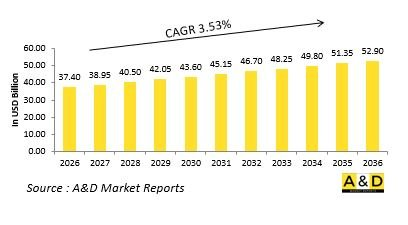
세계의 민간용 탄약 시장 규모는 2026년에 약 374억 달러로 추정되고, 2036년까지 529억 달러에 이를 것으로 예측되며, 2026-2036년의 예측 기간에 CAGR 3.53%의 성장이 전망되고 있습니다.

세계 민간용 탄약 시장 소개
민간용 탄약 시장은 레크리에이션 사격, 사냥, 자기방어를 위해 설계된 카트리지 및 발사체를 대상으로 합니다. 이 시장은 사격 스포츠에 대한 관심 증가, 총기 소유 증가, 자기방어에 대한 니즈 확대에 따라 지속적으로 성장하고 있습니다. 민간용 탄약은 다양한 조건에서 신뢰성, 정확성, 안전성을 제공할 수 있도록 제조되고 있습니다. 현대적인 디자인은 탄도 성능과 내구성을 향상시키기 위해 첨단 소재와 정밀 공학을 채택하여 탄도 성능과 내구성을 향상시켰습니다. 시장 수요는 지역별 법규, 라이선스 요건, 총기 인기도에 영향을 받으며, 구경, 유형, 용도에 따라 선호도가 달라집니다. 제조업체는 소비자의 기대에 부응하기 위해 환경 지속가능성을 고려한 선택, 개선된 추진제, 혁신적인 설계에 초점을 맞추었습니다. 제조 공정에서는 품질 관리, 재료의 일관성, 안전 기준을 중시하고 있습니다. 경기 사격, 사냥, 전술 훈련 프로그램의 부상은 시장 성장을 더욱 촉진하고 있습니다. 유통 네트워크, 소매점에서의 가용성, 소비자 교육도 보급에 영향을 미치고 있습니다. 발화제, 탄피, 탄두 설계의 기술적 진보가 성능 최적화에 기여하고 있습니다. 전반적으로 민간용 탄약은 레크리에이션, 스포츠, 방어용 총기 사용을 뒷받침하는 중요한 부문이며, 시장 동향은 소비자 선호도, 규제 정책, 재료 및 성능 기술 혁신에 의해 주도되고 있습니다.
세계 민간 탄약에 미치는 기술의 영향
기술 발전은 민간용 탄약에 변화를 가져왔고, 레크리에이션 및 방어 목적의 정확성, 신뢰성, 성능을 향상시키고 있습니다. 추진제와 점화제의 혁신은 일관성, 초속, 탄도 효율을 향상시킵니다. 특수 탄두, 제어 팽창, 공기역학적 특성을 포함한 탄환 설계의 발전은 정확도와 말단 성능을 최적화합니다. 경량 합금, 구리 합금, 폴리머 코팅을 포함한 재료 공학은 내구성을 높이고 총신의 마모를 줄이며 안전성을 향상시킵니다. 정밀 제조 기술을 통해 균일성과 엄격한 공차를 보장하고 로트 간 편차를 줄였습니다. 납 함량을 줄인 친환경 탄약은 규제 압력과 지속가능성에 대한 우려에 대응하고 있습니다. 첨단 테스트 및 품질 보증 시스템을 통합하여 안전 및 성능 표준에 대한 적합성을 보장합니다. 경기 사격, 사냥, 자기방어를 위한 특수 탄약은 계속 성장하고 있으며, 기술적 개선이 특정 사용자의 용도를 뒷받침하고 있습니다. 새로운 트렌드로는 보안 및 규제 준수를 위한 추적성 및 식별 기능의 강화도 꼽을 수 있습니다. 종합적으로, 기술은 성능, 신뢰성, 안전성, 안전성, 지속가능성을 향상시킴으로써 민수 탄약의 진화를 촉진하고, 다양한 사용자의 요구를 충족시키며 세계 시장 확대를 뒷받침하고 있습니다.
세계 민간용 탄약의 주요 촉진요인
민간 탄약 시장은 여러 가지 상호 연관된 요인에 의해 주도되고 있습니다. 레크리에이션 사격, 사냥, 스포츠 경기에 대한 관심이 높아지면서 정밀하고 특수한 탄약에 대한 수요가 증가하고 있습니다. 특히 자기방어 목적의 총기 소유가 증가함에 따라 신뢰할 수 있는 고품질 카트리지에 대한 요구가 증가하고 있습니다. 재료, 탄두 설계, 추진제의 기술 발전은 성능, 신뢰성, 안전성을 향상시켜 소비자의 선택에 영향을 미치고 있습니다. 규제 프레임워크와 안전 기준 준수는 생산과 유통을 형성하면서 혁신을 촉진합니다. 교육 프로그램, 총기 훈련 프로그램, 경기 사격 리그의 전개가 시장 확대를 뒷받침하고 있습니다. 제조업체들은 또한 무연탄약, 저환경 탄약 등을 통해 환경 지속가능성 트렌드에 대응하고 있습니다. 세계 경제 성장, 가처분 소득 증가, 소매 네트워크에 대한 접근성 확대도 보급을 촉진하고 있습니다. 맞춤형 탄약, 전술 성능 탄약, 특수 구경의 동향은 틈새 소비자 부문에 대응하고 있습니다. 이러한 요인들은 민간 탄약 부문의 지속적인 성장과 혁신을 보장하며, 레크리에이션, 스포츠, 국방 분야에서 안전, 성능, 사용자 중심의 솔루션을 강력하게 보여주고 있습니다.
세계의 민간용 탄약 시장에 대해 조사 분석했으며, 시장에 영향을 미치는 기술, 향후 10년간의 예측, 지역별 동향 등의 정보를 전해드립니다.
목차
세계의 민간용 탄약 시장 보고서 정의
세계의 민간용 탄약 시장 세분화
유형별
지역별
용도별
향후 10년간 세계 민간용 탄약 시장 분석
민간용 탄약 시장 기술
세계의 민간용 탄약 시장 예측
지역 민간용 탄약 시장 동향과 예측
북미
성장 촉진요인, 억제요인, 과제
PEST
시장 예측과 시나리오 분석
주요 기업
공급업체 Tier 상황
기업 벤치마킹
유럽
중동
아시아태평양
남미
민간용 탄약 시장 국가별 분석
미국
최신 뉴스
특허
이 시장에서의 현재 기술 성숙도
시장 예측과 시나리오 분석
캐나다
이탈리아
프랑스
독일
네덜란드
벨기에
스페인
스웨덴
그리스
호주
남아프리카공화국
인도
중국
러시아
한국
일본
말레이시아
싱가포르
브라질
민간용 탄약 시장 기회 매트릭스
민간용 탄약 시장 보고서에 관한 전문가 의견
결론
Aviation and Defense Market Reports에 대해
LSH 26.02.20The Global Civilian Ammunition market is estimated at USD 37.40 billion in 2026, projected to grow to USD 52.90 billion by 2036 at a Compound Annual Growth Rate (CAGR) of 3.53% over the forecast period 2026-2036.
Introduction to Global Civilian Ammunition
The civilian ammunition market encompasses cartridges and projectiles designed for recreational shooting, hunting, and personal defense. This market has grown alongside increasing interest in shooting sports, firearm ownership, and self-protection needs. Civilian ammunition is manufactured to provide reliability, accuracy, and safety under varied conditions. Modern designs incorporate advanced materials and precision engineering to improve ballistic performance and durability. Market demand is influenced by regional laws, licensing requirements, and firearm popularity, with preferences varying by caliber, type, and application. Manufacturers focus on environmentally sustainable options, improved propellants, and innovative designs to meet consumer expectations. Production processes emphasize quality control, material consistency, and safety standards. The rise of competitive shooting, hunting, and tactical training programs further stimulates market growth. Distribution networks, retail availability, and consumer education also shape adoption. Technological improvements in primers, casings, and projectile design contribute to performance optimization. Overall, civilian ammunition remains a critical segment supporting recreational, sporting, and defensive firearm use, with market trends driven by consumer preferences, regulatory policies, and innovation in materials and performance technologies.
Technology Impact in Global Civilian Ammunition
Technological advancements have transformed civilian ammunition, enhancing accuracy, reliability, and performance for recreational and defensive purposes. Innovations in propellants and primers improve consistency, muzzle velocity, and ballistic efficiency. Advances in projectile design, including specialized tips, controlled expansion, and aerodynamics, optimize accuracy and terminal performance. Materials engineering, including lightweight alloys, copper alloys, and polymer coatings, enhances durability, reduces barrel wear, and improves safety. Precision manufacturing techniques ensure uniformity and tight tolerances, reducing variability across batches. Environmentally friendly ammunition with reduced lead content responds to regulatory pressures and sustainability concerns. Integration of advanced testing and quality assurance systems ensures compliance with safety and performance standards. Specialty ammunition for competitive shooting, hunting, and self-defense continues to grow, with technological refinements supporting user-specific applications. Emerging trends also include enhanced traceability and identification features for security and regulatory compliance. Collectively, technology drives the evolution of civilian ammunition by improving performance, reliability, safety, and sustainability, meeting the needs of diverse users while supporting market expansion globally.
Key Drivers in Global Civilian Ammunition
The civilian ammunition market is propelled by several interrelated factors. Growing interest in recreational shooting, hunting, and sport competitions stimulates demand for precision and specialized ammunition. Rising firearm ownership, particularly for personal defense, increases the need for reliable, high-quality cartridges. Technological advancements in materials, projectile design, and propellants enhance performance, reliability, and safety, influencing consumer choice. Regulatory frameworks and safety compliance drive innovation while shaping production and distribution. Market expansion is supported by educational programs, firearm training initiatives, and competitive shooting leagues. Manufacturers are also responding to environmental sustainability trends through lead-free and low-impact ammunition. Global economic growth, increased disposable income, and access to retail networks further influence adoption. Trends toward personalized ammunition, tactical performance rounds, and specialty calibers cater to niche consumer segments. Collectively, these factors ensure consistent growth and innovation within the civilian ammunition sector, emphasizing safety, performance, and user-focused solutions across recreational, sporting, and defensive applications.
Regional Trends in Global Civilian Ammunition
Regional variations in civilian ammunition demand are influenced by legal frameworks, cultural practices, and recreational habits. North America represents a mature market with high firearm ownership, active shooting sports, and diverse product offerings catering to defense, hunting, and competitive applications. Europe focuses on regulated ammunition consumption with emphasis on safety, environmental standards, and sporting use. Asia-Pacific is experiencing emerging demand due to increasing interest in shooting sports, firearm licensing expansion, and industrial development supporting ammunition production. Middle Eastern markets emphasize defensive and security-related applications, while African and South American regions focus on hunting, recreational, and tactical applications adapted to local needs. Across regions, trends include adoption of environmentally friendly materials, precision engineering, and specialized cartridges for niche applications. Distribution networks, retail channels, and training programs influence regional market growth. Joint initiatives between manufacturers, regulators, and user communities drive innovation, quality standards, and safety awareness. Regional differences in legal frameworks, cultural practices, and recreational habits continue to shape civilian ammunition markets globally, reflecting both demand diversity and evolving technological adoption.
Key Civil Ammunition Program:
In India, the Ministry of Home Affairs has authorized state and Union Territory Home Guard organizations to procure equipment directly from the newly formed defence public sector undertakings, including entities such as Munitions India Limited, or alternatively through open competitive tendering. This procurement flexibility enables state and UT authorities to select suitable suppliers based on operational requirements, cost considerations, and delivery timelines. By allowing direct purchases from DPSUs, the policy supports domestic defence manufacturing and aligns with the government's Aatmanirbhar Bharat initiative. At the same time, the option of open tenders promotes transparency, competition, and value for money, ensuring that Home Guard forces are equipped efficiently to meet internal security and emergency response needs.
Table of Contents
Global Civilian Ammunition Market - Table of Contents
Global Civilian Ammunition Market Report Definition
Global Civilian Ammunition Market Segmentation
By Type
By Region
By Application
Global Civilian Ammunition Market Analysis for next 10 Years
The 10-year Global Civilian Ammunition Market analysis would give a detailed overview of Civilian Ammunition Market growth, changing dynamics, technology adoption overviews and the overall market attractiveness is covered in this chapter.
Market Technologies of Civilian Ammunition Market
This segment covers the top 10 technologies that is expected to impact this market and the possible implications these technologies would have on the overall market.
Global Civilian Ammunition Market Forecast
The 10-year Civilian Ammunition Market forecast of this market is covered in detailed across the segments which are mentioned above.
Regional Civilian Ammunition Market Trends & Forecast
The regional Global Civilian Ammunition Market trends, drivers, restraints and Challenges of this market, the Political, Economic, Social and Technology aspects are covered in this segment. The market forecast and scenario analysis across regions are also covered in detailed in this segment. The last part of the regional analysis includes profiling of the key companies, supplier landscape and company benchmarking. The current market size is estimated based on the normal scenario.
North America
Drivers, Restraints and Challenges
PEST
Market Forecast & Scenario Analysis
Key Companies
Supplier Tier Landscape
Company Benchmarking
Europe
Middle East
APAC
South America
Country Analysis of Civilian Ammunition Market
This chapter deals with the key defense programs in this market, it also covers the latest news and patents which have been filed in this market. Country level 10 year market forecast and scenario analysis are also covered in this chapter.
US
Latest News
Patents
Current levels of technology maturation in this market
Market Forecast & Scenario Analysis
Canada
Italy
France
Germany
Netherlands
Belgium
Spain
Sweden
Greece
Australia
South Africa
India
China
Russia
South Korea
Japan
Malaysia
Singapore
Brazil
Opportunity Matrix for Civilian Ammunition Market
The opportunity matrix helps the readers understand the high opportunity segments in this market.
Expert Opinions on Civilian Ammunition Market Report
Hear from our experts their opinion of the possible analysis for this market.