



|
시장보고서
상품코드
1927668
근접 무기 시스템(CIWS) 시장(2026-2036년)Global Close In Weapon System (CIWS) Market 2026-2036 |
||||||

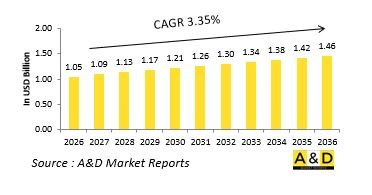
세계의 근접 무기 시스템(CIWS) 시장 규모는 2026년에 10억 5,000만 달러로 추정되고, 2026-2036년의 예측 기간에 CAGR 3.35%로 성장하여 2036년까지 14억 6,000만 달러에 이를 전망입니다.

세계 근접무기 시스템(CIWS) 소개
근접방어무기체계(CIWS)는 미사일, 항공기, 소형 수상표적 등 단거리 위협을 감지, 추적, 무력화하여 함정을 임박한 공격으로부터 보호하기 위한 방어 플랫폼입니다. CIWS는 고속 연사포 또는 미사일 요격 장치를 첨단 레이더 추적 시스템과 통합하여 고속으로 이동하는 위협에 대한 자동적이고 즉각적인 대응을 제공합니다. 이러한 시스템은 다층 방어 체계에서 최종 방어 계층으로 작용하며 장거리 미사일 시스템 및 함정 대응 조치를 보완합니다. 현대의 CIWS 플랫폼은 속도, 정확성, 자동화를 중시하여 최소한의 인위적 개입으로 높은 교전 성공률을 보장합니다. 함정 전투 관리 시스템과의 통합은 협력 방어와 최적화된 목표 우선순위를 촉진합니다. 레이더, 센서 융합, 발사체 설계, 사격통제 알고리즘의 기술 개발은 반응시간, 표적 포착 정확도, 생존성을 향상시키고 있습니다. 각국은 대함미사일, 소형정, 저공비행 항공기 등 비대칭 위협에 대한 해군 방어를 강화하기 위해 CIWS에 대한 투자를 진행하고 있습니다. 지속적인 업그레이드, 모듈식 구성, 광범위한 해군 네트워크와의 상호 운용성을 통해 작전 준비 태세를 보장합니다. CIWS 플랫폼은 현대 해군 전략의 핵심으로, 신뢰할 수 있는 최종 방어선을 제공하여 중요 자산을 보호하고 다양한 단거리 위협에 대한 해상 작전의 안전성을 유지합니다.
세계 근접방어무기체계(CIWS)의 기술적 영향력
기술 혁신으로 CIWS의 능력은 크게 향상되어 정확도, 반응 속도, 방어 효과가 강화되었습니다. 레이더 및 광학 센서는 위협을 신속하게 감지하고 추적할 수 있으며, 첨단 사격통제 알고리즘은 목표물 우선순위 지정 및 교전 최적화를 실현합니다. 고사포 및 미사일 요격 시스템은 접근하는 위협을 적시에 무력화시킵니다. 자동화를 통해 작업자의 부담을 줄이고, 고압적인 교전 시에도 일관된 성능을 보장합니다. 함정 전투 시스템 및 네트워크화된 방어 아키텍처와의 통합을 통해 상황 인식 능력을 향상시키고, 여러 함정 간의 협력적 대응을 가능하게 합니다. 스텔스 대응 레이더, 다중 스펙트럼 센서, 적응형 표적 포착 기술은 현대의 대함 위협에 대한 생존성을 높입니다. 내열 합금과 경량 복합재 등 소재 혁신은 고속 작동과 내구성 향상을 뒷받침하고 있습니다. 소프트웨어 정의 제어 시스템을 통해 대규모 하드웨어 개조 없이 진화하는 위협에 대한 대응 능력과 업그레이드가 가능합니다. 센서 융합, 정밀한 표적 포착, 신속한 대응의 조합으로 CIWS는 미사일, 항공기, 고속 접근 수상함정에 대한 유효성을 유지합니다. 기술 혁신은 지속적으로 반응 시간, 신뢰성 및 운영 통합성을 향상시켜 CIWS를 다층적 해양 방어 및 현대 해양 안보 전략의 중요한 구성 요소로 확고히 하고 있습니다.
세계 CIWS의 주요 촉진요인
첨단 대함 미사일, 고속 공격정, 저고도 항공기 공격 등 증가하는 해군 위협이 세계 CIWS 수요를 견인하고 있습니다. 현대의 해군 전략은 다층방어를 중시하고 있으며, CIWS는 중요 자산의 최종 방어선으로서 필수적입니다. 센서 시스템, 사격 통제, 자동화, 표적 포착 정확도의 기술 발전은 시스템의 효율성을 높이고 함대의 현대화를 지원합니다. 해군 함대 확장, 해안 방어 우선순위, 전략적 해양 안보 이니셔티브, CIWS 플랫폼의 조달 및 업그레이드를 촉진합니다. 전투 관리 시스템과의 통합, 네트워크화 된 작전, 여러 함정 간의 연계는 작전 효율성과 상황 인식을 향상시킵니다. 지정학적 긴장, 비대칭적 위협, 신속한 대응 능력의 필요성은 자동화된 고속 방어 시스템에 대한 수요를 강화하고 있습니다. 국방 현대화, 국제 협력, 국내 생산 프로그램에 대한 예산 배분은 도입을 더욱 촉진할 것입니다. 운영 경험은 선박과 중요한 해양 인프라를 보호하기 위해 신뢰할 수 있는 최종 방어 수단이 필요하다는 것을 보여줍니다. 위협의 진화, 기술 발전, 전략적 우선순위, 운영 요건 등이 종합적으로 세계 CIWS 성장의 주요 동인으로 작용하고 있습니다.
세계 근접방어무기체계(CIWS)의 지역별 동향
CIWS의 지역별 도입 현황은 각 해군의 우선순위, 위협 인식, 기술 역량을 반영하고 있습니다. 북미에서는 다지역 함대 보호와 높은 생존성을 목표로 고도로 자동화되고 네트워크 통합된 시스템을 중요시하고 있습니다. 유럽에서는 동맹국 해군과의 호환성을 갖춘 모듈식 및 상호 운용 가능한 플랫폼에 초점을 맞추고 정확성, 신뢰성, 적응성을 강조하고 있습니다. 아시아태평양의 성장은 이 지역의 해양 분쟁, 함대 확장, 최종 방어선을 필요로 하는 현대화 계획에 의해 추진되고 있습니다. 중동 국가들은 해안방어, 전략자산 방어, 신속한 위협 대응을 우선시하며 국제적인 파트너십을 통해 CIWS를 도입하는 경우가 많습니다. 아프리카 및 남미 지역에서는 해안 보안 강화, 비대칭 위협 대응, 중요 인프라 보호를 위해 비용 효율적인 플랫폼을 채택하고 있습니다. 지역과 상관없이 레이더 및 센서 네트워크와의 통합, 소프트웨어 중심의 업그레이드, 새로운 위협에 대한 반응 시간 향상 등의 추세를 볼 수 있습니다. 해군 예산, 기술 인프라, 위협 인식의 지역적 차이가 조달 및 배치 전략을 형성하고 있습니다. CIWS 플랫폼은 현대 해군 방위의 핵심 요소로, 함정에 신뢰할 수 있는 최종 방어 수단을 제공함과 동시에 세계 해양 안보를 뒷받침하고 있습니다.
주요 근접방어 무기체계 계획:
Raytheon(RTX 그룹사)은 미 해군으로부터 Phalanx 근접방어 무기체계의 지속적인 생산 지원을 위해 2억 5,000만 달러 규모의 계약을 체결하였습니다. 본 계약에는 시스템 업그레이드, 개조, 오버홀 및 관련 장비의 납품이 포함됩니다. 함정의 최종 방어막 역할을 하는 함선은 함정 승조원을 임박한 위협으로부터 보호하는 중요한 역할을 담당하고 있습니다. 이번 계약은 이 시스템의 효율성과 신뢰성에 대한 미 해군의 지속적인 신뢰를 반영한 것입니다. 팔랑크스 CIWS는 대함 미사일 및 외층 방어를 뚫는 기타 근거리 위협에 대응하기 위해 설계된 고사속, 레이더 유도, 컴퓨터로 제어되는 포 시스템입니다. 미 해군의 모든 급의 수상 전투함에 배치되어 있으며, 24개 동맹국 해군에서도 운용되고 있습니다. 본 시스템의 운영적 가치는 2024년 1월에 입증되었습니다. 홍해에서 USS 그레이버리호가 후시파의 미사일을 직격 직전에 요격하여 300여 명의 승조원을 지켜낸 것입니다. 계약기간은 2029년까지이며, 켄튀르키예주 루이빌 및 기타 미국 내 시설에서 수행됩니다.
목차
무기 시스템 시장에의 참여-목차
무기 시스템 시장 보고서 정의
무기 시스템 시장 세분화
플랫폼별
지역별
유형별
향후 10년간 무기 시스템 시장 분석
이 장에서는 10년간 근접 무기 시스템(CIWS) 시장 분석에 의해 근접 무기 시스템(CIWS) 시장 성장, 변화하는 동향, 기술 채택 개요 및 시장의 매력에 대해 상세한 개요가 제공됩니다.
근접 무기 시스템(CIWS) 시장 시장 기술
이 부문에서는 이 시장에 영향을 미치는으로 예상되는 상위 10기술과 이러한 기술이 시장 전체에 미칠 가능성이 있는 영향에 대해 설명합니다.
세계의 무기 시스템 시장 예측
이 시장 향후 10년간 무기 시스템 예측은 상기 부문에 걸쳐서 상세하게 설명되고 있습니다.
지역별 무기 시스템 시장 동향과 예측
이 부문에서는 지역별 무기 시스템 시장 동향, 촉진요인, 억제요인, 과제, 그리고 정치, 경제, 사회, 기술이라고 하는 측면을 망라하고 있습니다. 또한 지역별 시장 예측과 시나리오 분석도 상세하게 채택하고 있습니다.지역 분석 마지막에는 주요 기업 프로파일링, 공급업체 상황, 기업 벤치마킹가 포함되어 있습니다.
북미
성장 촉진요인, 억제요인, 과제
PEST
시장 예측과 시나리오 분석
주요 기업
공급업체 Tier 상황
기업 벤치마킹
유럽
중동
아시아태평양
남미
근접 무기 시스템(CIWS) 시장 국가별 분석
이 장에서는 이 시장 주요 방위 프로그램을 채택해 이 시장에서 신청된 최신 뉴스나 특허에 대해도 해설합니다. 또한 국가 레벨 10년간 시장 예측과 시나리오 분석에 대해도 해설합니다.
미국
방위 프로그램
최신 뉴스
특허
이 시장에서의 현재 기술 성숙도
시장 예측과 시나리오 분석
캐나다
이탈리아
프랑스
독일
네덜란드
벨기에
스페인
스웨덴
그리스
호주
남아프리카공화국
인도
중국
러시아
한국
일본
말레이시아
싱가포르
브라질
근접 무기 시스템(CIWS) 시장 기회 매트릭스
기회 매트릭스는 독자가 이 시장 기회 높은 부문을 이해하는데 도움이 됩니다.
근접 무기 시스템(CIWS) 시장 보고서에 관한 전문가 의견
이 시장 향후 전망에 대해, 당사 전문가 의견을 정리했습니다.
결론
항공·방위 시장 보고서에 대해
LSH 26.02.20The Global Close in Weapon System market is estimated at USD 1.05 billion in 2026, projected to grow to USD 1.46 billion by 2036 at a Compound Annual Growth Rate (CAGR) of 3.35% over the forecast period 2026-2036.
Introduction to Global Close In Weapon System (CIWS)
Close In Weapon Systems are defensive platforms designed to detect, track, and neutralize short-range threats such as missiles, aircraft, and small surface targets, protecting naval vessels from imminent attacks. CIWS integrate rapid-fire guns or missile interceptors with advanced radar and tracking systems to provide automated, immediate response against fast-moving threats. These systems serve as the final protective layer in layered defense architectures, complementing long-range missile systems and shipboard countermeasures. Modern CIWS platforms emphasize speed, accuracy, and automation, allowing minimal human intervention while ensuring high engagement success rates. Integration with ship combat management systems facilitates coordinated defense and optimized target prioritization. Technological developments in radar, sensor fusion, projectile design, and fire control algorithms have enhanced reaction time, targeting precision, and survivability. Nations invest in CIWS to strengthen naval defense against asymmetric threats, including anti-ship missiles, small boats, and low-flying aircraft. Continuous upgrades, modular configurations, and interoperability with broader naval networks ensure operational readiness. CIWS platforms are integral to modern naval strategy, providing reliable last-line defense, protecting critical assets, and maintaining maritime operational security against diverse short-range threats.
Technology Impact in Global Close In Weapon System (CIWS)
Technological innovation has significantly improved the capabilities of CIWS, enhancing accuracy, reaction speed, and defensive effectiveness. Radar and optical sensors provide rapid threat detection and tracking, while advanced fire control algorithms prioritize targets and optimize engagement. High-rate-of-fire guns and missile interceptors enable timely neutralization of incoming threats. Automation reduces operator workload and ensures consistent performance during high-pressure engagements. Integration with shipboard combat systems and networked defense architectures improves situational awareness and coordinated responses across multiple vessels. Stealth-resistant radar, multi-spectral sensors, and adaptive targeting enhance survivability against modern anti-ship threats. Materials innovation, including heat-resistant alloys and lightweight composites, supports high-speed operation and extended durability. Software-defined control systems allow upgrades and adaptability to evolving threats without extensive hardware modifications. The combination of sensor fusion, precision targeting, and rapid response ensures CIWS remain effective against missiles, aircraft, and fast-approaching surface vessels. Technology continues to drive improvements in reaction time, reliability, and operational integration, solidifying CIWS as a critical component of layered naval defense and modern maritime security strategies.
Key Drivers in Global Close In Weapon System (CIWS)
Global CIWS demand is driven by increasing naval threats, including advanced anti-ship missiles, fast attack craft, and low-altitude aerial attacks. Modern naval strategies emphasize layered defense, making CIWS essential for last-line protection of high-value assets. Technological progress in sensor systems, fire control, automation, and targeting accuracy enhances system effectiveness and supports fleet modernization. Naval fleet expansion, coastal defense priorities, and strategic maritime security initiatives encourage procurement and upgrades of CIWS platforms. Integration with combat management systems, networked operations, and multi-vessel coordination increases operational efficiency and situational awareness. Geopolitical tensions, asymmetric threats, and the need for rapid response capabilities reinforce demand for automated, high-speed defense systems. Budget allocation toward defense modernization, international collaboration, and indigenous production programs further drives adoption. Operational experience demonstrates the necessity of reliable last-resort defenses to safeguard vessels and critical maritime infrastructure. Collectively, threat evolution, technological advancement, strategic priorities, and operational requirements form the key drivers of CIWS growth worldwide.
Regional Trends in Global Close In Weapon System (CIWS)
Regional adoption of CIWS reflects naval priorities, threat perceptions, and technological capabilities. North America emphasizes highly automated, network-integrated systems designed for multi-domain fleet protection and high survivability. Europe focuses on modular, interoperable platforms compatible with allied naval forces, emphasizing precision, reliability, and adaptability. Asia-Pacific growth is driven by regional maritime disputes, fleet expansion, and modernization programs requiring last-line defensive solutions. Middle Eastern nations prioritize coastal protection, strategic asset defense, and rapid threat response, often acquiring CIWS through international partnerships. African and South American regions adopt cost-effective platforms to enhance coastal security, counter asymmetric threats, and protect vital infrastructure. Across regions, trends include integration with radar and sensor networks, software-driven upgrades, and enhanced reaction time against emerging threats. Regional differences in naval budgets, technological infrastructure, and threat perception shape procurement and deployment strategies. CIWS platforms remain a central component of modern naval defense, providing reliable last-resort protection for vessels and supporting global maritime security.
Key Close in Weapon System Program:
Raytheon, an RTX business, has secured a $205 million contract from the U.S. Navy to support the continued production of the Phalanx Close-In Weapon System. The agreement includes the delivery of system upgrades, conversions, overhauls, and associated equipment. Phalanx serves as the Navy's final layer of ship self-defense, providing critical protection for sailors against immediate threats. The award reflects the U.S. Navy's continued confidence in the system's effectiveness and reliability. The Phalanx CIWS is a high-rate, radar-guided, computer-controlled gun system designed to counter anti-ship missiles and other close-range threats that penetrate outer defense layers. It is deployed across all classes of U.S. Navy surface combatants and is also in service with the navies of 24 allied countries. The system's operational value was demonstrated in January 2024, when USS Gravely successfully intercepted a Houthi missile in the Red Sea moments before impact, safeguarding more than 300 crew members. Contract work will be performed in Louisville, Kentucky, and at other U.S. facilities through 2029.
Table of Contents
Close In Weapon System Market - Table of Contents
Close In Weapon System Market Report Definition
Close In Weapon System Market Segmentation
By Platform
By Region
By Type
Close In Weapon System Market Analysis for next 10 years
The 10-year close in weapon system market analysis would give a detailed overview of close in weapon system market growth, changing dynamics, technology adoption overviews and the overall market attractiveness is covered in this chapter.
Market Technologies of Close In Weapon System Market
This segment covers the top 10 technologies that is expected to impact this market and the possible implications these technologies would have on the overall market.
Global Close In Weapon System Market Forecast
The 10-year close in weapon system forecast of this market is covered in detailed across the segments which are mentioned above.
Regional Close In Weapon System Market Trends & Forecast
The regional close in weapon system market trends, drivers, restraints and Challenges of this market, the Political, Economic, Social and Technology aspects are covered in this segment. The market forecast and scenario analysis across regions are also covered in detailed in this segment. The last part of the regional analysis includes profiling of the key companies, supplier landscape and company benchmarking.
North America
Drivers, Restraints and Challenges
PEST
Market Forecast & Scenario Analysis
Key Companies
Supplier Tier Landscape
Company Benchmarking
Europe
Middle East
APAC
South America
Country Analysis of Close In Weapon System Market
This chapter deals with the key defense programs in this market, it also covers the latest news and patents which have been filed in this market. Country level 10 year market forecast and scenario analysis are also covered in this chapter.
US
Defense Programs
Latest News
Patents
Current levels of technology maturation in this market
Market Forecast & Scenario Analysis
Canada
Italy
France
Germany
Netherlands
Belgium
Spain
Sweden
Greece
Australia
South Africa
India
China
Russia
South Korea
Japan
Malaysia
Singapore
Brazil
Opportunity Matrix of Close In Weapon System Market
The opportunity matrix helps the readers understand the high opportunity segments in this market.
Expert Opinions on Close In Weapon System Market Report
Hear from our experts their opinion of the possible outlook for this market.


