
|
시장보고서
상품코드
1977165
방위용 캐노피 분리 시스템 시장(2026-2036년)Global Defense Canopy Jettison Systems Market 2026-2036 |
||||||

세계의 방위용 캐노피 분리 시스템 시장(2026-2036년)
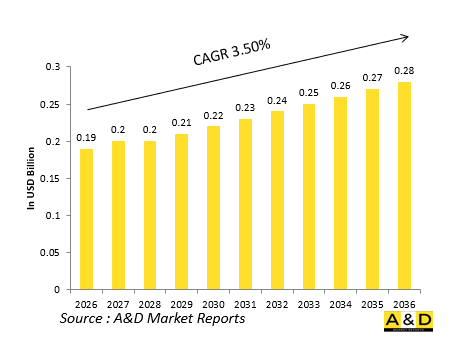
전 세계 방위용 캐노피 분리 시스템 시장 규모는 2026년에 1억 9,000만 달러로 추정되며 2036년에는 2억 8,000만 달러에 달할 것으로 예상되며, 2026-2036년 예측 기간 동안 3.50%의 CAGR로 성장할 것으로 예상됩니다.
소개
캐노피 분리 시스템은 방위 항공기에서 매우 중요한 안전 장치로, 비상 탈출, 무기 정리 또는 정비 접근을 위해 조종석 캐노피를 신속하게 제거할 수 있게 해줍니다. 이러한 화공품 또는 전기 기계 장치는 캐노피를 몇 밀리 초 만에 분쇄하거나 추진하여 사출 좌석, 낙하산 강하 또는 헬리콥터 호이스트 구조의 경로를 확보합니다. 이러한 시스템 세계 시장은 역동적인 전투 상황에서 항공 승무원의 생존율을 극대화해야 한다는 요구에 힘입어 지속적으로 개선되고 있습니다.
전투기, 훈련기, 헬리콥터에 최적화된 변형에는 직선 폭약, 공압 피스톤, 파쇄성 폭발 코드 등이 포함됩니다. 각 제조사들은 기체 손상 최소화, 이중화 발사 회로, 제로 제로 사출(고도 제로, 속도 제로 상태에서의 사출)과의 호환성을 중요시하고 있습니다. 극초음속 항공기부터 드론까지 공중 위협이 증가하는 가운데, 투하 시스템은 최적의 타이밍을 실현하는 항공 전자공학과 연계된 스마트 이니시에이터로 진화하고 있습니다. 이 시장은 '조종사 최우선'이라는 국방 이념을 강화하여 불타는 잔해와 전투 손상된 기체에서 신속하게 탈출할 수 있도록 보장합니다.
방위용 캐노피 분리 시스템 시장에서 기술의 영향력
기술 혁신으로 인해 방위용 캐노피 투하 시스템 시장은 보다 스마트하고 안전한 운영으로 나아가고 있습니다. 디지털 시퀀서는 관성 데이터를 이용하여 최적의 궤도를 예측하고, 파편 위험을 피하면서 투하와 사출 좌석을 동기화합니다. 형상기억합금 및 전자기 액추에이터와 같은 비화약식 대체품은 폭발성 잔류물을 제거하여 도시 훈련에서 정비 및 무장을 용이하게 합니다.
센서 융합 기술은 레이더 고도계, G센서, 조종사의 생체인식 데이터를 통합하여 조종 불능 상태 시 핸들 조작 없이 자율적으로 작동합니다. 파쇄성 폴리카보네이트 캐노피는 파편이 튀는 위험을 줄이고, 음향 억제 장치는 소닉 붐을 완화하는 역할을 합니다. 암호화 링크를 통한 무선 무장화로 혼잡한 활주로에서 오작동을 방지합니다. 적층조형 기술을 통해 다양한 기체 구조에 맞는 맞춤형 폭약을 제조하고, 업그레이드를 가속화합니다. 이러한 발전으로 저고도 탈출 및 거꾸로 자세 시에도 투하 신뢰성이 향상되어 기존의 단순한 탈출 장치에서 정밀한 탈출 지원 시스템으로 변화하고 있습니다.
방위용 캐노피 분리 시스템 시장의 주요 촉진요인
중요한 촉진요인이 캐노피 분리 시스템 시장을 촉진하고 있습니다. 혼잡한 전장 공간에서 근접 항공 지원 작전의 증가는 격추 위험이 높아지는 상황에서 조종사의 전문성을 유지하기 위해 완벽한 탈출을 요구하고 있습니다. 구식 항공기 유지보수 프로그램은 좌석 호환 투기 시스템 업그레이드를 의무화하여 플랫폼 교체 없이 노후화를 방지합니다.
훈련기에 대한 규제 기준은 이중 이중화 시스템을 의무화하여 전 세계적으로 인증 취득을 촉진하고 있습니다. 시뮬레이션을 통해 얻은 파일럿 피드백은 휴먼-머신 인터페이스를 개선하고 작동 지연을 최소화합니다. 연합군의 상호운용성을 위해서는 공유된 훈련기와 전투기를 위한 표준화된 인터페이스가 필요합니다. 복합재료 캐노피가 발전함에 따라 불완전한 파손을 피하기 위해 적절한 투기 에너지가 필요합니다. 비용 압박으로 인해 모듈식 볼트온 설계가 맞춤형 통합보다 우선순위를 차지합니다. 이러한 카탈리스트는 투기 시스템을 종합적인 생존성 스위트의 핵심으로, 대등한 상대와의 분쟁에서 보다 대담한 전술을 가능하게 합니다.
세계의 방위용 캐노피 분리 시스템 시장에 대해 조사 분석했으며, 시장에 영향을 미치는 기술, 향후 10년간의 예측, 각 지역별 시장 동향 등의 정보를 전해드립니다.
목차
방위용 캐노피 분리 시스템 시장 보고서의 정의
방위용 캐노피 분리 시스템 시장 세분화
향후 10년간 방위용 캐노피 분리 시스템 시장 분석
세계의 방위용 캐노피 분리 시스템 시장 예측
지역의 방위용 캐노피 분리 시스템 시장 동향과 예측
시장 예측과 시나리오 분석
방위용 캐노피 분리 시스템 시장 국가 분석
시장 예측과 시나리오 분석
방위용 캐노피 분리 시스템 시장 기회 매트릭스
결론
KSM 26.04.06Global Defense Canopy Jettison Systems Market 2026-2036
The Global Defense Canopy Jettison Systems Market is estimated at USD 0.19 billion in 2026, projected to grow to USD 0.28 billion by 2036 at a Compound Annual Growth Rate (CAGR) of 3.50% over the forecast period 2026-2036.
Introduction:
Canopy jettison systems are vital safeguards in defense aircraft, enabling rapid removal of the cockpit canopy to facilitate emergency egress, weapon clearance, or maintenance access. These pyrotechnic or electro-mechanical devices shatter or propel the canopy clear in milliseconds, clearing paths for ejection seats, parachute jumps, or helicopter hoist rescues. The global market for these systems is geared for continued refinement, driven by the imperative to maximize aircrew survival in dynamic combat scenarios.
Variants include linear charge explosives, pneumatic pistons, and frangible explosive cords, tailored for fighters, trainers, and helicopters. Manufacturers stress minimal airframe disruption, redundant firing circuits, and compatibility with zero-zero ejections. As aerial threats proliferate-from hypersonics to drones-jettison systems evolve into smart initiators, sequenced with avionics for optimal timing. This market reinforces the defense ethos of "aviator first," ensuring swift escape from flaming wrecks or battle-damaged fuselages.
Technology Impact in Defense Canopy Jettison Systems Market
Technological innovations propel the defense canopy jettison systems market toward smarter, safer operations. Digital sequencers synchronize jettison with ejection seats, using inertial data to predict optimal trajectories and avoid debris hazards. Non-pyro alternatives like shaped-memory alloys and electromagnetic actuators eliminate explosive residues, easing maintenance and arming for urban training.
Sensor fusion integrates radar altimeters, g-sensors, and pilot biometrics to trigger automatically in incapacitation events, bypassing handle pulls. Frangible polycarbonate canopies with pre-scored fracture lines reduce shrapnel risks, while acoustic suppressors mitigate sonic booms. Wireless arming via encrypted links prevents premature activation in crowded ramps. Additive manufacturing crafts custom charges for diverse airframes, accelerating upgrades. These advances extend jettison reliability to low-level ejections and inverted attitudes, transforming a blunt tool into a precise escape enabler.
Key Drivers in Defense Canopy Jettison Systems Market
Pivotal drivers fuel the canopy jettison systems market. Escalating close air support missions in cluttered battlespaces demand flawless egress to preserve pilot expertise amid rising shoot-down risks. Legacy fleet sustainment programs mandate seat-compatible jettison upgrades, staving off obsolescence without platform replacements.
Regulatory standards for trainer aircraft enforce dual-redundant systems, spurring certifications worldwide. Pilot feedback from simulations refines human-machine interfaces, minimizing activation delays. Coalition interoperability requires standardized interfaces for shared trainers and fighters. Advances in composite canopies necessitate matched jettison energies to avoid incomplete breaks. Cost pressures favor modular, bolt-on designs over bespoke integrations. These catalysts position jettison systems as linchpins in holistic survivability suites, enabling bolder tactics in peer-level conflicts.
Regional Trends in Defense Canopy Jettison Systems Market
Regional nuances guide the canopy jettison systems market evolution. North America pioneers zero-residue electro-mechanical systems for carrier decks, prioritizing saltwater corrosion resistance. Europe emphasizes NATO-harmonized pyrotechnics for multirole fleets, with auto-jettison for high-speed aborts.
Asia-Pacific trends toward lightweight variants for agile fighters in island disputes, incorporating monsoon-proof seals. The Middle East favors dust-ingestion resistant designs for desert trainers, bundled with night-vision compatible sequencing. Latin America and Africa focus on rugged, low-maintenance kits for counterinsurgency helos. Global partnerships drive co-development, like offsets for indigenous trainers. Trends converge on AI-augmented firing logic, adapting to regional threats from urban low-levels to high-altitude intercepts.
Key Defense Canopy Jettison Systems Market Programs
Landmark programs define the canopy jettison systems market vanguard. The U.S. Navy's Super Hornet upgrade deploys hybrid pyro-EM jettison for carrier recoveries, integrating with auto-eject logic. Europe's Eurofighter Tranche evolution tests frangible canopies with variable-yield charges, enhancing export appeal.
India's Tejas Mk2 program refines sequenced jettison for light combat roles, syncing with indigenous seats. Australia's Hawk trainer refresh incorporates biometric triggers, streamlining advanced instruction. Sweden's Gripen C/D sustainment adds wireless safing for forward basing. Israel's Lavi-derived systems feature anti-missile linked jettison for rapid scrambles. These efforts leverage virtual testing for rapid iteration, pioneering drone-canopy interactions and soft-failure modes. They cement jettison as a networked escape cornerstone.
Table of Contents
Defense Canopy Jettison Systems Market - Table of Contents
Defense Canopy Jettison Systems Market Report Definition
Defense Canopy Jettison Systems Market Segmentation
By Region
By Platform
By Type
Defense Canopy Jettison Systems Market Analysis for next 10 Years
The 10-year Defense Canopy Jettison Systems Market analysis would give a detailed overview of Defense Canopy Jettison Systems Market growth, changing dynamics, technology adoption overviews and the overall market attractiveness is covered in this chapter.
Market Technologies of Defense Canopy Jettison Systems Market
This segment covers the top 10 technologies that is expected to impact this market and the possible implications these technologies would have on the overall market.
Global Defense Canopy Jettison Systems Market Forecast
The 10-year Defense Canopy Jettison Systems Market forecast of this market is covered in detailed across the segments which are mentioned above.
Regional Defense Canopy Jettison Systems Market Trends & Forecast
The regional counter drone market trends, drivers, restraints and Challenges of this market, the Political, Economic, Social and Technology aspects are covered in this segment. The market forecast and scenario analysis across regions are also covered in detailed in this segment. The last part of the regional analysis includes profiling of the key companies, supplier landscape and company benchmarking. The current market size is estimated based on the normal scenario.
North America
Drivers, Restraints and Challenges
PEST
Market Forecast & Scenario Analysis
Key Companies
Supplier Tier Landscape
Company Benchmarking
Europe
Middle East
APAC
South America
Country Analysis of Defense Canopy Jettison Systems Market
This chapter deals with the key defense programs in this market, it also covers the latest news and patents which have been filed in this market. Country level 10 year market forecast and scenario analysis are also covered in this chapter.
US
Defense Programs
Latest News
Patents
Current levels of technology maturation in this market
Market Forecast & Scenario Analysis
Canada
Italy
France
Germany
Netherlands
Belgium
Spain
Sweden
Greece
Australia
South Africa
India
China
Russia
South Korea
Japan
Malaysia
Singapore
Brazil
Opportunity Matrix for Defense Canopy Jettison Systems Market
The opportunity matrix helps the readers understand the high opportunity segments in this market.
Expert Opinions on Defense Canopy Jettison Systems Market Report
Hear from our experts their opinion of the possible analysis for this market.
Conclusions
About Aviation and Defense Market Reports