

|
시장보고서
상품코드
1989933
방위용 환경 제어 시스템(ECS) 시장(2026-2036년)Global Defense Environmental Control Systems (ECS) Market 2026-2036 |
||||||

세계의 방위용 환경 제어 시스템(ECS) 시장
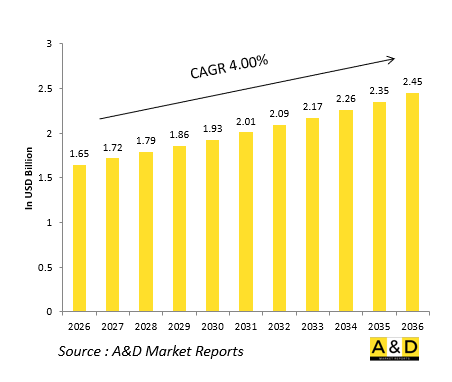
세계 방위용 환경 제어 시스템(ECS) 시장 규모는 2026년에 16억 5,000만 달러로 추정되며, 2036년에는 24억 5,000만 달러에 달할 것으로 예상되며, 2026-2036년의 예측 기간 동안 연평균 4.00%의 성장률을 보일 것으로 예측됩니다.
소개
세계 방위용 환경 제어 시스템(ECS) 시장은 군용 항공기 및 국방 플랫폼 내에서 최적의 작업 조건을 보장하는 데 있어 매우 중요한 역할을 하고 있습니다. ECS는 온도, 기압, 습도, 공기질을 조절하여 열악한 환경에서도 안전하고 효율적인 작업을 가능하게 합니다. 이러한 시스템은 조종사의 성능, 작전 지속 시간, 기내의 섬세한 전자 장비 보호에 필수적입니다. 전투기, 수송기, 감시 시스템을 포함한 현대 군용기는 작전 준비태세 유지에 있어 첨단 ECS에 크게 의존하고 있습니다. 국방 플랫폼의 복잡성 증가와 승무원 안전 강화의 필요성이 증가함에 따라 보다 효율적이고 신뢰할 수 있는 환경 제어 기술에 대한 수요가 확대되고 있습니다. 또한, 장기 작전 및 다양한 기후 조건에서의 작전에 대한 관심이 높아지면서 ECS의 중요성이 더욱 강조되고 있으며, ECS는 현대의 국방 항공 부문에서 필수적인 하위 시스템으로 자리 잡고 있습니다.
방위용 환경 제어 시스템(ECS) 시장에서 기술의 영향력
기술의 발전은 국방 분야 환경 제어 시스템을 크게 변화시키고 있습니다. 보다 전기화된 항공기 아키텍처로의 전환은 에너지 사용 효율을 향상시키고, 시스템 무게를 줄이고, 고효율 및 블리드 에어가 필요 없는 ECS 설계를 개발할 수 있게 해줍니다.
현대의 ECS에는 첨단 센서와 디지털 모니터링 시스템이 내장되어 있어 온도, 압력, 공기질을 실시간으로 추적할 수 있습니다. 이를 통해 예지보전을 지원하여 기간 업무 중 시스템의 신뢰성을 향상시킬 수 있습니다.
열 관리, 여과 기술, 소형 열교환기의 혁신으로 성능은 향상되고 공간과 전력 요구사항은 감소하고 있습니다. 또한, 첨단 항공전자 및 전자전 시스템에서 발생하는 증가하는 열 부하를 관리하기 위해 하이브리드 냉각 기술이 통합되고 있습니다. 경량 소재와 모듈식 시스템 설계를 채택하여 차세대 항공기 및 무인 플랫폼에 쉽게 통합할 수 있습니다. 이러한 기술적 발전으로 ECS는 운영 효율성과 생존성을 높이는 지능적이고 적응력이 높은 시스템으로 변모하고 있습니다.
방위용 환경 제어 시스템(ECS) 시장의 주요 추진 요인
이 시장은 첨단 군용기에 대한 수요 증가와 기존 군용기의 현대화에 의해 주도되고 있습니다. 국방 플랫폼이 고도화됨에 따라 복잡한 기내 시스템을 지원하고 승무원의 안전을 보장하는 효율적인 ECS에 대한 요구가 증가하고 있습니다.
또 다른 큰 촉진요인은 방산 항공기에서 고출력 전자기기, 센서, 통신 시스템의 사용이 증가함에 따라 열 관리에 대한 관심이 높아지고 있다는 점입니다. 무인항공 시스템의 확대도 시장 성장에 기여하고 있으며, 이러한 플랫폼에는 소형, 에너지 절약형 ECS 솔루션이 요구되고 있습니다.
또한, 안전 및 성능 기준의 강화로 인해 국방 기관은 환경 제어 기술을 업그레이드해야 하는 상황에 처해 있습니다. 열악한 운영 환경에서의 공기질 개선, 온도 조절, 기압 제어의 필요성도 수요를 더욱 촉진하고 있습니다. 이러한 요인들이 복합적으로 작용하여 전 세계 방산부대에서 첨단 ECS 솔루션의 지속적인 혁신과 채택을 촉진하고 있습니다.
방산 환경 제어 시스템(ECS) 시장 지역별 동향
각 지역의 동향은 강력한 세계 수요를 보여주고 있으며, 선진 항공우주 산업과 진행 중인 국방 현대화 프로그램으로 인해 북미가 시장을 주도하고 있습니다. 이 지역은 군용 항공기의 지속적인 업그레이드와 주요 시스템 제조업체의 강력한 입지를 통해 혜택을 누리고 있습니다.
세계의 방위용 환경제어시스템(ECS) 시장에 대해 조사 분석했으며, 시장에 영향을 미치는 기술, 향후 10년간의 예측, 각 지역별 시장 동향 등의 정보를 전해드립니다.
목차
방위용 환경 제어 시스템(ECS) 시장, 보고서 정의
방위용 환경 제어 시스템(ECS) 시장, 세분화
시장 예측과 시나리오 분석
시장 예측과 시나리오 분석
결론
LSH 26.04.17Global Defense Environmental Control Systems (ECS) Market
The Global Defense Environmental Control Systems (ECS) Market is estimated at USD 1.65 billion in 2026, projected to grow to USD 2.45 billion by 2036 at a Compound Annual Growth Rate (CAGR) of 4.00% over the forecast period 2026-2036.
Introduction:
The global defense environmental control systems market plays a vital role in ensuring optimal operating conditions within military aircraft and defense platforms. ECS are responsible for regulating temperature, air pressure, humidity, and air quality, enabling safe and efficient operation in extreme environments. These systems are essential for pilot performance, mission endurance, and the protection of sensitive onboard electronics. Modern military aircraft, including fighters, transport platforms, and surveillance systems, rely heavily on advanced ECS to maintain operational readiness. The growing complexity of defense platforms and the need for enhanced crew safety are driving the demand for more efficient and reliable environmental control technologies. Additionally, the increasing focus on long-duration missions and operations in diverse climatic conditions is further strengthening the importance of ECS, positioning them as a critical subsystem in modern defense aviation.
Technology Impact in Defense Environmental Control Systems (ECS) Market
Technological advancements are significantly transforming environmental control systems in defense applications. The transition toward more-electric aircraft architectures is enabling the development of highly efficient, bleed-air-free ECS designs that improve energy utilization and reduce system weight.
Modern ECS now incorporate advanced sensors and digital monitoring systems, allowing real-time tracking of temperature, pressure, and air quality. This supports predictive maintenance and enhances system reliability during mission-critical operations.
Innovations in thermal management, filtration technologies, and compact heat exchangers are improving performance while reducing space and power requirements. Additionally, hybrid cooling technologies are being integrated to manage increasing heat loads from advanced avionics and electronic warfare systems. The use of lightweight materials and modular system designs is also enabling easier integration into next-generation aircraft and unmanned platforms. These technological developments are transforming ECS into intelligent, adaptive systems that enhance operational efficiency and survivability.
Key Drivers in Defense Environmental Control Systems (ECS) Market
The market is driven by the growing demand for advanced military aircraft and the modernization of existing fleets. As defense platforms become more sophisticated, there is an increasing need for efficient ECS to support complex onboard systems and ensure crew safety.
Another major driver is the rising emphasis on thermal management due to the increasing use of high-power electronics, sensors, and communication systems in defense aircraft. The expansion of unmanned aerial systems is also contributing to market growth, as these platforms require compact and energy-efficient ECS solutions.
Additionally, stricter safety and performance standards are pushing defense organizations to upgrade environmental control technologies. The need for improved air quality, temperature regulation, and pressure control in extreme operating conditions further supports demand. These factors collectively drive continuous innovation and adoption of advanced ECS solutions across global defense forces.
Regional Trends in Defense Environmental Control Systems (ECS) Market
Regional trends highlight strong global demand, with North America leading due to its advanced aerospace industry and ongoing defense modernization programs. The region benefits from continuous upgrades of military aircraft and strong presence of key system manufacturers.
Europe is witnessing steady growth supported by collaborative defense programs and technological innovation in aerospace systems. The Asia-Pacific region is emerging as a major growth hub, driven by increasing defense budgets, expanding aircraft fleets, and rising domestic manufacturing capabilities in countries such as China and India. The Middle East is also experiencing growing demand due to defense procurement and modernization efforts, while other regions are gradually adopting advanced ECS technologies. Overall, regional dynamics reflect a global focus on enhancing operational efficiency, safety, and platform performance.
Key Defense Environmental Control Systems (ECS) Market Program
Several defense programs are influencing the development of environmental control systems. Modern fighter aircraft, transport platforms, and surveillance systems are integrating advanced ECS to support high-performance operations and ensure crew comfort in extreme environments.
Upgrade and retrofit programs for legacy aircraft are incorporating new ECS technologies to improve thermal management and system efficiency.
Collaborations between defense organizations and industry players are driving innovation in compact, lightweight, and energy-efficient ECS solutions. Additionally, indigenous development programs in various countries are focusing on building domestic capabilities in environmental control technologies.
Next-generation programs emphasize digital monitoring, predictive maintenance, and integration with advanced avionics systems. These initiatives are shaping the future of ECS by enhancing reliability, reducing maintenance costs, and supporting the evolving requirements of modern defense aviation.
Table of Contents
Defense Environmental Control Systems (ECS) Market, - Table of Contents
Defense Environmental Control Systems (ECS) Market, Report Definition
Defense Environmental Control Systems (ECS) Market, Segmentation
By Platform
By Type
By Region
Defense Environmental Control Systems (ECS) Market, Analysis for next 10 Years
The 10-year Defense Environmental Control Systems (ECS) Market, analysis would give a detailed overview of Defense Environmental Control Systems (ECS) Market, growth, changing dynamics, technology adoption overviews and the overall market attractiveness is covered in this chapter.
Market Technologies of Defense Environmental Control Systems (ECS) Market,
This segment covers the top 10 technologies that is expected to impact this market and the possible implications these technologies would have on the overall market.
Global Defense Environmental Control Systems (ECS) Market, Forecast
The 10-year Defense Environmental Control Systems (ECS) Market, forecast of this market is covered in detailed across the segments which are mentioned above.
Regional Defense Environmental Control Systems (ECS) Market, Trends & Forecast
The regional counter drone market trends, drivers, restraints and Challenges of this market, the Political, Economic, Social and Technology aspects are covered in this segment. The market forecast and scenario analysis across regions are also covered in detailed in this segment. The last part of the regional analysis includes profiling of the key companies, supplier landscape and company benchmarking. The current market size is estimated based on the normal scenario.
North America
Drivers, Restraints and Challenges
PEST
Market Forecast & Scenario Analysis
Key Companies
Supplier Tier Landscape
Company Benchmarking
Europe
Middle East
APAC
South America
Country Analysis of Defense Environmental Control Systems (ECS) Market,
This chapter deals with the key defense programs in this market, it also covers the latest news and patents which have been filed in this market. Country level 10 year market forecast and scenario analysis are also covered in this chapter.
US
Defense Programs
Latest News
Patents
Current levels of technology maturation in this market
Market Forecast & Scenario Analysis
Canada
Italy
France
Germany
Netherlands
Belgium
Spain
Sweden
Greece
Australia
South Africa
India
China
Russia
South Korea
Japan
Malaysia
Singapore
Brazil
Opportunity Matrix for Defense Environmental Control Systems (ECS) Market,
The opportunity matrix helps the readers understand the high opportunity segments in this market.
Expert Opinions on Defense Environmental Control Systems (ECS) Market, Report
Hear from our experts their opinion of the possible analysis for this market.
Conclusions
About Aviation and Defense Market Reports


