
|
시장보고서
상품코드
1996984
방위용 미션 컴퓨터 시장(2026-2036년)Global Defense Mission Computers Market 2026-2036 |
||||||

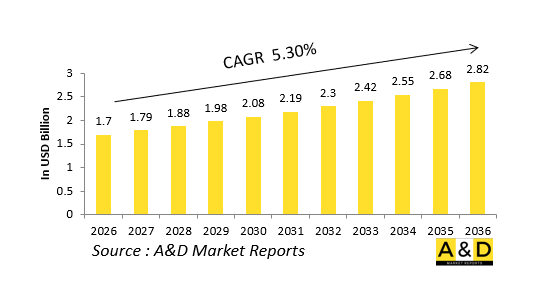
세계의 방위용 미션 컴퓨터 시장 규모는 2026년 17억 달러에서 2026-2036년의 예측 기간 중 CAGR 5.30%로 성장하며, 2036년에는 28억 2,000만 달러에 달할 것으로 전망되고 있습니다.
소개:
국방용 미션 컴퓨터는 현대 군사 플랫폼의 핵심 디지털 "두뇌"로서 임무 계획, 센서 데이터, 항법, 무기 제어 기능을 단일 임베디드 컴퓨팅 기반에 통합하고 조정하는 역할을 합니다. 혹독한 환경을 위해 설계된 이 견고한 시스템은 항공전자, 데이터 링크, 전자전 시스템 및 무기와 연동하여 전략적 목표를 실시간 작전 행동으로 전환하는 데 도움을 줍니다.
2026-2036년 전 세계 군가 분산형 항공전자에서 통합 소프트웨어 중심 아키텍처로 전환함에 따라 국방용 미션 컴퓨터 시장이 확대되고 있습니다. 멀티센서 융합, 네트워크 대응 작전, AI를 활용한 의사결정에 대한 수요 증가가 유/무인 항공기, 해군 플랫폼, 지상 차량 조달을 주도하고 있습니다. 전장의 디지털화가 가속화됨에 따라 미션컴퓨터는 미션 크리티컬한 인프라가 되어 경쟁이 격화되는 환경에서 통합 작전 및 멀티 도메인 작전을 지원하는 기반이 되고 있습니다.
국방용 미션 컴퓨터 시장에서 기술의 영향
기술의 발전으로 국방용 미션 컴퓨터는 단순한 비행 및 센서 처리 장치에서 지능형 데이터 융합 허브로 변모하고 있습니다. 최신 시스템은 고처리량 프로세서, 고급 FPGA, 솔리드 스테이트 스토리지를 활용하여 레이더, EO/IR 센서, EO/IR 센서, 전자 지원 조치, 통신 링크의 정보를 실시간으로 수집하고 상관관계를 분석합니다. 또한 개방적이고 모듈화된 아키텍처를 통해 전체 시스템을 재설계하지 않고도 새로운 기능을 빠르게 도입할 수 있으며, 기술 업데이트 주기를 단축할 수 있습니다.
AI와 머신러닝 알고리즘을 접목하는 사례가 증가하고 있으며, 자동화된 목표 분류, 이상 감지, 예지보전을 지원하여 작업자의 인지적 부하를 줄여주고 있습니다. 변조 방지 하드웨어, 보안 부팅 환경, 암호화 가속기 등의 사이버 보안 강화 조치는 네트워크화된 전투 환경에서 전자전 및 사이버 침입의 위험을 줄여줍니다. 클라우드 연결과 엣지 컴퓨팅 패러다임도 설계에 영향을 미치기 시작했으며, 미션 컴퓨터가 분석 처리를 오프로드하고 비행 중에 업데이트된 정보를 다시 주입할 수 있도록 하고 있습니다. 이러한 혁신이 결합되어 항공, 육상, 해상, 우주 각 영역에서 상황 인식 능력, 의사결정 속도, 전체 임무의 효율성을 높이고 있습니다.
국방용 미션 컴퓨터 시장의 주요 촉진요인
국방용 미션 컴퓨터 시장은 실시간 정보 융합과 신속한 의사결정이 최우선시되는 데이터 중심의 네트워크화된 전쟁으로의 전환에 의해 주도되고 있습니다. 플랫폼에 탑재되는 센서, 데이터 링크, 전자전 시스템의 수가 증가함에 따라 정보를 연관시키고, 우선순위를 정하고, 일관되고 실용적인 형태로 정보를 제시하기 위한 미션 컴퓨터가 필요합니다. 이러한 요구사항은 복잡하고 적대적인 환경에서 운용되는 다목적 전투기, 무인 전투기 및 지휘통제 플랫폼에서 특히 두드러집니다.
또 다른 주요 촉진요인은 항공전자 및 소프트웨어 업그레이드를 통해 노후화된 항공기의 현대화 및 수명 연장을 위한 전 세계적인 움직임입니다. 대부분 신규 또는 업그레이드된 미션 컴퓨터를 중심으로 전개되고 있습니다. 국방 예산 증가와 주요 지역에서의 기술적 우위 추구로 인해 자율 기능, AI 지원 표적 포착 및 전 영역에서의 통합 작전을 지원하는 첨단 컴퓨팅 인프라를 조달할 수 있게 되었습니다. 동시에 동맹군 간의 상호운용성에 대한 필요성이 증가함에 따라 미션 컴퓨터의 인터페이스와 데이터 형식의 표준화가 진행되어 확장 가능한 다중 고객 솔루션이 촉진되고 있습니다. 사이버 보안에 대한 요구로 인해 미션 크리티컬 스택 전반에 걸쳐 견고하고 신뢰할 수 있는 컴퓨팅 플랫폼에 대한 요구가 더욱 높아지고 있습니다.
방산용 미션 컴퓨터 시장 지역별 동향
지역별로는 북미가 여전히 주요 거점이며, 첨단 미션 컴퓨터 아키텍처에 의존하는 대규모 전투기, 폭격기, 해상 항공 프로그램에 의해 지원되고 있습니다. 미국과 동맹국들은 차세대 항공전력에 많은 투자를 하고 있으며, 여러 플랫폼과 업그레이드에 걸쳐 고성능의 소프트웨어 정의 임무 컴퓨터에 대한 수요를 주도하고 있습니다.
유럽에서는 공동 전투 항공 및 다중 도메인 프로그램을 통해 공통 표준과 공유 물류를 지원하는 상호 운용 가능한 미션 컴퓨터 설계를 추진하고 있습니다. 아시아태평양에서는 주요 지역 강대국들이 공군 현대화를 추진하고 미션 컴퓨터 생산 및 통합을 포함한 국산 항공전자 장비 제조를 확대함에 따라 급속한 성장세를 보이고 있습니다. 중동 및 걸프 지역 국가들도 신규 플랫폼과 개조용 미션 컴퓨터 업그레이드에 투자하고 있으며, 전자전 및 사이버 위협에 대한 내성을 강조하고 있습니다. 각 지역에서 방위용 일렉트로닉스 생태계는 대규모 플랫폼 조달 프로그램과 연계된 국내 또는 지역 공급업체, 공동 개발 및 기술이전 계약을 점점 더 중요하게 여기고 있습니다.
세계의 국방용 미션 컴퓨터(Defense Mission Computer) 시장을 조사했으며, 주요 동향, 시장 영향요인, 주요 기술 및 그 영향력, 주요 지역 및 국가별 동향, 시장 기회 분석 등의 정보를 정리하여 전해드립니다.
목차
방위용 미션 컴퓨터 시장 : 목차
방위용 미션 컴퓨터 시장 : 리포트의 정의
방위용 미션 컴퓨터 시장 : 세분화
향후 10년간 방위용 미션 컴퓨터 시장의 분석
세계의 방위용 미션 컴퓨터 시장 예측
방위용 미션 컴퓨터 시장 : 지역별 동향과 예측
시장 예측·시나리오 분석
방위용 미션 컴퓨터 시장 : 국가별 분석
시장 예측·시나리오 분석
방위용 미션 컴퓨터 시장 : 시장 기회 매트릭스
결론
KSA 26.04.20Global Defense Mission Computers Market
The Global Defense Mission Computers Market is estimated at USD 1.7 billion in 2026, projected to grow to USD 2.82 billion by 2036 at a Compound Annual Growth Rate (CAGR) of 5.30% over the forecast period 2026-2036.
1. Introduction:
Defense mission computers serve as the central digital "brains" of modern military platforms, integrating and coordinating mission planning, sensor data, navigation, and weapon control functions into a single embedded computing backbone. Designed for extreme environments, these rugged systems interface with avionics, datalinks, electronic warfare suites, and weapons to translate strategic objectives into real time operational actions.
Over the 2026-2036 horizon, the defense mission computer market is expanding as armed forces worldwide move from federated avionics toward integrated, software centric architectures. Growing demand for multi sensor fusion, network enabled operations, and AI assisted decision making is driving procurement across manned and unmanned aircraft, naval platforms, and ground vehicles. As digitization of the battlespace accelerates, mission computers are becoming mission critical infrastructure, underpinning joint and multi domain operations in increasingly contested environments.
2. Technology Impact in Defense Mission Computers Market
Technological advances are reshaping defense mission computers from simple flight and sensor processors into intelligent, data fusion hubs. Modern systems leverage high throughput processors, advanced field programmable gate arrays, and solid state storage to ingest and correlate information from radars, EO/IR sensors, electronic support measures, and communications links in real time. Open, modular architectures also support rapid insertion of new capabilities without full system redesigns, enabling faster technology refresh cycles.
Artificial intelligence and machine learning algorithms are increasingly embedded to support automated target classification, anomaly detection, and predictive maintenance, reducing cognitive load on operators. Cybersecurity enhancements-such as tamper resistant hardware, secure boot environments, and cryptographic accelerators-mitigate electronic warfare and cyber intrusion risks in networked combat environments. Cloud connected and edge computing paradigms are also beginning to influence designs, allowing mission computers to offload analytics and re inject updated intelligence during flight. Together, these innovations raise situational awareness, decision speed, and overall mission effectiveness across the air, land, sea, and space domains.
3. Key Drivers in Defense Mission Computers Market
The defense mission computer market is being driven by the shift toward data centric, networked warfare, where real time information fusion and rapid decision making are paramount. As platforms are equipped with an increasing number of sensors, datalinks, and electronic warfare systems, mission computers are needed to correlate, prioritize, and present information in a coherent, actionable manner. This requirement is especially pronounced in multi role fighters, unmanned combat aircraft, and command and control platforms operating in complex, contested environments.
Another major driver is the global push to modernize legacy fleets and extend service life through avionics and software upgrades, many of which center around new or upgraded mission computers. Rising defense budgets and the pursuit of technological superiority in key regions are enabling procurement of advanced computing infrastructure that supports autonomous functions, AI assisted targeting, and joint all domain operations. At the same time, the need for interoperability between allied forces is encouraging standardization of mission computer interfaces and data formats, boosting scalable, multi customer solutions. Cybersecurity imperatives further reinforce demand for hardened, trusted computing platforms across the mission critical stack.
4. Regional Trends in Defense Mission Computers Market
Regionally, North America remains a leading hub, underpinned by large scale fighter, bomber, and maritime aviation programs that rely on advanced mission computer architectures. The United States and its allies are investing heavily in next generation airpower, driving demand for high performance, software defined mission computers across multiple platforms and upgrades.
In Europe, collaborative combat air and multi domain programs are promoting interoperable mission computer designs that support common standards and shared logistics. The Asia Pacific region is witnessing rapid growth as major regional powers modernize their air forces and expand indigenous avionics manufacturing, including mission computer production and integration. Middle Eastern and Gulf states are also investing in upgraded mission computers for both new build platforms and retrofits, emphasizing resilience to electronic warfare and cyber threats. Across regions, defense electronics ecosystems are increasingly favoring domestic or regional suppliers, co development, and technology transfer agreements tied to large platform procurement programs.
5. Key Defense Mission Computers Market Programs
Several flagship defense programs are shaping the mission computer landscape over the coming decade. Next generation combat air initiatives specify advanced mission computers at the core of new aircraft, integrating sensor fusion, electronic warfare, and networked operations into a single, scalable computing backbone. Naval aviation and maritime patrol programs are adopting mission computer architectures that support long range surveillance, multi sensor correlation, and secure communications across distributed fleets.
Unmanned combat air and strike drone programs are being built around mission computer centric designs that enable autonomous flight, sensor driven target selection, and remote operator control. Ground based command and control systems also rely on mission computer class hardware to integrate intelligence feeds, track moving targets, and coordinate multi domain fires. Multinational and coalition level programs are increasingly standardizing mission computer interfaces, allowing for shared software libraries, training, and maintenance across partner nations. Through these programs, mission computers are evolving from platform specific boxes into a foundational layer of the digital battlespace.
Table of Contents
Defense Mission Computers Market - Table of Contents
Defense Mission Computers Market Report Definition
Defense Mission Computers Market Segmentation
By Platform
By Architecture
By Criticality
By Processing Core
Defense Mission Computers Market Analysis for next 10 Years
The 10-year Defense Mission Computers Market analysis would give a detailed overview of Defense Mission Computers Market growth, changing dynamics, technology adoption overviews and the overall market attractiveness is covered in this chapter.
Market Technologies of Defense Mission Computers Market
This segment covers the top 10 technologies that is expected to impact this market and the possible implications these technologies would have on the overall market.
Global Defense Mission Computers Market Forecast
The 10-year Defense Mission Computers Market forecast of this market is covered in detailed across the segments which are mentioned above.
Regional Defense Mission Computers Market Trends & Forecast
The regional counter drone market trends, drivers, restraints and Challenges of this market, the Political, Economic, Social and Technology aspects are covered in this segment. The market forecast and scenario analysis across regions are also covered in detailed in this segment. The last part of the regional analysis includes profiling of the key companies, supplier landscape and company benchmarking. The current market size is estimated based on the normal scenario.
North America
Drivers, Restraints and Challenges
PEST
Market Forecast & Scenario Analysis
Key Companies
Supplier Tier Landscape
Company Benchmarking
Europe
Middle East
APAC
South America
Country Analysis of Defense Mission Computers Market
This chapter deals with the key defense programs in this market, it also covers the latest news and patents which have been filed in this market. Country level 10 year market forecast and scenario analysis are also covered in this chapter.
US
Defense Programs
Latest News
Patents
Current levels of technology maturation in this market
Market Forecast & Scenario Analysis
Canada
Italy
France
Germany
Netherlands
Belgium
Spain
Sweden
Greece
Australia
South Africa
India
China
Russia
South Korea
Japan
Malaysia
Singapore
Brazil
Opportunity Matrix for Defense Mission Computers Market
The opportunity matrix helps the readers understand the high opportunity segments in this market.
Expert Opinions on Defense Mission Computers Market Report
Hear from our experts their opinion of the possible analysis for this market.
Conclusions
About Aviation and Defense Market Reports