
|
시장보고서
상품코드
1996987
방위용 SMS(Stores Management System) 시장(2026-2036년)Global Defense Stores Management Systems (SMS) Market 2026-2036 |
||||||

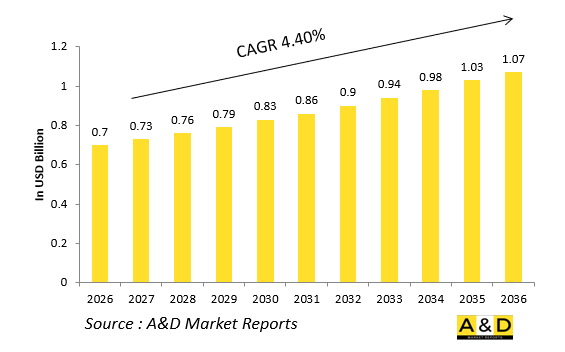
세계의 방위용 SMS(Stores Management System) 시장 규모는 2026년 7억 달러에서 2026-2036년의 예측 기간 중 CAGR 4.40%로 성장하며, 2036년에는 10억 7,000만 달러에 달할 것으로 전망되고 있습니다.
소개:
국방 병기 관리 시스템(SMS)은 전투기 및 특정 무인 플랫폼에서 무기, 포드, 외부 장비의 탑재, 주문, 감시 및 투하를 관리하는 통합 항공전자 제품군입니다. 이는 조종사와 무기 간의 디지털 인터페이스 역할을 하며, 무장 상태, 안전/무장 상태 전환, 무기 선택 및 순서를 처리하여 다양한 임무 프로파일에서 안전하고 효과적인 교전을 보장합니다.
2026-2036년 각국 공군이 전투기, 연습기, 무인 공격 플랫폼을 첨단 디지털 플라이바이 와이어 및 미션 시스템 아키텍처로 현대화함에 따라 국방용 SMS 시장이 확대되고 있습니다. 이러한 시스템은 정밀유도탄, 전자전 포드, 표적 포드, 연료 탱크 등 점점 더 다양한 장비를 지원하여 한 번의 출격으로 복잡한 다목적 임무를 수행할 수 있도록 하고 있습니다. 무기체계가 복잡해짐에 따라 SMS 솔루션은 소프트웨어 정의형, 재구성 가능, 동맹국 탄약 표준과의 상호운용성이 높아지면서 네트워크화된 항공전력의 핵심 요소로 자리매김하고 있습니다.
국방 SMS 시장에서 기술의 영향
기술의 발전으로 국방용 SMS는 단순한 시퀀서 박스에서 지능형 네트워크 지휘통제 노드로 변모하고 있습니다. 최신 SMS 아키텍처는 임무 컴퓨터, 비행 제어 시스템, 전술 데이터 링크와 긴밀하게 통합되어 위협 환경에 맞는 자동 무기 선택, 투하 봉투 및 충돌 회피 로직을 가능하게 합니다. 개방형 아키텍처와 소프트웨어 정의 설계를 통해 하드웨어의 전면적인 재설계가 아닌 소프트웨어 업데이트를 통해 새로운 무기 유형과 포드 구성을 추가할 수 있으며, 통합 기간을 단축할 수 있습니다.
임베디드 처리 기술과 보안 데이터 버스의 발전으로 SMS는 여러 무기 스테이션을 동시에 처리할 수 있으며, 실시간 상태 모니터링, 장애 식별 및 상태 관리 기능을 실현할 수 있습니다. 헬멧 장착형 큐잉 및 타겟팅 시스템과의 통합을 통해 SMS의 기능은 더욱 확장되어 조종사가 시선 또는 음성 명령을 통해 목표를 지정하고 무기 투하를 시작할 수 있게 됩니다. 사이버 보안 강화로 치열한 전자전 환경에서도 탄약 상태 및 기폭정보의 변조 방지를 보장합니다. 이러한 혁신 기술이 결합되어 다중 무기 전투 작전에서 임무의 효율성을 높이고 조종사의 작업 부하를 줄이며 안전성을 향상시킬 수 있습니다.
국방용 SMS 시장의 주요 촉진요인
국방용 SMS 시장은 다양한 무기와 임무에 특화된 포드를 탑재한 다목적 전투기 및 무인 공격 플랫폼으로의 전 세계적인 전환에 의해 주도되고 있습니다. 공군이 첨단 정밀 유도탄과 전자전 시스템을 채택함에 따라 SMS 솔루션은 복잡한 무기 구성을 관리하고 다양한 임무 프로파일에 걸쳐 안전한 탑재, 순서화 및 운용을 보장해야 합니다.
함대 현대화 및 수명 연장 프로그램으로 인해 새로운 유형의 탄약과 데이터 링크 지원 무기를 지원하는 업그레이드된 SMS 하드웨어 및 소프트웨어에 대한 요구가 증가하고 있습니다. 또한 무인 전투기 및 로얄 윙맨 프로그램의 확대로 인해 원격 감시 하에 무기의 상태와 투하 순서를 자율적으로 관리할 수 있는 SMS와 같은 아키텍처에 대한 수요도 발생하고 있습니다. 동맹군 간의 상호운용성 요구사항은 표준화된 SMS 인터페이스와 프로토콜의 채택을 촉진하고, 공통 무기 통합과 공동 훈련을 가능하게 합니다. 동시에, 안전 및 인증 기준은 의도파관 않은 무장이나 낙하를 방지하는 견고하고 장애에 강한 SMS 설계를 요구하고 있으며, 미션 크리티컬한 인프라로서의 역할을 더욱 강화시키고 있습니다.
방산용 SMS 시장의 지역별 동향
지역별로 보면 북미는 유연하고 재구성 가능한 무기 관리 아키텍처를 중시하는 대규모 전투기, 연습기 및 무인 전투기 프로그램에 힘입어 여전히 첨단 SMS 개발의 중심지입니다. 미국과 그 파트너 국가들은 차세대 플랫폼에 투자하고 있으며, 조달 계약에는 일반적으로 광범위한 동맹국 탄약과 호환되는 통합 SMS 솔루션이 포함되어 있습니다.
유럽에서는 공동 전투 항공 및 다목적 프로그램에서 국가 간 상호 운용성과 공통 인증 프레임워크를 지원하는 SMS 설계에 중점을 두고 있으며, 이를 통해 물류 및 훈련 공유를 가능하게 합니다. 아시아태평양에서는 여러 국가들이 공군 현대화를 추진하고 지역 고유의 플랫폼과 탄약에 맞는 SMS 시스템을 포함한 국산 무기 및 항공전자 장비 제조를 확대함에 따라 급속한 성장을 보이고 있습니다. 중동 및 걸프 지역 국가들은 현대화 또는 신규 건조 항공기에 투자하고 있으며, SMS 구성은 첨단 센서 및 전자전 시스템과 통합된 첨단 센서 및 전자전 시스템과 함께 유럽산 및 지역산 탄약을 혼합하여 운용할 수 있어야 합니다. 이들 지역에서는 여러 플랫폼과 군종 간에 재사용 및 업그레이드가 가능한 모듈식, 개방형 아키텍처 SMS 솔루션에 대한 수요가 증가하고 있습니다.
세계의 국방용 병기 관리 시스템(SMS) 시장을 조사했으며, 주요 동향, 시장 영향요인, 주요 기술 및 그 영향력, 주요 지역 및 국가별 동향, 시장 기회 분석 등의 정보를 정리하여 전해드립니다.
목차
방위용 SMS(Stores Management System) 시장 : 목차
방위용 SMS(Stores Management System) 시장 : 리포트의 정의
방위용 SMS(Stores Management System) 시장 : 세분화
향후 10년간 방위용 SMS(Stores Management System) 시장의 분석
세계의 방위용 SMS(Stores Management System) 시장 예측
방위용 SMS(Stores Management System) 시장 : 지역별 동향과 예측
시장 예측·시나리오 분석
방위용 SMS(Stores Management System) 시장 : 국가별 분석
시장 예측·시나리오 분석
방위용 SMS(Stores Management System) 시장 : 시장 기회 매트릭스
결론
KSA 26.04.20Global Defense Stores Management Systems (SMS) Market
The Global Defense Stores Management Systems (SMS) Market is estimated at USD 0.7 billion in 2026, projected to grow to USD 1.07 billion by 2036 at a Compound Annual Growth Rate (CAGR) of 4.40% over the forecast period 2026-2036.
1. Introduction:
Defense Stores Management Systems (SMS) are integrated avionics suites that manage the carriage, sequencing, monitoring, and release of weapons, pods, and external stores on combat aircraft and certain unmanned platforms. They act as the digital interface between the pilot and the armament, handling arming status, safe/armed transitions, weapon selection, and sequencing to ensure safe and effective engagement across diverse mission profiles.
Over the 2026-2036 period, the defense SMS market is expanding as air forces modernize fighters, trainers, and unmanned strike platforms with advanced digital fly by wire and mission systems architectures. These systems increasingly support a wide range of precision guided munitions, electronic warfare pods, targeting pods, and fuel tanks, enabling complex multi role missions within a single sortie. As weapon system complexity grows, SMS solutions are becoming more software defined, reconfigurable, and interoperable with allied munitions standards, positioning them as critical elements of networked airpower.
2. Technology Impact in Defense SMS Market
Technology is transforming defense SMS from basic sequencer boxes into intelligent, networked command and control nodes. Modern SMS architectures integrate closely with mission computers, flight control systems, and tactical data links, enabling automated weapon selection, release envelopes, and deconfliction logic tailored to the threat environment. Open architecture and software defined designs allow new weapon types and pod configurations to be added via software updates rather than full hardware redesigns, shortening integration timelines.
Advances in embedded processing and secure data buses enable SMS to handle multiple weapon stations simultaneously, with real time status monitoring, fault isolation, and health management functions. Integration with helmet mounted cueing and targeting systems further extends SMS functionality, allowing pilots to designate targets and initiate weapon releases through line of sight or voice commands. Cybersecurity enhancements ensure that store status and arming information remain tamper resistant in contested electronic warfare environments. Together, these innovations enhance mission effectiveness, reduce pilot workload, and improve safety in multi weapon combat operations.
3. Key Drivers in Defense SMS Market
The defense SMS market is driven by the global shift toward multi role combat aircraft and unmanned strike platforms that carry a diverse array of weapons and mission specific pods. As air forces adopt advanced precision guided munitions and electronic warfare systems, SMS solutions are required to manage complex combinations of stores, ensuring safe carriage, sequencing, and employment across varying mission profiles.
Fleet modernization and life extension programs are accelerating the need for upgraded SMS hardware and software that support newer munitions types and datalink enabled weapons. The expansion of unmanned combat air and loyal wingman programs also creates demand for SMS like architectures that can autonomously manage weapon states and release sequences under remote supervision. Interoperability requirements across allied forces encourage the adoption of standardized SMS interfaces and protocols, enabling common weapon integration and joint training. At the same time, safety and certification standards push for robust, fault tolerant SMS designs that prevent inadvertent arming or release, reinforcing their role as mission critical infrastructure.
4. Regional Trends in Defense SMS Market
Regionally, North America remains a leading center for advanced SMS development, underpinned by large scale fighter, trainer, and unmanned combat air programs that emphasize flexible, reconfigurable weapon management architectures. The United States and its partners are investing in next generation platforms whose procurement contracts typically include integrated SMS solutions compatible with a broad spectrum of allied munitions.
In Europe, collaborative combat air and multi role programs are favoring SMS designs that support cross national interoperability and common certification frameworks, enabling shared logistics and training. The Asia Pacific region is witnessing rapid growth as several nations modernize their air forces and expand indigenous weapons and avionics manufacturing, including SMS systems tailored for regional platforms and munitions. Middle Eastern and Gulf states are investing in modernized or new build fleets whose SMS configurations must accommodate a mix of Western and regional munitions while integrating with advanced sensors and electronic warfare suites. Across these regions, there is a growing preference for modular, open architecture SMS solutions that can be reused or upgraded across multiple platforms and service branches.
5. Key Defense SMS Market Program
Several flagship defense programs are shaping the evolution of the SMS market over the 2026-2036 period. Next generation fighter initiatives are specifying advanced SMS architectures at the core of new aircraft, integrating tightly with mission computers, datalinks, and electronic warfare systems to support multi weapon engagements and complex mission planning. Naval aviation programs are equipping carrier based strike aircraft with SMS variants that support safe carriage and sequencing of guided weapons in maritime environments, including over water and littoral operations.
Unmanned combat air and loyal wingman programs are being built around SMS like systems that enable autonomous weapon state management and mission planned release sequences, while still allowing remote operator oversight. Advanced trainer aircraft programs are adopting SMS solutions that mirror frontline combat air configurations, reducing pilot transition time and enhancing training fidelity. Multinational and coalition level programs are also standardizing SMS interfaces and data models, enabling shared software libraries, certification packages, and sustainment arrangements across partner nations. Through these programs, stores management systems are transitioning from platform specific hardware boxes into central nodes within the broader digital warfare architecture
Table of Contents
Defense Stores Management Systems (SMS) Market - Table of Contents
Defense Stores Management Systems (SMS) Market Report Definition
Defense Stores Management Systems (SMS) Market Segmentation
By Region
By Platform
By Weapon Type
By Control Method
By Interface
Defense Stores Management Systems (SMS) Market Analysis for next 10 Years
The 10-year Defense Stores Management Systems (SMS) Market analysis would give a detailed overview of Defense Stores Management Systems (SMS) Market growth, changing dynamics, technology adoption overviews and the overall market attractiveness is covered in this chapter.
Market Technologies of Defense Stores Management Systems (SMS) Market
This segment covers the top 10 technologies that is expected to impact this market and the possible implications these technologies would have on the overall market.
Global Defense Stores Management Systems (SMS) Market Forecast
The 10-year Defense Stores Management Systems (SMS) Market forecast of this market is covered in detailed across the segments which are mentioned above.
Regional Defense Stores Management Systems (SMS) Market Trends & Forecast
The regional counter drone market trends, drivers, restraints and Challenges of this market, the Political, Economic, Social and Technology aspects are covered in this segment. The market forecast and scenario analysis across regions are also covered in detailed in this segment. The last part of the regional analysis includes profiling of the key companies, supplier landscape and company benchmarking. The current market size is estimated based on the normal scenario.
North America
Drivers, Restraints and Challenges
PEST
Market Forecast & Scenario Analysis
Key Companies
Supplier Tier Landscape
Company Benchmarking
Europe
Middle East
APAC
South America
Country Analysis of Defense Stores Management Systems (SMS) Market
This chapter deals with the key defense programs in this market, it also covers the latest news and patents which have been filed in this market. Country level 10 year market forecast and scenario analysis are also covered in this chapter.
US
Defense Programs
Latest News
Patents
Current levels of technology maturation in this market
Market Forecast & Scenario Analysis
Canada
Italy
France
Germany
Netherlands
Belgium
Spain
Sweden
Greece
Australia
South Africa
India
China
Russia
South Korea
Japan
Malaysia
Singapore
Brazil
Opportunity Matrix for Defense Stores Management Systems (SMS) Market
The opportunity matrix helps the readers understand the high opportunity segments in this market.
Expert Opinions on Defense Stores Management Systems (SMS) Market Report
Hear from our experts their opinion of the possible analysis for this market.
Conclusions
About Aviation and Defense Market Reports