
|
시장보고서
상품코드
2023783
전장 관리 시스템 시장(2026-2036년)Global Battlefield Management System Market 2026-2036 |
||||||

세계의 전장 관리 시스템 시장
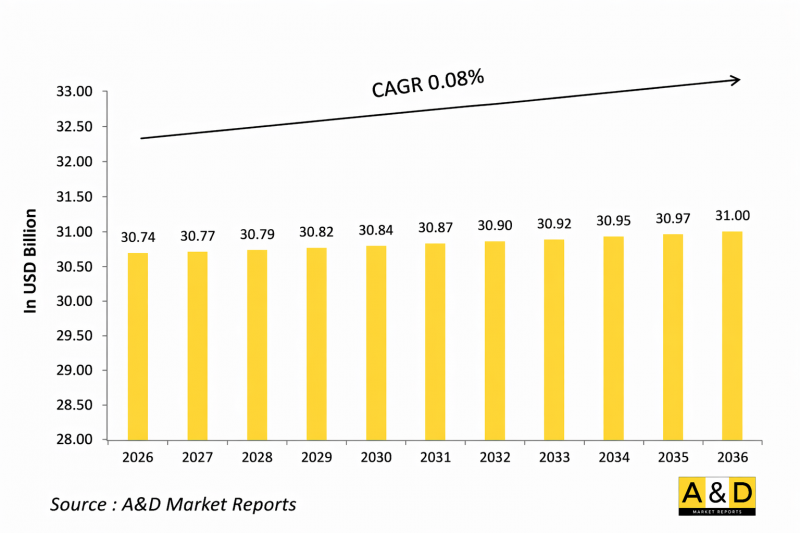
세계 전장 관리 시스템 시장 규모는 2026년에 307억 4,000만 달러로 추정되며, 2036년까지 310억 달러에 달할 것으로 예상되며, 2026-2036년 예측 기간 동안 0.08%의 CAGR로 성장할 것으로 예상됩니다.
1. 소개
세계 전장 관리 시스템 시장은 전체 전투 환경에서 실시간 조정, 통신, 의사결정을 가능하게함으로써 현대 군사 작전에서 매우 중요한 역할을 하고 있습니다. 이러한 시스템은 센서, 통신 네트워크, 지휘 센터 등 여러 정보 소스의 데이터를 통합하여 종합적인 작전 상황을 제공합니다. 전장 관리 시스템은 상황 인식을 향상시켜 지휘관이 복잡하고 빠르게 변화하는 시나리오에서 적시에 정보에 입각한 의사결정을 내릴 수 있도록 돕습니다. 전쟁이 점점 더 네트워크 중심의 멀티 도메인 작전으로 전환됨에 따라 부대 간 원활한 정보 유통의 중요성이 크게 대두되고 있습니다. 이러한 시스템은 작전 효과와 작전 효율성을 향상시키기 위해 육상, 항공, 해상 각 부대에 광범위하게 배치되고 있습니다. 국방부 내 디지털화와 상호운용성에 대한 강조는 전장 관리 솔루션의 채택을 더욱 촉진하고 있습니다. 군대의 현대화가 진행됨에 따라 이러한 시스템은 전략적 우위와 작전적 정확성을 달성하는 데 필수적인 도구가 되고 있습니다.
2. 세계 전장 관리 시스템 시장에서 기술의 영향력
기술의 발전으로 전장 관리 시스템은 복잡한 군사 작전을 지원할 수 있는 고도로 정교한 플랫폼으로 변화하고 있습니다. AI와 머신러닝의 통합으로 예측 분석, 위협 평가, 신속한 의사결정을 가능하게 합니다. 첨단 통신기술은 분쟁이 많은 환경에서도 안전하고 신뢰할 수 있는 데이터 교환을 보장합니다. 클라우드 컴퓨팅과 엣지 프로세싱은 데이터 저장 및 실시간 분석 능력을 강화하여 부대가 보다 민첩하게 활동할 수 있도록 돕습니다. 첨단 센서와 위성 시스템을 활용하여 다양한 지형에서 정확하고 지속적인 상황 인식이 가능합니다. 또한, 현장 병사들에게 직관적인 데이터 시각화를 제공하기 위해 AR 인터페이스의 활용도 검토되고 있습니다. 사이버 보안 기술도 매우 중요하며, 진화하는 위협으로부터 기밀 정보를 안전하게 보호합니다. 이러한 혁신은 종합적으로 전장 관리 시스템의 효율성을 높이고, 여러 부대와 영역에 걸친 원활한 협업을 가능하게 하며, 전체 작전 성공률을 향상시키고 있습니다.
3. 세계 전장 관리 시스템 시장의 주요 촉진요인
세계 전장 관리 시스템 시장의 성장은 첨단 상황 인식 및 효율적인 지휘 통제 능력에 대한 수요 증가로 인해 촉진되고 있습니다. 지정학적 긴장이 고조되고 안보 이슈가 진화함에 따라 국방부는 첨단 디지털 솔루션에 대한 투자를 늘리고 있습니다. 네트워크 중심 전쟁으로의 전환은 큰 촉진요인이며, 종합적인 통신 및 데이터 공유 플랫폼의 중요성이 강조되고 있습니다. 또한, 현대의 전장이 복잡해짐에 따라 방대한 정보를 실시간으로 처리할 수 있는 시스템이 요구되고 있습니다. 레거시 시스템 업그레이드에 초점을 맞춘 국방 현대화 프로그램도 시장 확대에 기여하고 있습니다. 동맹국 간의 상호운용성에 대한 수요는 표준화된 확장 가능한 솔루션의 채택을 더욱 촉진하고 있습니다. 또한, 무인 시스템과 첨단 센서에 대한 의존도가 높아짐에 따라 효과적으로 작전을 조정할 수 있는 강력한 관리 플랫폼이 요구되고 있습니다. 이러한 요인들이 복합적으로 작용하여 전 세계 국방부대의 전장 관리 시스템의 지속적인 발전과 채택을 촉진하고 있습니다.
4. 세계 전장 관리 시스템 시장의 지역별 동향
세계 전장 관리 시스템 시장의 지역별 동향은 각 지역의 국방 우선순위와 기술력의 차이를 반영하고 있습니다. 북미는 첨단 방위 기술 및 디지털 전환에 대한 노력으로 인해 여전히 중요한 지역으로 남아 있습니다. 유럽은 상호운용성과 공동방위 프로그램을 중시하고 있으며, 종합전장 솔루션의 채택을 추진하고 있습니다. 아시아태평양은 국방 투자 증가와 군사 인프라 현대화에 대한 관심 증가에 힘입어 큰 폭의 성장세를 보이고 있습니다. 중동 국가들은 복잡한 안보 환경에서 작전 효율성을 높이기 위해 첨단 시스템을 채택하고 있습니다. 한편, 라틴아메리카와 아프리카에서는 방어 능력을 강화하고 부대 간 연계를 개선하기 위해 전장 관리 기술을 점진적으로 도입하고 있습니다. 이러한 지역적 역학은 첨단 지휘통제시스템에 대한 전 세계적인 수요를 강조하고 있으며, 각 지역이 특정 전략적 작전 요구사항에 맞게 솔루션을 조정하고 있습니다.
세계의 전장 관리 시스템 시장에 대해 조사 분석했으며, 시장에 영향을 미치는 기술, 향후 10년간의 예측, 각 지역별 동향 등의 정보를 전해드립니다.
목차
전장 관리 시스템 시장 보고서의 정의
전장 관리 시스템 시장 세분화
향후 10년간 전장 관리 시스템 시장 분석
세계 전장 관리 시스템 시장 전망
지역 전장 관리 시스템 시장 동향 및 전망
시장 예측 및 시나리오 분석
전장 관리 시스템 시장 국가 분석
시장 예측 및 시나리오 분석
전장 관리 시스템 시장 기회 매트릭스
결론
KSM 26.05.14Global Battlefield Management System Market
The Global Battlefield Management System Market is estimated at USD 30.74 billion in 2026, projected to grow to USD 31.00 billion by 2036 at a Compound Annual Growth Rate (CAGR) of 0.08% over the forecast period 2026-2036.
1. Introduction
The Global Battlefield Management System Market plays a pivotal role in modern military operations by enabling real-time coordination, communication, and decision-making across combat environments. These systems integrate data from multiple sources, including sensors, communication networks, and command centers, to provide a comprehensive operational picture. Battlefield management systems enhance situational awareness, allowing commanders to make informed and timely decisions in complex and rapidly evolving scenarios. As warfare increasingly shifts toward network-centric and multi-domain operations, the importance of seamless information flow between units has grown significantly. These systems are widely deployed across land, air, and naval forces to improve mission effectiveness and operational efficiency. The growing emphasis on digitization and interoperability within defense forces is further strengthening the adoption of battlefield management solutions. As militaries continue to modernize, these systems are becoming indispensable tools for achieving strategic superiority and operational precision.
2. Technology Impact in Global Battlefield Management System Market
Technological advancements are transforming battlefield management systems into highly sophisticated platforms capable of supporting complex military operations. The integration of artificial intelligence and machine learning enables predictive analytics, threat assessment, and faster decision-making. Advanced communication technologies ensure secure and reliable data exchange, even in contested environments. Cloud computing and edge processing are enhancing data storage and real-time analysis capabilities, allowing forces to operate with greater agility. The use of advanced sensors and satellite systems provides accurate and continuous situational awareness across diverse terrains. Additionally, augmented reality interfaces are being explored to deliver intuitive data visualization for soldiers on the ground. Cybersecurity technologies are also critical, ensuring that sensitive information remains protected against evolving threats. These innovations are collectively enhancing the effectiveness of battlefield management systems, enabling seamless coordination across multiple units and domains while improving overall mission success rates.
3. Key Drivers in Global Battlefield Management System Market
The growth of the Global Battlefield Management System Market is driven by the increasing need for enhanced situational awareness and efficient command and control capabilities. Rising geopolitical tensions and evolving security challenges are prompting defense forces to invest in advanced digital solutions. The shift toward network-centric warfare is a major driver, emphasizing the importance of integrated communication and data-sharing platforms. Additionally, the growing complexity of modern battlefields requires systems that can process vast amounts of information in real time. Defense modernization programs focused on upgrading legacy systems are also contributing to market expansion. The demand for interoperability among allied forces further supports the adoption of standardized and scalable solutions. Furthermore, the increasing reliance on unmanned systems and advanced sensors necessitates robust management platforms to coordinate operations effectively. These factors collectively drive the continuous evolution and adoption of battlefield management systems across global defense forces.
4. Regional Trends in Global Battlefield Management System Market
Regional trends in the Global Battlefield Management System Market reflect varying defense priorities and technological capabilities. North America remains a key region due to its strong focus on advanced defense technologies and digital transformation initiatives. Europe is emphasizing interoperability and collaborative defense programs, driving the adoption of integrated battlefield solutions. The Asia-Pacific region is experiencing significant growth, supported by rising defense investments and increasing focus on modernizing military infrastructure. Countries in the Middle East are adopting advanced systems to enhance operational efficiency in complex security environments. Meanwhile, Latin America and Africa are gradually incorporating battlefield management technologies to strengthen their defense capabilities and improve coordination among forces. These regional dynamics highlight the global demand for advanced command and control systems, with each region tailoring solutions to its specific strategic and operational requirements.
5. Key Global Battlefield Management System Market Program
Key programs in the Global Battlefield Management System Market focus on enhancing digital integration, interoperability, and real-time decision-making capabilities. Defense organizations are investing in large-scale initiatives to develop next-generation command and control platforms that integrate multiple data sources. These programs emphasize the use of advanced communication networks, secure data links, and cloud-based architectures to ensure seamless information flow. Collaboration between governments and defense contractors plays a crucial role in the successful implementation of these initiatives. Many programs are also exploring the integration of artificial intelligence and autonomous systems to improve operational efficiency and reduce response times. Additionally, efforts are being made to upgrade existing systems with modern technologies, ensuring compatibility with evolving defense requirements. These programs are central to strengthening military capabilities, enabling forces to operate effectively in increasingly complex and dynamic battlefield environments.
Table of Contents
Battlefield Management Systems Market - Table of Contents
Battlefield Management Systems Market Report Definition
Battlefield Management Systems Market Segmentation
By Type
By Region
By Application
Battlefield Management Systems Market Analysis for next 10 Years
The 10-year battlefield management systems market analysis would give a detailed overview of battlefield management systems market growth, changing dynamics, technology adoption overviews and the overall market attractiveness is covered in this chapter.
Market Technologies of Battlefield Management Systems Market
This segment covers the top 10 technologies that is expected to impact this market and the possible implications these technologies would have on the overall market.
Global Battlefield Management Systems Market Forecast
The 10-year battlefield management systems market forecast of this market is covered in detailed across the segments which are mentioned above.
Regional Battlefield Management Systems Market Trends & Forecast
The regional battlefield management systems market trends, drivers, restraints and Challenges of this market, the Political, Economic, Social and Technology aspects are covered in this segment. The market forecast and scenario analysis across regions are also covered in detailed in this segment. The last part of the regional analysis includes profiling of the key companies, supplier landscape and company benchmarking. The current market size is estimated based on the normal scenario.
North America
Drivers, Restraints and Challenges
PEST
Market Forecast & Scenario Analysis
Key Companies
Supplier Tier Landscape
Company Benchmarking
Europe
Middle East
APAC
South America
Country Analysis of Battlefield Management Systems Market
This chapter deals with the key defense programs in this market, it also covers the latest news and patents which have been filed in this market. Country level 10 year market forecast and scenario analysis are also covered in this chapter.
US
Defense Programs
Latest News
Patents
Current levels of technology maturation in this market
Market Forecast & Scenario Analysis
Canada
Italy
France
Germany
Netherlands
Belgium
Spain
Sweden
Greece
Australia
South Africa
India
China
Russia
South Korea
Japan
Malaysia
Singapore
Brazil
Opportunity Matrix for Battlefield Management Systems Market
The opportunity matrix helps the readers understand the high opportunity segments in this market.
Expert Opinions on Battlefield Management Systems Market Report
Hear from our experts their opinion of the possible analysis for this market.
Conclusions
About Aviation and Defense Market Reports