

|
시장보고서
상품코드
2023791
근접방어무기체계(CIWS) 시장(2026-2036년)Global Close In Weapon System (CIWS) Market 2026-2036 |
||||||

세계의 근접방어무기체계(CIWS) 시장
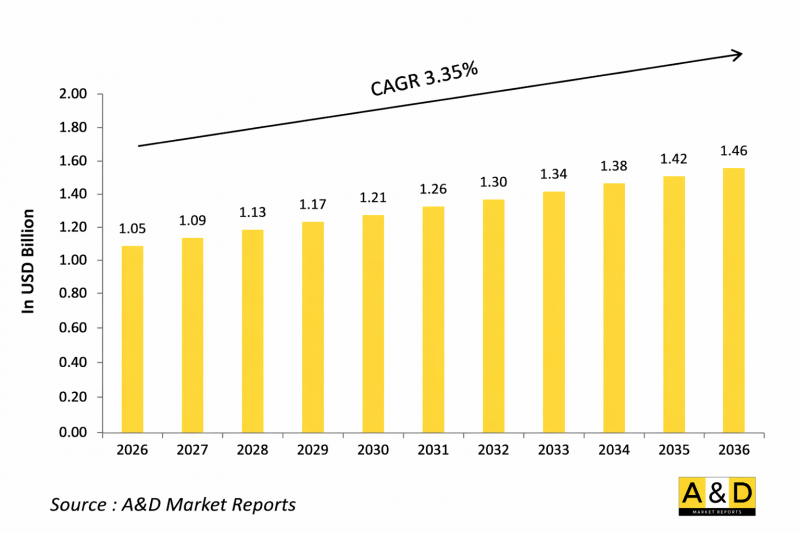
전 세계 근접방어무기체계(CIWS) 시장 규모는 2026년 10억 5,000만 달러로 추정되며, 2036년까지 14억 6,000만 달러에 달할 것으로 예상되며, 2026-2036년 예측 기간 동안 CAGR 3.35%로 성장할 것으로 예상됩니다.
1. 소개
세계 근접방어무기체계(CIWS) 시장은 대함 미사일, 항공기, 무인 시스템 등 접근하는 위협에 대한 최종 방어선에 초점을 맞춘 해군 방어의 중요한 부문입니다. CIWS 플랫폼은 근거리에서 위협을 탐지, 추적, 무력화하기 위해 해군 함정에 탑재되어 신속한 대응이 가능한 자동 무기 시스템입니다. 미사일 기술의 정교화와 스웜 공격으로 해상 전술이 진화함에 따라 다층 방어 시스템의 중요성이 커지고 있습니다. CIWS는 다른 방어층이 뚫렸을 때 중요한 방어 수단으로 작용합니다. 현대의 해군 전략은 생존성과 실시간 위협 대응에 중점을 두고 있으며, 이는 첨단 CIWS 솔루션의 채택을 촉진하고 있습니다. 이 시스템은 구축함, 호위함, 항공모함 등 다양한 함정에 적용되고 있습니다. 현재 진행 중인 해군 현대화 프로그램과 해양 안보에 대한 관심이 높아짐에 따라 CIWS의 전략적 중요성은 전 세계 방위 작전에서 더욱 강화되고 있습니다.
2. 세계 근접방어무기체계(CIWS) 시장에서 기술의 영향력
기술의 발전으로 CIWS 플랫폼의 성능과 신뢰성이 크게 향상되었습니다. 현대 시스템에서는 첨단 레이더와 전기광학 센서가 통합되어 목표물 탐지 및 추적 정확도가 향상되었습니다. AI와 머신러닝이 접목되어 의사결정을 빠르게 하고 자율적인 위협에 대응할 수 있게 되었습니다. 개선된 사격통제시스템은 함정의 전투관리 시스템과의 원활한 연계를 통해 여러 위협에 대한 동시적이고 효율적인 교전을 보장합니다. 레이저식 CIWS와 같은 지향성 에너지 무기의 개발은 운영비용을 절감하면서 정밀한 교전을 가능하게 하는 혁신적인 트렌드로 부상하고 있습니다. 또한 탄약의 종류와 포 시스템의 개선으로 살상력과 요격 성공률이 향상되고 있습니다. 사이버 보안도 중요한 중점 분야로 전자전 및 사이버 위협에 대한 시스템 내성을 확보하고 있습니다. 이러한 기술 혁신을 통해 CIWS는 진화하는 해상 위협에 대응할 수 있는 적응력 높은 네트워크 중심 방어 솔루션으로 변화하고 있습니다.
3. 세계 근접방어무기체계(CIWS) 시장의 주요 추진 요인
CIWS 시장의 성장은 첨단 대함 미사일과 비대칭 해상 전술로 인한 위협이 증가함에 따라 촉진되고 있습니다. 지정학적 긴장과 해군 간 분쟁의 격화로 인해 강력한 함정 방어 시스템에 대한 수요가 증가하고 있습니다. 빠르고 가시성이 낮은 위협의 확산으로 인해 기존 방어 시스템의 효율성이 떨어지고 있으며, 신속한 대응이 가능한 근접 방어 솔루션의 필요성이 강조되고 있습니다. 전 세계 해군 현대화 프로그램은 함대의 생존성을 높이기 위해 첨단 CIWS 통합을 우선순위로 삼고 있습니다. 또한, 해군 함대의 확대와 차세대 군함의 조달도 시장 성장에 기여하고 있습니다. 다층적 방어 아키텍처와 다른 함정 시스템과의 상호운용성에 대한 요구가 채택을 더욱 촉진하고 있습니다. 각국 정부는 또한 국내 방위 산업에 투자하여 혁신과 현지 생산능력을 육성하기 위해 노력하고 있습니다. 이러한 요인들이 복합적으로 작용하여 현대 해군 작전에서 CIWS 기술에 대한 지속적인 수요를 뒷받침하고 있습니다.
4. 세계 근접방어무기체계(CIWS) 시장의 지역별 동향
CIWS 시장의 지역별 동향은 각 지역의 다양한 해군 우선순위와 위협 인식을 반영하고 있습니다. 북미는 강력한 해군력과 첨단 함정 방어 시스템에 대한 지속적인 투자로 인해 여전히 주요 시장으로 남아있습니다. 유럽은 기존 해군 플랫폼의 업그레이드와 동맹군 간 상호운용성 강화에 주력하고 있습니다. 아시아태평양에서는 중국, 인도, 일본 등 각국의 해양 분쟁 증가와 해군력 확장 노력으로 인해 급속한 성장을 보이고 있습니다. 중동에서는 중요한 해상 항로와 에너지 인프라를 보호하기 위해 첨단 해군 방어 시스템에 대한 투자가 진행되고 있습니다. 한편, 라틴아메리카와 아프리카에서는 해적 행위와 지역 안보 문제에 대응하기 위해 해군 역량 강화가 점진적으로 진행되고 있습니다. 이러한 지역적 역학은 CIWS가 전 세계 현대 해군 방어 전략의 중요한 구성요소로서 CIWS의 중요성이 증가하고 있음을 강조하고 있습니다.
세계의 근접방어무기체계(CIWS) 시장에 대해 조사 분석했으며, 시장에 영향을 미치는 기술, 향후 10년간의 예측, 각 지역별 동향 등의 정보를 전해드립니다.
목차
근접방어무기체계(CIWS) 시장 보고서의 정의
근접방어무기체계(CIWS) 시장 세분화
향후 10년간의 근접방어무기체계(CIWS) 시장 분석
세계 근접방어무기체계(CIWS) 시장 예측
지역 근접방어무기체계(CIWS) 시장 동향 및 전망
시장 예측 및 시나리오 분석
근접방어무기체계(CIWS) 시장 국가별 분석
시장 예측 및 시나리오 분석
근접방어무기체계(CIWS) 시장 기회 매트릭스
결론
KSM 26.05.14Global Close-In Weapon System (CIWS) Market
The Global Close In Weapon System (CIWS) Market is estimated at USD 1.05 billion in 2026, projected to grow to USD 1.46 billion by 2036 at a Compound Annual Growth Rate (CAGR) of 3.35% over the forecast period 2026-2036.
1. Introduction
The Global Close-In Weapon System Market represents a vital segment of naval defense, focused on last-line protection against incoming threats such as anti-ship missiles, aircraft, and unmanned systems. CIWS platforms are rapid-reaction, automated weapon systems installed on naval vessels to detect, track, and neutralize threats at close range. As maritime warfare evolves with increasingly sophisticated missile technologies and swarm attacks, the importance of layered defense systems has intensified. CIWS serves as a critical safeguard when other defensive layers are bypassed. Modern naval strategies emphasize survivability and real-time threat response, driving the adoption of advanced CIWS solutions. These systems are deployed across a wide range of vessels, including destroyers, frigates, and aircraft carriers. Ongoing naval modernization programs and the growing focus on maritime security are reinforcing the strategic relevance of CIWS in global defense operations.
2. Technology Impact in Global Close-In Weapon System Market
Technological advancements are significantly enhancing the performance and reliability of CIWS platforms. Modern systems integrate advanced radar and electro-optical sensors for improved target detection and tracking accuracy. Artificial intelligence and machine learning are increasingly being incorporated to enable faster decision-making and autonomous threat response. Upgraded fire control systems allow seamless coordination with a ship's combat management system, ensuring efficient engagement of multiple threats simultaneously. The development of directed energy weapons, such as laser-based CIWS, is emerging as a transformative trend, offering precision engagement with reduced operational costs. Additionally, improvements in ammunition types and gun systems are increasing lethality and interception success rates. Cybersecurity has also become a critical focus area, ensuring system resilience against electronic warfare and cyber threats. These technological innovations are reshaping CIWS into highly adaptive, network-centric defense solutions capable of addressing evolving maritime threats.
3. Key Drivers in Global Close-In Weapon System Market
The growth of the CIWS market is driven by rising threats from advanced anti-ship missiles and asymmetric maritime warfare tactics. Increasing geopolitical tensions and naval conflicts have heightened the demand for robust ship defense systems. The proliferation of high-speed and low-observable threats has made traditional defense systems less effective, emphasizing the need for rapid-response close-in solutions. Naval modernization programs worldwide are prioritizing the integration of advanced CIWS to enhance fleet survivability. Additionally, the expansion of naval fleets and the procurement of new-generation warships are contributing to market growth. The need for multi-layered defense architectures and interoperability with other onboard systems further drives adoption. Governments are also investing in indigenous defense manufacturing, fostering innovation and local production capabilities. These factors collectively support the sustained demand for CIWS technologies in modern naval operations.
4. Regional Trends in Global Close-In Weapon System Market
Regional trends in the CIWS market reflect diverse naval priorities and threat perceptions. North America remains a leading market due to strong naval capabilities and continuous investments in advanced ship defense systems. Europe is focusing on upgrading existing naval platforms and enhancing interoperability among allied forces. The Asia-Pacific region is witnessing rapid growth, driven by increasing maritime disputes and naval expansion initiatives in countries such as China, India, and Japan. The Middle East is investing in advanced naval defense systems to protect critical maritime routes and energy infrastructure. Meanwhile, Latin America and Africa are gradually enhancing their naval capabilities to address piracy and regional security challenges. These regional dynamics highlight the growing importance of CIWS as a key component of modern naval defense strategies worldwide.
5. Key Global Close-In Weapon System Market Program
Key programs in the CIWS market are centered on the development and deployment of advanced ship defense systems by major defense organizations. Leading defense contractors are collaborating with naval forces to design next-generation CIWS platforms featuring improved automation, precision, and integration capabilities. Programs focusing on laser-based weapon systems are gaining momentum, reflecting the shift toward directed energy solutions. Governments are also investing in upgrading legacy systems to enhance performance and extend service life. Joint development initiatives between allied nations are promoting technology sharing and standardization. Additionally, naval procurement programs are emphasizing modular and scalable CIWS solutions that can be adapted to various vessel types. These programs play a crucial role in strengthening naval defense capabilities and ensuring preparedness against evolving maritime threats.
Table of Contents
Close In Weapon System Market - Table of Contents
Close In Weapon System Market Report Definition
Close In Weapon System Market Segmentation
By Platform
By Region
By Type
Close In Weapon System Market Analysis for next 10 years
The 10-year close in weapon system market analysis would give a detailed overview of close in weapon system market growth, changing dynamics, technology adoption overviews and the overall market attractiveness is covered in this chapter.
Market Technologies of Close In Weapon System Market
This segment covers the top 10 technologies that is expected to impact this market and the possible implications these technologies would have on the overall market.
Global Close In Weapon System Market Forecast
The 10-year close in weapon system forecast of this market is covered in detailed across the segments which are mentioned above.
Regional Close In Weapon System Market Trends & Forecast
The regional close in weapon system market trends, drivers, restraints and Challenges of this market, the Political, Economic, Social and Technology aspects are covered in this segment. The market forecast and scenario analysis across regions are also covered in detailed in this segment. The last part of the regional analysis includes profiling of the key companies, supplier landscape and company benchmarking.
North America
Drivers, Restraints and Challenges
PEST
Market Forecast & Scenario Analysis
Key Companies
Supplier Tier Landscape
Company Benchmarking
Europe
Middle East
APAC
South America
Country Analysis of Close In Weapon System Market
This chapter deals with the key defense programs in this market, it also covers the latest news and patents which have been filed in this market. Country level 10 year market forecast and scenario analysis are also covered in this chapter.
US
Defense Programs
Latest News
Patents
Current levels of technology maturation in this market
Market Forecast & Scenario Analysis
Canada
Italy
France
Germany
Netherlands
Belgium
Spain
Sweden
Greece
Australia
South Africa
India
China
Russia
South Korea
Japan
Malaysia
Singapore
Brazil
Opportunity Matrix of Close In Weapon System Market
The opportunity matrix helps the readers understand the high opportunity segments in this market.
Expert Opinions on Close In Weapon System Market Report
Hear from our experts their opinion of the possible outlook for this market.
Conclusions
About Aviation and Defense Market Report


