
|
시장보고서
상품코드
2030194
방위용 로봇 및 자율주행 차량 시장(2026-2036년)Global Defense Robots And Autonomous Vehicles Market 2026-2036 |
||||||

세계의 방위용 로봇 및 자율주행 차량 시장
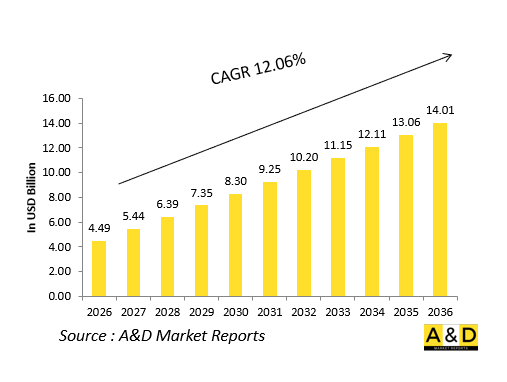
세계의 방위용 로봇 및 자율주행 차량 시장 규모는 2026년에 44억 9,000만 달러로 추계되고 있으며, 2026-2036년의 예측 기간에 CAGR 12.06%로 성장하며, 2036년에는 140억 1,000만 달러에 달할 것으로 전망되고 있습니다.
1. 소개
세계의 국방 로봇 및 자율주행 차량 시장은 인간의 개입을 최소화하여 군사 임무를 수행하도록 설계된 다양한 무인 시스템을 다루고 있습니다. 여기에는 감시, 정찰, 병참, 전투 지원에 사용되는 무인 지상 차량, 항공 드론, 자율형 해군 플랫폼 등이 포함됩니다. 이러한 시스템은 위험한 환경에서의 인적 위험을 줄이고 지속적인 임무 수행을 가능하게 함으로써 작전 효율성을 향상시킵니다. 불발탄 처리, 국경 경비, 정보 수집 등의 임무에 국방용 로봇이 점점 더 많이 도입되고 있습니다. 자율주행 차량은 첨단 센서, 내비게이션 시스템, 제어 알고리즘을 통합하여 복잡한 환경에서 자율 또는 반자율적으로 작동합니다. 군이 작전의 유연성을 높이고 인원의 위험 노출을 줄이기 위해 로봇 및 자율 시스템의 채택이 빠르게 증가하고 있습니다. 이러한 기술의 통합은 신속한 의사결정, 향상된 상황 인식, 임무 적응력 향상을 통해 현대 전쟁의 양상을 바꾸고 있습니다.
2. 국방용 로봇 및 자율주행차 시장에서 기술의 영향력
기술 혁신은 국방용 로봇 및 자율주행차 시장의 핵심이며, 자율성, 인지 및 의사결정 능력을 주도하고 있습니다. 인공지능(AI)과 머신러닝을 통해 시스템은 실시간으로 데이터를 분석하고, 위협을 식별하고, 사람의 지속적인 개입 없이도 정보에 입각한 의사결정을 내릴 수 있습니다. 레이더, LiDAR, 광학 시스템과 같은 첨단 센서는 정확한 환경 인식을 제공하여 로봇이 복잡한 지형과 역동적인 전장을 이동할 수 있게 해줍니다. 보안 데이터 링크 및 위성통신과 같은 통신 기술은 무인 시스템과 지휘 센터 간의 원활한 연계를 보장합니다. 스웜 기술은 혁신적인 발전으로 부상하고 있으며, 여러 자율 시스템이 협력하여 작동함으로써 임무의 효율성을 높이고 있습니다. 또한 배터리 기술과 에너지 효율의 향상으로 작동 시간이 연장되고 있습니다. 이러한 발전으로 국방용 로봇은 다양한 임무를 정밀하게 수행할 수 있는 지능적이고 적응력이 높은 플랫폼으로 변모하고 있습니다.
3. 국방용 로봇 및 자율주행차 시장의 주요 촉진요인
이 시장의 주요 촉진요인으로는 군사 임무에서 인명 피해 최소화 및 작전 효율성 향상을 들 수 있습니다. 자율 시스템을 통해 부대는 인원을 위험에 빠뜨리지 않고 분쟁지역, 오염지역, 오지와 같은 위험한 환경에서 활동할 수 있습니다. 국방 현대화 프로그램에 대한 투자 증가는 첨단 로봇 솔루션의 도입을 촉진하고 있습니다. 감시 및 정찰을 위한 무인항공기 활용 확대도 시장 성장을 더욱 가속화하고 있습니다. 또한 실시간 정보 수집 능력과 신속한 대응 능력에 대한 수요가 증가함에 따라 군사 작전에 자율 기술의 통합을 촉진하고 있습니다. 인공지능, 센서 시스템, 통신 네트워크의 기술 발전으로 인해 이러한 시스템의 신뢰성과 효율성이 향상되고 있습니다. 각국 정부는 국경 보안 및 대테러 역량 강화에 주력하고 있으며, 이는 로봇 및 자율 플랫폼의 도입을 더욱 촉진하고 있습니다.
4. 방산용 로봇 및 자율주행차 시장 지역별 동향
이 시장의 지역별 동향은 국방 우선순위와 기술력의 차이를 반영하고 있습니다. 북미는 강력한 국방 예산과 혁신 생태계로 인해 첨단 로봇 시스템 도입에 있으며, 선도적인 위치에 있습니다. 유럽은 공동방위 구상과 멀티 도메인 작전을 위한 자율기술 개발에 주력하고 있습니다. 아시아태평양은 국방 예산의 증가와 지역 안보 문제에 대응하기 위한 군사력 강화의 필요성에 힘입어 급속한 성장세를 보이고 있습니다. 이 지역 각국은 무인시스템의 국산화 개발에 많은 투자를 하고 있습니다. 중동 지역에서도 감시 및 국경 보안을 위한 방어용 로봇의 도입이 증가하고 있습니다. 지역과 상관없이, 작전의 효율성과 효과성을 향상시키기 위해 기존 군사 체계에 자율 시스템을 통합하는 것에 대한 중요성이 커지고 있습니다.
5. 주요 방산 로봇 및 자율주행차 시장 프로그램
이 시장의 주요 프로그램은 모든 군사 분야에서 첨단 무인 시스템의 개발 및 배치에 초점을 맞추고 있습니다. 각국 정부는 감시, 표적 포착, 공격 능력을 강화하는 차세대 드론 프로그램에 투자하고 있습니다. 자율 지상 차량에 대한 노력은 후방 지원, 정찰 및 전투 지원에 중점을 두고 있습니다. 해군 프로그램에서는 해상 보안 및 대기뢰 작전을 위한 무인 수상/수중 차량 개발이 진행되고 있습니다. 국방 기관과 기술 기업과의 공동 프로그램을 통해 자율 기술 및 인공지능(AI) 분야의 혁신이 가속화되고 있습니다. 또한 서로 다른 플랫폼과 환경을 넘나들며 원활하게 작동하는 상호 운용 가능한 시스템 개발에도 많은 관심이 쏠리고 있습니다. 이 프로그램들은 임무 효율성 향상, 작전 위험 감소, 그리고 전반적인 국방 역량 강화를 목표로 하고 있습니다.
목차
국방 로봇 및 자율주행차 시장 - 목차
국방 로봇 및 자율주행 자동차 시장 보고서의 정의
국방 로봇 및 자율주행 자동차 시장 세분화
향후 10년간 국방 로봇 및 자율주행차 시장 전망 분석
세계의 국방 로봇 및 자율주행차 시장 전망
지역 방위 로봇 및 자율주행차 시장 동향과 전망
시장 예측 및 시나리오 분석
국방 로봇 및 자율주행차 시장의 국가별 분석
시장 예측 및 시나리오 분석
국방 로봇 및 자율주행차 시장의 기회 매트릭스
결론
KSAGlobal Defense Robots and Autonomous Vehicles Market
The Global Defense Robots And Autonomous Vehicles Market is estimated at USD 4.49 billion in 2026, projected to grow to USD 14.01 billion by 2036 at a Compound Annual Growth Rate (CAGR) of 12.06% over the forecast period 2026-2036.
1. Introduction
The global defense robots and autonomous vehicles market encompasses a wide range of unmanned systems designed to perform military tasks with minimal human intervention. These include unmanned ground vehicles, aerial drones, and autonomous naval platforms used for surveillance, reconnaissance, logistics, and combat support. These systems enhance operational efficiency by reducing human risk in hazardous environments and enabling continuous mission execution. Defense robots are increasingly deployed in tasks such as explosive ordnance disposal, border patrol, and intelligence gathering. Autonomous vehicles integrate advanced sensors, navigation systems, and control algorithms to operate independently or semi-independently in complex environments. As militaries seek to improve operational flexibility and reduce personnel exposure, the adoption of robotic and autonomous systems is expanding rapidly. The integration of these technologies is reshaping modern warfare by enabling faster decision-making, enhanced situational awareness, and greater mission adaptability.
2. Technology Impact in Defense Robots and Autonomous Vehicles Market
Technological innovation is at the core of the defense robots and autonomous vehicles market, driving capabilities in autonomy, perception, and decision-making. Artificial intelligence and machine learning are enabling systems to analyze data in real time, identify threats, and make informed decisions without constant human input. Advanced sensors, including radar, LiDAR, and optical systems, provide accurate environmental awareness, allowing robots to navigate complex terrains and dynamic battlefields. Communication technologies, such as secure data links and satellite connectivity, ensure seamless coordination between unmanned systems and command centers. Swarm technology is emerging as a transformative development, enabling multiple autonomous systems to operate collaboratively for enhanced mission effectiveness. Additionally, improvements in battery technology and energy efficiency are extending operational endurance. These advancements are transforming defense robots into intelligent, adaptive platforms capable of executing a wide range of missions with high precision.
3. Key Drivers in Defense Robots and Autonomous Vehicles Market
The primary drivers of this market include the increasing need to minimize human casualties and enhance operational efficiency in military missions. Autonomous systems allow forces to operate in dangerous environments such as conflict zones, contaminated areas, and remote terrains without risking personnel. Rising investments in defense modernization programs are encouraging the adoption of advanced robotic solutions. The growing use of unmanned aerial vehicles for surveillance and reconnaissance is further accelerating market growth. Additionally, the demand for real-time intelligence and rapid response capabilities is driving the integration of autonomous technologies into military operations. Technological advancements in artificial intelligence, sensor systems, and communication networks are making these systems more reliable and effective. Governments are also focusing on strengthening border security and counter-terrorism capabilities, further boosting the deployment of robotic and autonomous platforms.
4. Regional Trends in Defense Robots and Autonomous Vehicles Market
Regional trends in this market reflect varying defense priorities and technological capabilities. North America leads in the adoption of advanced robotic systems due to strong defense funding and innovation ecosystems. Europe is focusing on collaborative defense initiatives and the development of autonomous technologies for multi-domain operations. The Asia-Pacific region is experiencing rapid growth, driven by increasing defense budgets and the need to enhance military capabilities in response to regional security challenges. Countries in this region are investing heavily in indigenous development of unmanned systems. The Middle East is also witnessing increased adoption of defense robots for surveillance and border security applications. Across regions, there is a growing emphasis on integrating autonomous systems into existing military frameworks to improve operational efficiency and effectiveness.
5. Key Defense Robots and Autonomous Vehicles Market Program
Key programs in this market are centered on the development and deployment of advanced unmanned systems across all military domains. Governments are investing in next-generation drone programs that enhance surveillance, targeting, and strike capabilities. Autonomous ground vehicle initiatives are focusing on logistics support, reconnaissance, and combat assistance. Naval programs are advancing unmanned surface and underwater vehicles for maritime security and mine countermeasure operations. Collaborative programs between defense agencies and technology companies are accelerating innovation in autonomy and artificial intelligence. Additionally, there is a strong focus on developing interoperable systems that can operate seamlessly across different platforms and environments. These programs aim to enhance mission efficiency, reduce operational risks, and strengthen overall defense capabilities.
Table of Contents
Defense Robots And Autonomous Vehicles Market - Table of Contents
Defense Robots And Autonomous Vehicles Market Report Definition
Defense Robots And Autonomous Vehicles Market Segmentation
By Region
By Application
By Platform
Defense Robots And Autonomous Vehicles Market Analysis for next 10 Years
The 10-year Defense Robots And Autonomous Vehicles Market analysis would give a detailed overview of Defense Robots And Autonomous Vehicles Market growth, changing dynamics, technology adoption overviews and the overall market attractiveness is covered in this chapter.
Market Technologies of Defense Robots And Autonomous Vehicles Market
This segment covers the top 10 technologies that is expected to impact this market and the possible implications these technologies would have on the overall market.
Global Defense Robots And Autonomous Vehicles Market Forecast
The 10-year Defense Robots And Autonomous Vehicles Market forecast of this market is covered in detailed across the segments which are mentioned above.
Regional Defense Robots And Autonomous Vehicles Market Trends & Forecast
The regional Defense Robots And Autonomous Vehicles Market trends, drivers, restraints and Challenges of this market, the Political, Economic, Social and Technology aspects are covered in this segment. The market forecast and scenario analysis across regions are also covered in detailed in this segment. The last part of the regional analysis includes profiling of the key companies, supplier landscape and company benchmarking. The current market size is estimated based on the normal scenario.
North America
Drivers, Restraints and Challenges
PEST
Market Forecast & Scenario Analysis
Key Companies
Supplier Tier Landscape
Company Benchmarking
Europe
Middle East
APAC
South America
Country Analysis of Defense Robots And Autonomous Vehicles Market
This chapter deals with the key defense programs in this market, it also covers the latest news and patents which have been filed in this market. Country level 10 year market forecast and scenario analysis are also covered in this chapter.
US
Defense Programs
Latest News
Patents
Current levels of technology maturation in this market
Market Forecast & Scenario Analysis
Canada
Italy
France
Germany
Netherlands
Belgium
Spain
Sweden
Greece
Australia
South Africa
India
China
Russia
South Korea
Japan
Malaysia
Singapore
Brazil
Opportunity Matrix for Defense Robots And Autonomous Vehicles Market
The opportunity matrix helps the readers understand the high opportunity segments in this market.
Expert Opinions on Defense Robots And Autonomous Vehicles Market Report
Hear from our experts their opinion of the possible analysis for this market.
Conclusions
About Aviation and Defense Market Reports