

|
시장보고서
상품코드
2042641
퍼스널 에어 모빌리티 시장(2026-2036년)Global Personal Air Mobility Market 2026-2036 |
||||||

세계 퍼스널 에어 모빌리티 시장
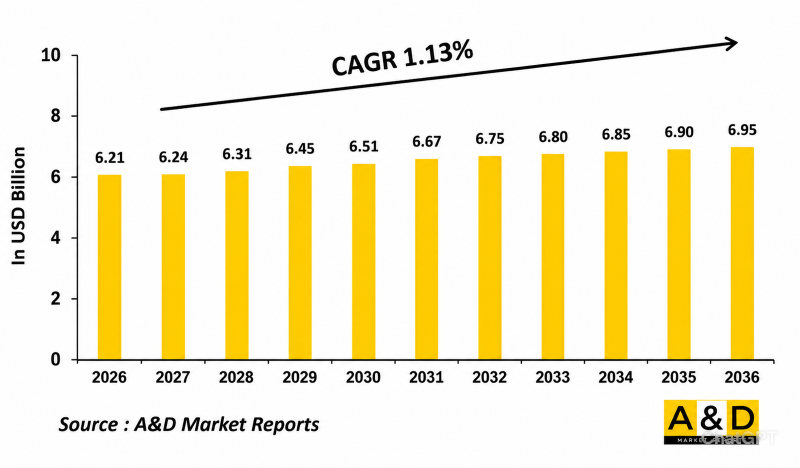
세계 퍼스널 에어 모빌리티 시장 규모는 2026년에 62억 1,000만 달러로 추정되며, 2026년부터 2036년까지 예측 기간 동안 연평균 1.13% 성장하여 2036년에는 69억 5,000만 달러에 달할 것으로 예측됩니다.
소개
세계 퍼스널 에어 모빌리티 시장은 항공우주 및 운송 산업에서 떠오르는 분야로, 개인용 및 도시 내 단거리 운송을 위한 작고 효율적이며 기술적으로 진보된 항공기의 개발에 초점을 맞추었습니다. 퍼스널 에어 모빌리티 솔루션에는 전기 수직이착륙기(eVTOL), 자율형 에어택시, 소형 헬리콥터, 도심의 교통 체증 완화 및 운송 효율성 향상을 위한 경량 비행 차량 등이 포함됩니다. 이 플랫폼은 민간 이동성, 비상 대응, 관광, 물류, 국방 관련 용도로 개발되고 있습니다. 도시화의 진전, 교통 혼잡 증가, 전기 추진 기술의 발전으로 인해 전 세계적으로 퍼스널 에어 모빌리티 솔루션에 대한 관심이 높아지고 있습니다. 정부, 항공우주 기업 및 기술 기업들은 스마트 교통 인프라, 자율 내비게이션 시스템, 지속 가능한 항공 기술을 통합한 차세대 항공 모빌리티 생태계에 많은 투자를 하고 있습니다. 또한, 저배출 교통, 신속한 도시 이동성, 지능형 항공 교통 관리에 대한 관심이 높아지면서 세계 시장에서 퍼스널 에어 모빌리티 플랫폼의 개발 및 상용화가 가속화되고 있습니다.(mordorintelligence.com)
세계 퍼스널 에어 모빌리티 시장에서 기술이 미치는 영향
기술의 발전은 비행 효율성, 운항 안전성, 자율성 및 환경적 지속가능성을 향상시킴으로써 전 세계 퍼스널 에어 모빌리티 시장을 크게 변화시키고 있습니다. 현대의 퍼스널 에어 모빌리티 플랫폼은 안전하고 효율적인 도시 교통 운행을 지원하기 위해 전기 추진 시스템, 경량 복합재료, 인공지능 및 자율 비행 기술을 점점 더 많이 통합하고 있습니다. 전기 수직이착륙기(eVTOL)는 기존 항공기에 비해 정숙성이 높고, 배기가스 배출량이 적으며, 인프라 요구사항이 적어 큰 주목을 받고 있습니다.
인공지능(AI) 및 머신러닝 기술은 자율 내비게이션, 장애물 감지, 예지보전, 실시간 경로 최적화 기능을 강화합니다. 첨단 배터리 시스템, 에너지 저장 기술, 분산형 추진 아키텍처도 전기 항공 모빌리티 플랫폼의 비행 지속 시간과 운영 신뢰성을 향상시키고 있습니다. 또한, 디지털 비행 제어 시스템, 센서 융합 기술, 위성 통신 네트워크는 상황 인식 능력 향상과 보다 안전한 저고도 공역에서의 운항을 지원하고 있습니다.
스마트 항공 교통 관리 시스템과 커넥티드 모빌리티 인프라의 통합으로 도시 지역의 항공 교통 네트워크의 연계가 더욱 촉진되고 있습니다. 자율 및 원격 조종 항공 플랫폼이 상용 서비스에 도입됨에 따라 사이버 보안과 안전한 통신 기술의 중요성이 점점 더 커지고 있습니다. 또한, 하이브리드 추진 시스템, 수직 이착륙 기술, 자동 비상 대응 시스템의 발전으로 퍼스널 에어 모빌리티 솔루션의 상업적 실현 가능성과 운영 유연성이 지속적으로 강화되고 있습니다.(marketsandmarkets.com)
세계 퍼스널 에어 모빌리티 시장의 주요 동인
세계 퍼스널 에어 모빌리티 시장의 주요 촉진요인 중 하나는 인구 밀집 도시의 도로 혼잡과 이동 시간을 줄일 수 있는 효율적인 도시 교통 솔루션에 대한 수요가 증가하고 있다는 점입니다. 급속한 도시화와 대도시 인구 증가는 기존 교통 인프라에 큰 부담을 주고 있으며, 정부와 민간 기업이 첨단 항공 모빌리티의 대안을 모색하도록 촉구하고 있습니다.(mordorintelligence.com)
환경 문제에 대한 관심이 높아지고 지속 가능한 교통수단으로의 전환이 가속화되면서 전기 및 저공해 항공 모빌리티 플랫폼에 대한 투자도 가속화되고 있습니다. 전기 추진 기술은 이산화탄소 배출량 감소, 정숙성 향상, 에너지 효율성 향상으로 미래 도시 교통 시스템에서 매력적인 선택이 되고 있습니다.
또 다른 주요 성장 요인은 자율 비행 시스템과 디지털 항공 기술의 발전입니다. 항공우주 기업 및 기술 개발 기업들은 안전하고 확장 가능한 도심항공모빌리티(UAM) 운항을 지원하기 위해 자율 내비게이션, 인공지능, 첨단 통신 시스템에 많은 투자를 하고 있습니다. 신속한 응급 대응, 의료 수송, 물류 배송 및 항공 승차 공유 서비스에 대한 수요 증가도 시장 확대에 기여하고 있습니다.
첨단 항공 모빌리티 인프라 개발에 대한 정부의 지원, 규제 현대화를 위한 노력, 스마트시티 프로그램도 업계 성장을 가속하고 있습니다. 또한, 항공우주, 자동차, 기술 기업들의 투자 증가로 인해 전 세계 퍼스널 에어 모빌리티 시장의 연구개발 및 상용화 활동이 강화되고 있습니다.
세계 퍼스널 에어 모빌리티 시장 지역별 동향
북미는 강력한 항공우주 혁신 역량, 첨단 도시 모빌리티 계획, 전기 항공 기술에 대한 막대한 투자로 인해 세계 퍼스널 에어 모빌리티 시장을 선도하는 지역으로 자리매김하고 있습니다. 이 지역은 자율형 에어택시 개발, 도시 항공 교통 관리 시스템, 첨단 항공 모빌리티 플랫폼의 상용화를 지원하는 규제 프레임워크에 초점을 맞추었습니다.(marketsandmarkets.com)
유럽에서는 각국이 지속가능한 교통수단 및 스마트시티 인프라에 대한 투자를 강화하면서 개인용 에어모빌리티 시장이 크게 성장하고 있습니다. 공동 항공우주 프로그램, 환경 지속가능성 정책, 도시 모빌리티 혁신 이니셔티브, 전기 수직이착륙기(eVTOL) 및 자율 항공 운송 시스템 개발을 지원하고 있습니다.
아시아태평양은 도시화, 교통 체증 증가, 첨단 모빌리티 기술에 대한 정부 지원 확대에 힘입어 빠르게 성장하는 시장으로 부상하고 있습니다. 이 지역 국가들은 도시 모빌리티 솔루션을 강화하기 위해 스마트 교통 인프라, 자율 항공 시스템, 전기 항공기 제조 역량에 투자하고 있습니다.
중동에서도 스마트시티 개발 프로젝트, 관광산업 확대, 미래형 교통 시스템에 대한 투자를 배경으로 퍼스널 에어 모빌리티 기술에 대한 관심이 높아지고 있습니다. 한편, 라틴아메리카와 아프리카에서는 도시 간 연결성, 비상 대응 능력 및 지역 간 운송 효율성을 향상시키기 위해 첨단 항공 모빌리티 솔루션의 도입이 점차 확대되고 있습니다.
세계 퍼스널 에어 모빌리티 시장의 주요 프로그램
여러 첨단 항공 모빌리티 및 도시 교통 프로그램이 세계 퍼스널 에어 모빌리티 시장의 성장을 주도하고 있습니다. 전 세계 정부, 항공우주 기업, 기술 기업들은 안전하고 효율적이며 상업적으로 실현 가능한 전기 항공 모빌리티 생태계를 개발하는 데 초점을 맞춘 노력을 기울이고 있습니다.
많은 조직들이 자율형 에어택시, 전기 수직이착륙기(eVTOL), 도심형 공중 승차공유 서비스 등을 포함한 파일럿 프로그램을 실시하여 운항 안전성, 공역 통합, 인프라 요건 등을 평가했습니다. 스마트 버티포트 개발, 디지털 항공 교통 관리 시스템, 커넥티드 시티 모빌리티 네트워크에 초점을 맞춘 프로그램도 퍼스널 에어 모빌리티 플랫폼의 상용화를 촉진하고 있습니다.(mordorintelligence.com)
응급 의료 이송 및 물류 배송 프로그램은 퍼스널 에어 모빌리티 기술의 적용 범위를 더욱 확장하고 있습니다. 또한, 군사 및 국방 관련 모빌리티 이니셔티브는 정찰, 신속한 수송 및 재난 대응 작전에 적합한 소형 자율 항공 플랫폼의 개발을 촉진하고 있습니다.
고체 배터리, 수소 추진 시스템, 자율 비행 소프트웨어 및 첨단 경량 소재에 대한 연구 개발 프로그램은 계속해서 시장 전망을 형성하고 있습니다. 항공우주 분야의 공동 혁신 프로젝트, 규제 인증 프로그램, 스마트 시티 교통 이니셔티브도 세계 퍼스널 에어 모빌리티 시장의 장기적인 성장과 기술 발전에 크게 기여하고 있습니다.
목차
퍼스널 에어 모빌리티 시장 - 목차
퍼스널 에어 모빌리티 시장 보고서의 정의
퍼스널 에어 모빌리티 시장 세분화
향후 10년간 퍼스널 에어 모빌리티 시장 분석
세계 퍼스널 에어 모빌리티 시장 전망
지역별 퍼스널 에어 모빌리티 시장 동향 및 전망
시장 예측 및 시나리오 분석
퍼스널 에어 모빌리티 시장 국가별 분석
시장 예측 및 시나리오 분석
퍼스널 에어 모빌리티 시장의 기회 매트릭스
결론
JHS 26.06.11Global Personal Air Mobility Market
The Global Personal Air Mobility Market is estimated at USD 6.21 billion in 2026, projected to grow to USD 6.95 billion by 2036 at a Compound Annual Growth Rate (CAGR) of 1.13% over the forecast period 2026-2036.
Introduction
The global personal air mobility market is an emerging segment of the aerospace and transportation industry focused on developing compact, efficient, and technologically advanced aircraft designed for individual and short-distance urban transportation. Personal air mobility solutions include electric vertical takeoff and landing aircraft, autonomous air taxis, compact helicopters, and lightweight flying vehicles intended to reduce urban congestion and improve transportation efficiency. These platforms are being developed for civilian mobility, emergency response, tourism, logistics, and defense-related applications. Growing urbanization, increasing traffic congestion, and advancements in electric propulsion technologies are driving interest in personal air mobility solutions worldwide. Governments, aerospace companies, and technology firms are investing heavily in next-generation air mobility ecosystems that integrate smart transportation infrastructure, autonomous navigation systems, and sustainable aviation technologies. In addition, the increasing emphasis on low-emission transportation, rapid urban mobility, and intelligent air traffic management is accelerating the development and commercialization of personal air mobility platforms across global markets. (mordorintelligence.com)
Technology Impact in the Global Personal Air Mobility Market
Technological advancement is significantly transforming the global personal air mobility market by improving flight efficiency, operational safety, autonomy, and environmental sustainability. Modern personal air mobility platforms increasingly incorporate electric propulsion systems, lightweight composite materials, artificial intelligence, and autonomous flight technologies to support safe and efficient urban transportation operations. Electric vertical takeoff and landing aircraft are gaining significant attention because they offer quieter operation, lower emissions, and reduced infrastructure requirements compared to conventional aircraft.
Artificial intelligence and machine learning technologies are enhancing autonomous navigation, obstacle detection, predictive maintenance, and real-time route optimization capabilities. Advanced battery systems, energy storage technologies, and distributed propulsion architectures are also improving flight endurance and operational reliability for electric air mobility platforms. Additionally, digital flight control systems, sensor fusion technologies, and satellite-based communication networks are supporting enhanced situational awareness and safer low-altitude airspace operations.
The integration of smart air traffic management systems and connected mobility infrastructure is further enabling coordinated urban air transportation networks. Cybersecurity and secure communication technologies are becoming increasingly important as autonomous and remotely operated aerial platforms enter commercial service. Furthermore, advancements in hybrid propulsion systems, vertical lift technologies, and automated emergency response systems continue to strengthen the commercial viability and operational flexibility of personal air mobility solutions. (marketsandmarkets.com)
Key Drivers in the Global Personal Air Mobility Market
One of the primary drivers of the global personal air mobility market is the increasing demand for efficient urban transportation solutions capable of reducing road congestion and travel time in densely populated cities. Rapid urbanization and expanding metropolitan populations are placing significant pressure on conventional transportation infrastructure, encouraging governments and private companies to explore advanced aerial mobility alternatives. (mordorintelligence.com)
Growing environmental concerns and the global transition toward sustainable transportation are also accelerating investments in electric and low-emission air mobility platforms. Electric propulsion technologies offer reduced carbon emissions, quieter operations, and improved energy efficiency, making them attractive for future urban transportation systems.
Another major growth driver is the increasing advancement of autonomous flight systems and digital aviation technologies. Aerospace companies and technology developers are investing heavily in autonomous navigation, artificial intelligence, and advanced communication systems that support safe and scalable urban air mobility operations. The rising demand for rapid emergency response, medical transportation, logistics delivery, and aerial ridesharing services is further contributing to market expansion
Government support for advanced air mobility infrastructure development, regulatory modernization initiatives, and smart city programs is also encouraging industry growth. In addition, increasing investments from aerospace manufacturers, automotive companies, and technology firms are strengthening research, development, and commercialization activities within the personal air mobility market worldwide.
Regional Trends in the Global Personal Air Mobility Market
North America remains a leading region in the global personal air mobility market due to strong aerospace innovation capabilities, advanced urban mobility initiatives, and substantial investment in electric aviation technologies. The region is heavily focused on autonomous air taxi development, urban air traffic management systems, and regulatory frameworks supporting commercial deployment of advanced air mobility platforms. (marketsandmarkets.com)
Europe is witnessing significant growth in the personal air mobility market as countries strengthen investments in sustainable transportation and smart city infrastructure. Collaborative aerospace programs, environmental sustainability policies, and urban mobility innovation initiatives are supporting the development of electric vertical takeoff and landing aircraft and autonomous air transportation systems.
The Asia-Pacific region is emerging as a rapidly expanding market driven by rising urbanization, increasing transportation congestion, and growing government support for advanced mobility technologies. Countries across the region are investing in smart transportation infrastructure, autonomous aviation systems, and electric aircraft manufacturing capabilities to strengthen urban mobility solutions.
The Middle East is also experiencing growing interest in personal air mobility technologies due to smart city development projects, tourism expansion, and investments in futuristic transportation systems. Meanwhile, Latin America and Africa are gradually exploring advanced aerial mobility solutions to improve urban connectivity, emergency response capabilities, and regional transportation efficiency.
Key Programs in the Global Personal Air Mobility Market
Several advanced air mobility and urban transportation programs are driving the growth of the global personal air mobility market. Governments, aerospace companies, and technology firms worldwide are implementing initiatives focused on developing safe, efficient, and commercially viable electric air mobility ecosystems.
Many organizations are conducting pilot programs involving autonomous air taxis, electric vertical takeoff and landing aircraft, and urban aerial ridesharing services to evaluate operational safety, airspace integration, and infrastructure requirements. Programs focused on smart vertiport development, digital air traffic management systems, and connected urban mobility networks are also supporting the commercialization of personal air mobility platforms. (mordorintelligence.com)
Emergency medical transport and logistics delivery programs are further expanding the application scope of personal air mobility technologies. In addition, military and defense-related mobility initiatives are encouraging the development of compact autonomous aerial platforms suitable for reconnaissance, rapid transport, and disaster response operations.
Research and development programs involving solid-state batteries, hydrogen propulsion systems, autonomous flight software, and advanced lightweight materials continue to shape the future of the market. Collaborative aerospace innovation projects, regulatory certification programs, and smart city transportation initiatives are also contributing significantly to long-term growth and technological advancement in the global personal air mobility market
Table of Contents
Personal Air Mobility Market - Table of Contents
Table of Contents
Personal Air Mobility Market Report Definition
Personal Air Mobility Market Segmentation
By Region
By Type
By Component
By End User
Personal Air Mobility Market Analysis for next 10 Years
The 10-year Personal Air Mobility market analysis would give a detailed overview of Personal Air Mobility market growth, changing dynamics, technology adoption overviews and the overall market attractiveness is covered in this chapter.
Market Technologies of Personal Air Mobility Market
This segment covers the top 10 technologies that is expected to impact this market and the possible implications these technologies would have on the overall market.
Global Personal Air Mobility Market Forecast
The 10-year Personal Air Mobility market forecast of this market is covered in detailed across the segments which are mentioned above.
Regional Personal Air Mobility Market Trends & Forecast
The regional Personal Air Mobility market trends, drivers, restraints and Challenges of this market, the Political, Economic, Social and Technology aspects are covered in this segment. The market forecast and scenario analysis across regions are also covered in detailed in this segment. The last part of the regional analysis includes profiling of the key companies, supplier landscape and company benchmarking. The current market size is estimated based on the normal scenario.
North America
Drivers, Restraints and Challenges
REST
Key Companies
Supplier Tier Landscape
Company Benchmarking
Market Forecast & Scenario Analysis
Europe
Middle East
APAC
South America
Country Analysis of Personal Air Mobility Market
This chapter deals with the key programs in this market, it also covers the latest news and patents which have been filed in this market. Country level 10 year market forecast and scenario analysis are also covered in this chapter.
US
Program Mapping
Latest News
Patents
Current levels of technology maturation in this market
Market Forecast & Scenario Analysis
Canada
Italy
France
Germany
Netherlands
Belgium
Spain
Sweden
Greece
Australia
South Africa
India
China
Russia
South Korea
Japan
Malaysia
Singapore
Brazil
Opportunity Matrix for Personal Air Mobility Market
The opportunity matrix helps the readers understand the high opportunity segments in this market.
Expert Opinions on Personal Air Mobility Market Report
Hear from our experts their opinion of the possible analysis for this market.
Conclusions
About Aviation and Defense Market Reports


