

|
시장보고서
상품코드
1674382
자동차용 카본 세라믹 브레이크 시장 : 차종별, 판매채널별, 지역별Automotive Carbon Ceramic Brakes Market, By Vehicle Type (Passenger Cars, LCV, and HCV), By Sales Channel (OEM and Aftermarket), By Geography (North America, Latin America, Europe, Asia Pacific, Middle East & Africa) |
||||||

자동차용 카본 세라믹 브레이크 세계 시장은 2025년에 4억 9,880만 달러, 2032년에는 9억 7,000만 달러에 달할 것으로 예상되며, 2025-2032년 연평균 8.8%의 연평균 복합 성장률(CAGR)로 성장할 것으로 예상됩니다.
| 보고 범위 | 보고서 상세 내용 | ||
|---|---|---|---|
| 기준 연도 | 2024년 | 2025년 시장 규모 | 4억 9,880만 달러 |
| 실적 데이터 | 2020-2024년 | 예측 기간 | 2025-2032년 |
| 예측 기간(2025-2032년) CAGR | 8.8% | 2032년 금액 예측 | 9억 7,000만 달러 |
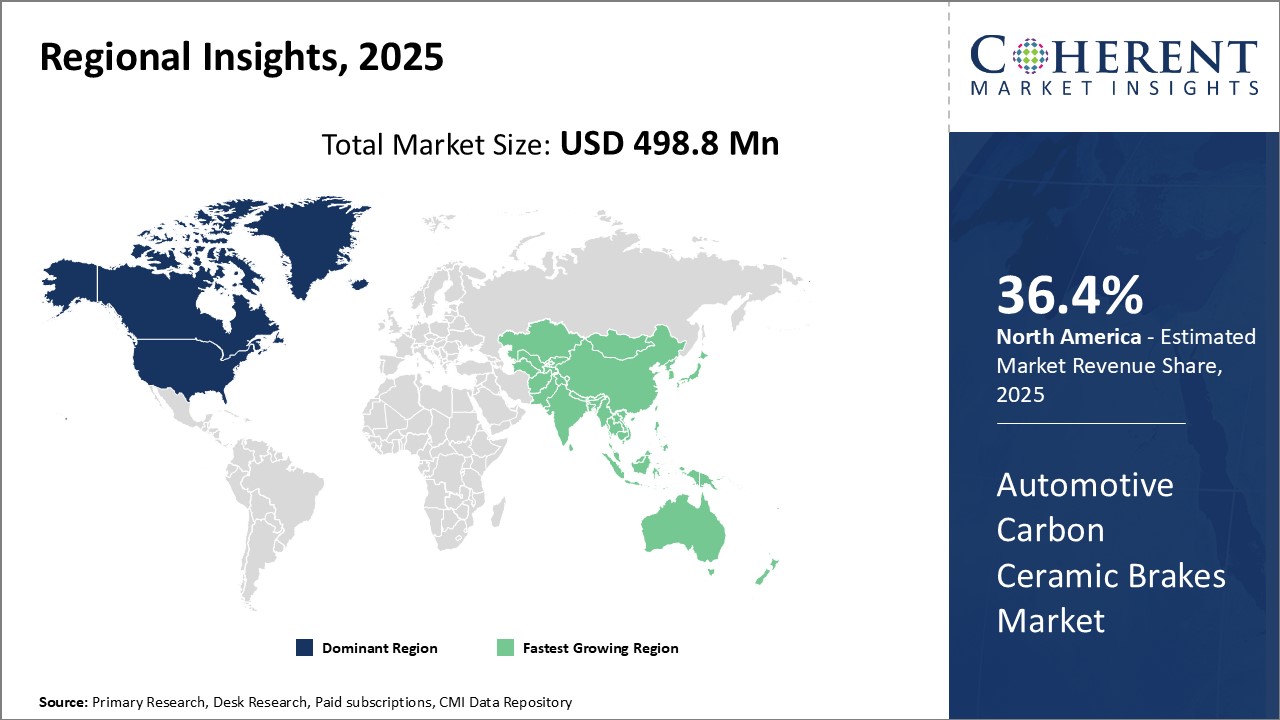
자동차용 카본 세라믹 브레이크 세계 시장은 고성능 차량에 대한 수요 증가와 차량 경량화 추세에 따라 지난 10년간 꾸준히 성장해 왔습니다. 탄소세라믹 브레이크는 기존 주철 브레이크에 비해 크게 경량화할 수 있어 연비를 향상시킬 수 있습니다. 또한, 카본 세라믹 브레이크는 부품의 열화 없이 훨씬 더 높은 온도를 견딜 수 있습니다. 적은 절삭, 높은 경도, 내식성 등의 특성으로 인해 카본 세라믹 브레이크 디스크와 패드는 자동차 제조업체가 스포츠카, 슈퍼카, 고급 자동차 클래스에 점점 더 많이 채택하고 있습니다. 재료 연구와 제조 기술의 발전으로 최근 몇 년동안 카본 세라믹 브레이크의 비용 효율성이 향상되어 그 적용 범위가 미드 레인지 고성능 차량으로 확대되고 있습니다.
시장 역학
자동차 탄소세라믹 브레이크 시장을 촉진하는 주요 요인으로는 고급 및 고성능 자동차에 대한 세계 수요 증가, 자동차 제조업체의 차량 중량 감소를 촉진하는 엄격한 배기가스 규제 등이 있습니다. 신흥국 시장의 소비자 구매력 증가도 시장 성장을 뒷받침하고 있습니다. 그러나 높은 재료비와 제조 비용으로 인해 카본 세라믹 브레이크의 보급은 여전히 제한적일 수밖에 없습니다. 슬림 엔지니어링 및 제조 기술의 재검토와 같은 기술 혁신을 통해 합리적인 가격대의 제품을 개발하기 위한 지속적인 연구 개발은 이러한 문제를 해결하는 데 도움이 될 것입니다. 또한, 전 세계적으로 전기자동차에 대한 관심이 높아짐에 따라 탄소세라믹 브레이크 제조업체들은 무게가 중요한 전기자동차에 대한 적합성을 고려하여 성장하는 전기자동차 시장 부문에 진입할 수 있는 기회를 얻게 될 것입니다.
본 조사의 주요 특징
- 세계의 자동차용 카본 세라믹 브레이크 시장에 대해 조사 분석했으며, 2024년을 기준 연도로 하여 예측 기간(2025-2032년) 시장 규모와 연평균 성장률(CAGR)에 대해 조사 분석하여 전해드립니다.
- 또한, 다양한 부문에 걸친 잠재적 수익 기회를 밝히고, 이 시장의 매력적인 투자 제안 매트릭스를 설명합니다.
- 또한 시장 성장 촉진요인, 억제요인, 기회, 신제품 출시 및 승인, 시장 동향, 지역별 전망, 주요 기업의 경쟁 전략 등에 대한 중요한 고찰을 제공합니다.
- 본 보고서에서는 세계 자동차용 카본 세라믹 브레이크 시장의 주요 기업 프로파일을 기업 개요, 제품 포트폴리오, 주요 특징, 실적, 전략 등의 정보를 바탕으로 정리하여 전해드립니다.
- 이 보고서의 통찰력을 통해 마케팅 담당자와 기업 경영진은 향후 제품 출시, 유형화, 시장 확대, 마케팅 전술에 대한 정보에 입각한 의사결정을 내릴 수 있을 것으로 보입니다.
- 자동차용 카본 세라믹 브레이크 세계 시장 보고서는 투자자, 공급업체, 제품 제조업체, 유통업체, 신규 시장 진출기업, 재무 분석가 등 이 산업의 다양한 이해관계자를 대상으로 합니다.
- 이해관계자들은 세계 자동차용 카본 세라믹 브레이크 시장 분석에 사용되는 다양한 전략 매트릭스를 통해 의사결정을 용이하게 할 수 있습니다.
목차
제1장 조사 목적과 전제조건
- 조사 목적
- 전제조건
- 약어
제2장 시장 전망
- 보고서 설명
- 시장 정의와 범위
- 주요 요약
- Coherent Opportunity Map (COM)
제3장 시장 역학, 규제, 동향 분석
- 시장 역학
- 성장 촉진요인
- 성장 억제요인
- 시장 기회
- 규제 시나리오
- 산업 동향
- 인수합병(M&A)
- 신시스템 도입/승인
- COVID-19 팬데믹의 영향
제4장 세계의 자동차용 카본 세라믹 브레이크 시장, 차종별, 2020-2032년
- 서론
- 승용차
- LCV
- HCV
제5장 세계의 자동차용 카본 세라믹 브레이크 시장, 판매채널별, 2020-2032년
- 서론
- 제조업체
- 애프터마켓
제6장 세계의 자동차용 카본 세라믹 브레이크 시장, 지역별, 2020-2032년
- 서론
- 북미
- 유럽
- 아시아태평양
- 라틴아메리카
- 중동 및 아프리카
제7장 경쟁 구도
- 기업 개요
- Akebono Brake Industry Co., Ltd.
- Aisin Seiki co. ltd.
- Alcon Components Ltd.
- Apollo Automobil GmbH(Gumpert)
- BREMBO SpA
- BRABUS GmbH
- Baer Inc.
- Burg Germany GmbH
- Carroll Shelby International, Inc.
- Federal mogul Corp.
- Ferrari NV
- Fusion brakes LLC
- MAT Foundry Group Ltd.
- Surface Transforms PLC
- SGL Group
제8장 융성과 쇠퇴
- 융성과 쇠퇴
- COP(Coherent Opportunity Map)
제9장 참고 문헌과 조사 방법
- 참고 문헌
- 조사 방법
Global Automotive Carbon Ceramic Brakes Market is estimated to be valued at USD 498.8 Mn in 2025 and is expected to reach USD 900.7 Mn by 2032, growing at a compound annual growth rate (CAGR) of 8.8% from 2025 to 2032.
| Report Coverage | Report Details | ||
|---|---|---|---|
| Base Year: | 2024 | Market Size in 2025: | USD 498.8 Mn |
| Historical Data for: | 2020 To 2024 | Forecast Period: | 2025 To 2032 |
| Forecast Period 2025 to 2032 CAGR: | 8.80% | 2032 Value Projection: | USD 900.7 Mn |
The global automotive carbon ceramic brakes market has been growing steadily over the past decade owing to factors such as increasing demand for high-performance vehicles and emphasis on vehicle weight reduction. Carbon ceramic brakes help reduce weight significantly when compared with conventional cast iron brakes, thereby improving fuel efficiency. Additionally, carbon ceramic brakes are capable of withstanding much higher temperatures without the degradation of components. Owing to properties such as less ablation, higher hardness, and corrosion resistance, carbon ceramic brake discs and pads are increasingly being adopted by automakers for sports, supercars, and luxury vehicles classes. Advancements in materials research and manufacturing technologies have made carbon ceramic brakes more cost-effective in recent years, expanding their application scope across mid-range performance vehicles.
Market Dynamics:
The key drivers fueling the automotive carbon ceramic brakes market include the growing demand for luxury and high-performance vehicles globally and stringent emission regulations pushing automakers to reduce vehicle curb weight. The rising purchasing power of consumers in developing nations is also supporting the market growth. However, high material and manufacturing costs continue to limit the widespread adoption of carbon ceramic brakes. Ongoing R&D towards developing affordable variants through innovations such as slim engineering and revised manufacturing techniques can help address this challenge. Additionally, the increasing preference for electric vehicles worldwide presents an opportunity for carbon ceramic brakes makers to tap into the growing EV market segment considering their suitability for weight-critical EVs.
Key Features of the Study:
- This report provides in-depth analysis of the global automotive carbon ceramic brakes market, and provides market size (US$ Mn) and compound annual growth rate (CAGR%) for the forecast period (2025-2032), considering 2024 as the base year
- It elucidates potential revenue opportunities across different segments and explains attractive investment proposition matrices for this market.
- This study also provides key insights about market drivers, restraints, opportunities, new product launches or approvals, market trends, regional outlook, and competitive strategies adopted by key players
- It profiles key players in the global automotive carbon ceramic brakes market based on the following parameters - company highlights, products portfolio, key highlights, financial performance, and strategies.
- Key companies covered as a part of this study include Akebono Brake Industry Co., Ltd., Aisin Seiki co. ltd., Alcon Components Ltd., Apollo Automobil GmbH (Gumpert), BREMBO S.p.A., BRABUS GmbH, Baer Inc., Burg Germany GmbH, Carroll Shelby International, Inc., Federal mogul Corp., Ferrari N.V., Fusion brakes LLC, MAT Foundry Group Ltd., Surface Transforms PLC, and SGL Group.
- Insights from this report would allow marketers and the management authorities of the companies to make informed decisions regarding their future product launches, type up-gradation, market expansion, and marketing tactics.
- The global automotive carbon ceramic brakes market report caters to various stakeholders in this industry including investors, suppliers, product manufacturers, distributors, new entrants, and financial analysts.
- Stakeholders would have ease in decision-making through various strategy matrices used in analyzing the global automotive carbon ceramic brakes market.
Detailed Segmentation:
- By Vehicle Type
- Passenger Cars
- LCV
- HCV
- By Sales Channel
- OEM
- Aftermarket
- By Regional
- North America
- Europe
- Asia Pacific
- Latin America
- Middle East & Africa
- Key Players Insights
- Akebono Brake Industry Co., Ltd.
- Aisin Seiki co. ltd.
- Alcon Components Ltd.
- Apollo Automobil GmbH (Gumpert)
- BREMBO S.p.A.
- BRABUS GmbH
- Baer Inc.
- Burg Germany GmbH
- Carroll Shelby International, Inc.
- Federal mogul Corp.
- Ferrari N.V.
- Fusion brakes LLC
- MAT Foundry Group Ltd.
- Surface Transforms PLC
- SGL Group
Table of Contents
1. Research Objectives and Assumptions
- Research Objectives
- Assumptions
- Abbreviations
2. Market Purview
- Report Description
- Market Definition and Scope
- Executive Summary
- Market Snippet, By Vehicle Type
- Market Snippet, By Sales Channel
- Market Snippet, By Region
- Coherent Opportunity Map (COM)
3. Market Dynamics, Regulations, and Trends Analysis
- Market Dynamics
- Drivers
- Restraints
- Market Opportunities
- Regulatory Scenario
- Industry Trend
- Merger and Acquisitions
- New System Launches/Approvals
- Impact of COVID-19 Pandemic
4. Global Automotive Carbon Ceramic Brakes Market, By Vehicle Type, 2020-2032 (US$ Mn)
- Introduction
- Market Share Analysis, 2025 and 2032 (%)
- Y-o-Y Growth Analysis, 2020-2032
- Segment Trends
- Passenger Cars
- Introduction
- Market Size and Forecast, 2020-2032, (US$ Mn)
- LCV
- Introduction
- Market Size and Forecast, 2020-2032, (US$ Mn)
- HCV
- Introduction
- Market Size and Forecast, 2020-2032, (US$ Mn)
5. Global Automotive Carbon Ceramic Brakes Market, By Sales Channel, 2020-2032 (US$ Mn)
- Introduction
- Market Share Analysis, 2025 and 2032 (%)
- Y-o-Y Growth Analysis, 2020-2032
- Segment Trends
- OEM
- Introduction
- Market Size and Forecast, 2020-2032, (US$ Mn)
- Aftermarket
- Introduction
- Market Size and Forecast, 2020-2032, (US$ Mn)
6. Global Automotive Carbon Ceramic Brakes Market, By Region, 2020-2032 (US$ Mn)
- Introduction
- Market Share Analysis, By Region, 2025 and 2032 (%)
- Y-o-Y Growth Analysis, 2020-2032
- North America
- Regional Trends
- Market Size and Forecast, By Vehicle Type, 2020-2032 (US$ Mn)
- Market Size and Forecast, By Sales Channel, 2020-2032 (US$ Mn)
- Market Share Analysis, By Country, 2025 and 2032 (%)
- U.S.
- Canada
- Europe
- Regional Trends
- Market Size and Forecast, By Vehicle Type, 2020-2032 (US$ Mn)
- Market Size and Forecast, By Sales Channel, 2020-2032 (US$ Mn)
- Market Share Analysis, By Country, 2025 and 2032 (%)
- U.K.
- Germany
- France
- Russia
- Rest of Europe
- Asia Pacific
- Regional Trends
- Market Size and Forecast, By Vehicle Type, 2020-2032 (US$ Mn)
- Market Size and Forecast, By Sales Channel, 2020-2032 (US$ Mn)
- Market Share Analysis, By Country, 2025 and 2032 (%)
- China
- India
- Japan
- ASEAN
- Australia
- South Korea
- Rest of Asia Pacific
- Latin America
- Regional Trends
- Market Size and Forecast, By Vehicle Type, 2020-2032 (US$ Mn)
- Market Size and Forecast, By Sales Channel, 2020-2032 (US$ Mn)
- Market Share Analysis, By Country, 2025 and 2032 (%)
- Brazil
- Argentina
- Mexico
- Rest of Latin America
- Middle East & Africa
- Regional Trends
- Market Size and Forecast, By Vehicle Type, 2020-2032 (US$ Mn)
- Market Size and Forecast, By Sales Channel, 2020-2032 (US$ Mn)
- Market Share Analysis, By Country, 2025 and 2032 (%)
- South Africa
- GCC Countries
- Rest of the Middle East & Africa
7. Competitive Landscape
- Company Profiles
- Akebono Brake Industry Co., Ltd.
- Company Overview
- Product Portfolio
- Financial Performance
- Key Strategies
- Recent Developments/Updates
- Aisin Seiki co. ltd.
- Company Overview
- Product Portfolio
- Financial Performance
- Key Strategies
- Recent Developments/Updates
- Alcon Components Ltd.
- Company Overview
- Product Portfolio
- Financial Performance
- Key Strategies
- Recent Developments/Updates
- Apollo Automobil GmbH (Gumpert)
- Company Overview
- Product Portfolio
- Financial Performance
- Key Strategies
- Recent Developments/Updates
- BREMBO S.p.A.
- Company Overview
- Product Portfolio
- Financial Performance
- Key Strategies
- Recent Developments/Updates
- BRABUS GmbH
- Company Overview
- Product Portfolio
- Financial Performance
- Key Strategies
- Recent Developments/Updates
- Baer Inc.
- Company Overview
- Product Portfolio
- Financial Performance
- Key Strategies
- Recent Developments/Updates
- Burg Germany GmbH
- Company Overview
- Product Portfolio
- Financial Performance
- Key Strategies
- Recent Developments/Updates
- Carroll Shelby International, Inc.
- Company Overview
- Product Portfolio
- Financial Performance
- Key Strategies
- Recent Developments/Updates
- Federal mogul Corp.
- Company Overview
- Product Portfolio
- Financial Performance
- Key Strategies
- Recent Developments/Updates
- Ferrari N.V.
- Company Overview
- Product Portfolio
- Financial Performance
- Key Strategies
- Recent Developments/Updates
- Fusion brakes LLC
- Company Overview
- Product Portfolio
- Financial Performance
- Key Strategies
- Recent Developments/Updates
- MAT Foundry Group Ltd.
- Company Overview
- Product Portfolio
- Financial Performance
- Key Strategies
- Recent Developments/Updates
- Surface Transforms PLC
- Company Overview
- Product Portfolio
- Financial Performance
- Key Strategies
- Recent Developments/Updates
- SGL Group
- Company Overview
- Product Portfolio
- Financial Performance
- Key Strategies
- Recent Developments/Updates
- Akebono Brake Industry Co., Ltd.
8. Wheel of Fortune
- Wheel of Fortune
- Analyst View
- Coherent Opportunity Map
9. Reference and Research Methodology
- References
- Research Methodology
- About us and Sales Contact


