

|
시장보고서
상품코드
1705648
크로스 도킹 서비스 시장 : 서비스 유형별, 기술 통합별, 소유 모델별, 업계별, 지역별Cross Docking Services Market, By Service Type, By Technology Integration, By Ownership Model, By Industry Vertical, By Geography |
||||||

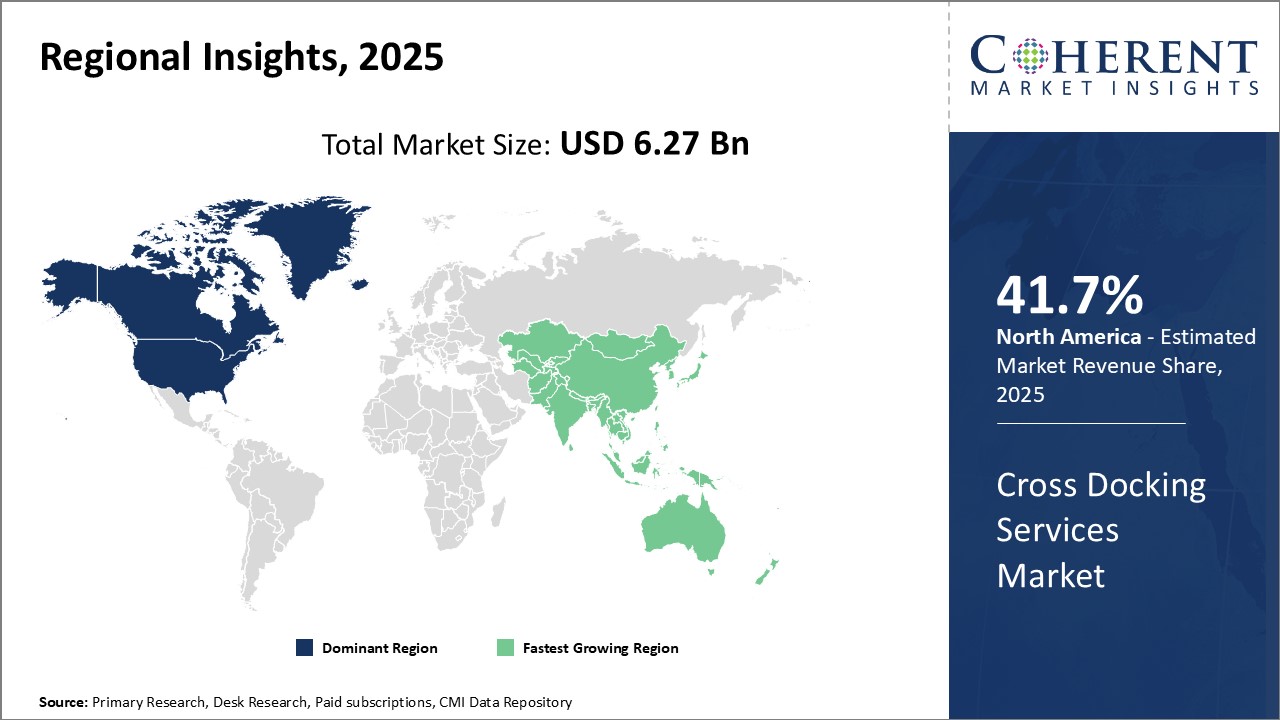
세계 크로스 도킹 서비스 시장은 2025년에 62억 7,000만 달러로 추정되며, 2032년에는 94억 3,000만 달러에 달할 것으로 예상되며, 2025년부터 2032년까지 연평균 6.0%의 CAGR을 기록할 것으로 예상됩니다.
| 보고서 범위 | 보고서 상세 | ||
|---|---|---|---|
| 기준 연도 | 2024년 | 2025년 시장 규모 | 62억 7,000만 달러 |
| 실적 데이터 | 2020-2024년 | 예측 기간 | 2025-2032년 |
| 예측 기간 : 2025-2032년 CAGR | 6.00% | 2032년 가치 예측 | 94억 3,000만 달러 |
크로스 도킹은 공급망 관리 기법 중 하나로, 입고와 출고 사이에 거의 또는 전혀 보관하지 않고 상품을 이동시키는 것을 말합니다. 보관 시간과 취급을 줄임으로써 크로스 도킹은 재고 회전율 향상과 비용 절감에 기여합니다. 물류센터 내에서 상품이 빠르게 이동하기 때문에 기업은 안전재고를 줄일 수 있습니다. 정확한 예측과 적시 운송을 보장하기 위해 공급업체와 고객 간의 사전 커뮤니케이션은 크로스 도킹에 필수적입니다. 도입은 복잡하지만, 크로스 도킹은 물류 기업에게 수요 변화에 동적으로 대응할 수 있는 유연성을 제공합니다.
시장 역학:
E-Commerce 활동의 활성화는 크로스 도킹 서비스 시장의 주요 촉진요인입니다. 온라인 소매업체들은 고객 유지를 위해 신속한 주문 처리에 의존하고 있으며, 적시 배송 네트워크가 필수적입니다. 또한, 세계 조달과 다채널 유통으로 인한 공급망의 복잡성으로 인해 기업들은 크로스 도킹과 같은 효율적인 창고 관리 기술을 채택할 수밖에 없습니다. 그러나 인프라 업그레이드와 근로자 재교육을 위한 높은 투자 요구사항이 시장 성장의 걸림돌로 작용하고 있습니다. 사물인터넷(Internet of Things)과 자동화 기술의 발전은 실시간 추적 및 자동 자재 취급을 통해 크로스 도킹 작업을 최적화할 수 있는 새로운 기회를 창출하고 있습니다.
본 조사의 주요 특징
- 세계의 크로스 도킹 서비스 시장에 대해 조사 분석했으며, 2024년을 기준 연도로 하여 예측 기간(2025-2032년)의 시장 규모와 연평균 성장률(CAGR)을 조사하여 정리하여 전해드립니다.
- 또한, 다양한 부문에 걸친 잠재적인 수익 성장 기회를 밝히고, 이 시장의 매력적인 투자 제안 매트릭스를 설명합니다.
- 또한 시장 촉진요인, 억제요인, 기회, 신제품 출시 및 승인, 시장 동향, 지역별 전망, 주요 기업의 경쟁 전략 등에 대한 중요한 인사이트를 제공합니다.
- 이 보고서는 기업 하이라이트, 제품 포트폴리오, 주요 하이라이트, 재무 성과, 전략 등의 매개 변수를 기반으로 세계 크로스 도킹 서비스 시장의 주요 기업을 프로파일링합니다.
- 이 보고서의 인사이트를 통해 마케팅 담당자와 기업 경영진은 향후 제품 출시, 유형 업그레이드, 시장 확대, 마케팅 전술에 대한 정보에 입각한 의사결정을 내릴 수 있습니다.
- 이 보고서는 투자자, 공급업체, 제품 제조업체, 유통업체, 신규 진입자, 재무 분석가 등 업계의 다양한 이해관계자를 대상으로 합니다.
목차
제1장 조사 목적과 가정
- 조사 목적
- 가정
- 약어
제2장 시장 전망
- 보고서 설명
- 시장 정의와 범위
- 주요 요약
- Coherent Opportunity Map(COM)
제3장 시장 역학, 규제, 동향 분석
- 시장 역학
- 성장 촉진요인
- 성장 억제요인
- 기회
- 규제 시나리오
- 업계 동향
- 인수합병
- 신시스템 출시/승인
- COVID-19 팬데믹의 영향
제4장 세계의 크로스 도킹 서비스 시장, 서비스 유형별, 2020-2032년
- 기존 크로스 도킹
- 기회적 크로스 도킹
- 통합 크로스 도킹
- 혼재 크로스 도킹
제5장 세계의 크로스 도킹 서비스 시장, 기술 통합별, 2020-2032년
- 자동 크로스 도킹 시스템
- RFID 추적 시스템
- 창고 관리 시스템(WMS)
- 운송 관리 시스템(TMS)
제6장 세계의 크로스 도킹 서비스 시장, 소유 모델별, 2020-2032년
- 제3자 물류(3PL) 프로바이더
- 사내 크로스 도킹 업무
제7장 세계의 크로스 도킹 서비스 시장, 업계별, 2020-2032년
- 소매
- 식품 및 음료 부문
- 제조업
- 자동차
- 헬스케어와 의약품
- E-Commerce
- 건설
- 기타
제8장 세계의 크로스 도킹 서비스 시장, 지역별, 2020-2032년
- 북미
- 유럽
- 아시아태평양
- 라틴아메리카
- 중동 및 아프리카
제9장 경쟁 구도
- 기업 개요
- Ryder System
- Kenco Group
- Kane Logistics
- XPO Logistics
- Cannon Hill Logistics
- JB Hunt
- Hub Group
- Saddle Creek
- Toll Group
- Deutsche Bahn Group
- Delivery Lane Express
- Kanban Logistics
- 3PL Worldwide
- Omni Logistics
- First Call Logistics
- PDM Company
제10장 애널리스트의 추천사항
- Wheel of Fortune
- 애널리스트의 견해
- Coherent Opportunity Map
제11장 조사 방법
- 참고문헌
- 조사 방법
Global Cross Docking Services Market is estimated to be valued at USD 6.27 Bn in 2025 and is expected to reach USD 9.43 Bn by 2032, growing at a compound annual growth rate (CAGR) of 6.0% from 2025 to 2032.
| Report Coverage | Report Details | ||
|---|---|---|---|
| Base Year: | 2024 | Market Size in 2025: | USD 6.27 Bn |
| Historical Data for: | 2020 To 2024 | Forecast Period: | 2025 To 2032 |
| Forecast Period 2025 to 2032 CAGR: | 6.00% | 2032 Value Projection: | USD 9.43 Bn |
Cross docking is a supply chain management technique in which goods are transferred between incoming and outgoing transports with little or no storage in between. By reducing storage time and handling, cross docking helps improve inventory turns and lower costs. It allows companies to hold less safety stock as goods rapidly flow through distribution centers. Advance communication between suppliers and customers is integral to cross docking to ensure accurate forecasting and timely transports. While complex to implement, cross docking offers logistics firms the flexibility to dynamically respond to demand shifts.
Market Dynamics:
Rising e-commerce activities are a key driver for the cross docking services market. Online retailers rely on quick fulfillment of orders to retain customers, making just-in-time delivery networks essential. Additionally, supply chain complexities posed by global sourcing and multi-channel distribution are compelling companies to adopt efficient warehousing techniques like cross docking. However, high investment requirements for infrastructure upgrades and labor retraining pose challenges for market growth. Ongoing development of Internet of Things and automation technologies are opening new opportunities to optimize cross docking operations through real-time tracking and automated material handling.
Key Features of the Study:
- This report provides an in-depth analysis of the global cross docking services market, and provides market size (US$ Billion) and compound annual growth rate (CAGR %) for the forecast period (2025-2032), considering 2024 as the base year
- It elucidates potential revenue growth opportunities across different segments and explains attractive investment proposition matrices for this market
- This study also provides key insights about market drivers, restraints, opportunities, new product launches or approvals, market trends, regional outlook, and competitive strategies adopted by key players
- It profiles key players in the global cross docking services market based on the following parameters - company highlights, products portfolio, key highlights, financial performance, and strategies
- Key companies covered as a part of this study include Ryder System, Kenco Group, Kane Logistics, XPO Logistics, Cannon Hill Logistics, J.B. Hunt, Hub Group, Saddle Creek, Toll Group, Deutsche Bahn Group, Delivery Lane Express, Kanban Logistics, 3PL Worldwide, Omni Logistics, First Call Logistics, and PDM Company
- Insights from this report would allow marketers and the management authorities of the companies to make informed decisions regarding their future product launches, type up-gradation, market expansion, and marketing tactics
- The global cross docking services market report caters to various stakeholders in this industry including investors, suppliers, product manufacturers, distributors, new entrants, and financial analysts
Market Segmentation
- By Service Type
- Traditional Cross-Docking
- Opportunistic Cross-Docking
- Consolidation Cross-Docking
- Deconsolidation Cross-Docking
- By Technology Integration
- Automated Cross-Docking Systems
- RFID Tracking Systems
- Warehouse Management Systems (WMS)
- Transportation Management Systems (TMS)
- By Ownership Model
- Third-Party Logistics (3PL) Providers
- In-house Cross-Docking Operations
- By Industry Vertical
- Retail
- Food and Beverages Sector
- Manufacturing
- Automotive
- Healthcare and Pharmaceuticals
- E-commerce
- Construction
- Others
- By Regional
- Overnight Facilities
- Guided Tours
- Transport Rentals
- Food Services
- Souvenir Shops
- Others
- Key Players Insights
- Ryder System
- Kenco Group
- Kane Logistics
- XPO Logistics
- Cannon Hill Logistics
- J.B. Hunt
- Hub Group
- Saddle Creek
- Toll Group
- Deutsche Bahn Group
- Delivery Lane Express
- Kanban Logistics
- 3PL Worldwide
- Omni Logistics
- First Call Logistics
- PDM Company
Table of Contents
1. Research Objectives and Assumptions
- Research Objectives
- Assumptions
- Abbreviations
2. Market Purview
- Report Description
- Market Definition and Scope
- Executive Summary
- Market Snippet, By Service Type
- Market Snippet, By Technology Integration
- Market Snippet, By Ownership Model
- Market Snippet, By Industry Vertical
- Market Snippet, By Region
- Coherent Opportunity Map (COM)
3. Market Dynamics, Regulations, and Trends Analysis
- Market Dynamics
- Drivers
- Restraints
- Opportunities
- Regulatory Scenario
- Industry Trend
- Merger and Acquisitions
- New system Launch/Approvals
- Impact of the COVID-19 Pandemic
4. Global Cross Docking Services Market, By Service Type, 2020-2032, (US$ Billion)
- Introduction
- Market Share Analysis, 2025 and 2032 (%)
- Y-o-Y Growth Analysis, 2020-2032
- Segment Trends
- Traditional Cross-Docking
- Introduction
- Market Size and Forecast, 2020-2032, (US$ Billion)
- Opportunistic Cross-Docking
- Introduction
- Market Size and Forecast, 2020-2032, (US$ Billion)
- Consolidation Cross-Docking
- Introduction
- Market Size and Forecast, 2020-2032, (US$ Billion)
- Deconsolidation Cross-Docking
- Introduction
- Market Size and Forecast, 2020-2032, (US$ Billion)
5. Global Cross Docking Services Market, By Technology Integration, 2020-2032, (US$ Billion)
- Introduction
- Market Share Analysis, 2025 and 2032 (%)
- Y-o-Y Growth Analysis, 2020-2032
- Segment Trends
- Automated Cross-Docking Systems
- Introduction
- Market Size and Forecast, 2020-2032, (US$ Billion)
- RFID Tracking Systems
- Introduction
- Market Size and Forecast, 2020-2032, (US$ Billion)
- Warehouse Management Systems (WMS)
- Introduction
- Market Size and Forecast, 2020-2032, (US$ Billion)
- Transportation Management Systems (TMS)
- Introduction
- Market Size and Forecast, 2020-2032, (US$ Billion)
6. Global Cross Docking Services Market, By Ownership Model, 2020-2032, (US$ Billion)
- Introduction
- Market Share Analysis, 2025 and 2032 (%)
- Y-o-Y Growth Analysis, 2020-2032
- Segment Trends
- Third-Party Logistics (3PL) Providers
- Introduction
- Market Size and Forecast, 2020-2032, (US$ Billion)
- In-house Cross-Docking Operations
- Introduction
- Market Size and Forecast, 2020-2032, (US$ Billion)
7. Global Cross Docking Services Market, By Industry Vertical, 2020-2032, (US$ Billion)
- Introduction
- Market Share Analysis, 2025 and 2032 (%)
- Y-o-Y Growth Analysis, 2020-2032
- Segment Trends
- Retail
- Introduction
- Market Size and Forecast, 2020-2032, (US$ Billion)
- Food and Beverages Sector
- Introduction
- Market Size and Forecast, 2020-2032, (US$ Billion)
- Manufacturing
- Introduction
- Market Size and Forecast, 2020-2032, (US$ Billion)
- Automotive
- Introduction
- Market Size and Forecast, 2020-2032, (US$ Billion)
- Healthcare and Pharmaceuticals
- Introduction
- Market Size and Forecast, 2020-2032, (US$ Billion)
- E-commerce
- Introduction
- Market Size and Forecast, 2020-2032, (US$ Billion)
- Construction
- Introduction
- Market Size and Forecast, 2020-2032, (US$ Billion)
- Others
- Introduction
- Market Size and Forecast, 2020-2032, (US$ Billion)
8. Global Cross Docking Services Market, By Region, 2020-2032, (US$ Billion)
- Introduction
- Market Share Analysis, By Region, 2025 and 2032 (%)
- Y-o-Y Growth Analysis, 2020-2032
- North America
- Regional Trends
- Market Size and Forecast, By Service Type, 2020-2032, (US$ Billion)
- Market Size and Forecast, By Technology Integration, 2020-2032, (US$ Billion)
- Market Size and Forecast, By Ownership Model, 2020-2032, (US$ Billion)
- Market Size and Forecast, By Industry Vertical, 2020-2032, (US$ Billion)
- Market Size and Forecast, By Country, 2020-2032, (US$ Billion)
- U.S.
- Canada
- Europe
- Regional Trends
- Market Size and Forecast, By Service Type, 2020-2032, (US$ Billion)
- Market Size and Forecast, By Technology Integration, 2020-2032, (US$ Billion)
- Market Size and Forecast, By Ownership Model, 2020-2032, (US$ Billion)
- Market Size and Forecast, By Industry Vertical, 2020-2032, (US$ Billion)
- Market Size and Forecast, By Country, 2020-2032, (US$ Billion)
- U.K.
- Germany
- Italy
- France
- Russia
- Rest of Europe
- Asia Pacific
- Regional Trends
- Market Size and Forecast, By Service Type, 2020-2032, (US$ Billion)
- Market Size and Forecast, By Technology Integration, 2020-2032, (US$ Billion)
- Market Size and Forecast, By Ownership Model, 2020-2032, (US$ Billion)
- Market Size and Forecast, By Industry Vertical, 2020-2032, (US$ Billion)
- Market Size and Forecast, By Country, 2020-2032, (US$ Billion)
- China
- India
- ASEAN
- Australia
- South Korea
- Japan
- Rest of Asia Pacific
- Latin America
- Regional Trends
- Market Size and Forecast, By Service Type, 2020-2032, (US$ Billion)
- Market Size and Forecast, By Technology Integration, 2020-2032, (US$ Billion)
- Market Size and Forecast, By Ownership Model, 2020-2032, (US$ Billion)
- Market Size and Forecast, By Industry Vertical, 2020-2032, (US$ Billion)
- Market Size and Forecast, By Country, 2020-2032, (US$ Billion)
- Brazil
- Argentina
- Mexico
- Rest of Latin America
- Middle East & Africa
- Regional Trends
- Market Size and Forecast, By Service Type, 2020-2032, (US$ Billion)
- Market Size and Forecast, By Technology Integration, 2020-2032, (US$ Billion)
- Market Size and Forecast, By Ownership Model, 2020-2032, (US$ Billion)
- Market Size and Forecast, By Industry Vertical, 2020-2032, (US$ Billion)
- Market Size and Forecast, By Country, 2020-2032, (US$ Billion)
- GCC Countries
- South Africa
- Rest of the Middle East & Africa
9. Competitive Landscape
- Company Profiles
- Ryder System
- Company Overview
- Product Portfolio
- Financial Performance
- Key Strategies
- Recent Developments/Updates
- Kenco Group
- Kane Logistics
- XPO Logistics
- Cannon Hill Logistics
- J.B. Hunt
- Hub Group
- Saddle Creek
- Toll Group
- Deutsche Bahn Group
- Delivery Lane Express
- Kanban Logistics
- 3PL Worldwide
- Omni Logistics
- First Call Logistics
- PDM Company
- Ryder System
10. Analyst Recommendations
- Wheel of Fortune
- Analyst View
- Coherent Opportunity Map
11. Research Methodology
- References
- Research Methodology
- About us and Sales Contact


