|
시장보고서
상품코드
1707246
소아용 항간질약 시장 : 약제 유형별, 투여 경로별, 유통 채널별, 지역별Anti-Epileptic Drugs for Pediatrics Market, By Drug Type, By Route of Administration, By Distribution Channel, By Geography |
||||||

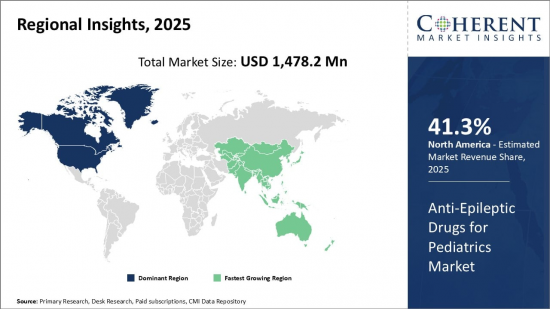
세계의 소아용 항간질약 시장은 2025년에 14억 7,820만 달러로 추정되고, 2032년에는 25억 3,340만 달러에 달할 것으로 예측되며, 2025-2032년 CAGR 8.0%를 나타낼 것으로 예측됩니다.
| 보고 대상 범위 | 보고서 세부정보 | ||
|---|---|---|---|
| 기준 연도 | 2024년 | 시장 규모(2025년) | 14억 7,820만 달러 |
| 실적 데이터 | 2020-2024년 | 예측 기간 | 2025-2032년 |
| 예측 기간 CAGR(2025-2032년) : | 8.00% | 가치 예측(2032년) | 25억 3,340만 달러 |
간질은 전 세계적으로 모든 연령대의 사람들이 앓고있는 일반적인 신경 질환입니다. 그러나 간질 환자의 70% 가까이가 성인이 되기 전에 진단되기 때문에 소아에서 더 많이 볼 수 있습니다. 항간질약은 간질 발작을 관리하고 간질로 고통받는 소아 환자의 삶의 질을 개선하는 데 중요한 역할을 하고 있습니다. 이러한 약제는 뇌 내의 비정상적인 신경세포의 발화나 동기를 제어하여 발작을 예방함으로써 효과를 발휘합니다. 최근의 동향에서는, 광범위한 연구에 의해, 보다 유효하고 부작용이 적은 신세대의 소아과를 위한 항간질약이 개발 및 승인되고 있습니다. 이는 소아 간질 환자의 복약 애드히어런스와 치료 성적에 긍정적인 영향을 주고 있습니다. 소아 간질의 원인은 외상, 출생 시 합병증, 유전적 질환 등입니다. 뇌수막염 등의 뇌감염이 원인이 되어 발병하는 간질은 증후성 간질이라고 불리며, 유전과 관련된 질환은 특발성 간질이라고 불립니다.
시장 역학
세계의 소아용 항간질약 시장은 소아의 간질 유병률 증가에 의해 견인되고 있습니다. 세계보건기구(WHO)에 의하면, 간질은 세계 소아의 약 1%가 이환하고 있습니다. 이 외 의료비 증가, 간질 치료에 대한 의식 증가, 새로운 항간질약 도입 등의 요인이 시장의 성장을 뒷받침하고 있습니다. 그러나 시장 개척에 드는 높은 비용 및 소아용 의약품의 승인에 관한 규제의 엄격함과 같은 시장 억제 요인도 있습니다. 또한 항간질약의 소아 신경계에 대한 부작용이 과제가 되고 있습니다. 한편, 질환 수식 요법의 연구 개발이나 개별화 항간질약 레지멘의 개발은, 향후 시장 참가자에게 있어서 주목해야 할 기회가 되고 있습니다.
본 조사의 주요 특징
- 본 보고서에서는 세계의 소아용 항간질약 시장을 상세하게 분석했으며, 2024년을 기준 연도로 한 예측 기간(2025-2032년) 시장 규모 및 연간 평균 성장률(CAGR%)을 제공합니다.
- 또, 다양한 부문에 걸친 잠재적인 수익 성장 기회를 밝혀, 이 시장의 매력적인 투자 제안 매트릭스에 대해서 해설했습니다.
- 또한 시장 성장 촉진요인, 억제요인, 기회, 신제품 출시 및 승인, 시장 동향, 지역별 전망, 주요 기업이 채용하는 경쟁 전략 등에 관한 중요한 인사이트도 제공합니다.
- 세계의 소아용 항간질약 시장에서 주요한 기업 프로파일을, 기업 하이라이트, 제품 포트폴리오, 주요 하이라이트, 실적, 전략 등의 파라미터에 근거해 제공합니다.
- 본 조사의 대상이 되는 주요 기업으로는 Sanofi, Eisai Co., Ltd., Pfizer Inc., UCB S.A., Sunovion Pharmaceuticals Inc., Abbott, Jazz Pharmaceuticals plc, Ovid Therapeutics Inc., SK BIOPHARMACEUTICALS, Alexza Pharmaceuticals, Inc., Taisho Pharmaceutical Holdings Co., Ltd., Marinus Pharmaceuticals, Inc., Xenon Pharmaceuticals Inc., H. Lundbeck A/S, and Teva Pharmaceutical Industries Ltd. 등이 포함됩니다.
- 본 보고서의 인사이트를 통해 마케팅 담당자나 각 기업의 경영진은 장래의 제품 출시, 유형 업그레이드, 시장 확대, 마케팅 전술에 관해서 충분한 정보에 근거한 의사 결정을 실시할 수 있습니다.
- 세계의 소아용 항간질약 시장 보고서는 투자자, 공급자, 제품 제조업체, 유통업체, 신규 참가자, 재무 애널리스트 등, 이 업계의 다양한 이해 관계자에 대응하고 있습니다.
- 이해관계자는 세계 소아용 항간질약 시장의 분석에 사용되는 다양한 전략 매트릭스를 통해, 의사 결정을 용이하게 할 수 있습니다.
목차
제1장 조사의 목적 및 전제조건
- 조사 목적
- 전제조건
- 약어
제2장 시장 전망
- 보고서 설명
- 시장 정의 및 범위
- 주요 요약
- 일관된 기회 지도(COM)
제3장 시장 역학, 규제 및 동향 분석
- 시장 역학
- 성장 촉진요인
- 신경질환 발생률 증가
- 연구개발 활동 증가
- 성장 억제요인
- 규제 당국에 의한 제품 리콜 증가
- 항간질약의 부작용
- 시장 기회
- 미개척의 신흥 시장
- 표적 요법 수요 증가
- 영향 분석
- 규제 가이드라인
- 제품 발매
- 주요 개발
- PEST 분석
- Porter's Five Forces 분석
- 규제 시나리오
- 합병 및 인수
- 제조업체 수익
- 국가별 의료비 지출
제4장 세계의 소아용 항간질약 시장 : COVID-19의 영향 분석
- 전체적인 영향
- 정부의 대처
- COVID-19에 의한 시장에 대한 영향
제5장 소아용 항간질약 시장 : 약제 유형별(2020-2032년)
- 제1세대 항간질약
- 제2세대 항간질약
- 제3세대 항간질약
제6장 소아용 항간질약 시장 : 투여 경로별(2020-2032년)
- 경구
- 주사제
- 기타(비강 등)
제7장 소아용 항간질약 시장 : 유통 채널별(2020-2032년)
- 병원 약국
- 소매 약국
- 온라인 약국
제8장 소아용 항간질약 시장 : 지역별(2020-2032년)
- 북미
- 라틴아메리카
- 유럽
- 아시아태평양
- 중동
- 아프리카
제9장 경쟁 구도
- Sanofi
- Eisai Co., Ltd.
- Pfizer Inc.
- Company Highlight
- UCB SA
- Sunovion Pharmaceuticals Inc.
- Abbott
- Jazz Pharmaceuticals plc
- Ovid Therapeutics Inc.
- SK BIOPHARMACEUTICALS
- Alexza Pharmaceuticals, Inc.
- Taisho Pharmaceutical Holdings Co., Ltd.
- Marinus Pharmaceuticals, Inc.
- Xenon Pharmaceuticals Inc.
- Lundbeck A/S
- Teva Pharmaceutical Industries Ltd.
제10장 섹션
- 조사 방법
- 출판사에 대해
Global Anti-Epileptic Drugs for Pediatrics Market is estimated to be valued at USD 1,478.2 Mn in 2025 and is expected to reach USD 2,533.4 Mn by 2032, growing at a compound annual growth rate (CAGR) of 8.0% from 2025 to 2032.
| Report Coverage | Report Details | ||
|---|---|---|---|
| Base Year: | 2024 | Market Size in 2025: | USD 1,478.2 Mn |
| Historical Data for: | 2020 To 2024 | Forecast Period: | 2025 To 2032 |
| Forecast Period 2025 to 2032 CAGR: | 8.00% | 2032 Value Projection: | USD 2,533.4 Mn |
Epilepsy is a common neurological disorder that affects people of all ages globally. However, it is more prevalent in children as almost 70% of epilepsy cases are diagnosed before reaching adulthood. Anti-epileptic drugs play a crucial role in managing seizures and improving quality of life for pediatric patients suffering from epilepsy. These medications work by controlling abnormal neuronal firing and synchrony in the brain to prevent seizures. In recent years, extensive research has led to the development and approval of newer generation anti-epileptic drugs that are more effective and have less side effects than the earlier drugs for pediatric use. This has positively impacted medication adherence and treatment outcomes for children with epilepsy. Pediatric epilepsy can be caused due to a trauma injury, complications during birth, or genetic disorder. Epilepsy that occurs due to brain infections such as meningitis is known as symptomatic epilepsy, while a genetics related condition is called idiopathic epilepsy.
Market Dynamics
The global anti-epileptic drugs for pediatrics market is driven by the growing prevalence of epilepsy among children. According to the World Health Organization (WHO), epilepsy affects around 1% of children worldwide. Besides this, factors such as increasing healthcare expenditures, rising awareness about epilepsy treatment, and introduction of newer anti-epileptic drugs are fueling the market growth. However, the market faces certain restraints such as high costs associated with drug development and stringent regulations for the approval of pediatric drugs. Moreover, adverse effects of anti-epileptic drugs on developing neurological system of children poses challenges. On the positive side, ongoing research on disease modifying therapies and development of personalized anti-epileptic drug regimens present notable opportunities for market players in the future.
Key features of the study:
- This report provides an in-depth analysis of the global anti-epileptic drugs for pediatrics market, and provides market size (US$ Mn) and Compound Annual Growth Rate (CAGR%) for the forecast period (2025-2032), considering 2024 as the base year
- It elucidates potential revenue growth opportunities across different segments and explains attractive investment proposition matrices for this market
- This study also provides key insights about market drivers, restraints, opportunities, new product launches or approvals, market trends, regional outlook, and competitive strategies adopted by key players
- It profiles key players in the global anti-epileptic drugs for pediatrics market based on the following parameters - company highlights, products portfolio, key highlights, financial performance, and strategies
- The key companies covered as part of this study include Sanofi, Eisai Co., Ltd., Pfizer Inc., UCB S.A., Sunovion Pharmaceuticals Inc., Abbott, Jazz Pharmaceuticals plc, Ovid Therapeutics Inc., SK BIOPHARMACEUTICALS, Alexza Pharmaceuticals, Inc., Taisho Pharmaceutical Holdings Co., Ltd., Marinus Pharmaceuticals, Inc., Xenon Pharmaceuticals Inc., H. Lundbeck A/S, and Teva Pharmaceutical Industries Ltd.
- Insights from this report would allow marketers and the management authorities of the companies to make informed decisions regarding their future product launches, type upgrade, market expansion, and marketing tactics
- The global anti-epileptic drugs for pediatrics market report caters to various stakeholders in this industry including investors, suppliers, product manufacturers, distributors, new entrants, and financial analysts
- Stakeholders would have ease in decision-making through various strategy matrices used in analyzing the global anti-epileptic drugs for pediatrics market
Detailed Segmentation:
- Global Anti-Epileptic Drugs for Pediatrics Market, Drug Type:
- First generation anti-epileptic drugs
- Second generation anti-epileptic drugs
- Third generation anti-epileptic drugs
- Global Anti-Epileptic Drugs for Pediatrics Market, Route of Administration:
- Oral
- Injectable
- Others (Nasal, etc.)
- Global Anti-Epileptic Drugs for Pediatrics Market, By Distribution Channel:
- Hospital Pharmacies
- Retail Pharmacies
- Online Pharmacies
- Global Anti-Epileptic Drugs for Pediatrics Market, By Region:
- North America
- Europe
- Asia Pacific
- Latin America
- Middle East and Africa
- Company Profiles
- Sanofi
- Eisai Co., Ltd.
- Pfizer Inc.
- UCB S.A.
- Sunovion Pharmaceuticals Inc.
- Abbott
- Jazz Pharmaceuticals plc
- Ovid Therapeutics Inc.
- SK BIOPHARMACEUTICALS
- Alexza Pharmaceuticals, Inc.
- Taisho Pharmaceutical Holdings Co., Ltd.
- Xenon Pharmaceuticals Inc.
- Lundbeck A/S
- Teva Pharmaceutical Industries Ltd.
Table of Contents
1. Research Objectives and Assumptions
- Research Objectives
- Assumptions
- Abbreviations
2. Market Purview
- Report Description
- Market Definition and Scope
- Executive Summary
- Market Snapshot, By Drug Type
- Market Snapshot, By Route of Administration
- Market Snapshot, By Distribution Channel
- Market Snapshot, By Region
- Coherent Opportunity Map (COM)
3. Market Dynamics, Regulations, and Trend Analysis
- Market Dynamics
- Drivers
- Increasing incidence of neurological disorders
- Increasing research and development activities
- Restraints
- Increasing product recalls by regulatory authorities
- Side effects of anti-epileptic drugs
- Market Opportunities
- Untapped emerging markets
- The rising demand for targeted therapy
- Impact Analysis
- Regulatory Guidelines
- Product Launches
- Key Development
- PEST Analysis
- PORTER's Analysis
- Regulatory Scenario
- Mergers and Acquisitions
- Manufacturer Revenue
- Healthcare Spending by Country
4. Global Anti-Epileptic Drugs for Pediatrics Market - COVID-19 Impact Analysis
- Overall Impact
- Government Initiatives
- COVID-19 Impact on the market
5. Global Anti-Epileptic Drugs for Pediatrics Market, By Drug Type, 2020-2032, (US$ Mn)
- Overview
- Market Share Analysis, 2025 and 2032 (%)
- Y-o-Y Growth Analysis, 2021-2032
- Segment Trends
- First generation anti-epileptic drugs
- Overview
- Market Size and Forecast, and Y-o-Y Growth, 2020-2032, (US$ Mn)
- Second generation anti-epileptic drugs
- Overview
- Market Size and Forecast, and Y-o-Y Growth, 2020-2032, (US$ Mn)
- Third generation anti-epileptic drugs
- Overview
- Market Size and Forecast, and Y-o-Y Growth, 2020-2032, (US$ Mn)
6. Global Anti-Epileptic Drugs for Pediatrics Market, By Route of Administration, 2020-2032, (US$ Mn)
- Overview
- Market Share Analysis, 2025 and 2032 (%)
- Y-o-Y Growth Analysis, 2021-2032
- Segment Trends
- Oral
- Overview
- Market Size and Forecast, and Y-o-Y Growth, 2020-2032, (US$ Mn)
- Injectable
- Overview
- Market Size and Forecast, and Y-o-Y Growth, 2020-2032, (US$ Mn)
- Others (Nasal, etc.)
- Overview
- Market Size and Forecast, and Y-o-Y Growth, 2020-2032, (US$ Mn)
7. Global Anti-Epileptic Drugs for Pediatrics Market, By Distribution Channel, 2020-2032, (US$ Mn)
- Overview
- Market Share Analysis, 2025 and 2032 (%)
- Y-o-Y Growth Analysis, 2021-2032
- Segment Trends
- Hospital Pharmacies
- Overview
- Market Size and Forecast, and Y-o-Y Growth, 2020-2032, (US$ Mn)
- Retail Pharmacies
- Overview
- Market Size and Forecast, and Y-o-Y Growth, 2020-2032, (US$ Mn)
- Online Pharmacies
- Overview
- Market Size and Forecast, and Y-o-Y Growth, 2020-2032, (US$ Mn)
8. Global Anti-Epileptic Drugs for Pediatrics Market, By Region, 2020-2032, (US$ Mn)
- Introduction
- Market Share Analysis, By Region, 2025 and 2032 (%)
- Y-o-Y Growth Analysis, For Region, 2021-2032
- Regional Trends
- North America
- Introduction
- Market Size and Forecast, and Y-o-Y Growth, By Drug Type, 2020- 2032, (US$ Mn)
- Market Size and Forecast, and Y-o-Y Growth, By Route of Administration, 2020- 2032, (US$ Mn)
- Market Size and Forecast, and Y-o-Y Growth, By Distribution Channel, 2020- 2032, (US$ Mn)
- Market Size and Forecast, and Y-o-Y Growth, By Country, 2020- 2032, (US$ Mn)
- U.S.
- Canada
- Latin America
- Introduction
- Market Size and Forecast, and Y-o-Y Growth, By Drug Type, 2020- 2032, (US$ Mn)
- Market Size and Forecast, and Y-o-Y Growth, By Route of Administration, 2020- 2032, (US$ Mn)
- Market Size and Forecast, and Y-o-Y Growth, By Distribution Channel, 2020- 2032, (US$ Mn)
- Market Size and Forecast, and Y-o-Y Growth, By Country, 2020-2032, (US$ Mn)
- Brazil
- Mexico
- Argentina
- Rest of Latin America
- Europe
- Introduction
- Market Size and Forecast, and Y-o-Y Growth, By Drug Type, 2020- 2032, (US$ Mn)
- Market Size and Forecast, and Y-o-Y Growth, By Route of Administration, 2020- 2032, (US$ Mn)
- Market Size and Forecast, and Y-o-Y Growth, By Distribution Channel, 2020- 2032, (US$ Mn)
- Market Size and Forecast, and Y-o-Y Growth, By Country, 2020-2032, (US$ Mn)
- U.K.
- Germany
- Italy
- France
- Spain
- Russia
- Rest of Europe
- Asia Pacific
- Introduction
- Market Size and Forecast, and Y-o-Y Growth, By Drug Type, 2020- 2032, (US$ Mn)
- Market Size and Forecast, and Y-o-Y Growth, By Route of Administration, 2020- 2032, (US$ Mn)
- Market Size and Forecast, and Y-o-Y Growth, By Distribution Channel, 2020- 2032, (US$ Mn)
- Market Size and Forecast, and Y-o-Y Growth, By Country, 2020- 2032, (US$ Mn)
- China
- India
- Japan
- ASEAN
- Australia
- South Korea
- Rest of Asia Pacific
- Middle East
- Introduction
- Market Size and Forecast, and Y-o-Y Growth, By Drug Type, 2020- 2032, (US$ Mn)
- Market Size and Forecast, and Y-o-Y Growth, By Route of Administration, 2020- 2032, (US$ Mn)
- Market Size and Forecast, and Y-o-Y Growth, By Distribution Channel, 2020- 2032, (US$ Mn)
- Market Size and Forecast, and Y-o-Y Growth, By Country, 2020- 2032, (US$ Mn)
- GCC
- Israel
- Rest of Middle East
- Africa
- Introduction
- Market Size and Forecast, and Y-o-Y Growth, By Drug Type, 2020- 2032, (US$ Mn)
- Market Size and Forecast, and Y-o-Y Growth, By Route of Administration, 2020- 2032, (US$ Mn)
- Market Size and Forecast, and Y-o-Y Growth, By Distribution Channel, 2020- 2032, (US$ Mn)
- Market Size and Forecast, and Y-o-Y Growth, By Country/Region, 2020-2032, (US$ Mn)
- North Africa
- Central Africa
- South Africa
9. Competitive Landscape
- Sanofi
- Company Highlights
- Product Portfolio
- Key Highlights
- Financial Performance
- Market Strategies
- Eisai Co., Ltd.
- Company Highlights
- Product Portfolio
- Key Highlights
- Financial Performance
- Market Strategies
- Pfizer Inc.
- Company Highlight
- Product Portfolio
- Key Highlights
- Financial Performance
- Market Strategies
- UCB S.A.
- Sunovion Pharmaceuticals Inc.
- Abbott
- Jazz Pharmaceuticals plc
- Ovid Therapeutics Inc.
- SK BIOPHARMACEUTICALS
- Alexza Pharmaceuticals, Inc.
- Taisho Pharmaceutical Holdings Co., Ltd.
- Marinus Pharmaceuticals, Inc.
- Xenon Pharmaceuticals Inc.
- Lundbeck A/S
- Teva Pharmaceutical Industries Ltd.
10. Section
- Research Methodology
- About Us