|
시장보고서
상품코드
2055259
PET 영상 시스템 시장 : 제품 유형별, 기술별, 용도별, 모달리티별, 검출기 유형별, 최종사용자별, 지역별PET Imaging System Market, By Product Type, By Technology, By Application, By Modality, By Detector Type, By End User, By Geography |
||||||

PET 영상 시스템 시장은 2026년 29억 1,000만 달러로 추정되며, 2033년까지 58억 9,000만 달러에 이를 전망입니다. 또한 2026-2033년 CAGR 10.6%를 나타낼 것으로 예측됩니다.
| 보고서 범위 | 보고서 상세 | ||
|---|---|---|---|
| 기준 연도 : | 2025년 | 2026년 시장 규모 : | 29억 1,000만 달러 |
| 과거 데이터 기간 : | 2020-2024년 | 예측 기간 : | 2026-2033년 |
| 예측 기간(2026-2033년) CAGR : | 10.60% | 2033년 시장 규모 예측 : | 58억 9,000만 달러 |
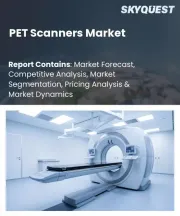
세계 PET 영상 시스템 시장은 첨단 의료 영상 진단 업계의 중요한 분야로, 정밀한 질환 감지 및 모니터링을 위해 양전자 방출 단층 촬영(PET)을 활용하는 첨단 진단 기술을 포함하고 있습니다. PET 영상 시스템은 방사성 추적자를 사용하여 세포 수준의 대사 과정을 시각화함으로써, 의료진에게 특히 종양학, 심장학, 신경학 분야에서 다양한 병태에 관한 독보적인 인사이트를 제공합니다. 이러한 시스템은 기존의 영상 진단법으로는 구조적 변화가 나타나기 전에 기능적 이상을 파악할 수 있는 3차원 영상을 제공함으로써, 진단 능력에 혁명을 가져왔습니다.
이 시장에는 독립형 PET 스캐너, 하이브리드 PET/CT 시스템, 그리고 새롭게 등장한 PET/MRI 구성이 포함되어 있으며, 각각은 특정 임상 요구 사항이나 의료 기관의 선호도에 부응하도록 설계되었습니다. 의료 제공업체들은 암 병기 분류, 치료 효과 모니터링 및 질환 조기 발견에 있어 PET 영상에 대한 의존도를 높이고 있으며, 이는 선진국과 신흥국 경제권 전반에 걸쳐 상당한 시장 성장을 이끌고 있습니다. 디지털 검출기, 인공지능(AI)의 통합, 그리고 영상 재구성 알고리즘의 고도화와 같은 기술적 진보로 인해 진단 정확도는 크게 향상되었으며, 동시에 스캔 시간과 방사선 피폭량도 감소했습니다. 정밀의료의 발전, 고령화, 그리고 암 발병률 증가가 맞물리면서 시장 확대가 지속적으로 추진되고 있으며, PET 영상 시스템은 전 세계의 현대적 의료 인프라 및 맞춤형 치료 프로토콜에서 필수적인 도구로서의 입지를 확고히 하고 있습니다.
시장 역학
세계 PET 영상 시스템 시장의 성장은 주로 전 세계 암 유병률 증가에 힘입어 이루어지고 있습니다. 세계보건기구(WHO)는 암을 주요 사망 원인 중 하나로 보고하고 있으며, 조기 발견과 치료 경과 모니터링을 위한 첨단 진단 솔루션이 요구되고 있습니다. 선진국에서 고령 인구가 증가하는 것도 시장 성장에 크게 기여하고 있으며, 노화에 따른 질환의 정확한 진단과 지속적인 환자 관리를 위해서는 첨단 영상 기술이 요구되고 있습니다. 하이브리드 영상 시스템, 인공지능(AI)을 활용한 영상 처리, 분자 영상 기능 등의 기술 혁신은 진단 정확도에 혁명을 일으키고 있으며, 막대한 의료 투자를 유치하고 시장 확대를 주도하고 있습니다. 신흥국에서의 조기 질환 발견 프로그램 및 의료 인프라 구축을 촉진하는 정부의 이니셔티브는 PET 시스템 도입에 유리한 시장 환경을 조성하고 있습니다.
그러나 시장에는 중대한 제약도 존재합니다. 대당 수백만 달러에 달하는 매우 높은 장비 비용이 걸림돌이 되어, 예산이 제한적인 소규모 의료시설이나 개발도상 지역에서의 도입을 가로막고 있습니다. 복잡한 설치 요건, 방사성 의약품 제조를 위한 사이클로트론 등 전문적인 인프라의 필요성, 그리고 엄격한 규제 준수 절차가 시장 진입 및 시스템 도입에 있어 큰 장벽이 되고 있습니다. 또한, 자격을 갖춘 핵의학 전문의나 방사성 의약품 전문가의 부족이 운영상의 과제로 대두되고 있으며, 적절한 연수 프로그램이 마련되지 않은 지역에서는 시장 성장을 저해할 가능성이 있습니다. 그럼에도 불구하고, 암 치료 분야를 넘어 순환기학 및 신경학으로의 응용 확대, 맞춤형 의료 접근법에 대한 수요 증가, 하이브리드 영상 기술의 도입 확대와 같은 새로운 기회가 생겨나고 있습니다. 비용 대비 효과가 뛰어난 휴대용 PET 시스템의 개발과 방사성 의약품 연구의 진전은 큰 성장 가능성을 보여주고 있으며, 한편으로 장비 제조업체와 의료 제공업체 간의 전략적 제휴는 의료 서비스가 미치지 못하는 지역에서 시장 침투를 촉진하여 지속적인 시장 확대를 약속하고 있습니다.
본 조사의 주요 특징
- 본 조사에서는 각 부문의 잠재적 수익 기회를 파악하고, 이 시장에서 매력적인 투자 제안 매트릭스에 대해 설명하고 있습니다.
- 또한, 본 조사에서는 시장 성장 촉진요인, 억제요인, 기회, 신제품 출시 및 승인, 시장 동향, 지역별 전망, 그리고 주요 기업들이 채택하는 경쟁 전략에 관한 중요한 인사이트를 제공합니다.
- 본 조사에서는 다음의 주요 지표(기업 개요, 제품 포트폴리오, 주요 성과, 재무 실적 및 전략)를 바탕으로 전 세계 PET 영상 시스템 시장의 주요 업체 프로파일을 작성했습니다.
- 본 보고서의 인사이트를 활용함으로써, 기업의 마케팅 담당자 및 경영진은 향후 제품 출시, 기종 업그레이드, 시장 확대 및 마케팅 전략에 대해 정보에 기반한 의사결정을 내릴 수 있게 됩니다.
- 본 보고서는 투자자, 공급업체, 제품 제조업체, 유통업체, 신규 진출기업, 금융 애널리스트 등 이 업계의 다양한 이해관계자를 대상으로 합니다.
- 이해관계자 여러분은 전 세계 PET 영상 시스템 시장 분석에 활용되는 다양한 전략 매트릭스를 통해 의사결정을 보다 수월하게 내릴 수 있을 것입니다.
목차
제1장 조사 목적과 전제조건
제2장 시장 전망
제3장 시장 역학, 규제 및 동향 분석
제4장 세계의 PET 영상 시스템 시장 : 제품 유형별, 2021년-2033년
제5장 세계의 PET 영상 시스템 시장 : 기술별, 2021년-2033년
제6장 세계의 PET 영상 시스템 시장 : 용도별, 2021년-2033년
제7장 세계의 PET 영상 시스템 시장 : 모달리티별, 2021년-2033년
제8장 세계의 PET 영상 시스템 시장 : 검출기 유형별, 2021년-2033년
제9장 세계의 PET 영상 시스템 시장 : 최종사용자별, 2021년-2033년
제10장 세계의 PET 영상 시스템 시장 : 지역별, 2021년-2033년
제11장 경쟁 구도
제12장 애널리스트의 제안
제13장 참고 문헌 및 조사 방법
LSH 26.06.23PET Imaging System Market is estimated to be valued at USD 2.91 Bn in 2026 and is expected to reach USD 5.89 Bn by 2033, growing at a compound annual growth rate (CAGR) of 10.6% from 2026 to 2033.
| Report Coverage | Report Details | ||
|---|---|---|---|
| Base Year: | 2025 | Market Size in 2026: | USD 2.91 Bn |
| Historical Data for: | 2020 To 2024 | Forecast Period: | 2026 To 2033 |
| Forecast Period 2026 to 2033 CAGR: | 10.60% | 2033 Value Projection: | USD 5.89 Bn |
The global PET imaging system market represents a critical segment within the advanced medical imaging industry, encompassing sophisticated diagnostic technologies that utilize positron emission tomography for precise disease detection and monitoring. PET imaging systems employ radioactive tracers to visualize metabolic processes at the cellular level, providing healthcare professionals with unparalleled insights into various pathological conditions, particularly oncology, cardiology, and neurology applications. These systems have revolutionized diagnostic capabilities by offering three-dimensional images that reveal functional abnormalities before structural changes become apparent through conventional imaging modalities.
The market encompasses standalone PET scanners, hybrid PET/CT systems, and emerging PET/MRI configurations, each designed to address specific clinical requirements and institutional preferences. Healthcare providers increasingly rely on PET imaging for cancer staging, treatment response monitoring, and early disease detection, driving substantial market growth across developed and emerging economies. Technological advancements including digital detectors, artificial intelligence integration, and enhanced image reconstruction algorithms have significantly improved diagnostic accuracy while reducing scan times and radiation exposure. The convergence of precision medicine initiatives, aging demographics, and rising cancer incidence rates continues to propel market expansion, positioning PET imaging systems as indispensable tools in modern healthcare infrastructure and personalized treatment protocols worldwide.
Market Dynamics
The global PET imaging system market growth is primarily driven by escalating cancer prevalence worldwide, with the World Health Organization reporting cancer as a leading cause of mortality, necessitating advanced diagnostic solutions for early detection and treatment monitoring. Rising geriatric populations across developed nations significantly contribute to market growth, as age-related diseases require sophisticated imaging technologies for accurate diagnosis and ongoing patient management. Technological innovations including hybrid imaging systems, artificial intelligence-enhanced image processing, and molecular imaging capabilities are revolutionizing diagnostic precision, attracting substantial healthcare investments and driving market expansion. Government initiatives promoting early disease detection programs and healthcare infrastructure development in emerging economies create favorable market conditions for PET system adoption.
However, the market faces significant restraints including exceptionally high equipment costs ranging from millions of dollars per unit, limiting accessibility for smaller healthcare facilities and developing regions with constrained budgets. Complex installation requirements, specialized infrastructure needs including cyclotrons for radiopharmaceutical production, and stringent regulatory compliance procedures create substantial barriers to market entry and system deployment. Additionally, the shortage of qualified nuclear medicine specialists and radiopharmacists poses operational challenges, potentially limiting market growth in regions lacking adequate training programs. Nevertheless, emerging opportunities include expanding applications beyond oncology into cardiology and neurology, growing demand for personalized medicine approaches, and increasing adoption of hybrid imaging technologies. The development of cost-effective portable PET systems and advances in radiopharmaceutical research present significant growth prospects, while strategic partnerships between equipment manufacturers and healthcare providers facilitate market penetration in underserved regions, promising sustained market expansion.
Key Features of the Study
- It elucidates potential revenue opportunities across different segments and explains attractive investment proposition matrices for this market
- This study also provides key insights about market drivers, restraints, opportunities, new product launches or approvals, market trends, regional outlook, and competitive strategies adopted by key players
- It profiles key players in the global PET imaging system market based on the following parameters - company highlights, products portfolio, key highlights, financial performance, and strategies
- Key companies covered as a part of this study include GE Healthcare, Siemens Healthineers, Koninklijke Philips N.V. (Philips), Canon Medical Systems Corporation, United Imaging Healthcare Co., Ltd., Mediso Ltd, Bruker Corporation, MinFound Medical Systems Co., Ltd., Neusoft Medical Systems Co., Ltd., SOFIE Biosciences, Inc., Positron Corporation, Spectrum Dynamics Medical Ltd, Agfa HealthCare NV, CMR Naviscan, and Hitachi Ltd.
- Insights from this report would allow marketers and the management authorities of the companies to make informed decisions regarding their future product launches, type up-gradation, market expansion, and marketing tactics
- The global PET imaging system market report caters to various stakeholders in this industry including investors, suppliers, product manufacturers, distributors, new entrants, and financial analysts
- Stakeholders would have ease in decision-making through various strategy matrices used in analyzing the global PET imaging system market
Market Segmentation
- Product Type Insights (Revenue, USD Bn, 2021 - 2033)
- Hybrid PET/CT Systems
- Hybrid PET/MRI Systems
- Full-Ring PET Scanners
- Partial-Ring PET Scanners
- Other Components (Assays and Reagent Kits, etc.)
- Technology Insights (Revenue, USD Bn, 2021 - 2033)
- Standalone PET Systems
- Integrated PET-CT Systems
- Integrated PET-MRI Systems
- Application Insights (Revenue, USD Bn, 2021 - 2033)
- Oncology
- Cardiology
- Neurology
- Orthopedics
- Others (e.g., Inflammatory and Infectious Diseases)
- Modality Insights (Revenue, USD Bn, 2021 - 2033)
- Fixed
- Mobile
- Detector Type Insights (Revenue, USD Bn, 2021 - 2033)
- Bismuth Germanate Oxide (BGO)
- Lutetium Oxyorthosilicate (LSO)
- Lutetium-Yttrium Oxyorthosilicate (LYSO)
- Gadolinium Oxyorthosilicate (GSO)
- Other Scintillators
- End User Insights (Revenue, USD Bn, 2021 - 2033)
- Hospitals
- Diagnostic Imaging Centers
- Cancer Research Centers
- Ambulatory Surgical Centers
- Research Institutes and Universities
- Specialty Clinics
- Regional Insights (Revenue, USD Bn, 2021 - 2033)
- North America
- U.S.
- Canada
- Latin America
- Brazil
- Argentina
- Mexico
- Rest of Latin America
- Europe
- Germany
- U.K.
- Spain
- France
- Italy
- Russia
- Rest of Europe
- Asia Pacific
- China
- India
- Japan
- Australia
- South Korea
- ASEAN
- Rest of Asia Pacific
- Middle East
- GCC Countries
- Israel
- Rest of Middle East
- Africa
- South Africa
- North Africa
- Central Africa
- Key Players Insights
- GE Healthcare
- Siemens Healthineers
- Koninklijke Philips N.V. (Philips)
- Canon Medical Systems Corporation
- United Imaging Healthcare Co., Ltd.
- Mediso Ltd
- Bruker Corporation
- MinFound Medical Systems Co., Ltd.
- Neusoft Medical Systems Co., Ltd.
- SOFIE Biosciences, Inc.
- Positron Corporation
- Spectrum Dynamics Medical Ltd
- Agfa HealthCare NV
- CMR Naviscan
- Hitachi Ltd
Table of Contents
1. Research Objectives and Assumptions
- Research Objectives
- Assumptions
- Abbreviations
2. Market Purview
- Report Description
- Market Definition and Scope
- Executive Summary
- Global PET Imaging System Market, By Product Type
- Global PET Imaging System Market, By Technology
- Global PET Imaging System Market, By Application
- Global PET Imaging System Market, By Modality
- Global PET Imaging System Market, By Detector Type
- Global PET Imaging System Market, By End User
- Global PET Imaging System Market, By Region
3. Market Dynamics, Regulations, and Trends Analysis
- Market Dynamics
- Driver
- Restraint
- Opportunity
- Impact Analysis
- Key Developments
- Regulatory Scenario
- Product Launches/Approvals
- PEST Analysis
- PORTER's Analysis
- Merger and Acquisition Scenario
- Industry Trends
4. Global PET Imaging System Market, By Product Type, 2021 - 2033, (USD Bn)
- Introduction
- Market Share Analysis, 2026 and 2033 (%)
- Y-o-Y Growth Analysis, 2022 - 2033
- Segment Trends
- Hybrid PET/CT Systems
- Introduction
- Market Size and Forecast, and Y-o-Y Growth, 2021 - 2033, (USD Bn)
- Hybrid PET/MRI Systems
- Introduction
- Market Size and Forecast, and Y-o-Y Growth, 2021 - 2033, (USD Bn)
- Full-Ring PET Scanners
- Introduction
- Market Size and Forecast, and Y-o-Y Growth, 2021 - 2033, (USD Bn)
- Partial-Ring PET Scanners
- Introduction
- Market Size and Forecast, and Y-o-Y Growth, 2021 - 2033, (USD Bn)
- Other Components (Assays and Reagent Kits, etc.)
- Introduction
- Market Size and Forecast, and Y-o-Y Growth, 2021 - 2033, (USD Bn)
5. Global PET Imaging System Market, By Technology, 2021 - 2033, (USD Bn)
- Introduction
- Market Share Analysis, 2026 and 2033 (%)
- Y-o-Y Growth Analysis, 2022 - 2033
- Segment Trends
- Standalone PET Systems
- Introduction
- Market Size and Forecast, and Y-o-Y Growth, 2021 - 2033, (USD Bn)
- Integrated PET-CT Systems
- Introduction
- Market Size and Forecast, and Y-o-Y Growth, 2021 - 2033, (USD Bn)
- Integrated PET-MRI Systems
- Introduction
- Market Size and Forecast, and Y-o-Y Growth, 2021 - 2033, (USD Bn)
6. Global PET Imaging System Market, By Application, 2021 - 2033, (USD Bn)
- Introduction
- Market Share Analysis, 2026 and 2033 (%)
- Y-o-Y Growth Analysis, 2022 - 2033
- Segment Trends
- Oncology
- Introduction
- Market Size and Forecast, and Y-o-Y Growth, 2021 - 2033, (USD Bn)
- Cardiology
- Introduction
- Market Size and Forecast, and Y-o-Y Growth, 2021 - 2033, (USD Bn)
- Neurology
- Introduction
- Market Size and Forecast, and Y-o-Y Growth, 2021 - 2033, (USD Bn)
- Orthopedics
- Introduction
- Market Size and Forecast, and Y-o-Y Growth, 2021 - 2033, (USD Bn)
- Others (e.g., Inflammatory and Infectious Diseases)
- Introduction
- Market Size and Forecast, and Y-o-Y Growth, 2021 - 2033, (USD Bn)
7. Global PET Imaging System Market, By Modality, 2021 - 2033, (USD Bn)
- Introduction
- Market Share Analysis, 2026 and 2033 (%)
- Y-o-Y Growth Analysis, 2022 - 2033
- Segment Trends
- Fixed
- Introduction
- Market Size and Forecast, and Y-o-Y Growth, 2021 - 2033, (USD Bn)
- Mobile
- Introduction
- Market Size and Forecast, and Y-o-Y Growth, 2021 - 2033, (USD Bn)
8. Global PET Imaging System Market, By Detector Type, 2021 - 2033, (USD Bn)
- Introduction
- Market Share Analysis, 2026 and 2033 (%)
- Y-o-Y Growth Analysis, 2022 - 2033
- Segment Trends
- Bismuth Germanate Oxide (BGO)
- Introduction
- Market Size and Forecast, and Y-o-Y Growth, 2021 - 2033, (USD Bn)
- Lutetium Oxyorthosilicate (LSO)
- Introduction
- Market Size and Forecast, and Y-o-Y Growth, 2021 - 2033, (USD Bn)
- Lutetium-Yttrium Oxyorthosilicate (LYSO)
- Introduction
- Market Size and Forecast, and Y-o-Y Growth, 2021 - 2033, (USD Bn)
- Gadolinium Oxyorthosilicate (GSO)
- Introduction
- Market Size and Forecast, and Y-o-Y Growth, 2021 - 2033, (USD Bn)
- Other Scintillators
- Introduction
- Market Size and Forecast, and Y-o-Y Growth, 2021 - 2033, (USD Bn)
9. Global PET Imaging System Market, By End User, 2021 - 2033, (USD Bn)
- Introduction
- Market Share Analysis, 2026 and 2033 (%)
- Y-o-Y Growth Analysis, 2022 - 2033
- Segment Trends
- Hospitals
- Introduction
- Market Size and Forecast, and Y-o-Y Growth, 2021 - 2033, (USD Bn)
- Diagnostic Imaging Centers
- Introduction
- Market Size and Forecast, and Y-o-Y Growth, 2021 - 2033, (USD Bn)
- Cancer Research Centers
- Introduction
- Market Size and Forecast, and Y-o-Y Growth, 2021 - 2033, (USD Bn)
- Ambulatory Surgical Centers
- Introduction
- Market Size and Forecast, and Y-o-Y Growth, 2021 - 2033, (USD Bn)
- Research Institutes and Universities
- Introduction
- Market Size and Forecast, and Y-o-Y Growth, 2021 - 2033, (USD Bn)
- Specialty Clinics
- Introduction
- Market Size and Forecast, and Y-o-Y Growth, 2021 - 2033, (USD Bn)
10. Global PET Imaging System Market, By Region, 2021 - 2033, Value (USD Bn)
- Introduction
- Market Share (%) Analysis, 2026, 2028 & 2033, Value (USD Bn)
- Market Y-o-Y Growth Analysis (%), 2022 - 2033, Value (USD Bn)
- Regional Trends
- North America
- Introduction
- Market Size and Forecast, By Product Type, 2021 - 2033, Value (USD Bn)
- Market Size and Forecast, By Technology, 2021 - 2033, Value (USD Bn)
- Market Size and Forecast, By Application, 2021 - 2033, Value (USD Bn)
- Market Size and Forecast, By Modality, 2021 - 2033, Value (USD Bn)
- Market Size and Forecast, By Detector Type, 2021 - 2033, Value (USD Bn)
- Market Size and Forecast, By End User, 2021 - 2033, Value (USD Bn)
- Market Size and Forecast, By Country, 2021 - 2033, Value (USD Bn)
- U.S.
- Canada
- Latin America
- Introduction
- Market Size and Forecast, By Product Type, 2021 - 2033, Value (USD Bn)
- Market Size and Forecast, By Technology, 2021 - 2033, Value (USD Bn)
- Market Size and Forecast, By Application, 2021 - 2033, Value (USD Bn)
- Market Size and Forecast, By Modality, 2021 - 2033, Value (USD Bn)
- Market Size and Forecast, By Detector Type, 2021 - 2033, Value (USD Bn)
- Market Size and Forecast, By End User, 2021 - 2033, Value (USD Bn)
- Market Size and Forecast, By Country, 2021 - 2033, Value (USD Bn)
- Brazil
- Argentina
- Mexico
- Rest of Latin America
- Europe
- Introduction
- Market Size and Forecast, By Product Type, 2021 - 2033, Value (USD Bn)
- Market Size and Forecast, By Technology, 2021 - 2033, Value (USD Bn)
- Market Size and Forecast, By Application, 2021 - 2033, Value (USD Bn)
- Market Size and Forecast, By Modality, 2021 - 2033, Value (USD Bn)
- Market Size and Forecast, By Detector Type, 2021 - 2033, Value (USD Bn)
- Market Size and Forecast, By End User, 2021 - 2033, Value (USD Bn)
- Market Size and Forecast, By Country, 2021 - 2033, Value (USD Bn)
- Germany
- U.K.
- Spain
- France
- Italy
- Russia
- Rest of Europe
- Asia Pacific
- Introduction
- Market Size and Forecast, By Product Type, 2021 - 2033, Value (USD Bn)
- Market Size and Forecast, By Technology, 2021 - 2033, Value (USD Bn)
- Market Size and Forecast, By Application, 2021 - 2033, Value (USD Bn)
- Market Size and Forecast, By Modality, 2021 - 2033, Value (USD Bn)
- Market Size and Forecast, By Detector Type, 2021 - 2033, Value (USD Bn)
- Market Size and Forecast, By End User, 2021 - 2033, Value (USD Bn)
- Market Size and Forecast, By Country, 2021 - 2033, Value (USD Bn)
- China
- India
- Japan
- Australia
- South Korea
- ASEAN
- Rest of Asia Pacific
- Middle East
- Introduction
- Market Size and Forecast, By Product Type, 2021 - 2033, Value (USD Bn)
- Market Size and Forecast, By Technology, 2021 - 2033, Value (USD Bn)
- Market Size and Forecast, By Application, 2021 - 2033, Value (USD Bn)
- Market Size and Forecast, By Modality, 2021 - 2033, Value (USD Bn)
- Market Size and Forecast, By Detector Type, 2021 - 2033, Value (USD Bn)
- Market Size and Forecast, By End User, 2021 - 2033, Value (USD Bn)
- Market Size and Forecast, By Country, 2021 - 2033, Value (USD Bn)
- GCC Countries
- Israel
- Rest of Middle East
- Africa
- Introduction
- Market Size and Forecast, By Product Type, 2021 - 2033, Value (USD Bn)
- Market Size and Forecast, By Technology, 2021 - 2033, Value (USD Bn)
- Market Size and Forecast, By Application, 2021 - 2033, Value (USD Bn)
- Market Size and Forecast, By Modality, 2021 - 2033, Value (USD Bn)
- Market Size and Forecast, By Detector Type, 2021 - 2033, Value (USD Bn)
- Market Size and Forecast, By End User, 2021 - 2033, Value (USD Bn)
- Market Size and Forecast, By Country/Region, 2021 - 2033, Value (USD Bn)
- South Africa
- North Africa
- Central Africa
11. Competitive Landscape
- GE Healthcare
- Company Highlights
- Product Portfolio
- Key Developments
- Financial Performance
- Strategies
- Siemens Healthineers
- Company Highlights
- Product Portfolio
- Key Developments
- Financial Performance
- Strategies
- Koninklijke Philips N.V. (Philips)
- Company Highlights
- Product Portfolio
- Key Developments
- Financial Performance
- Strategies
- Canon Medical Systems Corporation
- Company Highlights
- Product Portfolio
- Key Developments
- Financial Performance
- Strategies
- United Imaging Healthcare Co., Ltd.
- Company Highlights
- Product Portfolio
- Key Developments
- Financial Performance
- Strategies
- Mediso Ltd
- Company Highlights
- Product Portfolio
- Key Developments
- Financial Performance
- Strategies
- Bruker Corporation
- Company Highlights
- Product Portfolio
- Key Developments
- Financial Performance
- Strategies
- MinFound Medical Systems Co., Ltd.
- Company Highlights
- Product Portfolio
- Key Developments
- Financial Performance
- Strategies
- Neusoft Medical Systems Co., Ltd.
- Company Highlights
- Product Portfolio
- Key Developments
- Financial Performance
- Strategies
- SOFIE Biosciences, Inc.
- Company Highlights
- Product Portfolio
- Key Developments
- Financial Performance
- Strategies
- Positron Corporation
- Company Highlights
- Product Portfolio
- Key Developments
- Financial Performance
- Strategies
- Spectrum Dynamics Medical Ltd
- Company Highlights
- Product Portfolio
- Key Developments
- Financial Performance
- Strategies
- Agfa HealthCare NV
- Company Highlights
- Product Portfolio
- Key Developments
- Financial Performance
- Strategies
- CMR Naviscan
- Company Highlights
- Product Portfolio
- Key Developments
- Financial Performance
- Strategies
- Hitachi Ltd
- Company Highlights
- Product Portfolio
- Key Developments
- Financial Performance
- Strategies
12. Analyst Recommendations
- Wheel of Fortune
- Analyst View
- Coherent Opportunity Map
13. References and Research Methodology
- References
- Research Methodology
- About us