|
시장보고서
상품코드
1887175
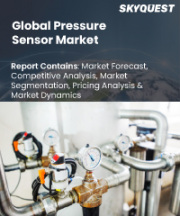
압력 센서 시장 규모, 점유율, 성장 및 세계 산업 분석 : 유형별, 용도별, 지역별 인사이트와 예측(2024-2032년)Pressure Sensor Market Size, Share, Growth and Global Industry Analysis By Type & Application, Regional Insights and Forecast to 2024-2032 |
||||||

압력 센서 시장 성장요인
세계 압력 센서 시장은 효율성, 안전성, 자동화 향상을 위해 첨단 센싱 기술을 도입하는 산업이 전 세계적으로 증가함에 따라 꾸준히 확대되고 있습니다. 2024년 평가에 따르면, 세계 압력 센서 시장 규모는 2024년 209억 3,000만 달러에 달했습니다. 자동차, 산업, 의료, 소비자 가전 애플리케이션의 센서 수요 증가에 힘입어 2025년에는 21억 9,500만 달러, 2032년에는 31억 3,300만 달러로 성장할 것으로 예상됩니다. 이 성장은 2025년부터 2032년까지 CAGR 5.21%를 나타내며, 압력 모니터링 기술의 장기적인 채택이 견고하다는 것을 뒷받침합니다.
시장 개요 및 주요 촉진요인
압력 센서는 기체 및 액체의 압력을 감지, 모니터링 및 제어하는 데 매우 중요한 역할을 합니다. 이 장치는 압력 변동을 전기 신호로 변환하여 다양한 시스템에서 정밀한 실시간 데이터 측정을 가능하게 합니다. 자동차 안전 시스템, 산업 자동화 플랫폼, 의료기기에 대한 광범위한 통합은 시장 확대의 주요 원동력이 되고 있습니다.
팬데믹 이후 산업 부흥은 시장의 성과를 더욱 강화했습니다. COVID-19는 제조 및 부품 공급에 일시적인 혼란을 가져왔지만, 각 산업계는 자동화와 디지털화를 통해 빠르게 적응했습니다. 또한, 주요 경제권의 상호 관세 도입은 생산 비용과 공급망 조정을 증가시켜 특정 지역 시장을 약간 억제했습니다. 이러한 도전에도 불구하고, 지속적인 기술 개선과 전자기기 보급률의 증가는 시장의 모멘텀을 유지하고 있습니다.
신흥 트렌드 : 자동차 분야에서의 채용
자동차 산업은 여전히 주요 성장 요인입니다. 차량 안전 규제 강화와 전기자동차 및 하이브리드 자동차의 발전으로 타이어 공기압 모니터링 시스템(TPMS), 엔진 및 변속기 제어, 브레이크 시스템, 배터리 관리에서 센서의 사용이 크게 증가하고 있습니다. 자율주행차 및 커넥티드카의 진화에 따라 소형, 내구성, 고정밀도를 겸비한 센서에 대한 수요는 지속적으로 증가하고 있습니다.
최근 통계자료도 이러한 추세를 뒷받침하고 있습니다. 세계 자율주행차 시장은 2022년 1만 7,000대에서 2030년까지 약 12만 7,000대에 달할 것으로 예측됩니다. 규제 당국도 연비 최적화 및 환경 부하 감소를 위해 압력 센서에 의존하는 배출가스 제어 기술을 의무화하고 있습니다. 이러한 발전과 함께 2032년까지 자동차 분야가 시장 수요의 주요 견인차 역할을 할 것으로 예상됩니다.
가전 분야에서의 역할 확대
민생용 전자기기 역시 높은 잠재력을 지닌 분야입니다. 압력 센서는 현재 스마트폰, 태블릿, 웨어러블 기기, 스마트홈 기기에 널리 내장되어 있습니다. 실내 내비게이션, 고도 측정, 피트니스 모니터링, 예측 환경 감지 등의 기능을 지원합니다. 전 세계 웨어러블 기기 출하량이 2024년 말까지 5억 3,800만 대에 달할 것으로 예상되는 가운데, 제조사들은 진화하는 소비자 기호에 대응하기 위해 소형화 및 에너지 절약형 센서 기술에 대한 투자를 지속하고 있습니다.
시장의 도전과 기회
수요는 견조한 반면, 제조업체들은 치열한 경쟁으로 인한 가격 압박에 직면하고 있으며, 저비용 고성능 센서의 개발이 요구되고 있습니다. 특히 소형화 및 IoT 통합에 따른 설계의 복잡성 또한 기술적 과제를 증가시키고 있습니다. 의료, 자동차, 산업 환경에서의 규제 준수 필요성도 개발 주기를 연장시키는 요인입니다.
한편, 인더스트리 4.0과 산업 자동화는 큰 기회를 제공합니다. 스마트 팩토리에서는 예지보전, 실시간 모니터링, 기계 간 통신, 로봇공학에서 압력 센서가 필수적입니다. 업계 조사에 따르면, 50% 이상의 기업이 자동화, 3D 프린팅, IoT 지원 센서 등 스마트 기술을 구현 중이거나 적극적으로 활용하고 있으며, 2032년까지 지속적인 수요가 있을 것으로 예상됩니다.
지역별 개요
2024년 북미는 세계 시장을 주도하며 35.16%의 점유율(시장 규모 73억 6,000만 달러)을 차지했습니다. 이 지역은 첨단 제조, 자동차, 의료, 에너지 분야의 대규모 도입의 혜택을 누리고 있습니다. 미국 시장은 활발한 연구개발 활동과 탄탄한 산업기반을 바탕으로 선도적인 위치를 유지하고 있습니다.
아시아태평양은 중국, 인도, 일본, 한국의 급속한 산업화, 자동차 생산 확대, 소비자 전자기기 사용 증가에 힘입어 2025년 51억 9,000만 달러에 달할 것으로 예측됩니다. 중국에서만 2025년 15억 1,000만 달러에 달할 것으로 예상되며, 이는 중국의 기술적 성장과 제조업의 우위를 반영합니다.
유럽은 2025년 57억 4,000만 달러에 달할 것으로 예상되며, 자동차 OEM 제조업체의 강력한 존재감, 환경 규제, 자동화 기술의 조기 도입 등을 배경으로 계속해서 2위 시장을 유지할 것으로 전망됩니다.
목차
제1장 소개
제2장 주요 요약
제3장 시장 역학
- 거시적 및 미시적 경제지표
- 성장 촉진요인, 억제요인, 기회 및 동향
제4장 경쟁 구도
- 주요 기업이 채용하는 사업 전략
- 주요 기업의 통합 SWOT 분석
- 세계의 압력 센서 주요 기업(상위 3-5개사) 시장 점유율/순위(2024년)
제5장 세계의 압력 센서 시장 규모 추정·예측(부문별, 2019-2032년)
- 주요 조사 결과
- 연결 유형별
- 유선
- 무선
- 기술별
- 압전 저항식
- 용량식
- 전자
- 공진형 고체
- 기타(광학식 등)
- 제품 유형별
- 절대압 센서
- 게이지 압력 센서
- 차압 센서
- 밀폐형 압력 센서
- 진공 압력 센서
- 압력 범위별
- 100 psi 미만
- 101-1000 psi
- 1000 psi 이상
- 용도별
- 자동차
- 산업
- 의료
- 소비자 전자제품
- 석유 및 가스
- 기타(항공우주 및 방위 등)
- 지역별
- 북미
- 남미
- 유럽
- 중동 및 아프리카
- 아시아태평양
제6장 북미의 압력 센서 시장 규모 추정·예측(부문별, 2019-2032년)
- 국가별
- 미국
- 캐나다
- 멕시코
제7장 남미의 압력 센서 시장 규모 추정·예측(부문별, 2019-2032년)
- 국가별
- 브라질
- 아르헨티나
- 기타 남미 국가
제8장 유럽의 압력 센서 시장 규모 추정·예측(부문별, 2019-2032년)
- 국가별
- 영국
- 독일
- 프랑스
- 이탈리아
- 스페인
- 러시아
- 베네룩스
- 북유럽 국가
- 기타 유럽
제9장 중동 및 아프리카의 압력 센서 시장 규모 추정·예측(부문별, 2019-2032년)
- 국가별
- 튀르키예
- 이스라엘
- GCC
- 북아프리카
- 남아프리카공화국
- 기타 중동 및 아프리카
제10장 아시아태평양의 압력 센서 시장 규모 추정·예측(부문별, 2019-2032년)
- 국가별
- 중국
- 인도
- 일본
- 한국
- ASEAN
- 오세아니아
- 기타 아시아태평양
제11장 주요 10개사 기업 개요
- Robert Bosch GmbH
- Honeywell International Inc.
- Texas Instruments
- TE Connectivity
- STMicroelectronics
- Infineon Technologies AG
- NXP Semiconductors
- Sensata Technologies, Inc.
- Amphenol Corporation
- Omron Corporation
Growth Factors of pressure sensor Market
The global pressure sensor market continues to expand steadily as industries worldwide adopt advanced sensing technologies to enhance efficiency, safety, and automation. According to the 2024 assessment, the global pressure sensor market size reached USD 20.93 billion in 2024. The market is projected to grow further to USD 21.95 billion in 2025, ultimately reaching USD 31.33 billion by 2032, supported by an accelerating demand for sensors across automotive, industrial, medical, and consumer electronics applications. The growth reflects a CAGR of 5.21% during 2025-2032, underscoring strong long-term adoption of pressure monitoring technologies.
Market Overview and Key Drivers
Pressure sensors play a critical role in detecting, monitoring, and controlling gas or liquid pressure. These devices convert pressure variations into electrical signals, enabling precise real-time data measurement across diverse systems. Their widespread integration into automotive safety systems, industrial automation platforms, and medical devices remains a major force behind market expansion.
The post-pandemic industrial resurgence further strengthened market performance. Although COVID-19 caused temporary disruptions in manufacturing and component supply, industries rapidly adapted through automation and digitalization. Moreover, the introduction of reciprocal tariffs in major economies increased production costs and supply chain adjustments, slightly restraining certain regional markets. Despite these challenges, continuous technological improvements and rising electronic device penetration have sustained market momentum.
Emerging Trends: Automotive Sector Adoption
The automotive industry remains a dominant growth catalyst. Increasing vehicle safety regulations and advancements in electric and hybrid cars have significantly boosted sensor usage in tire pressure monitoring systems (TPMS), engine and transmission control, braking systems, and battery management. As autonomous and connected vehicles evolve, demand for compact, durable, and high-precision sensors continues to rise.
Recent statistics support this trend-the global autonomous vehicle market is expected to reach approximately 127,000 units by 2030, up from 17,000 units in 2022. Regulators are also mandating emissions control technologies that rely on pressure sensors to optimize fuel efficiency and reduce environmental impact. Together, these developments position the automotive sector as a key driver of market demand through 2032.
Growing Role of Consumer Electronics
Consumer electronics represent another high-potential segment. Pressure sensors are now widely integrated into smartphones, tablets, wearables, and smart home devices. They support functionalities such as indoor navigation, altitude measurement, fitness monitoring, and predictive environmental sensing. With the global wearable shipments expected to reach 538 million units by the end of 2024, manufacturers continue to invest in miniaturized, energy-efficient sensor technologies to meet evolving consumer preferences.
Market Challenges and Opportunities
Despite strong demand, manufacturers face pricing pressures due to intense competition, pushing them to develop high-performance sensors at lower cost. Increasing design complexity-especially for miniaturization and IoT integration-also raises technical challenges. Regulatory compliance across healthcare, automotive, and industrial environments further extends development cycles.
At the same time, Industry 4.0 and industrial automation present major opportunities. Smart factories rely heavily on pressure sensors for predictive maintenance, real-time monitoring, machine-to-machine communication, and robotics. According to industry studies, over 50% of companies are implementing or actively using smart technologies such as automation, 3D printing, and IoT-enabled sensors, indicating sustained demand through 2032.
Regional Overview
North America dominated the global market in 2024, holding 35.16% share with a market value of USD 7.36 billion. The region benefits from large-scale adoption in advanced manufacturing, automotive, healthcare, and energy sectors. The U.S. market continues to lead due to strong R&D activity and a well-established industrial base.
Asia Pacific is projected to reach USD 5.19 billion in 2025, supported by rapid industrialization, expanding automotive production, and rising consumer electronics usage in China, India, Japan, and South Korea. China alone is expected to reach USD 1.51 billion in 2025, reflecting its technological growth and manufacturing dominance.
Europe, expected to hit USD 5.74 billion in 2025, remains the second-leading market, driven by strong automotive OEM presence, environmental regulations, and early adoption of automation technologies.
Competitive Landscape
Key industry leaders include Robert Bosch GmbH, Honeywell International Inc., Texas Instruments, STMicroelectronics, Infineon Technologies AG, NXP Semiconductors, Sensata Technologies, Amphenol Corporation, and Omron Corporation. These companies focus on product innovation, digital sensing advancements, and strategic partnerships to expand their global footprint.
Segmentation By Connectivity Type
- Wired
- Wireless
By Technology
- Piezoresistive
- Capacitive
- Electromagnetic
- Resonant Solid-State
- Others (Optical, etc.)
By Product Type
- Absolute Pressure Sensors
- Gauge Pressure Sensors
- Differential Pressure Sensors
- Sealed Pressure Sensors
- Vacuum Pressure Sensors
By Pressure Range
- Up to 100 psi
- 101 to 1000 psi
- Above 1000 psi
By Application
- Automotive
- Industrial
- Healthcare
- Consumer Electronics
- Oil & Gas
- Others (Aerospace & Defense, etc.)
By Region
- North America (By Connectivity Type, By Technology, Product Type, Pressure Range, Application, and Sub-Region)
- U.S. (By Application)
- Canada (By Application)
- Mexico (By Application)
- South America (By Connectivity Type, By Technology, Product Type, Pressure Range, Application, and Sub-Region)
- Brazil (By Application)
- Argentina (By Application)
- Rest of South America
- Europe (By Connectivity Type, By Technology, Product Type, Pressure Range, Application, and Sub-Region)
- U.K. (By Application)
- Germany (By Application)
- France (By Application)
- Italy (By Application)
- Spain (By Application)
- Russia (By Application)
- Benelux (By Application)
- Nordics (By Application)
- Rest of Europe
- Middle East & Africa (By Connectivity Type, By Technology, Product Type, Pressure Range, Application, and Sub-Region)
- Turkey (By Application)
- Israel (By Application)
- GCC (By Application)
- North Africa (By Application)
- South Africa (By Application)
- Rest of the Middle East & Africa
- Asia Pacific (By Connectivity Type, By Technology, Product Type, Pressure Range, Application, and Sub-Region)
- China (By Application)
- Japan (By Application)
- India (By Application)
- South Korea (By Application)
- ASEAN (By Application)
- Oceania (By Application)
- Rest of Asia Pacific
Companies Profiled in the Report * Robert Bosch GmbH
- Honeywell International Inc.
- Texas Instruments
- TE Connectivity
- STMicroelectronics
- Infineon Technologies AG
- NXP Semiconductors
- Sensata Technologies, Inc.
- Amphenol Corporation
- Omron Corporation
Table of Content
1. Introduction
- 1.1. Definition, By Segment
- 1.2. Research Methodology/Approach
- 1.3. Data Sources
2. Executive Summary
3. Market Dynamics
- 3.1. Macro and Micro Economic Indicators
- 3.2. Drivers, Restraints, Opportunities and Trends
4. Competition Landscape
- 4.1. Business Strategies Adopted by Key Players
- 4.2. Consolidated SWOT Analysis of Key Players
- 4.3. Global Pressure Sensor Key Players (Top 3 - 5) Market Share/Ranking, 2024
5. Global Pressure Sensor Market Size Estimates and Forecasts, By Segments, 2019-2032
- 5.1. Key Findings
- 5.2. By Connectivity Type (USD)
- 5.2.1. Wired
- 5.2.2. Wireless
- 5.3. By Technology (USD)
- 5.3.1. Piezoresistive
- 5.3.2. Capacitive
- 5.3.3. Electromagnetic
- 5.3.4. Resonant Solid-State
- 5.3.5. Others (Optical, etc.)
- 5.4. By Product Type (USD)
- 5.4.1. Absolute Pressure Sensors
- 5.4.2. Gauge Pressure Sensors
- 5.4.3. Differential Pressure Sensors
- 5.4.4. Sealed Pressure Sensors
- 5.4.5. Vacuum Pressure Sensors
- 5.5. By Pressure Range (USD)
- 5.5.1. Up to 100 psi
- 5.5.2. 101 to 1000 psi
- 5.5.3. Above 1000 psi
- 5.6. By Application (USD)
- 5.6.1. Automotive
- 5.6.2. Industrial
- 5.6.3. Healthcare
- 5.6.4. Consumer Electronics
- 5.6.5. Oil & Gas
- 5.6.6. Others (Aerospace & Defense, etc.)
- 5.7. By Region (USD)
- 5.7.1. North America
- 5.7.2. South America
- 5.7.3. Europe
- 5.7.4. Middle East and Africa
- 5.7.5. Asia Pacific
6. North America Pressure Sensor Market Size Estimates and Forecasts, By Segments, 2019-2032
- 6.1. Key Findings
- 6.2. By Connectivity Type (USD)
- 6.2.1. Wired
- 6.2.2. Wireless
- 6.3. By Technology (USD)
- 6.3.1. Piezoresistive
- 6.3.2. Capacitive
- 6.3.3. Electromagnetic
- 6.3.4. Resonant Solid-State
- 6.3.5. Others (Optical, etc.)
- 6.4. By Product Type (USD)
- 6.4.1. Absolute Pressure Sensors
- 6.4.2. Gauge Pressure Sensors
- 6.4.3. Differential Pressure Sensors
- 6.4.4. Sealed Pressure Sensors
- 6.4.5. Vacuum Pressure Sensors
- 6.5. By Pressure Range (USD)
- 6.5.1. Up to 100 psi
- 6.5.2. 101 to 1000 psi
- 6.5.3. Above 1000 psi
- 6.6. By Application (USD)
- 6.6.1. Automotive
- 6.6.2. Industrial
- 6.6.3. Healthcare
- 6.6.4. Consumer Electronics
- 6.6.5. Oil & Gas
- 6.6.6. Others (Aerospace & Defense, etc.)
- 6.7. By Country (USD)
- 6.7.1. United States
- 6.7.1.1. Application
- 6.7.2. Canada
- 6.7.2.1. Application
- 6.7.3. Mexico
- 6.7.3.1. Application
- 6.7.1. United States
7. South America Pressure Sensor Market Size Estimates and Forecasts, By Segments, 2019-2032
- 7.1. Key Findings
- 7.2. By Connectivity Type (USD)
- 7.2.1. Wired
- 7.2.2. Wireless
- 7.3. By Technology (USD)
- 7.3.1. Piezoresistive
- 7.3.2. Capacitive
- 7.3.3. Electromagnetic
- 7.3.4. Resonant Solid-State
- 7.3.5. Others (Optical, etc.)
- 7.4. By Product Type (USD)
- 7.4.1. Absolute Pressure Sensors
- 7.4.2. Gauge Pressure Sensors
- 7.4.3. Differential Pressure Sensors
- 7.4.4. Sealed Pressure Sensors
- 7.4.5. Vacuum Pressure Sensors
- 7.5. By Pressure Range (USD)
- 7.5.1. Up to 100 psi
- 7.5.2. 101 to 1000 psi
- 7.5.3. Above 1000 psi
- 7.6. By Application (USD)
- 7.6.1. Automotive
- 7.6.2. Industrial
- 7.6.3. Healthcare
- 7.6.4. Consumer Electronics
- 7.6.5. Oil & Gas
- 7.6.6. Others (Aerospace & Defense, etc.)
- 7.7. By Country (USD)
- 7.7.1. Brazil
- 7.7.1.1. Application
- 7.7.2. Argentina
- 7.7.2.1. Application
- 7.7.3. Rest of South America
- 7.7.1. Brazil
8. Europe Pressure Sensor Market Size Estimates and Forecasts, By Segments, 2019-2032
- 8.1. Key Findings
- 8.2. By Connectivity Type (USD)
- 8.2.1. Wired
- 8.2.2. Wireless
- 8.3. By Technology (USD)
- 8.3.1. Piezoresistive
- 8.3.2. Capacitive
- 8.3.3. Electromagnetic
- 8.3.4. Resonant Solid-State
- 8.3.5. Others (Optical, etc.)
- 8.4. By Product Type (USD)
- 8.4.1. Absolute Pressure Sensors
- 8.4.2. Gauge Pressure Sensors
- 8.4.3. Differential Pressure Sensors
- 8.4.4. Sealed Pressure Sensors
- 8.4.5. Vacuum Pressure Sensors
- 8.5. By Pressure Range (USD)
- 8.5.1. Up to 100 psi
- 8.5.2. 101 to 1000 psi
- 8.5.3. Above 1000 psi
- 8.6. By Application (USD)
- 8.6.1. Automotive
- 8.6.2. Industrial
- 8.6.3. Healthcare
- 8.6.4. Consumer Electronics
- 8.6.5. Oil & Gas
- 8.6.6. Others (Aerospace & Defense, etc.)
- 8.7. By Country (USD)
- 8.7.1. United Kingdom
- 8.7.1.1. Application
- 8.7.2. Germany
- 8.7.2.1. Application
- 8.7.3. France
- 8.7.3.1. Application
- 8.7.4. Italy
- 8.7.4.1. Application
- 8.7.5. Spain
- 8.7.5.1. Application
- 8.7.6. Russia
- 8.7.6.1. Application
- 8.7.7. Benelux
- 8.7.7.1. Application
- 8.7.8. Nordics
- 8.7.8.1. Application
- 8.7.9. Rest of Europe
- 8.7.1. United Kingdom
9. Middle East and Africa Pressure Sensor Market Size Estimates and Forecasts, By Segments, 2019-2032
- 9.1. Key Findings
- 9.2. By Connectivity Type (USD)
- 9.2.1. Wired
- 9.2.2. Wireless
- 9.3. By Technology (USD)
- 9.3.1. Piezoresistive
- 9.3.2. Capacitive
- 9.3.3. Electromagnetic
- 9.3.4. Resonant Solid-State
- 9.3.5. Others (Optical, etc.)
- 9.4. By Product Type (USD)
- 9.4.1. Absolute Pressure Sensors
- 9.4.2. Gauge Pressure Sensors
- 9.4.3. Differential Pressure Sensors
- 9.4.4. Sealed Pressure Sensors
- 9.4.5. Vacuum Pressure Sensors
- 9.5. By Pressure Range (USD)
- 9.5.1. Up to 100 psi
- 9.5.2. 101 to 1000 psi
- 9.5.3. Above 1000 psi
- 9.6. By Application (USD)
- 9.6.1. Automotive
- 9.6.2. Industrial
- 9.6.3. Healthcare
- 9.6.4. Consumer Electronics
- 9.6.5. Oil & Gas
- 9.6.6. Others (Aerospace & Defense, etc.)
- 9.7. By Country (USD)
- 9.7.1. Turkey
- 9.7.1.1. Application
- 9.7.2. Israel
- 9.7.2.1. Application
- 9.7.3. GCC
- 9.7.3.1. Application
- 9.7.4. North Africa
- 9.7.4.1. Application
- 9.7.5. South Africa
- 9.7.5.1. Application
- 9.7.6. Rest of Middle East and Africa
- 9.7.1. Turkey
10. Asia Pacific Pressure Sensor Market Size Estimates and Forecasts, By Segments, 2019-2032
- 10.1. Key Findings
- 10.2. By Connectivity Type (USD)
- 10.2.1. Wired
- 10.2.2. Wireless
- 10.3. By Technology (USD)
- 10.3.1. Piezoresistive
- 10.3.2. Capacitive
- 10.3.3. Electromagnetic
- 10.3.4. Resonant Solid-State
- 10.3.5. Others (Optical, etc.)
- 10.4. By Product Type (USD)
- 10.4.1. Absolute Pressure Sensors
- 10.4.2. Gauge Pressure Sensors
- 10.4.3. Differential Pressure Sensors
- 10.4.4. Sealed Pressure Sensors
- 10.4.5. Vacuum Pressure Sensors
- 10.5. By Pressure Range (USD)
- 10.5.1. Up to 100 psi
- 10.5.2. 101 to 1000 psi
- 10.5.3. Above 1000 psi
- 10.6. By Application (USD)
- 10.6.1. Automotive
- 10.6.2. Industrial
- 10.6.3. Healthcare
- 10.6.4. Consumer Electronics
- 10.6.5. Oil & Gas
- 10.6.6. Others (Aerospace & Defense, etc.)
- 10.7. By Country (USD)
- 10.7.1. China
- 10.7.1.1. Application
- 10.7.2. India
- 10.7.2.1. Application
- 10.7.3. Japan
- 10.7.3.1. Application
- 10.7.4. South Korea
- 10.7.4.1. Application
- 10.7.5. ASEAN
- 10.7.5.1. Application
- 10.7.6. Oceania
- 10.7.6.1. Application
- 10.7.7. Rest of Asia Pacific
- 10.7.1. China
11. Company Profiles for Top 10 Players (Based on data availability in public domain and/or on paid databases)
- 11.1. Robert Bosch GmbH
- 11.1.1. Overview
- 11.1.1.1. Key Management
- 11.1.1.2. Headquarters
- 11.1.1.3. Offerings/Business Segments
- 11.1.2. Key Details (Key details are consolidated data and not product/service specific)
- 11.1.2.1. Employee Size
- 11.1.2.2. Past and Current Revenue
- 11.1.2.3. Geographical Share
- 11.1.2.4. Business Segment Share
- 11.1.2.5. Recent Developments
- 11.1.1. Overview
- 11.2. Honeywell International Inc.
- 11.2.1. Overview
- 11.2.1.1. Key Management
- 11.2.1.2. Headquarters
- 11.2.1.3. Offerings/Business Segments
- 11.2.2. Key Details (Key details are consolidated data and not product/service specific)
- 11.2.2.1. Employee Size
- 11.2.2.2. Past and Current Revenue
- 11.2.2.3. Geographical Share
- 11.2.2.4. Business Segment Share
- 11.2.2.5. Recent Developments
- 11.2.1. Overview
- 11.3. Texas Instruments
- 11.3.1. Overview
- 11.3.1.1. Key Management
- 11.3.1.2. Headquarters
- 11.3.1.3. Offerings/Business Segments
- 11.3.2. Key Details (Key details are consolidated data and not product/service specific)
- 11.3.2.1. Employee Size
- 11.3.2.2. Past and Current Revenue
- 11.3.2.3. Geographical Share
- 11.3.2.4. Business Segment Share
- 11.3.2.5. Recent Developments
- 11.3.1. Overview
- 11.4. TE Connectivity
- 11.4.1. Overview
- 11.4.1.1. Key Management
- 11.4.1.2. Headquarters
- 11.4.1.3. Offerings/Business Segments
- 11.4.2. Key Details (Key details are consolidated data and not product/service specific)
- 11.4.2.1. Employee Size
- 11.4.2.2. Past and Current Revenue
- 11.4.2.3. Geographical Share
- 11.4.2.4. Business Segment Share
- 11.4.2.5. Recent Developments
- 11.4.1. Overview
- 11.5. STMicroelectronics
- 11.5.1. Overview
- 11.5.1.1. Key Management
- 11.5.1.2. Headquarters
- 11.5.1.3. Offerings/Business Segments
- 11.5.2. Key Details (Key details are consolidated data and not product/service specific)
- 11.5.2.1. Employee Size
- 11.5.2.2. Past and Current Revenue
- 11.5.2.3. Geographical Share
- 11.5.2.4. Business Segment Share
- 11.5.2.5. Recent Developments
- 11.5.1. Overview
- 11.6. Infineon Technologies AG
- 11.6.1. Overview
- 11.6.1.1. Key Management
- 11.6.1.2. Headquarters
- 11.6.1.3. Offerings/Business Segments
- 11.6.2. Key Details (Key details are consolidated data and not product/service specific)
- 11.6.2.1. Employee Size
- 11.6.2.2. Past and Current Revenue
- 11.6.2.3. Geographical Share
- 11.6.2.4. Business Segment Share
- 11.6.2.5. Recent Developments
- 11.6.1. Overview
- 11.7. NXP Semiconductors
- 11.7.1. Overview
- 11.7.1.1. Key Management
- 11.7.1.2. Headquarters
- 11.7.1.3. Offerings/Business Segments
- 11.7.2. Key Details (Key details are consolidated data and not product/service specific)
- 11.7.2.1. Employee Size
- 11.7.2.2. Past and Current Revenue
- 11.7.2.3. Geographical Share
- 11.7.2.4. Business Segment Share
- 11.7.2.5. Recent Developments
- 11.7.1. Overview
- 11.8. Sensata Technologies, Inc.
- 11.8.1. Overview
- 11.8.1.1. Key Management
- 11.8.1.2. Headquarters
- 11.8.1.3. Offerings/Business Segments
- 11.8.2. Key Details (Key details are consolidated data and not product/service specific)
- 11.8.2.1. Employee Size
- 11.8.2.2. Past and Current Revenue
- 11.8.2.3. Geographical Share
- 11.8.2.4. Business Segment Share
- 11.8.2.5. Recent Developments
- 11.8.1. Overview
- 11.9. Amphenol Corporation
- 11.9.1. Overview
- 11.9.1.1. Key Management
- 11.9.1.2. Headquarters
- 11.9.1.3. Offerings/Business Segments
- 11.9.2. Key Details (Key details are consolidated data and not product/service specific)
- 11.9.2.1. Employee Size
- 11.9.2.2. Past and Current Revenue
- 11.9.2.3. Geographical Share
- 11.9.2.4. Business Segment Share
- 11.9.2.5. Recent Developments
- 11.9.1. Overview
- 11.10. Omron Corporation
- 11.10.1. Overview
- 11.10.1.1. Key Management
- 11.10.1.2. Headquarters
- 11.10.1.3. Offerings/Business Segments
- 11.10.2. Key Details (Key details are consolidated data and not product/service specific)
- 11.10.2.1. Employee Size
- 11.10.2.2. Past and Current Revenue
- 11.10.2.3. Geographical Share
- 11.10.2.4. Business Segment Share
- 11.10.2.5. Recent Developments
- 11.10.1. Overview