|
시장보고서
상품코드
1887217
자동차용 등속 조인트 시장 : 시장 규모, 점유율, 성장 및 산업 분석(2024-2032년)Automotive Constant Velocity Joint Market Size, Share, Growth and Global Industry Analysis 2024-2032 |
||||||

자동차용 등속 조인트 시장의 성장 요인
세계의 자동차용 등속 조인트(CV 조인트) 시장은 구동계 기술의 진화와 전동화의 가속에 따라 확대를 계속하고 있습니다. 2024년 시장 규모는 51억 1,000만 달러로 평가되었고, 2025년에는 53억 달러로 증가할 것으로 추정되며, 2025-2032년 CAGR 6.1%라는 견실한 성장률로 추이해 2032년까지 80억 3,000만 달러에 달할 것으로 예측되고 있습니다.
2024년에 42.27% 시장 점유율을 차지하는 아시아태평양은 급속한 자동차 생산, 견조한 소비자 수요, 현저한 EV(전기자동차)의 성장에 견인되어, 계속해서 주요 지역으로서의 지위를 유지하고 있습니다.
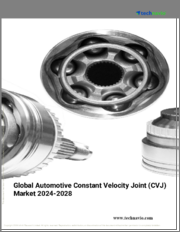
등속 조인트는 전륜구동차, 후륜구동차, 사륜구동차에서 필수적인 부품입니다. 샤프트의 각도에 관계없이 매끄러운 토크 전달을 가능하게 하고 일정한 회전 속도를 유지합니다. 일반적으로 그리스로 채워진 고무 부츠로 밀봉되어 변속기에서 바퀴로의 진동없이 동력 전달을 보장합니다. 경량화된 구동 시스템, 복잡한 서스펜션 시스템, 전기 모터가 장착된 현대 차량의 진화에 따라 고도 등속 조인트 기술에 대한 수요는 계속 증가하고 있습니다.
시장 동향
주요 신흥 동향으로서 차량 배출 가스의 삭감과 효율 향상의 규제 압력에 힘입어 경량이고 고성능인 CV 조인트에 대한 수요가 높아지고 있습니다. 제조업체 각사는 내구성을 향상시키면서 질량을 삭감하기 위해, 고강도 강재, 복합재료, 최적화된 조인트 형태의 채용을 확대하고 있습니다. 특히 전기자동차 및 자율주행차에서 예지보전의 보급에 따라 스마트 센서의 통합이 주류가 되고 있습니다. EV는 보다 높은 토크 내성과 부드러운 구동계 동작을 요구하기 때문에 세계 시장 전체에서 CV 조인트 기술 혁신이 가속화되고 있습니다.
시장 역학
성장 촉진요인
승용차와 상용차 모두에서 선진 구동 시스템의 채용 확대가 주요 성장 요인입니다. 자동차 제조업체는 사륜구동(AWD), 사륜구동(4WD), 인휠 모터, e-액슬, 전동 구동 유닛을 도입하고 있으며, 이들 모두에 고도의 CV 조인트가 요구되고 있습니다.
정부의 배출가스 규제도 더욱 추진력이 되고 있습니다. 예를 들면 다음과 같습니다.
- EU는 2030년까지 신차의 배출가스를 55% 삭감하는 목표를 내걸고 있습니다
- 미국은 2030년까지 전기차(EV)의 판매 비율을 50%로 하는 목표를 내걸고 있습니다.
전동 액슬 시스템, 고성능 e-드라이브, SUV의 AWD 보급 확대 등 기술 혁신도 세계 수요를 뒷받침하고 있습니다.
성장 억제요인
현대적인 EV 파워트레인과의 통합 과제, 높은 생산 비용, 기존 구동계 레이아웃에의 의존도를 저감하는 허브 모터 기술의 대두 등이 과제가 되고 있습니다. 또한 CV 조인트는 정밀한 설치와 유지보수가 필요하며, 윤활 문제로 인한 조기 마모는 차량 소유 비용 증가로 이어질 수 있습니다.
시장 기회
전기자동차와 하이브리드 자동차로의 전환은 큰 기회를 가져옵니다. EV는 급격한 토크 변동을 발생시키기 때문에 고부하에 견딜 수 있는 특수한 CV 조인트가 필요합니다. 주요 제조업체는 차세대 CV 조인트를 개발하고 있으며, 다음과 같은 특징을 갖추고 있습니다.
- 최대 20%의 경량화
- 토크 처리 능력 30% 향상,
- IoT 대응 상태 모니터링 기능
부문별 하이라이트
조인트 유형별
볼식 CV 조인트는 승용차에서의 폭넓은 사용 및 뛰어난 진동 감쇠 특성에 의해 주류가 되고 있습니다.
삼각식 조인트는 보다 높은 토크 용량을 필요로 하는 상용차에 있어서, 채용이 진행되고 있습니다.
구동 방식별
- 전륜 구동(FWD)이 주도적 지위를 차지하고 있으며, 비용 효율 및 승용차에서의 높은 채용률을 배경으로 2025년에는 50.67%의 점유율을 유지할 것으로 예측됩니다.
- 사륜구동(AWD)은 SUV 수요 증가에 따라 CAGR 6.40%로 성장이 예상됩니다
- 후륜구동(RWD)은 고급차, 고성능차 및 상용차에서 여전히 필수적입니다.
차종별
승용차가 시장을 독점하고 있으며 도시화 및 자동차 소유율 상승으로 2025년에는 시장의 68%를 차지할 것으로 예측됩니다.
상용차와 전기차는 기세를 늘리고 있으며 EV용 CV 조인트는 10%의 연평균 복합 성장률(CAGR)을 보일 것으로 예측되고 있습니다.
유통 채널별
OEM은 신차 생산 대수 증가에 힘입어 2025년에는 80.27%의 점유율로 시장을 선도합니다.
세계 차량이 노후화됨에 따라 애프터마켓 수요도 확대되고 있습니다.
지역별 전망
아시아태평양
시장 규모
- 2024년 : 21억 6,000만 달러
- 2025년(예측) : 21억 6,000만 달러, 중국 : 12억 3,000만 달러, 일본 : 2억 7,000만 달러, 인도 : 2억 2,000만 달러
이 지역은 자동차 생산의 견고함 및 전기자동차(EV)의 보급으로 인해 가장 빠른 성장을 보여줍니다.
유럽
독일, 영국, 프랑스에 의해 지원되며 2025년에는 14억 8,000만 달러에 달할 것으로 예측됩니다. EV의 높은 보급률은 장기적인 수요를 강화하고 있습니다.
북미
2025년에는 12억 2,000만 달러에 이를 전망이며, 사륜구동차(AWD/4WD)의 판매가 견조합니다.
미국 단독으로도 2025년에는 7억 6,000만 달러에 달할 것으로 전망되고 있습니다.
목차
제1장 서론
제2장 주요 요약
제3장 시장 역학
- 시장 성장 촉진요인
- 시장 성장 억제요인
- 시장 기회
- 시장 동향
제4장 주요 인사이트
- 산업의 주요 동향 : 합병, 인수 및 제휴
- 최신 기술적 진보
- Porter's Five Forces 분석
- COVID-19 팬데믹이 세계의 자동차용 등속 조인트 시장에 미치는 영향
제5장 세계의 자동차용 등속 조인트 시장 분석, 인사이트 및 예측(2019-2032년)
- 주요 조사 결과 및 정의
- 시장 분석, 인사이트 및 예측 : 조인트 유형별
- 볼식
- 삼각식
- 시장 분석, 인사이트 및 예측 : 차종별
- 승용차
- 상용차
- 전기자동차
- 시장 분석, 인사이트 및 예측 : 구동 방식별
- 전륜구동
- 후륜구동
- 사륜구동
- 시장 분석, 인사이트 및 예측 : 유통 채널별
- OEM
- 애프터마켓
- 시장 분석, 인사이트 및 예측 : 지역별
- 북미
- 유럽
- 아시아태평양
- 기타
- 시장 분석, 인사이트 및 예측 : 차종 구동 방식별
- 승용차
- 상용차
- 전기자동차
제6장 북미의 자동차용 등속 조인트 시장 분석, 인사이트 및 예측(2019-2032년)
- 국가별
- 미국
- 캐나다
- 멕시코
제7장 유럽의 자동차용 등속 조인트 시장 분석, 인사이트 및 예측(2019-2032년)
- 국가별
- 영국
- 독일
- 프랑스
- 기타 유럽
제8장 아시아태평양의 자동차용 등속 조인트 시장 분석, 인사이트 및 예측(2019-2032년)
- 국가별
- 중국
- 일본
- 인도
- 기타 아시아태평양
제9장 기타 자동차용 등속 조인트 시장 분석, 인사이트 및 예측(2019-2032년)
제10장 경쟁 분석
- 주요 산업 동향
- 세계 시장 순위 분석(2024년)
- 경쟁 대시보드
- 주요 기업 비교 분석
- 기업 프로파일
- GKN Automotive(UK)
- American Axle & Manufacturing, Inc.(US)
- NTN Corporation(Japan)
- Hyundai WIA Corporation(South Korea)
- SKF AB(Sweden)
- NeaPassenger Caro Holdings LLC(US)
- Nexteer Automotive Group Limited(US)
- Dana Incorporated(US)
- IFA Group(Germany)
- JTEKT Corporation(Japan)
Growth Factors of automotive constant velocity (CV) joint Market
The global automotive constant velocity (CV) joint market continues to expand as drivetrain technologies evolve and electrification accelerates worldwide. The market was valued at USD 5.11 billion in 2024 and is projected to increase to USD 5.30 billion in 2025, eventually reaching USD 8.03 billion by 2032 at a healthy CAGR of 6.1% during 2025-2032.
With a 42.27% market share in 2024, Asia Pacific remains the dominant region, driven by rapid automotive production, strong consumer demand, and substantial EV growth.
CV joints are essential components in front-wheel drive, rear-wheel drive, and all-wheel drive vehicles. They enable smooth torque transmission regardless of shaft angle, maintaining constant rotational velocity. Typically sealed inside grease-filled rubber boots, these joints ensure vibration-free power delivery from the transmission to the wheels. As modern vehicles evolve-with lightweight drivetrains, complex suspension systems, and electric motors-the demand for advanced CV joint technologies continues to grow.
Market Trends
A major emerging trend is the increasing demand for lightweight and high-performance CV joints, driven by regulatory pressure to reduce vehicle emissions and enhance efficiency. Manufacturers are increasingly using high-strength steel, composites, and optimized joint geometries to improve durability while reducing mass. Smart sensor integration is becoming popular as predictive maintenance gains traction, especially in electric and autonomous vehicles. With EVs requiring higher torque tolerance and smoother drivetrain operation, innovation in CV joint engineering is accelerating across global markets.
Market Dynamics
Drivers
The expanding adoption of advanced drivetrain systems in both passenger and commercial vehicles is a major growth driver. Automakers are deploying AWD, 4WD, in-wheel motors, e-axles, and electric drive units, all of which require advanced CV joints.
Government emission mandates add further momentum. For example:
- The EU aims to reduce emissions from new cars by 55% by 2030,
- The U.S. targets 50% EV sales by 2030.
Technological advancements such as electric axle systems, high-performance e-drives, and increased use of AWD in SUVs are also strengthening global demand.
Restraints
Integration challenges with modern EV powertrains, higher production costs, and the emergence of hub motor technologies-which reduce reliance on traditional drivetrain layouts-pose challenges. CV joints also require precise installation and maintenance, and premature wear due to lubrication issues can increase vehicle ownership costs.
Opportunities
The transition toward electric and hybrid vehicles presents a major opportunity. EVs generate sharp torque spikes and require specialized CV joints that can withstand higher loads. Leading manufacturers are developing next-generation CV joints featuring:
- Up to 20% reduced weight,
- 30% higher torque handling,
- IoT-enabled condition monitoring.
Segmentation Highlights
By Joint Type
Ball-type CV joints dominate due to wide usage in passenger cars and superior vibration damping.
Tripod-type joints are gaining traction in commercial vehicles needing higher torque capacity.
By Drive Type
- Front-Wheel Drive (FWD) leads and is projected to hold 50.67% share in 2025, driven by cost efficiency and high passenger car adoption.
- All-Wheel Drive (AWD) is expected to grow at 6.40% CAGR, fueled by rising SUV demand.
- Rear-Wheel Drive (RWD) remains essential in luxury, performance, and commercial vehicles.
By Vehicle Type
Passenger cars dominate and are expected to account for 68% of the market in 2025 due to rising urbanization and vehicle ownership.
Commercial vehicles and electric vehicles are gaining momentum, with EV CV joints projected to grow at 10% CAGR.
By Sales Channel
OEMs lead the market with 80.27% share in 2025, supported by rising production of new vehicles.
Aftermarket demand is expanding as the global fleet ages.
Regional Outlook
Asia Pacific
Market size:
- 2024: USD 2.16 billion
- 2025 (forecast): USD 2.16B -> China: USD 1.23B; Japan: USD 0.27B; India: USD 0.22B
This region shows the fastest growth due to strong automotive production and EV adoption.
Europe
Projected to reach USD 1.48 billion in 2025, supported by Germany, the U.K., and France. High EV penetration strengthens long-term demand.
North America
Set to reach USD 1.22 billion in 2025, with strong AWD/4WD vehicle sales.
The U.S. alone is expected to hit USD 0.76 billion in 2025.
Conclusion
With its value rising from USD 5.11 billion (2024) to USD 8.03 billion (2032), the automotive CV joint market is positioned for robust growth. Electrification, lightweight engineering, and advanced drivetrain technologies will continue to reshape the industry, while Asia Pacific leads global expansion.
Segmentation By Joint Type
- Ball Type
- Tripod Type
By Drive Type
- FWD
- RWD
- AWD
By Vehicle Type
- Passenger Cars
- Commercial Vehicles
- Electric Vehicle
By Sales Channel
- OEM
- Aftermarket
By Region
- North America (By Joint Type, Drive Type, Vehicle Type, and Sales Channel)
- U.S. (By Vehicle Type)
- Canada (By Vehicle Type)
- Mexico (By Vehicle Type)
- Europe (By Joint Type, Drive Type, Vehicle Type, and Sales Channel)
- U.K. (By Vehicle Type)
- Germany (By Vehicle Type)
- France (By Vehicle Type)
- Rest of Europe (By Vehicle Type)
- Asia Pacific (By Joint Type, Drive Type, Vehicle Type, and Sales Channel)
- China (By Vehicle Type)
- Japan (By Vehicle Type)
- India (Vehicle Type)
- Rest of Asia Pacific (By Vehicle Type)
- Rest of the World (By Joint Type, Drive Type, Vehicle Type, and Sales Channel)
Table of Content
1. Introduction
- 1.1. Research Scope
- 1.2. Market Segmentation
- 1.3. Research Methodology
- 1.4. Definitions and Assumptions
2. Executive Summary
3. Market Dynamics
- 3.1. Market Drivers
- 3.2. Market Restraints
- 3.3. Market Opportunities
- 3.4. Market Trends
4. Key Insights
- 4.1. Key Industry Developments - Mergers, Acquisitions & Partnerships
- 4.2. Latest Technological Advancements
- 4.3. Porters Five Forces Analysis
- 4.4. Impact of COVID-19 Pandemic on Global Automotive Constant Velocity Joint Market
5. Global Automotive Constant Velocity Joint Market Analysis, Insights and Forecast, 2019-2032
- 5.1. Key Findings / Definition
- 5.2. Market Analysis, Insights and Forecast - By Joint Type
- 5.2.1. Ball Type
- 5.2.2. Tripod Type
- 5.3. Market Analysis, Insights and Forecast - By Vehicle Type
- 5.3.1. Passenger Car
- 5.3.2. Commercial Vehicle
- 5.3.3. Electric Vehicle
- 5.4. Market Analysis, Insights and Forecast - By Drive Type
- 5.4.1. FWD
- 5.4.2. RWD
- 5.4.3. AWD
- 5.5. Market Analysis, Insights and Forecast - By Sales Channel
- 5.5.1. OEM
- 5.5.2. Aftermarket
- 5.6. Market Analysis, Insights and Forecast - By Region
- 5.6.1. North America
- 5.6.2. Europe
- 5.6.3. Asia Pacific
- 5.6.4. Rest of the World
- 5.7. Market Analysis, Insights and Forecast - Vehicle Type By Drive Type
- 5.7.1. Passenger Car by Drive Type
- 5.7.2. Commercial Vehicle by Drive Type
- 5.7.3. Electric Vehicle by Drive Type
6. North America Automotive Constant Velocity Joint Market Analysis, Insights and Forecast, 2019-2032
- 6.1. Market Analysis, Insights and Forecast - By Joint Type
- 6.1.1. Ball Type
- 6.1.2. Tripod Type
- 6.2. Market Analysis, Insights and Forecast - By Vehicle Type
- 6.2.1. Passenger Car
- 6.2.2. Commercial Vehicle
- 6.2.3. Electric Vehicle
- 6.3. Market Analysis, Insights and Forecast - By Drive Type
- 6.3.1. FWD
- 6.3.2. RWD
- 6.3.3. AWD
- 6.4. Market Analysis, Insights and Forecast - By Sales Channel
- 6.4.1. OEM
- 6.4.2. Aftermarket
- 6.5. Market Analysis, Insights and Forecast - By Country
- 6.5.1. U.S.
- 6.5.1.1. Market Analysis, Insights and Forecast - By Vehicle Type
- 6.5.2. Canada
- 6.5.2.1. Market Analysis, Insights and Forecast - By Vehicle Type
- 6.5.3. Mexico
- 6.5.3.1. Market Analysis, Insights and Forecast - By Vehicle Type
- 6.5.1. U.S.
7. Europe Automotive Constant Velocity Joint Market Analysis, Insights and Forecast, 2019-2032
- 7.1. Market Analysis, Insights and Forecast - By Joint Type
- 7.1.1. Ball Type
- 7.1.2. Tripod Type
- 7.2. Market Analysis, Insights and Forecast - By Vehicle Type
- 7.2.1. Passenger Car
- 7.2.2. Commercial Vehicle
- 7.2.3. Electric Vehicle
- 7.3. Market Analysis, Insights and Forecast - By Drive Type
- 7.3.1. FWD
- 7.3.2. RWD
- 7.3.3. AWD
- 7.4. Market Analysis, Insights and Forecast - By Sales Channel
- 7.4.1. OEM
- 7.4.2. Aftermarket
- 7.5. Market Analysis, Insights and Forecast - By Country
- 7.5.1. UK
- 7.5.1.1. Market Analysis, Insights and Forecast - By Vehicle Type
- 7.5.2. Germany
- 7.5.2.1. Market Analysis, Insights and Forecast - By Vehicle Type
- 7.5.3. France
- 7.5.3.1. Market Analysis, Insights and Forecast - By Vehicle Type
- 7.5.4. Rest of Europe
- 7.5.4.1. Market Analysis, Insights and Forecast - By Vehicle Type
- 7.5.1. UK
8. Asia Pacific Automotive Constant Velocity Joint Market Analysis, Insights and Forecast, 2019-2032
- 8.1. Market Analysis, Insights and Forecast - By Joint Type
- 8.1.1. Ball Type
- 8.1.2. Tripod Type
- 8.2. Market Analysis, Insights and Forecast - By Vehicle Type
- 8.2.1. Passenger Car
- 8.2.2. Commercial Vehicle
- 8.2.3. Electric Vehicle
- 8.3. Market Analysis, Insights and Forecast - By Drive Type
- 8.3.1. FWD
- 8.3.2. RWD
- 8.3.3. AWD
- 8.4. Market Analysis, Insights and Forecast - By Sales Channel
- 8.4.1. OEM
- 8.4.2. Aftermarket
- 8.5. Market Analysis, Insights and Forecast - By Country
- 8.5.1. China
- 8.5.1.1. Market Analysis, Insights and Forecast - By Vehicle Type
- 8.5.2. Japan
- 8.5.2.1. Market Analysis, Insights and Forecast - By Vehicle Type
- 8.5.3. India
- 8.5.3.1. Market Analysis, Insights and Forecast - By Vehicle Type
- 8.5.4. Rest of Asia Pacific
- 8.5.4.1. Market Analysis, Insights and Forecast - By Vehicle Type
- 8.5.1. China
9. Rest of the World Automotive Constant Velocity Joint Market Analysis, Insights and Forecast, 2019-2032
- 9.1. Market Analysis, Insights and Forecast - By Joint Type
- 9.1.1. Ball Type
- 9.1.2. Tripod Type
- 9.2. Market Analysis, Insights and Forecast - By Vehicle Type
- 9.2.1. Passenger Car
- 9.2.2. Commercial Vehicle
- 9.2.3. Electric Vehicle
- 9.3. Market Analysis, Insights and Forecast - By Drive Type
- 9.3.1. FWD
- 9.3.2. RWD
- 9.3.3. AWD
- 9.4. Market Analysis, Insights and Forecast - By Sales Channel
- 9.4.1. OEM
- 9.4.2. Aftermarket
10. Competitive Analysis
- 10.1. Key Industry Developments
- 10.2. Global Market Rank Analysis (2024)
- 10.3. Competitive Dashboard
- 10.4. Comparative Analysis - Major Players
- 10.5. Company Profiles
- 10.5.1. GKN Automotive (UK)
- 10.5.1.1. Overview
- 10.5.1.2. Products & services
- 10.5.1.3. SWOT Analysis
- 10.5.1.4. Recent Developments
- 10.5.1.5. Strategies
- 10.5.1.6. Financials (Based on Availability)
- 10.5.2. American Axle & Manufacturing, Inc. (U.S.)
- 10.5.2.1. Overview
- 10.5.2.2. Products & services
- 10.5.2.3. SWOT Analysis
- 10.5.2.4. Recent Developments
- 10.5.2.5. Strategies
- 10.5.2.6. Financials (Based on Availability)
- 10.5.3. NTN Corporation (Japan)
- 10.5.3.1. Overview
- 10.5.3.2. Products & services
- 10.5.3.3. SWOT Analysis
- 10.5.3.4. Recent Developments
- 10.5.3.5. Strategies
- 10.5.3.6. Financials (Based on Availability)
- 10.5.4. Hyundai WIA Corporation (South Korea)
- 10.5.4.1. Overview
- 10.5.4.2. Products & services
- 10.5.4.3. SWOT Analysis
- 10.5.4.4. Recent Developments
- 10.5.4.5. Strategies
- 10.5.4.6. Financials (Based on Availability)
- 10.5.5. SKF AB (Sweden)
- 10.5.5.1. Overview
- 10.5.5.2. Products & services
- 10.5.5.3. SWOT Analysis
- 10.5.5.4. Recent Developments
- 10.5.5.5. Strategies
- 10.5.5.6. Financials (Based on Availability)
- 10.5.6. NeaPassenger Caro Holdings LLC (U.S.)
- 10.5.6.1. Overview
- 10.5.6.2. Products & services
- 10.5.6.3. SWOT Analysis
- 10.5.6.4. Recent Developments
- 10.5.6.5. Strategies
- 10.5.6.6. Financials (Based on Availability)
- 10.5.7. Nexteer Automotive Group Limited (U.S.)
- 10.5.7.1. Overview
- 10.5.7.2. Products & services
- 10.5.7.3. SWOT Analysis
- 10.5.7.4. Recent Developments
- 10.5.7.5. Strategies
- 10.5.7.6. Financials (Based on Availability)
- 10.5.8. Dana Incorporated (U.S.)
- 10.5.8.1. Overview
- 10.5.8.2. Products & services
- 10.5.8.3. SWOT Analysis
- 10.5.8.4. Recent Developments
- 10.5.8.5. Strategies
- 10.5.8.6. Financials (Based on Availability)
- 10.5.9. IFA Group (Germany)
- 10.5.9.1. Overview
- 10.5.9.2. Products & services
- 10.5.9.3. SWOT Analysis
- 10.5.9.4. Recent Developments
- 10.5.9.5. Strategies
- 10.5.9.6. Financials (Based on Availability)
- 10.5.10. JTEKT Corporation (Japan)
- 10.5.10.1. Overview
- 10.5.10.2. Products & services
- 10.5.10.3. SWOT Analysis
- 10.5.10.4. Recent Developments
- 10.5.10.5. Strategies
- 10.5.10.6. Financials (Based on Availability)
- 10.5.1. GKN Automotive (UK)