|
시장보고서
상품코드
1954799
온수 순환 펌프 시장 - 규모, 점유율, 성장 및 산업 분석 : 유형별, 용도별, 지역별 인사이트 및 예측(2026-2034년)Hot Water Circulator Pump Market Size, Share, Growth and Global Industry Analysis By Type & Application, Regional Insights and Forecast to 2026-2034 |
||||||

온수 순환 펌프 시장의 성장 요인
세계의 온수 순환 펌프 시장은 에너지 절약형 급수 시스템에 대한 수요 증가, 급속한 도시화, 절수 의식의 고조를 배경으로 꾸준한 확대를 계속하고 있습니다. 2025년 보고서 데이터에 따르면 세계의 온수 순환 펌프 시장 규모는 2025년에 84억 9,000만 달러로 평가되었습니다. 시장 규모는 2026년 88억 달러에서 2034년까지 121억 달러로 성장하고, 예측 기간 중(2026-2034년) CAGR은 4.06%로 예측되고 있습니다.
2025년에는 에너지 효율적인 난방 시스템의 보급과 한랭한 기후 조건에 힘입어 유럽이 47.30%의 점유율로 세계 시장을 선도했습니다. 미국 시장은 운용 비용 절감과 에너지 사용 최적화를 도모하는 효율적인 펌프 수요 증가를 배경으로 2032년까지 14억 7,000만 달러에 이르는 대폭적인 성장이 전망되고 있습니다.
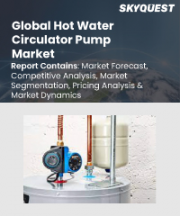
온수 순환 펌프는 폐쇄 루프 시스템 내에서 물을 연속적으로 순환시켜 수도꼭지와 샤워로 순식간에 온수를 제공하도록 설계되었습니다. 이 시스템은 온수가 수도꼭지에 도달할 때까지 긴 대기 시간을 없애고 일반적으로 온수가 나오기 전에 흐르는 냉수 낭비를 방지합니다. 온수를 즉시 사용할 수 있게 함으로써 이러한 펌프는 물 낭비를 줄이고 전반적인 에너지 효율 향상에 기여합니다.
COVID-19의 영향
COVID-19 팬데믹은 공급망의 혼란과 경제적 불확실성으로 인해 시장에 악영향을 미쳤습니다. 온수 순환 펌프의 제조와 배송이 영향을 받아 제품 부족이 발생했습니다. 또한 경제적 불안정으로 인해 온수 시스템 업데이트를 포함한 주택 개조 프로젝트에 대한 투자가 줄어들어 유행기간 동안 수요가 낮아졌습니다.
시장 동향
스마트 기술 채용
스마트 기술의 통합은 시장 발전을 형성하는 중요한 동향입니다. 스마트 온수 순환 펌프에는 수류를 효율적으로 조절하고 에너지 낭비를 최소화하는 센서와 제어 시스템이 탑재되어 있습니다.
예를 들어, Grundfos의 'COMFORT System'은 전용 리턴 튜브 없이 개조가 가능하며 최적화된 운전을 위한 프로그램 가능한 타이머를 갖추고 있습니다. 마찬가지로, ALPHA3 순환 펌프는 모바일 애플리케이션과 함께 작동하여 시스템의 균형과 모니터링을 용이하게 합니다. 이러한 혁신은 성능을 향상시키고 유지 보수 요구 사항을 줄이고 사용자 편의성을 높입니다.
시장 성장 촉진요인
에너지 효율화에 대한 수요 증가
에너지 효율은 시장 성장의 주요 추진력으로 계속되고 있습니다. 세계 정부는 규제, 인센티브, LEED, ENERGY STAR 등 에너지 효율 인증을 통해 친환경 가전제품을 추진하고 있습니다. 온수 순환 펌프는 온수를 사용할 수 있을 때까지의 시간을 단축하고, 가열 에너지 소비량을 삭감하고, 광열비를 억제합니다.
환경 의식이 증가함에 따라 소비자는 지속 가능하고 에너지 절약적인 제품에 대한 투자를 촉진하고 있습니다. 에너지 절약 라벨 시스템은 소비자의 신뢰와 제품 채택을 더욱 강화합니다.
지원적인 건축 기준
건축 기준법에서는 지속 가능하고 에너지 효율적인 인프라가 점점 더 요구되고 있습니다. 신축 및 기존 건물의 보수에 관한 규제는 효율적인 온수 시스템의 도입을 촉진하고 있습니다. 그린 빌딩 인증과 환경 친화적인 우대 조치는 주택 및 상업 프로젝트에서 순환 펌프 수요를 크게 밀어 올리고 있습니다.
억제요인
성장 기회가 있는 한편, 아시아나 아프리카의 일부 지역 등 개발도상 지역에 있어서의 낮은 인지도가 시장 확대를 제한하고 있습니다. 일부 지역에서는 온수 순환 펌프가 필수품이라기보다 사치품으로 간주되는 경향이 있습니다. 게다가 인프라 부족, 숙련 기술자 확보의 어려움, 높은 설치 비용이 신흥 경제국에서의 과제가 되고 있습니다.
시장 세분화 분석
기술별
- 단단 펌프(주류) : 2026년에는 55.05%의 시장 점유율을 차지했습니다. 이 펌프는 에너지 효율적이고 저렴한 가격으로 주거용 및 상업용 용도에 적합합니다.
- 다단 펌프는 더 복잡한 시스템을 지원하지만 상대적으로 점유율은 작습니다.
재료별
- 스테인레스 스틸(주요 부문) : 내구성과 내식성이 우수하기 때문에 2026년에는 48.58%의 시장 점유율을 차지했습니다.
- 청동, 주철 및 기타 재질도 사용되지만 시장 점유율은 낮습니다.
유량별
- 2m3/h 이하 부문: 주택 및 아파트에서 작고 에너지 절약적인 시스템에 대한 수요 증가로 인해 주도적 지위를 유지할 것으로 예측됩니다.
- 2m3/h를 초과하는 펌프는 주로 대규모 상업시설 및 산업 시설에서 사용됩니다.
최종 사용자별
- 주택 부문(주류) : 주택 소유자가 에너지 효율과 절수 개선을 위해 오래된 건물의 리노베이션을 증가시키고 있기 때문에 가장 큰 시장 점유율을 차지합니다.
- 상업 및 산업 분야도 특히 인프라 정비가 급속히 진행되는 지역에서 큰 공헌을 하고 있습니다.
지역별 인사이트
유럽
2025년 유럽은 40억 2,000만 달러의 평가액으로 세계 시장을 선도했습니다. 추운 기후 조건과 에너지 효율적인 난방 시스템을 촉진하는 강력한 규제 프레임 워크가 지역 수요를 견인하고 있습니다.
- 독일 시장은 2026년 3억 7,000만 달러 규모로 예측됩니다.
- 영국 시장 규모는 2026년 3억 달러로 예측되고 있습니다.
북미
북미는 에너지 절약과 지속가능성에 대한 높은 의식으로 중요한 역할을 담당하고 있습니다.
- 미국 시장은 2026년에 20억 6,000만 달러에 달할 것으로 예측되고 있습니다.
아시아태평양
급속한 도시화와 인프라 확장은 이 지역에서 강력한 성장을 기대합니다.
- 중국: 2026년 4억 1,000만 달러
- 인도: 2026년 3억 5,000만 달러
- 일본: 2026년 2억 8,000만 달러
물 부족에 대한 우려로 인해 효율적인 물 시스템의 중요성이 더욱 커지고 있습니다.
라틴아메리카
낮은 인지도와 유통망 부족으로 인해 확산은 여전히 늦어지고 있습니다.
중동 및 아프리카
높은 전력 비용과 설치 비용은 잠재적인 이점이 있음에도 불구하고 보급을 제한합니다.
주요 업계 기업
이 시장은 Grundfos Holding A/S, Wilo SE, Xylem Inc., Flowserve Corporation, Armstrong Fluid Technology, Calpeda SA, SAER Elettropompe SpA, TACO Inc., Shimge Pump Industry Group 등 세계의 대기업이 참가하고 있어 경쟁이 치열한 상황입니다.
Grundfos는 혁신, 에너지 효율, 지속 가능한 제품 개발에 주력함으로써 견고한 지위를 유지하고 있습니다. Grundfos Digital NEXT와 COMFORT PM AUTO와 같은 최근 제품 출시는 스마트하고 에너지 효율적인 순환 시스템의 발전을 강조합니다.
목차
제1장 도입
제2장 주요 요약
제3장 시장 역학
- 시장 성장 촉진요인
- 시장 성장 억제요인
- 시장 기회
제4장 주요 고찰
- 주요 국가의 주요 신흥 동향
- 최신 기술적 진보
- 규제 상황에 관한 인사이트
- Porter's Five Forces 분석
- COVID-19가 온수 순환 펌프 시장에 미치는 영향
제5장 세계의 온수 순환 펌프 시장 분석, 인사이트 및 예측(2021-2034년)
- 주요 조사 결과
- 시장 분석, 인사이트 및 예측 - 기술별
- 단단식
- 다단식
- 시장 분석, 인사이트 및 예측 - 재료 유형별
- 스테인레스 스틸
- 청동
- 주철
- 기타
- 시장 분석, 인사이트 및 예측 - 유량별
- 2m3/h 이하
- 2m3/h 이상
- 시장 분석, 인사이트 및 예측 - 최종 사용자별
- 주택
- 상업
- 산업
- 시장 분석, 인사이트 및 예측 - 지역별
- 북미
- 유럽
- 아시아태평양
- 라틴아메리카
- 중동 및 아프리카
제6장 북미의 온수 순환 펌프 시장 분석, 인사이트 및 예측(2021-2034년)
- 국가별
- 미국
- 캐나다
제7장 유럽의 온수 순환 펌프 시장 분석, 인사이트 및 예측(2021-2034년)
- 국가별
- 영국
- 독일
- 프랑스
- 이탈리아
- 스페인
- 러시아
- 기타 유럽
제8장 아시아태평양의 온수 순환 펌프 시장 분석, 인사이트 및 예측(2021-2034년)
- 국가별
- 중국
- 인도
- 일본
- 호주
- 동남아시아
- 기타 아시아태평양
제9장 라틴아메리카의 온수 순환 펌프 시장 분석, 인사이트 및 예측(2021-2034년)
- 국가별
- 브라질
- 멕시코
- 기타 라틴아메리카 국가
제10장 중동 및 아프리카의 온수 순환 펌프 시장의 분석, 인사이트 및 예측(2021-2034년)
- 국가별
- GCC
- 남아프리카
- 기타 중동 및 아프리카
제11장 경쟁 분석
- 기업 점유율 분석(2025년)
- 기업 프로파일
- Grundfos Holding A/S
- Wilo SE
- Xylem Inc.
- Flowserve Corporation
- Armstrong Fluid Technology
- Calpeda SA
- SAER Elettropompe SpA
- US Solar Pumps
- Shimge Pump Industry Group Co., Ltd.
- LEO PUMP
- Taizhou Dalang Pump Industry Co.,Ltd
- TACO INC.
- Ningbo Yinzhou HT Industry Co. Ltd
- Fujian ELESTAR Motor Co., Ltd.
- Zhejiang Yonjou Technology Co., Ltd.
Growth Factors of hot water circulator pump Market
The global hot water circulator pump market is experiencing steady expansion driven by increasing demand for energy-efficient water systems, rapid urbanization, and growing awareness about water conservation. According to the 2025 report data, the global hot water circulator pump market size was valued at USD 8.49 billion in 2025. The market is projected to grow from USD 8.80 billion in 2026 to USD 12.10 billion by 2034, registering a CAGR of 4.06% during the forecast period (2026-2034).
In 2025, Europe dominated the global market with a 47.30% share, supported by strong adoption of energy-efficient heating systems and colder climatic conditions. The U.S. market is also expected to grow significantly, reaching USD 1.47 billion by 2032, driven by the increasing need for efficient pumps to reduce operational costs and optimize energy usage.
Hot water circulator pumps are designed to provide instant hot water at faucets or showers by continuously circulating water through a closed-loop system. These systems eliminate long waiting times for hot water and prevent the wastage of cold water that typically flows before hot water reaches the tap. By ensuring immediate access to hot water, these pumps help reduce water wastage and improve overall energy efficiency.
COVID-19 Impact
The COVID-19 pandemic negatively impacted the market due to supply chain disruptions and economic uncertainty. Manufacturing and delivery of hot water circulator pumps were affected, leading to product shortages. Additionally, financial instability reduced investments in home improvement projects, including hot water system upgrades, resulting in decreased demand during the pandemic period.
Market Trends
Adoption of Smart Technologies
The integration of smart technologies is a key trend shaping market development. Smart hot water circulator pumps include sensors and control systems that regulate water flow efficiently, minimizing energy waste.
For instance, the Grundfos COMFORT System allows retrofitting without a dedicated return line and includes a programmable timer for optimized operation. Similarly, the ALPHA3 circulator pump integrates with a mobile application for easy system balancing and monitoring. These innovations improve performance, reduce maintenance requirements, and enhance user convenience.
Market Growth Drivers
Rising Demand for Energy Efficiency
Energy efficiency remains a primary driver for market growth. Governments worldwide are promoting eco-friendly appliances through regulations, incentives, and energy-efficiency certifications such as LEED and ENERGY STAR. Hot water circulator pumps reduce the time required to access hot water, lowering heating energy consumption and cutting utility bills.
Growing environmental awareness has encouraged consumers to invest in sustainable and energy-saving products. Energy-efficient labeling programs further enhance consumer confidence and product adoption.
Supportive Building Codes
Building codes increasingly require sustainable and energy-efficient infrastructure. Regulations for new constructions and retrofitting older buildings encourage the installation of efficient water heating systems. Green building certifications and eco-friendly incentives are significantly boosting the demand for circulator pumps in residential and commercial projects.
Restraining Factors
Despite growth opportunities, limited awareness in developing regions such as parts of Asia and Africa restricts market expansion. In some areas, hot water circulator pumps are perceived as luxury products rather than essential appliances. Additionally, lack of infrastructure, limited access to skilled professionals, and higher installation costs pose challenges in emerging economies.
Market Segmentation Analysis
By Technology
- Single-Stage Pumps (Dominant): Accounted for 55.05% market share in 2026. These pumps are energy-efficient, affordable, and suitable for residential and commercial applications.
- Multistage pumps cater to more complex systems but hold a comparatively smaller share.
By Material Type
- Stainless Steel (Leading Segment): Held 48.58% market share in 2026 due to durability and corrosion resistance.
- Bronze, cast iron, and other materials are also used but with lower market shares.
By Flow Rate
- Up to 2m3/h Segment: Expected to lead due to rising demand for smaller, energy-efficient systems in residential buildings and apartments.
- Above 2m3/h pumps are mainly used in larger commercial and industrial settings.
By End-User
- Residential Segment (Dominant): Holds the largest market share as homeowners increasingly retrofit older buildings to improve energy efficiency and water conservation.
- Commercial and industrial sectors also contribute significantly, especially in regions with rapid infrastructure development.
Regional Insights
Europe
Europe led the global market in 2025 with a valuation of USD 4.02 billion. Cold climate conditions and strong regulatory frameworks promoting energy-efficient heating systems drive regional demand.
- Germany market projected at USD 0.37 billion in 2026
- UK market projected at USD 0.30 billion in 2026
North America
North America plays a vital role due to high awareness of energy conservation and sustainability.
- U.S. market projected to reach USD 2.06 billion in 2026
Asia Pacific
The region is expected to witness strong growth due to rapid urbanization and infrastructure expansion.
- China: USD 0.41 billion in 2026
- India: USD 0.35 billion in 2026
- Japan: USD 0.28 billion in 2026
Water scarcity concerns further increase the importance of efficient water systems.
Latin America
Adoption remains slower due to limited awareness and distribution networks.
Middle East & Africa
High electricity costs and installation expenses limit widespread adoption despite potential benefits.
Key Industry Players
The market is competitive with the presence of major global players such as Grundfos Holding A/S, Wilo SE, Xylem Inc., Flowserve Corporation, Armstrong Fluid Technology, Calpeda SA, SAER Elettropompe SpA, TACO Inc., and Shimge Pump Industry Group.
Grundfos maintains a strong position through its focus on innovation, energy efficiency, and sustainable product development. Recent product launches such as the Grundfos Digital NEXT and COMFORT PM AUTO highlight advancements in smart and energy-efficient circulation systems.
Conclusion
The global hot water circulator pump market, valued at USD 8.49 billion in 2025, is projected to grow steadily to USD 8.80 billion in 2026 and reach USD 12.10 billion by 2034 at a CAGR of 4.06%. Growth is primarily driven by rising energy efficiency standards, smart technology integration, supportive building regulations, and increasing water conservation awareness. While limited awareness and infrastructure challenges restrain adoption in certain regions, ongoing urbanization and sustainability initiatives will continue to support long-term market expansion worldwide.
Segmentation By Technology, Material Type, Flow Rate, End-user, and Region
Segmentation By Technology
- Single Stage
- Multistage
By Material Type
- Stainless Steel
- Bronze
- Cast Iron
- Others
By Flow Rate
- Up to 2m3/h
- Above 2m3/h
By End-user
- Residential
- Commercial
- Industrial
By Region
- North America (By Technology, Material Type, Flow Rate, and End-user, and Country)
- U.S.
- Canada
- Europe (By Technology, Material Type, Flow Rate, and End-user, and Country)
- U.K.
- Germany
- France
- Italy
- Spain
- Russia
- Rest of Europe
- Asia Pacific (By Technology, Material Type, Flow Rate, and End-user, and Country)
- China
- India
- Japan
- Australia
- Southeast Asia
- Rest of Asia Pacific
- Latin America (By Technology, Material Type, Flow Rate, and End-user, and Country)
- Brazil
- Mexico
- Rest of Latin America
- Middle East & Africa (By Technology, Material Type, Flow Rate, and End-user, and Country)
- GCC
- South Africa
- Rest of Middle East and Africa
Table of Content
1. Introduction
- 1.1. Research Scope
- 1.2. Market Segmentation
- 1.3. Research Methodology
- 1.4. Definitions & Assumptions
2. Executive Summary
3. Market Dynamics
- 3.1. Market Drivers
- 3.2. Market Restraints
- 3.3. Market Opportunities
4. Key Insights
- 4.1. Key Emerging Trends - For Major Countries
- 4.2. Latest Technological Advancement
- 4.3. Insight on Regulatory Landscape
- 4.4. Porters Five Forces Analysis
- 4.5. Impact of COVID-19 on the Hot Water Circulator Pump Market
5. Global Hot Water Circulator Pump Market (USD Billion) Analysis, Insights, and Forecast, 2021-2034
- 5.1. Key Findings
- 5.2. Market Analysis, Insights and Forecast - By Technology
- 5.2.1. Single Stage
- 5.2.2. Multistage
- 5.3. Market Analysis, Insights and Forecast - By Material Type
- 5.3.1. Stainless Steel
- 5.3.2. Bronze
- 5.3.3. Cast Iron
- 5.3.4. Others
- 5.4. Market Analysis, Insights and Forecast - By Flow Rate
- 5.4.1. Upto 2m3/h
- 5.4.2. Above 2m3/h
- 5.5. Market Analysis, Insights and Forecast - By End-User
- 5.5.1. Residential
- 5.5.2. Commercial
- 5.5.3. Industrial
- 5.6. Market Analysis, Insights and Forecast - By Region
- 5.6.1. North America
- 5.6.2. Europe
- 5.6.3. Asia Pacific
- 5.6.4. Latin America
- 5.6.5. Middle East & Africa
6. North America Hot Water Circulator Pump Market (USD Billion) Analysis, Insights, and Forecast, 2021-2034
- 6.1. Key Findings
- 6.2. Market Analysis, Insights and Forecast - By Technology
- 6.2.1. Single Stage
- 6.2.2. Multistage
- 6.3. Market Analysis, Insights and Forecast - By Material Type
- 6.3.1. Stainless Steel
- 6.3.2. Bronze
- 6.3.3. Cast Iron
- 6.3.4. Others
- 6.4. Market Analysis, Insights and Forecast - By Flow Rate
- 6.4.1. Upto 2m3/h
- 6.4.2. Above 2m3/h
- 6.5. Market Analysis, Insights and Forecast - By End-User
- 6.5.1. Residential
- 6.5.2. Commercial
- 6.5.3. Industrial
- 6.6. Market Analysis, Insights and Forecast - By Country
- 6.6.1. U.S.
- 6.6.2. Canada
7. Europe Hot Water Circulator Pump Market (USD Billion) Analysis, Insights, and Forecast, 2021-2034
- 7.1. Key Findings
- 7.2. Market Analysis, Insights and Forecast - By Technology
- 7.2.1. Single Stage
- 7.2.2. Multistage
- 7.3. Market Analysis, Insights and Forecast - By Material Type
- 7.3.1. Stainless Steel
- 7.3.2. Bronze
- 7.3.3. Cast Iron
- 7.3.4. Others
- 7.4. Market Analysis, Insights and Forecast - By Flow Rate
- 7.4.1. Upto 2m3/h
- 7.4.2. Above 2m3/h
- 7.5. Market Analysis, Insights and Forecast - By End-User
- 7.5.1. Residential
- 7.5.2. Commercial
- 7.5.3. Industrial
- 7.6. Market Analysis, Insights and Forecast - By Country
- 7.6.1. United Kingdom
- 7.6.2. Germany
- 7.6.3. France
- 7.6.4. Italy
- 7.6.5. Spain
- 7.6.6. Russia
- 7.6.7. Rest of Europe
8. Asia Pacific Hot Water Circulator Pump Market (USD Billion) Analysis, Insights, and Forecast, 2021-2034
- 8.1. Key Findings
- 8.2. Market Analysis, Insights and Forecast - By Technology
- 8.2.1. Single Stage
- 8.2.2. Multistage
- 8.3. Market Analysis, Insights and Forecast - By Material Type
- 8.3.1. Stainless Steel
- 8.3.2. Bronze
- 8.3.3. Cast Iron
- 8.3.4. Others
- 8.4. Market Analysis, Insights and Forecast - By Flow Rate
- 8.4.1. Upto 2m3/h
- 8.4.2. Above 2m3/h
- 8.5. Market Analysis, Insights and Forecast - By End-User
- 8.5.1. Residential
- 8.5.2. Commercial
- 8.5.3. Industrial
- 8.6. Market Analysis, Insights and Forecast - By Country
- 8.6.1. China
- 8.6.2. India
- 8.6.3. Japan
- 8.6.4. Australia
- 8.6.5. Southeast Asia
- 8.6.6. Rest of Asia Pacific
9. Latin America Hot Water Circulator Pump Market (USD Billion) Analysis, Insights, and Forecast, 2021-2034
- 9.1. Key Findings
- 9.2. Market Analysis, Insights and Forecast - By Technology
- 9.2.1. Single Stage
- 9.2.2. Multistage
- 9.3. Market Analysis, Insights and Forecast - By Material Type
- 9.3.1. Stainless Steel
- 9.3.2. Bronze
- 9.3.3. Cast Iron
- 9.3.4. Others
- 9.4. Market Analysis, Insights and Forecast - By Flow Rate
- 9.4.1. Upto 2m3/h
- 9.4.2. Above 2m3/h
- 9.5. Market Analysis, Insights and Forecast - By End-User
- 9.5.1. Residential
- 9.5.2. Commercial
- 9.5.3. Industrial
- 9.6. Market Analysis, Insights and Forecast - By Country
- 9.6.1. Brazil
- 9.6.2. Mexico
- 9.6.3. Rest of Latin America
10. Middle East & Africa Hot Water Circulator Pump Market (USD Billion) Analysis, Insights, and Forecast, 2021-2034
- 10.1. Key Findings
- 10.2. Market Analysis, Insights and Forecast - By Technology
- 10.2.1. Single Stage
- 10.2.2. Multistage
- 10.3. Market Analysis, Insights and Forecast - By Material Type
- 10.3.1. Stainless Steel
- 10.3.2. Bronze
- 10.3.3. Cast Iron
- 10.3.4. Others
- 10.4. Market Analysis, Insights and Forecast - By Flow Rate
- 10.4.1. Upto 2m3/h
- 10.4.2. Above 2m3/h
- 10.5. Market Analysis, Insights and Forecast - By End-User
- 10.5.1. Residential
- 10.5.2. Commercial
- 10.5.3. Industrial
- 10.6. Market Analysis, Insights and Forecast - By Country
- 10.6.1. GCC
- 10.6.2. South Africa
- 10.6.3. Rest of Middle East & Africa
11. Competitive Analysis
- 11.1. Company Market Share Analysis, 2025
- 11.2. Company Profile
- 11.2.1. Grundfos Holding A/S
- 11.2.1.1. Business Overview
- 11.2.1.2. Product Application, & Services
- 11.2.1.3. Recent Developments
- 11.2.1.4. Financials (Based on Availability)
- 11.2.2. Wilo SE
- 11.2.2.1. Business Overview
- 11.2.2.2. Product Application, & Services
- 11.2.2.3. Recent Developments
- 11.2.2.4. Financials (Based on Availability)
- 11.2.3. Xylem Inc.
- 11.2.3.1. Business Overviewa
- 11.2.3.2. Product Application, & Services
- 11.2.3.3. Recent Developments
- 11.2.3.4. Financials (Based on Availability)
- 11.2.4. Flowserve Corporation
- 11.2.4.1. Business Overview
- 11.2.4.2. Product Application, & Services
- 11.2.4.3. Recent Developments
- 11.2.4.4. Financials (Based on Availability)
- 11.2.5. Armstrong Fluid Technology
- 11.2.5.1. Business Overview
- 11.2.5.2. Product Application, & Services
- 11.2.5.3. Recent Developments
- 11.2.5.4. Financials (Based on Availability)
- 11.2.6. Calpeda SA
- 11.2.6.1. Business Overview
- 11.2.6.2. Product Application, & Services
- 11.2.6.3. Recent Developments
- 11.2.6.4. Financials (Based on Availability)
- 11.2.7. SAER Elettropompe SpA
- 11.2.7.1. Business Overview
- 11.2.7.2. Product Application, & Services
- 11.2.7.3. Recent Developments
- 11.2.7.4. Financials (Based on Availability)
- 11.2.8. US Solar Pumps
- 11.2.8.1. Business Overview
- 11.2.8.2. Product Application, & Services
- 11.2.8.3. Recent Developments
- 11.2.8.4. Financials (Based on Availability)
- 11.2.9. Shimge Pump Industry Group Co., Ltd.
- 11.2.9.1. Business Overview
- 11.2.9.2. Product Application, & Services
- 11.2.9.3. Recent Developments
- 11.2.9.4. Financials (Based on Availability)
- 11.2.10. LEO PUMP
- 11.2.10.1. Business Overview
- 11.2.10.2. Product Application, & Services
- 11.2.10.3. Recent Developments
- 11.2.10.4. Financials (Based on Availability)
- 11.2.11. Taizhou Dalang Pump Industry Co.,Ltd
- 11.2.11.1. Business Overview
- 11.2.11.2. Product Application, & Services
- 11.2.11.3. Recent Developments
- 11.2.11.4. Financials (Based on Availability)
- 11.2.12. TACO INC.
- 11.2.12.1. Business Overview
- 11.2.12.2. Product Application, & Services
- 11.2.12.3. Recent Developments
- 11.2.12.4. Financials (Based on Availability)
- 11.2.13. Ningbo Yinzhou H.T. Industry Co. Ltd
- 11.2.13.1. Business Overview
- 11.2.13.2. Product Application, & Services
- 11.2.13.3. Recent Developments
- 11.2.13.4. Financials (Based on Availability)
- 11.2.14. Fujian ELESTAR Motor Co., Ltd.
- 11.2.14.1. Business Overview
- 11.2.14.2. Product Application, & Services
- 11.2.14.3. Recent Developments
- 11.2.14.4. Financials (Based on Availability)
- 11.2.15. Zhejiang Yonjou Technology Co., Ltd.
- 11.2.15.1. Business Overview
- 11.2.15.2. Product Application, & Services
- 11.2.15.3. Recent Developments
- 11.2.15.4. Financials (Based on Availability)
- 11.2.1. Grundfos Holding A/S