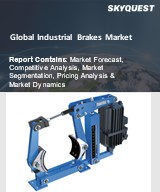
|
시장보고서
상품코드
1955013
산업용 브레이크 시장 : 규모, 점유율, 성장률, 산업 분석, 유형별, 용도별, 지역별 고찰, 예측(2026-2034년)Industrial Brakes Market Size, Share, Growth and Global Industry Analysis By Type & Application, Regional Insights and Forecast to 2026-2034 |
||||||

산업용 브레이크 시장의 성장 요인
세계 산업용 브레이크 시장 규모는 2025년에 17억 7,000만 달러로 평가되었고, 2026년 18억 2,000만 달러, 2034년까지 25억 3,000만 달러에 이르고, 예측기간(2026-2034년) 동안 CAGR은 4.10%를 나타낼 전망입니다. 아시아태평양은 신흥국의 제조 인프라 확대와 철도 현대화 프로그램에 힘입어 2025년 36.60%의 점유율로 세계 시장을 선도했습니다.
산업용 브레이크는 마찰에 의해 운동 에너지를 열로 변환하고 운동을 정지하거나 제어하도록 설계된 기계 장치입니다. 자동차용 브레이크와 달리 산업용 브레이크는 극단적인 관성 부하, 가혹한 환경 조건 및 연속 운전 사이클을 견딜 수 있도록 제작되었습니다. 크레인, 호이스트, 엘리베이터, 풍력 터빈, 광산 장비, 선박 시스템, 철도, 중공업 유닛 등에서 널리 사용됩니다. 산업 자동화와 지능형 제어 시스템에 대한 주목이 높아지고 있는 것은 시장 확대를 크게 지원하고 있습니다.
COVID-19의 영향
COVID-19 팬데믹은 공장 가동 중단, 공급망 혼란, 인프라 프로젝트 중단으로 인해 산업용 브레이크 시장에 악영향을 미쳤습니다. 2020년부터 2021년까지 건설, 광업, 제조업에 대한 수요는 급격히 감소했습니다. 그러나 팬대믹 이후의 회복과 함께 산업 활동, 인프라 투자, 철도 프로젝트가 반발하여 브레이크 시스템에 대한 수요가 회복되었습니다. 풍력 터빈과 태양광 발전 설비를 포함한 신재생에너지 프로젝트의 가속화는 2025년 이후 회복의 기세를 더욱 뒷받침했습니다.
시장 동향
스마트 교통 솔루션에서 수요 증가
스마트 교통과 철도 현대화에 대한 관심 증가가 주요 시장 동향입니다. 철도사업자는 안전성 향상, 유지관리 비용 절감, 운영 효율성 개선을 위해 첨단 브레이크 시스템 도입을 가속화하고 있습니다. 산업용 캘리퍼스 및 디스크 브레이크 시스템은 철도 차량, 기관차 및 지하철 시스템에서 널리 채택됩니다.
예를 들어, 2023년 3월에는 와부텍사가 알스톰 트랜스포트 인디아사에 열차용 제동 시스템을 납입했습니다. 이러한 인프라 업그레이드 및 철도 네트워크에 대한 설비 투자는 산업용 제동 솔루션에 대한 장기적인 수요를 이끌 것으로 예측됩니다.
또한 IoT 대응 브레이크 시스템의 도입이 진행되고 있습니다. 실시간 모니터링, 예측 유지보수 및 데이터 분석의 통합은 산업 분야에서 가동 중지 시간을 줄이고 설비 성능을 향상시킵니다.
시장 성장 촉진요인
건설 및 제조업 활동 증가
산업용 브레이크는 크레인, 호이스트, 엘리베이터, 토목 기계 및 컨베이어 시스템에 필수적입니다. 이들은 안전을 강화하고, 속도를 조정하고, 작업 중 정밀한 통제를 보장합니다. 긴급 브레이크 시스템은 운영 위험을 방지하기 위해 제조 공장에서 매우 중요합니다.
세계의 도시화와 인프라 개발은 내구성이 높은 브레이크 시스템 수요를 크게 견인하고 있습니다. 2021년 5월, 와브텍은 델리 미루트 지역 고속 운송 시스템을 위해 1,500만 달러 상당의 첨단 브레이크 시스템 및 부품을 공급할 것이라고 발표하고 철도 인프라에 대한 투자 확대를 부각시켰습니다.
게다가 신재생에너지, 특히 풍력터빈의 확대는 육상 및 해양 설치 시설 모두에서 고성능 제동 솔루션 수요에 기여하고 있습니다.
억제요인
극단적인 온도, 습도, 분진과 같은 환경 조건은 브레이크의 성능과 내구성에 영향을 미칠 수 있습니다. 고온은 브레이크 페이드를 일으킬 수 있으며 습기와 부식은 마모를 가속화합니다.
철강과 특수 브레이크 재료를 포함한 원재료 가격의 변동은 큰 과제입니다. 공급망의 혼란과 지정학적 긴장은 제조 비용을 더욱 높여줍니다. 또한 높은 유지 보수 및 수리 비용이 비용 중심 지역의 도입을 제한 할 수 있습니다.
시장 세분화 분석
유형별
유형별로 시장은 디스크 브레이크와 드럼 브레이크로 구분됩니다.
산업용 디스크 브레이크 부문은 뛰어난 방열성, 신뢰성 및 중공업 용도의 효율성으로 시장을 독점할 것으로 예측됩니다. 디스크 브레이크는 철도, 풍력 터빈 및 중장비로 선호됩니다. 드럼 브레이크는 비용 효율성과 간단한 제동 메커니즘으로 충분한 용도로 계속 사용되지만 그 성장은 상대적으로 완만합니다.
작동 방식별
시장은 작동 방식별로 유압식, 기계식, 전기식, 공압식 등으로 구분됩니다.
유압식 브레이크 시스템 부문은 높은 부하 처리 능력, 정밀한 제어 및 신뢰성으로 인해 2026년에는 42.31%의 점유율로 시장을 선도할 것으로 예측됩니다. 기계식 브레이크는 비용 중심 응용 분야에 사용됩니다. 전기식 브레이크 시스템은 회생 브레이크 기능과 전자 제어 시스템의 통합으로 주목을 받고 있습니다. 공압식 브레이크는 압축공기 시스템이 있는 산업 분야에서 널리 채택되고 있습니다.
용도별
주요 용도 분야는 제조업, 금속 및 광업, 해양 및 조선, 건설업, 석유 및 가스, 기타(식품가공·에너지)입니다.
제조업은 컨베이어 시스템과 중장비에 대한 수요에 견인되어 시장을 주도하고 있습니다. 금속 및 광업에서는 리프팅이나 자재관리에 있어서 브레이크 시스템에의 의존도가 높습니다. 건설업과 해운업에서는 내식성과 고성능을 갖춘 브레이크가 요구됩니다. 석유 및 가스 분야에서는 드릴링 장비 및 해양 플랫폼에 디스크 팩 캘리퍼 브레이크가 사용됩니다.
지역별 인사이트력
아시아태평양
아시아태평양은 2025년에 6억 5,000만 달러, 2026년에는 6억 8,000만 달러 시장 규모를 유지하며 주도적인 지위를 유지하고 있습니다. 중국은 2026년까지 2억 8,000만 달러, 인도는 1억 5,000만 달러, 일본은 1억 2,000만 달러에 이를 것으로 예측됩니다. 철도망의 확대, 도시 인프라 개발, 제조업의 성장이 지역 수요를 견인하고 있습니다.
북미
북미는 혁신과 신재생에너지 확대에 힘입어 있습니다. 미국 시장은 2026년에 3억 1,000만 달러에 달할 것으로 예측됩니다.
유럽
유럽에서는 전기 기관차 및 수소 기관차에 대한 투자로 꾸준한 성장을 볼 수 있습니다. 독일은 2026년까지 1억 6,000만 달러에 이를 것으로 예상되며, 영국은 6,000만 달러로 추정됩니다.
중동, 아프리카, 남미
중동 및 아프리카은 GCC(만안 협력 이사회)의 인프라 프로젝트를 원동력으로 완만한 성장을 보이고 있습니다. 남미는 유통 네트워크 제한과 산업 침투도가 낮기 때문에 성장 속도가 둔화되고 있습니다.
주요 기업
주요 기업으로는 델너 브벤처, 아메테크, 댄포스, 켄드리온, 리갈 렉스노드, 시브레 지거랜드 브렘젠, 힐리어드, TMD 마찰 홀딩, 와브텍 등이 있습니다.
최근의 동향으로는 켄드리온에 의한 소주의 새로운 제조 시설 개설(2023년 5월) 및 리갈 렉스 노드에 의한 알트라 인더스트리얼 모션 인수(2023년 3월)를 들 수 있으며, 모두 제품 포트폴리오의 확충과 세계의 전개 강화를 목적으로 하고 있습니다.
목차
제1장 서론
제2장 주요 요약
제3장 시장 역학
- 매크로 및 마이크로 경제 지표
- 성장 촉진요인, 억제요인, 기회 및 동향
- 수출입 분석
제4장 경쟁 구도
- 주요 기업이 채택하는 사업 전략
- 주요 기업의 통합 SWOT 분석
- 세계 산업용 브레이크의 주요 기업 : 시장 점유율/순위(2025년)
제5장 세계의 산업용 브레이크 시장 규모(추정 및 전망) : 부문별(2021-2034년)
- 주요 분석 결과
- 유형별
- 디스크
- 드럼
- 작동 방식별
- 유압식 브레이크 시스템
- 기계식 브레이크 시스템
- 전기식 브레이크 시스템
- 공압식 브레이크 시스템
- 기타(전자식 브레이크 시스템 등)
- 최종 사용자별
- 제조업
- 금속 및 광업
- 해양 및 조선
- 건설
- 석유 및 가스
- 기타(식품 가공, 에너지 등)
- 지역별
- 북미
- 남미
- 유럽
- 중동 및 아프리카
- 아시아태평양
제6장 북미의 산업용 브레이크 시장 규모(추정 및 전망) : 부문별(2021-2034년)
- 국가별
- 미국
- 캐나다
- 멕시코
제7장 남미의 산업용 브레이크 시장 규모(추정 및 전망) : 부문별(2021-2034년)
- 국가별
- 브라질
- 아르헨티나
- 기타 남미 국가
제8장 유럽의 산업용 브레이크 시장 규모(추정 및 전망) : 부문별(2021-2034년)
- 국가별
- 영국
- 독일
- 프랑스
- 이탈리아
- 기타 유럽 국가
제9장 중동 및 아프리카의 산업용 브레이크 시장 규모(추정 및 전망) : 부문별(2021-2034년)
- 국가별
- GCC
- 남아프리카
- 기타 중동 및 아프리카
제10장 아시아태평양의 산업용 브레이크 시장 규모(추정 및 전망) : 부문별(2021-2034년)
- 국가별
- 중국
- 인도
- 일본
- 한국
- 기타 아시아태평양
제11장 주요 10개 기업의 기업 프로파일
- Dellner Bubenzer
- AKEBONO BRAKE INDUSTRY Co., Ltd.
- AMETEK Inc.
- Danfoss
- Kendrion NV
- Regal Rexnord Corporation
- Sibre Siegerland Bremsen Gmbh
- The Hilliard Corporation
- TMD Friction Holding GmbH
- Wabtec Corporation
Growth Factors of industrial brakes Market
The global industrial brakes market size was valued at USD 1.77 billion in 2025 and is projected to grow from USD 1.82 billion in 2026 to USD 2.53 billion by 2034, exhibiting a CAGR of 4.10% during the forecast period (2026-2034). Asia Pacific dominated the global market with a 36.60% share in 2025, supported by expanding manufacturing infrastructure and railway modernization programs across emerging economies.
Industrial brakes are mechanical devices designed to stop or control motion by converting kinetic energy into heat through friction. Unlike automotive brakes, industrial brakes are built to withstand extreme inertial loads, harsh environmental conditions, and continuous-duty cycles. They are widely used in cranes, hoists, elevators, wind turbines, mining equipment, marine systems, railways, and heavy manufacturing units. The growing focus on industrial automation and intelligent control systems is significantly supporting market expansion.
COVID-19 Impact
The COVID-19 pandemic negatively impacted the industrial brakes market due to factory shutdowns, supply chain disruptions, and halted infrastructure projects. Demand across construction, mining, and manufacturing industries declined sharply during 2020-2021. However, post-pandemic recovery led to a rebound in industrial activity, infrastructure investments, and railway projects, restoring demand for braking systems. The acceleration of renewable energy projects, including wind turbines and solar installations, further supported recovery momentum from 2025 onward.
Market Trends
Growing Demand from Smart Transportation Solutions
The rising focus on smart transportation and railway modernization is a key market trend. Rail operators are increasingly adopting advanced braking systems to enhance safety, reduce maintenance costs, and improve operational efficiency. Industrial caliper and disc brake systems are widely used in railcars, locomotives, and metro systems.
For instance, in March 2023, Wabtec Corporation delivered braking systems for trains to Alstom Transport India. Such infrastructure upgrades and capital investments in rail networks are expected to drive long-term demand for industrial braking solutions.
Additionally, IoT-enabled brake systems are gaining traction. Real-time monitoring, predictive maintenance, and data analytics integration are helping industries reduce downtime and improve equipment performance.
Market Growth Drivers
Rising Construction and Manufacturing Activities
Industrial brakes are essential in cranes, hoists, elevators, earthmoving machines, and conveyor systems. They enhance safety, regulate speeds, and ensure precise control during heavy-duty operations. Emergency braking systems are critical in manufacturing plants to prevent operational hazards.
Global urbanization and infrastructure development are significantly driving demand for durable braking systems. In May 2021, Wabtec Corporation announced the supply of advanced brake systems and components worth USD 15 million for the Delhi-Meerut Regional Rapid Transport System, highlighting growing investments in rail infrastructure.
Furthermore, renewable energy expansion, particularly wind turbines, is contributing to demand for high-performance braking solutions in both onshore and offshore installations.
Restraining Factors
Environmental conditions such as extreme temperatures, humidity, and dust can affect brake performance and durability. High temperatures may cause brake fade, while moisture and corrosion accelerate wear.
Volatility in raw material prices, including steel and specialized brake materials, presents a major challenge. Supply chain disruptions and geopolitical tensions further increase manufacturing costs. Additionally, high maintenance and repair costs may limit adoption in cost-sensitive regions.
Market Segmentation Analysis
By Type
Based on type, the market is divided into disc brakes and drum brakes.
The industrial disc brakes segment is expected to dominate the market due to superior heat dissipation, reliability, and efficiency in heavy-duty applications. Disc brakes are preferred in railways, wind turbines, and heavy machinery. Drum brakes remain in use where cost efficiency and simple braking mechanisms are sufficient, but their growth is comparatively moderate.
By Actuation
The market is segmented into hydraulic, mechanical, electrical, pneumatic, and others.
The hydraulic braking system segment is projected to dominate with a 42.31% share in 2026, owing to high load-handling capacity, precise control, and reliability. Mechanical brakes are used in cost-sensitive applications. Electrical braking systems are gaining traction due to regenerative braking capabilities and integration with electronic control systems. Pneumatic brakes are widely adopted in industries with compressed air systems.
By Application
Applications include manufacturing, metal & mining, marine & shipping, construction, oil & gas, and others (food processing and energy).
The manufacturing sector dominates the market, driven by demand for conveyor systems and heavy-duty equipment. Metal and mining operations rely heavily on braking systems for lifting and material handling. Construction and marine industries require corrosion-resistant and high-performance brakes. The oil & gas sector uses disc pack caliper brakes in drilling rigs and offshore platforms.
Regional Insights
Asia Pacific
Asia Pacific held a valuation of USD 0.65 billion in 2025 and USD 0.68 billion in 2026, maintaining its leadership position. China is estimated to reach USD 0.28 billion by 2026, India USD 0.15 billion, and Japan USD 0.12 billion. Strong railway expansion, urban infrastructure development, and manufacturing growth drive regional demand.
North America
North America is supported by technological innovation and renewable energy expansion. The U.S. market is estimated to reach USD 0.31 billion in 2026.
Europe
Europe is witnessing steady growth due to investments in electric and hydrogen locomotives. Germany is projected to reach USD 0.16 billion by 2026, while the UK is estimated at USD 0.06 billion.
Middle East & Africa and South America
The Middle East & Africa region shows moderate growth, driven by GCC infrastructure projects. South America experiences slower growth due to limited distribution networks and lower industrial penetration.
Key Industry Players
Leading companies include Dellner Bubenzer, AKEBONO BRAKE INDUSTRY Co., Ltd., AMETEK Inc., Danfoss, Kendrion N.V., Regal Rexnord Corporation, Sibre Siegerland Bremsen GmbH, The Hilliard Corporation, TMD Friction Holding GmbH, and Wabtec Corporation.
Recent developments include Kendrion's new manufacturing facility in Suzhou (May 2023) and Regal Rexnord's acquisition of Altra Industrial Motion (March 2023), aimed at expanding product portfolios and global reach.
Conclusion
The global industrial brakes market is expected to grow steadily from USD 1.77 billion in 2025 to USD 2.53 billion by 2034, driven by railway modernization, industrial automation, renewable energy expansion, and infrastructure development. Asia Pacific remains the dominant region, supported by strong manufacturing and transportation investments. Although raw material price volatility and environmental challenges pose restraints, technological advancements and increasing adoption of smart braking systems will ensure stable long-term growth during the forecast period.
Segmentation By Type, By Actuation, By Application, and Region
Segmentation By Type
- Disc
- Drum
By Actuation
- Hydraulic Braking System
- Mechanical Braking System
- Electrical Braking System
- Pneumatic Braking System
- Others (Electromagnetic Braking Systems, etc.)
By Application
- Manufacturing
- Metal and Mining
- Marine and Shipping
- Construction
- Oil & Gas
- Others (Food Processing, Energy, etc.)
By Region
- North America (By Type, By Actuation, By Application, and By Country)
- U.S.
- Canada
- Mexico
- South America (By Type, By Actuation, By Application, and By Country)
- Brazil
- Argentina
- Rest of South America
- Europe (By Type, By Actuation, By Application, and By Country)
- Germany
- U.K.
- France
- Italy
- Rest of Europe
- Middle East & Africa (By Type, By Actuation, By Application, and By Country)
- GCC
- South Africa
- Rest of Middle East & Africa
- Asia Pacific (By Type, By Actuation, By Application, and By Country)
- China
- India
- Japan
- South Korea
- Rest of Asia Pacific
Table of Content
1. Introduction
- 1.1. Definition, By Segment
- 1.2. Research Methodology/Approach
- 1.3. Data Sources
2. Executive Summary
3. Market Dynamics
- 3.1. Macro and Micro Economic Indicators
- 3.2. Drivers, Restraints, Opportunities and Trends
- 3.3. Import Export Analysis
4. Competition Landscape
- 4.1. Business Strategies Adopted by Key Players
- 4.2. Consolidated SWOT Analysis of Key Players
- 4.3. Global Industrial Brakes Key Players Market Share/Ranking, 2025
5. Global Industrial Brakes Market Size Estimates and Forecasts, By Segments, 2021-2034
- 5.1. Key Findings
- 5.2. By Type (USD)
- 5.2.1. Disc
- 5.2.2. Drum
- 5.3. By Actuation (USD)
- 5.3.1. Hydraulic Braking System
- 5.3.2. Mechanical Braking System
- 5.3.3. Electrical Braking System
- 5.3.4. Pneumatic Braking System
- 5.3.5. Others (Electromagnetic Braking Systems, etc.)
- 5.4. By End User (USD)
- 5.4.1. Manufacturing
- 5.4.2. Metal and Mining
- 5.4.3. Marine and Shipping
- 5.4.4. Construction
- 5.4.5. Oil & Gas
- 5.4.6. Others (Food Processing, Energy, etc.)
- 5.5. By Region (USD)
- 5.5.1. North America
- 5.5.2. South America
- 5.5.3. Europe
- 5.5.4. Middle East & Africa
- 5.5.5. Asia Pacific
6. North America Industrial Brakes Market Size Estimates and Forecasts, By Segments, 2021-2034
- 6.1. Key Findings
- 6.2. By Type (USD)
- 6.2.1. Disc
- 6.2.2. Drum
- 6.3. By Actuation (USD)
- 6.3.1. Hydraulic Braking System
- 6.3.2. Mechanical Braking System
- 6.3.3. Electrical Braking System
- 6.3.4. Pneumatic Braking System
- 6.3.5. Others (Electromagnetic Braking Systems, etc.)
- 6.4. By End User (USD)
- 6.4.1. Manufacturing
- 6.4.2. Metal and Mining
- 6.4.3. Marine and Shipping
- 6.4.4. Construction
- 6.4.5. Oil & Gas
- 6.4.6. Others (Food Processing, Energy, etc.)
- 6.5. By Country (USD)
- 6.5.1. United States
- 6.5.2. Canada
- 6.5.3. Mexico
7. South America Industrial Brakes Market Size Estimates and Forecasts, By Segments, 2021-2034
- 7.1. Key Findings
- 7.2. By Type (USD)
- 7.2.1. Disc
- 7.2.2. Drum
- 7.3. By Actuation (USD)
- 7.3.1. Hydraulic Braking System
- 7.3.2. Mechanical Braking System
- 7.3.3. Electrical Braking System
- 7.3.4. Pneumatic Braking System
- 7.3.5. Others (Electromagnetic Braking Systems, etc.)
- 7.4. By End User (USD)
- 7.4.1. Manufacturing
- 7.4.2. Metal and Mining
- 7.4.3. Marine and Shipping
- 7.4.4. Construction
- 7.4.5. Oil & Gas
- 7.4.6. Others (Food Processing, Energy, etc.)
- 7.5. By Country (USD)
- 7.5.1. Brazil
- 7.5.2. Argentina
- 7.5.3. Rest of South America
8. Europe Industrial Brakes Market Size Estimates and Forecasts, By Segments, 2021-2034
- 8.1. Key Findings
- 8.2. By Type (USD)
- 8.2.1. Disc
- 8.2.2. Drum
- 8.3. By Actuation (USD)
- 8.3.1. Hydraulic Braking System
- 8.3.2. Mechanical Braking System
- 8.3.3. Electrical Braking System
- 8.3.4. Pneumatic Braking System
- 8.3.5. Others (Electromagnetic Braking Systems, etc.)
- 8.4. By End User (USD)
- 8.4.1. Manufacturing
- 8.4.2. Metal and Mining
- 8.4.3. Marine and Shipping
- 8.4.4. Construction
- 8.4.5. Oil & Gas
- 8.4.6. Others (Food Processing, Energy, etc.)
- 8.5. By Country (USD)
- 8.5.1. United Kingdom
- 8.5.2. Germany
- 8.5.3. France
- 8.5.4. Italy
- 8.5.5. Rest of Europe
9. Middle East & Africa Industrial Brakes Market Size Estimates and Forecasts, By Segments, 2021-2034
- 9.1. Key Findings
- 9.2. By Type (USD)
- 9.2.1. Disc
- 9.2.2. Drum
- 9.3. By Actuation (USD)
- 9.3.1. Hydraulic Braking System
- 9.3.2. Mechanical Braking System
- 9.3.3. Electrical Braking System
- 9.3.4. Pneumatic Braking System
- 9.3.5. Others (Electromagnetic Braking Systems, etc.)
- 9.4. By End User (USD)
- 9.4.1. Manufacturing
- 9.4.2. Metal and Mining
- 9.4.3. Marine and Shipping
- 9.4.4. Construction
- 9.4.5. Oil & Gas
- 9.4.6. Others (Food Processing, Energy, etc.)
- 9.5. By Country (USD)
- 9.5.1. GCC
- 9.5.2. South Africa
- 9.5.3. Rest of MEA
10. Asia Pacific Industrial Brakes Market Size Estimates and Forecasts, By Segments, 2021-2034
- 10.1. Key Findings
- 10.2. By Type (USD)
- 10.2.1. Disc
- 10.2.2. Drum
- 10.3. By Actuation (USD)
- 10.3.1. Hydraulic Braking System
- 10.3.2. Mechanical Braking System
- 10.3.3. Electrical Braking System
- 10.3.4. Pneumatic Braking System
- 10.3.5. Others (Electromagnetic Braking Systems, etc.)
- 10.4. By End User (USD)
- 10.4.1. Manufacturing
- 10.4.2. Metal and Mining
- 10.4.3. Marine and Shipping
- 10.4.4. Construction
- 10.4.5. Oil & Gas
- 10.4.6. Others (Food Processing, Energy, etc.)
- 10.5. By Country (USD)
- 10.5.1. China
- 10.5.2. India
- 10.5.3. Japan
- 10.5.4. South Korea
- 10.5.5. Rest of Asia Pacific
11. Company Profiles for Top 10 Players (Based on data availability in public domain and/or on paid databases)
- 11.1. Dellner Bubenzer
- 11.1.1. Overview
- 11.1.1.1. Key Management
- 11.1.1.2. Headquarters
- 11.1.1.3. Offerings/Business Segments
- 11.1.2. Key Details (Key details are consolidated data and not product/service specific)
- 11.1.2.1. Employee Size
- 11.1.2.2. Past and Current Revenue
- 11.1.2.3. Geographical Share
- 11.1.2.4. Business Segment Share
- 11.1.2.5. Recent Developments
- 11.1.1. Overview
- 11.2. AKEBONO BRAKE INDUSTRY Co., Ltd.
- 11.2.1. Overview
- 11.2.1.1. Key Management
- 11.2.1.2. Headquarters
- 11.2.1.3. Offerings/Business Segments
- 11.2.2. Key Details (Key details are consolidated data and not product/service specific)
- 11.2.2.1. Employee Size
- 11.2.2.2. Past and Current Revenue
- 11.2.2.3. Geographical Share
- 11.2.2.4. Business Segment Share
- 11.2.2.5. Recent Developments
- 11.2.1. Overview
- 11.3. AMETEK Inc.
- 11.3.1. Overview
- 11.3.1.1. Key Management
- 11.3.1.2. Headquarters
- 11.3.1.3. Offerings/Business Segments
- 11.3.2. Key Details (Key details are consolidated data and not product/service specific)
- 11.3.2.1. Employee Size
- 11.3.2.2. Past and Current Revenue
- 11.3.2.3. Geographical Share
- 11.3.2.4. Business Segment Share
- 11.3.2.5. Recent Developments
- 11.3.1. Overview
- 11.4. Danfoss
- 11.4.1. Overview
- 11.4.1.1. Key Management
- 11.4.1.2. Headquarters
- 11.4.1.3. Offerings/Business Segments
- 11.4.2. Key Details (Key details are consolidated data and not product/service specific)
- 11.4.2.1. Employee Size
- 11.4.2.2. Past and Current Revenue
- 11.4.2.3. Geographical Share
- 11.4.2.4. Business Segment Share
- 11.4.2.5. Recent Developments
- 11.4.1. Overview
- 11.5. Kendrion N.V.
- 11.5.1. Overview
- 11.5.1.1. Key Management
- 11.5.1.2. Headquarters
- 11.5.1.3. Offerings/Business Segments
- 11.5.2. Key Details (Key details are consolidated data and not product/service specific)
- 11.5.2.1. Employee Size
- 11.5.2.2. Past and Current Revenue
- 11.5.2.3. Geographical Share
- 11.5.2.4. Business Segment Share
- 11.5.2.5. Recent Developments
- 11.5.1. Overview
- 11.6. Regal Rexnord Corporation
- 11.6.1. Overview
- 11.6.1.1. Key Management
- 11.6.1.2. Headquarters
- 11.6.1.3. Offerings/Business Segments
- 11.6.2. Key Details (Key details are consolidated data and not product/service specific)
- 11.6.2.1. Employee Size
- 11.6.2.2. Past and Current Revenue
- 11.6.2.3. Geographical Share
- 11.6.2.4. Business Segment Share
- 11.6.2.5. Recent Developments
- 11.6.1. Overview
- 11.7. Sibre Siegerland Bremsen Gmbh
- 11.7.1. Overview
- 11.7.1.1. Key Management
- 11.7.1.2. Headquarters
- 11.7.1.3. Offerings/Business Segments
- 11.7.2. Key Details (Key details are consolidated data and not product/service specific)
- 11.7.2.1. Employee Size
- 11.7.2.2. Past and Current Revenue
- 11.7.2.3. Geographical Share
- 11.7.2.4. Business Segment Share
- 11.7.2.5. Recent Developments
- 11.7.1. Overview
- 11.8. The Hilliard Corporation
- 11.8.1. Overview
- 11.8.1.1. Key Management
- 11.8.1.2. Headquarters
- 11.8.1.3. Offerings/Business Segments
- 11.8.2. Key Details (Key details are consolidated data and not product/service specific)
- 11.8.2.1. Employee Size
- 11.8.2.2. Past and Current Revenue
- 11.8.2.3. Geographical Share
- 11.8.2.4. Business Segment Share
- 11.8.2.5. Recent Developments
- 11.8.1. Overview
- 11.9. TMD Friction Holding GmbH
- 11.9.1. Overview
- 11.9.1.1. Key Management
- 11.9.1.2. Headquarters
- 11.9.1.3. Offerings/Business Segments
- 11.9.2. Key Details (Key details are consolidated data and not product/service specific)
- 11.9.2.1. Employee Size
- 11.9.2.2. Past and Current Revenue
- 11.9.2.3. Geographical Share
- 11.9.2.4. Business Segment Share
- 11.9.2.5. Recent Developments
- 11.9.1. Overview
- 11.10. Wabtec Corporation
- 11.10.1. Overview
- 11.10.1.1. Key Management
- 11.10.1.2. Headquarters
- 11.10.1.3. Offerings/Business Segments
- 11.10.2. Key Details (Key details are consolidated data and not product/service specific)
- 11.10.2.1. Employee Size
- 11.10.2.2. Past and Current Revenue
- 11.10.2.3. Geographical Share
- 11.10.2.4. Business Segment Share
- 11.10.2.5. Recent Developments
- 11.10.1. Overview