|
시장보고서
상품코드
1980496
통풍 시트 시장 규모, 점유율, 성장 및 세계 업계 분석 : 유형 및 용도별, 지역별 인사이트 및 예측(2026-2034년)Ventilated Seats Market Size, Share, Growth and Global Industry Analysis By Type & Application, Regional Insights and Forecast to 2026-2034 |
||||||

통풍 시트 시장 성장 요인
세계 통풍 시트 시장은 2025년에 98억 5,000만 달러로 평가되었습니다. 2026년에는 103억 8,000만 달러, 2034년에는 187억 7,000만 달러에 달할 것으로 예상되며, 예측 기간 동안 7.68%의 연평균 복합 성장률(CAGR)을 보일 것으로 예측됩니다.
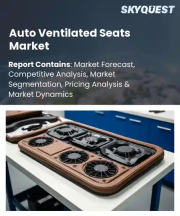
통풍 시트는 내장된 팬과 냉각 소자를 통해 구멍이 뚫린 표면을 통해 공기를 순환시켜 탑승자의 쾌적성을 향상시키도록 설계된 첨단 자동차 시트 시스템입니다. 이 시스템은 열과 습기 축적을 줄여 장시간 운전이나 더운 날씨에 불편함을 방지합니다. 기존에는 고급 차량에 탑재되어 왔으나, 소비자 경험을 향상시키기 위해 중급 모델에도 채택이 증가하고 있으며, 이는 세계 시장 성장을 주도하고 있습니다.
시장 역학
시장 성장 촉진요인:
차량 내부의 편안함과 고급 기능에 대한 소비자 수요 증가가 주요 성장 요인으로 작용하고 있습니다. 환기 시트는 특히 더운 기후에서 체온을 조절하고 땀을 억제하며 이동 경험을 향상시킵니다. 전 세계적으로 가처분 소득이 증가함에 따라 중형차 구매자들조차도 고급 편의사양을 요구하고 있으며, 이는 기존 차량과 전기차 모두에서 꾸준한 성장을 뒷받침하고 있습니다. 2025년 4월 Park+Research Labs가 실시한 설문조사에 따르면, 6,000명의 자동차 소유자 중 78%가 환기 시트를 '필수 기능'이라고 답해, 편안함을 높여주는 기술에 대한 선호도가 높아지고 있음을 알 수 있습니다.
시장 성장 억제요인:
높은 통합 비용은 여전히 큰 문제입니다. 통풍 시트는 통풍구가 있는 시트 커버, 팬, 제어 모듈, 배선 등이 필요하며, 이는 생산 비용과 차량 가격을 상승시킵니다. 이 때문에 특히 신흥 시장에서 비용에 민감한 부문와 엔트리 레벨 부문에서 보급이 제한되고 있습니다.
시장 기회:
미들급 차량에서의 보급 확대는 큰 기회가 될 것입니다. 소재의 혁신과 제조 공정의 효율화로 생산 비용이 낮아지면 자동차 제조업체는 보다 저렴한 가격대의 모델에도 환기 시트를 장착할 수 있게 되어 구매 의향이 높은 고객을 유치하고 시장 침투율을 높일 수 있습니다.
시장의 과제:
유지보수의 복잡성이 문제점으로 지적되고 있습니다. 팬, 송풍기, 덕트, 천공 소재는 시간이 지남에 따라 마모되거나 고장날 수 있습니다. 수리 및 교체에는 전문적인 지식이 필요하고, 비용이 증가하기 때문에 특히 가격에 민감한 지역에서는 도입을 저해하는 요인으로 작용합니다.
시장 동향
전기자동차(EV)에 도입:
프리미엄 편의성과 에너지 효율을 높이기 위해 EV에 통풍 시트 장착이 확대되고 있습니다. 저전력 팬과 경량 소재를 사용하여 배터리 소모를 최소화하면서 탑승자의 경험을 향상시킵니다. 국제에너지기구(IEA)의 보고서에 따르면, 2024년에는 약 1,700만 대의 전기자동차가 판매되고 2025년에는 2,000만 대를 넘어설 것으로 예상되며, 이는 이 부문에서 통풍 시트의 보급을 촉진하고 있습니다.
관세의 영향:
자동차 부품 수입에 대한 미국의 관세는 통풍 시트 비용 상승을 초래하고, 특정 모델의 프리미엄 기능 탑재를 감소시킬 수 있습니다. 자동차 제조업체들은 장기적인 영향을 완화하기 위해 현지 조달 및 생산기지 이전을 통해 공급망을 조정할 가능성이 있습니다.
시장 세분화
차종별:
- SUV: 2026년 70.01%의 점유율을 차지하는 가장 큰 부문입니다. 이는 환기 시스템을 넣을 수 있는 공간이 있고, 소비자들이 쾌적함을 중시하는 대형 차량을 선호하기 때문입니다.
- 해치백/세단: 2위 부문이며, 고급 편의사양을 갖춘 중형 및 프리미엄 세단이 도입을 주도하고 있습니다.
- LCV: 점유율은 작지만, 상용차 및 승용 운송 차량에서 꾸준히 성장하고 있습니다.
구동 방식별:
- 내연기관차: 2026년 61.06%의 시장 점유율을 차지할 것으로 예상되며, 다양한 차종 라인업과 통풍 시트 장착을 가능하게 하는 낮은 생산비용의 혜택을 누릴 수 있습니다.
- 전기차(EV) : 프리미엄 포지셔닝과 정숙성을 중시하는 소비자의 니즈에 따라 가장 빠르게 성장하고 있는 부문입니다.
- 하이브리드 자동차: 전기차 인프라가 부족한 지역에서 꾸준한 성장이 예상됩니다.
최종 사용자별:
- OEM: 2026년 67.61%의 점유율을 차지할 것으로 예상되며, 중급 및 고급 차량에 공장에서 출고되는 통풍 시트의 장착을 배경으로 가장 빠르게 성장하는 부문으로 시장을 독점하고 있습니다.
- 애프터마켓: 특히 구형 차량이나 비용 중심 시장에서 개조 및 업그레이드에 대응하여 성장하고 있는 부문입니다.
팬 유형별:
- 레이디얼 팬: 64.43%의 점유율을 차지하는 주요 유형으로, 높은 송풍 효율, 정숙성, 컴팩트한 디자인으로 OEM 탑재에 선호되고 있습니다.
- 축류 팬: 저가형 차량 및 애프터마켓 차량에 사용되며, 설계가 간단하고 가성비가 우수합니다.
기술별:
- 액티브 시스템: 가장 큰 부문이며, 팬과 송풍기를 사용하여 직접 기류를 생성하여 냉각 성능을 향상시킵니다.
- 패시브 시스템: 예측 기간 동안 가장 높은 CAGR을 보이며, 기계적 보조가 필요하지 않고 통기성 소재와 천공에 의존하는 시스템입니다.
좌석 위치별:
- 앞좌석: 운전자와 앞좌석 탑승자가 편의 기능의 혜택을 가장 많이 받는다는 점에서 주류로 자리 잡았습니다.
- 뒷좌석: 특히 중국, 인도, 중동에서 프리미엄 SUV, 고급 전기차 및 운전자가 있는 차량의 추세로 인해 가장 빠르게 성장하고 있습니다.
구성 부품별:
- 제어 모듈: 가장 빠르게 성장하고 있는 가장 큰 부문이며, 공기 흐름, 팬 속도 관리 및 공조 시스템과의 통합을 담당하고 있습니다.
- 팬: 두 번째로 큰 규모로 성능에 필수적인 부품이며, 시트 재질이 두꺼운 경우 레이디얼 팬을 선호합니다.
지역별 동향
북미: 2025년 시장 규모는 54억 7,000만 달러, 2026년 51억 4,000만 달러로 예상되며, SUV 판매, 프리미엄 자동차 보급 및 EV의 성장이 견인하고 있습니다.
유럽: 시장 점유율이 가장 큰 시장으로, 2026년에는 영국이 3억 1,000만 달러, 독일이 3억 4,000만 달러에 달할 것으로 예측됩니다. 이는 프리미엄 세단, SUV 및 EV의 보급이 주도하고 있습니다.
아시아태평양: 가장 빠르게 성장하는 지역으로 2026년에는 중국이 17억 9,000만 달러, 일본이 2억 9,000만 달러, 한국이 6억 8,000만 달러에 달할 것으로 예측됩니다. 이는 SUV와 EV의 보급, 그리고 가처분 소득 증가가 견인하고 있습니다.
세계 기타 지역: 점유율이 가장 작지만, 프리미엄 차량과 수입차에서 점차 도입이 진행되고 있습니다. 중동의 더운 기후가 틈새 수요를 주도하고 있습니다.
목차
제1장 서론
제2장 주요 요약
제3장 시장 역학
제4장 주요 인사이트
제5장 세계의 통풍 시트 시장 분석, 인사이트, 예측, 2021년-2034년
제6장 북미의 통풍 시트 시장 분석, 인사이트, 예측, 2021년-2034년
제7장 유럽의 통풍 시트 시장 분석, 인사이트, 예측, 2021년-2034년
제8장 아시아태평양의 통풍 시트 시장 분석, 인사이트, 예측, 2021년-2034년
제9장 세계 기타 지역 통풍 시트 시장 분석, 인사이트, 예측, 2021년-2034년
제10장 경쟁 분석
LSH 26.04.29Growth Factors of ventilated seats Market
The global ventilated seats market was valued at USD 9.85 billion in 2025 and is projected to grow to USD 10.38 billion in 2026, reaching USD 18.77 billion by 2034, registering a CAGR of 7.68% over the forecast period. North America dominated the market in 2025 with a 55.52% share, primarily driven by high consumer demand for comfort-oriented vehicles, strong SUV and pickup sales, and the integration of ventilated seating in electric and hybrid vehicles.
Ventilated seats are advanced automotive seating systems designed to improve occupant comfort by circulating air through perforated surfaces using integrated fans or cooling elements. These systems reduce heat and moisture buildup, preventing discomfort during long drives or hot weather. Traditionally available in premium vehicles, ventilated seats are increasingly incorporated into mid-range models to enhance consumer experience, driving market growth globally.
Market Dynamics
Market Drivers:
The rising consumer demand for in-vehicle comfort and luxury features is the key growth driver. Ventilated seats regulate body temperature, reduce perspiration, and improve travel experience, especially in hot climates. As disposable incomes rise globally, even mid-range vehicle buyers now seek advanced comfort features, supporting steady growth in both conventional and electric vehicles. A survey conducted by Park+ Research Labs in April 2025 found that 78% of 6,000 car owners considered ventilated seats a must-have feature, highlighting the growing preference for comfort technologies.
Market Restraints:
High integration costs remain a significant challenge. Ventilated seats require perforated upholstery, fans, control modules, and wiring, raising production expenses and vehicle prices. This limits widespread adoption in cost-sensitive and entry-level segments, especially in emerging markets.
Market Opportunities:
Expanding availability in mid-range vehicles presents a major opportunity. As production costs decrease through material innovation and streamlined manufacturing, automakers can offer ventilated seats in more affordable models, attracting aspirational buyers and boosting market penetration.
Market Challenges:
Maintenance complexity poses a challenge. Fans, blowers, ducting, and perforated materials can wear out or malfunction over time. Repair or replacement requires specialized expertise, increasing costs and discouraging adoption, particularly in price-sensitive regions.
Market Trends
Adoption in Electric Vehicles (EVs):
Ventilated seats are increasingly integrated into EVs to enhance premium comfort and energy efficiency. Low-power fans and lightweight materials minimize battery drain while improving occupant experience. The International Energy Agency (IEA) reported that around 17 million electric cars were sold in 2024, expected to exceed 20 million in 2025, driving ventilated seat adoption in the segment.
Impact of Tariffs:
U.S. tariffs on imported automotive components can increase costs for ventilated seats, potentially reducing inclusion of premium features in certain models. Automakers may adjust supply chains through local sourcing or production relocation to mitigate long-term effects.
Market Segmentation
By Vehicle Type:
- SUVs: Largest segment with 70.01% share in 2026, due to consumer preference for larger, comfort-oriented vehicles with space to integrate ventilation systems.
- Hatchback/Sedan: Second-largest segment, adoption driven by mid and premium sedans with advanced comfort features.
- LCVs: Smaller share but growing steadily in commercial and passenger transport vehicles.
By Propulsion Type:
- ICE Vehicles: Dominated with 61.06% market share in 2026, benefitting from wide model variety and lower production costs allowing integration of ventilated seats.
- Electric Vehicles (EVs): Fastest-growing segment due to premium positioning and consumer focus on comfort in quieter EV cabins.
- Hybrid Vehicles: Steady growth in regions with limited EV infrastructure.
By End-User:
- OEM: Dominant and fastest-growing segment with 67.61% share in 2026, driven by factory-installed ventilated seating in mid-range and premium vehicles.
- Aftermarket: Growing segment, catering to retrofits and upgrades, especially in older vehicles and cost-sensitive markets.
By Fan Type:
- Radial Fans: Dominant with 64.43% share, preferred for OEM installations due to higher airflow efficiency, quiet operation, and compact integration.
- Axial Fans: Used in budget and aftermarket vehicles, simpler design, and cost-effective.
By Technology:
- Active Systems: Largest segment, using fans or blowers for direct airflow and enhanced cooling.
- Passive Systems: Fastest CAGR over forecast period, relying on breathable materials and perforations without mechanical assistance.
By Seat Position:
- Front Seats: Dominant, as drivers and front passengers benefit most from comfort features.
- Rear Seats: Fastest-growing due to premium SUVs, luxury EVs, and chauffeur-driven vehicle trends, particularly in China, India, and Middle East.
By Component:
- Control Modules: Largest and fastest-growing segment, managing airflow, fan speed, and integration with climate control systems.
- Fans: Second-largest, critical for performance, with radial fans preferred in dense seat materials.
Regional Insights
North America: Market size USD 5.47 billion in 2025, projected USD 5.14 billion in 2026, driven by SUV sales, premium vehicle adoption, and EV growth.
Europe: Significant market share, with UK USD 0.31 billion and Germany USD 0.34 billion in 2026, driven by premium sedan, SUV, and EV adoption.
Asia Pacific: Fastest-growing region, with China USD 1.79 billion, Japan USD 0.29 billion, and South Korea USD 0.68 billion in 2026, driven by SUV and EV adoption and rising disposable incomes.
Rest of the World: Smallest share, gradual adoption in premium and imported vehicles, with hot climates in Middle East driving niche demand.
Competitive Landscape
Key players such as Adient, Lear Corporation, Faurecia, Magna International, Toyota Boshoku, TS Tech, Hyundai Transys, NHK Spring, Gentherm, Continental, Dura Automotive, and Brose Sitech dominate through OEM partnerships, innovation, and global production networks. Companies focus on energy-efficient fans, intelligent control modules, and premium seating solutions. Strategic acquisitions, such as Lear's acquisition of Kongsberg Automotive's Interior Comfort Systems in February 2022 (~USD 198 million), enhance market position and capabilities in thermal and comfort seating solutions.
Key Industry Developments:
- August 2025: Tesla Model Y with heated and ventilated front seats launched in India.
- July 2025: MG4 EV in China offers front ventilated seats and reclining rear seats.
- June 2025: GAC's HYPTEC HT EV SUV showcased with seat ventilation, heating, and massage functions.
- November 2024: Lucid Gravity Grand Touring launched with ventilated 18-way power front seats.
Conclusion
The ventilated seats market is projected to grow from USD 9.85 billion in 2025 to USD 18.77 billion by 2034, driven by rising demand for comfort, premium features, SUV and EV adoption, and technological innovation in fans, control modules, and smart systems. North America leads the market in 2025, while Asia Pacific is the fastest-growing region due to urbanization, rising incomes, and EV adoption. OEM integration, energy-efficient designs, and expanding mid-range offerings are expected to fuel sustained market growth globally.
Segmentation By Vehicle Type
- Hatchback/Sedan
- SUVs
- LCVs
By Propulsion
- ICE
- Hybrid
- Electric
By End-user
- OEM
- Aftermarket
By Fan Type
- Axial
- Radial
By Technology
- Active
- Passive
By Seat Position
- Front
- Rear
By Component
- Fans
- Control Modules
- Others
By Region
North America (By Vehicle Type, By Propulsion, By End-user, By Fan Type, By Technology, By Seat Position, and By Component)
- U.S. (By Vehicle Type and By Propulsion)
- Canada (By Vehicle Type and By Propulsion)
- Mexico (By Vehicle Type and By Propulsion)
Europe (By Vehicle Type, By Propulsion, By End-user, By Fan Type, By Technology, By Seat Position, and By Component)
- Germany (By Vehicle Type and By Propulsion)
- France (By Vehicle Type and By Propulsion)
- U.K. (By Vehicle Type and By Propulsion)
- Rest of Europe (By Vehicle Type and By Propulsion)
Asia Pacific (By Vehicle Type, By Propulsion, By End-user, By Fan Type, By Technology, By Seat Position, and By Component)
- China (By Vehicle Type and By Propulsion)
- Japan (By Vehicle Type and By Propulsion)
- South Korea (By Vehicle Type and By Propulsion)
- Rest of Asia Pacific (By Vehicle Type and By Propulsion)
Rest of the World (By Vehicle Type, By Propulsion, By End-user, By Fan Type, By Technology, By Seat Position, and By Component)
Table of Content
1. Introduction
- 1.1. Research Scope
- 1.2. Market Segmentation
- 1.3. Research Methodology
- 1.4. Definitions and Assumptions
2. Executive Summary
3. Market Dynamics
- 3.1. Market Drivers
- 3.2. Market Restraints
- 3.3. Market Opportunities
- 3.4. Market Trends
4. Key Insights
- 4.1. Key Industry Developments - Mergers, Acquisitions & Partnerships
- 4.2. Latest Technological Advancements
- 4.3. Porters Five Forces Analysis
- 4.4. PEST Analysis
- 4.5. Patent Analysis
- 4.6. Supplier Outlook (Who Supply Whom)
- 4.7. Impact of U.S. Tariffs on the Global Ventilated Seats Market
5. Global Ventilated Seats Market Analysis, Insights and Forecast, 2021-2034
- 5.1. Key Findings / Definition
- 5.2. Market Analysis, Insights and Forecast - By Vehicle Type
- 5.2.1. Hatchback/Sedan
- 5.2.2. SUVs
- 5.2.3. LCVs
- 5.3. Market Analysis, Insights and Forecast - By Propulsion
- 5.3.1. ICE
- 5.3.2. Hybrid
- 5.3.3. Electric
- 5.4. Market Analysis, Insights and Forecast - By End-user
- 5.4.1. OEM
- 5.4.2. Aftermarket
- 5.5. Market Analysis, Insights and Forecast - By Fan Type
- 5.5.1. Axial
- 5.5.2. Radial
- 5.6. Market Analysis, Insights and Forecast - By Technology
- 5.6.1. Active
- 5.6.2. Passive
- 5.7. Market Analysis, Insights and Forecast - By Seat Position
- 5.7.1. Front
- 5.7.2. Rear
- 5.8. Market Analysis, Insights and Forecast - By Component
- 5.8.1. Fans
- 5.8.2. Control Modules
- 5.8.3. Others
- 5.9. Market Analysis, Insights and Forecast - By Region
- 5.9.1. North America
- 5.9.2. Europe
- 5.9.3. Asia Pacific
- 5.9.4. Rest of the World
6. North America Ventilated Seats Market Analysis, Insights and Forecast, 2021-2034
- 6.1. Market Analysis, Insights and Forecast - By Vehicle Type
- 6.1.1. Hatchback/Sedan
- 6.1.2. SUVs
- 6.1.3. LCVs
- 6.2. Market Analysis, Insights and Forecast - By Propulsion
- 6.2.1. ICE
- 6.2.2. Hybrid
- 6.2.3. Electric
- 6.3. Market Analysis, Insights and Forecast - By End-user
- 6.3.1. OEM
- 6.3.2. Aftermarket
- 6.4. Market Analysis, Insights and Forecast - By Fan Type
- 6.4.1. Axial
- 6.4.2. Radial
- 6.5. Market Analysis, Insights and Forecast - By Technology
- 6.5.1. Active
- 6.5.2. Passive
- 6.6. Market Analysis, Insights and Forecast - By Seat Position
- 6.6.1. Front
- 6.6.2. Rear
- 6.7. Market Analysis, Insights and Forecast - By Component
- 6.7.1. Fans
- 6.7.2. Control Modules
- 6.7.3. Others
- 6.8. Market Analysis, Insights and Forecast - By Country
- 6.8.1. U.S.
- 6.8.1.1. Market Analysis, Insights and Forecast - By Vehicle Type
- 6.8.1.2. Market Analysis, Insights and Forecast - By Propulsion
- 6.8.2. Canada
- 6.8.2.1. Market Analysis, Insights and Forecast - By Vehicle Type
- 6.8.2.2. Market Analysis, Insights and Forecast - By Propulsion
- 6.8.3. Mexico
- 6.8.3.1. Market Analysis, Insights and Forecast - By Vehicle Type
- 6.8.3.2. Market Analysis, Insights and Forecast - By Propulsion
- 6.8.1. U.S.
7. Europe Ventilated Seats Market Analysis, Insights and Forecast, 2021-2034
- 7.1. Market Analysis, Insights and Forecast - By Vehicle Type
- 7.1.1. Hatchback/Sedan
- 7.1.2. SUVs
- 7.1.3. LCVs
- 7.2. Market Analysis, Insights and Forecast - By Propulsion
- 7.2.1. ICE
- 7.2.2. Hybrid
- 7.2.3. Electric
- 7.3. Market Analysis, Insights and Forecast - By End-user
- 7.3.1. OEM
- 7.3.2. Aftermarket
- 7.4. Market Analysis, Insights and Forecast - By Fan Type
- 7.4.1. Axial
- 7.4.2. Radial
- 7.5. Market Analysis, Insights and Forecast - By Technology
- 7.5.1. Active
- 7.5.2. Passive
- 7.6. Market Analysis, Insights and Forecast - By Seat Position
- 7.6.1. Front
- 7.6.2. Rear
- 7.7. Market Analysis, Insights and Forecast - By Component
- 7.7.1. Fans
- 7.7.2. Control Modules
- 7.7.3. Others
- 7.8. Market Analysis, Insights and Forecast - By Country
- 7.8.1. Germany
- 7.8.1.1. Market Analysis, Insights and Forecast - By Vehicle Type
- 7.8.1.2. Market Analysis, Insights and Forecast - By Propulsion
- 7.8.2. France
- 7.8.2.1. Market Analysis, Insights and Forecast - By Vehicle Type
- 7.8.2.2. Market Analysis, Insights and Forecast - By Propulsion
- 7.8.3. U.K.
- 7.8.3.1. Market Analysis, Insights and Forecast - By Vehicle Type
- 7.8.3.2. Market Analysis, Insights and Forecast - By Propulsion
- 7.8.4. Rest of Europe
- 7.8.4.1. Market Analysis, Insights and Forecast - By Vehicle Type
- 7.8.4.2. Market Analysis, Insights and Forecast - By Propulsion
- 7.8.1. Germany
8. Asia Pacific Ventilated Seats Market Analysis, Insights and Forecast, 2021-2034
- 8.1. Market Analysis, Insights and Forecast - By Vehicle Type
- 8.1.1. Hatchback/Sedan
- 8.1.2. SUVs
- 8.1.3. LCVs
- 8.2. Market Analysis, Insights and Forecast - By Propulsion
- 8.2.1. ICE
- 8.2.2. Hybrid
- 8.2.3. Electric
- 8.3. Market Analysis, Insights and Forecast - By End-user
- 8.3.1. OEM
- 8.3.2. Aftermarket
- 8.4. Market Analysis, Insights and Forecast - By Fan Type
- 8.4.1. Axial
- 8.4.2. Radial
- 8.5. Market Analysis, Insights and Forecast - By Technology
- 8.5.1. Active
- 8.5.2. Passive
- 8.6. Market Analysis, Insights and Forecast - By Seat Position
- 8.6.1. Front
- 8.6.2. Rear
- 8.7. Market Analysis, Insights and Forecast - By Component
- 8.7.1. Fans
- 8.7.2. Control Modules
- 8.7.3. Others
- 8.8. Market Analysis, Insights and Forecast - By Country
- 8.8.1. China
- 8.8.1.1. Market Analysis, Insights and Forecast - By Vehicle Type
- 8.8.1.2. Market Analysis, Insights and Forecast - By Propulsion
- 8.8.2. Japan
- 8.8.2.1. Market Analysis, Insights and Forecast - By Vehicle Type
- 8.8.2.2. Market Analysis, Insights and Forecast - By Propulsion
- 8.8.3. South Korea
- 8.8.3.1. Market Analysis, Insights and Forecast - By Vehicle Type
- 8.8.3.2. Market Analysis, Insights and Forecast - By Propulsion
- 8.8.4. Rest of Asia Pacific
- 8.8.4.1. Market Analysis, Insights and Forecast - By Vehicle Type
- 8.8.4.2. Market Analysis, Insights and Forecast - By Propulsion
- 8.8.1. China
9. Rest of the World Ventilated Seats Market Analysis, Insights and Forecast, 2021-2034
- 9.1. Market Analysis, Insights and Forecast - By Vehicle Type
- 9.1.1. Hatchback/Sedan
- 9.1.2. SUVs
- 9.1.3. LCVs
- 9.2. Market Analysis, Insights and Forecast - By Propulsion
- 9.2.1. ICE
- 9.2.2. Hybrid
- 9.2.3. Electric
- 9.3. Market Analysis, Insights and Forecast - By End-user
- 9.3.1. OEM
- 9.3.2. Aftermarket
- 9.4. Market Analysis, Insights and Forecast - By Fan Type
- 9.4.1. Axial
- 9.4.2. Radial
- 9.5. Market Analysis, Insights and Forecast - By Technology
- 9.5.1. Active
- 9.5.2. Passive
- 9.6. Market Analysis, Insights and Forecast - By Seat Position
- 9.6.1. Front
- 9.6.2. Rear
- 9.7. Market Analysis, Insights and Forecast - By Component
- 9.7.1. Fans
- 9.7.2. Control Modules
- 9.7.3. Others
10. Competitive Analysis
- 10.1. Key Industry Developments
- 10.2. Global Market Rank Analysis (2025)
- 10.3. Competitive Dashboard
- 10.4. Comparative Analysis - Major Players
- 10.5. Company Profiles (Overview, Products & Services, SWOT Analysis, Recent Developments, Strategies, Financials (Based on Availability))
- 10.5.1. Adient PLC (U.S.)
- 10.5.2. Lear Corporation (U.S.)
- 10.5.3. Faurecia SE (France)
- 10.5.4. Magna International Inc. (Canada)
- 10.5.5. Toyota Boshoku Corporation (Japan)
- 10.5.6. TS Tech Co., Ltd. (Japan)
- 10.5.7. Hyundai Transys Inc. (South Korea)
- 10.5.8. NHK Spring Co., Ltd. (Japan)
- 10.5.9. Gentherm Incorporated (U.S.)
- 10.5.10. Continental AG (Germany)
- 10.5.11. Dura Automotive Systems (U.S.)
- 10.5.12. Brose Sitech Sp. Z o.o. (Poland)