|
시장보고서
상품코드
2005868
공항 슬리핑 포드 시장 : 규모, 점유율, 성장, 업계 분석, 유형별, 용도별, 지역별 인사이트, 예측(2026-2034년)Airport Sleeping Pods Market Size, Share, Growth and Global Industry Analysis By Type & Application, Regional Insights and Forecast to 2026-2034 |
||||||

공항 슬리핑 포드 시장 성장 요인
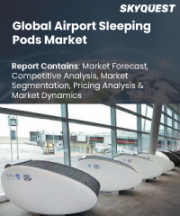
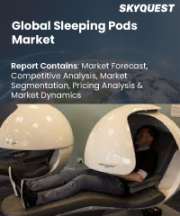
공항이 여객의 편안함과 피로 관리를 점점 더 중시하고 있는 가운데, 세계의 공항 슬리핑 포드 시장은 항공 호스피탈리티 에코시스템의 중요한 부문으로 부상하고 있습니다. 공항 슬리핑 포드는 공항 터미널 내에 설치된 컴팩트하고 프라이빗한 휴식 모듈로, 환승 대기 시간 동안 여행자가 휴식을 취하고, 수면을 취하고, 일할 수 있습니다. 이 포드는 항공우주 공학 설계와 접객 인프라를 융합하여 제한된 터미널 공간 내에서 효율적이고 편안한 휴식 환경을 창출합니다.
업계 분석에 따르면 2025년 세계 공항 슬리핑 포드 시장 규모는 7,850만 달러로 평가되었습니다. 이 시장은 2026년 8,430만 달러, 2034년 1억 4,740만 달러에 이르고, 예측 기간 동안 CAGR은 7.23%를 나타낼 것으로 예측됩니다.
2025년에는 공항 현대화 프로젝트 증가와 프리미엄 여객 서비스에 대한 수요 증가를 배경으로 북미가 37.7%의 점유율을 차지해 세계 시장을 견인했습니다.
공항 슬리핑 포드는 시간이 지남에 따라 크게 발전했습니다. 초기 모델은 단순한 휴식 공간만을 제공했지만 현대 설비에는 스마트 연결 기능, 생체 인증 액세스 시스템, 자동 환기 시스템, 디지털 예약 플랫폼 및 향상된 개인 정보 보호 기능이 탑재되어 있습니다. 이러한 혁신을 통해 공항 운영자는 여객 경험과 운영 효율성 향상을 목적으로 보다 광범위한 '스마트 터미널 생태계'에 슬리핑 포드를 통합할 수 있습니다.
이 시장에서 사업을 전개하는 주요 기업으로는 GoSleep, Napcabs GmbH, Sleepbox, YOTEL Air, Minute Suites, Sleep '
공항 슬리핑 포드 시장 동향
스마트하고 디지털로 연결된 휴식 모듈로 마이그레이션
공항 슬리핑 포드 시장을 형성하는 주요 동향 중 하나는 스마트하고 셀프 서비스, 디지털 연결된 휴식 모듈로의 전환입니다. 초기 설비는 주로 공간 효율성과 합리적인 가격에 중점을 두고 있었지만, 새로운 시스템은 자동화, 위생, 연결성 및 승객의 요구에 맞는 개인화를 중시하고 있습니다.
유행 후 여행자의 선호도는 개인 정보 보호, 위생 및 개인 공간으로 이동하고 있으며, 이에 따라 공항에서는 공유 라운지를 UV 살균 시스템, 생체 인증을 통한 입실, 모바일 앱 예약 기능을 갖춘 모듈 식 슬리핑 포드로 대체하는 움직임이 진행되고 있습니다.
또한 공항에서는 데이터 분석 및 IoT 기반 모니터링 시스템을 활용하여 포드 이용 상황, 에너지 소비량, 유지 보수 일정을 실시간으로 관리하는 움직임이 확대되고 있습니다. 지속가능성도 중요한 초점이 되어 최신 포드에는 에너지 절약 조명과 재생 소재가 채택되고 있으며, 인프라 변경을 최소화하고 터미널 간 이동을 가능하게 하는 모듈식 설계가 도입되어 있습니다.
이러한 기술의 진보로 슬리핑 포드는 단순한 휴식 공간에서 현대 공항 터미널 내에 통합된 스마트 인프라로 변모하고 있습니다.
시장 역학
시장 성장 촉진요인
승객의 쾌적성과 디지털 접객에 대한 관심 증가
승객의 피로 관리 및 디지털 접객 서비스에 대한 수요 증가는 공항 슬리핑 포드 시장의 성장을 이끌어내는 주요 요인입니다.
장거리 여행자와 비즈니스 고객은 환승 항공편 사이에 짧은 휴식이 필요합니다. 전통적인 공항 라운지와 호텔은 수수료가 비싸거나 만실이 되는 경우가 많기 때문에 슬리핑 포드는 효율적인 대안입니다. 이 포드는 개인 휴식 공간, 충전 포트, 워크스테이션, 단기 예약의 유연성을 제공합니다.
또한 공항의 경우 슬리핑 포드는 새로운 비항공 관련 수익원을 창출하기 때문에 경제적인 이점이 있습니다. 사용되지 않는 여객의 체류 시간을 수익 기회로 바꾸면 공항은 수익성을 향상시키는 동시에 여객 만족도를 높일 수 있습니다.
또한, 특히 아시아태평양과 중동에서 정부와 공항 당국이 공항 현대화 프로그램에 많은 투자를 하고 있어 여객의 쾌적성을 높이는 첨단 솔루션에 대한 수요가 더욱 높아지고 있습니다.
시장 성장 억제요인
높은 초기 투자 비용과 표준화의 한계
그 이점에도 불구하고, 공항 슬리핑 포드에는 시장 성장을 방해할 수 있는 특정 과제가 있습니다. 주요 장애물 중 하나는 제조, 설치 및 통합에 필요한 초기 자본 투자액이 높다는 것입니다.
슬리핑 포드는 전력 시스템, 환기 시스템, 방화 시설, 디지털 네트워크와 연결되어야 하지만, 공항 터미널의 설계에 따라 사용자 정의가 필요한 경우가 적습니다. 또한 포드 설치에 대한 세계 표준화는 제한적이므로 공항마다 규제 요구 사항이 다릅니다.
정기적인 청소, 시스템 모니터링 및 운영 요원 배치와 같은 유지 보수 요구 사항은 공항 운영자의 운영 비용을 증가 시켰습니다.
시장 기회
세계의 트랜짓 허브 확대와 장시간 환승
국제선 환승 여객수와 장거리편 증가는 공항용 슬리핑 포드 시장에 있어서 큰 기회가 되고 있습니다.
세계의 항공 네트워크는 특히 아시아태평양, 중동 및 신흥 시장에서 급속히 확대되고 있으며, 그 결과 환승 시간이 길어지고 있습니다. 공항 운영자는 터미널 내에 대규모 호텔 시설을 건설하지 않고 휴식 시설을 제공하는 비용 효율적인 방법을 찾고 있습니다.
슬리핑 포드는 공간 절약형 모듈식 대안이기 때문에 새로운 공항 프로젝트와 터미널 개조 모두에서 매력적인 선택입니다. 인도, 인도네시아, 사우디아라비아 등 여러 나라에서 계획된 많은 신규 공항에서는 터미널의 마스터 플랜에 직접 슬리핑 포드가 내장되어 있습니다.
시장의 과제
통합 복잡성과 ROI 불확실성
또한 시장은 통합의 복잡성과 투자 수익률(ROI) 불확실성과 관련된 문제에 직면하고 있습니다.
기존 공항 터미널 내에 포드를 설치하려면 에어컨 시스템, 전력망, 방화 시스템, 디지털 액세스 네트워크와의 면밀한 조정이 필요합니다. 게다가, 슬리핑 포드에 대한 승객 수요는 하루 종일 불균일한 경우가 많으며, 비행 지연이나 야간에는 이용률이 높아지지만, 한산시간대에는 가동률이 저하됩니다.
이 수요의 변동성은 이용률 예측과 안정적인 수익 확보에 있어서 운영자에게 과제가 되고 있습니다.
세분화 분석
플랫폼 유형별
플랫폼 유형에 따라 시장 세분화는 에어 사이드 터미널, 랜드 사이드 터미널, 위성/원격 터미널 및 에어 사이드 라운지를 구분합니다.
에어사이드 터미널 부문은 2026년 42.77%의 점유율을 차지하며 시장을 견인할 것으로 예측됩니다. 에어사이드 포드를 이용하면, 승객은 보안 구역을 나오지 않고 휴식 시설을 이용할 수 있기 때문에 환승중의 여행자에게 매우 편리합니다.
기술별
시장은 기본 아날로그 포드, 세미 스마트 포드, 풀 디지털 포드로 분류됩니다.
2026년에는 세미스마트 포드 부문이 42.56%의 점유율을 차지하고 시장을 선도할 것으로 예측됩니다. 이 포드는 조명 제어, 환기, 액세스 시스템과 같은 기본적인 디지털 기능을 제공하면서 완전 자동화 솔루션에 비해 비용을 절감할 수 있습니다.
운용·보수 모델별
시장에는 OEM, MRO/업그레이드 및 운영자와 회의 사업자가 포함됩니다.
공항이 설비 투자를 줄이고 서비스 효율성을 높이기 위해 민간 파트너에 대한 포드 운영의 외부 위탁을 증가시켰기 때문에 2026년에는 운영자/컨세션 사업자의 부문이 48.72%의 점유율을 차지하고 시장을 선도할 것으로 예측됩니다.
시스템 유형별
시스템 유형에 따라 시장 세분화는 기계식 캐빈 시스템, 전자 제어 시스템 및 스마트 통합 시스템으로 분류됩니다.
공항의 디지털화에 대한 노력이 확대되고 있는 것을 배경으로 스마트 통합 시스템 부문은 2026년에 39.43%의 시장 점유율을 차지할 것으로 예측되고 있습니다.
용도별
시장은 상용 여객 업무, 개인 또는 VIP 터미널, 승무원 휴식 구역으로 분류됩니다.
2025년에는 환승객과 장거리 여행자를 위한 포드가 설치되는 경우가 가장 많기 때문에 상용 여객 운항 부문이 72.83%의 점유율을 차지하고 시장을 선도했습니다.
지역별 동향
북미
북미에서는 2025년 2,960만 달러, 2026년 3,180만 달러 시장 규모를 기록할 전망입니다. 이 지역은 견조한 여객 수와 공항 현대화 프로그램으로 시장을 견인하고 있습니다. 미국 시장만으로도 JFK, 애틀랜타, 필라델피아 등 주요 허브 공항의 도입에 힘입어 2025년에는 2,750만 달러에 달했습니다.
유럽
유럽에서는 2025년에 2,330만 달러를 기록했으며, 뮌헨, 런던, 헬싱키 등 공항에서 캡슐형 휴식 시스템의 조기 도입으로 성장을 계속하고 있습니다.
아시아태평양
아시아태평양은 2025년 1,110만 달러에 달했습니다. 이는 중국, 인도, 싱가포르, 한국의 항공 인프라 확대와 스마트 공항 구상이 견인한 것입니다.
세계 기타 지역
세계 기타 지역 시장은 중동과 라틴아메리카와 같은 지역에서 새로운 항공 허브의 정비에 힘입어 2025년에는 1,440만 달러에 달했습니다.
이러한 기업들은 시장에서의 존재감을 강화하기 위해 스마트 포드 기술, 인체공학을 기반으로 한 디자인, 지속 가능한 소재에 투자하고 있습니다.
목차
제1장 서론
제2장 주요 요약
제3장 시장 역학
- 시장 성장 촉진요인
- 시장 성장 억제요인
- 시장 기회
- 시장 동향
제4장 주요 고찰
- 주요 업계 동향 : 주요 계약 및 합의, 합병, 인수, 제휴
- 최신 기술적 진보
- Porter's Five Forces 분석
- 공급망 분석
제5장 세계의 공항 슬리핑 포드 시장 분석, 인사이트, 예측, 2021년-2034년
- 주요 조사 결과 및 정의
- 시장 분석, 인사이트, 예측 : 플랫폼 유형별
- 에어사이드 터미널
- 랜드사이드 터미널
- 탑승동 및 원격 터미널
- 에어사이드 라운지(항공사 동맹체 및 VIP)
- 시장 분석, 인사이트, 예측 : 시스템 유형별
- 기계적 캐빈 시스템
- 전자 및 제어 시스템
- 스마트 및 통합 시스템
- 시장 분석, 인사이트, 예측 : 운용 및 보수 모델별
- OEM
- MRO 및 업그레이드
- 운영사업자 및 컨세션사업자
- 시장 분석, 인사이트, 예측 : 최종 용도별
- 민간 여객 운항
- 프라이빗 및 VIP 터미널
- 승무원 휴식 구역 / 공항 스태프 존
- 시장 분석, 인사이트, 예측 : 기술별
- 기본 아날로그 포드
- 세미 스마트 포드
- 풀 디지털 포드
- 시장 분석, 인사이트, 예측 : 지역별
- 북미
- 유럽
- 아시아태평양
- 세계 기타 지역
제6장 북미 공항 슬리핑 포드 시장 분석, 인사이트, 예측, 2021년-2034년
- 국가별
- 미국
- 캐나다
제7장 유럽 공항 슬리핑 포드 시장 분석, 인사이트, 예측, 2021-2034
- 국가별
- 영국
- 독일
- 프랑스
- 러시아
- 기타 유럽 국가
제8장 아시아태평양 공항 슬리핑 포드 시장 분석, 인사이트, 예측, 2021년-2034년
- 국가별
- 중국
- 인도
- 일본
- 기타 아시아태평양 국가
제9장 세계 기타 지역 공항 슬리핑 포드 시장 분석, 인사이트, 예측, 2021년-2034년
- 국가별
- 중동 및 아프리카
- 라틴아메리카
제10장 경쟁 분석
- 세계 시장 순위 분석(2025년)
- 경쟁 대시보드
제11장 기업 프로파일
- GoSleep Oy
- Napcabs GmbH
- Sleepbox Inc.
- YOTELAir(Yotel Ltd.)
- Minute Suites LLC
- Sleep'n Fly/Airport Dimensions
- ZzzleepandGo Srl
- RelaxBox Srl
- MetroNaps Inc.
- SnoozeCube FZE
Growth Factors of airport sleeping pods Market
The global airport sleeping pods market is emerging as an important segment within the aviation hospitality ecosystem as airports increasingly prioritize passenger comfort and fatigue management. Airport sleeping pods are compact, private rest modules installed within airport terminals that allow travelers to relax, sleep, or work during layovers. These pods combine aerospace engineering design with hospitality infrastructure, creating efficient and comfortable rest environments within limited terminal spaces.
According to industry analysis, the global airport sleeping pods market size was valued at USD 78.5 million in 2025. The market is projected to grow from USD 84.3 million in 2026 to USD 147.4 million by 2034, registering a compound annual growth rate (CAGR) of 7.23% during the forecast period.
In 2025, North America dominated the global market with a share of 37.7%, driven by increasing airport modernization projects and the rising demand for premium passenger services.
Airport sleeping pods have evolved significantly over time. Earlier models offered simple resting spaces, but modern installations now feature smart connectivity, biometric access systems, automated ventilation, digital booking platforms, and enhanced privacy features. These innovations allow airport operators to integrate sleeping pods into broader "smart terminal ecosystems" designed to improve passenger experience and operational efficiency.
Major companies operating in this market include GoSleep, Napcabs GmbH, Sleepbox, YOTELAir, Minute Suites, Sleep 'n Fly/Airport Dimensions, ZzzleepandGo, RelaxBox, MetroNaps, and SnoozeCube, which provide modular pod systems and concession-based operational models.
Airport Sleeping Pods Market Trends
Transition Toward Smart and Digitally Connected Rest Modules
One of the major trends shaping the airport sleeping pods market is the transition toward smart, self-service, and digitally connected rest modules. Earlier installations focused primarily on space efficiency and affordability, but new systems emphasize automation, hygiene, connectivity, and passenger personalization.
Post-pandemic traveler preferences have shifted toward privacy, hygiene, and personal space, encouraging airports to replace shared lounges with modular sleeping pods that include UV sterilization systems, biometric entry, and mobile app reservations.
In addition, airports are increasingly using data analytics and IoT-based monitoring systems to manage pod occupancy, energy consumption, and maintenance schedules in real time. Sustainability is also becoming a major focus, with newer pods incorporating energy-efficient lighting, recycled materials, and modular designs that allow relocation across terminals with minimal infrastructure changes.
These technological advancements are transforming sleeping pods from simple rest spaces into integrated smart infrastructure within modern airport terminals.
Market Dynamics
Market Drivers
Rising Focus on Passenger Comfort and Digital Hospitality
The increasing demand for passenger fatigue management and digital hospitality services is a major driver of the airport sleeping pods market growth.
Long-haul travelers and business passengers frequently require short rest periods between connecting flights. Traditional airport lounges and hotels are often expensive or fully booked, making sleeping pods an efficient alternative. These pods offer private rest spaces, charging ports, workstations, and short-term booking flexibility.
Airports also benefit economically from sleeping pods as they create new non-aeronautical revenue streams. By converting idle passenger dwell time into revenue opportunities, airports can improve profitability while enhancing passenger satisfaction.
Additionally, governments and airport authorities are investing heavily in airport modernization programs, especially in Asia Pacific and the Middle East, further boosting the demand for advanced passenger comfort solutions.
Market Restraints
High Capital Costs and Limited Standardization
Despite their advantages, airport sleeping pods face certain challenges that may restrain market growth. One of the primary obstacles is the high initial capital investment required for manufacturing, installation, and integration.
Sleeping pods must connect with power systems, ventilation systems, fire safety infrastructure, and digital networks, which often require customization depending on the airport terminal design. Moreover, there is limited global standardization for pod installation, resulting in varying regulatory requirements across airports.
Maintenance requirements such as regular sanitation, system monitoring, and operational staffing also increase operational costs for airport operators.
Market Opportunities
Growth of Global Transit Hubs and Long Layovers
The increasing number of international transit passengers and long-haul flights presents a significant opportunity for the airport sleeping pods market.
Global aviation networks are expanding rapidly, particularly in Asia Pacific, the Middle East, and emerging markets, resulting in longer layover durations. Airports are seeking cost-effective ways to provide rest facilities without constructing large hotel infrastructures inside terminals.
Sleeping pods offer a space-efficient and modular alternative, making them attractive for both new airport projects and terminal upgrades. Many newly planned airports in countries such as India, Indonesia, and Saudi Arabia are incorporating sleeping pods directly into terminal master plans.
Market Challenges
Integration Complexity and ROI Uncertainty
The market also faces challenges related to integration complexity and uncertain return on investment (ROI).
Installing pods within existing airport terminals requires careful coordination with HVAC systems, electrical grids, fire safety systems, and digital access networks. Additionally, passenger demand for sleeping pods is often uneven throughout the day, with high usage during flight delays and overnight periods but lower occupancy during off-peak hours.
This demand variability creates challenges for operators in predicting utilization rates and achieving consistent financial returns.
Segmentation Analysis
By Platform Type
Based on platform type, the market is segmented into airside terminals, landside terminals, satellite/remote terminals, and airside lounges.
The airside terminals segment is expected to dominate the market with a share of 42.77% in 2026. Airside pods allow passengers to access rest facilities without leaving the secure departure area, making them highly convenient for travelers during layovers.
By Technology
The market is divided into basic analog pods, semi-smart pods, and fully digital pods.
The semi-smart pods segment is projected to dominate with a share of 42.56% in 2026. These pods offer essential digital features such as lighting control, ventilation, and access systems while maintaining lower costs compared to fully automated solutions.
By Operation and Maintenance Model
The market includes OEMs, MRO/upgrades, and operators or concessionaires.
The operators/concessionaires segment is expected to dominate with a share of 48.72% in 2026, as airports increasingly outsource pod operations to private partners to reduce capital investment and improve service efficiency.
By System Type
Based on system type, the market is segmented into mechanical cabin systems, electronic control systems, and smart integrated systems.
The smart integrated systems segment is projected to hold a 39.43% market share in 2026, driven by increasing airport digitalization initiatives.
By End Use
The market is categorized into commercial passenger operations, private or VIP terminals, and crew rest zones.
The commercial passenger operations segment dominated the market with a 72.83% share in 2025, as most pods are installed to serve transit passengers and long-haul travelers.
Regional Insights
North America
North America recorded a market value of USD 29.6 million in 2025 and USD 31.8 million in 2026. The region leads the market due to strong passenger traffic and airport modernization programs. The U.S. market alone reached USD 27.5 million in 2025, driven by installations at major hubs such as JFK, Atlanta, and Philadelphia airports.
Europe
Europe recorded USD 23.3 million in 2025 and continues to grow due to early adoption of capsule rest systems in airports such as Munich, London, and Helsinki.
Asia Pacific
Asia Pacific reached USD 11.1 million in 2025, driven by growing aviation infrastructure and smart airport initiatives in China, India, Singapore, and South Korea.
Rest of the World
The rest of the world market reached USD 14.4 million in 2025, supported by new aviation hubs in regions such as the Middle East and Latin America.
Competitive Landscape
The airport sleeping pods market includes several technology providers and service operators focused on modular pod design, automation, and passenger comfort innovation.
Key companies include:
- GoSleep Oy
- Napcabs GmbH
- Sleepbox Inc.
- YOTELAir
- Minute Suites LLC
- Sleep 'n Fly
- ZzzleepandGo Srl
- RelaxBox Srl
- MetroNaps Inc.
- SnoozeCube FZE
These companies are investing in smart pod technologies, ergonomic designs, and sustainable materials to strengthen their market presence.
Conclusion
The global airport sleeping pods market is expected to witness steady growth as airports increasingly focus on improving passenger comfort and generating non-aeronautical revenue streams. The market was valued at USD 78.5 million in 2025 and is projected to grow to USD 84.3 million in 2026, reaching USD 147.4 million by 2034, at a CAGR of 7.23% during the forecast period.
Segmentation By Platform Type
- Airside Terminals
- Landside Terminals
- Satellite/Remote Terminals
- Airside Lounges (Alliances/VIP)
By Technology
- Basic Analog Pods
- Semi-Smart Pods
- Fully Digital Pods
By Operation & Maintenance Model
- OEMs
- MRO/Upgrades
- Operators/Concessionaires
By System Type
- Mechanical Cabin Systems
- Electronic/Control Systems
- Smart/Integrated Systems
By End-Use
- Commercial Passenger Operations
- Private/VIP Terminals
- Crew Rest/Airport Staff Zones
By Geography
- North America (By Platform Type, Technology, Operation & Maintenance Model, System Type, and End-Use)
- U.S. (By Platform Type)
- Canada (By Platform Type)
- Europe (By Platform Type, Technology, Operation & Maintenance Model, System Type, and End-Use)
- U.K. (By Platform Type)
- Germany (By Platform Type)
- France (By Platform Type)
- Russia (By Platform Type)
- Rest of Europe (By Platform Type)
- Asia Pacific (By Platform Type, Technology, Operation & Maintenance Model, System Type, and End-Use)
- China (By Platform Type)
- Japan (By Platform Type)
- India (By Platform Type)
- Rest of Asia Pacific (By Platform Type)
- Rest of the World (By Platform Type, Technology, Operation & Maintenance Model, System Type, and End-Use)
- Middle East and Africa (By Platform Type)
- Latin America (By Platform Type)
Table of Content
1. Introduction
- 1.1. Research Scope
- 1.2. Market Segmentation
- 1.3. Research Methodology
- 1.4. Definitions and Assumptions
2. Executive Summary
3. Market Dynamics
- 3.1. Market Drivers
- 3.2. Market Restraints
- 3.3. Market Opportunities
- 3.4. Market Trends
4. Key Insights
- 4.1. Key Industry Developments - Key Contracts & Agreements, Mergers, Acquisitions and Partnerships
- 4.2. Latest Technological Advancements
- 4.3. Porters Five Forces Analysis
- 4.4. Supply Chain Analysis
5. Global Airport Sleeping Pods Market Analysis, Insights and Forecast, 2021-2034
- 5.1. Key Findings / Definition
- 5.2. Market Analysis, Insights and Forecast - By Platform Type
- 5.2.1. Airside Terminals
- 5.2.2. Landside Terminals
- 5.2.3. Satellite/Remote Terminals
- 5.2.4. Airside Lounges (Alliances/VIP)
- 5.3. Market Analysis, Insights and Forecast - By System Type
- 5.3.1. Mechanical Cabin Systems
- 5.3.2. Electronic/Control Systems
- 5.3.3. Smart/Integrated Systems
- 5.4. Market Analysis, Insights and Forecast - By Operation & Maintenance Model
- 5.4.1. OEMs
- 5.4.2. MRO/Upgrades
- 5.4.3. Operators/Concessionaires
- 5.5. Market Analysis, Insights and Forecast - By End-Use
- 5.5.1. Commercial Passenger Operations
- 5.5.2. Private/VIP Terminals
- 5.5.3. Crew Rest/Airport Staff Zones
- 5.6. Market Analysis, Insights and Forecast - By Technology
- 5.6.1. Basic Analog Pods
- 5.6.2. Semi-Smart Pods
- 5.6.3. Fully Digital Pods
- 5.7. Market Analysis, Insights and Forecast - By Region
- 5.7.1. North America
- 5.7.2. Europe
- 5.7.3. Asia Pacific
- 5.7.4. Rest of the World
6. North America Airport Sleeping Pods Market Analysis, Insights and Forecast, 2021-2034
- 6.1. Market Analysis, Insights and Forecast - By Platform Type
- 6.1.1. Airside Terminals
- 6.1.2. Landside Terminals
- 6.1.3. Satellite/Remote Terminals
- 6.1.4. Airside Lounges (Alliances/VIP)
- 6.2. Market Analysis, Insights and Forecast - By System Type
- 6.2.1. Mechanical Cabin Systems
- 6.2.2. Electronic/Control Systems
- 6.2.3. Smart/Integrated Systems
- 6.3. Market Analysis, Insights and Forecast - By Operation & Maintenance Model
- 6.3.1. OEMs
- 6.3.2. MRO/Upgrades
- 6.3.3. Operators/Concessionaires
- 6.4. Market Analysis, Insights and Forecast - By End-Use
- 6.4.1. Commercial Passenger Operations
- 6.4.2. Private/VIP Terminals
- 6.4.3. Crew Rest/Airport Staff Zones
- 6.5. Market Analysis, Insights and Forecast - By Technology
- 6.5.1. Basic Analog Pods
- 6.5.2. Semi-Smart Pods
- 6.5.3. Fully Digital Pods
- 6.6. Market Analysis, Insights and Forecast - By Country
- 6.6.1. U.S.
- 6.6.1.1. Market Analysis, Insights and Forecast - By Platform Type
- 6.6.1.1.1. Airside Terminals
- 6.6.1.1.2. Landside Terminals
- 6.6.1.1.3. Satellite/Remote Terminals
- 6.6.1.1.4. Airside Lounges (Alliances/VIP)
- 6.6.1.1. Market Analysis, Insights and Forecast - By Platform Type
- 6.6.2. Canada
- 6.6.2.1. Market Analysis, Insights and Forecast - By Platform Type
- 6.6.2.1.1. Airside Terminals
- 6.6.2.1.2. Landside Terminals
- 6.6.2.1.3. Satellite/Remote Terminals
- 6.6.2.1.4. Airside Lounges (Alliances/VIP)
- 6.6.2.1. Market Analysis, Insights and Forecast - By Platform Type
- 6.6.1. U.S.
7. Europe Airport Sleeping Pods Market Analysis, Insights and Forecast, 2021-2034
- 7.1. Market Analysis, Insights and Forecast - By Platform Type
- 7.1.1. Airside Terminals
- 7.1.2. Landside Terminals
- 7.1.3. Satellite/Remote Terminals
- 7.1.4. Airside Lounges (Alliances/VIP)
- 7.2. Market Analysis, Insights and Forecast - By System Type
- 7.2.1. Mechanical Cabin Systems
- 7.2.2. Electronic/Control Systems
- 7.2.3. Smart/Integrated Systems
- 7.3. Market Analysis, Insights and Forecast - By Operation & Maintenance Model
- 7.3.1. OEMs
- 7.3.2. MRO/Upgrades
- 7.3.3. Operators/Concessionaires
- 7.4. Market Analysis, Insights and Forecast - By End-Use
- 7.4.1. Commercial Passenger Operations
- 7.4.2. Private/VIP Terminals
- 7.4.3. Crew Rest/Airport Staff Zones
- 7.5. Market Analysis, Insights and Forecast - By Technology
- 7.5.1. Basic Analog Pods
- 7.5.2. Semi-Smart Pods
- 7.5.3. Fully Digital Pods
- 7.6. Market Analysis, Insights and Forecast - By Country
- 7.6.1. U.K.
- 7.6.1.1. Market Analysis, Insights and Forecast - By Platform Type
- 7.6.1.1.1. Airside Terminals
- 7.6.1.1.2. Landside Terminals
- 7.6.1.1.3. Satellite/Remote Terminals
- 7.6.1.1.4. Airside Lounges (Alliances/VIP)
- 7.6.1.1. Market Analysis, Insights and Forecast - By Platform Type
- 7.6.2. Germany
- 7.6.2.1. Market Analysis, Insights and Forecast - By Platform Type
- 7.6.2.1.1. Airside Terminals
- 7.6.2.1.2. Landside Terminals
- 7.6.2.1.3. Satellite/Remote Terminals
- 7.6.2.1.4. Airside Lounges (Alliances/VIP)
- 7.6.2.1. Market Analysis, Insights and Forecast - By Platform Type
- 7.6.3. France
- 7.6.3.1. Market Analysis, Insights and Forecast - By Platform Type
- 7.6.3.1.1. Airside Terminals
- 7.6.3.1.2. Landside Terminals
- 7.6.3.1.3. Satellite/Remote Terminals
- 7.6.3.1.4. Airside Lounges (Alliances/VIP)
- 7.6.3.1. Market Analysis, Insights and Forecast - By Platform Type
- 7.6.4. Russia
- 7.6.4.1. Market Analysis, Insights and Forecast - By Platform Type
- 7.6.4.1.1. Airside Terminals
- 7.6.4.1.2. Landside Terminals
- 7.6.4.1.3. Satellite/Remote Terminals
- 7.6.4.1.4. Airside Lounges (Alliances/VIP)
- 7.6.4.1. Market Analysis, Insights and Forecast - By Platform Type
- 7.6.5. Rest of Europe
- 7.6.5.1. Market Analysis, Insights and Forecast - By Platform Type
- 7.6.5.1.1. Airside Terminals
- 7.6.5.1.2. Landside Terminals
- 7.6.5.1.3. Satellite/Remote Terminals
- 7.6.5.1.4. Airside Lounges (Alliances/VIP)
- 7.6.5.1. Market Analysis, Insights and Forecast - By Platform Type
- 7.6.1. U.K.
8. Asia Pacific Airport Sleeping Pods Market Analysis, Insights and Forecast, 2021-2034
- 8.1. Market Analysis, Insights and Forecast - By Platform Type
- 8.1.1. Airside Terminals
- 8.1.2. Landside Terminals
- 8.1.3. Satellite/Remote Terminals
- 8.1.4. Airside Lounges (Alliances/VIP)
- 8.2. Market Analysis, Insights and Forecast - By System Type
- 8.2.1. Mechanical Cabin Systems
- 8.2.2. Electronic/Control Systems
- 8.2.3. Smart/Integrated Systems
- 8.3. Market Analysis, Insights and Forecast - By Operation & Maintenance Model
- 8.3.1. OEMs
- 8.3.2. MRO/Upgrades
- 8.3.3. Operators/Concessionaires
- 8.4. Market Analysis, Insights and Forecast - By End-Use
- 8.4.1. Commercial Passenger Operations
- 8.4.2. Private/VIP Terminals
- 8.4.3. Crew Rest/Airport Staff Zones
- 8.5. Market Analysis, Insights and Forecast - By Technology
- 8.5.1. Basic Analog Pods
- 8.5.2. Semi-Smart Pods
- 8.5.3. Fully Digital Pods
- 8.6. Market Analysis, Insights and Forecast - By Country
- 8.6.1. China
- 8.6.1.1. Market Analysis, Insights and Forecast - By Platform Type
- 8.6.1.1.1. Airside Terminals
- 8.6.1.1.2. Landside Terminals
- 8.6.1.1.3. Satellite/Remote Terminals
- 8.6.1.1.4. Airside Lounges (Alliances/VIP)
- 8.6.1.1. Market Analysis, Insights and Forecast - By Platform Type
- 8.6.2. India
- 8.6.2.1. Market Analysis, Insights and Forecast - By Platform Type
- 8.6.2.1.1. Airside Terminals
- 8.6.2.1.2. Landside Terminals
- 8.6.2.1.3. Satellite/Remote Terminals
- 8.6.2.1.4. Airside Lounges (Alliances/VIP)
- 8.6.2.1. Market Analysis, Insights and Forecast - By Platform Type
- 8.6.3. Japan
- 8.6.3.1. Market Analysis, Insights and Forecast - By Platform Type
- 8.6.3.1.1. Airside Terminals
- 8.6.3.1.2. Landside Terminals
- 8.6.3.1.3. Satellite/Remote Terminals
- 8.6.3.1.4. Airside Lounges (Alliances/VIP)
- 8.6.3.1. Market Analysis, Insights and Forecast - By Platform Type
- 8.6.4. Rest of Asia Pacific
- 8.6.4.1. Market Analysis, Insights and Forecast - By Platform Type
- 8.6.4.1.1. Airside Terminals
- 8.6.4.1.2. Landside Terminals
- 8.6.4.1.3. Satellite/Remote Terminals
- 8.6.4.1.4. Airside Lounges (Alliances/VIP)
- 8.6.4.1. Market Analysis, Insights and Forecast - By Platform Type
- 8.6.1. China
9. Rest of the World Airport Sleeping Pods Market Analysis, Insights and Forecast, 2021-2034
- 9.1. Market Analysis, Insights and Forecast - By Platform Type
- 9.1.1. Airside Terminals
- 9.1.2. Landside Terminals
- 9.1.3. Satellite/Remote Terminals
- 9.1.4. Airside Lounges (Alliances/VIP)
- 9.2. Market Analysis, Insights and Forecast - By System Type
- 9.2.1. Mechanical Cabin Systems
- 9.2.2. Electronic/Control Systems
- 9.2.3. Smart/Integrated Systems
- 9.3. Market Analysis, Insights and Forecast - By Operation & Maintenance Model
- 9.3.1. OEMs
- 9.3.2. MRO/Upgrades
- 9.3.3. Operators/Concessionaires
- 9.4. Market Analysis, Insights and Forecast - By End-Use
- 9.4.1. Commercial Passenger Operations
- 9.4.2. Private/VIP Terminals
- 9.4.3. Crew Rest/Airport Staff Zones
- 9.5. Market Analysis, Insights and Forecast - By Technology
- 9.5.1. Basic Analog Pods
- 9.5.2. Semi-Smart Pods
- 9.5.3. Fully Digital Pods
- 9.6. Market Analysis, Insights and Forecast - By Country
- 9.6.1. Middle East & Africa
- 9.6.1.1. Market Analysis, Insights and Forecast - By Platform Type
- 9.6.1.1.1. Airside Terminals
- 9.6.1.1.2. Landside Terminals
- 9.6.1.1.3. Satellite/Remote Terminals
- 9.6.1.1.4. Airside Lounges (Alliances/VIP)
- 9.6.1.1. Market Analysis, Insights and Forecast - By Platform Type
- 9.6.2. Latin America
- 9.6.2.1. Market Analysis, Insights and Forecast - By Platform Type
- 9.6.2.1.1. Airside Terminals
- 9.6.2.1.2. Landside Terminals
- 9.6.2.1.3. Satellite/Remote Terminals
- 9.6.2.1.4. Airside Lounges (Alliances/VIP)
- 9.6.2.1. Market Analysis, Insights and Forecast - By Platform Type
- 9.6.1. Middle East & Africa
10. Competitive Analysis
- 10.1. Global Market Rank Analysis (2025)
- 10.2. Competitive Dashboard
11. Company Profiles (Overview, Products & Services, SWOT Analysis, Recent Developments, Strategies, Financials (Based on Availability))
- 11.1. GoSleep Oy
- 11.2. Napcabs GmbH
- 11.3. Sleepbox Inc.
- 11.4. YOTELAir (Yotel Ltd.)
- 11.5. Minute Suites LLC
- 11.6. Sleep 'n Fly/Airport Dimensions
- 11.7. ZzzleepandGo Srl
- 11.8. RelaxBox Srl
- 11.9. MetroNaps Inc.
- 11.10. SnoozeCube FZE