|
시장보고서
상품코드
1459446
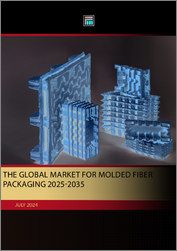
성형 섬유 포장 시장(2025-2035년)The Global Market for Molded Fiber Packaging 2025-2035 |
||||||

친환경적이고 지속가능한 포장재로서, 성형 펄프라고도 알려진 성형 섬유는 일회용 플라스틱의 대안으로 상업적으로 점점 더 많이 사용되고 있습니다. 성형 섬유 포장(MFP)은 전통적으로 포장재, 계란 포장, 카톤 포장에 사용되어 왔지만, 플라스틱을 대체할 수 있는 지속가능한 대안으로 1차 포장 및 2차 포장에 대한 사용이 확대되고 있습니다. 섬유 성형의 끊임없는 기술 혁신은 기업들이 플라스틱보다 더 맞춤화 가능하고 비용 경쟁력이 있다고 말하는 새로운 유형의 포장을 만들어 내고 있습니다. 건식 성형 섬유와 같은 새로운 사용 사례와 기술은 스티로폼을 대체할 수 있는 퇴비화 가능한 대안을 제공하며 다양한 산업에서 사용되고 있습니다.
오늘날에도 계란 포장 및 기타 식품 포장은 여전히 일반적인 예입니다. 식품 산업 외에도 전자 제품 및 기타 가정 용품의 보호 포장으로 섬유 성형의 사용이 증가하고 있습니다. 목재, 짚, 사탕수수 등 다양한 재료로 만들 수 있으며, 맞춤형 도구를 사용하여 펄프를 원하는 모양, 크기 및 두께로 성형 할 수 있습니다.
MFP는 식품 용기, 가정 용품, 산업 용품, 전자 제품, 일회용 의료 용품 등 다양한 제품의 취급 및 포장에 사용되며, MFP는 운송 보호, 고객 편의성, 경제적 및 환경 적으로 다양한 이점을 제공합니다. 성형 펄프 제품은 경질 일회용 플라스틱의 지속가능한 대안으로 식품 용기 및 식기, 전자 제품 포장, 농작물 모종용 퇴비화 용기, 의료 및 건강 제품, 건축자재, 가구 등 다양한 용도로 사용됩니다. 혁신적인 배리어 솔루션의 개발과 섬유 기반 포장에 대한 수요 증가로 인해 FMCG와 같은 다른 시장에서도 MFP의 채택이 증가하고 있습니다.
MFP의 원료는 일반적으로 생분해성 리그노셀룰로오스 섬유로, 폐지, 종이, 골판지 및 기타 천연 식물성 섬유를 포함하며, 재활용 및 퇴비화가 가능하고 최종적으로 생분해되기 때문에 발포 폴리스티렌(EPS) 및 진공 성형 폴리에틸렌 테레프탈레이트(PET)와 같은 석유 기반 포장재에 대한 대안이 될 수 있습니다. 석유를 원료로 하는 포장재를 대체할 수 있는 유력한 대안이 될 수 있습니다. 천연섬유 포장재 시장은 10년 이상 꾸준히 성장해 왔으며, 성형 섬유 제조업체들은 증가하는 수요를 따라잡기 위해 고군분투하고 있습니다. 그 결과, 증가하는 시장 수요를 충족시키기 위해 생산능력을 확대해야 하는 상황입니다.
이 보고서는 세계 성형 섬유 포장 시장을 조사하고 이 급성장하는 산업의 최신 동향, 혁신 및 기회를 자세히 분석합니다.
목차
제1장 주요 요약
- 플라스틱 포장 문제
- 성형 섬유 시장
- 최근 수요 증가는 향후에도 지속
- 지속가능성 요구를 충족
- 새로운 코팅 기술
- 사내 툴링
- 성형 섬유 포장의 이점
- 포장 메가트렌드
- 산업 동향(2020-2024년)
- 주요 시장 기업
- 세계의 성형 섬유/펄프 포장 매출(2018-2035년)
- 성형 섬유/펄프 포장 시장 세분화(2018-2035년)
- 성형 섬유/펄프 포장 지역 세분화(2018-2035년)
- 시장과 기술 과제
제2장 기술 분석
- 셀룰로오스 섬유 원료
- 버진 섬유
- 재생 섬유
- 제조 공정
- 기계 펄프화, 화학 펄프화
- 성형 공정
- 건조 공정
- 3D 프린팅
- 성형 펄프 유형
- 습식 성형
- 건식 성형/열성형 섬유
- 성형 제품의 특성
- 등급과 가격
- 첨가물
제3장 시장과 응용
- 푸드서비스
- 제품
- 세계 시장(2018-2035년)
- 소매 식품·음료
- 제품
- 세계 시장(2018-2035년)
- 화장품을 포함한 일용소비재(FMCG)
- 제품
- 세계 시장(2018-2035년)
- 산업/엔지니어링 포장
- 전자기기 포장
- 자동차 부품 포장
- 세계 시장(2018-2035년)
- 일회용 의료
- 제품
- 세계 시장(2018-2035년)
- 원예
- 제품
- 세계 시장(2018-2035년)
제4장 기업 개요(기업 76개사 프로파일)
제5장 조사 범위와 조사 방법
제6장 참고문헌
ksm 24.07.30As a green and sustainable packaging materials, molded fiber, also known as molded pulp, has increased in commercial use as a replacement for single-use plastics. Molded fiber packaging (MFP), traditionally used for packaging dunnage, egg boxes, and cartons, is finding increasing applications in primary and secondary packaging as a sustainable alternative to plastics. Continuous innovations in molded fiber are resulting in new types of packaging that companies say are more customizable and cost-competitive than plastic. Newer use cases and technologies, such as dry molded fiber, offer compostable alternatives to polystyrene foam that are being used in a range of industries.
Today, egg cartons and other food packaging remain common examples. Outside of the food industry, molded fiber is increasingly used as protective packaging for electronics and other household items. It can be made from a variety of materials - including wood, straw and bagasse - and custom tools can shape the pulp into the desired shape, size and thickness.
MFP is used for handling and packaging a wide range of products, including food containers, household items, industrial supplies, electronics, and single-use medical service items. It offers protection during shipment, customer convenience, and various economic and environmental benefits. Molded pulp products are a sustainable substitute for rigid single-use plastics, with applications spanning food containers and tableware, electronic product packaging, compostable containers for agricultural seedlings, medical and health products, building materials, and furniture. The development of innovative barrier solutions and the growing demand for fiber-based packaging have led to the adoption of MFP in other markets, such as FMCG.
The raw materials for MFPs are typically derived from biodegradable lignocellulosic fibers, which include recycled paper, newsprint, cardboard, and other natural planted fibers. MFP is recyclable, compostable, and eventually biodegradable, making it a viable alternative to oil-based packaging products like expanded polystyrene (EPS) or vacuum-formed polyethylene terephthalate (PET). The market for natural fiber packaging products has experienced consistent growth for over a decade, leading to a struggle among molded fiber producers to keep up with the increasing demand. As a result, production capacity expansions have become necessary to meet the growing market needs.
"The Global Market for Molded Fiber Packaging 2025-2035" offers an in-depth analysis of the latest trends, innovations, and opportunities in this rapidly growing industry. The report provides a detailed market segmentation by application, including food service, retail food and drink, fast-moving consumer goods (FMCG), industrial packaging, single-use medical, and horticulture. Each segment is thoroughly examined, highlighting the unique challenges and opportunities within these sectors. The report also offers regional market insights and forecasts for North America, Europe, Asia-Pacific, and the Rest of the World, enabling stakeholders to identify high-growth markets and tailor their strategies accordingly.
One of the key focuses of the report is the technological advancements in materials, manufacturing processes, and barrier coatings. These innovations are enhancing the functionality and versatility of molded fiber packaging, making it a viable alternative to traditional plastic packaging across a wide range of applications. The report explores the latest breakthroughs in materials science, such as the use of agricultural waste and novel fibers, as well as cutting-edge manufacturing techniques like 3D printing and precision molding.
To provide a comprehensive understanding of the competitive landscape, the report includes detailed profiles of over 70 key players in the molded fiber packaging industry. These profiles range from established manufacturers with global reach to innovative startups. Companies profiled include Arctic Paper, EnviroPAK, HZ Green Pulp, Omni-Pac, PulPac, RyPax, Sabert Corporation, Tanbark Molded Fiber Products and TekniPlex.
The report also identifies the primary growth drivers, challenges, and opportunities within the molded fiber packaging market. It examines the impact of changing consumer preferences, regulatory pressures, and sustainability goals on the demand for eco-friendly packaging solutions. Additionally, the report explores the potential for molded fiber packaging to replace traditional materials in a wide range of industries, from food and beverage to electronics and automotive.
For packaging manufacturers, suppliers, investors, and end-users looking to capitalize on the expanding molded fiber packaging market while contributing to a more sustainable future, this report is an indispensable resource. With its comprehensive analysis, long-term outlook, and actionable insights, this report empowers stakeholders to make informed decisions, forge strategic partnerships, and stay ahead in this dynamic and rapidly growing industry.
As the world transitions towards a circular economy and seeks to reduce its environmental footprint, the molded fiber packaging market is poised for significant growth. This report is a vital tool for anyone looking to understand the complexities of this market, anticipate future trends, and seize the opportunities that lie ahead. By investing in molded fiber packaging, companies can not only meet the growing demand for sustainable packaging solutions but also contribute to a greener future for generations to come.
TABLE OF CONTENTS
1. EXECUTIVE SUMMARY
- 1.1. Plastics packaging issues
- 1.2. Molded fiber market
- 1.2.1. Increased demand in recent years will continue
- 1.2.2. Meeting sustainability needs
- 1.2.3. New coatings technologies
- 1.2.4. In-house tooling
- 1.3. Advantages of molded fiber packaging
- 1.4. Packaging megatrends
- 1.5. Industry developments 2020-2024
- 1.6. Main market players
- 1.7. Global revenues for molded fiber/pulp packaging, 2018-2035 (millions USD)
- 1.8. Market segmentation for molded fiber/pulp packaging, 2018-2035 (millions USD)
- 1.9. Regional segmentation for molded fiber/pulp packaging, 2018-2035 (revenues, millions USD)
- 1.10. Market and technology challenges
2. TECHNOLOGY ANALYSIS
- 2.1. Cellulose fiber sources
- 2.1.1. Virgin fibers
- 2.1.1.1. Bagasse
- 2.1.1.2. Shredded bamboo
- 2.1.1.3. Wheat straw
- 2.1.2. Recycled fibers
- 2.1.1. Virgin fibers
- 2.2. Manufacturing processes
- 2.2.1. Mechanical pulping and chemical pulping
- 2.2.2. Forming process
- 2.2.3. Drying process
- 2.2.4 3D printing
- 2.3. Types of molded pulp
- 2.3.1. Wet molding
- 2.3.1.1. Thick-wall
- 2.3.1.2. Transfer Molded
- 2.3.1.3. Thermoformed Fiber
- 2.3.1.4. Processed Pulp
- 2.3.2. Dry-molded/thermoformed fiber
- 2.3.1. Wet molding
- 2.4. Properties of molded products
- 2.4.1. Grades and prices
- 2.4.2. Additives
3. MARKETS AND APPLICATIONS
- 3.1. Food service
- 3.1.1. Products
- 3.1.2. Global Market 2018-2035
- 3.1.2.1. Revenues
- 3.1.2.2. Tonnes
- 3.2. Retail food and drink
- 3.2.1. Products
- 3.2.2. Global Market 2018-2035
- 3.2.2.1. Revenues
- 3.2.2.2. Tonnes
- 3.3. Fast-moving consumer goods (FMCG) including cosmetics
- 3.3.1. Products
- 3.3.2. Global Market 2018-2035
- 3.3.2.1. Revenues
- 3.3.2.2. Tonnes
- 3.4. Industrial or engineered packaging
- 3.4.1. Electronics packaging
- 3.4.2. Vehicle parts packaging
- 3.4.3. Global Market 2018-2035
- 3.4.3.1. Revenues
- 3.4.3.2. Tonnes
- 3.5. Single Use Medical
- 3.5.1. Products
- 3.5.2. Global Market 2018-2035
- 3.5.2.1. Revenues
- 3.5.2.2. Tonnes
- 3.6. Horticultural
- 3.6.1. Products
- 3.6.2. Global Market 2018-2035
- 3.6.2.1. Revenues
- 3.6.2.2. Tonnes
4. COMPANY PROFILES (76 company profiles)
5. RESEARCH SCOPE AND METHODOLOGY
- 5.1. Report scope
- 5.2. Research methodology