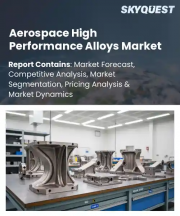
|
시장보고서
상품코드
2049609
고성능 합금 시장 보고서 : 제품별, 소재별, 용도별, 지역별(2026-2034년)High Performance Alloys Market Report by Product, Material, Application, and Region 2026-2034 |
||||||

세계의 고성능 합금 시장 규모는 2025년에 102억 달러에 달했습니다. 향후 IMARC Group은 2026년부터 2034년까지 CAGR 3.51%를 기록하며 2034년까지 시장 규모가 140억 달러에 달할 것으로 예측하고 있습니다.
슈퍼 합금이라고도 불리는 고성능 합금은 코발트, 니켈 또는 니켈-철을 주 합금 원소로 하는 오스테나이트계 면심 입방정계 결정구조를 가지고 있습니다. 이들은 스테인리스 스틸에 비해 우수한 기계적 강도, 우수한 기능성, 높은 내식성 및 내열성을 나타냅니다. 그 결과, 전 세계적으로 원자력, 반도체, 해수담수화, 태양전지, 연료전지 등의 분야에서 활용되고 있습니다.
고성능 합금 시장 동향:
국방 분야에서 운영 효율성 향상을 위한 고성능 합금의 사용이 크게 증가하고 있는 것이 시장에 긍정적인 영향을 미치는 주요 요인 중 하나입니다. 또한, 항공우주 산업에서는 차세대 항공기 및 제트 엔진 연료 노즐 제조에 대한 수요가 증가하고 있습니다. 이는 전 세계적으로 고성능 합금의 판매를 촉진하고 있습니다. 또한, 이러한 합금은 전반적인 성능 향상에 기여하기 때문에 산업용 가스 터빈에도 사용되고 있습니다. 또한, 석유 및 가스 산업에서 육상 및 해양 탐사, 시추 및 생산 활동에서 고성능 합금의 사용이 증가함에 따라 시장 성장을 촉진하고 있습니다. 이와 더불어, 환경 문제에 대한 관심이 높아지고 많은 국가의 규제 당국이 엄격한 규제를 시행함에 따라 저연비 차량에 대한 수요가 크게 증가하고 있습니다. 그 결과, 주요 자동차 제조업체들은 차량의 총 중량을 줄이기 위해 고성능 합금에 의존하고 있습니다. 시장 성장을 뒷받침할 것으로 예상되는 다른 주요 요인으로는 알루미늄 및 마그네슘 채굴의 발전, 합금화에 사용되는 금속의 채굴량 증가 등이 있습니다.
본 보고서에서 답변하는 주요 질문
- 2025년 세계 고성능 합금 시장 규모는 어느 정도였는가?
- 2026년부터 2034년까지 세계 고성능 합금 시장의 예상 성장률은 어느 정도가 될 것인가?
- COVID-19는 세계 고성능 합금 시장에 어떤 영향을 미쳤는가?
- 세계 고성능 합금 시장을 이끄는 주요 요인은 무엇인가?
- 제품별로 볼 때, 세계 고성능 합금 시장은 어떻게 세분화되는가?
- 세계 고성능 합금 시장의 소재별 시장 현황은 어떠한가?
- 세계 고성능 합금 시장의 용도별 시장 분석은 어떻게 이루어지고 있는가?
- 세계 고성능 합금 시장의 주요 지역은 어디인가?
- 세계 고성능 합금 시장의 주요 플레이어/기업은 어디인가?
목차
제1장 서문
제2장 조사 범위와 조사 방법
제3장 주요 요약
제4장 소개
제5장 세계의 고성능 합금 시장
제6장 시장 내역 : 제품별
제7장 시장 내역 : 소재별
제8장 시장 내역 : 용도별
제9장 시장 내역 : 지역별
제10장 SWOT 분석
제11장 밸류체인 분석
제12장 Porter's Five Forces 분석
제13장 가격 분석
제14장 경쟁 구도
KSM 26.06.10The global high performance alloys market size reached USD 10.2 Billion in 2025. Looking forward, IMARC Group expects the market to reach USD 14.0 Billion by 2034, exhibiting a growth rate (CAGR) of 3.51% during 2026-2034.
Also known as superalloys , high performance alloys have an austenitic face-centered cubic crystal structure with cobalt, nickel, or nickel-iron as the base alloying element. They exhibit excellent mechanical strength, superior functionality, and high corrosion and heat resistance compared to stainless steel. As a result, they find applications in atomic power, semiconductors, desalination, and solar and fuel cells around the world.
HIGH PERFORMANCE ALLOYS MARKET TRENDS:
A considerable rise in the use of high performance alloys in the defense sector for enhancing operational efficiency represents one of the primary factors positively influencing the market. Moreover, there is an increase in the demand for next-generation aircraft and building fuel nozzles of jet engines in the aerospace industry. This, in turn, is positively driving the sales of high performance alloys across the globe. Additionally, these alloys are used in industrial gas turbines as they help increase the overall performance. Furthermore, the market is driven by the rising utilization of high performance alloys in the oil and gas industry for onshore and offshore exploration, drilling, and production activities. Besides this, due to the rising environmental concerns and stringent regulations implemented by governing agencies of numerous countries, there is a significant rise in the demand for fuel-efficient vehicles. Consequently, leading vehicle manufacturers are relying on high-performance alloys for reducing the overall weight of the vehicle. Other major factors anticipated to support the growth of the market include developments in aluminum and magnesium mining and increasing extraction of metals used for alloying.
KEY MARKET SEGMENTATION:
Breakup by Product:
- Non-ferrous Metal
- Platinum Group Metal
- Refractory
- Superalloys
Breakup by Material:
- Aluminum
- Titanium
- Magnesium
- Others
Breakup by Application:
- Aerospace
- Industrial Gas Turbine
- Industrial
- Automotive
- Oil and Gas
- Electrical and Electronics
- Others
Breakup by Region:
- North America
- United States
- Canada
- Asia-Pacific
- China
- Japan
- India
- South Korea
- Australia
- Indonesia
- Others
- Europe
- Germany
- France
- United Kingdom
- Italy
- Spain
- Russia
- Others
- Latin America
- Brazil
- Mexico
- Others
- Middle East and Africa
COMPETITIVE LANDSCAPE:
The competitive landscape of the industry has also been examined along with the profiles of the key players being Alcoa Corporation, Allegheny Technologies Incorporated, Aperam S.A., Carpenter Technology Corporation, Haynes International Inc., Hitachi Metals Ltd. (Hitachi Ltd.), Outokumpu Oyj, Precision Castparts Corp. (Berkshire Hathaway Inc.), The Timken Company, ThyssenKrupp AG and VSMPO-AVISMA Corporation.
Key Questions Answered in This Report
- 1.What was the size of the global high performance alloys market in 2025?
- 2.What is the expected growth rate of the global high performance alloys market during 2026-2034?
- 3.What has been the impact of COVID-19 on the global high performance alloys market?
- 4.What are the key factors driving the global high performance alloys market?
- 5.What is the breakup of the global high performance alloys market based on the product?
- 6.What is the breakup of the global high performance alloys market based on the material?
- 7.What is the breakup of the global high performance alloys market based on the application?
- 8.What are the key regions in the global high performance alloys market?
- 9.Who are the key players/companies in the global high performance alloys market?
Table of Contents
1 Preface
2 Scope and Methodology
- 2.1 Objectives of the Study
- 2.2 Stakeholders
- 2.3 Data Sources
- 2.3.1 Primary Sources
- 2.3.2 Secondary Sources
- 2.4 Market Estimation
- 2.4.1 Bottom-Up Approach
- 2.4.2 Top-Down Approach
- 2.5 Forecasting Methodology
3 Executive Summary
4 Introduction
- 4.1 Overview
- 4.2 Key Industry Trends
5 Global High Performance Alloys Market
- 5.1 Market Overview
- 5.2 Market Performance
- 5.3 Impact of COVID-19
- 5.4 Market Forecast
6 Market Breakup by Product
- 6.1 Non-ferrous Metal
- 6.1.1 Market Trends
- 6.1.2 Market Forecast
- 6.2 Platinum Group Metal
- 6.2.1 Market Trends
- 6.2.2 Market Forecast
- 6.3 Refractory
- 6.3.1 Market Trends
- 6.3.2 Market Forecast
- 6.4 Superalloys
- 6.4.1 Market Trends
- 6.4.2 Market Forecast
7 Market Breakup by Material
- 7.1 Aluminum
- 7.1.1 Market Trends
- 7.1.2 Market Forecast
- 7.2 Titanium
- 7.2.1 Market Trends
- 7.2.2 Market Forecast
- 7.3 Magnesium
- 7.3.1 Market Trends
- 7.3.2 Market Forecast
- 7.4 Others
- 7.4.1 Market Trends
- 7.4.2 Market Forecast
8 Market Breakup by Application
- 8.1 Aerospace
- 8.1.1 Market Trends
- 8.1.2 Market Forecast
- 8.2 Industrial Gas Turbine
- 8.2.1 Market Trends
- 8.2.2 Market Forecast
- 8.3 Industrial
- 8.3.1 Market Trends
- 8.3.2 Market Forecast
- 8.4 Automotive
- 8.4.1 Market Trends
- 8.4.2 Market Forecast
- 8.5 Oil and Gas
- 8.5.1 Market Trends
- 8.5.2 Market Forecast
- 8.6 Electrical and Electronics
- 8.6.1 Market Trends
- 8.6.2 Market Forecast
- 8.7 Others
- 8.7.1 Market Trends
- 8.7.2 Market Forecast
9 Market Breakup by Region
- 9.1 North America
- 9.1.1 United States
- 9.1.1.1 Market Trends
- 9.1.1.2 Market Forecast
- 9.1.2 Canada
- 9.1.2.1 Market Trends
- 9.1.2.2 Market Forecast
- 9.1.1 United States
- 9.2 Asia-Pacific
- 9.2.1 China
- 9.2.1.1 Market Trends
- 9.2.1.2 Market Forecast
- 9.2.2 Japan
- 9.2.2.1 Market Trends
- 9.2.2.2 Market Forecast
- 9.2.3 India
- 9.2.3.1 Market Trends
- 9.2.3.2 Market Forecast
- 9.2.4 South Korea
- 9.2.4.1 Market Trends
- 9.2.4.2 Market Forecast
- 9.2.5 Australia
- 9.2.5.1 Market Trends
- 9.2.5.2 Market Forecast
- 9.2.6 Indonesia
- 9.2.6.1 Market Trends
- 9.2.6.2 Market Forecast
- 9.2.7 Others
- 9.2.7.1 Market Trends
- 9.2.7.2 Market Forecast
- 9.2.1 China
- 9.3 Europe
- 9.3.1 Germany
- 9.3.1.1 Market Trends
- 9.3.1.2 Market Forecast
- 9.3.2 France
- 9.3.2.1 Market Trends
- 9.3.2.2 Market Forecast
- 9.3.3 United Kingdom
- 9.3.3.1 Market Trends
- 9.3.3.2 Market Forecast
- 9.3.4 Italy
- 9.3.4.1 Market Trends
- 9.3.4.2 Market Forecast
- 9.3.5 Spain
- 9.3.5.1 Market Trends
- 9.3.5.2 Market Forecast
- 9.3.6 Russia
- 9.3.6.1 Market Trends
- 9.3.6.2 Market Forecast
- 9.3.7 Others
- 9.3.7.1 Market Trends
- 9.3.7.2 Market Forecast
- 9.3.1 Germany
- 9.4 Latin America
- 9.4.1 Brazil
- 9.4.1.1 Market Trends
- 9.4.1.2 Market Forecast
- 9.4.2 Mexico
- 9.4.2.1 Market Trends
- 9.4.2.2 Market Forecast
- 9.4.3 Others
- 9.4.3.1 Market Trends
- 9.4.3.2 Market Forecast
- 9.4.1 Brazil
- 9.5 Middle East and Africa
- 9.5.1 Market Trends
- 9.5.2 Market Breakup by Country
- 9.5.3 Market Forecast
10 SWOT Analysis
- 10.1 Overview
- 10.2 Strengths
- 10.3 Weaknesses
- 10.4 Opportunities
- 10.5 Threats
11 Value Chain Analysis
12 Porters Five Forces Analysis
- 12.1 Overview
- 12.2 Bargaining Power of Buyers
- 12.3 Bargaining Power of Suppliers
- 12.4 Degree of Competition
- 12.5 Threat of New Entrants
- 12.6 Threat of Substitutes
13 Price Analysis
14 Competitive Landscape
- 14.1 Market Structure
- 14.2 Key Players
- 14.3 Profiles of Key Players
- 14.3.1 Alcoa Corporation
- 14.3.1.1 Company Overview
- 14.3.1.2 Product Portfolio
- 14.3.1.3 Financials
- 14.3.1.4 SWOT Analysis
- 14.3.2 Allegheny Technologies Incorporated
- 14.3.2.1 Company Overview
- 14.3.2.2 Product Portfolio
- 14.3.2.3 Financials
- 14.3.2.4 SWOT Analysis
- 14.3.3 Aperam S.A.
- 14.3.3.1 Company Overview
- 14.3.3.2 Product Portfolio
- 14.3.3.3 Financials
- 14.3.4 Carpenter Technology Corporation
- 14.3.4.1 Company Overview
- 14.3.4.2 Product Portfolio
- 14.3.4.3 Financials
- 14.3.4.4 SWOT Analysis
- 14.3.5 Haynes International Inc.
- 14.3.5.1 Company Overview
- 14.3.5.2 Product Portfolio
- 14.3.5.3 Financials
- 14.3.5.4 SWOT Analysis
- 14.3.6 Hitachi Metals Ltd. (Hitachi Ltd.)
- 14.3.6.1 Company Overview
- 14.3.6.2 Product Portfolio
- 14.3.6.3 Financials
- 14.3.6.4 SWOT Analysis
- 14.3.7 Outokumpu Oyj
- 14.3.7.1 Company Overview
- 14.3.7.2 Product Portfolio
- 14.3.7.3 Financials
- 14.3.7.4 SWOT Analysis
- 14.3.8 Precision Castparts Corp. (Berkshire Hathaway Inc.)
- 14.3.8.1 Company Overview
- 14.3.8.2 Product Portfolio
- 14.3.9 The Timken Company
- 14.3.9.1 Company Overview
- 14.3.9.2 Product Portfolio
- 14.3.9.3 Financials
- 14.3.9.4 SWOT Analysis
- 14.3.10 ThyssenKrupp AG
- 14.3.10.1 Company Overview
- 14.3.10.2 Product Portfolio
- 14.3.10.3 Financials
- 14.3.10.4 SWOT Analysis
- 14.3.11 VSMPO-AVISMA Corporation
- 14.3.11.1 Company Overview
- 14.3.11.2 Product Portfolio
- 14.3.11.3 Financials
- 14.3.1 Alcoa Corporation