|
시장보고서
상품코드
2014309
셀룰러 감금 시스템 시장 : 소재별, 설치 형태별, 용도별, 최종 이용 산업별 - 세계 예측(2026-2032년)Cellular Confinement Systems Market by Material Type, Installation Type, Application, End Use Industry - Global Forecast 2026-2032 |
||||||
 360iResearch
셀룰러 감금 시스템 시장은 2025년에 14억 9,000만 달러로 평가되었습니다. 2026년에는 17억 1,000만 달러로 성장하고 CAGR 16.35%를 나타내, 2032년까지 43억 달러에 이를 것으로 예측됩니다.
| 주요 시장 통계 | |
|---|---|
| 기준 연도(2025년) | 14억 9,000만 달러 |
| 추정 연도(2026년) | 17억 1,000만 달러 |
| 예측 연도(2032년) | 43억 달러 |
| CAGR(%) | 16.35% |
재료의 진화, 성능에 대한 기대치 및 조달 우선순위에 초점을 맞춘 현대 셀룰러 감금 시스템의 간결한 기술 소개
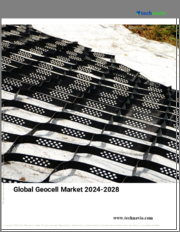
셀룰러 감금 시스템은 틈새 지반 공학 솔루션에서 현대 인프라의 복원력과 지속가능성 문제를 해결하는 필수적인 엔지니어링 제품으로 성장했습니다. 3차원 벌집 구조로 설계된 이 시스템은 다양한 환경에서 지반을 안정시키고, 하중 분산을 개선하며, 침식으로부터 보호합니다. 고분자 과학, 설계 최적화 및 시공 방법의 발전으로 해안 보호, 도로 안정화, 경사면 보호 및 하중지지 구조물까지 그 적용 범위가 확대되고 있습니다.
제품 채택 재구성, 재료 혁신, 규제 압력, 진화하는 제공 모델을 포함한 업계의 혁신적인 변화에 대한 결정적 분석
셀룰러 감금(Cellular Confinement) 분야는 기술적, 규제적, 고객 주도적 변화가 수렴하는 단계에 접어들었고, 이러한 변화들이 결합하여 제품 개발 및 도입 방식을 재구성하고 있습니다. 특히 폴리머 배합 및 제조 공정의 소재 혁신으로 내구성과 자외선 저항성이 향상되었을 뿐만 아니라, 운송 및 취급 비용을 절감하는 경량화 제품 구현이 가능해졌습니다. 이러한 재료적 측면의 발전과 함께 조립식 기술도 발전하여 더 큰 규모의 패널화 시스템이 가능해짐에 따라 현장 설치가 빨라지고 품질 관리도 향상되고 있습니다.
최근 관세 조정이 폴리머 시스템의 조달 전략, 공급망 구조 및 조달 리스크 관리에 어떤 실질적인 변화를 가져왔는지 분석
무역 정책 환경의 변화는 셀룰러 감금 시스템의 조달 결정, 제조 거점 배치 및 조달 전략에 직접적인 영향을 미치는 복잡한 요소를 가져왔습니다. 관세 조정은 폴리머 원료 및 조립식 부품의 선적 비용에 영향을 미치고, 제조업체와 사양 결정자는 공급업체 선택, 재고 전략 및 장기 공급업체와의 계약을 재검토해야 합니다. 이에 따라 여러 이해관계자들은 관세 변동과 물류 혼란으로 인한 리스크를 줄이기 위해 니어쇼어링과 공급망 다변화로 전환하고 있습니다.
재료 선택, 설치 방법, 용도별 조달 요인을 구매자의 우선순위 및 제품 포지셔닝과 연계한 상세한 세분화 인사이트
의미 있는 세분화를 통해 셀룰러 감금 생태계 전체에서 기술적, 상업적 차별화가 발생하는 지점을 명확히 파악할 수 있습니다. 재료의 유형에 따라 제품 선택은 강성, 내화학성 및 비용의 균형을 고려하여 고밀도 폴리에틸렌, 폴리프로필렌, 폴리염화비닐 사이에서 종종 흔들립니다. 설계팀은 이러한 특성을 예상 노출 조건과 비교하여 최적의 폴리머를 결정합니다. 설치 유형에 따라 시장은 현장 시공과 조립식 패널로 구분됩니다. 접근성, 인력 확보, 일정 등 프로젝트 제약 조건이 권장되는 방식을 결정합니다. 조립식 패널은 현장의 노동력과 가변성을 줄이고, 현장 시공 시스템은 불규칙한 형상에 대한 적응성을 제공합니다.
인프라 우선순위, 규제 압력 및 현지 제조가 세계 시장에서의 도입 및 공급망 결정에 어떤 영향을 미치는지 보여주는 종합적인 지역 분석
지역별 동향은 셀룰러 감금 기술에 대한 수요 패턴, 규제 기대치, 공급망 선택에 영향을 미치고 있습니다. 북미와 남미에서는 인프라 업데이트 프로그램, 재해에 강한 해안 지역과 교통 회랑에 대한 집중적인 투자가 신속히 배치되고 유지보수가 용이한 솔루션에 대한 수요를 주도하고 있습니다. 북미의 조달 프레임워크는 기술 검증, 보증 조건 및 계약자 인증에 중점을 두고 있으며, 이를 통해 공급업체는 사양 요구 사항을 충족하기 위해 현지 제조 및 기술 지원에 대한 투자를 촉진하고 있습니다.
소재 혁신, 현지 생산, 고부가가치 엔지니어링 서비스를 통해 제조업체와 서비스 제공업체가 어떻게 차별화를 꾀하고 있는지에 대한 전략적 경쟁 환경 개요
셀룰러 감금 생태계의 주요 기업들은 기술, 제조 거점, 서비스 제공을 통해 차별화를 꾀하고 있습니다. 주요 제조업체들은 설치 시간을 단축하고 현장 성능을 향상시키기 위해 첨단 폴리머 배합, 강화된 피팅 및 접합 기술, 독자적인 패널화 공정에 투자하고 있습니다. 이러한 기술적 투자는 가속 열화 시험, 자외선 노출 시험, 장기 하중 시험과 같은 확장된 시험 능력으로 보완되며, 이는 제품 보증의 기초가 되고 조달 시 기술 주장을 뒷받침합니다.
제조업체, 시공업체 및 사양 수립자를 위한 탄력성, 경쟁력 및 고객 가치 제공을 강화할 수 있는 실용적이고 실행 가능한 전략적 제안
업계 리더는 성장 기회를 포착하고 실행 위험을 줄이기 위해 제품 성능, 공급망 탄력성, 고객 참여를 다루는 다각적인 전략을 채택해야 합니다. 첫째, 내구성과 시공성을 실증적으로 향상시키는 재료 및 설계에 대한 투자를 우선시해야 합니다. 첨단 폴리머 배합 및 피팅 기술에 대한 투자는 수명주기 동안 유지보수 및 설치 시간을 실질적으로 단축하고, 결과적으로 조달 경쟁력을 향상시킬 수 있습니다. 둘째, 니어쇼어링, 분산형 제조, 품질에 대한 대응력과 통제력을 유지하기 위한 선택적 수직통합 등 관세와 운송 리스크를 줄일 수 있는 제조 및 물류 전략을 추구해야 합니다.
1차 인터뷰, 기술적 검증 및 이해관계자 확인을 결합한 투명하고 엄격한 조사 방법을 통해 실용적이고 신뢰할 수 있는 조사 결과를 보장합니다.
본 보고서의 기초가 되는 조사는 업계 종사자를 대상으로 한 1차 조사와 엄격한 2차 기술 분석을 통합한 것입니다. 1차 정보에는 제품 엔지니어, 조달 책임자, 시공업체에 대한 구조화된 인터뷰를 통해 시공성 문제, 사양 결정 요인, 공급망 동향에 대한 현장 수준의 인사이트를 제공합니다. 이러한 정성적 정보는 실험실 테스트 프로토콜 및 제3자 인증 데이터에서 얻은 기술적 성능에 대한 관찰 결과를 맥락화하고 검증하는 데 활용되었습니다.
성과, 공급망, 규제 영향을 통합한 간결한 결론을 통해 가치사슬 전반의 이해관계자들의 전략적 의사결정을 유도합니다.
전반적으로, 셀룰러 감금 시스템은 기존의 많은 대안에 비해 환경적 부담을 줄이면서 비용 효율적인 지반 안정화, 침식 방지 및 하중 지지를 실현할 수 있기 때문에 현대 인프라 전략에서 매우 중요한 역할을 하고 있습니다. 고분자 화학, 패널화 및 연결 시스템의 기술 발전으로 인해 토목, 교통, 해안 및 산업 프로젝트의 광범위한 분야에서 이러한 제품의 신뢰성과 적용성이 향상되었습니다. 동시에, 지속가능성과 수명주기 성능에 대한 규제적 강조와 무역 정책의 변화로 인해 제조업체와 사양 개발자들은 조달, 생산 및 상업적 전략을 재평가해야 하는 상황에 직면해 있습니다.
자주 묻는 질문
목차
제1장 서문
제2장 조사 방법
제3장 주요 요약
제4장 시장 개요
제5장 시장 인사이트
제6장 미국 관세의 누적 영향(2025년)
제7장 AI의 누적 영향(2025년)
제8장 셀룰러 감금 시스템 시장 : 소재 유형별
제9장 셀룰러 감금 시스템 시장 : 설치 유형별
제10장 셀룰러 감금 시스템 시장 : 용도별
제11장 셀룰러 감금 시스템 시장 : 최종 이용 산업별
제12장 셀룰러 감금 시스템 시장 : 지역별
제13장 셀룰러 감금 시스템 시장 : 그룹별
제14장 셀룰러 감금 시스템 시장 : 국가별
제15장 미국의 셀룰러 감금 시스템 시장
제16장 중국의 셀룰러 감금 시스템 시장
제17장 경쟁 구도
KTH 26.05.04The Cellular Confinement Systems Market was valued at USD 1.49 billion in 2025 and is projected to grow to USD 1.71 billion in 2026, with a CAGR of 16.35%, reaching USD 4.30 billion by 2032.
| KEY MARKET STATISTICS | |
|---|---|
| Base Year [2025] | USD 1.49 billion |
| Estimated Year [2026] | USD 1.71 billion |
| Forecast Year [2032] | USD 4.30 billion |
| CAGR (%) | 16.35% |
A concise technical introduction to modern cellular confinement systems focusing on materials evolution, performance expectations, and procurement priorities
Cellular confinement systems have matured from niche geotechnical solutions into essential engineered products that address contemporary infrastructure resilience and sustainability challenges. Engineered as three-dimensional honeycomb structures, these systems stabilize soils, improve load distribution, and protect against erosion in diverse environments. Advances in polymer science, design optimization, and installation practices have broadened their applicability across coastal defense, roadway stabilization, slope protection, and load-supporting structures.
Practitioner priorities have shifted toward holistic performance criteria that marry durability with environmental compatibility. Designers and specifiers now expect predictable mechanical behavior under cyclical loads, long-term resistance to UV and chemical degradation, and traceable material provenance to support lifecycle assessments. Meanwhile, procurement teams increasingly weigh lifecycle costs, constructability, and the potential for modular prefabrication against traditional granular or concrete-based approaches.
Technology integration remains a differentiator. Improvements in geocell geometry, seam technologies, and connection systems have reduced installation time and expanded the feasible range of site conditions. Concurrently, suppliers and contractors face heightened scrutiny over supply chain transparency and regulatory compliance, particularly in regions with stringent environmental standards. As a result, decision-makers need concise, technically robust guidance that clarifies trade-offs among material selections, installation methodologies, and application-specific performance outcomes.
The remainder of this executive summary contextualizes these dynamics, highlighting sectoral shifts, policy influences, segmentation-driven insights, and actionable recommendations for organizations seeking to optimize deployment of cellular confinement products across complex project portfolios.
Definitive analysis of transformative industry shifts including material innovation, regulatory pressures, and evolving delivery models that are reshaping product adoption
The cellular confinement landscape has entered a phase defined by converging technological, regulatory, and client-driven shifts that together are reshaping product development and deployment. Material innovation, particularly in polymer formulations and manufacturing processes, has improved longevity and UV resistance, while also enabling lighter products that reduce transport and handling costs. These material gains have been matched by advances in prefabrication techniques, allowing for larger panelized systems that accelerate field installation and improve quality control.
Regulatory trajectories are also altering market behavior. Heightened emphasis on environmental impact and carbon accounting encourages substitution of heavy civil materials with lower-embodied-carbon alternatives. As governments and major clients increasingly require demonstrable lifecycle assessments, manufacturers are adapting by providing material data and end-of-life management strategies that align with circular economy principles. This regulatory pressure coincides with client demand for resilient infrastructure capable of withstanding more frequent extreme weather events, prompting a shift from purely cost-driven specifications to durability- and performance-centric procurement.
On the delivery side, contracting models and construction practices have evolved. Integrated project delivery and design-build approaches favor solutions that minimize on-site complexity and shorten schedules, creating a preference for prefabricated panels and modular systems. At the same time, digital tools for design and site modeling allow engineers to optimize geocell geometry relative to loading scenarios, reducing material waste and improving predictability of performance. These combined shifts are compelling manufacturers, contractors, and specifiers to realign R&D and commercial strategies toward higher-performance, lower-risk value propositions.
Taken together, these transformative shifts elevate the importance of technical validation, documented durability, and supply chain transparency. Firms that proactively demonstrate these attributes will be better positioned to capture opportunities where performance, sustainability, and constructability converge.
Analysis of how recent tariff adjustments have materially altered sourcing strategies, supply chain structures, and procurement risk management for polymer-based systems
The trade policy environment has introduced a layer of complexity that directly affects sourcing decisions, manufacturing footprints, and procurement strategies for cellular confinement systems. Tariff adjustments influence the landed cost of polymer raw materials and prefabricated components, prompting manufacturers and specifiers to reassess vendor selection, inventory strategies, and long-term supplier commitments. In response, several stakeholders have shifted toward nearshoring and diversified supplier networks to mitigate exposure to tariff volatility and logistical disruptions.
Because manufacturers rely on polymers such as high density polyethylene, polypropylene, and polyvinyl chloride, changes in import duties can alter the relative attractiveness of particular material formulations. Procurement teams respond by engaging in more granular cost analyses and by negotiating longer-term contracts with material suppliers to insulate projects from abrupt cost swings. Simultaneously, engineering firms and owners increasingly prioritize design flexibility that allows substitution among compatible materials without compromising performance or warranty coverage.
Tariff-driven dynamics also accelerate investments in domestic processing and fabrication capacity. By establishing local extrusion and panel assembly capabilities, producers reduce cross-border exposure while improving delivery lead times and responsiveness to specification changes. This shift can yield benefits beyond tariff avoidance, including tighter quality control and improved coordination between design and manufacturing. However, it also requires upfront capital investment and access to qualified labor, which some firms address through joint ventures and contractual partnerships with established local fabricators.
Finally, procurement strategies are becoming more sophisticated: organizations are layering contractual protections, indexation clauses, and hedging mechanisms into supplier agreements to better manage input-cost risk. For project owners, these adjustments translate into clearer visibility on risk allocation and more resilient supply chains, enabling continuity of construction even as the trade landscape evolves.
In-depth segmentation insights linking material choices, installation approaches, and application-specific procurement drivers to buyer priorities and product positioning
Meaningful segmentation clarifies where technical and commercial differentiation occurs across the cellular confinement ecosystem. Based on material type, product selection often pivots among high density polyethylene, polypropylene, and polyvinyl chloride to balance stiffness, chemical resistance, and cost considerations; design teams weigh these properties against expected exposure conditions to determine the most suitable polymer. Based on installation type, the market differentiates between in situ fabrication and prefabricated panels, with project constraints such as access, labor availability, and schedule dictating the preferred approach; prefabricated panels reduce on-site labor and variability, while in situ systems offer adaptability to irregular geometries.
Application-driven segmentation further refines specification decisions. For coastal protection, corrosion and UV resistance alongside proven wave-energy tolerance govern material choice and reinforcement strategy, whereas load support applications prioritize compressive strength and long-term creep behavior. Retaining structures and roadway stabilization demand predictable lateral confinement and interlock with infill materials, and slope erosion protection requires a balance between flexibility and anchorage solutions to accommodate differential movement. Based on end use industry, adoption follows distinct purchasing logics: agriculture favors cost-effective, easy-to-install systems with minimal maintenance; civil construction emphasizes performance guarantees and compatibility with other infrastructure elements; mining places a premium on abrasion resistance and high-load performance; municipal infrastructure procurement focuses on longevity and lifecycle costs; transportation applications demand rigorous certification for load-bearing and safety compliance.
Understanding these segmentation vectors together enables more nuanced product positioning. For instance, a prefabricated panel composed of a polymer blend engineered for UV and chemical resistance will appeal to coastal infrastructure teams seeking rapid installation, while an in situ high-density polyethylene configuration may better serve constrained rural roadway projects where on-site adaptability is essential. By mapping material properties, installation methodologies, application requirements, and end-use procurement drivers, manufacturers and specifiers can align product roadmaps and tender responses with the distinct needs of each buyer cohort.
Comprehensive regional analysis showing how infrastructure priorities, regulatory pressures, and local manufacturing shape adoption and supply chain decisions across global markets
Regional dynamics shape demand patterns, regulatory expectations, and supply chain choices for cellular confinement technologies. In the Americas, infrastructure renewal programs and a focus on resilient coastal and transportation corridors drive demand for solutions that can be rapidly deployed and easily maintained. North American procurement frameworks place emphasis on technical validation, warranty terms, and contractor certification, which encourages suppliers to invest in localized fabrication and technical support to meet specification requirements.
Europe, Middle East & Africa exhibits a varied landscape where stringent environmental regulations and growing interest in circular economy practices influence material selection and product stewardship. In many European jurisdictions, lifecycle assessments and carbon considerations are central to procurement decisions, incentivizing manufacturers to provide detailed environmental product declarations and end-of-life strategies. In the Middle East and Africa, rapid urbanization and large-scale infrastructure programs create opportunities for high-performance systems capable of withstanding extreme climatic conditions, with procurement often coordinated through international contractors and multilateral-funded projects.
Asia-Pacific is characterized by a mix of high-volume infrastructure spending and localized manufacturing capacity. Rapid expansion of transportation networks and coastal protection initiatives in several countries drives strong demand for materials with predictable performance under heavy loading and saline environments. Concurrently, the region's mature polymer industry supports an extensive downstream fabrication base, enabling competitive pricing and shorter lead times for prefabricated solutions. Across all regions, local content requirements, regulatory compliance, and the availability of technical services remain influential factors that determine which suppliers can successfully serve large-scale and high-risk projects.
Strategic competitive overview of how manufacturers and service providers differentiate through material innovation, localized production, and value-added engineering services
Key players in the cellular confinement ecosystem are differentiating through technology, manufacturing footprint, and service offerings. Leading manufacturers are investing in advanced polymer formulations, enhanced seam and joining technologies, and proprietary panelization processes that reduce installation time and improve in-field performance. These technical investments are complemented by expanded testing capabilities, including accelerated aging, UV exposure, and long-term load testing, which underpin product warranties and support technical claims during procurement.
Strategic partnerships and vertical integration are common approaches for firms seeking to control quality and delivery. Some suppliers have established downstream fabrication and assembly operations closer to major markets to shorten lead times and reduce tariff exposure, while others form alliances with civil contractors and engineering firms to embed their solutions within design-build project pipelines. This collaboration model facilitates earlier technical engagement, allowing refinements in geometry and connection details that improve constructability.
Additionally, companies that support clients with engineering services, installation training, and post-installation monitoring position themselves as solutions providers rather than commodity vendors. Investment in digital tools, such as layout optimization software and installation guidance platforms, enhances value propositions by reducing on-site errors and accelerating project timelines. As competition intensifies, market leaders differentiate through demonstrable performance data, comprehensive service bundles, and the ability to deliver consistent quality across geographies.
Practical and actionable strategic recommendations for manufacturers, contractors, and specifiers to enhance resilience, competitiveness, and client value delivery
Industry leaders should adopt a multi-pronged strategy that addresses product performance, supply chain resilience, and client engagement to capture growth opportunities and reduce execution risk. First, prioritize material and design investments that demonstrably enhance durability and constructability; investments in advanced polymer formulations and seam technologies can deliver tangible reductions in lifecycle maintenance and installation time, which in turn improve procurement competitiveness. Second, pursue manufacturing and logistics strategies that mitigate tariff and transportation risk, including nearshoring, distributed fabrication, and selective vertical integration to maintain responsiveness and control over quality.
Third, deepen technical support offerings to become preferred partners for engineering firms and contractors. Providing predictive performance data, installation training, and certification programs increases sticky demand and reduces the likelihood of specification substitution. Fourth, embed environmental and circularity credentials into product narratives. By producing robust lifecycle assessments and end-of-life pathways, suppliers can align with procurement frameworks that increasingly emphasize sustainability and regulatory compliance.
Finally, refine commercial agreements to allocate risk effectively. Use indexation clauses, material pass-through mechanisms, and collaborative contracting models to share input-cost volatility with project owners while preserving margin stability. Executing on these recommendations requires coordinated investment across R&D, operations, and commercial teams, but the combined effect will strengthen market positioning and reduce vulnerability to macroeconomic and policy shocks.
Transparent and rigorous research methodology combining primary interviews, technical validation, and stakeholder verification to ensure actionable and credible insights
The research underpinning this executive summary synthesizes primary engagement with industry practitioners and rigorous secondary technical analysis. Primary inputs include structured interviews with product engineers, procurement leads, and installation contractors, providing ground-level insights into constructability challenges, specification drivers, and supply chain behaviors. These qualitative inputs were used to contextualize and validate technical performance observations obtained from laboratory testing protocols and third-party certification data.
Secondary analysis encompassed a review of material science literature, regulatory frameworks, and construction practice standards to ensure technical claims align with accepted engineering principles. Where available, case studies of recent projects were analyzed to draw lessons on deployment tactics, failure modes, and maintenance regimes. Data triangulation was applied to reconcile discrepancies among sources, and sensitivity checks were conducted to evaluate the robustness of conclusions across different operating environments.
The methodology also incorporated stakeholder validation rounds, in which preliminary findings were reviewed with industry experts to refine interpretations and surface additional considerations related to installation logistics and contractual risk. Limitations are acknowledged: while efforts were made to capture a broad cross-section of geographies and applications, site-specific conditions and proprietary design factors can materially influence outcomes. The research therefore emphasizes transferable principles and decision frameworks rather than prescriptive, one-size-fits-all solutions.
Concise conclusion synthesizing performance, supply chain, and regulatory implications to guide strategic decisions for stakeholders across the value chain
In aggregate, cellular confinement systems occupy a pivotal role in modern infrastructure strategies due to their ability to deliver cost-effective soil stabilization, erosion control, and load support with reduced environmental footprint compared with many traditional alternatives. Technical advancements in polymer chemistry, panelization, and connection systems have increased the reliability and applicability of these products across a widening range of civil, transportation, coastal, and industrial projects. At the same time, regulatory emphasis on sustainability and lifecycle performance, along with trade-policy dynamics, is prompting manufacturers and specifiers to re-evaluate sourcing, production, and commercial strategies.
Success in this evolving environment will favor firms that can blend robust technical validation with adaptable supply chains and value-added services. Organizations that invest in localized fabrication, demonstrable environmental credentials, and integrated engineering support will be best positioned to meet increasingly stringent procurement requirements and to reduce executional risk. For owners and engineers, prioritizing solutions with clear performance data and maintainable life-cycle pathways will minimize long-term cost and operational disruptions.
This conclusion underscores a clear imperative: stakeholders must coordinate technical specification, supply chain design, and contractual frameworks to fully realize the benefits of cellular confinement systems while managing the operational and policy-related risks that characterize current market conditions.
Table of Contents
1. Preface
- 1.1. Objectives of the Study
- 1.2. Market Definition
- 1.3. Market Segmentation & Coverage
- 1.4. Years Considered for the Study
- 1.5. Currency Considered for the Study
- 1.6. Language Considered for the Study
- 1.7. Key Stakeholders
2. Research Methodology
- 2.1. Introduction
- 2.2. Research Design
- 2.2.1. Primary Research
- 2.2.2. Secondary Research
- 2.3. Research Framework
- 2.3.1. Qualitative Analysis
- 2.3.2. Quantitative Analysis
- 2.4. Market Size Estimation
- 2.4.1. Top-Down Approach
- 2.4.2. Bottom-Up Approach
- 2.5. Data Triangulation
- 2.6. Research Outcomes
- 2.7. Research Assumptions
- 2.8. Research Limitations
3. Executive Summary
- 3.1. Introduction
- 3.2. CXO Perspective
- 3.3. Market Size & Growth Trends
- 3.4. Market Share Analysis, 2025
- 3.5. FPNV Positioning Matrix, 2025
- 3.6. New Revenue Opportunities
- 3.7. Next-Generation Business Models
- 3.8. Industry Roadmap
4. Market Overview
- 4.1. Introduction
- 4.2. Industry Ecosystem & Value Chain Analysis
- 4.2.1. Supply-Side Analysis
- 4.2.2. Demand-Side Analysis
- 4.2.3. Stakeholder Analysis
- 4.3. Porter's Five Forces Analysis
- 4.4. PESTLE Analysis
- 4.5. Market Outlook
- 4.5.1. Near-Term Market Outlook (0-2 Years)
- 4.5.2. Medium-Term Market Outlook (3-5 Years)
- 4.5.3. Long-Term Market Outlook (5-10 Years)
- 4.6. Go-to-Market Strategy
5. Market Insights
- 5.1. Consumer Insights & End-User Perspective
- 5.2. Consumer Experience Benchmarking
- 5.3. Opportunity Mapping
- 5.4. Distribution Channel Analysis
- 5.5. Pricing Trend Analysis
- 5.6. Regulatory Compliance & Standards Framework
- 5.7. ESG & Sustainability Analysis
- 5.8. Disruption & Risk Scenarios
- 5.9. Return on Investment & Cost-Benefit Analysis
6. Cumulative Impact of United States Tariffs 2025
7. Cumulative Impact of Artificial Intelligence 2025
8. Cellular Confinement Systems Market, by Material Type
- 8.1. High Density Polyethylene
- 8.2. Polypropylene
- 8.3. Polyvinyl Chloride
9. Cellular Confinement Systems Market, by Installation Type
- 9.1. In Situ Fabrication
- 9.2. Prefabricated Panels
10. Cellular Confinement Systems Market, by Application
- 10.1. Coastal Protection
- 10.2. Load Support
- 10.3. Retaining Structures
- 10.4. Roadway Stabilization
- 10.5. Slope Erosion Protection
11. Cellular Confinement Systems Market, by End Use Industry
- 11.1. Agriculture
- 11.2. Civil Construction
- 11.3. Mining
- 11.4. Municipal Infrastructure
- 11.5. Transportation
12. Cellular Confinement Systems Market, by Region
- 12.1. Americas
- 12.1.1. North America
- 12.1.2. Latin America
- 12.2. Europe, Middle East & Africa
- 12.2.1. Europe
- 12.2.2. Middle East
- 12.2.3. Africa
- 12.3. Asia-Pacific
13. Cellular Confinement Systems Market, by Group
- 13.1. ASEAN
- 13.2. GCC
- 13.3. European Union
- 13.4. BRICS
- 13.5. G7
- 13.6. NATO
14. Cellular Confinement Systems Market, by Country
- 14.1. United States
- 14.2. Canada
- 14.3. Mexico
- 14.4. Brazil
- 14.5. United Kingdom
- 14.6. Germany
- 14.7. France
- 14.8. Russia
- 14.9. Italy
- 14.10. Spain
- 14.11. China
- 14.12. India
- 14.13. Japan
- 14.14. Australia
- 14.15. South Korea
15. United States Cellular Confinement Systems Market
16. China Cellular Confinement Systems Market
17. Competitive Landscape
- 17.1. Market Concentration Analysis, 2025
- 17.1.1. Concentration Ratio (CR)
- 17.1.2. Herfindahl Hirschman Index (HHI)
- 17.2. Recent Developments & Impact Analysis, 2025
- 17.3. Product Portfolio Analysis, 2025
- 17.4. Benchmarking Analysis, 2025
- 17.5. ABG Geosynthetics Ltd
- 17.6. ACE Geosynthetics Enterprise Co., Ltd
- 17.7. Armtec LP
- 17.8. BOSTD Geosynthetics Qingdao Ltd
- 17.9. Carthage Mills, Inc.
- 17.10. Feicheng Lianyi Engineering Plastics Co., Ltd
- 17.11. Genuit Group PLC
- 17.12. GEO Cell Systems Inc.
- 17.13. GEO Products, LLC
- 17.14. Greenfix Soil Stabilisation & Erosion Control Ltd
- 17.15. HUESKER Synthetic GmbH
- 17.16. Huifeng Geosynthetics
- 17.17. Maccaferri S.p.A.
- 17.18. Polyfabrics Australasia Pty Ltd
- 17.19. Presto Products Company
- 17.20. PRS Geo-Technologies Ltd
- 17.21. Strata Systems, Inc.
- 17.22. Taian Modern Plastic Co., Ltd
- 17.23. TechFab India Industries Ltd
- 17.24. TenCate Geosynthetics
- 17.25. Tensar International Corporation
- 17.26. Terram Geosynthetics Pvt Ltd
- 17.27. TMP Geosynthetics
- 17.28. Wrekin Products Ltd
- 17.29. Yixing Shenzhou Earthwork Material Co., Ltd