|
시장보고서
상품코드
2015038
모노에틸렌글리콜 시장 : 순도, 용도, 최종 이용 산업, 유통 채널별 - 세계 예측(2026-2032년)Monoethylene Glycol Market by Purity, Application, End Use Industry, Distribution Channel - Global Forecast 2026-2032 |
||||||
 360iResearch
모노에틸렌글리콜 시장은 2025년에 234억 6,000만 달러로 평가되었습니다. 2026년에는 244억 2,000만 달러로 성장하고 CAGR 4.59%를 나타내, 2032년까지 321억 3,000만 달러에 이를 것으로 예측됩니다.
| 주요 시장 통계 | |
|---|---|
| 기준 연도(2025년) | 234억 6,000만 달러 |
| 추정 연도(2026년) | 244억 2,000만 달러 |
| 예측 연도(2032년) | 321억 3,000만 달러 |
| CAGR(%) | 4.59% |
산업 가치사슬 전반에서 모노에틸렌글리콜의 전략적 역할과 생산 및 품질에 대한 우선순위의 변화가 공급업체와의 관계를 어떻게 재구성하고 있는지 이해합니다.
모노에틸렌글리콜은 폴리에스테르 생산, 열전달 및 제설제 배합의 주요 원료로 사용되며, 광범위한 산업적 용도를 가진 기초 화학 중간체입니다. 동결 방지, 용매와의 상용성, 중합성 등 이 물질의 성능 특성으로 인해 자동차, 섬유, 포장, 산업용 가스 처리 등 다양한 산업에서 필수적인 존재가 되고 있습니다. 지난 10년간 모노에틸렌글리콜 공급망은 수직적 통합, 에틸렌 생산업체와의 원료 협력 강화, 특수한 최종 용도를 위한 제품 순도 및 기능성에 대한 강조로 진화해 왔습니다. 이러한 진화는 수요 동향의 변화, 다운스트림 폴리머 가공에 영향을 미치는 규제 프레임워크, 그리고 보다 지속 가능한 생산 경로에 대한 요구로 인해 추진되었습니다.
기술 혁신, 지속가능성에 대한 요구, 그리고 공급망 복원력이 어떻게 융합되어 모노에틸렌글리콜 분야의 경쟁 우위를 재구축하고 있는지 살펴봅니다.
모노에틸렌글리콜 산업은 비용 구조와 경쟁 우위를 재정의하는 기술적, 규제적, 시장적 요인으로 인해 혁신적인 변화를 겪고 있습니다. 저탄소 공정 기술의 발전과 바이오 원료의 부상으로 지속가능성은 단순한 마케팅 문구에서 사업 운영의 우선순위로 전환되고 있으며, 탈탄소화 및 순환 경제를 위한 자본 배분을 촉진하고 있습니다. 동시에 재활용과 화학물질 회수에 대한 관심이 높아지면서 재생 폴리에스터 제조 및 폐쇄 루프 가공에 대응하는 특수한 등급 수요가 생겨나고 있습니다.
관세 체계 및 무역 동향의 변화가 모노에틸렌글리콜의 조달 및 유통 전략에 미치는 연쇄적인 비즈니스 및 상업적 영향을 평가합니다.
최근 관세 조치와 무역 정책 조정의 누적된 영향으로 모노에틸렌글리콜 공급망은 복잡해지고 있으며, 공급망 전반의 원자재 조달, 계약 조건, 가격 동향에 영향을 미치고 있습니다. 관세 변경으로 인해, 기업들은 저비용으로 인한 화물 가격 하락과 정책 변동에 대한 노출을 평가하면서 조달 경로를 재검토할 필요가 있습니다. 경우에 따라 관세로 인해 특정 수입 경로의 경쟁력이 떨어지고, 구매자는 공급을 안정화하고 국경 조정의 영향을 줄이기 위해 니어소싱 전략을 가속화하거나 장기 공급 계약을 재협상하여 공급을 안정화하고 국경 조정의 영향을 줄이도록 촉구하고 있습니다.
용도, 산업용도, 순도 등급, 유통 채널의 세분화가 어떻게 모노에틸렌글리콜의 밸류체인 전반에 걸쳐 서로 다른 수요 프로파일과 상업적 요구를 만들어내는지 알아봅니다.
세분화 기반 분석은 용도, 최종 사용 산업, 순도 등급, 유통 채널에 따라 수요 견인 요인과 수익률 프로파일이 어떻게 크게 달라지는지 보여줍니다. 용도별로는 부동액 및 냉각수, 제설제, 산업용 유체, 폴리에틸렌 테레프탈레이트(PET) 필름 및 시트, 폴리에스테르 섬유 등의 용도에 따라 수요가 형성되고 있으며, 각 용도 부문은 각기 다른 성능 특성과 서비스 수준을 필요로 합니다. 특히, 자동차 및 산업용 냉각수 배합에는 열 안정성과 첨가제와의 적합성이 요구되지만, 활주로 및 도로 제빙 용도에서는 동결 방지 성능과 환경 적합성이 우선시됩니다. PET 필름 및 시트의 경우, 이축연신 필름과 비연신 시트의 차이는 수지의 사양과 다운스트림 공정의 가공 조건에 영향을 미칩니다. 마찬가지로, 필라멘트 섬유와 스테이플 섬유의 각 분야는 서로 다른 분자량 분포와 마감 요구 사항이 필요합니다.
원료 접근성, 규제 프레임워크 및 다운스트림 산업의 강점이 전 세계 모노에틸렌글리콜 시장 동향을 어떻게 좌우하고 있는지 비교해보십시오.
지역별 동향은 모노에틸렌글리콜의 수급 패턴을 형성하고 있으며, 지역별로 원료 접근성, 생산 능력, 규제 환경 및 최종 시장 강도가 다릅니다. 미주 지역에서는 풍부한 탄화수소 자원과 잘 정비된 물류 네트워크를 통해 에틸렌 원료에 대한 접근성이 비용 경쟁력 있는 생산 및 수출 능력을 뒷받침하고 있으며, 포장 및 운송 부문의 다운스트림 수요는 안정적인 소비를 유지하고 있습니다. 전환기의 우선순위는 사용한 폴리에스테르 섬유 및 포장재에 대한 대응을 위한 재활용 인프라 및 제품 관리에 대한 투자입니다.
모노에틸렌글리콜 분야에서 경쟁 우위를 확보하기 위해 수직적 통합, 지속가능성 투자, 서비스 차별화를 결합한 주요 생산업체들의 전략적 움직임을 파악합니다.
모노에틸렌글리콜 생태계의 주요 기업들은 경쟁력과 장기적인 생존 가능성에 영향을 미치는 몇 가지 전략적 측면에서 차별화를 추구하고 있습니다. 수직 통합은 여전히 핵심 전략으로, 각 회사는 에틸렌 생산 및 정유소 사업을 다운스트림 글리콜 및 PTA/PET 자산과 연결하여 수익률을 보장하고 안정적인 원료 공급을 보장하고 있습니다. 이러한 통합은 에너지 사용과 물류의 협력적 최적화를 촉진합니다. 또 하나의 뚜렷한 트렌드는 지속가능성에 대한 노력의 추구입니다. 주요 제조업체들은 저탄소 생산 기술에 대한 투자, 실현 가능한 범위 내에서 재생 가능한 원료의 채택, 그리고 폴리에스테르 제조업체에 재활용 소재 함유 등급을 공급하기 위한 화학적 재활용 제휴를 시범적으로 도입하고 있습니다.
원료 통합, 지속가능성에 대한 투자, 유연한 상업 모델, 고급 분석을 결합한 실용적인 전략을 채택하고, 탄력성을 강화하여 성장을 포착합니다.
업계 선두 기업들은 변화하는 수요 추세에 따라 시장 지위를 강화하고, 사업 리스크를 줄이며, 가치를 창출하기 위해 일련의 목표 지향적인 조치를 취할 수 있습니다. 첫째, 원자재 조달과 다운스트림 파트너십의 통합을 우선시함으로써 원자재 가격 변동 위험을 줄이고 사업적 시너지를 창출할 수 있습니다. 둘째, 저탄소 공정 기술, 화학물질 재활용 및 바이오 원료에 대한 파트너십을 포함한 지속가능성 이니셔티브에 투자하는 것은 고객의 요구사항과 규제 당국의 기대에 부응하는 동시에 차별화된 제품 부문을 개척하는 데 도움이 될 것입니다.
1차 인터뷰, 기술 협의, 데이터 삼각 검증, 시나리오 분석을 결합한 엄격한 혼합 연구 프레임워크를 기반으로 검증된 시장 인사이트를 제공합니다.
본 분석의 기반이 되는 조사 방법은 구조화된 1차 설문조사와 2차 설문조사를 결합하여 견고하고 삼각 검증을 거친 인사이트를 확보하는 것입니다. 1차 조사에서는 생산자, 가공업체, 유통업체, 최종 사용자 등 가치사슬 전반의 업계 관계자를 대상으로 심층 인터뷰를 실시하여 수요 견인 요인, 품질 요구 사항 및 비즈니스 관행에 대한 일선 현장의 관점을 파악했습니다. 이를 보완하기 위해 공정 엔지니어 및 연구 개발(R& : D) 리더와 기술 협의를 통해 생산 기술, 순도 사양 및 재활용 호환성에 대한 명확성을 확보했습니다.
모노에틸렌글리콜 시장 구조의 변화 속에서 품질 차별화, 공급 탄력성, 지속가능성 대책이 누가 가치를 획득할 것인가를 결정하는 메커니즘을 통합적으로 분석합니다.
결론적으로, 모노에틸렌글리콜은 여전히 전략적으로 중요한 중간체이며, 시장 역학은 기술적 요구 사항, 지역별 공급 우위, 그리고 진화하는 지속가능성에 대한 기대에 의해 형성되고 있습니다. 용도별 니즈와 무역 정책 및 탈탄소화와 같은 보다 광범위한 거시적 요인과의 상호작용이 공급업체 선정 기준과 가치 창출 기회를 재정의하고 있습니다. 통합적인 원료 전략을 추구하고, 제품 품질 차별화에 투자하고, 유연한 상업 모델을 채택하는 기업은 단기적인 혼란과 장기적인 구조적 변화를 극복하는 데 있어 더 유리한 위치에 서게 될 것입니다.
자주 묻는 질문
목차
제1장 서문
제2장 조사 방법
제3장 주요 요약
제4장 시장 개요
제5장 시장 인사이트
제6장 미국의 관세 누적 영향(2025년)
제7장 AI의 누적 영향(2025년)
제8장 모노에틸렌글리콜 시장 : 순도별
제9장 모노에틸렌글리콜 시장 : 용도별
제10장 모노에틸렌글리콜 시장 : 최종 이용 산업별
제11장 모노에틸렌글리콜 시장 : 유통 채널별
제12장 모노에틸렌글리콜 시장 : 지역별
제13장 모노에틸렌글리콜 시장 : 그룹별
제14장 모노에틸렌글리콜 시장 : 국가별
제15장 미국의 모노에틸렌글리콜 시장
제16장 중국의 모노에틸렌글리콜 시장
제17장 경쟁 구도
KTH 26.05.04The Monoethylene Glycol Market was valued at USD 23.46 billion in 2025 and is projected to grow to USD 24.42 billion in 2026, with a CAGR of 4.59%, reaching USD 32.13 billion by 2032.
| KEY MARKET STATISTICS | |
|---|---|
| Base Year [2025] | USD 23.46 billion |
| Estimated Year [2026] | USD 24.42 billion |
| Forecast Year [2032] | USD 32.13 billion |
| CAGR (%) | 4.59% |
Understand the strategic role of monoethylene glycol across industrial value chains and how evolving production and quality priorities reshape supplier relationships
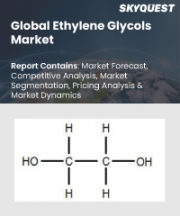
Monoethylene glycol is a foundational chemical intermediate with widespread industrial applications, serving as a key raw material in polyester production, heat-transfer fluids, and deicing formulations. The substance's performance characteristics, such as freeze protection, solvent compatibility, and polymerization readiness, make it integral to industries ranging from automotive and textiles to packaging and industrial gas processing. Over the past decade, the supply chain for monoethylene glycol has evolved toward greater vertical integration, closer feedstock linkages with ethylene producers, and a heightened emphasis on product purity and functionality for specialized end uses. This evolution has been driven by changing demand profiles, regulatory frameworks that affect downstream polymer processing, and the need for more sustainable production pathways.
Recent innovation has focused both on product differentiation and on reducing the carbon intensity of production. Advances in process optimization, catalyst efficiency, and recycling-compatible grades have improved the ability of manufacturers to address circularity goals while maintaining operational cost-effectiveness. At the same time, customers increasingly prioritize supply reliability and material traceability, prompting producers to invest in traceable supply chains and quality assurance systems. These shifts underscore the growing importance of strategic sourcing, supplier collaboration, and technical service in unlocking long-term value from monoethylene glycol across diverse applications.
Explore how technological innovation, sustainability imperatives, and supply chain resilience converge to reshape competitive advantage in the monoethylene glycol sector
The monoethylene glycol landscape is undergoing transformative shifts driven by technological, regulatory, and market forces that are redefining cost structures and competitive advantage. Advances in low-carbon process technologies and the emergence of bio-based feedstocks are moving sustainability from a marketing claim to an operational priority, prompting capital allocation toward decarbonization and circularity initiatives. Simultaneously, rising attention to recycling and chemical recovery creates demand for specialty grades compatible with recycled polyester manufacturing and closed-loop processing.
On the regulatory front, stricter emissions and product stewardship standards are increasing compliance costs and incentivizing investment in cleaner production. These pressures are compounded by supply chain reorientation as buyers seek resilience through regional sourcing, strategic storage, and diversified supplier portfolios. Technological differentiation is gaining salience; producers that pair reliable feedstock access with advanced purification capabilities can better serve high-purity applications such as pharmaceuticals and cosmetics, while those that optimize integrated PTA and PTA-PET value chains capture downstream margin. As a result, the competitive arena is shifting from price alone to a broader suite of capabilities including sustainability credentials, technical support, and supply continuity.
Assess the cascading operational and commercial consequences of evolving tariff frameworks and trade dynamics on monoethylene glycol sourcing and distribution strategies
The cumulative impact of recent tariff actions and trade policy adjustments has amplified supply chain complexity for monoethylene glycol, affecting raw material sourcing, contractual terms, and pricing dynamics across supply chains. Tariff changes have resulted in the need to reassess sourcing footprints as companies evaluate the trade-offs between lower landed cost and exposure to policy volatility. In some instances, tariffs have made certain import routes less competitive, prompting buyers to accelerate near-sourcing strategies or renegotiate long-term supply agreements to stabilize supply and reduce exposure to border adjustments.
These policy shifts have also influenced commercial behavior: buyers are increasingly seeking flexible contracts, value-added services such as consignment inventory, and collaborative planning with producers to mitigate the risk of cross-border disruptions. For producers, tariffs have highlighted the importance of adaptability in distribution strategies and of local regulatory intelligence to anticipate and respond to policy changes. The ripple effects extend downstream, as converters and brand owners reassess their cost structures and logistics plans. In response, leading stakeholders are investing in scenario planning and tariff-sensitive pricing mechanisms to protect margins while maintaining market access and service levels.
Unpack how application, industry use, purity grade, and distribution channel segmentation create distinct demand profiles and commercial imperatives across the monoethylene glycol value chain
Segmentation-based insights reveal how demand drivers and margin profiles vary significantly across application, end-use industry, purity grade, and distribution channel. When viewed by application, demand is shaped by uses such as antifreeze and coolant, deicing fluids, industrial fluids, polyethylene terephthalate film and sheet, and polyester fiber, with each application segment requiring different performance attributes and service levels. Specifically, automotive and industrial coolant formulations demand thermal stability and additive compatibility, while deicing applications - both airfield and roadway - prioritize freeze protection and environmental acceptability. For PET film and sheet, the differences between biaxially oriented film and unoriented sheet influence resin specifications and downstream processing conditions; likewise, filament and staple fiber streams command distinct molecular weight distributions and finish requirements.
Examining end-use industries clarifies how purchasing patterns diverge across automotive, construction, packaging, and textile sectors. Automotive demand differentiates between aftermarket and OEM channels, where certification, traceability, and technical support are paramount for OEM suppliers. In construction, HVAC and insulation applications place emphasis on thermal performance and long lifecycles, while packaging applications bifurcate into bottle-grade requirements and sheet & film properties optimized for conversion and barrier performance. Textile uses span apparel, home furnishing, and industrial textiles, each with unique dyeing and finishing needs.
Purity segmentation further influences commercial dynamics: industrial grade variants serve bulk industrial processes where cost and availability are critical, whereas USP-grade materials tailored for cosmetic and pharmaceutical use require elevated quality systems, GMP traceability, and documentation to satisfy regulatory and customer specifications. Distribution channel distinctions also drive service expectations, with direct sales relationships favoring long-term contracting and technical collaboration, while distributor networks offer localized reach, flexible order quantities, and value-added logistics services.
Compare how feedstock access, regulatory frameworks, and downstream industrial strengths drive differentiated monoethylene glycol market behaviors across global regions
Regional dynamics shape both supply and demand patterns for monoethylene glycol, with different geographies reflecting divergent feedstock access, manufacturing capacity, regulatory environments, and end-market strength. In the Americas, access to ethylene feedstock from abundant hydrocarbon resources and well-developed logistics networks supports cost-competitive production and export capability, while downstream demand from packaging and transportation sectors sustains steady consumption. Transitioning priorities include investment in recycling infrastructure and product stewardship to address end-of-life polyester textiles and packaging.
In Europe, the Middle East, and Africa, regulatory intensity and sustainability commitments are accelerating the adoption of lower-carbon production methods and recycled content mandates. European converters often emphasize product traceability and compliance with stricter environmental standards, encouraging producers to demonstrate emissions reductions and circularity solutions. The Middle East continues to leverage feedstock advantages to support export-oriented capacity, whereas African demand remains more variable and tied to infrastructure and industrial development trajectories.
Asia-Pacific continues to drive a significant portion of global demand given the concentration of textile, packaging, and polyester fiber manufacturing. Regional growth has spurred investments in integrated upstream and downstream assets, but it has also raised questions about feedstock security and environmental performance. Across all regions, buyers are placing greater emphasis on resilient supply chains, regulatory compliance, and the capacity of suppliers to deliver specialty grades and sustainability credentials that match regional policy and customer requirements.
Identify the strategic moves by leading producers that combine vertical integration, sustainability investments, and service differentiation to secure competitive advantage in the monoethylene glycol sector
Key companies in the monoethylene glycol ecosystem are differentiating along several strategic dimensions that affect competitiveness and long-term viability. Vertical integration remains a central strategy, with firms linking ethylene production or refinery operations to downstream glycol and PTA/PET assets to capture margin and ensure feedstock security. This integration also facilitates coordinated optimization of energy use and logistics. Another clear trend is the pursuit of sustainability credentials: leading producers are investing in lower-carbon production technologies, adopting renewable feedstocks where feasible, and piloting chemical recycling partnerships to supply recycled-content grades for polyester manufacturers.
Operational excellence and technical service are also major differentiators. Companies that combine scale with flexible production systems can switch product grades and supply specialty streams on relatively short notice, which is especially valuable for customers in OEM, pharmaceutical, and cosmetic segments. Commercial approaches vary from long-term anchored contracts to more market-responsive spot and distributor networks, and an emphasis on digital customer portals and supply-chain transparency is increasingly common. Strategic collaborations, joint ventures, and offtake agreements are being used to de-risk investments in new capacity and to accelerate access to emerging feedstock or recycling technologies.
Adopt practical strategies combining feedstock integration, sustainability investments, flexible commercial models, and advanced analytics to strengthen resilience and capture growth
Industry leaders can take a set of targeted actions to strengthen market position, de-risk operations, and capture value as demand profiles evolve. First, prioritizing integration across feedstock procurement and downstream partnerships can reduce exposure to feedstock volatility and unlock operational synergies. Second, investing in sustainability pathways - including lower-carbon process technologies and partnerships for chemical recycling and bio-based feedstocks - helps meet customer requirements and regulatory expectations while opening differentiated product segments.
Third, enhancing contractual flexibility and inventory strategies, such as capacity reservation, consignment programs, and regional stocking hubs, will improve resilience against trade policy shifts and logistics disruptions. Fourth, segmenting commercial approaches by application and industry will better align technical service and quality assurance to customer needs; pharmaceutical and cosmetic channels require rigorous GMP and traceability, whereas packaging and textile customers prioritize cost, consistency, and recycled content compatibility. Finally, firms should deepen data analytics capabilities to track demand signals, optimize asset utilization, and support dynamic pricing and scenario planning, thereby enabling faster and more informed responses to market changes.
Rely on a rigorous mixed-methods research framework combining primary interviews, technical consultations, data triangulation, and scenario analysis to produce validated market insights
The research methodology underpinning this analysis combines structured primary and secondary approaches to ensure robust, triangulated insight. Primary research included in-depth interviews with industry participants across the value chain, encompassing producers, converters, distributors, and end-users, to capture firsthand perspectives on demand drivers, quality requirements, and commercial practices. Supplementing these engagements, technical consultations with process engineers and R&D leaders provided clarity on production technologies, purity specifications, and recycling compatibility.
Secondary research drew on publicly available industry reports, trade publications, regulatory filings, and company disclosures to map historical developments and policy trajectories. Data triangulation methodologies were applied to reconcile differing source perspectives and to validate qualitative findings. Scenario analysis and sensitivity testing were used to examine the implications of tariff changes, regional supply shifts, and product substitution risks. Quality controls included source verification, cross-validation of interview inputs, and peer review by subject matter experts to ensure analytical rigor and relevance for decision-makers.
Synthesize how quality differentiation, supply resilience, and sustainability measures will determine who captures value as monoethylene glycol market structures evolve
In conclusion, monoethylene glycol remains a strategically important intermediate whose market dynamics are shaped by technical requirements, regional supply advantages, and evolving sustainability expectations. The interplay between application-specific needs and broader macro drivers such as trade policy and decarbonization is redefining supplier selection criteria and value-capture opportunities. Organizations that pursue integrated feedstock strategies, invest in product quality differentiation, and adopt flexible commercial models will be better positioned to navigate near-term disruptions and longer-term structural shifts.
Moving forward, the capacity to provide specialty and recycled-content grades, to demonstrate credible sustainability performance, and to maintain resilient supply chains will separate leaders from followers. Executives should prioritize initiatives that enhance supply continuity, align product portfolios with end-use specifications, and embed robust scenario planning into commercial strategy. By proactively addressing these strategic levers, stakeholders can reduce exposure to policy volatility, meet customer expectations, and capture value from evolving market preferences for low-carbon and circular solutions.
Table of Contents
1. Preface
- 1.1. Objectives of the Study
- 1.2. Market Definition
- 1.3. Market Segmentation & Coverage
- 1.4. Years Considered for the Study
- 1.5. Currency Considered for the Study
- 1.6. Language Considered for the Study
- 1.7. Key Stakeholders
2. Research Methodology
- 2.1. Introduction
- 2.2. Research Design
- 2.2.1. Primary Research
- 2.2.2. Secondary Research
- 2.3. Research Framework
- 2.3.1. Qualitative Analysis
- 2.3.2. Quantitative Analysis
- 2.4. Market Size Estimation
- 2.4.1. Top-Down Approach
- 2.4.2. Bottom-Up Approach
- 2.5. Data Triangulation
- 2.6. Research Outcomes
- 2.7. Research Assumptions
- 2.8. Research Limitations
3. Executive Summary
- 3.1. Introduction
- 3.2. CXO Perspective
- 3.3. Market Size & Growth Trends
- 3.4. Market Share Analysis, 2025
- 3.5. FPNV Positioning Matrix, 2025
- 3.6. New Revenue Opportunities
- 3.7. Next-Generation Business Models
- 3.8. Industry Roadmap
4. Market Overview
- 4.1. Introduction
- 4.2. Industry Ecosystem & Value Chain Analysis
- 4.2.1. Supply-Side Analysis
- 4.2.2. Demand-Side Analysis
- 4.2.3. Stakeholder Analysis
- 4.3. Porter's Five Forces Analysis
- 4.4. PESTLE Analysis
- 4.5. Market Outlook
- 4.5.1. Near-Term Market Outlook (0-2 Years)
- 4.5.2. Medium-Term Market Outlook (3-5 Years)
- 4.5.3. Long-Term Market Outlook (5-10 Years)
- 4.6. Go-to-Market Strategy
5. Market Insights
- 5.1. Consumer Insights & End-User Perspective
- 5.2. Consumer Experience Benchmarking
- 5.3. Opportunity Mapping
- 5.4. Distribution Channel Analysis
- 5.5. Pricing Trend Analysis
- 5.6. Regulatory Compliance & Standards Framework
- 5.7. ESG & Sustainability Analysis
- 5.8. Disruption & Risk Scenarios
- 5.9. Return on Investment & Cost-Benefit Analysis
6. Cumulative Impact of United States Tariffs 2025
7. Cumulative Impact of Artificial Intelligence 2025
8. Monoethylene Glycol Market, by Purity
- 8.1. Industrial Grade
- 8.2. Usp Grade
- 8.2.1. Cosmetic Use
- 8.2.2. Pharmaceutical Use
9. Monoethylene Glycol Market, by Application
- 9.1. Antifreeze & Coolant
- 9.1.1. Automotive Antifreeze & Coolant
- 9.1.2. Industrial Coolant
- 9.2. Deicing Fluid
- 9.2.1. Airfield Deicing
- 9.2.2. Roadway Deicing
- 9.3. Industrial Fluid
- 9.3.1. Gas Dehydration
- 9.3.2. Gas Sweetening
- 9.4. Pet Film & Sheet
- 9.4.1. Biaxially Oriented Pet Film
- 9.4.2. Unoriented Film & Sheet
- 9.5. Polyester Fiber
- 9.5.1. Filament Fiber
- 9.5.2. Staple Fiber
10. Monoethylene Glycol Market, by End Use Industry
- 10.1. Automotive
- 10.2. Construction
- 10.3. Packaging
- 10.4. Textile
11. Monoethylene Glycol Market, by Distribution Channel
- 11.1. Direct Sales
- 11.2. Distributor
12. Monoethylene Glycol Market, by Region
- 12.1. Americas
- 12.1.1. North America
- 12.1.2. Latin America
- 12.2. Europe, Middle East & Africa
- 12.2.1. Europe
- 12.2.2. Middle East
- 12.2.3. Africa
- 12.3. Asia-Pacific
13. Monoethylene Glycol Market, by Group
- 13.1. ASEAN
- 13.2. GCC
- 13.3. European Union
- 13.4. BRICS
- 13.5. G7
- 13.6. NATO
14. Monoethylene Glycol Market, by Country
- 14.1. United States
- 14.2. Canada
- 14.3. Mexico
- 14.4. Brazil
- 14.5. United Kingdom
- 14.6. Germany
- 14.7. France
- 14.8. Russia
- 14.9. Italy
- 14.10. Spain
- 14.11. China
- 14.12. India
- 14.13. Japan
- 14.14. Australia
- 14.15. South Korea
15. United States Monoethylene Glycol Market
16. China Monoethylene Glycol Market
17. Competitive Landscape
- 17.1. Market Concentration Analysis, 2025
- 17.1.1. Concentration Ratio (CR)
- 17.1.2. Herfindahl Hirschman Index (HHI)
- 17.2. Recent Developments & Impact Analysis, 2025
- 17.3. Product Portfolio Analysis, 2025
- 17.4. Benchmarking Analysis, 2025
- 17.5. BASF SE
- 17.6. China Petroleum & Chemical Corporation
- 17.7. Formosa Plastics Corporation
- 17.8. India Glycols Limited
- 17.9. Indian Oil Corporation Limited
- 17.10. INEOS Group Limited
- 17.11. Lotte Chemical Corporation
- 17.12. LyondellBasell Industries Holdings B.V.
- 17.13. MEGlobal International FZE
- 17.14. Mitsubishi Chemical Corporation
- 17.15. Nan Ya Plastics Corporation
- 17.16. Reliance Industries Limited
- 17.17. Saudi Basic Industries Corporation
- 17.18. Shell plc
- 17.19. The Dow Chemical Company