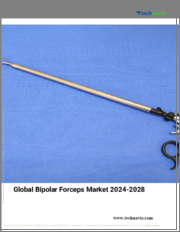
|
시장보고서
상품코드
2099597
양극성 포셉 시장 : 시장 예측(2026-2032년)Bipolar Forceps Market - Global Forecast 2026-2032 |
||||||
 360iResearch
양극성 포셉 시장은 2032년까지 연평균 복합 성장률(CAGR) 6.62%로 15억 3,112만 달러 규모로 성장할 것으로 예측됩니다.
| 주요 시장 통계 | |
|---|---|
| 기준 연도 : 2025년 | 9억 7,733만 달러 |
| 추정 연도 : 2026년 | 10억 3,044만 달러 |
| 예측 연도 : 2032년 | 15억 3,112만 달러 |
| CAGR(%) | 6.62% |
양극성 포셉 요약 보고서
양극성 포셉은 두 집게 끝 사이에 제어된 전기 에너지를 흘려보내 조직을 집어 올리고, 절개하며, 응고 및 봉합하는 데 사용되는 필수적인 전기 수술 기구입니다. 단극식 기법과 달리, 양극식 전기 수술에서는 전류의 흐름이 집게 사이에 고정된 조직으로만 제한되므로, 적절하게 사용하면 정밀한 지혈이 가능하며 의도파관 않은 열 확산을 억제할 수 있습니다. 이 때문에 양극 집게는 뇌신경외과, 안과, 이비인후과, 산부인과, 비뇨기과, 성형외과, 일반외과, 외상 치료, 최소 침습 수술 등 폭넓은 분야에서 매우 중요한 역할을 수행하고 있습니다.
양극성 포셉 분야의 혁신적인 변화
수술팀이 기존 응고 기구에서 용도에 특화되고, 인체공학적으로 최적화되며, 안전성을 중시하는 기구로 전환함에 따라, 양극성 포셉 분야는 큰 변혁기를 맞이하고 있습니다. 외과의사들 사이에서는 더 낮은 유효 출력 설정에서도 안정적인 응고 효과를 발휘하고, 조직의 부착을 줄이며, 촉각적 제어성을 향상시키고, 재사용형 기구를 선택할 경우 반복적인 멸균 주기를 거치더라도 성능을 유지할 수 있는 집게에 대한 수요가 높아지고 있습니다. 이와 동시에, 무균성 확보, 수술실 회전율 향상, 재처리 복잡성 경감에 중점을 두는 현장에서는 일회용 양극성 포셉가 주목받고 있습니다.
양극성 포셉에 대한 인공지능의 누적 영향
인공지능(AI)은 수술 계획, 수술실 분석, 기기 설계, 품질 보증, 조달 인텔리전스를 통해 양극성 포셉의 생태계에 영향을 미치기 시작했습니다. 대부분의 임상 현장에서 양극성 포셉 자체는 여전히 수동으로 조작되는 기구이지만, AI를 활용한 수술 시스템과 컴퓨터 지원 워크플로우를 통해 정확하고 표준화되며 데이터 호환성이 뛰어난 전기 수술 기구에 대한 수요가 증가하고 있습니다. 영상 유도 및 로봇 보조 수술 분야에서 AI는 해부학적 인식, 워크플로우 순서화, 수술 중 의사결정 지원 개선에 기여하며, 예측 가능한 열 성능과 정교한 조직 처리 능력을 갖춘 기구에 대한 수요를 간접적으로 높이고 있습니다.
양극성 포셉에 대한 주요 지역별 인사이트
아시아태평양은 수술 역량의 확대, 병원 인프라에 대한 투자 증가, 최소 침습 수술 및 현미경 수술 기술의 보급이 진행되고 있는 것이 특징입니다. 중국, 인도, 일본, 한국, 호주, 아세안(ASEAN)의 의료 시스템에서는 공공 및 민간을 불문하고 양극성 포셉에 대한 수요가 증가하고 있습니다. 이 지역의 우선순위로는 합리적인 가격, 기기의 신뢰성, 이미 도입된 전기 수술용 발전기와의 호환성, 그리고 뇌신경외과, 안과, 이비인후과, 산부인과, 비뇨기과, 복강경 수술용 전용 설계에 대한 접근성이 꼽힙니다.
양극성 포셉에 관한 주요 그룹 분석
아세안(ASEAN) 지역의 양극성 집게 수요는 싱가포르, 태국, 말레이시아, 인도네시아, 베트남, 필리핀 등 시장에서 병원 수용 능력 확대, 민간 의료에 대한 투자 증가, 최소 침습 수술 접근성 확대의 영향을 받고 있습니다. 조달 상황은 국가마다 다르지만, 공통된 우선순위로는 합리적인 가격, 임상적 신뢰성, 멸균 보증, 기존 전기 수술 인프라와의 호환성 등이 있습니다. 안전한 사용을 유지하고 전기 수술 결과의 편차를 줄이기 위해서는 교육과 유통업체의 지원이 중요합니다.
양극성 포셉에 대한 주요 국가별 인사이트
미국은 수술 건수가 많고, 병원 및 외래수술센터(ASC)의 광범위한 네트워크, 수술 효율성과 환자 안전에 대한 강한 중시 덕분에 첨단 양극성 포셉의 주요 도입국이 되었습니다. 캐나다에서는 품질과 가치를 중시하는 조달 방식이 채택되어 있으며, 검증된 성능, 재처리 기준, 공공 의료 시스템 전반에서의 호환성이 중요하게 여겨집니다. 멕시코에서는 외과 의료 서비스의 현대화에 따라 전기 수술 기구의 사용이 확대되고 있으며, 그 수요는 합리적인 가격, 내구성, 민간 및 공공 기관을 통한 접근성에 의해 형성되고 있습니다.
양극성 포셉 산업의 리더를 위한 실용적인 제안
업계 리더는 첨단 소재, 최적화된 조(jaw) 형태, 절연 품질, 관류 기능이 포함된 옵션을 통해 임상적 정밀도를 향상시키고, 열 확산을 줄이며, 조직 부착을 최소화하는 양극성 포셉 설계를 우선시해야 합니다. 제품 포트폴리오는 재사용형과 일회용 모두의 요구 사항을 충족하는 동시에, 멸균 내구성, 수명 주기 비용, 포장 무결성, 환경 영향에 관한 투명한 근거를 제시해야 합니다.
조사 방법론
본 요약 보고서는 공공 규제 정보원, 임상 실무 참고 자료, 외과 기술 관련 문헌, 의료 조달 기준, 병원 멸균 지침, 전기 수술 기구 관련 산업 문서에서 얻은 검증된 정보를 통합한 체계적인 2차 조사 접근 방식을 기반으로 합니다. 분석에서는 임상 이용 사례, 기술 동향, 규제적 기대, 지역 의료 인프라, 수술 워크플로우 요건, 조달 시 고려 사항 등 검증된 정성적 지표에 초점을 맞추었습니다.
결론
양극성 집게는 현대 전기 수술에서 여전히 핵심 기술로 자리 잡고 있으며, 국소적인 에너지 공급, 정밀한 응고, 개방 수술, 현미경 수술, 최소 침습 수술에 이르기까지 폭넓은 적용성을 제공합니다. 이 부문은 소재 개선, 비접착 성능, 인체공학적 설계, 관류 기능, 규제 강화, 연결된 수술실 환경과의 연계 강화를 통해 지속적으로 진화하고 있습니다.
자주 묻는 질문
목차
제1장 서문
제2장 조사 방법
제3장 주요 요약
제4장 시장 개요
제5장 시장 인사이트
제6장 AI의 누적 영향, 2026년
제7장 양극성 포셉 시장 : 유형별
제8장 양극성 포셉 시장 : 최종사용자별
제9장 양극성 포셉 시장 : 용도별
제10장 양극성 포셉 시장 : 유통 채널별
제11장 양극성 포셉 시장 : 지역별
제12장 양극성 포셉 시장 : 그룹별
제13장 양극성 포셉 시장 : 국가별
제14장 경쟁 구도
제15장 기업 개요
LSHThe Bipolar Forceps Market is projected to grow by USD 1,531.12 million at a CAGR of 6.62% by 2032.
| KEY MARKET STATISTICS | |
|---|---|
| Base Year [2025] | USD 977.33 million |
| Estimated Year [2026] | USD 1,030.44 million |
| Forecast Year [2032] | USD 1,531.12 million |
| CAGR (%) | 6.62% |
Bipolar Forceps Executive Summary
Bipolar forceps are essential electrosurgical instruments used to grasp, dissect, coagulate, and seal tissue with controlled electrical energy delivered between two forceps tips. Unlike monopolar approaches, bipolar electrosurgery confines current flow to the tissue held between the jaws, supporting precise hemostasis and reducing unintended thermal spread when used appropriately. This makes bipolar forceps highly relevant across neurosurgery, ophthalmic surgery, otolaryngology, gynecology, urology, plastic surgery, general surgery, trauma care, and minimally invasive procedures.
Demand for advanced bipolar forceps is being shaped by the global rise in surgical volumes, expanding access to operating rooms and ambulatory surgical centers, greater adoption of minimally invasive surgery, and heightened clinical emphasis on patient safety, procedural efficiency, and infection prevention. Product differentiation increasingly centers on non-stick tip technology, irrigation-enabled designs, ergonomic handling, reusable and disposable options, insulation integrity, compatibility with electrosurgical generators, and specialized geometries for delicate anatomical access. As hospitals and surgical teams prioritize reliable coagulation, reduced charring, improved visibility, and predictable tissue effects, bipolar forceps remain a critical category within electrosurgical instruments, surgical energy devices, and precision surgical tools.
Transformative Shifts in the Bipolar Forceps Landscape
The bipolar forceps landscape is undergoing a significant transition as surgical teams move from conventional coagulation tools toward application-specific, ergonomically optimized, and safety-oriented instruments. Surgeons increasingly require forceps that deliver consistent coagulation at lower effective power settings, reduce tissue adhesion, improve tactile control, and maintain performance through repeated sterilization cycles where reusable devices are selected. In parallel, single-use bipolar forceps are gaining consideration in settings focused on sterility assurance, operating room turnover, and reduced reprocessing complexity.
Minimally invasive and microsurgical procedures are reshaping design priorities. Fine-tip bipolar forceps, bayonet configurations, irrigating bipolar forceps, and insulated shaft designs are increasingly important in procedures where narrow access, continuous visualization, and thermal precision are critical. Regulatory expectations and hospital procurement policies are also pushing manufacturers and suppliers to improve traceability, material documentation, biocompatibility evidence, validated reprocessing instructions, and post-market surveillance. At the same time, sustainability goals are influencing purchasing discussions, requiring a careful balance between disposable device convenience and the environmental profile of reusable surgical instruments.
Another transformative shift is the closer integration between instruments, generators, and operating room workflows. Clinical users are placing greater value on bipolar forceps that perform predictably across electrosurgical platforms and procedure types. This has increased attention on connector compatibility, insulation quality, energy delivery consistency, staff training, and clinical protocols that reduce the risk of tip damage, insulation failure, excessive thermal spread, and unintended tissue injury.
Cumulative Impact of Artificial Intelligence on Bipolar Forceps
Artificial intelligence is beginning to influence the bipolar forceps ecosystem through surgical planning, operating room analytics, device design, quality assurance, and procurement intelligence. While bipolar forceps themselves remain manually controlled instruments in most clinical settings, AI-enabled surgical systems and computer-assisted workflows are strengthening the need for precise, standardized, and data-compatible electrosurgical tools. In image-guided and robot-assisted procedures, AI can help improve anatomical recognition, workflow sequencing, and intraoperative decision support, indirectly increasing demand for instruments that offer predictable thermal performance and refined tissue handling.
In product development, AI-driven simulation and computational modeling can support the evaluation of heat distribution, tissue interaction, jaw geometry, insulation behavior, and ergonomic performance before extensive physical prototyping. In manufacturing and quality control, machine vision and advanced analytics can help detect surface defects, alignment deviations, insulation inconsistencies, and tip irregularities that may affect clinical performance. For healthcare providers, AI-based utilization analytics can support standardization of instrument trays, identification of high-use surgical specialties, optimization of inventory, and monitoring of reprocessing cycles for reusable bipolar forceps.
The cumulative impact of AI is therefore not limited to automation; it is creating a data-centered environment in which bipolar forceps are evaluated by consistency, compatibility, safety evidence, and workflow value. Industry participants that align device engineering with AI-supported surgical ecosystems, digital traceability, and evidence-based procurement will be better positioned as operating rooms become more connected and performance-driven.
Key Regional Insights for Bipolar Forceps
Asia-Pacific is characterized by expanding surgical capacity, rising investment in hospital infrastructure, and increasing adoption of minimally invasive and microsurgical techniques. China, India, Japan, South Korea, Australia, and ASEAN healthcare systems are strengthening demand for bipolar forceps across public and private care settings. The region's priorities include affordability, device reliability, compatibility with installed electrosurgical generators, and access to specialized designs for neurosurgery, ophthalmology, ENT, gynecology, urology, and laparoscopic procedures.
North America remains a highly quality-driven environment for bipolar forceps, supported by advanced hospital networks, ambulatory surgical centers, established electrosurgery practices, and strong emphasis on clinical safety. Procurement decisions in the United States and Canada commonly reflect performance validation, sterilization compatibility, regulatory compliance, surgeon preference, and lifecycle cost. The region also shows strong adoption of specialized forceps for minimally invasive surgery, neurosurgical applications, outpatient procedures, and high-throughput procedural settings.
Latin America is shaped by growing demand for accessible surgical care, modernization of hospital infrastructure, and wider use of electrosurgical instruments in public and private hospitals. Brazil and Mexico are key contributors to regional adoption, with purchasing decisions often balancing clinical performance, price sensitivity, service availability, and durability. Training and standardization remain important for safe bipolar electrosurgery use across diverse healthcare environments.
Europe is defined by stringent regulatory oversight, strong hospital procurement governance, and high expectations for device safety, traceability, and sustainability. Demand for bipolar forceps is supported by advanced surgical practices in Germany, France, the United Kingdom, Italy, Spain, and other European health systems. European users increasingly emphasize reusable instrument quality, validated reprocessing, insulation integrity, environmental considerations, and specialized disposable options where infection control priorities require them.
The Middle East is advancing through hospital expansion, medical tourism, and investment in specialized surgical services, particularly in Gulf economies. Bipolar forceps adoption is supported by growing capacity in tertiary care, neurosurgery, gynecology, urology, ENT, and minimally invasive procedures. Buyers in the region often prioritize international regulatory alignment, premium-quality instrumentation, training support, and reliable supply chains.
Africa presents a varied landscape in which access, affordability, and equipment availability remain central considerations. Urban tertiary hospitals and private facilities are increasing the use of electrosurgical devices, while broader adoption depends on surgical workforce development, stable procurement channels, generator availability, sterilization infrastructure, and biomedical engineering support. Durable, compatible, and easy-to-maintain bipolar forceps are especially relevant for strengthening surgical services across resource-constrained settings.
Key Group Insights for Bipolar Forceps
ASEAN demand for bipolar forceps is influenced by expanding hospital capacity, growing private healthcare investment, and increased access to minimally invasive surgery across markets such as Singapore, Thailand, Malaysia, Indonesia, Vietnam, and the Philippines. Procurement varies by country, but common priorities include affordability, clinical reliability, sterility assurance, and compatibility with existing electrosurgical infrastructure. Training and distributor support are important in sustaining safe use and reducing variability in electrosurgical outcomes.
The GCC is a premium-oriented healthcare group where advanced hospital infrastructure, medical tourism strategies, and government-led healthcare investment support adoption of specialized bipolar forceps. Surgical departments often seek high-performance instruments for neurosurgery, ENT, gynecology, urology, and laparoscopic procedures. Regulatory documentation, international standards alignment, after-sales support, surgeon education, and operating room staff training are key purchasing factors.
The European Union is shaped by strict medical device regulations, post-market surveillance requirements, and strong demand for traceable, well-documented surgical instruments. Bipolar forceps used in EU healthcare settings must align with rigorous safety, quality, and clinical performance expectations. Sustainability and reprocessing validation have become important differentiators, particularly as hospitals evaluate the environmental impact of surgical instrument choices.
BRICS countries represent a broad and fast-evolving environment for bipolar forceps, combining large patient populations, rising surgical demand, and ongoing hospital modernization. China, India, Brazil, Russia, and South Africa show varied procurement dynamics, but the common themes are improved access to surgical technology, cost-effective instrumentation, and the need for scalable supply chains. Local manufacturing capabilities, regulatory pathways, and public healthcare purchasing policies strongly influence adoption.
The G7 reflects mature surgical ecosystems with strong emphasis on advanced electrosurgery, procedural efficiency, patient safety, and evidence-based procurement. In these countries, bipolar forceps purchasing decisions often involve surgeon preference, specialty-specific performance, regulatory compliance, reprocessing economics, and integration with modern operating room workflows. Innovation in non-stick tips, irrigation, ergonomics, insulation integrity, and precision coagulation is particularly relevant.
NATO member countries include a diverse set of advanced and developing healthcare systems, many of which place strategic importance on resilient medical supply chains and standardized surgical readiness. Bipolar forceps are relevant not only in civilian hospitals but also in defense medical systems, trauma care, and deployable surgical capabilities. Reliability, sterilization practicality, supply continuity, and compatibility with established electrosurgical generators are central considerations across this group.
Key Country Insights for Bipolar Forceps
The United States is a major adopter of advanced bipolar forceps due to its high procedural intensity, broad network of hospitals and ambulatory surgical centers, and strong focus on surgical efficiency and patient safety. Canada follows a quality- and value-driven procurement approach, with emphasis on validated performance, reprocessing standards, and compatibility across public healthcare systems. Mexico is expanding use of electrosurgical instruments as surgical services modernize, with demand shaped by affordability, durability, and access through private and public institutions.
Brazil is a leading Latin American market for bipolar forceps, supported by large hospital networks and ongoing demand for surgical modernization, while procurement decisions often balance clinical requirements with cost control. The United Kingdom emphasizes regulated device quality, operating room productivity, and infection prevention, supporting use of both reusable and procedure-specific disposable bipolar forceps. Germany's advanced surgical infrastructure and strong engineering expectations create demand for high-precision, durable instruments with reliable insulation and refined ergonomics. France prioritizes patient safety, regulatory compliance, and hospital procurement governance, while Russia demonstrates demand across large urban healthcare systems and specialized surgical centers. Italy and Spain support adoption through established surgical practices, public hospital systems, and increasing interest in minimally invasive procedures.
China's bipolar forceps landscape is supported by rapid hospital modernization, expanding surgical capacity, and growing domestic medical technology capabilities. India is driven by rising surgical volumes, growth in private hospitals, and the need for cost-effective, reliable bipolar electrosurgical instruments across urban and regional facilities. Japan places strong emphasis on precision, quality, and specialty applications, particularly in microsurgery and minimally invasive surgery. Australia's procurement environment is shaped by safety standards, surgeon preference, and public-private healthcare delivery. South Korea is characterized by advanced surgical adoption, strong hospital technology infrastructure, and demand for precision instruments used in specialized and minimally invasive procedures.
Actionable Recommendations for Bipolar Forceps Industry Leaders
Industry leaders should prioritize bipolar forceps designs that improve clinical precision, reduce thermal spread, and minimize tissue sticking through advanced tip materials, optimized jaw geometry, insulation quality, and irrigation-enabled options. Product portfolios should address both reusable and single-use requirements, with transparent evidence on sterilization durability, lifecycle economics, packaging integrity, and environmental impact.
Manufacturers and suppliers should strengthen compatibility across electrosurgical generators and clearly document connector types, insulation performance, validated cleaning instructions, and intended procedural applications. Investment in surgeon education, operating room staff training, and biomedical engineering support can reduce misuse, improve safety, and differentiate offerings in competitive procurement environments.
To improve resilience, industry participants should diversify sourcing of stainless steel, conductive alloys, insulation materials, and precision components while maintaining strong quality management and traceability. Regional strategies should reflect local realities: cost-effective durability in emerging markets, regulatory evidence and sustainability in Europe, premium performance in advanced surgical hubs, and supply continuity for health systems prioritizing preparedness. Digital tools, AI-supported quality inspection, and utilization analytics should be adopted to improve design validation, post-market monitoring, and inventory optimization.
Research Methodology
This executive summary is based on a structured secondary research approach that synthesizes verified information from public regulatory resources, clinical practice references, surgical technology literature, healthcare procurement standards, hospital sterilization guidance, and industry documentation related to electrosurgical instruments. The analysis focuses on validated qualitative indicators such as clinical use cases, technology trends, regulatory expectations, regional healthcare infrastructure, surgical workflow requirements, and procurement considerations.
The methodology avoids market sizing, market share, and forecasting, and instead emphasizes evidence-backed interpretation of how bipolar forceps are used, evaluated, and adopted across geographies and healthcare settings. Regional, group, and country insights are derived from observable healthcare system characteristics, surgical capacity development, regulatory environments, and known adoption patterns for electrosurgical and minimally invasive surgical instruments. Findings are cross-checked for consistency across multiple credible source types to ensure relevance, neutrality, and practical value for strategic decision-making.
Conclusion
Bipolar forceps remain a foundational technology in modern electrosurgery, offering localized energy delivery, precise coagulation, and broad applicability across open, microsurgical, and minimally invasive procedures. The category is evolving through improved materials, non-stick performance, ergonomic designs, irrigation capabilities, regulatory rigor, and growing alignment with connected operating room environments.
Future competitiveness will depend on the ability to deliver clinically reliable, generator-compatible, traceable, and cost-effective instruments while addressing regional differences in surgical infrastructure, procurement expectations, and infection prevention priorities. As artificial intelligence, digital quality control, and operating room analytics reshape surgical technology ecosystems, bipolar forceps will continue to be assessed not only as individual instruments but as performance-critical components of safer, more efficient surgical care.
Table of Contents
1. Preface
- 1.1. Objectives of the Study
- 1.2. Market Definition
- 1.3. Market Segmentation & Coverage
- 1.4. Years Considered for the Study
- 1.5. Currency Considered for the Study
- 1.6. Language Considered for the Study
- 1.7. Key Stakeholders
2. Research Methodology
- 2.1. Introduction
- 2.2. Research Design
- 2.2.1. Primary Research
- 2.2.2. Secondary Research
- 2.3. Research Framework
- 2.3.1. Qualitative Analysis
- 2.3.2. Quantitative Analysis
- 2.4. Market Size Estimation
- 2.4.1. Top-Down Approach
- 2.4.2. Bottom-Up Approach
- 2.5. Data Triangulation
- 2.6. Research Outcomes
- 2.7. Research Assumptions
- 2.8. Research Limitations
3. Executive Summary
- 3.1. Introduction
- 3.2. CXO Perspective
- 3.3. Market Size & Growth Trends
- 3.4. New Revenue Opportunities
- 3.5. Next-Generation Business Models
- 3.6. Industry Roadmap
4. Market Overview
- 4.1. Introduction
- 4.2. Industry Ecosystem & Value Chain Analysis
- 4.2.1. Supply-Side Analysis
- 4.2.2. Demand-Side Analysis
- 4.2.3. Stakeholder Analysis
- 4.3. Market Dynamics
- 4.3.1. Key Drivers
- 4.3.2. Key Restraints
- 4.3.3. Key Opportunities
- 4.3.4. Key Challenges
- 4.4. Porter's Five Forces Analysis
- 4.5. PESTLE Analysis
- 4.6. Market Outlook
- 4.6.1. Near-Term Market Outlook (0-2 Years)
- 4.6.2. Medium-Term Market Outlook (3-5 Years)
- 4.6.3. Long-Term Market Outlook (5-10 Years)
- 4.7. Go-to-Market Strategy
5. Market Insights
- 5.1. Consumer Insights & End-User Perspective
- 5.2. Consumer Experience Benchmarking
- 5.3. Opportunity Mapping
- 5.4. Distribution Channel Analysis
- 5.5. Pricing Trend Analysis
- 5.6. Regulatory Compliance & Standards Framework
- 5.7. ESG & Sustainability Analysis
- 5.8. Disruption & Risk Scenarios
- 5.9. Return on Investment & Cost-Benefit Analysis
6. Cumulative Impact of Artificial Intelligence 2026
7. Bipolar Forceps Market, by Type
- 7.1. Introduction
- 7.2. Disposable
- 7.3. Reusable
8. Bipolar Forceps Market, by End User
- 8.1. Introduction
- 8.2. Ambulatory Surgical Centers
- 8.3. Clinics
- 8.4. Hospitals
- 8.4.1. Government Hospitals
- 8.4.2. Private Hospitals
9. Bipolar Forceps Market, by Application
- 9.1. Introduction
- 9.2. Cardiovascular Surgery
- 9.3. General Surgery
- 9.3.1. Laparoscopic
- 9.3.2. Open
- 9.4. Gynecological Surgery
- 9.5. Neurosurgery
- 9.6. Urological Surgery
10. Bipolar Forceps Market, by Distribution Channel
- 10.1. Introduction
- 10.2. Online
- 10.3. Offline
11. Bipolar Forceps Market, by Region
- 11.1. Asia-Pacific
- 11.2. North America
- 11.3. Latin America
- 11.4. Europe
- 11.5. Middle East
- 11.6. Africa
12. Bipolar Forceps Market, by Group
- 12.1. ASEAN
- 12.2. GCC
- 12.3. European Union
- 12.4. BRICS
- 12.5. G7
- 12.6. NATO
13. Bipolar Forceps Market, by Country
- 13.1. United States
- 13.2. Canada
- 13.3. Mexico
- 13.4. Brazil
- 13.5. United Kingdom
- 13.6. Germany
- 13.7. France
- 13.8. Russia
- 13.9. Italy
- 13.10. Spain
- 13.11. China
- 13.12. India
- 13.13. Japan
- 13.14. Australia
- 13.15. South Korea
14. Competitive Landscape
- 14.1. Market Share Analysis, 2025
- 14.2. FPNV Positioning Matrix, 2025
- 14.3. Market Concentration Analysis, 2025
- 14.3.1. Concentration Ratio (CR)
- 14.3.2. Herfindahl Hirschman Index (HHI)
- 14.4. Recent Developments & Impact Analysis, 2025
- 14.5. Product Portfolio Analysis, 2025
- 14.6. Benchmarking Analysis, 2025
15. Company Profiles
- 15.1. B. Braun Melsungen AG
- 15.2. Becton, Dickinson and Company
- 15.3. Black & Black Surgical, Inc.
- 15.4. BOWA-electronic GmbH & Co. KG
- 15.5. BR Surgical, LLC
- 15.6. CONMED Corporation
- 15.7. EMED Sp. z o.o. Sp. K.
- 15.8. Erbe Elektromedizin GmbH
- 15.9. Faulhaber Pinzetten
- 15.10. Fentex Medical GmbH
- 15.11. Gebruder Martin GmbH & Co. KG
- 15.12. GIMA S.p.A.
- 15.13. Gunter Bissinger Medizintechnik GmbH
- 15.14. Hangzhou Kangji Medical Instruments Co., Ltd.
- 15.15. Integra LifeSciences
- 15.16. Johnson & Johnson Services, Inc.
- 15.17. KLS Martin Group
- 15.18. LiNA Medical
- 15.19. Medtronic PLC
- 15.20. Micromed Medizintechnik GmbH
- 15.21. Richard Wolf Medical Instruments Corporation
- 15.22. Stingray Surgical Products, LLC
- 15.23. Stryker Corporation
- 15.24. Surgical Holdings, Inc.
- 15.25. Sutter Medical Technologies USA
- 15.26. Symmetry Surgical Inc. by Aspen Surgical