|
시장보고서
상품코드
1878235
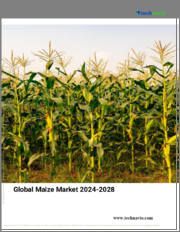
옥수수 시장 - 예측(2025-2030년)Global Maize Market - Forecasts from 2025 to 2030 |
||||||

세계의 옥수수 시장은 2025년 3,063억 5,700만 달러에서 2030년까지 3,522억 8,800만 달러로, CAGR 2.83%로 확대할 것으로 예측됩니다.
옥수수는 하이브리드 육종 분야에서 가장 중요한 작물이며, 세계 총 생산량 3위의 규모를 자랑하며 전 세계에서 가장 널리 재배되는 작물로 성장하고 있습니다. 그 우수성은 높은 생산성과 지역 적응성이 뛰어난 일년생 식물이라는 점에서 기인하며, 다양한 재배기술로 약 165개국에서 재배가 확대되고 있습니다. 전 세계 옥수수 생산량 중 인간이 직접 소비하는 비율은 극히 일부이지만, 그 다용도성이 화학, 제약, 식품 산업, 그리고 가장 중요한 사료 산업 등 다양한 분야 수요를 견인하고 있습니다. 또한 이 곡물은 전분 함량이 높아 휘발유나 디젤의 대체 연료로 사용되는 바이오연료인 에탄올 생산의 주요 원료로 자리매김하고 있습니다.
옥수수 시장은 세계 밸류체인에서 필수적인 역할을 바탕으로 지속적인 성장이 예상되고 있습니다. 이러한 확대에 기여하는 주요 요인으로는 사료용 소비량 증가, 요소 생산량 확대, 옥수수 유래 바이오연료의 보급을 들 수 있습니다. 선진국과 개발도상국 모두 건강에 대한 인식이 높아지면서 단백질이 풍부한 식단에 대한 소비자의 선호도가 크게 변화하고 있는 것도 옥수수를 중심으로 한 각종 사료용 곡물 수요를 더욱 증가시키고 있습니다.
주요 시장 성장 촉진요인
옥수수 시장의 확대는 상호 연관된 두 가지 주요 요인에 의해 지원되고 있습니다.
1. 동물성 단백질 공급원에 대한 수요 증가: 인구 증가, 도시화, 신흥 경제국의 부유층 확대에 따른 전 세계적인 가축 소비 증가가 주요 시장 성장 촉진요인으로 작용하고 있습니다. 육류, 우유, 계란의 소비는 소득수준의 상승과 밀접한 상관관계가 있으며, 종종 주식의 소비를 희생하여 증가하는 것으로 나타났습니다. 이러한 추세는 축산업계에 생산 확대에 대한 큰 압력을 가하고 있으며, 결과적으로 사료 수요를 촉진하고 있습니다. 옥수수는 반추동물, 가금류, 돼지, 양식용 배합사료의 주요 성분 중 하나로 작용합니다. 따라서 가축 생산의 집약화를 지원하는 데 필수적인 존재인 옥수수의 세계 무역과 시장에 있으며, 동물성 단백질에 대한 세계 수요 증가는 기본적인 원동력이 될 것으로 예측됩니다.
2. 옥수수 유래 식품에 대한 관심 증가: 소비자의 식습관 변화로 인해 전통적 용도를 넘어 옥수수 수요의 새로운 길이 열리고 있습니다. 콜레스테롤과 혈당 관리를 위한 건강 지향적 식생활에 대한 관심이 높아지면서 특정 옥수수 제품에 대한 수요가 증가하고 있습니다. 여기에는 즉석식품과 건강한 아침 식사 계획으로의 전환도 포함됩니다. 식품업계는 이러한 변화에 발맞추어 메뉴에 옥수수와 옥수수 유래 식재료를 도입하는 패스트푸드점이나 음식점이 늘고 있습니다. 이러한 추세에 따라 옥수수는 소비자 간식 및 조리식품 분야에서 대체 식재료로 자리매김하고 있으며, 산업용 및 사료용을 넘어 시장 적용을 다양화하고 있습니다.
지역별 시장 전망
북미는 세계 옥수수 시장에서 주요 점유율을 차지할 것으로 예상되며, 예측 기간 중 이 지위를 유지할 것으로 예측됩니다. 이 지역의 우위는 옥수수 작물의 막대한 생산량과 사료의 주요 에너지원으로서 광범위한 소비에 힘입은 바 큽니다. 사료 외에도 옥수수는 시리얼, 알코올, 감미료, 제품별 사료 등 이 지역에서 다양한 식품 및 상업용 제품으로 가공되고 있습니다.
아시아태평양도 중요한 시장이며, 북미에 이어 주요 소비지가 될 것으로 예측됩니다. 식습관의 변화와 동물성 단백질에 대한 수요 증가가 이 지역의 사료 소비를 주도하는 주요 요인입니다. 북미 무역권에 속한 멕시코와 같은 국가에서는 옥수수가 여전히 주요 작물이며, 그 수요도 마찬가지로 소비 패턴의 변화에 영향을 받고 있습니다. 다양한 응용 분야에서 옥수수의 사용이 증가함에 따라 이들 주요 지역에서는 예측 기간 중 시장 성장이 지속될 것으로 예측됩니다.
결론적으로 세계 옥수수 시장은 축산업을 지원하는 기초적인 역할, 바이오연료 생산에서의 중요성 증가, 그리고 인간 식품 분야에서의 적용 범위 확대로 특징지어집니다. 높은 수율과 적응성은 세계 농업의 초석이 되고 있으며, 수요 동향은 단백질 소비 및 에너지 정책과 같은 거시 경제 동향과 밀접하게 연관되어 있습니다. 시장의 성장 궤도는 북미의 생산이 주도하고 아시아태평양의 소비 확대에 의해 가속화될 것으로 예상되며, 앞으로도 계속될 것으로 보입니다.
이 보고서의 주요 장점:
- 인사이트 분석 : 주요 지역 및 신흥 지역을 포괄하는 상세한 시장 인사이트를 제공하며, 고객 부문, 정부 정책 및 사회경제적 요인, 소비자 선호도, 산업 수직 분야, 기타 하위 부문에 초점을 맞추었습니다.
- 경쟁 구도: 주요 기업의 세계 전략 움직임을 이해하고, 적절한 전략을 통한 시장 진입 가능성을 파악합니다.
- 시장 성장 촉진요인과 미래 동향 : 시장을 움직이는 요인과 주요 동향을 살펴보고, 향후 시장 전개에 미치는 영향을 살펴봅니다.
- 실천적 제안: 이러한 지식을 활용하여 전략적 의사결정을 내리고, 급변하는 환경 속에서 새로운 비즈니스 기회와 수입원을 발굴할 수 있습니다.
- 스타트업, 연구기관, 컨설턴트, 중소기업, 대기업 등 다양한 독자층에게 유익하고 비용 대비 효과가 높은 내용입니다.
이 보고서를 어떤 용도로 사용하시겠습니까?
산업 및 시장 분석, 기회 평가, 제품 수요 예측, 시장 진출 전략, 지역 확장, 자본 투자 결정, 규제 프레임워크 및 영향, 신제품 개발, 경쟁사 정보
조사 범위:
- 2022-2024년 과거 데이터 및 2025-2030년 예측 데이터
- 성장 기회, 과제, 공급망 전망, 규제 프레임워크, 동향 분석
- 경쟁사 포지셔닝, 전략, 시장 점유율 분석
- 국가를 포함한 부문별 및 지역별 매출 성장 및 예측 평가
- 기업 프로파일링(전략, 제품, 재무정보, 주요 발전 등)
목차
제1장 개요
제2장 시장 개요
- 시장 개요
- 시장의 정의
- 조사 범위
제3장 비즈니스 상황
- 시장 성장 촉진요인
- 시장 성장 억제요인
- 시장 기회
- Porter's Five Forces 분석
- 업계 밸류체인 분석
- 정책과 규제
- 전략적 제안
제4장 기술 전망
제5장 세계의 옥수수 시장 : 유형별
- 서론
- 플린트 옥수수
- 덴트 옥수수
- 스위트 옥수수
- 기타
제6장 세계의 옥수수 시장 : 유통 채널별
- 서론
- B2B
- B2C
제7장 세계의 옥수수 시장 : 용도별
- 서론
- 식품 및 음료
- 사료
- 의약품
- 종이·펄프
- 기타
제8장 세계의 옥수수 시장 : 지역별
- 서론
- 북미
- 유형별
- 유통 채널별
- 용도별
- 국가별
- 미국
- 캐나다
- 멕시코
- 남미
- 유형별
- 유통 채널별
- 용도별
- 국가별
- 브라질
- 아르헨티나
- 기타
- 유럽
- 유형별
- 유통 채널별
- 용도별
- 국가별
- 독일
- 프랑스
- 영국
- 스페인
- 기타
- 중동 및 아프리카
- 유형별
- 유통 채널별
- 용도별
- 국가별
- 사우디아라비아
- 아랍에미리트
- 이스라엘
- 기타
- 아시아태평양
- 유형별
- 유통 채널별
- 용도별
- 국가별
- 중국
- 인도
- 일본
- 한국
- 인도네시아
- 대만
- 기타
제9장 경쟁 환경과 분석
- 주요 기업과 전략 분석
- 시장 점유율 분석
- 합병, 인수, 합의 및 협업
- 경쟁 대시보드
제10장 기업 개요
- Sayaji Maize Products
- Bunge Limited
- Archer Daniels Midland Company
- Limagrain
- Bayer AG
- Cargill, Inc.
- Syngenta Group(Sinochem Holdings Corporation Ltd)
- Sage Oil Llc
- Roquette
- Buhler Group
제11장 부록
- 통화
- 전제조건
- 기준연도 및 예측연도 타임라인
- 이해관계자에 대한 주요 이점
- 조사 방법
- 약어
Global Maize Market is expected to grow at a 2.83% CAGR, increasing to USD 352.288 billion by 2030 from USD 306.357 billion in 2025.
Maize stands as the most significant crop in the realm of hybrid breeding, ranking as the third-largest crop by total global output and increasingly becoming the most widely planted crop worldwide. Its prominence is attributed to its status as an annual plant with a high productivity rate and a remarkable capacity for regional adaptation, enabling its cultivation to expand across approximately 165 nations under a broad variety of management techniques. While only a small portion of global maize production is consumed directly by humans, its versatility drives demand across multiple industries, including chemical, pharmaceutical, culinary, and, most importantly, animal feed. The grain's high starch content also positions it as the primary source for ethanol production, a biofuel used as a substitute for gasoline and diesel.
The market for maize is anticipated to experience sustained growth, driven by its integral role in global value chains. Key factors contributing to this expansion include increased consumption for animal feed, rising urea production, and the widespread usage of corn-based biofuels. A significant shift in consumer preferences towards protein-rich diets, fueled by rising health consciousness in both developed and developing nations, is further increasing demand for all kinds of feed grains, with maize being a central component.
Primary Market Growth Drivers
The expansion of the maize market is underpinned by two dominant, interconnected forces:
1. Increasing Demand for Animal Protein Sources: A global rise in livestock consumption, driven by population growth, urbanization, and increasing affluence in emerging economies, is a primary market driver. The consumption of meat, milk, and eggs has been proven to correlate closely with rising income levels, often at the expense of staple foods. This trend has placed considerable pressure on the livestock industry to increase output, which in turn fuels demand for animal feed. Maize serves as one of the main components of compound feed for ruminants, poultry, swine, and aquaculture. Consequently, the rising global demand for animal-based protein is projected to be a fundamental driver for the worldwide trade and market for maize, as it is indispensable for supporting the intensified production of livestock.
2. Growing Interest in Maize-Derived Food Products: Evolving consumer dietary habits are creating new avenues for maize demand beyond traditional uses. A growing consumer focus on healthier diets, aimed at managing cholesterol and blood sugar levels, has led to a rise in the demand for certain maize-based products. This includes a move towards ready-to-eat goods and healthy breakfast plans. The food industry is responding to this shift, with a rising number of fast-food restaurants and eateries incorporating maize and maize-based ingredients into their menus. This trend positions maize as an alternative ingredient in the consumer snack and prepared food sectors, diversifying its market applications beyond industrial and feed uses.
Geographical Market Outlook
North America is projected to be the prominent market shareholder in the global maize market and is anticipated to maintain this position throughout the forecast period. The region's dominance is anchored by its massive output of maize crops and their extensive consumption as the primary energy component for animal feed. Beyond feed, maize is processed into a wide array of culinary and commercial items in the region, including cereals, alcohol, sweeteners, and byproduct feed.
The Asia-Pacific region is also a significant market, anticipated to be a major consumer following North America. Changes in dietary habits and rising demand for animal-derived proteins are key factors driving feed consumption in the region. In countries like Mexico, which falls within the North American trade bloc, corn remains the principal crop, and its demand is similarly influenced by these evolving consumption patterns. The increase in the utilization of maize across a diverse and expanding range of applications is anticipated to sustain market growth throughout the forecast period across these key geographies.
In conclusion, the global maize market is characterized by its foundational role in supporting the livestock industry, its growing importance in biofuel production, and its evolving applications in the human food sector. Its high yield and adaptability make it a cornerstone of global agriculture, with demand dynamics closely tied to macroeconomic trends in protein consumption and energy policy. The market's trajectory is set for continued growth, led by North American production and amplified by rising consumption in the Asia-Pacific region.
Key Benefits of this Report:
- Insightful Analysis: Gain detailed market insights covering major as well as emerging geographical regions, focusing on customer segments, government policies and socio-economic factors, consumer preferences, industry verticals, and other sub-segments.
- Competitive Landscape: Understand the strategic maneuvers employed by key players globally to understand possible market penetration with the correct strategy.
- Market Drivers & Future Trends: Explore the dynamic factors and pivotal market trends and how they will shape future market developments.
- Actionable Recommendations: Utilize the insights to exercise strategic decisions to uncover new business streams and revenues in a dynamic environment.
- Caters to a Wide Audience: Beneficial and cost-effective for startups, research institutions, consultants, SMEs, and large enterprises.
What do businesses use our reports for?
Industry and Market Insights, Opportunity Assessment, Product Demand Forecasting, Market Entry Strategy, Geographical Expansion, Capital Investment Decisions, Regulatory Framework & Implications, New Product Development, Competitive Intelligence
Report Coverage:
- Historical data from 2022 to 2024 & forecast data from 2025 to 2030
- Growth Opportunities, Challenges, Supply Chain Outlook, Regulatory Framework, and Trend Analysis
- Competitive Positioning, Strategies, and Market Share Analysis
- Revenue Growth and Forecast Assessment of segments and regions including countries
- Company Profiling (Strategies, Products, Financial Information, and Key Developments among others.
Segmentation:
- GLOBAL MAIZE MARKET BY TYPE
- Flint Maize
- Dent Maize
- Sweet Maize
- Others
- GLOBAL MAIZE MARKET BY DISTRIBUTION CHANNEL
- B2B (Business-To-Business)
- B2C (Business-To-Consumer)
- GLOBAL MAIZE MARKET BY APPLICATION
- Food & Beverage
- Animal Feed
- Pharmaceutical
- Paper & Pulp
- Others
- GLOBAL MAIZE MARKET BY GEOGRAPHY
- North America
- By Type
- By Distribution Channel
- By Application
- By Country
- USA
- Canada
- Mexico
- South America
- By Type
- By Distribution Channel
- By Application
- By Country
- Brazil
- Argentina
- Others
- Europe
- By Type
- By Distribution Channel
- By Application
- By Country
- Germany
- France
- United Kingdom
- Spain
- Others
- Middle East and Africa
- By Type
- By Distribution Channel
- By Application
- By Country
- Saudi Arabia
- UAE
- Israel
- Others
- Asia Pacific
- By Type
- By Distribution Channel
- By Application
- By Country
- China
- India
- Japan
- South Korea
- Indonesia
- Taiwan
- Others
TABLE OF CONTENTS
1. EXECUTIVE SUMMARY
2. MARKET SNAPSHOT
- 2.1. Market Overview
- 2.2. Market Definition
- 2.3. Scope of the Study
2.4. Market Segmentation
3. BUSINESS LANDSCAPE
- 3.1. Market Drivers
- 3.2. Market Restraints
- 3.3. Market Opportunities
- 3.4. Porter's Five Forces Analysis
- 3.5. Industry Value Chain Analysis
- 3.6. Policies and Regulations
- 3.7. Strategic Recommendations
4. TECHNOLOGICAL OUTLOOK
5. GLOBAL MAIZE MARKET BY TYPE
- 5.1. Introduction
- 5.2. Flint Maize
- 5.3. Dent Maize
- 5.4. Sweet Maize
- 5.5. Others
6. GLOBAL MAIZE MARKET BY DISTRIBUTION CHANNEL
- 6.1. Introduction
- 6.2. B2B (Business-To-Business)
- 6.3. B2C (Business-To-Consumer)
7. GLOBAL MAIZE MARKET BY APPLICATION
- 7.1. Introduction
- 7.2. Food & Beverage
- 7.3. Animal Feed
- 7.4. Pharmaceutical
- 7.5. Paper & Pulp
- 7.6. Others
8. GLOBAL MAIZE MARKET BY GEOGRAPHY
- 8.1. Introduction
- 8.2. North America
- 8.2.1. By Type
- 8.2.2. By Distribution Channel
- 8.2.3. By Application
- 8.2.4. By Country
- 8.2.4.1. USA
- 8.2.4.2. Canada
- 8.2.4.3. Mexico
- 8.3. South America
- 8.3.1. By Type
- 8.3.2. By Distribution Channel
- 8.3.3. By Application
- 8.3.4. By Country
- 8.3.4.1. Brazil
- 8.3.4.2. Argentina
- 8.3.4.3. Others
- 8.4. Europe
- 8.4.1. By Type
- 8.4.2. By Distribution Channel
- 8.4.3. By Application
- 8.4.4. By Country
- 8.4.4.1. Germany
- 8.4.4.2. France
- 8.4.4.3. United Kingdom
- 8.4.4.4. Spain
- 8.4.4.5. Others
- 8.5. Middle East and Africa
- 8.5.1. By Type
- 8.5.2. By Distribution Channel
- 8.5.3. By Application
- 8.5.4. By Country
- 8.5.4.1. Saudi Arabia
- 8.5.4.2. UAE
- 8.5.4.3. Israel
- 8.5.4.4. Others
- 8.6. Asia Pacific
- 8.6.1. By Type
- 8.6.2. By Distribution Channel
- 8.6.3. By Application
- 8.6.4. By Country
- 8.6.4.1. China
- 8.6.4.2. India
- 8.6.4.3. Japan
- 8.6.4.4. South Korea
- 8.6.4.5. Indonesia
- 8.6.4.6. Taiwan
- 8.6.4.7. Others
9. COMPETITIVE ENVIRONMENT AND ANALYSIS
- 9.1. Major Players and Strategy Analysis
- 9.2. Market Share Analysis
- 9.3. Mergers, Acquisitions, Agreements, and Collaborations
- 9.4. Competitive Dashboard
10. COMPANY PROFILES
- 10.1. Sayaji Maize Products
- 10.2. Bunge Limited
- 10.3. Archer Daniels Midland Company
- 10.4. Limagrain
- 10.5. Bayer AG
- 10.6. Cargill, Inc.
- 10.7. Syngenta Group (Sinochem Holdings Corporation Ltd)
- 10.8. Sage Oil Llc
- 10.9. Roquette
- 10.10. Buhler Group
11. APPENDIX
- 11.1. Currency
- 11.2. Assumptions
- 11.3. Base and Forecast Years Timeline
- 11.4. Key Benefits for the Stakeholders
- 11.5. Research Methodology
- 11.6. Abbreviations