|
시장보고서
상품코드
1878427
볼 베어링 시장 : 예측(2025-2030년)Ball Bearing Market - Forecasts from 2025 to 2030 |
||||||

볼 베어링 시장은 CAGR 3.57%로 성장하여 2025년 439억 1,900만 달러에서 2030년까지 523억 4,000만 달러에 이를 것으로 예측됩니다.
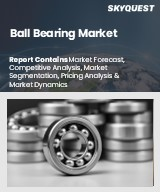
볼 베어링은 구름 베어링의 기본 유형로, 원형 궤도 내에 수용된 일련의 볼(보통 강철, 플라스틱, 유리 또는 세라믹으로 만든)로 구성됩니다. 주요 기능은 움직이는 부품 사이의 회전 마찰을 줄이고 저항이 적은 부드러운 동작을 실현하는 것입니다. 레이디얼 하중과 축방향 하중을 모두 관리하도록 설계되어 최소한의 마찰을 유지하면서 고속 운전이 가능합니다. 대표적인 유형로는 깊은 홈 볼 베어링, 앵귤러 콘택트 볼 베어링, 스러스트 볼 베어링이 있으며, 각각 특정 하중 조건에 적합합니다. 이 부품들은 자동차, 항공우주, 산업기계, 제조, 광업 등 다양한 분야에서 널리 사용되고 있습니다. 볼 베어링 시장의 성장은 에너지 소비 감소 및 기계 효율성 향상, 제조 분야의 자동화 및 로봇 기술 보급 확대, 자동차 생산에 대한 지속적인 적용 확대 등 여러 요인에 의해 촉진되고 있습니다.
볼 베어링 시장의 주요 촉진요인은 세계 자동차 산업의 견조한 생산 활동입니다. 볼 베어링은 엔진, 변속기, 휠, 서스펜션 시스템 등 수많은 자동차 서브시스템에 필수적인 부품입니다. 움직이는 부품 간의 마찰과 마모를 최소화하는 역할은 이러한 부품의 성능, 내구성 및 전반적인 효율성을 향상시키는 데 매우 중요합니다. 이 기능은 자동차 제조업체에게 보다 연비 효율적인 차량 개발을 의무화하는 세계 각국의 엄격한 정부 배기가스 규제에 부합합니다. 볼 베어링은 엔진 및 변속기 내부의 마찰을 줄여 에너지 소비를 줄이고 배기가스 배출을 줄이는 데 직접적으로 기여합니다. 또한, ABS(Anti-lock Brake System), ESC(Electronic Stability Control System)와 같은 첨단 안전 시스템의 보급을 위해서는 다양한 조건에서 안정적으로 작동할 수 있는 고정밀 부품이 필수적이며, 볼 베어링은 이러한 요구사항에 매우 적합합니다. 연비 효율이 좋고 안전하며 고성능 차량에 대한 소비자 수요 증가와 안정적인 자동차 생산이 결합되어 볼 베어링 수요의 중요한 원동력이 되고 있습니다.
동시에 세계 주요 경제권의 제조업 활동 회복이 시장 성장을 가속할 것으로 예측됩니다. 볼 베어링은 공작기계, 컨베이어에서 펌프, 압축기, 터빈에 이르기까지 다양한 제조 설비에서 없어서는 안 될 부품입니다. 마찰과 마모를 줄여 장비의 효율성, 신뢰성 및 작동 수명을 향상시키는 데 매우 중요합니다. 정밀도와 정확성이 최우선인 응용 분야에서는 볼 베어링의 성능이 필수적입니다. 자동화 및 로봇 공학 분야에서는 부품의 부드럽고 정밀한 작동을 가능하게 하고 기계적 고장 및 생산 중단의 위험을 줄이기 위해 그 중요성이 더욱 커지고 있습니다. 세계 제조업 활동의 전반적인 회복과 확대는 현대 산업 공정의 기본 요소인 볼 베어링에 대한 수요 증가와 직결됩니다.
지리적 관점에서 볼 때, 아시아태평양은 예측 기간 동안 세계 볼 베어링 시장에서 큰 점유율을 차지할 것으로 예측됩니다. 이러한 우위는 중국, 일본, 인도 등 주요 경제권에서 제조업 활동이 크게 성장하고 자동차, 항공우주, 전자산업의 견조한 성장에 기인합니다. 이 지역의 급속한 산업화와 도시화가 주요 배경 요인입니다. 국가 산업 정책과 개발 전략이 수요를 더욱 자극하고 있습니다. 예를 들어, 기술 및 인프라에 대한 투자를 통해 내수 확대와 국내 공급망 강화를 목표로 하는 개발 계획이 제조업을 강화하고 있습니다. 마찬가지로, 구식 및 비효율적인 차량을 단계적으로 폐지하고 국내 차량의 현대화 정책은 신차 생산 및 판매를 촉진하고 자동차 베어링의 잠재적 시장을 확대하고 있습니다. 또한, IoT, AI, 로봇 도입 등 제조업의 디지털 혁신을 촉진하는 정부 가이드라인은 볼 베어링과 같은 정밀 부품에 크게 의존하는 첨단 자동화 생산 환경으로의 전환을 강조하고 있습니다. 현대 기술을 활용한 제조 활동 증가와 자동차 생산의 확대가 시너지 효과를 발휘하면서 아시아태평양은 볼 베어링 시장의 주요 성장 동력으로 자리매김하고 있습니다.
본 보고서의 주요 장점:
- 통찰력 있는 분석 : 주요 지역 및 신흥 지역을 포괄하는 상세한 시장 인사이트를 제공하며, 고객 부문, 정부 정책 및 사회경제적 요인, 소비자 선호도, 산업 분야, 기타 하위 부문에 초점을 맞추었습니다.
- 경쟁 구도 : 주요 기업들의 세계 전략 움직임을 이해하고, 적절한 전략을 통한 시장 진입 가능성을 파악합니다.
- 시장 성장 촉진요인과 미래 동향 : 시장을 움직이는 요인과 주요 트렌드, 그리고 이들이 향후 시장 전개에 미치는 영향에 대해 알아봅니다.
- 실행 가능한 제안: 이러한 통찰력을 활용하여 전략적 의사결정을 내리고, 급변하는 환경에서 새로운 비즈니스 기회와 수익원을 창출할 수 있습니다.
- 스타트업, 연구기관, 컨설턴트, 중소기업, 대기업 등 다양한 독자층에게 유익하고 비용 대비 효과가 높은 내용입니다.
기업들은 어떤 목적으로 저희 보고서를 사용하나요?
산업 및 시장 분석, 기회 평가, 제품 수요 예측, 시장 진출 전략, 지역 확장, 자본 투자 결정, 규제 프레임워크 및 영향, 신제품 개발, 경쟁사 정보 수집
보고서의 범위:
- 2022-2024년 과거 데이터 및 2025-2030년 예측 데이터
- 성장 기회, 과제, 공급망 전망, 규제 프레임워크, 트렌드 분석
- 경쟁사 포지셔닝, 전략, 시장 점유율 분석
- 국가를 포함한 부문별 및 지역별 매출 성장 및 예측 평가
- 기업 프로파일링(전략, 제품, 재무정보, 주요 발전 등)
시장 세분화:
- 볼 베어링 시장 유형
- Deep Groove Ball Bearing
- Angular Contact Ball Bearing
- Self-Aligning Ball Bearing
- Thrust Ball Bearing
- 볼 베어링 시장(재질별)
- 강재
- 스테인리스 스틸
- 크롬강
- 탄소강
- 세라믹
- 플라스틱/폴리머
- 볼 베어링 시장(최종 사용자별)
- 자동차
- 항공우주
- 석유 및 가스
- 광업
- 건축 및 건설
- 기타
- 볼 베어링 시장(지역별)
- 북미
- 유형별
- 재질별
- 최종 사용자별
- 국가별
- 미국
- 캐나다
- 멕시코
- 남미
- 유형별
- 재료별
- 최종 사용자별
- 국가별
- 브라질
- 아르헨티나
- 기타
- 유럽
- 유형별
- 재료별
- 최종 사용자별
- 국가별
- 독일
- 프랑스
- 영국
- 스페인
- 기타
- 중동 및 아프리카
- 유형별
- 재료별
- 최종 사용자별
- 국가별
- 사우디아라비아
- 아랍에미리트(UAE)
- 이스라엘
- 기타
- 아시아태평양
- 유형별
- 재료별
- 최종 사용자별
- 국가별
- 중국
- 인도
- 일본
- 한국
- 인도네시아
- 태국
- 대만
- 기타
목차
제1장 주요 요약
제2장 시장 개요
- 시장 개요
- 시장의 정의
- 조사 범위
- 시장 세분화
제3장 비즈니스 상황
- 시장 성장 촉진요인
- 시장 성장 억제요인
- 시장 기회
- Porter의 Five Forces 분석
- 업계 밸류체인 분석
- 정책과 규제
- 전략적 제안
제4장 기술 전망
제5장 볼 베어링 시장 : 유형별
- 서론
- Deep Groove Ball Bearing
- Angular Contact Ball Bearing
- Self-Aligning Ball Bearing
- Thrust Ball Bearing
제6장 볼 베어링 시장 : 재료별
- 서론
- 강재
- 강재
- 스테인리스 스틸
- 크롬강
- 탄소강
- 세라믹
- 플라스틱/폴리머
제7장 볼 베어링 시장 : 최종사용자별
- 서론
- 자동차
- 항공우주 산업
- 석유 및 가스
- 광업
- 건축 및 건설
- 기타
제8장 볼 베어링 시장 : 지역별
- 서론
- 북미
- 유형별
- 재료별
- 최종사용자별
- 국가별
- 미국
- 캐나다
- 멕시코
- 남미
- 유형별
- 재료별
- 최종사용자별
- 국가별
- 브라질
- 아르헨티나
- 기타
- 유럽
- 유형별
- 재료별
- 최종사용자별
- 국가별
- 독일
- 프랑스
- 영국
- 스페인
- 기타
- 중동 및 아프리카
- 유형별
- 재료별
- 최종사용자별
- 국가별
- 사우디아라비아
- 아랍에미리트(UAE)
- 이스라엘
- 기타
- 아시아태평양
- 유형별
- 재료별
- 최종사용자별
- 국가별
- 중국
- 인도
- 일본
- 한국
- 인도네시아
- 태국
- 대만
- 기타
제9장 경쟁 환경과 분석
- 주요 기업과 전략 분석
- 시장 점유율 분석
- 합병, 인수, 합의 및 합작투자(JV)
- 경쟁 대시보드
제10장 기업 개요
- NSK Ltd.
- SKF Group
- Schaeffler Group
- Timken Company
- NTN Corporation
- JTEKT Corporation
- Nachi-fujikoshi Corp.
- RBC Bearing Incorporated
- Scheerer Bearing Corporation
- C&U Group
- China Huanchi Bearing Group Co., Ltd.
제11장 부록
- 통화
- 전제조건
- 기준연도 및 예측연도 타임라인
- 이해관계자에게 있어서의 주요 이점
- 조사 방법
- 약어
Ball Bearing Market, at a 3.57% CAGR, is expected to grow from USD 43.919 billion in 2025 to USD 52.340 billion by 2030.
Ball bearings represent a fundamental class of rolling-element bearings, comprising a series of balls-typically fabricated from steel, plastic, glass, or ceramic-contained within a circular raceway. Their primary function is to reduce rotational friction between moving parts, facilitating smoother motion with less resistance. Engineered to manage both radial and axial loads, ball bearings are capable of operating at high speeds while maintaining minimal friction. Common variants include deep groove, angular contact, and thrust ball bearings, each suited to specific loading conditions. These components are ubiquitous across a diverse range of sectors, including automotive, aerospace, industrial machinery, manufacturing, and mining. The market for ball bearings is being propelled by a confluence of factors, including an intensified focus on reducing energy consumption and enhancing machinery efficiency, the growing adoption of automation and robotics in manufacturing, and a sustained surge in their application within automotive production.
A primary catalyst for the ball bearing market is the robust production within the global automotive industry. Ball bearings are integral to numerous automotive subsystems, including engines, transmissions, wheels, and suspension systems. Their role in minimizing friction and wear between moving parts is critical for improving the performance, durability, and overall efficiency of these components. This function aligns with stringent government emissions standards worldwide, which compel automakers to develop more fuel-efficient vehicles. By reducing friction in engines and transmissions, ball bearings contribute directly to lower energy consumption and reduced emissions. Furthermore, the proliferation of advanced safety systems, such as anti-lock braking systems (ABS) and electronic stability control (ESC), relies on high-precision components capable of reliable operation under diverse conditions, a requirement for which ball bearings are exceptionally well-suited. The escalating consumer demand for vehicles that are fuel-efficient, safe, and high-performing, coupled with steady automotive production, is a significant driver of ball bearing demand.
Concurrently, an upswing in manufacturing activity across key global economies is anticipated to augment market growth. Ball bearings are essential components in a vast array of manufacturing equipment, from machine tools and conveyors to pumps, compressors, and turbines. They are critical for reducing friction and wear, thereby enhancing the efficiency, reliability, and operational lifespan of this equipment. In applications where precision and accuracy are paramount, the performance of ball bearings is indispensable. Their importance is further magnified in the context of automation and robotics, where they enable the smooth and precise movement of components, thereby reducing the risk of mechanical failure and production downtime. The general recovery and expansion of manufacturing activities globally directly translate into increased demand for ball bearings, as they are a foundational element in modern industrial processes.
From a geographical standpoint, the Asia Pacific region is projected to capture a significant share of the global ball bearing market during the forecast period. This dominance is attributable to the substantial growth in manufacturing activities and the robust expansion of the automotive, aerospace, and electronics industries in major economies such as China, Japan, and India. Rapid industrialization and urbanization in the region are key underlying factors. National industrial policies and development strategies are further stimulating demand. For instance, development plans aimed at boosting domestic demand and strengthening the domestic supply chain through investments in technology and infrastructure are reinforcing the manufacturing sector. Similarly, policies designed to modernize national vehicle fleets by phasing out older, inefficient vehicles are incentivizing the production and sale of new automobiles, thereby increasing the addressable market for automotive bearings. Additionally, governmental guidelines promoting the digital transformation of the manufacturing sector, including the adoption of IoT, AI, and robotics, underscore a shift towards advanced, automated production environments that are heavily reliant on precision components like ball bearings. The synergistic effect of increasing manufacturing activities utilizing modern technologies and the rising production of automobiles positions the Asia Pacific region as a primary growth engine for the ball bearing market.
Key Benefits of this Report:
- Insightful Analysis: Gain detailed market insights covering major as well as emerging geographical regions, focusing on customer segments, government policies and socio-economic factors, consumer preferences, industry verticals, and other sub-segments.
- Competitive Landscape: Understand the strategic maneuvers employed by key players globally to understand possible market penetration with the correct strategy.
- Market Drivers & Future Trends: Explore the dynamic factors and pivotal market trends and how they will shape future market developments.
- Actionable Recommendations: Utilize the insights to exercise strategic decisions to uncover new business streams and revenues in a dynamic environment.
- Caters to a Wide Audience: Beneficial and cost-effective for startups, research institutions, consultants, SMEs, and large enterprises.
What do businesses use our reports for?
Industry and Market Insights, Opportunity Assessment, Product Demand Forecasting, Market Entry Strategy, Geographical Expansion, Capital Investment Decisions, Regulatory Framework & Implications, New Product Development, Competitive Intelligence
Report Coverage:
- Historical data from 2022 to 2024 & forecast data from 2025 to 2030
- Growth Opportunities, Challenges, Supply Chain Outlook, Regulatory Framework, and Trend Analysis
- Competitive Positioning, Strategies, and Market Share Analysis
- Revenue Growth and Forecast Assessment of segments and regions including countries
- Company Profiling (Strategies, Products, Financial Information, and Key Developments among others.
Market Segmentation:
- BALL BEARINGS MARKET TYPE
- Deep Groove Ball Bearing
- Angular Contact Ball Bearing
- Self-Aligning Ball Bearing
- Thrust Ball Bearing
- BALL BEARINGS MARKET BY MATERIAL
- Steel
- Stainless Stell
- Chrome Steel
- Carbon Steel
- Ceramics
- Plastics/ Polymer
- BALL BEARINGS MARKET BY END-USER
- Automotive
- Aerospace
- Oil & Gas
- Mining
- Building & Construction
- Others
- BALL BEARINGS MARKET BY GEOGRAPHY
- North America
- By Type
- By Material
- By End-User
- By Country
- USA
- Canada
- Mexico
- South America
- By Type
- By Material
- By End-User
- By Country
- Brazil
- Argentina
- Others
- Europe
- By Type
- By Material
- By End-User
- By Country
- Germany
- France
- United Kingdom
- Spain
- Others
- Middle East and Africa
- By Type
- By Material
- By End-User
- By Country
- Saudi Arabia
- UAE
- Israel
- Others
- Asia Pacific
- By Type
- By Material
- By End-User
- By Country
- China
- India
- Japan
- South Korea
- Indonesia
- Thailand
- Taiwan
- Others
TABLE OF CONTENTS
1. EXECUTIVE SUMMARY
2. MARKET SNAPSHOT
- 2.1. Market Overview
- 2.2. Market Definition
- 2.3. Scope of the Study
2.4. Market Segmentation
3. BUSINESS LANDSCAPE
- 3.1. Market Drivers
- 3.2. Market Restraints
- 3.3. Market Opportunities
- 3.4. Porter's Five Forces Analysis
- 3.5. Industry Value Chain Analysis
- 3.6. Policies and Regulations
- 3.7. Strategic Recommendations
4. TECHNOLOGICAL OUTLOOK
5. BALL BEARINGS MARKET TYPE
- 5.1. Introduction
- 5.2. Deep Groove Ball Bearing
- 5.3. Angular Contact Ball Bearing
- 5.4. Self-Aligning Ball Bearing
- 5.5. Thrust Ball Bearing
6. BALL BEARINGS MARKET BY MATERIAL
- 6.1. Introduction
- 6.2. Steel
- 6.2.1. Stainless Stell
- 6.2.2. Chrome Steel
- 6.2.3. Carbon Steel
- 6.3. Ceramics
- 6.4. Plastics/ Polymer
7. BALL BEARINGS MARKET BY END-USER
- 7.1. Introduction
- 7.2. Automotive
- 7.3. Aerospace
- 7.4. Oil & Gas
- 7.5. Mining
- 7.6. Building & Construction
- 7.7. Others
8. BALL BEARINGS MARKET BY GEOGRAPHY
- 8.1. Introduction
- 8.2. North America
- 8.2.1. By Type
- 8.2.2. By Material
- 8.2.3. By End-User
- 8.2.4. By Country
- 8.2.4.1. USA
- 8.2.4.2. Canada
- 8.2.4.3. Mexico
- 8.3. South America
- 8.3.1. By Type
- 8.3.2. By Material
- 8.3.3. By End-User
- 8.3.4. By Country
- 8.3.4.1. Brazil
- 8.3.4.2. Argentina
- 8.3.4.3. Others
- 8.4. Europe
- 8.4.1. By Type
- 8.4.2. By Material
- 8.4.3. By End-User
- 8.4.4. By Country
- 8.4.4.1. Germany
- 8.4.4.2. France
- 8.4.4.3. United Kingdom
- 8.4.4.4. Spain
- 8.4.4.5. Others
- 8.5. Middle East and Africa
- 8.5.1. By Type
- 8.5.2. By Material
- 8.5.3. By End-User
- 8.5.4. By Country
- 8.5.4.1. Saudi Arabia
- 8.5.4.2. UAE
- 8.5.4.3. Israel
- 8.5.4.4. Others
- 8.6. Asia Pacific
- 8.6.1. By Type
- 8.6.2. By Material
- 8.6.3. By End-User
- 8.6.4. By Country
- 8.6.4.1. China
- 8.6.4.2. India
- 8.6.4.3. Japan
- 8.6.4.4. South Korea
- 8.6.4.5. Indonesia
- 8.6.4.6. Thailand
- 8.6.4.7. Taiwan
- 8.6.4.8. Others
9. COMPETITIVE ENVIRONMENT AND ANALYSIS
- 9.1. Major Players and Strategy Analysis
- 9.2. Market Share Analysis
- 9.3. Mergers, Acquisitions, Agreements, and Collaborations
- 9.4. Competitive Dashboard
10. COMPANY PROFILES
- 10.1. NSK Ltd.
- 10.2. SKF Group
- 10.3. Schaeffler Group
- 10.4. Timken Company
- 10.5. NTN Corporation
- 10.6. JTEKT Corporation
- 10.7. Nachi-fujikoshi Corp.
- 10.8. RBC Bearing Incorporated
- 10.9. Scheerer Bearing Corporation
- 10.10. C&U Group
- 10.11. China Huanchi Bearing Group Co., Ltd.
11. APPENDIX
- 11.1. Currency
- 11.2. Assumptions
- 11.3. Base and Forecast Years Timeline
- 11.4. Key Benefits for the Stakeholders
- 11.5. Research Methodology
- 11.6. Abbreviations