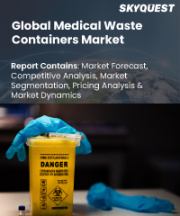
|
시장보고서
상품코드
1918281
샤프 컨테이너 시장 : 예측(2026-2031년)Sharps Container Market - Forecast from 2026 to 2031 |
||||||

샤프 컨테이너 시장은 2025년 4억 1,844만 4,000달러에서 2031년에는 5억 4,313만 달러에 이르고, CAGR 4.44%로 성장할 전망입니다.
샤프니스 컨테이너 시장은 안전한 의료폐기물 관리의 필요성과 날카로운 기구를 이용한 시술 증가에 힘입어 현대 의료 인프라의 중요한 구성 요소입니다. 바늘, 주사기, 메스, 기타 감염성 날카로운 폐기물을 처리하기 위해 설계된 이 전용 용기는 바늘에 찔리는 사고, 질병 전파, 환경 오염 등의 위험을 줄이는 데 필수적입니다.
시장 성장의 주요하고 지속적인 촉진요인은 만성 질환 증가에 힘입어 전 세계적으로 수술 및 진단 절차의 수가 증가하고 있다는 점입니다. 당뇨병, 크론병, 각종 암 등의 질환은 수술, 정맥주사, 자가주사 등 잦은 의료적 개입을 필요로 합니다. 이러한 임상 활동의 확대는 날카로운 의료기기의 사용을 직접적으로 증가시키고, 의료진, 환자, 폐기물 처리 담당자를 보호하기 위한 안전한 폐기 솔루션에 대한 수요 증가로 이어지고 있습니다.
이 시장은 엄격한 규제 프레임워크와 국제적인 가이드라인에 의해 근본적으로 뒷받침되고 있습니다. 세계보건기구(WHO)와 각국 보건당국은 감염성 폐기물의 분리, 격리 및 폐기에 대한 엄격한 프로토콜을 수립하고 있습니다. 의료기관, 연구기관, 제약회사는 이러한 규정을 준수해야 하며, 이로 인해 인증된 샤프니스 용기에 대한 일관되고 재량권 없는 수요가 발생하고 있습니다. 이러한 규제 환경은 제조업체가 용기 제조 시 특정 안전 표준을 준수하도록 의무화하여 시장의 표준화와 전문화를 촉진하고 있습니다.
동시에 전 세계 의료 인프라의 확충과 현대화, 특히 신흥 경제국의 발전으로 시장 기반이 확대되고 있습니다. 병원, 진료소, 진단센터에 대한 투자 증가는 필연적으로 폐기물 관리 제품을 포함한 의료 용품의 소비를 촉진할 것입니다. 이러한 시설에서 감염 관리와 환자 안전에 대한 관심이 높아짐에 따라, 신뢰할 수 있고 효과적인 날카로운 물체 폐기 시스템의 중요성이 높아져 운영 프로토콜의 표준 구성 요소로 자리 잡았습니다.
기술 혁신으로 새로운 효율성과 기능이 도입되고, 스마트 센서, 자동화 시스템 등의 발전이 시장에 영향을 미치기 시작했습니다. 추적 및 모니터링 기술이 탑재된 용기의 개발은 폐기물 수집 경로의 최적화, 과충진 방지, 폐기물 관리 강화에 기여합니다. 이러한 스마트 기술의 통합은 대규모 의료 시스템에서 폐기물 물류의 복잡성을 해결하고, 운영 안전과 효율성에 대한 데이터 기반 접근 방식을 지원합니다.
제품 유형별로는 재사용이 가능한 샤프심 용기가 가장 큰 주목을 받고 있습니다. 로봇으로 빈 용기를 비우고, 소독하고, 재가동할 수 있는 이 용기는 여러 가지 이점을 제공합니다. 플라스틱 폐기물을 줄임으로써 장기적으로 볼 때 일회용 용기에 비해 비용 효율적이고 환경적으로도 우수한 대안이 될 수 있습니다. 내구성과 반복 사용의 특성은 많은 양의 날카로운 폐기물을 발생시키는 대규모 병원 네트워크 및 기관의 지속가능성 목표와 일치하여 많은 기존 의료 현장에서 선호되는 선택이 되었습니다.
지역별로는 북미가 명확한 규제 상황, 높은 의료비 지출, 선진화된 의료 인프라를 특징으로 하는 북미가 두드러진 시장 지위를 차지하고 있습니다. 이 지역 시장 성숙도는 주사 요법을 필요로 하는 만성 질환의 높은 유병률, 강력한 규제 준수 문화, 주요 의료기기 제조업체의 존재에 의해 뒷받침됩니다. 또한, 바늘에 찔리는 사고를 줄이고 폐기물 관리 방식을 개선하기 위한 정부 및 기관의 적극적인 노력은 수요를 지속시키고 있습니다.
결론적으로, 샤프니스 컨테이너 시장은 임상적 필요성, 규제적 의무, 인프라 구축이라는 요소가 복합적으로 작용하여 시장을 견인하고 있습니다. 만성질환 관리와 외과적 개입 증가는 지속적인 수요처를 보장하고, 타협 없는 안전 규제는 안정적인 시장 프레임워크를 제공합니다. 재사용 가능한 시스템으로의 전환 추세는 지속 가능하고 비용에 민감한 의료 운영으로의 광범위한 움직임을 반영하고 있으며, 기술 통합은 기능 향상을 약속합니다. 북미가 성숙하면서도 안정적인 수요를 보이고 있고, 전 세계적으로 의료 접근성이 확대됨에 따라 안전한 의료 행위와 공중 보건 보호에 필수적인 요소인 샤프니스 컨테이너 시장은 지속적인 성장이 예상됩니다.
본 보고서의 주요 장점:
- 인사이트력 있는 분석 : 주요 지역 및 신흥 지역을 포괄하는 상세한 시장 인사이트를 제공하며, 고객 부문, 정부 정책 및 사회경제적 요인, 소비자 선호도, 산업 수직 분야, 기타 하위 부문에 초점을 맞추었습니다.
- 경쟁 구도 : 주요 기업들의 세계 전략 움직임을 이해하고, 적절한 전략을 통한 시장 진입 가능성을 파악합니다.
- 시장 성장 촉진요인과 미래 동향 : 시장을 움직이는 요인과 주요 동향, 그리고 향후 시장 전개에 미치는 영향에 대해 알아봅니다.
- 실행 가능한 제안: 이러한 인사이트력을 활용하여 전략적 의사결정을 내리고, 급변하는 환경에서 새로운 비즈니스 기회와 수익원을 발굴할 수 있습니다.
- 스타트업, 연구기관, 컨설턴트, 중소기업, 대기업 등 다양한 독자층에게 유익하고 비용 대비 효과가 높은 내용입니다.
본 보고서 활용 사례
산업 및 시장 분석, 기회 평가, 제품 수요 예측, 시장 진출 전략, 지역 확장, 자본 투자 결정, 규제 프레임워크 및 영향, 신제품 개발, 경쟁사 정보 수집
보고서의 범위:
- 2021-2025년까지의 과거 데이터와 2026-2031년까지의 예측 데이터
- 성장 기회, 과제, 공급망 전망, 규제 프레임워크, 트렌드 분석
- 경쟁사 포지셔닝, 전략, 시장 점유율 분석
- 국가를 포함한 부문 및 지역별 수익 및 예측 평가 및 예측 평가
- 기업 프로파일링(전략, 제품, 재무 정보) 및 주요 개발 등
목차
제1장 주요 요약
제2장 시장 개요
- 시장 개요
- 시장의 정의
- 조사 범위
- 시장 세분화
제3장 비즈니스 상황
- 시장 성장 촉진요인
- 시장 성장 억제요인
- 시장 기회
- Porter의 Five Forces 분석
- 업계 밸류체인 분석
- 정책과 규제
- 전략적 제안
제4장 기술 전망
제5장 샤프 컨테이너 시장 : 제품 유형별
- 서론
- 재이용 가능
- 일회용 용기
제6장 샤프 컨테이너 시장 : 유형별
- 서론
- 바늘·주사기
- 수액 세트
- 기타
제7장 샤프 컨테이너 시장 : 용량별
- 서론
- 5 갤런 미만
- 5-10 갤런
- 10 갤런초
제8장 샤프 컨테이너 시장 : 최종사용자별
- 서론
- 병원
- 진단·연구센터
- 기타
제9장 샤프 컨테이너 시장 : 지역별
- 서론
- 북미
- 미국
- 캐나다
- 멕시코
- 남미
- 브라질
- 아르헨티나
- 기타
- 유럽
- 독일
- 프랑스
- 영국
- 스페인
- 기타
- 중동 및 아프리카
- 사우디아라비아
- 아랍에미리트(UAE)
- 기타
- 아시아태평양
- 중국
- 인도
- 일본
- 한국
- 인도네시아
- 태국
- 기타
제10장 경쟁 환경과 분석
- 주요 기업과 전략 분석
- 시장 점유율 분석
- 합병, 인수, 합의 및 협업
- 경쟁 대시보드
제11장 기업 개요
- Becton, Dickinson and Company
- Bondtech Corporations
- Daniels(Mauser Packaging)
- GPC Medical Ltd
- Thermo Fisher Scientific Inc.
- Desco Medical India
- Hail Mediproducts Private Limited
- Cardinal Health, Inc.
- Bemis Manufacturing Company
- The Harloff Company
제12장 부록
- 통화
- 전제조건
- 기준연도 및 예측연도 타임라인
- 이해관계자에게 있어서의 주요 이점
- 조사 방법
- 약어
Sharps Container Market is expected to grow at a 4.44% CAGR, increasing from USD 418.444 million in 2025 to USD 543.13 million in 2031.
The sharps container market is a critical component of modern healthcare infrastructure, driven by the imperative for safe medical waste management and the rising volume of procedures involving sharp instruments. These specialized containers, designed for the disposal of needles, syringes, scalpels, and other infectious sharps waste, are essential for mitigating risks such as needlestick injuries, disease transmission, and environmental contamination.
A primary and enduring driver of market growth is the increasing global volume of surgical and diagnostic procedures, fueled by the rising prevalence of chronic diseases. Conditions such as diabetes, Crohn's disease, and various cancers necessitate frequent medical interventions, including surgeries, intravenous therapies, and self-administered injections. This escalation in clinical activity directly increases the utilization of sharp medical devices, thereby generating greater demand for secure disposal solutions to protect healthcare workers, patients, and waste handlers.
The market is fundamentally underpinned by stringent regulatory frameworks and global guidelines for biomedical waste management. Organizations like the World Health Organization (WHO) and national health authorities have established strict protocols for the segregation, containment, and disposal of infectious waste. Compliance with these regulations is mandatory for healthcare facilities, research institutes, and pharmaceutical companies, creating a consistent, non-discretionary demand for certified sharps containers. This regulatory environment compels manufacturers to adhere to specific safety standards in container production, further standardizing and professionalizing the market.
Concurrently, the expansion and modernization of healthcare infrastructure worldwide, particularly in emerging economies, is broadening the market's base. Increased investment in hospitals, clinics, and diagnostic centers inherently boosts the consumption of medical supplies, including waste management products. The growing emphasis on infection control and patient safety within these facilities places a premium on reliable and effective sharps disposal systems, integrating them as a standard component of operational protocols.
Technological innovation is introducing new efficiencies and capabilities, with advancements such as smart sensors and automated systems beginning to influence the market. The development of containers equipped with tracking and monitoring technologies helps optimize waste collection routes, prevent overfilling, and enhance overall disposal management. This integration of smart technology addresses the increasing complexity of waste logistics in large healthcare systems and supports a more data-driven approach to operational safety and efficiency.
From a product segment perspective, reusable sharps containers are gaining significant traction. These containers, which are robotically emptied, sanitized, and returned to service, offer several advantages. They represent a cost-effective and environmentally preferable alternative to single-use containers over the long term by reducing plastic waste. Their durability and repeated use align with the sustainability goals of large hospital networks and institutions that generate high volumes of sharps waste, making them a favored choice in many established healthcare settings.
Geographically, North America holds a prominent market position, characterized by a well-defined regulatory landscape, high healthcare expenditure, and advanced medical infrastructure. The region's market maturity is supported by a high prevalence of chronic conditions requiring injectable therapies, a strong culture of regulatory compliance, and the presence of leading medical device manufacturers. Furthermore, active government and institutional initiatives aimed at reducing needlestick injuries and improving waste management practices continue to sustain demand.
In conclusion, the sharps container market is propelled by a confluence of clinical necessity, regulatory mandate, and infrastructural development. The rise in chronic disease management and surgical interventions ensures a continuous source of demand, while uncompromising safety regulations provide a stable market framework. The trend toward reusable systems reflects a broader move toward sustainable and cost-conscious healthcare operations, and technological integration promises to enhance functionality. With North America demonstrating a mature yet steady demand and global healthcare access expanding, the market for sharps containers is poised for sustained growth as an indispensable element of safe medical practice and public health protection.
Key Benefits of this Report:
- Insightful Analysis: Gain detailed market insights covering major as well as emerging geographical regions, focusing on customer segments, government policies and socio-economic factors, consumer preferences, industry verticals, and other sub-segments.
- Competitive Landscape: Understand the strategic maneuvers employed by key players globally to understand possible market penetration with the correct strategy.
- Market Drivers & Future Trends: Explore the dynamic factors and pivotal market trends and how they will shape future market developments.
- Actionable Recommendations: Utilize the insights to exercise strategic decisions to uncover new business streams and revenues in a dynamic environment.
- Caters to a Wide Audience: Beneficial and cost-effective for startups, research institutions, consultants, SMEs, and large enterprises.
What do businesses use our reports for?
Industry and Market Insights, Opportunity Assessment, Product Demand Forecasting, Market Entry Strategy, Geographical Expansion, Capital Investment Decisions, Regulatory Framework & Implications, New Product Development, Competitive Intelligence
Report Coverage:
- Historical data from 2021 to 2025 & forecast data from 2026 to 2031
- Growth Opportunities, Challenges, Supply Chain Outlook, Regulatory Framework, and Trend Analysis
- Competitive Positioning, Strategies, and Market Share Analysis
- Revenue Growth and Forecast Assessment of segments and regions including countries
- Company Profiling (Strategies, Products, Financial Information), and Key Developments among others.
Sharps Container Market Segmentation
- By Product Type
- Reusable
- Single Use Container
- By Sharps Type
- Needles & Syringes
- Infusion Sets
- Others
- By Capacity
- Up to 5 Gallons
- 5 to 10 Gallons
- Greater than 10 Gallons
- By End-User
- Hospitals
- Diagnostics & Research Centers
- Others
- By Geography
- North America
- USA
- Canada
- Mexico
- South America
- Brazil
- Argentina
- Others
- Europe
- Germany
- France
- United Kingdom
- Spain
- Others
- Middle East and Africa
- Saudi Arabia
- UAE
- Others
- Asia Pacific
- China
- India
- Japan
- South Korea
- Indonesia
- Thailand
- Others
TABLE OF CONTENTS
1. EXECUTIVE SUMMARY
2. MARKET SNAPSHOT
- 2.1. Market Overview
- 2.2. Market Definition
- 2.3. Scope of the Study
- 2.4. Market Segmentation
3. BUSINESS LANDSCAPE
- 3.1. Market Drivers
- 3.2. Market Restraints
- 3.3. Market Opportunities
- 3.4. Porter's Five Forces Analysis
- 3.5. Industry Value Chain Analysis
- 3.6. Policies and Regulations
- 3.7. Strategic Recommendations
4. TECHNOLOGICAL OUTLOOK
5. SHAPRS CONTAINER MARKET BY PRODUCT TYPE
- 5.1. Introduction
- 5.2. Reusable
- 5.3. Single Use Container
6. SHAPRS CONTAINER MARKET BY SHARPS TYPE
- 6.1. Introduction
- 6.2. Needles & Syringes
- 6.3. Infusion Sets
- 6.4. Others
7. SHAPRS CONTAINER MARKET BY CAPACITY
- 7.1. Introduction
- 7.2. Up to 5 Gallons
- 7.3. 5 to 10 Gallons
- 7.4. Greater than 10 Gallons
8. SHAPRS CONTAINER MARKET BY END-USER
- 8.1. Introduction
- 8.2. Hospitals
- 8.3. Diagnostics & Research Centers
- 8.4. Others
9. SHAPRS CONTAINER MARKET BY GEOGRAPHY
- 9.1. Introduction
- 9.2. North America
- 9.2.1. USA
- 9.2.2. Canada
- 9.2.3. Mexico
- 9.3. South America
- 9.3.1. Brazil
- 9.3.2. Argentina
- 9.3.3. Others
- 9.4. Europe
- 9.4.1. Germany
- 9.4.2. France
- 9.4.3. United Kingdom
- 9.4.4. Spain
- 9.4.5. Others
- 9.5. Middle East and Africa
- 9.5.1. Saudi Arabia
- 9.5.2. UAE
- 9.5.3. Others
- 9.6. Asia Pacific
- 9.6.1. China
- 9.6.2. India
- 9.6.3. Japan
- 9.6.4. South Korea
- 9.6.5. Indonesia
- 9.6.6. Thailand
- 9.6.7. Others
10. COMPETITIVE ENVIRONMENT AND ANALYSIS
- 10.1. Major Players and Strategy Analysis
- 10.2. Market Share Analysis
- 10.3. Mergers, Acquisitions, Agreements, and Collaborations
- 10.4. Competitive Dashboard
11. COMPANY PROFILES
- 11.1. Becton, Dickinson and Company
- 11.2. Bondtech Corporations
- 11.3. Daniels (Mauser Packaging)
- 11.4. GPC Medical Ltd
- 11.5. Thermo Fisher Scientific Inc.
- 11.6. Desco Medical India
- 11.7. Hail Mediproducts Private Limited
- 11.8. Cardinal Health, Inc.
- 11.9. Bemis Manufacturing Company
- 11.10. The Harloff Company
12. APPENDIX
- 12.1. Currency
- 12.2. Assumptions
- 12.3. Base and Forecast Years Timeline
- 12.4. Key Benefits for the Stakeholders
- 12.5. Research Methodology
- 12.6. Abbreviations