|
시장보고서
상품코드
2033293
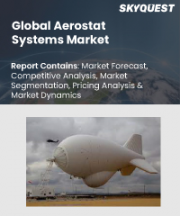
에어로스탯 시스템 시장 보고서 : 동향, 예측 및 경쟁 분석(-2035년)Aerostat System Market Report: Trends, Forecast and Competitive Analysis to 2035 |
||||||
 Lucintel
세계의 에어로스탯 시스템 시장 전망은 민간 및 군용 시장에서의 기회를 배경으로 밝게 전망되고 있습니다. 세계의 에어로스탯 시스템 시장은 2026년부터 2035년까지 연평균 13.0%의 연평균 복합 성장률(CAGR)을 나타내 2035년까지 약 530억 달러에 달할 것으로 예측됩니다. 이 시장의 주요 성장 촉진요인으로는 지속적인 감시 시스템에 대한 수요 증가, 국경 보안에 대한 관심 증가로 인한 에어로스탯 도입 확대, 항공기 탑재형 감시 기술 활용 확대 등을 꼽을 수 있습니다.
- Lucintel의 예측에 따르면, 제품 유형별로는 풍선이 예측 기간 동안 가장 높은 성장률을 나타낼 것으로 예측됩니다.
- 용도별로는 상업용이 더 높은 성장률을 나타낼 것으로 예측됩니다.
- 지역별로는 아시아태평양(APAC)이 예측 기간 동안 가장 높은 성장률을 나타낼 것으로 예측됩니다.
에어로스탯 시스템 시장의 새로운 트렌드
에어로스탯 시스템 시장은 기술 발전, 보안에 대한 관심 증가, 다양한 분야로의 적용 확대에 힘입어 빠르게 성장하고 있습니다. 정부와 민간 기업이 감시, 통신, 방어를 위한 혁신적인 솔루션을 모색하는 가운데, 시장은 미래의 궤도를 형성하는 새로운 트렌드와 함께 진화하고 있습니다. 이러한 발전은 에어로스탯 시스템의 능력을 향상시킬 뿐만 아니라 다양한 지역과 산업에서 도입을 확대되고 있습니다. 시장의 잠재력을 최대한 활용하고 경쟁에서 우위를 점하고자 하는 이해관계자들에게 이러한 새로운 트렌드를 이해하는 것은 매우 중요합니다.
- 첨단 기술 통합 : AI, IoT, 빅데이터 분석의 도입으로 에어로스탯 시스템은 더욱 스마트하고 자율적인 플랫폼으로 변모하고 있습니다. 이러한 기술은 실시간 데이터 처리, 예지보전, 모니터링 능력의 향상을 가능하게 하여 운영 효율성 향상과 비용 절감으로 이어집니다. 또한, 이러한 통합은 의사결정의 질을 향상시키고 보안 위협에 대한 신속한 대응을 가능하게 함으로써 국방, 국경 보안 및 상업용 용도에서 에어로스탯 시스템의 범용성과 효율성을 한층 더 높여줍니다.
- 국방 및 국토 안보 분야에서의 채택 확대 : 세계 각국 정부는 국경 감시, 해상 보안, 전장 감시를 위해 에어로스탯 시스템을 점점 더 많이 도입하고 있습니다. 지속적인 고고도 감시 능력을 갖추고 있어 전략적 방어 작전에 적합합니다. 이러한 추세는 증가하는 안보 위협, 지정학적 긴장, 그리고 비용 효율적이고 확장 가능한 감시 솔루션에 대한 수요에 의해 주도되고 있습니다. 그 결과, 국방 예산에서 에어로스탯 기술에 대한 자금 배분이 증가하고 있으며, 보안 인프라에서 시장 점유율을 확대되고 있습니다.
- 상업 및 민간 분야로의 확장 : 국방 분야 외에도 에어로스탯 시스템은 통신, 재난 관리, 환경 모니터링 등의 분야에서 주목을 받고 있습니다. 이들은 원격지에서의 임시 통신망 구축, 자연재해 감시, 환경 조사 등에 활용되고 있습니다. 이러한 용도의 다양화는 특히 인프라가 제한된 지역에서 새로운 수익원을 개척하고 시장 수요를 확대하는 데 기여하고 있습니다. 다양한 민간용도에 대한 적응성이 시장 성장의 주요 원동력이 되고 있습니다.
- 소형화 및 비용 절감 : 재료 과학 및 제조 공정의 발전으로 더 작고 가벼우면서도 합리적인 가격의 에어로스탯 시스템을 구현할 수 있게 되었습니다. 이러한 소형화로 인해 배포가 용이하고 기존 인프라에 통합이 가능하여 범용성이 넓어졌습니다. 비용 절감으로 인해 소규모 조직이나 개발도상국에서도 에어로스탯 기술을 사용할 수 있게 되어 시장 저변이 확대되고 있습니다. 이러한 개선은 드론과 같은 감시 및 휴대용 통신 중계와 같은 혁신적인 용도로도 활용될 수 있습니다.
- 지속가능성과 친환경 솔루션에 집중 : 환경 문제에 대한 우려로 인해 지속 가능한 소재와 에너지 효율이 높은 설계를 채택한 친환경 에어로스탯 시스템 개발이 진행되고 있습니다. 혁신적인 기술에는 태양광 발전식 에어로스탯, 생분해성 부품 등이 포함되어 있어 환경에 미치는 영향을 줄였습니다. 이러한 추세는 전 세계 지속가능성 목표와 일치하며, 환경에 대한 의식이 높은 고객들의 지지를 받고 있습니다. 친환경 솔루션에 대한 강조는 규제적 지원과 사회적 수용을 촉진하여 시장 보급을 더욱 가속화하고 업계의 혁신을 촉진하고 있습니다.
이러한 추세는 기술력 향상, 적용 범위 확대, 그리고 시스템의 편의성과 지속가능성 향상을 통해 에어로스탯 시스템 시장 전체를 재편하고 있습니다. 첨단 기술의 통합과 소형화가 혁신을 주도하는 한편, 국방 및 민간 분야에서의 채택 확대로 시장 규모가 확대되고 있습니다. 지속가능성에 대한 집중은 산업을 세계 환경 목표와 일치시키고 장기적인 성장을 보장하는 데 도움이 됩니다. 이러한 추세로 인해 에어로스탯 시스템은 향후 몇 년 동안 보안, 통신, 환경 모니터링에서 중요한 역할을 할 수 있는 다재다능하고 비용 효율적이며 친환경적인 솔루션으로 자리매김할 것으로 보입니다.
에어로스탯 시스템 시장의 최근 동향
에어로스탯 시스템 시장은 기술 발전과 세계 보안 수요 증가에 힘입어 빠르게 성장하고 있습니다. 재료, 자동화 및 배치 전략의 혁신으로 국방, 감시 및 상업 분야 전반에 걸쳐 응용 분야가 확대되고 있습니다. 정부와 민간기업은 운영 효율성과 안전성 향상을 위해 많은 투자를 하고 있습니다. 이러한 진화하는 상황은 제조업체와 서비스 제공업체에게 혁신을 일으키고 시장 점유율을 확보할 수 있는 큰 기회를 제공하고 있으며, 궁극적으로 항공 감시 및 통신 시스템이 다양한 산업에 통합되는 방식을 변화시킬 것입니다.
- 국방 및 보안 수요 증가 : 국경 보안, 감시, 군사 정찰에 대한 수요 증가가 에어로스탯 시스템 시장을 주도하고 있습니다. 각국은 비용 효율적이고 고고도 및 장시간 체공이 가능한 솔루션으로 지속적인 공중 감시를 위해 이러한 시스템을 도입하고 있습니다. 실시간 데이터 전송 및 자율 운용 등의 기능 향상으로 에어로스탯은 국가 안보에 필수적인 요소로 자리 잡고 있습니다. 이러한 수요는 시장 확대를 견인할 것으로 예상되며, 아시아태평양, 북미, 중동에서의 새로운 도입은 제조업체에게 큰 성장 기회를 제공합니다.
- 재료 및 설계의 혁신 : 고강도 섬유 및 복합재료와 같은 가볍고 내구성이 뛰어난 재료의 발전으로 에어로스탯의 성능이 향상되고 있습니다. 이러한 혁신을 통해 더 큰 적재 능력, 더 긴 체류 시간, 다양한 기상 조건에서의 안정성을 실현했습니다. 자동 제어 시스템 및 센서의 통합으로 운영 효율성이 향상되었습니다. 이러한 기술적 진보는 비용을 절감하고 신뢰성을 높여 국방, 상업, 연구 분야에서 더 많은 사용자를 끌어들이고 있습니다. 모듈식 및 맞춤형 설계의 개발은 응용 가능성을 더욱 넓혀 시장 성장을 가속하고 있습니다.
- 상업적 용도의 확대 : 국방 분야 외에도 에어로스탯 시스템은 광고, 이벤트 모니터링, 통신 분야에서 점점 더 많이 활용되고 있습니다. 고고도 풍선은 광역 방송, 재난 관리, 인프라 점검에 있어 비용 효율적인 솔루션을 제공합니다. 스마트시티 개념의 부상과 지속적인 연결성에 대한 요구가 에어로스탯 기반 통신 네트워크에 대한 수요를 견인하고 있습니다. 이러한 상업적 용도는 시장 관계자들에게 새로운 수익원을 개척하고, 혁신을 촉진하며, 기존과는 다른 분야로 시장을 확대하는 데 기여하고 있습니다.
- 자동화와 AI의 통합 : 에어로스탯 시스템에 자동화와 인공지능(AI)을 도입하면 운영 능력을 향상시킬 수 있습니다. 자율 내비게이션, 실시간 데이터 분석, 예지보전을 통해 효율성이 향상되고 사람의 개입을 줄일 수 있습니다. AI를 활용한 분석은 모니터링과 데이터 수집의 의사결정을 최적화합니다. 이러한 발전으로 인해 에어로스탯 시스템은 복잡한 임무와 대규모 배치에서 더욱 매력적인 선택이 되고 있습니다. 이러한 기술의 통합은 보다 스마트하고 신뢰할 수 있는 솔루션을 제공함으로써 시장 성장을 가속화할 것으로 예측됩니다.
- 규제 및 환경적 고려사항 : 영공 이용 및 환경 영향에 대한 규제의 발전이 시장의 발전을 형성하고 있습니다. 각국 정부는 안전, 프라이버시, 배출가스에 대한 기준을 수립하고 있으며, 이는 시스템 설계 및 배포 전략에 영향을 미치고 있습니다. 지속가능성 목표에 따라 친환경 소재와 에너지 효율적 운영이 중요시되고 있습니다. 규제 상황은 도전인 동시에 혁신의 기회이기도 합니다. 이러한 요구 사항에 적응하는 기업은 경쟁 우위를 확보하고 지속 가능한 성장과 세계의 에어로스탯 시스템의 광범위한 수용을 보장할 수 있습니다.
이러한 추세의 전반적인 영향은 기술 혁신, 응용 분야 다양화, 모든 분야에서의 도입 확대로 특징지어지는 역동적이고 지속적으로 확대되는 시장으로 이어지고 있습니다. 이러한 기회는 성장을 가속하고, 경쟁을 촉진하고, 지속 가능한 노력을 촉진하며, 궁극적으로 전 세계 보안, 통신 및 상업 분야에서 에어로스탯 시스템의 상황을 변화시키고, 그 역할을 강화할 것입니다.
목차
제1장 주요 요약
제2장 시장 개요
제3장 시장 동향과 예측 분석
제4장 세계의 에어로스탯 시스템 시장 : 제품 유형별
제5장 세계의 에어로스탯 시스템 시장 : 클래스별
제6장 세계의 에어로스탯 시스템 시장 : 용도별
제7장 세계의 에어로스탯 시스템 시장 : 최종 용도별
제8장 지역별 분석
제9장 북미의 에어로스탯 시스템 시장
제10장 유럽의 에어로스탯 시스템 시장
제11장 아시아태평양의 에어로스탯 시스템 시장
제12장 기타 지역의 에어로스탯 시스템 시장
제13장 경쟁 분석
제14장 기회와 전략 분석
제15장 밸류체인 전체 주요 기업 개요
제16장 부록
KTH 26.05.22The future of the global aerostat system market looks promising with opportunities in the commercial and military markets. The global aerostat system market is expected to reach an estimated $53 billion by 2035 with a CAGR of 13.0% from 2026 to 2035. The major drivers for this market are the increasing demand for persistent surveillance systems, the rising border security concerns boosting aerostat deployment, and the growing use of airborne monitoring technologies.
- Lucintel forecasts that, within the product type category, balloon is expected to witness the highest growth over the forecast period.
- Within the end use category, commercial is expected to witness higher growth.
- In terms of region, APAC is expected to witness the highest growth over the forecast period.
Emerging Trends in the Aerostat System Market
The aerostat system market is experiencing rapid growth driven by technological advancements, increasing security concerns, and expanding applications across various sectors. As governments and private entities seek innovative solutions for surveillance, communication, and defense, the market is evolving with new trends that shape its future trajectory. These developments are not only enhancing the capabilities of aerostat systems but also broadening their adoption across different regions and industries. Understanding these emerging trends is crucial for stakeholders aiming to capitalize on the markets potential and stay ahead in this competitive landscape.
- Integration of Advanced Technologies: The incorporation of AI, IoT, and big data analytics is transforming aerostat systems into smarter, more autonomous platforms. These technologies enable real-time data processing, predictive maintenance, and enhanced surveillance capabilities, leading to improved operational efficiency and reduced costs. The integration also facilitates better decision-making and rapid response to security threats, making aerostat systems more versatile and effective across defense, border security, and commercial applications.
- Growing Adoption in Defense and Homeland Security: Governments worldwide are increasingly deploying aerostat systems for border surveillance, maritime security, and battlefield monitoring. The ability to provide persistent, high-altitude coverage makes them ideal for strategic defense operations. This trend is driven by rising security threats, geopolitical tensions, and the need for cost-effective, scalable surveillance solutions. As a result, defense budgets are allocating more funds toward aerostat technology, expanding its market share in security infrastructure.
- Expansion into Commercial and Civil Applications: Beyond defense, aerostat systems are gaining traction in sectors such as telecommunications, disaster management, and environmental monitoring. They are used to establish temporary communication networks in remote areas, monitor natural disasters, and conduct environmental surveys. This diversification is opening new revenue streams and increasing market demand, especially in regions with limited infrastructure. The adaptability of aerostat systems to various civil applications is a key driver of market growth.
- Miniaturization and Cost Reduction: Advances in materials science and manufacturing processes are leading to smaller, lighter, and more affordable aerostat systems. This miniaturization allows for easier deployment and integration into existing infrastructure, broadening their usability. Cost reductions make aerostat technology accessible to smaller organizations and developing countries, expanding the market reach. These improvements are also enabling innovative applications such as drone-like surveillance and portable communication relays.
- Focus on Sustainability and Eco-Friendly Solutions: Environmental concerns are prompting the development of greener aerostat systems that utilize sustainable materials and energy-efficient designs. Innovations include solar-powered aerostats and biodegradable components, reducing environmental impact. This trend aligns with global sustainability goals and appeals to eco-conscious clients. The emphasis on eco-friendly solutions is also fostering regulatory support and public acceptance, further accelerating market adoption and encouraging industry innovation.
These trends are collectively reshaping the aerostat system market by enhancing technological capabilities, broadening application scopes, and making systems more accessible and sustainable. The integration of advanced technologies and miniaturization are driving innovation, while increased adoption in defense and civil sectors is expanding market size. The focus on sustainability aligns the industry with global environmental goals, ensuring long-term growth. Overall, these developments are positioning aerostat systems as versatile, cost-effective, and eco-friendly solutions that will play a crucial role in security, communication, and environmental monitoring in the coming years.
Recent Developments in the Aerostat System Market
The aerostat system market is experiencing rapid growth driven by technological advancements and increasing security needs worldwide. Innovations in materials, automation, and deployment strategies are expanding applications across defense, surveillance, and commercial sectors. Governments and private entities are investing heavily to enhance operational efficiency and safety. This evolving landscape presents significant opportunities for manufacturers and service providers to innovate and capture market share, ultimately transforming how aerial surveillance and communication systems are integrated into various industries.
- Growing Defense and Security Demand: The increasing need for border security, surveillance, and military reconnaissance is propelling the aerostat system market. Countries are deploying these systems for persistent aerial monitoring, which offers cost-effective, high-altitude, long-endurance solutions. Enhanced capabilities such as real-time data transmission and autonomous operation are making aerostats indispensable for national security. This demand is expected to drive market expansion, with new deployments in Asia-Pacific, North America, and the Middle East, creating substantial growth opportunities for manufacturers.
- Technological Innovations in Materials and Design: Advances in lightweight, durable materials like high-strength fabrics and composites are improving aerostat performance. These innovations enable larger payload capacities, longer endurance, and better stability in various weather conditions. Automated control systems and sensor integration are enhancing operational efficiency. Such technological progress reduces costs and increases reliability, attracting more users from defense, commercial, and research sectors. The development of modular and customizable designs further broadens application possibilities, fueling market growth.
- Expansion of Commercial Applications: Beyond defense, aerostat systems are increasingly used in advertising, event monitoring, and telecommunications. High-altitude balloons provide cost-effective solutions for wide-area broadcasting, disaster management, and infrastructure inspection. The rise of smart city initiatives and the need for persistent connectivity are driving demand for aerostat-based communication networks. These commercial applications open new revenue streams for market players, fostering innovation and expanding the market footprint into non-traditional sectors.
- Integration of Automation and AI: The incorporation of automation and artificial intelligence into aerostat systems enhances operational capabilities. Autonomous navigation, real-time data analysis, and predictive maintenance improve efficiency and reduce human intervention. AI-driven analytics enable better decision-making in surveillance and data collection. These advancements make aerostat systems more attractive for complex missions and large-scale deployments. The integration of these technologies is expected to accelerate market growth by offering smarter, more reliable solutions.
- Regulatory and Environmental Considerations: Evolving regulations regarding airspace usage and environmental impact are shaping market development. Governments are establishing standards for safety, privacy, and emissions, influencing system design and deployment strategies. Eco-friendly materials and energy-efficient operations are gaining importance, aligning with sustainability goals. Navigating regulatory landscapes presents challenges but also opportunities for innovation. Companies that adapt to these requirements can gain competitive advantages, ensuring sustainable growth and broader acceptance of aerostat systems globally.
The overall impact of these developments is a dynamic, expanding market characterized by technological innovation, diversified applications, and increased adoption across sectors. These opportunities are driving growth, fostering competition, and encouraging sustainable practices, ultimately transforming the aerostat system landscape and enhancing its role in security, communication, and commercial sectors worldwide.
Strategic Growth Opportunities in the Aerostat System Market
The aerostat system market is experiencing rapid expansion driven by advancements in surveillance, defense, and communication technologies. Increasing demand for persistent aerial monitoring and border security enhances growth prospects. Integration with modern sensors and IoT devices further broadens applications across commercial and military sectors. Strategic investments and technological innovations are expected to accelerate market penetration, creating new opportunities for manufacturers and service providers. This evolving landscape offers significant potential for sustainable growth and diversification in various end-user segments.
- Enhanced Surveillance and Border Security: Aerostat systems provide continuous, high-altitude surveillance capabilities, making them ideal for border security, maritime monitoring, and critical infrastructure protection. Their ability to stay airborne for extended periods with real-time data transmission improves situational awareness. Governments and defense agencies are investing heavily in these systems to combat illegal activities, terrorism, and smuggling, thus expanding the market for advanced aerostat solutions with integrated radar, cameras, and communication payloads.
- Growing Adoption in Military and Defense Applications: Military forces worldwide are increasingly deploying aerostat systems for battlefield surveillance, target acquisition, and reconnaissance missions. These systems offer cost-effective, persistent monitoring over large areas, supporting tactical operations and strategic planning. The integration of cutting-edge sensors, AI, and data analytics enhances operational efficiency. As defense budgets grow, demand for versatile, portable, and resilient aerostat platforms is expected to rise, fueling market growth across various regions.
- Expansion of Commercial and Infrastructure Monitoring: Commercial sectors utilize aerostat systems for infrastructure inspection, environmental monitoring, and event security. Their ability to provide high-resolution imaging and real-time data over extensive areas makes them valuable for oil and gas, power transmission, and urban planning. The rise of smart cities and IoT integration further boosts demand. These applications benefit from advancements in lightweight materials and automation, opening new revenue streams and market segments.
- Technological Innovations in Payload and Materials: Continuous improvements in payload capacity, endurance, and stability are driving market expansion. Innovations include lighter, more durable materials, advanced sensors, and autonomous operation capabilities. These enhancements enable aerostat systems to carry sophisticated equipment for longer durations and in harsher environments. Such technological progress broadens application scopes, reduces operational costs, and increases reliability, making aerostat systems more attractive for diverse end-user needs.
- Strategic Collaborations and Market Penetration in Emerging Regions: Partnerships between technology providers, defense contractors, and government agencies facilitate market expansion into emerging regions like Asia-Pacific and Africa. These collaborations support infrastructure development, security initiatives, and disaster management efforts. Local manufacturing and customization meet regional requirements, fostering adoption. Increased government funding, policy support, and regional security concerns are expected to accelerate growth, making these regions key growth drivers for the aerostat system market.
The overall impact of these opportunities is set to significantly enhance market size, diversify application areas, and foster technological advancements. As stakeholders capitalize on these growth drivers, the aerostat system market is poised for sustained expansion, offering innovative solutions for security, defense, and commercial needs worldwide.
Aerostat System Market Driver and Challenges
The aerostat system market is influenced by a variety of technological, economic, and regulatory factors that shape its growth trajectory. Advances in surveillance technology, increasing demand for border security, and the need for cost-effective aerial monitoring solutions are key drivers. Simultaneously, regulatory restrictions, high operational costs, and technological limitations pose significant challenges. These factors collectively impact market expansion, innovation, and adoption rates. Understanding these drivers and challenges is essential for stakeholders to navigate the evolving landscape effectively and capitalize on emerging opportunities while addressing potential obstacles.
The factors responsible for driving the aerostat system market include:-
- Technological Advancements: The continuous development of high-altitude aerostat systems equipped with sophisticated sensors and communication devices enhances surveillance capabilities. These innovations improve operational efficiency, extend deployment durations, and enable real-time data collection, making aerostat systems more attractive for military, security, and commercial applications. As technology progresses, costs decrease, and system reliability increases, further fueling market growth.
- Increasing Security Concerns: Rising geopolitical tensions, border disputes, and terrorism threats have heightened the need for persistent surveillance and border security solutions. Aerostat systems offer a cost-effective, persistent aerial platform capable of monitoring large areas for extended periods. Governments and security agencies are investing heavily in these systems to enhance national security, which significantly drives market demand.
- Cost-Effectiveness and Operational Efficiency: Compared to traditional aerial surveillance methods like helicopters and drones, aerostat systems provide a more economical solution for continuous monitoring over large areas. They require less manpower and fuel, and can operate for extended durations without interruption. This cost advantage makes them a preferred choice for long-term surveillance projects, thereby expanding market opportunities.
- Growing Adoption in Commercial Sectors: Beyond military and border security, commercial sectors such as oil and gas, event security, and infrastructure monitoring are increasingly adopting aerostat systems. These systems provide reliable, high-altitude observation capabilities that are essential for asset protection and operational oversight, thus broadening the market scope and encouraging technological innovation.
The challenges in the aerostat system market are:
- Regulatory and Legal Restrictions: Stringent regulations related to airspace usage, safety standards, and environmental concerns can hinder market growth. Compliance with diverse international and national regulations requires significant investment and can delay deployment. Additionally, restrictions on high-altitude operations and airspace permissions pose operational challenges for market players.
- High Operational and Maintenance Costs: Despite their cost advantages over some alternatives, aerostat systems still involve substantial expenses related to manufacturing, deployment, and maintenance. The need for specialized personnel, regular system upgrades, and safety measures increases overall costs, which can limit adoption, especially among smaller organizations or in developing regions.
- Technological Limitations and Environmental Factors: Aerostat systems are susceptible to weather conditions such as high winds, rain, and lightning, which can impair their functionality and safety. Technological limitations in payload capacity and endurance also restrict operational flexibility. Overcoming these challenges requires ongoing innovation, which can be resource-intensive and time-consuming.
The aerostat system market is driven by technological progress, security needs, cost advantages, and expanding commercial applications. However, regulatory hurdles, high operational costs, and environmental vulnerabilities present significant challenges. These factors collectively influence market growth, requiring stakeholders to innovate and adapt strategically. The overall impact is a dynamic landscape with substantial opportunities tempered by regulatory and technical obstacles, necessitating a balanced approach for sustainable development.
List of Aerostat System Companies
Companies in the market compete on the basis of product quality offered. Major players in this market focus on expanding their manufacturing facilities, R&D investments, infrastructural development, and leverage integration opportunities across the value chain. With these strategies aerostat system companies cater increasing demand, ensure competitive effectiveness, develop innovative products & technologies, reduce production costs, and expand their customer base. Some of the aerostat system companies profiled in this report include-
- TCOM, LP,
- Aerostar LLC
- Lockheed Martin Corporation
- Aeros Corporation
- Israel Aerospace Industries Ltd.
- Allsopp Helikites Ltd.
- ILC Dover, LP
- NPO RosAeroSystems
- Lindstrand Industries
- Icarus Training Systems & Airborne Industries
Aerostat System Market by Segment
The study includes a forecast for the global aerostat system market by product type, class, application, end use, and region.
Aerostat System Market by Product Type [Value from 2019 to 2035]:
- Balloon
- Airships
- Hybrid
Aerostat System Market by Class [Value from 2019 to 2035]:
- Compact-Sized
- Mid-Sized
- Large-Sized
Aerostat System Market by Application [Value from 2019 to 2035]:
- Military ISR
- Border & Coastal Surveillance
- Telecom & Broadband Relay
- Environmental & Weather Monitoring
- Disaster Management & Public Safety
- Scientific Research & Academic
Aerostat System Market by End Use [Value from 2019 to 2035]:
- Commercial
- Military
Aerostat System Market by Region [Value from 2019 to 2035]:
- North America
- Europe
- Asia Pacific
- The Rest of the World
Country Wise Outlook for the Aerostat System Market
The aerostat system market has experienced significant growth driven by advancements in surveillance, defense, and security applications worldwide. As nations seek enhanced border security, disaster management, and military capabilities, the deployment of aerostat systems has become increasingly vital. Technological innovations, increased government investments, and expanding applications across various sectors are shaping the market landscape. The United States, China, Germany, India, and Japan are leading the way with unique developments tailored to their strategic needs and technological capabilities, reflecting a global shift towards more sophisticated and integrated aerostat solutions.
- United States: The US market has seen increased adoption of aerostat systems for border security, military surveillance, and disaster response. Major defense contractors are developing advanced, high-altitude aerostats with enhanced endurance and sensor integration. The government has increased funding for homeland security initiatives, promoting innovation in persistent surveillance technologies. Additionally, collaborations between military and private sectors are accelerating the deployment of next-generation aerostat systems, emphasizing autonomous operation and real-time data processing.
- China: China is rapidly expanding its aerostat capabilities for military and civilian applications. The country has developed domestically produced high-altitude aerostats equipped with sophisticated radar and communication systems. The Chinese government is investing heavily in surveillance infrastructure to monitor borders and urban areas. Recent advancements include the integration of AI-driven analytics for real-time threat detection and the deployment of large-scale aerostat networks for comprehensive coverage, reflecting Chinas focus on technological self-reliance and strategic dominance.
- Germany: Germanys aerostat market is primarily driven by defense and security sectors, with a focus on European border control and maritime surveillance. The country has invested in lightweight, portable aerostat systems that can be rapidly deployed for tactical operations. German companies are also innovating in sensor technology, including high-resolution cameras and environmental monitoring sensors. The emphasis on eco-friendly and energy-efficient systems aligns with Germanys sustainability goals, fostering the development of more sustainable aerostat solutions.
- India: India is increasingly utilizing aerostat systems for border security, coastal surveillance, and disaster management. The Indian government has launched several initiatives to deploy domestically manufactured aerostats with advanced surveillance sensors. Recent developments include the integration of long-endurance aerostats with real-time data transmission capabilities and the expansion of surveillance networks along sensitive borders. The focus remains on enhancing national security and disaster preparedness through cost-effective and scalable aerostat solutions.
- Japan: Japans aerostat market is characterized by innovations in maritime security, disaster monitoring, and defense. The country has developed aerostats with high endurance and sophisticated sensor payloads to monitor its extensive coastline and respond to natural disasters. Japan is also exploring autonomous aerostat systems integrated with drone technology for enhanced surveillance. The emphasis on resilience and technological integration reflects Japans strategic priorities in safeguarding its maritime interests and improving disaster response capabilities.
Features of the Global Aerostat System Market
- Market Size Estimates: Aerostat system market size estimation in terms of value ($B).
- Trend and Forecast Analysis: Market trends (2019 to 2025) and forecast (2026 to 2035) by various segments and regions.
- Segmentation Analysis: Aerostat system market size by various segments, such as by product type, class, application, end use, and region in terms of value ($B).
- Regional Analysis: Aerostat system market breakdown by North America, Europe, Asia Pacific, and Rest of the World.
- Growth Opportunities: Analysis of growth opportunities in different product types, class, applications, end uses, and regions for the aerostat system market.
- Strategic Analysis: This includes M&A, new product development, and competitive landscape of the aerostat system market.
Analysis of competitive intensity of the industry based on Porter's Five Forces model.
This report answers following 11 key questions:
- Q.1. What are some of the most promising, high-growth opportunities for the aerostat system market by product type (balloon, airships, and hybrid), class (compact-sized, mid-sized, and large-sized), application (military ISR, border & coastal surveillance, telecom & broadband relay, environmental & weather monitoring, disaster management & public safety, and scientific research & academic), end use (commercial and military), and region (North America, Europe, Asia Pacific, and the Rest of the World)?
- Q.2. Which segments will grow at a faster pace and why?
- Q.3. Which region will grow at a faster pace and why?
- Q.4. What are the key factors affecting market dynamics? What are the key challenges and business risks in this market?
- Q.5. What are the business risks and competitive threats in this market?
- Q.6. What are the emerging trends in this market and the reasons behind them?
- Q.7. What are some of the changing demands of customers in the market?
- Q.8. What are the new developments in the market? Which companies are leading these developments?
- Q.9. Who are the major players in this market? What strategic initiatives are key players pursuing for business growth?
- Q.10. What are some of the competing products in this market and how big of a threat do they pose for loss of market share by material or product substitution?
- Q.11. What M&A activity has occurred in the last 5 years and what has its impact been on the industry?
Table of Contents
1. Executive Summary
2. Market Overview
- 2.1 Background and Classifications
- 2.2 Supply Chain
3. Market Trends & Forecast Analysis
- 3.1 Macroeconomic Trends and Forecasts
- 3.2 Industry Drivers and Challenges
- 3.3 PESTLE Analysis
- 3.4 Patent Analysis
- 3.5 Regulatory Environment
4. Global Aerostat System Market by Product Type
- 4.1 Overview
- 4.2 Attractiveness Analysis by Product Type
- 4.3 Balloon : Trends and Forecast (2019-2035)
- 4.4 Airships : Trends and Forecast (2019-2035)
- 4.5 Hybrid : Trends and Forecast (2019-2035)
5. Global Aerostat System Market by Class
- 5.1 Overview
- 5.2 Attractiveness Analysis by Class
- 5.3 Compact-Sized : Trends and Forecast (2019-2035)
- 5.4 Mid-Sized : Trends and Forecast (2019-2035)
- 5.5 Large-Sized : Trends and Forecast (2019-2035)
6. Global Aerostat System Market by Application
- 6.1 Overview
- 6.2 Attractiveness Analysis by Application
- 6.3 Military ISR : Trends and Forecast (2019-2035)
- 6.4 Border & Coastal Surveillance : Trends and Forecast (2019-2035)
- 6.5 Telecom & Broadband Relay : Trends and Forecast (2019-2035)
- 6.6 Environmental & Weather Monitoring : Trends and Forecast (2019-2035)
- 6.7 Disaster Management & Public Safety : Trends and Forecast (2019-2035)
- 6.8 Scientific Research & Academic : Trends and Forecast (2019-2035)
7. Global Aerostat System Market by End Use
- 7.1 Overview
- 7.2 Attractiveness Analysis by End Use
- 7.3 Commercial : Trends and Forecast (2019-2035)
- 7.4 Military : Trends and Forecast (2019-2035)
8. Regional Analysis
- 8.1 Overview
- 8.2 Global Aerostat System Market by Region
9. North American Aerostat System Market
- 9.1 Overview
- 9.2 North American Aerostat System Market by Product Type
- 9.3 North American Aerostat System Market by End Use
- 9.4 The United States Aerostat System Market
- 9.5 Canadian Aerostat System Market
- 9.6 Mexican Aerostat System Market
10. European Aerostat System Market
- 10.1 Overview
- 10.2 European Aerostat System Market by Product Type
- 10.3 European Aerostat System Market by End Use
- 10.4 German Aerostat System Market
- 10.5 French Aerostat System Market
- 10.6 Italian Aerostat System Market
- 10.7 Spanish Aerostat System Market
- 10.8 The United Kingdom Aerostat System Market
11. APAC Aerostat System Market
- 11.1 Overview
- 11.2 APAC Aerostat System Market by Product Type
- 11.3 APAC Aerostat System Market by End Use
- 11.4 Chinese Aerostat System Market
- 11.5 Indian Aerostat System Market
- 11.6 Japanese Aerostat System Market
- 11.7 South Korean Aerostat System Market
- 11.8 Indonesian Aerostat System Market
12. ROW Aerostat System Market
- 12.1 Overview
- 12.2 ROW Aerostat System Market by Product Type
- 12.3 ROW Aerostat System Market by End Use
- 12.4 Middle Eastern Aerostat System Market
- 12.5 South American Aerostat System Market
- 12.6 African Aerostat System Market
13. Competitor Analysis
- 13.1 Product Portfolio Analysis
- 13.2 Operational Integration
- 13.3 Porter's Five Forces Analysis
- Competitive Rivalry
- Bargaining Power of Buyers
- Bargaining Power of Suppliers
- Threat of Substitutes
- Threat of New Entrants
- 13.4 Market Share Analysis
14. Opportunities & Strategic Analysis
- 14.1 Value Chain Analysis
- 14.2 Growth Opportunity Analysis
- 14.2.1 Growth Opportunity by Product Type
- 14.2.2 Growth Opportunity by Class
- 14.2.3 Growth Opportunity by Application
- 14.2.4 Growth Opportunity by End Use
- 14.2.5 Growth Opportunity by Region
- 14.3 Emerging Trends in the Global Aerostat System Market
- 14.4 Strategic Analysis
- 14.4.1 New Product Development
- 14.4.2 Certification and Licensing
- 14.4.3 Mergers, Acquisitions, Agreements, Collaborations, and Joint Ventures
15. Company Profiles of the Leading Players Across the Value Chain
- 15.1 Competitive Analysis Overview
- 15.2 TCOM, LP,
- Company Overview
- Aerostat System Market Business Overview
- New Product Development
- Merger, Acquisition, and Collaboration
- Certification and Licensing
- 15.3 Aerostar LLC
- Company Overview
- Aerostat System Market Business Overview
- New Product Development
- Merger, Acquisition, and Collaboration
- Certification and Licensing
- 15.4 Lockheed Martin Corporation
- Company Overview
- Aerostat System Market Business Overview
- New Product Development
- Merger, Acquisition, and Collaboration
- Certification and Licensing
- 15.5 Aeros Corporation
- Company Overview
- Aerostat System Market Business Overview
- New Product Development
- Merger, Acquisition, and Collaboration
- Certification and Licensing
- 15.6 Israel Aerospace Industries Ltd.
- Company Overview
- Aerostat System Market Business Overview
- New Product Development
- Merger, Acquisition, and Collaboration
- Certification and Licensing
- 15.7 Allsopp Helikites Ltd.
- Company Overview
- Aerostat System Market Business Overview
- New Product Development
- Merger, Acquisition, and Collaboration
- Certification and Licensing
- 15.8 ILC Dover, LP
- Company Overview
- Aerostat System Market Business Overview
- New Product Development
- Merger, Acquisition, and Collaboration
- Certification and Licensing
- 15.9 NPO RosAeroSystems
- Company Overview
- Aerostat System Market Business Overview
- New Product Development
- Merger, Acquisition, and Collaboration
- Certification and Licensing
- 15.10 Lindstrand Industries
- Company Overview
- Aerostat System Market Business Overview
- New Product Development
- Merger, Acquisition, and Collaboration
- Certification and Licensing
- 15.11 Icarus Training Systems & Airborne Industries
- Company Overview
- Aerostat System Market Business Overview
- New Product Development
- Merger, Acquisition, and Collaboration
- Certification and Licensing
16. Appendix
- 16.1 List of Figures
- 16.2 List of Tables
- 16.3 Research Methodology
- 16.4 Disclaimer
- 16.5 Copyright
- 16.6 Abbreviations and Technical Units
- 16.7 About Us
- 16.8 Contact Us