|
시장보고서
상품코드
2117310
미국의 스마트 공기청정기 시장 : 시장 점유율 분석, 업계 동향 및 통계, 성장 예측(2026-2031년)US Smart Air Purifier - Market Share Analysis, Industry Trends & Statistics, Growth Forecasts (2026 - 2031) |
||||||
 Mordor Intelligence
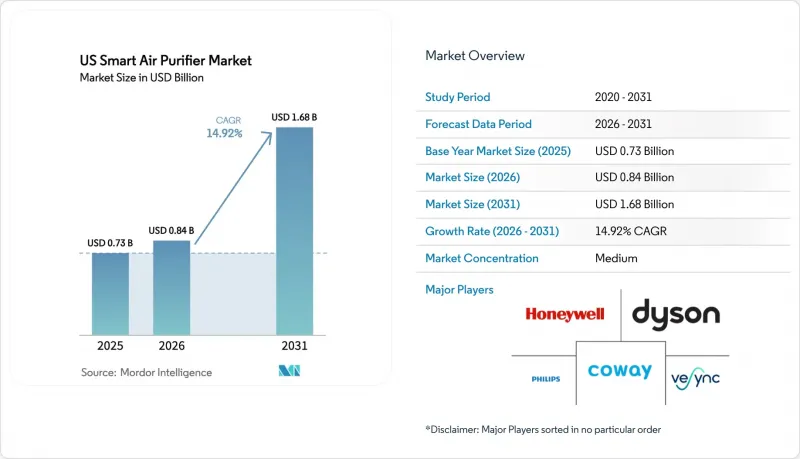
Mordor Intelligence에 의하면, 2026년 미국에서 스마트 공기청정기 시장 규모는 8억 4,000만 달러로 추정되고, 2025년 7억 3,000만 달러에서 확대해, 2031년에는 16억 8,000만 달러에 이를 것으로 예측됩니다.
2026-2031년 연평균 성장률(CAGR)은 14.92%가 될 것으로 전망됩니다.
본 보고서는 제품 유형별(집진기, 배가스·배연 집진 장치, 기타), 기술별(HEPA, 활성탄 여과, 기타), 용도별(주거용, 상업용, 기타), 설치 유형별(독립형·휴대형, 덕트 내 설치형·중앙 공조), 유통 채널별(B2C·소매, B2B·제조업체 직접 판매), 지역별(북동부, 서부, 기타)로 분류되어 있습니다. 시장 예측은 금액(달러) 기준으로 제시되어 있습니다.
미국의 스마트 공기청정기 시장 동향 및 인사이트
실내 공기질에 대한 소비자의 인식 제고
2024년 2월 미국 환경보호청(EPA)이 PM2.5의 연간 기준치를 9µg/m3로 하향 조정한 것을 계기로, 실내 오염 물질 농도가 실외 수준의 2-5배에 달할 수 있다는 뉴스가 보도되면서 인식이 급격히 높아졌습니다. 미국인들이 하루의 90%를 실내에서 보낸다는 연구 결과도 이 문제의 시급성을 더욱 높이고 있습니다. 각 제조업체는 현재 VOC(휘발성 유기 화합물) 제거, 산불 연기 포집, 실시간 AQI(대기질 지수) 표시를 강조하고 있습니다. 샤프의 플라즈마 클러스터 제품의 전 세계 판매 대수가 9,000만 대를 넘어섰다는 사실은 이온을 이용한 정화라는 메시지가 건강 의식이 높은 구매자들에게 어떻게 와닿고 있는지를 여실히 보여주고 있습니다. 국민 4명 중 1명이 건강에 해로운 실외 공기를 마시고 있음을 보여주는 ‘전미 대기질 보고서’는 가정 내 공기 정화가 예방 의학의 수단으로서 확고한 위치를 차지하고 있음을 더욱 뒷받침하고 있습니다.
호흡기 질환 증가
호흡기 질환의 유병률은 거대한 잠재 시장을 창출하고 있습니다. 미국 만성질환 예방 및 건강 증진 센터(CDC)의 데이터에 따르면, 현재 미국의 천식 환자 수는 2,490만 명에 달할 전망입니다. 의료비 급등으로 인해 예방책에 대한 관심이 높아지고 있습니다. ASHRAE 표준 241에 따라 건물 소유주는 병원체 제어용 공기 청정기를 설치할 의무가 있으며, 이에 따라 학교와 사무실에서 수요가 증가하고 있습니다. 조사에 따르면, HEPA 필터와 UV-C 라이트를 모두 갖춘 공기 청정기는 유아의 독감 발병 빈도를 줄이고, 천식이 있는 경우에도 호흡을 편하게 하는 데 도움이 되는 것으로 나타났습니다. 건강을 중시하는 많은 가정에게 이러한 명확한 이점이 있다면, 초기 비용은 충분히 가치 있는 투자입니다.
높은 초기 비용과 유지비
최고급 공기청정기는 결코 저렴하지 않습니다. 정가만으로도 많은 중산층 가구에게는 구매를 주저하게 만드는 요인이 되며, 비용은 그뿐만이 아닙니다. HEPA 필터나 활성탄 필터는 몇 달마다 교체해야 하기 때문에 예산을 신경 쓰는 분들에게는 연간 유지비가 구매 가격에 필적하거나 심지어 이를 초과할 가능성도 있습니다.
본체 가동에도 추가 비용이 들지만, 에너지 효율 라벨이 부착된 모델이라면 전기 요금 부담을 다소 덜 수 있습니다. 일부 주나 전력 회사에서는 가격 부담을 덜어주기 위해 소액의 환급금을 제공하지만, 이러한 프로그램은 결코 보편적인 것은 아닙니다. 이러한 비용 장벽은 특히 여러 방을 커버하고자 하는 가정에 큰 영향을 미칩니다. 집 전체에 설치하려면 초기 비용으로 더 많은 현금을 지출해야 하기 때문입니다. 그럼에도 불구하고 건강을 중시하는 많은 가정은 더 깨끗한 공기, 알레르기 발작 감소, 양질의 수면과 같은 장기적인 이점을 얻기 위해 지금 예산을 조금 줄이는 것이 가치가 있다고 판단하고 있습니다. ENERGY STAR 인증 모델은 연간 전력 소비량을 25% 절감하지만, 리베이트를 지급하는 곳은 일부 전력 회사에 불과합니다. 오리건주의 ‘에너지 트러스트’는 75달러, 코네티컷주의 프로그램은 40달러를 지급하고 있지만, 많은 소비자는 비용 면에서의 지원을 받지 못하고 있습니다. 각 브랜드는 현재 할부 결제 플랜이나 기존 제품 교환 할인으로 대응하고 있지만, 저소득 지역의 우편번호 구역에서는 여전히 가격 문제가 미국 스마트 공기청정기 시장의 확장을 저해하고 있습니다.
부문 분석
2025년, 미국 스마트 공기청정기 시장에서 집진기는 45.32%를 차지했습니다. 이는 소비자들이 가정 내 알레르기 유발 물질이나 반려동물의 비듬을 대책 대상으로 삼고 있기 때문입니다. 이 부문은 인지도가 높은 HEPA 브랜드와 캐주얼한 쇼핑객에게 적합한 폭넓은 가격대라는 이점을 누리고 있습니다. 대조적으로, 배기·연기용 공기청정기는 틈새 시장이지만, 산불 시즌의 심화와 도시 지역의 스모그 경보 증가를 배경으로 2031년까지 연평균 성장률(CAGR) 15.12%를 나타낼 것으로 예측됩니다.
기술의 상호 융합이 제품의 진화를 가속화하고 있습니다. KIMM의 필터리스 정전식 설계는 90%의 미세 입자 제거율과 낮은 수명 주기 비용을 보장하는 반면, 샤프(Sharp)는 제습 기능을 결합하여 해안 지역 구매자들의 관심을 끌고 있습니다. AtomikAir와 같은 산업용 등급 시스템은 최대 100만 ft³/h의 처리 용량을 갖추고 있어, 기존에는 기본적인 HVAC 필터에 의존하던 창고 시장에 새로운 길을 열어주고 있습니다. 이러한 변화로 인해 시설 관리자들이 모니터링 대시보드를 포함한 턴키 패키지를 요구함에 따라 새로운 B2B 수익이 창출되고 있습니다.
HEPA 시스템은 2025년에 52.40%의 시장 점유율을 차지할 것으로 예상되며, 99.97%의 제거 효율이 입증된 제품을 찾는 가정에게는 여전히 표준 선택지로 남아 있습니다. 미국 스마트 공기청정기 시장에서 HEPA의 점유율은 인증에 대한 높은 인지도와 낮은 규제 위험에 힘입어 유지되고 있습니다. 활성탄 방식 장치는 2031년까지 연평균 성장률(CAGR) 15.57%를 나타낼 것으로 예측됩니다.
또한 새로운 소재들도 시장에 변화를 가져오고 있습니다. 예를 들어, 워싱턴 주립대학교의 과학자들은 옥수수 단백질을 필터로 변환하여 입자 포집률 99.5%로 HEPA에 필적하는 성능을 실현하는 동시에, 포름알데히드의 87%까지 포집하는 데 성공했습니다. 현재 많은 브랜드가 HEPA, 활성탄, UV-C와 같은 여러 기술을 한 대의 제품에 통합하여 실내의 모든 오염 물질에 대응하고 있습니다. 게다가 Wi-Fi 센서와 앱을 통한 제어 기능을 추가함으로써 공기청정기는 실시간으로 자동으로 조절할 수 있습니다. 다이슨 모델의 경우, 유지보수의 필요성을 스스로 진단하여 소유자의 번거로움을 최소화하고 있습니다.
기타 혜택
- 엑셀 형식 시장 예측(ME) 시트
- 3개월간의 애널리스트 지원
자주 묻는 질문
목차
제1장 서론
제2장 조사 방법
제3장 개요
제4장 시장 구도
제5장 시장 규모 및 성장 예측
제6장 경쟁 구도
제7장 시장 기회 및 향후 전망
AJY 26.09.01According to Mordor Intelligence, US smart air purifier market size in 2026 is estimated at USD 0.84 billion, growing from 2025 value of USD 0.73 billion with 2031 projections showing USD 1.68 billion, growing at 14.92% CAGR over 2026-2031.
This report is Segmented by Type (Dust Collectors, Fume & Smoke Collectors, and Others), by Technology (HEPA, Activated Carbon Filtration, and More), by Application (Residential, Commercial, and More), by Installation Type(Standalone, Central HVAC), Distribution Channel (B2C/Retail, B2B), and by Geography(Northeast, West, and More). The Market Forecasts are Provided in Terms of Value (USD).
US Smart Air Purifier Market Trends and Insights
Rising Consumer Awareness of Indoor Air Quality
Awareness spiked after the US EPA cut the annual PM2.5 limit to 9 µg/m3 in February 2024, prompting headlines that indoor pollutant loads can be two to five times higher than outdoor levels. Studies that show Americans stay indoors 90% of the day have added urgency. Manufacturers now highlight VOC (Volatile Organic Compound) removal, wildfire smoke capture, and real-time AQI (Air Quality Index) displays. Sharp's global sales of more than 90 million Plasmacluster units illustrate how ion-based purification messaging resonates with health-conscious buyers. A National Air Quality report showing 1 in 4 citizens breathing unhealthy outdoor air further cements in-home filtration as a preventive health tool.
Increasing Prevalence of Respiratory Diseases
Respiratory disease prevalence creates a substantial addressable market. National Center for Chronic Disease Prevention and Health Promotion, data put current US asthma cases at 24.9 million. Rising medical costs have sharpened interest in preventive solutions. ASHRAE Standard 241 forces building owners to consider filtration for pathogen control, boosting demand in schools and offices. Clinical research shows that air purifiers with both HEPA filters and UV-C lights help kids catch the flu less often and breathe easier if they have asthma. For many families focused on health, those clear benefits make the upfront cost worthwhile.
High Upfront & Maintenance Costs
Top-shelf air purifiers do not come at a low cost. The sticker price alone can keep many middle-income families on the sidelines, and the bills do not stop there. HEPA or charcoal filters must be swapped out every few months so that annual upkeep can rival-or even top-the original purchase cost for anyone watching the budget.
Running the unit adds another layer of expense, although models with energy-saving labels do soften the hit on the power bill. A handful of states and utilities offer small rebates that take some sting out of the price, but those programs are far from universal. This cost barrier particularly impacts households when a family wants coverage in several rooms; outfitting an entire home requires a bigger cash outlay up front. Even so, many health-focused households decide the longer-term payoff-cleaner air, fewer allergy flare-ups, better sleep-is worth stretching the budget today. ENERGY STAR certified models cut annual power use by 25%, but only selected utilities fund rebates-Energy Trust of Oregon offers USD 75, and Connecticut's program pays USD 40, leaving many consumers without cost relief . Brands now counter with financing plans and trade-in credits, but affordability still curbs the US smart air purifier market in lower-income ZIP codes.
Other drivers and restraints analyzed in the detailed report include:
- Integration of Smart-Home Connectivity (IoT)
- Expansion of E-Commerce Channels
- Ozone/UV By-Product Emission Concerns
For complete list of drivers and restraints, kindly check the Table Of Contents.
Segment Analysis
Dust collectors accounted for 45.32% of the US smart air purifier market in 2025 as consumers target household allergens and pet dander. The segment benefits from recognizable HEPA branding and broad price ranges that suit casual shoppers. In contrast, fume and smoke collectors, although niche, are projected to grow at an 15.12% CAGR through 2031 amid intensifying wildfire seasons and urban smog alerts.
Technology cross-pollination is speeding product evolution. Filter-free electrostatic designs from KIMM promise 90% particulate removal with lower lifetime cost, while Sharp bundles dehumidification to attract coastal buyers. Industrial-grade systems such as AtomikAir treat up to 1 million ft3/h, opening an avenue for warehouses that previously relied on basic HVAC filtration. This shift brings new B2B revenue as facility managers look for turnkey packages that include monitoring dashboards.
HEPA systems held 52.40% share in 2025 and remain the default choice for families seeking tested 99.97% efficiency. The US smart air purifier market share for HEPA is reinforced by certification visibility and low regulatory risk. Activated-carbon units are forecast to register a 15.57% CAGR through 2031.
Fresh materials are also shaking things up. Washington State University scientists, for example, turned corn protein into a filter that rivals HEPA at 99.5% particle capture and grabs 87% of formaldehyde as well. Many brands now bundle several technologies-HEPA, carbon, UV-C-in one box to cover the full spectrum of indoor contaminants. Add Wi-Fi sensors and app controls, and the purifier can adjust itself in real time; Dyson models even diagnose their own maintenance needs to keep upkeep simple for the owner.
Complete Report Scope:
- By Product Type
- Dust Collectors
- Fume & Smoke Collectors
- Others
- By Technology
- HEPA
- Activated Carbon Filtration
- Ionic Filter
- Ultra-Violet Technology
- Others
- By Installation Type
- Stand-alone / Portable
- In-duct / Central HVAC
- By Application
- Residential
- Commercial
- Industrial
- By Distribution Channel
- B2C/Retail
- Multi-brand Stores
- Exclusive Brand Outlets
- Online
- Other Distribution Channels
- B2B/Directly from the Manufacturers
- B2C/Retail
- By Geography
- Northeast
- Southeast
- Midwest
- Southwest
- West
List of Companies Covered in this Report:
- Honeywell International Inc.
- Dyson Ltd.
- Sharp Corporation
- Koninklijke Philips N.V.
- Coway Co., Ltd.
- Levoit (Vesync Co., Ltd.)
- IQAir AG
- LG Electronics Inc.
- Hamilton Beach Brands Inc.
- Whirlpool Corporation
- Blueair AB (Unilever PLC)
- Winix Inc.
- Aerus LLC
- Molekule Inc.
- Rabbit Air
- Oransi LLC
- GermGuardian (Guardian Technologies)
- TruSens (Environmental Solutions Group)
- Medify Air
- Boneco AG
Additional Benefits:
- The market estimate (ME) sheet in Excel format
- 3 months of analyst support
TABLE OF CONTENTS
1 Introduction
- 1.1 Study Assumptions & Market Definition
- 1.2 Scope of the Study
2 Research Methodology
3 Executive Summary
4 Market Landscape
- 4.1 Market Overview
- 4.2 Market Drivers
- 4.2.1 Rising Consumer Awareness of Indoor Air Quality
- 4.2.2 Increasing Prevalence of Respiratory Diseases
- 4.2.3 Integration of Smart-Home Connectivity (IoT)
- 4.2.4 Expansion of E-Commerce Channels
- 4.2.5 Utility Rebates & Health-Insurance Incentives
- 4.2.6 Uptake in Co-Working Offices for WELL/LEED Credits
- 4.3 Market Restraints
- 4.3.1 High Upfront & Maintenance Costs
- 4.3.2 Ozone/UV By-Product Emission Concerns
- 4.3.3 Indoor-Sensor Data-Privacy Concerns
- 4.3.4 Supply-Chain Dependence on Imported Filter Media
- 4.4 Industry Value Chain Analysis
- 4.5 Porter's Five Forces Analysis
- 4.5.1 Threat of New Entrants
- 4.5.2 Bargaining Power of Suppliers
- 4.5.3 Bargaining Power of Buyers
- 4.5.4 Threat of Substitutes
- 4.5.5 Competitive Rivalry
- 4.6 Insights into the Latest Trends and Innovations in the Market
- 4.7 Insights on Recent Developments (New Product Launches, Strategic Initiatives, Investments, Partnerships, JVs, Expansion, M&As, etc.) in the Market
5 Market Size & Growth Forecasts (Value)
- 5.1 By Product Type
- 5.1.1 Dust Collectors
- 5.1.2 Fume & Smoke Collectors
- 5.1.3 Others
- 5.2 By Technology
- 5.2.1 HEPA
- 5.2.2 Activated Carbon Filtration
- 5.2.3 Ionic Filter
- 5.2.4 Ultra-Violet Technology
- 5.2.5 Others
- 5.3 By Installation Type
- 5.3.1 Stand-alone / Portable
- 5.3.2 In-duct / Central HVAC
- 5.4 By Application
- 5.4.1 Residential
- 5.4.2 Commercial
- 5.4.3 Industrial
- 5.5 By Distribution Channel
- 5.5.1 B2C/Retail
- 5.5.1.1 Multi-brand Stores
- 5.5.1.2 Exclusive Brand Outlets
- 5.5.1.3 Online
- 5.5.1.4 Other Distribution Channels
- 5.5.2 B2B/Directly from the Manufacturers
- 5.5.1 B2C/Retail
- 5.6 By Geography
- 5.6.1 Northeast
- 5.6.2 Southeast
- 5.6.3 Midwest
- 5.6.4 Southwest
- 5.6.5 West
6 Competitive Landscape
- 6.1 Market Concentration
- 6.2 Strategic Moves
- 6.3 Market Share Analysis
- 6.4 Company Profiles (includes Global level Overview, Market level overview, Core Segments, Financials as available, Strategic Information, Market Rank/Share, Products & Services, and Recent Developments)
- 6.4.1 Honeywell International Inc.
- 6.4.2 Dyson Ltd.
- 6.4.3 Sharp Corporation
- 6.4.4 Koninklijke Philips N.V.
- 6.4.5 Coway Co., Ltd.
- 6.4.6 Levoit (Vesync Co., Ltd.)
- 6.4.7 IQAir AG
- 6.4.8 LG Electronics Inc.
- 6.4.9 Hamilton Beach Brands Inc.
- 6.4.10 Whirlpool Corporation
- 6.4.11 Blueair AB (Unilever PLC)
- 6.4.12 Winix Inc.
- 6.4.13 Aerus LLC
- 6.4.14 Molekule Inc.
- 6.4.15 Rabbit Air
- 6.4.16 Oransi LLC
- 6.4.17 GermGuardian (Guardian Technologies)
- 6.4.18 TruSens (Environmental Solutions Group)
- 6.4.19 Medify Air
- 6.4.20 Boneco AG
7 Market Opportunities & Future Outlook
- 7.1 AI-Powered Smart Washing Systems in the Residential Market
- 7.2 Smart Air Purifiers to Surge on the Back of Tech-Driven Innovation