|
시장보고서
상품코드
1964358
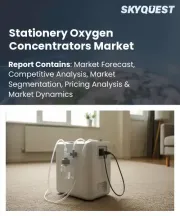
고정형 산소발생기 시장 규모, 점유율, 성장 분석 : 제품 유형별, 전원별, 휴대성별, 최종사용자별, 지역별 - 업계 예측(2026-2033년)Stationery Oxygen Concentrators Market Size, Share, and Growth Analysis, By Product Type (Low Flow Oxygen Concentrators, High Flow Oxygen Concentrators), By Power Source, By Portability, By End User, By Region - Industry Forecast 2026-2033 |
||||||

세계의 고정형 산소발생기 시장 규모는 2024년에 18억 달러로 평가되었으며, 2025년 19억 3,000만 달러에서 2033년까지 33억 7,000만 달러로 성장할 전망입니다. 예측 기간(2026-2033년) 동안 CAGR은 7.2%로 예측됩니다.
세계 고정형 산소발생기 시장은 의료기기 분야에서 중요한 부문을 차지하고 있으며, 주로 재택 및 간병 환경에서 지속적인 산소 공급이 필요한 환자를 대상으로 하고 있습니다. 이 시장의 성장은 만성 호흡기질환을 앓고 있는 고령화 인구의 증가에 크게 영향을 받고 있으며, 환자의 삶의 질을 향상시키고 입원을 최소화하는 비용 효율적인 장기 산소 요법을 실현하고 있습니다. 기술 혁신으로 인해 기존 병원용의 크고 다루기 힘든 모델에서 원격 측정 기능을 갖춘 정교한 에너지 절약형 유닛으로 제품이 전환되고 있습니다. 또한, 유리한 상환 제도 개혁에 힘입은 재택 의료 인프라의 발전은 수요를 더욱 촉진하고 있습니다. 이러한 장비에 IoT를 통합하면 실시간 원격 모니터링이 가능하여 운영 효율을 높이고 고장을 조기에 감지할 수 있습니다. 이를 통해 환자 치료를 최적화하고 의료 서비스 제공자의 비용을 절감할 수 있습니다. 이러한 역동적인 환경은 제조업체 간의 혁신과 지역 밀착형 생산 전략을 촉진하고 있습니다.
세계 고정형 산소발생기 시장의 촉진요인
홈케어 모델의 보급과 수용이 확대되면서 환자와 의료진 모두 병원 밖에서 사용할 수 있는 장기 산소치료 솔루션을 선호하게 되었습니다. 고정형 산소발생기는 안정적이고 지속적인 치료용 산소를 공급하기 때문에 만성질환을 앓고 있는 개인에게 이상적이며, 일상 생활의 질을 향상시키고 정기적인 병원 방문의 필요성을 줄여줍니다. 이러한 선호도 변화에 따라 제조업체들은 장비의 인체공학적 설계 개선, 소음 감소, 안전 기능 강화에 힘쓰고 있습니다. 또한, 지불 기관과 의료 서비스 제공자들은 재택 치료를 지원하기 위한 시스템을 구축하고 있으며, 홈케어 솔루션에 대한 투자, 유통, 제품 개발을 더욱 강화하고 있습니다.
세계 고정형 산소발생기 시장의 억제요인
세계 고정형 산소발생기 시장은 주로 막대한 초기 투자와 예상되는 장기적인 유지보수 비용으로 인한 도전에 직면해 있습니다. 이는 특히 재정적 제약이 있는 환경에서 의료 제공자와 개인 소비자를 주저하게 만드는 요인이 될 수 있습니다. 또한, 내구성이 뛰어난 가정용 산소 장비에 대한 상환에 대한 불확실성으로 인해 환자와 의료기관 모두 재정적 부담을 가중시키고, 많은 경우 임대 또는 휴대용 옵션을 선호하게 됩니다. 또한, 구매자의 가격 민감도가 높기 때문에 병원과 공급업체는 설치형 장비의 빠른 보급 촉진보다 비용 절감 방안에 집중할 수밖에 없고, 그 결과 재고 확대가 제한되어 새로운 의료 현장에 도입이 지연되는 요인이 되고 있습니다.
세계 고정형 산소발생기 시장 동향
세계 고정형 산소발생기 시장에서는 재택 의료 솔루션의 보급 확대에 힘입어 눈에 띄는 추세가 관찰되고 있습니다. 환자들이 재택 호흡기 치료를 점점 더 선호함에 따라, 일상적인 이동성과 독립성을 촉진하는 휴대성과 사용 편의성이 뛰어난 산소발생기로의 전환이 진행되고 있습니다. 이러한 수요에 따라 각 제조사들은 만성 호흡기질환 환자들에게 어필할 수 있는 경량화, 저소음화, 배터리 수명 연장을 실현한 제품 개발로 혁신을 추진하고 있습니다. 또한, 의료 제공자 및 보험사들도 종합적인 교육 및 종합적인 서비스를 통해 재택 치료를 적극적으로 지원하고 있으며, 이는 환자의 치료 순응도를 높이는 데 기여하고 있습니다. 결과적으로 이러한 추세는 시장에서 접근이 용이하고 소비자 지향적인 산소 농축 장치 선택에 대한 요구가 증가하고 있음을 보여줍니다.
자주 묻는 질문
목차
소개
조사 방법
주요 요약
시장 역학과 전망
주요 시장 인사이트
세계의 고정형 산소발생기 시장 규모 : 제품 유형별 & CAGR(2026-2033년)
세계의 고정형 산소발생기 시장 규모 : 전원별 & CAGR(2026-2033년)
세계의 고정형 산소발생기 시장 규모 : 휴대성별 & CAGR(2026-2033년)
세계의 고정형 산소발생기 시장 규모 : 최종사용자별 & CAGR(2026-2033년)
세계의 고정형 산소발생기 시장 규모 & CAGR(2026-2033년)
경쟁 정보
주요 기업 개요
결론과 제안
KSM 26.03.23Global Stationery Oxygen Concentrators Market size was valued at USD 1.8 Billion in 2024 and is poised to grow from USD 1.93 Billion in 2025 to USD 3.37 Billion by 2033, growing at a CAGR of 7.2% during the forecast period (2026-2033).
The global stationary oxygen concentrators market represents a vital segment within medical devices, primarily catering to patients requiring continuous oxygen in home and care environments. The growth of this market is significantly influenced by an aging population with chronic respiratory conditions, facilitating cost-effective long-term oxygen therapy that enhances patient quality of life and minimizes hospital admissions. Technological advancements have transitioned the offerings from cumbersome hospital models to sleek, energy-efficient units equipped with telemetry. Additionally, the evolution of home healthcare infrastructure, supported by favorable reimbursement reforms, further propels demand. The integration of IoT in these devices enables real-time remote monitoring, promoting operational efficiency and early fault detection, which optimizes patient care and reduces costs for providers. This dynamic landscape fosters innovation and localized production strategies among manufacturers.
Top-down and bottom-up approaches were used to estimate and validate the size of the Global Stationery Oxygen Concentrators market and to estimate the size of various other dependent submarkets. The research methodology used to estimate the market size includes the following details: The key players in the market were identified through secondary research, and their market shares in the respective regions were determined through primary and secondary research. This entire procedure includes the study of the annual and financial reports of the top market players and extensive interviews for key insights from industry leaders such as CEOs, VPs, directors, and marketing executives. All percentage shares split, and breakdowns were determined using secondary sources and verified through Primary sources. All possible parameters that affect the markets covered in this research study have been accounted for, viewed in extensive detail, verified through primary research, and analyzed to get the final quantitative and qualitative data.
Global Stationery Oxygen Concentrators Market Segments Analysis
Global stationery oxygen concentrators market is segmented by product type, power source, portability, end user and region. Based on product type, the market is segmented into Low Flow Oxygen Concentrators and High Flow Oxygen Concentrators. Based on power source, the market is segmented into Electricity Powered and Battery Backup Equipped. Based on portability, the market is segmented into Stationary Only and Stationary with Portable Options. Based on end user, the market is segmented into Hospitals, Clinics, Homecare Settings and Others. Based on region, the market is segmented into North America, Europe, Asia Pacific, Latin America and Middle East & Africa.
Driver of the Global Stationery Oxygen Concentrators Market
The increasing availability and acceptance of home-based care models have led both patients and healthcare professionals to favor long-term oxygen solutions that can be utilized outside of hospital settings. Stationary oxygen concentrators deliver reliable, continuous therapeutic oxygen, making them ideal for individuals with chronic conditions while enhancing daily living and lessening the need for regular clinical appointments. This shift in preference prompts manufacturers to improve appliance ergonomics, reduce noise levels, and enhance safety features. Additionally, payers and providers are adapting to support at-home therapies, further strengthening investment, distribution, and product development aimed at residential care solutions.
Restraints in the Global Stationery Oxygen Concentrators Market
The Global Stationery Oxygen Concentrators market faces challenges primarily due to the substantial initial investment and anticipated long-term maintenance costs, which can discourage healthcare providers and individual consumers, particularly in financially constrained environments. Moreover, the ambiguity surrounding reimbursement for durable home oxygen equipment heightens the financial burden for both patients and healthcare facilities, leading many to favor leased or portable options instead. Additionally, the price sensitivity among buyers drives hospitals and suppliers to focus on cost-saving measures rather than promoting rapid adoption of stationary units, ultimately restricting inventory expansion and slowing the introduction of these devices into new healthcare settings.
Market Trends of the Global Stationery Oxygen Concentrators Market
The Global Stationery Oxygen Concentrators market is witnessing a significant trend driven by the rising adoption of homecare solutions. As patients increasingly prefer home-based respiratory care, there is a shift towards more portable and user-friendly oxygen concentrators, facilitating daily mobility and independence. This demand has prompted manufacturers to innovate by developing lighter, quieter units with enhanced battery life, appealing to chronic respiratory patients. Additionally, healthcare providers and payers are actively supporting home therapy through comprehensive education and bundled services, leading to improved patient adherence. Consequently, this trend underscores the growing need for accessible, consumer-oriented oxygen concentrator options in the market.
Table of Contents
Introduction
- Objectives of the Study
- Market Definition & Scope
Research Methodology
- Research Process
- Secondary & Primary Data Methods
- Market Size Estimation Methods
Executive Summary
- Global Market Outlook
- Key Market Highlights
- Segmental Overview
- Competition Overview
Market Dynamics & Outlook
- Macro-Economic Indicators
- Drivers & Opportunities
- Restraints & Challenges
- Supply Side Trends
- Demand Side Trends
- Porters Analysis & Impact
- Competitive Rivalry
- Threat of Substitute
- Bargaining Power of Buyers
- Threat of New Entrants
- Bargaining Power of Suppliers
Key Market Insights
- Key Success Factors
- Market Impacting Factors
- Top Investment Pockets
- Ecosystem Mapping
- Market Attractiveness Index 2025
- PESTEL Analysis
- Regulatory Landscape
- Value Chain Analysis
Global Stationery Oxygen Concentrators Market Size by Product Type & CAGR (2026-2033)
- Market Overview
- Low Flow Oxygen Concentrators
- High Flow Oxygen Concentrators
Global Stationery Oxygen Concentrators Market Size by Power Source & CAGR (2026-2033)
- Market Overview
- Electricity Powered
- Battery Backup Equipped
Global Stationery Oxygen Concentrators Market Size by Portability & CAGR (2026-2033)
- Market Overview
- Stationary Only
- Stationary with Portable Options
Global Stationery Oxygen Concentrators Market Size by End User & CAGR (2026-2033)
- Market Overview
- Hospitals
- Clinics
- Homecare Settings
- Others
Global Stationery Oxygen Concentrators Market Size & CAGR (2026-2033)
- North America (Product Type, Power Source, Portability, End User)
- US
- Canada
- Europe (Product Type, Power Source, Portability, End User)
- Germany
- Spain
- France
- UK
- Italy
- Rest of Europe
- Asia Pacific (Product Type, Power Source, Portability, End User)
- China
- India
- Japan
- South Korea
- Rest of Asia-Pacific
- Latin America (Product Type, Power Source, Portability, End User)
- Mexico
- Brazil
- Rest of Latin America
- Middle East & Africa (Product Type, Power Source, Portability, End User)
- GCC Countries
- South Africa
- Rest of Middle East & Africa
Competitive Intelligence
- Top 5 Player Comparison
- Market Positioning of Key Players, 2025
- Strategies Adopted by Key Market Players
- Recent Developments in the Market
- Company Market Share Analysis, 2025
- Company Profiles of All Key Players
- Company Details
- Product Portfolio Analysis
- Company's Segmental Share Analysis
- Revenue Y-O-Y Comparison (2023-2025)
Key Company Profiles
- Philips Healthcare
- Company Overview
- Business Segment Overview
- Financial Updates
- Key Developments
- Invacare Corporation
- Company Overview
- Business Segment Overview
- Financial Updates
- Key Developments
- AirSep Corporation
- Company Overview
- Business Segment Overview
- Financial Updates
- Key Developments
- Precision Medical, Inc.
- Company Overview
- Business Segment Overview
- Financial Updates
- Key Developments
- O2 Concepts, LLC
- Company Overview
- Business Segment Overview
- Financial Updates
- Key Developments
- Drive DeVilbiss Healthcare
- Company Overview
- Business Segment Overview
- Financial Updates
- Key Developments
- MGC Diagnostics Corporation
- Company Overview
- Business Segment Overview
- Financial Updates
- Key Developments
- GCE Group
- Company Overview
- Business Segment Overview
- Financial Updates
- Key Developments
- Caire Inc.
- Company Overview
- Business Segment Overview
- Financial Updates
- Key Developments
- DeVilbiss Healthcare
- Company Overview
- Business Segment Overview
- Financial Updates
- Key Developments
- Yangco
- Company Overview
- Business Segment Overview
- Financial Updates
- Key Developments
- ResMed Ltd.
- Company Overview
- Business Segment Overview
- Financial Updates
- Key Developments
- Oxygen Concentrator Store
- Company Overview
- Business Segment Overview
- Financial Updates
- Key Developments
- Chart Industries
- Company Overview
- Business Segment Overview
- Financial Updates
- Key Developments
- Inogen, Inc.
- Company Overview
- Business Segment Overview
- Financial Updates
- Key Developments
- NewLife Medical
- Company Overview
- Business Segment Overview
- Financial Updates
- Key Developments
- Nidek Medical Products
- Company Overview
- Business Segment Overview
- Financial Updates
- Key Developments
- Oxlife
- Company Overview
- Business Segment Overview
- Financial Updates
- Key Developments
- Breathe Technologies
- Company Overview
- Business Segment Overview
- Financial Updates
- Key Developments
- 3B Medical
- Company Overview
- Business Segment Overview
- Financial Updates
- Key Developments