


|
시장보고서
상품코드
1973614
파이 포장 시장 규모, 점유율 및 성장 분석 : 제품 유형별, 소재별, 포장 양식별, 용도별, 최종 이용 산업별, 유통 채널별, 지역별 - 업계 예측(2026-2033년)Pie Packaging Market Size, Share, and Growth Analysis, By Product Type, By Material, By Packaging Style, By Application, By End-Use Industry, By Distribution Channel, By Region - Industry Forecast 2026-2033 |
||||||

세계의 파이 포장 시장 규모는 2024년에 10억 7,000만 달러로 평가되었고, 2025년 12억 4,000만 달러에서 2033년까지 41억 3,000만 달러로 성장할 전망입니다. 또한, 예측 기간(2026-2033년) CAGR은 16.2%를 나타낼 것으로 예측됩니다.
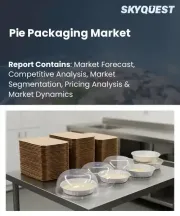
세계 파이 포장 시장은 편의성과 장기 보존성에 대한 소비자 수요 증가에 크게 영향을 받고 있으며, 이로 인해 제조업체들은 포장재 혁신을 위해 노력하고 있습니다. 이 시장에는 베이커리, 외식업체, 소매업체가 파이와 구운 식품의 운송, 보관, 진열에 사용하는 다양한 용기, 상자, 트레이, 보호 필름이 포함됩니다. 포장은 신선도 유지, 브랜드 이미지 향상, 규제 준수 보장, 물류 효율성 향상에 중요한 역할을 하며, 이는 모두 수익률과 식품 폐기량에 영향을 미칩니다. 눈에 띄는 트렌드로는 규제 강화와 소비자 기호에 대한 대응에서 지속가능하고 재활용 가능한 소재로 전환이 진행되고 있습니다. 각 브랜드에서 퇴비화 가능한 트레이와 단일 소재 필름을 채택하고 있습니다. 이러한 전환은 폐기물 처리 비용을 절감할 뿐만 아니라, 그린 마케팅의 기회를 창출하고, 가공업체와 소재 개발 기업의 첨단 포장 기술에 대한 수요를 촉진하고 있습니다.
세계 파이 포장 시장을 이끄는 요인
바쁜 일상을 살아가는 소비자들이 간편식을 선호하는 경향이 강화되면서 즉석식품 및 단품 디저트에 대한 수요가 전 세계 파이 포장 시장에 큰 영향을 미치고 있습니다. 이러한 변화로 인해 제조업체와 외식업계는 제품의 신선도 유지, 취급 용이성, 시각적으로 매력적인 프레젠테이션을 위한 포장 솔루션을 도입하고 있습니다. 운송성, 적재 효율성, 이동 중 소비를 향상시키는 포장 디자인은 소매업체가 제품 구색을 다양화하도록 동기를 부여하고, 제품 다양성을 증가시키는 데 도움이 됩니다. 이러한 편의성을 중시하는 소비자 니즈를 충족시키기 위해 공급업체들이 소재와 포장 디자인을 혁신함에 따라 유통 경로가 확대되고 제품 출시가 급증하고 있습니다. 이는 포장된 파이 제품의 채택을 촉진하여 전체 시장의 성장을 뒷받침하고 있습니다.
세계 파이 포장 시장 성장 억제요인
세계 파이 포장 시장은 원자재 및 특수 기판 관련 비용 증가로 인해 생산 비용이 상승하여 심각한 제약에 직면해 있습니다. 이러한 재정적 압박은 제조업체가 소매 가격을 소비자에게 매력적인 수준으로 유지하면서 수익률을 유지하는 것을 방해할 수 있습니다. 그 결과, 생산자들은 재료비 상승에 대응하기 위해 혁신적인 디자인과 지속 가능한 포장 옵션에 대한 투자를 미루고, 제품의 다양성과 발전을 저해할 수 있습니다. 이러한 상황은 특히 중소 공급업체와 장인 베이커리에 큰 영향을 미치며, 사업 규모와 포장 옵션에 제한을 가할 수밖에 없는 상황입니다. 궁극적으로 이러한 비용 관련 문제는 신제품 도입을 억제하고 다양한 판매 채널에서 제공되는 포장된 파이의 유형을 줄임으로써 시장 성장을 저해하고 전체 시장의 활력을 저해할 수 있습니다.
세계 파이 포장 시장 동향
세계 파이 포장 시장에서는 맞춤형 및 개인화 추세가 두드러지게 나타나고 있습니다. 제조업체와 소매업체들은 브랜드 차별화와 소비자 참여에 중점을 둔 포장 솔루션에 집중하는 경향이 강해지고 있습니다. 이러한 트렌드는 독특한 제품 포지셔닝, 시즌 한정 테마, 한정 수량 상품을 통해 소비자와의 정서적 유대감을 형성하고자 하는 욕구에서 비롯된 것입니다. 그 결과, 기업은 유연한 생산 공정과 모듈식 디자인을 채택하여 틈새 시장과 진화하는 식품 트렌드에 대응하기 위해 맞춤형 그래픽, 분량 크기, 디스플레이를 실현하고 있습니다. 이러한 수요를 뒷받침하기 위해 애자일 제조에 대한 투자 강화와 브랜드 팀과의 협력적 접근이 진행되고 있으며, 미적 매력과 기능성을 효과적으로 결합할 수 있는 적응성이 높은 소재와 혁신적인 인쇄 기술이 요구되고 있습니다.
자주 묻는 질문
목차
서론
조사 방법
주요 요약
시장 역학과 전망
주요 시장 인사이트
세계의 파이 포장 시장 규모 : 제품 유형별&CAGR(2026-2033)
세계의 파이 포장 시장 규모 : 소재별&CAGR(2026-2033)
세계의 파이 포장 시장 규모 : 포장 양식별&CAGR(2026-2033)
세계의 파이 포장 시장 규모 : 용도별&CAGR(2026-2033)
세계의 파이 포장 시장 규모 : 최종 이용 산업별&CAGR(2026-2033)
세계의 파이 포장 시장 규모 : 유통 채널별&CAGR(2026-2033)
세계의 파이 포장 시장 규모&CAGR(2026-2033)
경쟁 정보
주요 기업 개요
결론과 제안
LSH 26.04.01Global Pie Packaging Market size was valued at USD 1.07 Billion in 2024 and is poised to grow from USD 1.24 Billion in 2025 to USD 4.13 Billion by 2033, growing at a CAGR of 16.2% during the forecast period (2026-2033).
The global pie packaging market is significantly influenced by increasing consumer demands for convenience and extended shelf life, which drive manufacturers to innovate packaging materials. This market includes various containers, boxes, trays, and protective films utilized by bakeries, foodservice operators, and retailers to transport, store, and present pies and baked goods. Packaging plays a vital role in maintaining freshness, enhancing brand perception, ensuring regulatory compliance, and improving logistical efficiency, all of which impact profit margins and food waste. A notable trend is the shift towards sustainable and recyclable materials in response to tighter regulations and consumer preferences, with brands adopting compostable trays and mono-material films. This shift not only reduces waste disposal costs but also fosters green marketing opportunities, driving demand for advanced circular packaging technologies among converters and material innovators.
Top-down and bottom-up approaches were used to estimate and validate the size of the Global Pie Packaging market and to estimate the size of various other dependent submarkets. The research methodology used to estimate the market size includes the following details: The key players in the market were identified through secondary research, and their market shares in the respective regions were determined through primary and secondary research. This entire procedure includes the study of the annual and financial reports of the top market players and extensive interviews for key insights from industry leaders such as CEOs, VPs, directors, and marketing executives. All percentage shares split, and breakdowns were determined using secondary sources and verified through Primary sources. All possible parameters that affect the markets covered in this research study have been accounted for, viewed in extensive detail, verified through primary research, and analyzed to get the final quantitative and qualitative data.
Global Pie Packaging Market Segments Analysis
Global pie packaging market is segmented by product type, material, packaging style, application, end-use industry, distribution channel and region. Based on product type, the market is segmented into Trays & Inserts, Boxes & Cartons, Wraps & Films, Sealed & Tamper-Evident Packaging and Custom / Branded Packaging. Based on material, the market is segmented into Paper & Paperboard, Plastic, Biodegradable / Compostable Materials, Aluminum & Foil Laminates and Other Materials. Based on packaging style, the market is segmented into Rigid Packaging, Flexible Packaging and Semi-Rigid Packaging. Based on application, the market is segmented into Retail Bakery Packaging, Food Service / Quick Service Restaurants, E-commerce / Direct-to-Consumer, Bulk / Wholesale Packaging and Custom Promotional Packaging. Based on end-use industry, the market is segmented into Retail & Grocery, Food & Beverage Manufacturers, Catering & Hospitality, Online Food Delivery and Others. Based on distribution channel, the market is segmented into Direct OEM Sales, Distributors & Dealers, Retail / Supermarkets and Online Sales. Based on region, the market is segmented into North America, Europe, Asia Pacific, Latin America and Middle East & Africa.
Driver of the Global Pie Packaging Market
The demand for ready-to-eat and single-serve desserts has significantly influenced the Global Pie Packaging market, as consumers with busy lifestyles increasingly prefer convenient options. This shift encourages manufacturers and foodservice providers to adopt packaging solutions that maintain product freshness, facilitate easy handling, and provide visually appealing presentations. Packaging designs that enhance transportability, stacking efficiency, and on-the-go consumption motivate retailers to diversify their offerings, driving increased product variety. As suppliers innovate in materials and packaging designs to cater to these convenience-focused consumer needs, distribution channels expand, leading to a surge in product launches and supporting overall market growth through enhanced adoption of packaged pie products.
Restraints in the Global Pie Packaging Market
The Global Pie Packaging market faces significant constraints due to rising expenses linked to raw materials and specialized substrates, which escalate production costs. Such financial pressures can hinder manufacturers from sustaining profit margins while ensuring retail prices remain appealing to consumers. Consequently, producers may postpone investments in innovative designs or sustainable packaging options in response to increasing material costs, stifling product diversity and advancement. This situation disproportionately impacts smaller suppliers and artisanal bakers, compelling them to limit their scale and packaging choices. Ultimately, these cost-related challenges can impede market growth by curtailing new product introductions and reducing the variety of packaged pies available across various sales channels, leading to diminished overall market activity.
Market Trends of the Global Pie Packaging Market
The Global Pie Packaging market is experiencing a significant trend toward customization and personalization, with manufacturers and retailers increasingly focusing on packaging solutions that emphasize brand differentiation and consumer engagement. This shift is driven by the desire to create emotional connections with consumers through unique product positioning, seasonal themes, and limited-edition offerings. As a result, companies are adopting flexible production processes and modular designs that allow for tailored graphics, portion sizes, and labeling to cater to niche markets and evolving culinary trends. Enhanced investment in agile manufacturing and collaborative approaches with brand teams supports this demand, necessitating adaptable materials and innovative printing technologies that effectively combine aesthetic appeal with functionality.
Table of Contents
Introduction
- Objectives of the Study
- Market Definition & Scope
Research Methodology
- Research Process
- Secondary & Primary Data Methods
- Market Size Estimation Methods
Executive Summary
- Global Market Outlook
- Key Market Highlights
- Segmental Overview
- Competition Overview
Market Dynamics & Outlook
- Macro-Economic Indicators
- Drivers & Opportunities
- Restraints & Challenges
- Supply Side Trends
- Demand Side Trends
- Porters Analysis & Impact
- Competitive Rivalry
- Threat of Substitute
- Bargaining Power of Buyers
- Threat of New Entrants
- Bargaining Power of Suppliers
Key Market Insights
- Key Success Factors
- Market Impacting Factors
- Top Investment Pockets
- Ecosystem Mapping
- Market Attractiveness Index 2025
- PESTEL Analysis
- Regulatory Landscape
Global Pie Packaging Market Size by Product Type & CAGR (2026-2033)
- Market Overview
- Trays & Inserts
- Boxes & Cartons
- Wraps & Films
- Sealed & Tamper-Evident Packaging
- Custom / Branded Packaging
Global Pie Packaging Market Size by Material & CAGR (2026-2033)
- Market Overview
- Paper & Paperboard
- Plastic
- Biodegradable / Compostable Materials
- Aluminum & Foil Laminates
- Other Materials
Global Pie Packaging Market Size by Packaging Style & CAGR (2026-2033)
- Market Overview
- Rigid Packaging
- Flexible Packaging
- Semi-Rigid Packaging
Global Pie Packaging Market Size by Application & CAGR (2026-2033)
- Market Overview
- Retail Bakery Packaging
- Food Service / Quick Service Restaurants
- E-commerce / Direct-to-Consumer
- Bulk / Wholesale Packaging
- Custom Promotional Packaging
Global Pie Packaging Market Size by End-Use Industry & CAGR (2026-2033)
- Market Overview
- Retail & Grocery
- Food & Beverage Manufacturers
- Catering & Hospitality
- Online Food Delivery
- Others
Global Pie Packaging Market Size by Distribution Channel & CAGR (2026-2033)
- Market Overview
- Direct OEM Sales
- Distributors & Dealers
- Retail / Supermarkets
- Online Sales
Global Pie Packaging Market Size & CAGR (2026-2033)
- North America (Product Type, Material, Packaging Style, Application, End-Use Industry, Distribution Channel)
- US
- Canada
- Europe (Product Type, Material, Packaging Style, Application, End-Use Industry, Distribution Channel)
- Germany
- Spain
- France
- UK
- Italy
- Rest of Europe
- Asia Pacific (Product Type, Material, Packaging Style, Application, End-Use Industry, Distribution Channel)
- China
- India
- Japan
- South Korea
- Rest of Asia-Pacific
- Latin America (Product Type, Material, Packaging Style, Application, End-Use Industry, Distribution Channel)
- Mexico
- Brazil
- Rest of Latin America
- Middle East & Africa (Product Type, Material, Packaging Style, Application, End-Use Industry, Distribution Channel)
- GCC Countries
- South Africa
- Rest of Middle East & Africa
Competitive Intelligence
- Top 5 Player Comparison
- Market Positioning of Key Players, 2025
- Strategies Adopted by Key Market Players
- Recent Developments in the Market
- Company Market Share Analysis, 2025
- Company Profiles of All Key Players
- Company Details
- Product Portfolio Analysis
- Company's Segmental Share Analysis
- Revenue Y-O-Y Comparison (2023-2025)
Key Company Profiles
- Eco-Products Inc.
- Company Overview
- Business Segment Overview
- Financial Updates
- Key Developments
- International Paper Company
- Company Overview
- Business Segment Overview
- Financial Updates
- Key Developments
- Packtech Group
- Company Overview
- Business Segment Overview
- Financial Updates
- Key Developments
- Amcor Flexibles
- Company Overview
- Business Segment Overview
- Financial Updates
- Key Developments
- WestRock Company
- Company Overview
- Business Segment Overview
- Financial Updates
- Key Developments
- Crown Holdings
- Company Overview
- Business Segment Overview
- Financial Updates
- Key Developments
- Sonoco Products Company
- Company Overview
- Business Segment Overview
- Financial Updates
- Key Developments
- Smurfit Kappa Group
- Company Overview
- Business Segment Overview
- Financial Updates
- Key Developments
- Sealed Air Corporation
- Company Overview
- Business Segment Overview
- Financial Updates
- Key Developments
- Polypak Packaging
- Company Overview
- Business Segment Overview
- Financial Updates
- Key Developments
- Berry Global, Inc.
- Company Overview
- Business Segment Overview
- Financial Updates
- Key Developments
- Novolex Holdings, LLC
- Company Overview
- Business Segment Overview
- Financial Updates
- Key Developments
- Constantia Flexibles
- Company Overview
- Business Segment Overview
- Financial Updates
- Key Developments
- Grafix Solutions
- Company Overview
- Business Segment Overview
- Financial Updates
- Key Developments
- ProAmpac
- Company Overview
- Business Segment Overview
- Financial Updates
- Key Developments
- Printpack Inc.
- Company Overview
- Business Segment Overview
- Financial Updates
- Key Developments
- Clearpack Group
- Company Overview
- Business Segment Overview
- Financial Updates
- Key Developments
- Landaal Packaging Systems
- Company Overview
- Business Segment Overview
- Financial Updates
- Key Developments
- Huhtamaki Group
- Company Overview
- Business Segment Overview
- Financial Updates
- Key Developments
- Thomas Packaging, LLC
- Company Overview
- Business Segment Overview
- Financial Updates
- Key Developments


