|
시장보고서
상품코드
2003573
진단용 SaMD 및 방사선유전체학 시장 규모, 점유율, 성장 분석 : 소프트웨어 종류별, 응용 분야별, 모달리티 통합별, 최종사용자별, 지역별 - 산업 예측(2026-2033년)Diagnostic SaMD and Radiogenomics Market Size, Share, and Growth Analysis, By Software Type, By Application Area, By Modality Integration, By End-User, By Region - Industry Forecast 2026-2033 |
||||||

세계의 진단용 SaMD 및 방사선유전체학 시장 규모는 2024년에 350억 달러로 평가되었으며, 2025년 367억 5,000만 달러에서 2033년까지 543억 달러로 확대되어 예측 기간(2026-2033년) 동안 CAGR 5.0%로 성장할 것으로 전망됩니다.
세계 진단용 SaMD 및 방사선유전체학 시장은 주로 고급 인공지능과 고해상도 이미지 및 유전체 데이터의 통합으로 인해 진단 정확도와 임상적 의사결정을 향상시키는데 견인차 역할을 하고 있습니다. 이 시장은 의료기기로서의 소프트웨어(SaMD) 도구와 영상 및 유전체 분석을 포함하며, 비침습적 표현형 분석과 계층화 치료를 가능하게 하여 치료의 신속성과 의료비 절감에 기여하고 있습니다. 휴리스틱 처리에서 멀티모달 데이터셋을 활용한 딥러닝 모델로의 진화는 주석이 달린 데이터에 대한 확장 가능한 액세스의 중요성을 강조하고 있습니다. 이를 통해 알고리즘의 견고성을 강화하여 규제 당국의 승인을 획득할 수 있습니다. 이미지 아카이브와 유전체 바이오뱅크의 시너지 효과로 표적 치료를 위한 예측 모델링이 가능해져 병원 및 제약사와의 파트너십을 촉진할 수 있습니다. 이 협력은 신약 개발을 가속화하고, AI 기반 도구의 보급을 확대하며, 궁극적으로 환자 결과를 개선하고, 일상 진료의 워크플로우를 효율화할 수 있습니다.
세계 진단용 SaMD 및 방사선유전체학 시장의 촉진요인
인공지능 알고리즘과 모델 트레이닝의 발전은 의료기기로서의 진단 소프트웨어(SaMD) 및 방사선유전체학에 큰 변화를 가져왔으며, 보다 정확하고 신뢰할 수 있는 진단 도구를 구현하여 임상 현장의 확신을 높이고 있습니다. 알고리즘 성능의 향상으로 개발 주기를 단축하고 다양한 영상 진단 양식에 폭넓게 적용할 수 있으며, 개발자는 기존 진단의 공백을 메울 수 있는 솔루션을 구축할 수 있게 됩니다. 의료 서비스 제공자들이 이러한 도구가 제공하는 일관된 가치를 인식함에 따라 투자와 도입률이 급증하고 있으며, 기술 기업과 의료 전문가 간의 지속적인 혁신과 협업의 선순환이 이루어지고 있습니다. 이러한 시너지 효과는 시장의 성장을 촉진할 뿐만 아니라 이 분야의 제품 진화를 가속화할 것입니다.
세계 진단용 SAMD 및 방사선유전체학 시장의 억제요인
진단용 소프트웨어 및 방사선유전체학 세계 시장은 각 관할권마다 다른 규제 프레임워크가 존재하기 때문에 큰 제약에 직면해 있습니다. 의료기기로서의 소프트웨어에 대한 가이드라인이 유동적이기 때문에 개발자와 의료 제공자 모두에게 불확실성을 초래하고 제품 설계, 검증, 승인과 같은 중요한 프로세스를 복잡하게 만들고 있습니다. 기업들은 이러한 복잡한 규제 상황을 극복하기 위해 많은 자원을 투입해야 하는 경우가 많으며, 이로 인해 제품 개선에 집중할 수 없는 경우가 많습니다. 이러한 복잡한 환경은 신제품의 시장 출시 기간을 연장하고, 소규모 혁신 기업의 진입을 방해하며, 컴플라이언스 비용을 증가시켜 결국 신규 진입 기업과 기존 기업 모두 다양한 시장에서 제품 라인을 효과적으로 확장할 수 있는 능력을 저해할 수 있습니다.
세계 진단용 SAMD 및 방사선유전체학 시장 동향
세계 진단용 SAMD 및 방사선유전체학 시장에서는 통합형 멀티오믹스 진단에 대한 두드러진 추세를 볼 수 있습니다. 이해관계자들은 이미지에서 도출된 방사선유전체학 시그니처와 소프트웨어 기반 진단 워크플로우를 결합한 플랫폼을 점점 더 선호하고 있습니다. 이러한 통합을 통해 보다 심층적이고 임상적으로 활용 가능한 인사이트를 얻고, 질병의 조기 특성화를 강화하며, 개별화된 치료법 선택을 촉진할 수 있습니다. 영상의학과, 병리학과, 데이터 사이언스 간의 협력이 강조되면서 검증이 가속화되고 임상현장에서 폭넓게 채택되고 있습니다. 또한, 의료 시스템에서는 상호 운용성, 모델 설명 가능성의 투명성, 전자 의료 기록과의 원활한 통합을 중시하는 벤더를 선호하고 있습니다. 이러한 기능은 진단의 신뢰성을 크게 향상시키고 환자 관리 프로세스를 최적화하기 때문입니다.
자주 묻는 질문
목차
소개
조사 방법
주요 요약
시장 역학과 전망
주요 시장 인사이트
세계의 진단용 SaMD 및 방사선유전체학 시장 규모 : 소프트웨어 종류별
세계의 진단용 SaMD 및 방사선유전체학 시장 규모 : 용도별
세계의 진단용 SaMD 및 방사선유전체학 시장 규모 : 모달리티 통합별
세계의 진단용 SaMD 및 방사선유전체학 시장 규모 : 최종사용자별
세계의 진단용 SaMD 및 방사선유전체학 시장 규모 : 지역별
경쟁 정보
주요 기업 개요
결론과 제안
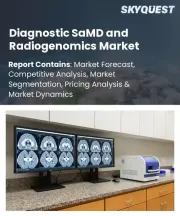
KSM 26.04.27Global Diagnostic Samd And Radiogenomics Market size was valued at USD 35.0 Billion in 2024 and is poised to grow from USD 36.75 Billion in 2025 to USD 54.3 Billion by 2033, growing at a CAGR of 5.0% during the forecast period (2026-2033).
The global Diagnostic SaMD and Radiogenomics market is primarily driven by the integration of advanced artificial intelligence with high-resolution imaging and genomic data, which enhances diagnostic accuracy and clinical decision-making. This market encompasses software-as-medical-device tools and imaging-genomics analytics, facilitating noninvasive phenotyping and stratified therapies that expedite treatment and reduce healthcare costs. The evolution from heuristic processing to deep learning models utilizing multimodal datasets underscores the importance of scalable access to annotated data, which strengthens algorithmic robustness and attracts regulatory approval. The synergy between imaging archives and genomic biobanks enables predictive modeling for targeted therapies, fostering partnerships with hospitals and pharmaceuticals. This collaboration accelerates drug development and broadens the adoption of AI-driven tools, ultimately improving patient outcomes and streamlining workflows in routine care.
Top-down and bottom-up approaches were used to estimate and validate the size of the Global Diagnostic Samd And Radiogenomics market and to estimate the size of various other dependent submarkets. The research methodology used to estimate the market size includes the following details: The key players in the market were identified through secondary research, and their market shares in the respective regions were determined through primary and secondary research. This entire procedure includes the study of the annual and financial reports of the top market players and extensive interviews for key insights from industry leaders such as CEOs, VPs, directors, and marketing executives. All percentage shares split, and breakdowns were determined using secondary sources and verified through Primary sources. All possible parameters that affect the markets covered in this research study have been accounted for, viewed in extensive detail, verified through primary research, and analyzed to get the final quantitative and qualitative data.
Global Diagnostic Samd And Radiogenomics Market Segments Analysis
Global diagnostic samd and radiogenomics market is segmented by software type, application area, modality integration, end-user and region. Based on software type, the market is segmented into AI-based Diagnostic SaMD, (Radiogenomics Platforms Link) and Clinical Decision Support Systems (CDSS). Based on application area, the market is segmented into Oncology, Neurology and Cardiovascular Imaging. Based on modality integration, the market is segmented into MRI-based Radiogenomics, CT-based Analysis and PET/SPECT Imaging. Based on end-user, the market is segmented into Diagnostic Imaging Centers, Biotech & Pharma R&D and Tertiary Care Hospitals. Based on region, the market is segmented into North America, Europe, Asia Pacific, Latin America and Middle East & Africa.
Driver of the Global Diagnostic Samd And Radiogenomics Market
The advancement of artificial intelligence algorithms and model training has significantly transformed diagnostic Software as a Medical Device (SaMD) and radiogenomics, leading to more accurate and dependable diagnostic tools that instill greater clinical confidence. This enhancement in algorithmic performance facilitates shorter development cycles and a broader application across various imaging modalities, thereby empowering developers to craft solutions that meet existing diagnostic gaps. As healthcare providers recognize the consistent value these tools bring, both investment and adoption rates surge, fostering a cycle of continuous innovation and collaboration between technology companies and healthcare professionals. This synergy not only drives market growth but also accelerates the evolution of products within the sector.
Restraints in the Global Diagnostic Samd And Radiogenomics Market
The global market for diagnostic software and radiogenomics faces significant restraints due to the varied regulatory frameworks that exist across different jurisdictions. The fluid nature of guidelines regarding software as a medical device introduces uncertainty for both developers and healthcare providers, complicating essential processes such as product design, validation, and approval. Companies are often compelled to dedicate substantial resources to navigate these complex regulatory landscapes, diverting attention from product improvement. This intricate environment can prolong the time required to introduce new products, deter smaller innovative firms, and elevate compliance costs, ultimately hindering the ability of both new entrants and established companies to effectively expand their offerings in diverse markets.
Market Trends of the Global Diagnostic Samd And Radiogenomics Market
The Global Diagnostic Samd and Radiogenomics market is witnessing a significant trend towards integrated multiomic diagnostics, where stakeholders increasingly favor platforms that merge imaging-derived radiogenomic signatures with software-driven diagnostic workflows. This integration provides deeper, clinically actionable insights that enhance early disease characterization and facilitate personalized therapeutic selections. The emphasis on collaboration among radiology, pathology, and data science is fostering accelerated validation and widespread clinical adoption. Additionally, healthcare systems are prioritizing vendors that emphasize interoperability, transparent model explainability, and seamless integration with electronic health records, as these features significantly enhance diagnostic confidence and optimize patient management pathways.
Table of Contents
Introduction
- Objectives of the Study
- Market Definition & Scope
Research Methodology
- Research Process
- Secondary & Primary Data Methods
- Market Size Estimation Methods
Executive Summary
- Global Market Outlook
- Key Market Highlights
- Segmental Overview
- Competition Overview
Market Dynamics & Outlook
- Macro-Economic Indicators
- Drivers & Opportunities
- Restraints & Challenges
- Supply Side Trends
- Demand Side Trends
- Porters Analysis & Impact
- Competitive Rivalry
- Threat of Substitute
- Bargaining Power of Buyers
- Threat of New Entrants
- Bargaining Power of Suppliers
Key Market Insights
- Key Success Factors
- Market Impacting Factors
- Top Investment Pockets
- Ecosystem Mapping
- Market Attractiveness Index 2025
- PESTEL Analysis
- Regulatory Landscape
Global Diagnostic SaMD and Radiogenomics Market Size by Software Type & CAGR (2026-2033)
- Market Overview
- AI-based Diagnostic SaMD
- Radiogenomics Platforms Link
- Clinical Decision Support Systems (CDSS)
Global Diagnostic SaMD and Radiogenomics Market Size by Application Area & CAGR (2026-2033)
- Market Overview
- Oncology
- Neurology
- Cardiovascular Imaging
Global Diagnostic SaMD and Radiogenomics Market Size by Modality Integration & CAGR (2026-2033)
- Market Overview
- MRI-based Radiogenomics
- CT-based Analysis
- PET/SPECT Imaging
Global Diagnostic SaMD and Radiogenomics Market Size by End-User & CAGR (2026-2033)
- Market Overview
- Diagnostic Imaging Centers
- Biotech & Pharma R&D
- Tertiary Care Hospitals
Global Diagnostic SaMD and Radiogenomics Market Size & CAGR (2026-2033)
- North America (Software Type, Application Area, Modality Integration, End-User)
- US
- Canada
- Europe (Software Type, Application Area, Modality Integration, End-User)
- Germany
- Spain
- France
- UK
- Italy
- Rest of Europe
- Asia Pacific (Software Type, Application Area, Modality Integration, End-User)
- China
- India
- Japan
- South Korea
- Rest of Asia-Pacific
- Latin America (Software Type, Application Area, Modality Integration, End-User)
- Mexico
- Brazil
- Rest of Latin America
- Middle East & Africa (Software Type, Application Area, Modality Integration, End-User)
- GCC Countries
- South Africa
- Rest of Middle East & Africa
Competitive Intelligence
- Top 5 Player Comparison
- Market Positioning of Key Players, 2025
- Strategies Adopted by Key Market Players
- Recent Developments in the Market
- Company Market Share Analysis, 2025
- Company Profiles of All Key Players
- Company Details
- Product Portfolio Analysis
- Company's Segmental Share Analysis
- Revenue Y-O-Y Comparison (2023-2025)
Key Company Profiles
- GE HealthCare
- Company Overview
- Business Segment Overview
- Financial Updates
- Key Developments
- Siemens Healthineers
- Company Overview
- Business Segment Overview
- Financial Updates
- Key Developments
- Philips Healthcare
- Company Overview
- Business Segment Overview
- Financial Updates
- Key Developments
- Fujifilm Holdings
- Company Overview
- Business Segment Overview
- Financial Updates
- Key Developments
- Canon Medical
- Company Overview
- Business Segment Overview
- Financial Updates
- Key Developments
- IBM Watson Health
- Company Overview
- Business Segment Overview
- Financial Updates
- Key Developments
- NVIDIA
- Company Overview
- Business Segment Overview
- Financial Updates
- Key Developments
- AiCure
- Company Overview
- Business Segment Overview
- Financial Updates
- Key Developments
- Viz.ai
- Company Overview
- Business Segment Overview
- Financial Updates
- Key Developments
- HeartFlow Inc.
- Company Overview
- Business Segment Overview
- Financial Updates
- Key Developments
- Butterfly Network
- Company Overview
- Business Segment Overview
- Financial Updates
- Key Developments
- Zebra Medical Vision
- Company Overview
- Business Segment Overview
- Financial Updates
- Key Developments
- Aidoc
- Company Overview
- Business Segment Overview
- Financial Updates
- Key Developments
- ScreenPoint Medical
- Company Overview
- Business Segment Overview
- Financial Updates
- Key Developments
- Lunit
- Company Overview
- Business Segment Overview
- Financial Updates
- Key Developments
- Riverain Technologies
- Company Overview
- Business Segment Overview
- Financial Updates
- Key Developments
- Quantib
- Company Overview
- Business Segment Overview
- Financial Updates
- Key Developments
- ContextVision
- Company Overview
- Business Segment Overview
- Financial Updates
- Key Developments
- Median Technologies
- Company Overview
- Business Segment Overview
- Financial Updates
- Key Developments
- TeraRecon
- Company Overview
- Business Segment Overview
- Financial Updates
- Key Developments