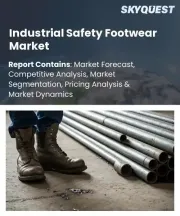
|
시장보고서
상품코드
2036499
산업용 안전화 시장 규모, 점유율, 성장 분석 : 유형별, 용도별, 지역별 - 업계 예측(2026-2033년)Industrial Safety Footwear Market Size, Share, and Growth Analysis, By Type (Leather Footwear, Waterproof Footwear), By Application (Construction, Manufacturing), By Region - Industry Forecast 2026-2033 |
||||||

세계의 산업용 안전화 시장 규모는 2024년에 120억 달러로 평가되며, 2025년 127억 6,000만 달러에서 2033년까지 208억 달러로 확대하며, 예측 기간(2026-2033년)에 CAGR 6.3%로 성장할 것으로 전망되고 있습니다.
세계의 산업 안전화 시장은 작업장내 부상을 최소화하기 위한 규제 강화에 힘입어 괄목할 만한 성장세를 보이고 있습니다. 제조업, 건설업, 광업, 물류 등 주요 산업 분야에서 고용주들은 효과가 낮은 개인 보호 장비에서 보다 효과적인 솔루션으로 전환해야 합니다. 안전 성능이 향상된 신발은 충격, 찔림, 미끄러짐, 전기적 위험과 관련된 위험을 줄여 부상과 관련된 비용을 절감하고, 생산성을 향상시키며, 직원의 충성도를 높일 수 있습니다. 소재와 기술의 혁신은 업계에 혁명을 가져왔고, 기존의 무거운 강철 발가락 디자인에서 인체공학적 기능을 갖춘 경량 복합소재로 전환하고 있습니다. 중족골 보호대, 펑크 방지 미드솔, IoT 지원 깔창의 보급 확대는 이러한 진화를 여실히 보여주고 있습니다. 조달 전략은 장기적인 가치에 초점을 맞추고 있으며, 안전 조치를 강화하고 국제 보험 모델에 부합하는 대량 주문을 촉진하고 있습니다.
세계의 산업 안전화 시장의 성장 요인
직장에서의 안전 규제에 대한 관심이 높아지면서 고용주들은 인증된 보호 신발을 선호하게 되었고, 이는 산업 안전 신발 시장의 수요를 크게 증가시켰습니다. 다양한 산업에서 구식 재고를 대체하기 위해 규정을 준수하는 제품의 도입이 점점 더 많이 진행되고 있습니다. 컴플라이언스 요구사항은 조달 정책 및 공급업체 선정에 영향을 미치고 있으며, 신뢰할 수 있는 보호 기능을 갖추고 문서화된 표준을 준수하는 제조업체에 이익을 가져다줍니다. 이러한 추세는 전문 브랜드가 시장에 진입할 수 있는 기회를 창출하는 동시에 내구성과 위험으로부터의 보호에 중점을 둔 제품 혁신을 촉진하고 있습니다. 규제 상황이 진화함에 따라 인증된 안전화를 통해 위험을 최소화하고 직원의 안전을 강화해야 한다는 압력은 중요한 성장의 촉매제가 될 것입니다.
세계의 산업 안전화 시장 억제요인
인증된 산업용 안전화에 따른 높은 비용은 가격에 민감한 산업 및 중소기업의 경우 도입에 큰 장벽이 될 수 있습니다. 이러한 기업은 장기적인 안전상 이점보다 당장의 예산 제약이 우선시되는 경우가 많기 때문입니다. 보호 부품 및 품질 테스트에 소요되는 제조 비용의 증가는 일반적으로 소매 가격에 전가되므로 가격 프리미엄이 발생하여 소비자가 보호 성능이 낮은 제품이나 규격에 부합하지 않는 대체품을 선택하게 될 수 있습니다. 또한 예산의 제약으로 인해 다른 운영비와의 경쟁으로 인해 구매 빈도가 낮아지고 교체 주기가 늦어지는 경우가 많습니다. 그 결과, 특히 규제 집행이 느슨하고 구매 태도가 신중한 지역에서 첨단 안전 솔루션의 신속한 도입을 방해하고 있습니다.
세계의 산업 안전화 시장 동향
세계의 산업 안전화 시장은 스마트 소재와 혁신적인 디자인 기술의 통합으로 큰 변화를 겪고 있습니다. 제조업체들은 재료 과학자들과 협력하여 펑크 저항성, 온도 조절 기능, 인체공학적 착용감 등 안전 기능을 향상시키는 경량 복합소재와 고성능성 원단을 개발하고 있습니다. 이러한 제품 설계의 진화는 엄격한 규제 요건을 충족시킬 뿐만 아니라, 근로자의 안전과 편안함을 향상시키려는 고용주의 증가하는 요구에 부응하고 있습니다. 그 결과, 공급망은 첨단 소재와 생산 공정을 통합하여 고품질 제품을 제공하고 성능과 신뢰성에 기반한 장기적인 파트너십을 구축할 수 있는 길을 열어가고 있습니다.
자주 묻는 질문
목차
서론
조사 방법
개요
시장 역학과 전망
주요 시장 인사이트
세계의 산업용 안전화 시장 규모 : 유형별
세계의 산업용 안전화 시장 규모 : 용도별
세계의 산업용 안전화 시장 규모 : 지역별
경쟁 정보
주요 기업 개요
결론과 제안
KSA 26.05.27Global Industrial Safety Footwear Market size was valued at USD 12.0 Billion in 2024 and is poised to grow from USD 12.76 Billion in 2025 to USD 20.8 Billion by 2033, growing at a CAGR of 6.3% during the forecast period (2026-2033).
The global industrial safety footwear market experiences significant growth driven by increasing regulatory mandates aimed at minimizing workplace injuries. Employers are compelled to transition from ineffective personal protective equipment to more effective solutions across key sectors such as manufacturing, construction, mining, and logistics. Enhanced safety footwear mitigates risks associated with impact, punctures, slips, and electrical hazards, leading to decreased injury-related costs, improved productivity, and better employee retention. Innovations in materials and technology have revolutionized the industry, shifting from traditional heavy steel-toe designs to lightweight composites with ergonomic features. The rising popularity of metatarsal guards, puncture-proof midsoles, and IoT-enabled insoles exemplifies this evolution. Procurement strategies focus on long-term value, promoting bulk orders that align with enhanced safety measures and benefit insurance models internationally.
Top-down and bottom-up approaches were used to estimate and validate the size of the Global Industrial Safety Footwear market and to estimate the size of various other dependent submarkets. The research methodology used to estimate the market size includes the following details: The key players in the market were identified through secondary research, and their market shares in the respective regions were determined through primary and secondary research. This entire procedure includes the study of the annual and financial reports of the top market players and extensive interviews for key insights from industry leaders such as CEOs, VPs, directors, and marketing executives. All percentage shares split, and breakdowns were determined using secondary sources and verified through Primary sources. All possible parameters that affect the markets covered in this research study have been accounted for, viewed in extensive detail, verified through primary research, and analyzed to get the final quantitative and qualitative data.
Global Industrial Safety Footwear Market Segments Analysis
Global industrial safety footwear market is segmented by type, application and region. Based on type, the market is segmented into Leather Footwear, Waterproof Footwear, Rubber Footwear and Plastic Footwear. Based on application, the market is segmented into Construction, Manufacturing, Mining, Oil and Gas, Chemicals, Food Sector, Pharmaceuticals and Transportation. Based on region, the market is segmented into North America, Europe, Asia Pacific, Latin America and Middle East & Africa.
Driver of the Global Industrial Safety Footwear Market
The rising emphasis on workplace safety regulations has prompted employers to prioritize certified protective footwear, significantly driving demand within the industrial safety footwear market. Various sectors are increasingly acquiring compliant products to replace outdated inventories. Compliance requirements are shaping procurement policies and supplier choices, benefiting manufacturers that offer dependable protective features and adhere to documented standards. This trend creates opportunities for specialized brands to enter the market while encouraging the innovation of products focused on durability and hazard protection. As the regulatory landscape evolves, the pressure to minimize risk and enhance employee safety through certified footwear will serve as a vital growth catalyst.
Restraints in the Global Industrial Safety Footwear Market
The high costs associated with certified industrial safety footwear can act as a significant barrier to acquisition in price-sensitive sectors and among smaller enterprises, which often prioritize immediate budget constraints over long-term safety benefits. Increased manufacturing expenses for protective components and quality testing are typically transferred to retail prices, resulting in a premium that can lead consumers to opt for less protective or noncompliant alternatives. Additionally, budget constraints often compete with other operational expenses, diminishing the frequency of purchases and delaying replacement cycles. Consequently, this situation impedes the swift adoption of advanced safety solutions, particularly in regions with lax enforcement and cautious purchasing practices.
Market Trends of the Global Industrial Safety Footwear Market
The Global Industrial Safety Footwear market is experiencing a significant transformation driven by the integration of smart materials and innovative design techniques. As manufacturers partner with material scientists, they are developing lightweight composites and responsive fabrics that improve safety features such as puncture resistance, thermal regulation, and ergonomic fit. This evolution in product design not only meets stringent regulatory requirements but also addresses the growing demand from employers for enhanced worker safety and comfort. Consequently, supply chains are adapting to incorporate advanced materials and production processes, paving the way for premium offerings and fostering long-term partnerships based on performance and reliability.
Table of Contents
Introduction
- Objectives of the Study
- Market Definition & Scope
Research Methodology
- Research Process
- Secondary & Primary Data Methods
- Market Size Estimation Methods
Executive Summary
- Global Market Outlook
- Key Market Highlights
- Segmental Overview
- Competition Overview
Market Dynamics & Outlook
- Macro-Economic Indicators
- Drivers & Opportunities
- Restraints & Challenges
- Supply Side Trends
- Demand Side Trends
- Porters Analysis & Impact
- Competitive Rivalry
- Threat of Substitute
- Bargaining Power of Buyers
- Threat of New Entrants
- Bargaining Power of Suppliers
Key Market Insights
- Key Success Factors
- Market Impacting Factors
- Top Investment Pockets
- Ecosystem Mapping
- Market Attractiveness Index 2025
- PESTEL Analysis
- Regulatory Landscape
Global Industrial Safety Footwear Market Size by Type & CAGR (2026-2033)
- Market Overview
- Leather Footwear
- Waterproof Footwear
- Rubber Footwear
- Plastic Footwear
Global Industrial Safety Footwear Market Size by Application & CAGR (2026-2033)
- Market Overview
- Construction
- Manufacturing
- Mining
- Oil and Gas
- Chemicals
- Food Sector
- Pharmaceuticals
- Transportation
Global Industrial Safety Footwear Market Size & CAGR (2026-2033)
- North America (Type, Application)
- US
- Canada
- Europe (Type, Application)
- Germany
- Spain
- France
- UK
- Italy
- Rest of Europe
- Asia Pacific (Type, Application)
- China
- India
- Japan
- South Korea
- Rest of Asia-Pacific
- Latin America (Type, Application)
- Mexico
- Brazil
- Rest of Latin America
- Middle East & Africa (Type, Application)
- GCC Countries
- South Africa
- Rest of Middle East & Africa
Competitive Intelligence
- Top 5 Player Comparison
- Market Positioning of Key Players, 2025
- Strategies Adopted by Key Market Players
- Recent Developments in the Market
- Company Market Share Analysis, 2025
- Company Profiles of All Key Players
- Company Details
- Product Portfolio Analysis
- Company's Segmental Share Analysis
- Revenue Y-O-Y Comparison (2023-2025)
Key Company Profiles
- Wolverine World Wide
- Company Overview
- Business Segment Overview
- Financial Updates
- Key Developments
- VF Corporation
- Company Overview
- Business Segment Overview
- Financial Updates
- Key Developments
- Bata Corporation
- Company Overview
- Business Segment Overview
- Financial Updates
- Key Developments
- Dunlop Protective Footwear
- Company Overview
- Business Segment Overview
- Financial Updates
- Key Developments
- PIP (Protective Industrial Products)
- Company Overview
- Business Segment Overview
- Financial Updates
- Key Developments
- Honeywell
- Company Overview
- Business Segment Overview
- Financial Updates
- Key Developments
- Cofra
- Company Overview
- Business Segment Overview
- Financial Updates
- Key Developments
- Uvex Group
- Company Overview
- Business Segment Overview
- Financial Updates
- Key Developments
- U-Power Group
- Company Overview
- Business Segment Overview
- Financial Updates
- Key Developments
- Rock Fall
- Company Overview
- Business Segment Overview
- Financial Updates
- Key Developments
- Hilson Footwear
- Company Overview
- Business Segment Overview
- Financial Updates
- Key Developments
- Rahman Group
- Company Overview
- Business Segment Overview
- Financial Updates
- Key Developments
- Oftenrich Holdings
- Company Overview
- Business Segment Overview
- Financial Updates
- Key Developments
- elten gmbh
- Company Overview
- Business Segment Overview
- Financial Updates
- Key Developments
- Giasco
- Company Overview
- Business Segment Overview
- Financial Updates
- Key Developments
- H-tech
- Company Overview
- Business Segment Overview
- Financial Updates
- Key Developments
- Skechers
- Company Overview
- Business Segment Overview
- Financial Updates
- Key Developments
- Red Wing Shoes
- Company Overview
- Business Segment Overview
- Financial Updates
- Key Developments
- Cat Footwear
- Company Overview
- Business Segment Overview
- Financial Updates
- Key Developments
- Liberty Shoes
- Company Overview
- Business Segment Overview
- Financial Updates
- Key Developments