|
시장보고서
상품코드
2078477
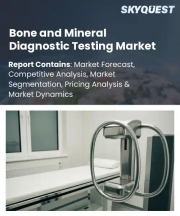
뼈 및 미네랄 진단 검사 시장 규모, 점유율 및 성장 분석 : 검사 유형별, 플랫폼별, 용도별, 최종사용자별, 지역별 - 업계 예측(2026-2033년)Bone and Mineral Diagnostic Testing Market Size, Share, and Growth Analysis, By Test Type (Bone Turnover Markers (CTX, P1NP)), By Platform (Immunoassay Analyzers, POC Testing), By Application, By End-User, By Region - Industry Forecast 2026-2033 |
||||||

세계의 뼈 및 미네랄 진단 검사 시장 규모는 2024년에 35억 2,000만 달러로 평가되었고, 2025년 37억 5,000만 달러에서 2033년까지 62억 2,000만 달러로 성장하여 예측 기간(2026-2033년)에 CAGR 6.52%를 기록할 전망입니다.
세계 뼈 및 미네랄 진단 검사 시장은 골다공증 관련 질환의 유병률 증가에 힘입어 크게 성장하고 있으며, 효과적인 평가 도구에 대한 수요가 높아지고 있습니다. 이 분야에는 골밀도 및 대사 활성을 평가하는 이중 에너지 X선 흡수 측정법(DEXA), 정량 CT, 혈청 바이오마커 등의 기술이 포함됩니다. 조기 개입 능력을 향상시킴으로써 골절 위험, 발병률 및 전체 의료비가 감소합니다. 검사 과정에 AI 알고리즘을 통합함으로써 환자 분류가 더욱 최적화되어, 더 정확한 위험도 평가가 가능해집니다. 또한, 성과 중심의 의료를 촉진하는 보상 모델의 발전이 진단 검사에 유리한 환경을 조성하고 있습니다. 보험사가 예방적 선별 검사의 가치를 인식함에 따라 검사 건수가 증가하고, 뼈 건강 상태의 조기 발견 및 관리가 촉진되어, 궁극적으로 골절 발생률 감소와 의료비 절감으로 이어집니다.
세계 뼈 및 미네랄 진단 검사 시장의 성장 요인
세계 뼈 및 미네랄 진단 검사 시장의 주요 성장 요인 중 하나는 주로 고령화와 생활 방식의 변화로 인해 골다공증 및 골연화증과 같은 골 질환의 유병률이 증가하고 있다는 점입니다. 이러한 질환에 대한 인식이 높아짐에 따라, 뼈의 건강 상태와 골밀도를 효과적으로 평가할 수 있는 정확한 진단 검사에 대한 수요가 증가하고 있습니다. 또한, 기술의 발전과 비침습적 검사법 및 현장 진단(PoC) 솔루션을 포함한 혁신적인 진단 도구의 개발로 인해 검사 결과의 신속화가 실현되고 환자 예후가 개선되면서, 시장 성장을 더욱 촉진하고 있습니다. 그 결과, 의료진과 환자 모두로부터 이러한 진단 솔루션에 대한 관심이 높아지고 있습니다.
세계 뼈 및 미네랄 진단 검사 시장의 제약 요인
세계 뼈 및 미네랄 진단 검사 시장의 주요 시장 제약 요인 중 하나는 첨단 진단 기술 및 절차에 따른 높은 비용입니다. 많은 의료시설, 특히 개발도상 지역에서는 최첨단 진단 장비에 대한 투자나 고가의 검사법 도입에 필요한 자금이 부족할 가능성이 있습니다. 게다가 검사 결과를 해석하는 데는 복잡한 작업이 수반되기 때문에 고도의 훈련을 받은 인력이 필요하며, 이는 운영 비용을 더욱 높이는 요인이 됩니다. 이러한 경제적 장벽으로 인해 필요한 진단 검사에 대한 접근이 제한되어 시장 성장을 저해할 뿐만 아니라, 다양한 계층에서 뼈 및 미네랄 관련 질환의 조기 진단 및 치료 선택지를 좁히는 결과를 초래합니다.
세계 뼈 및 미네랄 진단 검사 시장 동향
세계 뼈 및 미네랄 진단 검사 시장에서는 정밀 영상 진단 기술의 확대에 힘입어 뚜렷한 추세가 나타나고 있습니다. 고해상도 말초 정량 CT 및 첨단 초음파 검사는 기존의 골밀도 측정법을 뛰어넘는 부위별 종합적인 골질 평가를 제공함으로써, 골다공증 및 대사성 골질환의 평가에 혁신을 가져오고 있습니다. 이러한 발전은 의료진에게 더 풍부한 데이터를 제공함으로써 임상적 판단을 향상시킬 뿐만 아니라, 환자에게 비침습적이고 방사선 피폭이 적은 선택지도 제공합니다. 그 결과, 첨단 진단 기기에 대한 수요가 증가하고 있으며, 제조업체와 방사선과 네트워크 간의 협력도 늘어나고 있어, 궁극적으로 이 시장의 세계적 확대로 이어지고 있습니다.
자주 묻는 질문
목차
서론
조사 방법
주요 요약
시장 역학과 전망
주요 시장 인사이트
세계의 뼈 및 미네랄 진단 검사 시장 규모 : 검사 유형별
세계의 뼈 및 미네랄 진단 검사 시장 규모 : 플랫폼별
세계의 뼈 및 미네랄 진단 검사 시장 규모 : 용도별
세계의 뼈 및 미네랄 진단 검사 시장 규모 : 최종사용자별
세계의 뼈 및 미네랄 진단 검사 시장 규모 : 지역별
경쟁 정보
주요 기업 개요
결론과 제안
LSH 26.07.09Global Bone And Mineral Diagnostic Testing Market size was valued at USD 3.52 Billion in 2024 and is poised to grow from USD 3.75 Billion in 2025 to USD 6.22 Billion by 2033, growing at a CAGR of 6.52% during the forecast period (2026-2033).
The Global Bone and Mineral Diagnostic Testing market is significantly driven by the increasing prevalence of osteoporosis-related conditions, necessitating effective assessment tools. This sector encompasses technologies such as dual-energy X-ray absorptiometry (DEXA), quantitative computed tomography, and serum biomarkers that evaluate bone density and metabolic activity. Enhanced early intervention capabilities reduce fracture risks, morbidity, and overall healthcare costs. The integration of AI algorithms into testing processes further optimizes patient stratification, allowing for more precise risk assessments. Additionally, the evolution of reimbursement models promoting outcome-based care is creating a favorable environment for diagnostic testing. As insurers recognize the value of preventive screenings, testing volumes rise, fostering earlier detection and management of bone health, ultimately resulting in reduced fracture incidence and healthcare expenditures.
Top-down and bottom-up approaches were used to estimate and validate the size of the Global Bone And Mineral Diagnostic Testing market and to estimate the size of various other dependent submarkets. The research methodology used to estimate the market size includes the following details: The key players in the market were identified through secondary research, and their market shares in the respective regions were determined through primary and secondary research. This entire procedure includes the study of the annual and financial reports of the top market players and extensive interviews for key insights from industry leaders such as CEOs, VPs, directors, and marketing executives. All percentage shares split, and breakdowns were determined using secondary sources and verified through Primary sources. All possible parameters that affect the markets covered in this research study have been accounted for, viewed in extensive detail, verified through primary research, and analyzed to get the final quantitative and qualitative data.
Global Bone And Mineral Diagnostic Testing Market Segments Analysis
Global bone and mineral diagnostic testing market is segmented by test type, platform, application, end-user and region. Based on test type, the market is segmented into Bone Turnover Markers (CTX, P1NP), Calcium & Phosphate Testing, Vitamin D Testing and Parathyroid Hormone (PTH). Based on platform, the market is segmented into Immunoassay Analyzers and POC Testing. Based on application, the market is segmented into Osteoporosis Management, Chronic Kidney Disease-Mineral and Hyperparathyroidism. Based on end-user, the market is segmented into Hospitals, Diagnostic Labs and Endocrinology Clinics. Based on region, the market is segmented into North America, Europe, Asia Pacific, Latin America and Middle East & Africa.
Driver of the Global Bone And Mineral Diagnostic Testing Market
One of the key market drivers for the global bone and mineral diagnostic testing market is the increasing prevalence of bone disorders, such as osteoporosis and osteomalacia, largely due to aging populations and lifestyle changes. As awareness of these conditions rises, there is a heightened demand for accurate diagnostic tests that can assess bone health and mineral density effectively. Additionally, advancements in technology and the development of innovative diagnostic tools, including non-invasive testing methods and point-of-care solutions, are further propelling market growth by ensuring quicker results and improved patient outcomes, thereby attracting both healthcare providers and patients to these diagnostic solutions.
Restraints in the Global Bone And Mineral Diagnostic Testing Market
One key market restraint for the global bone and mineral diagnostic testing market is the high cost associated with advanced diagnostic technologies and procedures. Many healthcare facilities, particularly in developing regions, may lack the financial resources to invest in state-of-the-art diagnostic equipment or to adopt expensive testing methods. Additionally, the complexities involved in interpreting test results can require highly trained personnel, further adding to operational costs. This financial barrier can limit access to necessary diagnostic tests, hindering market growth and restricting early diagnosis and treatment options for bone and mineral conditions in various populations.
Market Trends of the Global Bone And Mineral Diagnostic Testing Market
The Global Bone and Mineral Diagnostic Testing market is witnessing a significant trend driven by the expansion of precision imaging technologies. High-resolution peripheral quantitative computed tomography and advanced ultrasound are transforming the assessment of osteoporosis and metabolic bone diseases by providing site-specific, comprehensive bone quality evaluations that surpass conventional densitometry methods. This evolution not only enhances clinical decision-making through richer data for healthcare providers but also offers patients non-invasive, radiation-light options. Consequently, there is a growing demand for advanced diagnostic devices and an increase in collaborations between manufacturers and radiology networks, ultimately broadening the market's global reach.
Table of Contents
Introduction
- Objectives of the Study
- Market Definition & Scope
Research Methodology
- Research Process
- Secondary & Primary Data Methods
- Market Size Estimation Methods
Executive Summary
- Global Market Outlook
- Key Market Highlights
- Segmental Overview
- Competition Overview
Market Dynamics & Outlook
- Macro-Economic Indicators
- Drivers & Opportunities
- Restraints & Challenges
- Supply Side Trends
- Demand Side Trends
- Porters Analysis & Impact
- Competitive Rivalry
- Threat of Substitute
- Bargaining Power of Buyers
- Threat of New Entrants
- Bargaining Power of Suppliers
Key Market Insights
- Key Success Factors
- Market Impacting Factors
- Top Investment Pockets
- Ecosystem Mapping
- Market Attractiveness Index 2025
- PESTEL Analysis
- Regulatory Landscape
Global Bone and Mineral Diagnostic Testing Market Size by Test Type & CAGR (2026-2033)
- Market Overview
- Bone Turnover Markers (CTX, P1NP)
- Calcium & Phosphate Testing
- Vitamin D Testing
- Parathyroid Hormone (PTH)
Global Bone and Mineral Diagnostic Testing Market Size by Platform & CAGR (2026-2033)
- Market Overview
- Immunoassay Analyzers
- POC Testing
Global Bone and Mineral Diagnostic Testing Market Size by Application & CAGR (2026-2033)
- Market Overview
- Osteoporosis Management
- Chronic Kidney Disease-Mineral
- Hyperparathyroidism
Global Bone and Mineral Diagnostic Testing Market Size by End-User & CAGR (2026-2033)
- Market Overview
- Hospitals
- Diagnostic Labs
- Endocrinology Clinics
Global Bone and Mineral Diagnostic Testing Market Size & CAGR (2026-2033)
- North America (Test Type, Platform, Application, End-User)
- US
- Canada
- Europe (Test Type, Platform, Application, End-User)
- Germany
- Spain
- France
- UK
- Italy
- Rest of Europe
- Asia Pacific (Test Type, Platform, Application, End-User)
- China
- India
- Japan
- South Korea
- Rest of Asia-Pacific
- Latin America (Test Type, Platform, Application, End-User)
- Mexico
- Brazil
- Rest of Latin America
- Middle East & Africa (Test Type, Platform, Application, End-User)
- GCC Countries
- South Africa
- Rest of Middle East & Africa
Competitive Intelligence
- Top 5 Player Comparison
- Market Positioning of Key Players, 2025
- Strategies Adopted by Key Market Players
- Recent Developments in the Market
- Company Market Share Analysis, 2025
- Company Profiles of All Key Players
- Company Details
- Product Portfolio Analysis
- Company's Segmental Share Analysis
- Revenue Y-O-Y Comparison (2023-2025)
Key Company Profiles
- Roche Diagnostics
- Company Overview
- Business Segment Overview
- Financial Updates
- Key Developments
- Siemens Healthineers
- Company Overview
- Business Segment Overview
- Financial Updates
- Key Developments
- Abbott Laboratories
- Company Overview
- Business Segment Overview
- Financial Updates
- Key Developments
- Beckman Coulter (Danaher)
- Company Overview
- Business Segment Overview
- Financial Updates
- Key Developments
- bioMerieux SA
- Company Overview
- Business Segment Overview
- Financial Updates
- Key Developments
- QIAGEN NV
- Company Overview
- Business Segment Overview
- Financial Updates
- Key Developments
- Fujifilm Wako Pure Chemical
- Company Overview
- Business Segment Overview
- Financial Updates
- Key Developments
- Tosoh Corporation
- Company Overview
- Business Segment Overview
- Financial Updates
- Key Developments
- Mindray Medical International
- Company Overview
- Business Segment Overview
- Financial Updates
- Key Developments
- EKF Diagnostics
- Company Overview
- Business Segment Overview
- Financial Updates
- Key Developments
- Randox Laboratories
- Company Overview
- Business Segment Overview
- Financial Updates
- Key Developments
- OrthoClinical Diagnostics
- Company Overview
- Business Segment Overview
- Financial Updates
- Key Developments
- Meso Scale Diagnostics
- Company Overview
- Business Segment Overview
- Financial Updates
- Key Developments
- IDS (Immunodiagnostic Systems)
- Company Overview
- Business Segment Overview
- Financial Updates
- Key Developments
- Quidel Corporation
- Company Overview
- Business Segment Overview
- Financial Updates
- Key Developments
- Diametra Srl
- Company Overview
- Business Segment Overview
- Financial Updates
- Key Developments
- DIAsource ImmunoAssays
- Company Overview
- Business Segment Overview
- Financial Updates
- Key Developments
- ALPCO Diagnostics
- Company Overview
- Business Segment Overview
- Financial Updates
- Key Developments
- Eagle Biosciences
- Company Overview
- Business Segment Overview
- Financial Updates
- Key Developments
- LIAISON (DiaSorin)
- Company Overview
- Business Segment Overview
- Financial Updates
- Key Developments