|
시장보고서
상품코드
2120249
와이드 베이스 타이어 시장 규모, 점유율 및 성장 분석 : 차종별, 타이어 유형별, 림 사이즈별, 용도별, 유통 채널별, 지역별 - 업계 예측(2026-2033년)Wide Base Tire Market Size, Share, and Growth Analysis, By Vehicle Type (Heavy Duty Trucks, Trailers), By Tire Type, By Rim Size, By Application, By Distribution Channel, By Region - Industry Forecast 2026-2033 |
||||||

세계의 와이드 베이스 타이어 시장 규모는 2024년에 1억 8,740만 달러로 평가되며, 2025년 2억 314만 달러에서 2033년까지 3억 8,729만 달러로 확대할 전망이며, 예측 기간(2026-2033년)에 CAGR 8.4%로 성장할 것으로 전망되고 있습니다.
세계 와이드 베이스 타이어 시장은 자동차 업계가 브랜드 차별화와 핸들링 성능 향상에 주력하고 있는 것을 배경으로, 현저한 성장을 달성하고 있습니다. BMW나 렉서스와 같은 고급 브랜드가 와이드 베이스 타이어를 순정 사양으로 채택함에 따라 운전자의 자신감이 높아지고, 고품질 타이어에 대한 투자 의욕이 촉진되고 있습니다. 그 결과, 공급업체들은 트레드 수명을 연장하는 컴파운드 개발에 주력하고 있습니다. 마모 감소로 인해 총 소유 비용이 절감됨에 따라 애프터마켓 판매업체들은 재고를 늘리고 있으며, 특히 가처분 소득이 증가하고 있는 신흥 국가에서 더 광범위한 보급을 촉진하고 있습니다. 타이어 제조사와 전기자동차(EV) 브랜드 간의 협력도 매우 중요합니다. 타이어의 접지면적이 넓어짐에 따라 안정성과 회생 제동 성능이 향상되기 때문입니다. 이 부문은 주로 고성능 차량을 대상으로 하며, 미적 매력과 기능성을 겸비하여 개인화 및 운전 경험 향상을 추구하는 소비자의 요구에 부응하고 있습니다.
세계 와이드베이스 타이어 시장의 성장 요인
전 세계 와이드 베이스 타이어 시장은 구름 저항을 최소화하고 연비 향상 및 주행 거리 연장을 도모하기 위해 자동차 제조사들이 자사 차량에 이러한 타이어를 채택하는 움직임에 힘입어 성장하고 있습니다. 이러한 변화는 운영 비용 절감을 원하는 소비자의 요구에 부응하는 동시에, 친환경 성능을 촉진하기 위한 규제상의 인센티브에도 대응하는 것입니다. 제조사들이 이 기술을 채택함에 따라 생산량 증가에 대응하기 위해 공급망이 발전하고 시장내 공급이 확대되고 있습니다. 그 결과, 와이드 베이스 타이어가 제공하는 효율성 향상은 차량 대여 업체와 개인 차량 소유주들을 끌어들이며, 자동차 업계의 다양한 부문에서 안정적인 수요를 창출하고 있습니다.
세계 와이드 베이스 타이어 시장의 제약 요인
전 세계 와이드 베이스 타이어 시장은 제조 공정이 특수하다는 점 때문에 몇 가지 제약에 직면해 있습니다. 이러한 타이어를 제조하려면 전용 설비와 더 많은 원자재가 필요하며, 기존 타이어 설계에 비해 생산 비용이 높아집니다. 이러한 비용 증가는 대개 제조사에 전가되고, 궁극적으로는 최종 소비자에게도 전가되므로 가격을 중시하는 시장 부문에서 가격 경쟁력을 유지하기가 어려워지고 있습니다. 소규모 공급업체의 경우, 필요한 설비 갱신 비용을 충당하는 것이 과제이며, 이로 인해 시장 진입이 저해되고 경쟁사 간의 다양성이 훼손될 가능성이 있습니다. 그 결과, 전반적으로 상승한 비용 구조가, 특히 소비자가 합리적인 가격을 중시하는 지역에서 와이드베이스 타이어의 보급을 저해하는 요인이 될 수 있습니다.
세계 와이드베이스 타이어 시장의 동향
전 세계 와이드베이스 타이어 시장에서는 제조사들이 바이오 기반 고무와 재생 폴리머 컴파운드를 점점 더 중시함에 따라 지속가능한 소재 채택을 향한 뚜렷한 동향이 나타나고 있습니다. 이러한 움직임은 친환경 제품을 추구하는 소비자의 수요에 힘입고 있으며, 기업의 환경·사회·지배구조(ESG) 목표와도 부합합니다. 각 기업은 이러한 지속가능한 소재가 기존 소재와 동등한 성능을 발휘할 수 있도록 연구개발에 막대한 투자를 하는 한편, 안정적인 원자재 공급원을 확보하기 위해 농업 관련 공급업체와의 제휴를 강화하고 있습니다. 그 결과, 탄소발자국 감축 및 순환 경제 실천에 관한 규제 요건 준수를 목표로 하는 차량 운영 업체들에게 제품 라인업의 매력이 높아지고 있습니다.
자주 묻는 질문
목차
서론
조사 방법
개요
시장 역학과 전망
주요 시장 인사이트
세계의 와이드 베이스 타이어 시장 규모 : 차종별
세계의 와이드 베이스 타이어 시장 규모 : 타이어 유형별
세계의 와이드 베이스 타이어 시장 규모 : 림 사이즈별
세계의 와이드 베이스 타이어 시장 규모 : 용도별
세계의 와이드 베이스 타이어 시장 규모 : 유통 채널별
세계의 와이드 베이스 타이어 시장 규모 : 지역별
경쟁 정보
주요 기업 개요
결론과 제안
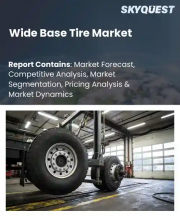
KSA 26.09.08Global Wide Base Tire Market size was valued at USD 187.40 Million in 2024 and is poised to grow from USD 203.14 Million in 2025 to USD 387.29 Million by 2033, growing at a CAGR of 8.4% during the forecast period (2026-2033).
The global wide base tire market is experiencing significant growth, driven by the automotive industry's focus on brand differentiation and enhanced handling. High-end brands like BMW and Lexus are incorporating wide base tires as original equipment, boosting driver confidence and willingness to invest in quality tires, thus motivating suppliers to innovate in tread life extending compounds. This reduced wear lowers overall ownership costs, encouraging aftermarket distributors to increase inventories and promote wider adoption, especially in emerging economies with rising disposable incomes. The collaboration between tire manufacturers and electric vehicle brands is also pivotal, as wider tire footprints improve stability and regenerative braking. This segment primarily caters to high-performance cars, combining aesthetic appeal with functionality, resonating with consumer demands for personalization and enhanced driving experiences.
Top-down and bottom-up approaches were used to estimate and validate the size of the Global Wide Base Tire market and to estimate the size of various other dependent submarkets. The research methodology used to estimate the market size includes the following details: The key players in the market were identified through secondary research, and their market shares in the respective regions were determined through primary and secondary research. This entire procedure includes the study of the annual and financial reports of the top market players and extensive interviews for key insights from industry leaders such as CEOs, VPs, directors, and marketing executives. All percentage shares split, and breakdowns were determined using secondary sources and verified through Primary sources. All possible parameters that affect the markets covered in this research study have been accounted for, viewed in extensive detail, verified through primary research, and analyzed to get the final quantitative and qualitative data.
Global Wide Base Tire Market Segments Analysis
Global wide base tire market is segmented by vehicle type, tire type, rim size, application, distribution channel and region. Based on vehicle type, the market is segmented into heavy duty trucks, trailers, buses and others. Based on tire type, the market is segmented into steer tires, drive tires, trailer tires and others. Based on rim size, the market is segmented into 19.5 inch, 22.5 inch, 24.5 inch and others. Based on application, the market is segmented into long haul transportation, regional transportation, construction and others. Based on distribution channel, the market is segmented into OEM, aftermarket and others. Based on region, the market is segmented into North America, Europe, Asia Pacific, Latin America and Middle East & Africa.
Driver of the Global Wide Base Tire Market
The global wide base tire market is being driven by automakers' efforts to integrate these tires into their vehicles to minimize rolling resistance, which leads to better fuel efficiency and increased driving range. This shift meets consumer demands for reduced operating costs while also responding to regulatory incentives aimed at promoting environmentally friendly performance. As manufacturers embrace this technology, supply chains evolve to accommodate increased production levels, leading to greater availability in the market. Consequently, the enhanced efficiency associated with wide base tires attracts fleet operators and individual vehicle owners, generating consistent demand across various segments in the automotive industry.
Restraints in the Global Wide Base Tire Market
The Global Wide Base Tire market faces several constraints due to the specialized manufacturing processes involved. Producing these tires requires unique equipment and a greater amount of raw materials, leading to higher production costs in comparison to traditional tire designs. These increased expenses are often passed on to manufacturers and, ultimately, to end-users, making it difficult to maintain price competitiveness in budget-conscious segments of the market. Smaller suppliers may find it challenging to afford the necessary retooling, hindering their ability to enter the market and diminishing diversity among competitors. As a result, the overall elevated cost structure can impede the adoption of wide base tires, especially in regions where consumers prioritize affordability.
Market Trends of the Global Wide Base Tire Market
The Global Wide Base Tire market is witnessing a significant trend towards the adoption of sustainable materials, as manufacturers increasingly prioritize bio-based rubbers and recycled polymer compounds. This move is driven by consumer demand for environmentally friendly products and aligns with corporate environmental, social, and governance (ESG) objectives. Companies are heavily investing in research and development to ensure that these sustainable materials can perform on par with traditional options, while fostering partnerships with agricultural suppliers to secure stable sources of raw materials. As a result, product offerings are becoming more attractive to fleet operators aiming for reduced carbon footprints and meeting regulatory demands for circular economy practices.
Table of Contents
Introduction
- Objectives of the Study
- Market Definition & Scope
Research Methodology
- Research Process
- Secondary & Primary Data Methods
- Market Size Estimation Methods
Executive Summary
- Global Market Outlook
- Key Market Highlights
- Segmental Overview
- Competition Overview
Market Dynamics & Outlook
- Macro-Economic Indicators
- Drivers & Opportunities
- Restraints & Challenges
- Supply Side Trends
- Demand Side Trends
- Porters Analysis & Impact
- Competitive Rivalry
- Threat of Substitute
- Bargaining Power of Buyers
- Threat of New Entrants
- Bargaining Power of Suppliers
Key Market Insights
- Key Success Factors
- Market Impacting Factors
- Top Investment Pockets
- Ecosystem Mapping
- Market Attractiveness Index 2025
- PESTEL Analysis
- Regulatory Landscape
Global Wide Base Tire Market Size by Vehicle Type & CAGR (2026-2033)
- Market Overview
- Heavy Duty Trucks
- Trailers
- Buses
- Others
Global Wide Base Tire Market Size by Tire Type & CAGR (2026-2033)
- Market Overview
- Steer Tires
- Drive Tires
- Trailer Tires
- Others
Global Wide Base Tire Market Size by Rim Size & CAGR (2026-2033)
- Market Overview
- 19.5 Inch
- 22.5 Inch
- 24.5 Inch
- Others
Global Wide Base Tire Market Size by Application & CAGR (2026-2033)
- Market Overview
- Long Haul Transportation
- Regional Transportation
- Construction
- Others
Global Wide Base Tire Market Size by Distribution Channel & CAGR (2026-2033)
- Market Overview
- OEM
- Aftermarket
- Others
Global Wide Base Tire Market Size & CAGR (2026-2033)
- North America (Vehicle Type, Tire Type, Rim Size, Application, Distribution Channel)
- US
- Canada
- Europe (Vehicle Type, Tire Type, Rim Size, Application, Distribution Channel)
- Germany
- Spain
- France
- UK
- Italy
- Rest of Europe
- Asia Pacific (Vehicle Type, Tire Type, Rim Size, Application, Distribution Channel)
- China
- India
- Japan
- South Korea
- Rest of Asia-Pacific
- Latin America (Vehicle Type, Tire Type, Rim Size, Application, Distribution Channel)
- Mexico
- Brazil
- Rest of Latin America
- Middle East & Africa (Vehicle Type, Tire Type, Rim Size, Application, Distribution Channel)
- GCC Countries
- South Africa
- Rest of Middle East & Africa
Competitive Intelligence
- Top 5 Player Comparison
- Market Positioning of Key Players, 2025
- Strategies Adopted by Key Market Players
- Recent Developments in the Market
- Company Market Share Analysis, 2025
- Company Profiles of All Key Players
- Company Details
- Product Portfolio Analysis
- Company's Segmental Share Analysis
- Revenue Y-O-Y Comparison (2023-2025)
Key Company Profiles
- Michelin Group
- Company Overview
- Business Segment Overview
- Financial Updates
- Key Developments
- Bridgestone Corporation
- Company Overview
- Business Segment Overview
- Financial Updates
- Key Developments
- The Goodyear Tire & Rubber Company
- Company Overview
- Business Segment Overview
- Financial Updates
- Key Developments
- Continental AG
- Company Overview
- Business Segment Overview
- Financial Updates
- Key Developments
- Pirelli & C. S.p.A.
- Company Overview
- Business Segment Overview
- Financial Updates
- Key Developments
- Yokohama Rubber Co., Ltd.
- Company Overview
- Business Segment Overview
- Financial Updates
- Key Developments
- Sumitomo Rubber Industries, Ltd.
- Company Overview
- Business Segment Overview
- Financial Updates
- Key Developments
- Hankook Tire & Technology Co., Ltd.
- Company Overview
- Business Segment Overview
- Financial Updates
- Key Developments
- Toyo Tire Corporation
- Company Overview
- Business Segment Overview
- Financial Updates
- Key Developments
- Nokian Tyres plc
- Company Overview
- Business Segment Overview
- Financial Updates
- Key Developments
- Apollo Tyres Ltd.
- Company Overview
- Business Segment Overview
- Financial Updates
- Key Developments
- JK Tyre & Industries Ltd.
- Company Overview
- Business Segment Overview
- Financial Updates
- Key Developments
- CEAT Limited
- Company Overview
- Business Segment Overview
- Financial Updates
- Key Developments
- Triangle Tyre Co., Ltd.
- Company Overview
- Business Segment Overview
- Financial Updates
- Key Developments
- Double Coin Holdings Ltd.
- Company Overview
- Business Segment Overview
- Financial Updates
- Key Developments
- Sailun Group Co., Ltd.
- Company Overview
- Business Segment Overview
- Financial Updates
- Key Developments
- Linglong Tire Co., Ltd.
- Company Overview
- Business Segment Overview
- Financial Updates
- Key Developments
- Kumho Tire Co., Inc.
- Company Overview
- Business Segment Overview
- Financial Updates
- Key Developments
- Maxxis International
- Company Overview
- Business Segment Overview
- Financial Updates
- Key Developments
- Giti Tire Pte. Ltd.
- Company Overview
- Business Segment Overview
- Financial Updates
- Key Developments