|
시장보고서
상품코드
1876692
산업 폐기물 관리 시장 예측(-2032년) : 서비스 유형별, 폐기물 유형별, 폐기물 형태별, 업계별, 지역별 분석Industrial Waste Management Market Forecasts to 2032 - Global Analysis By Service Type, Waste Type, Waste Form, Industry Vertical, and By Geography |
||||||

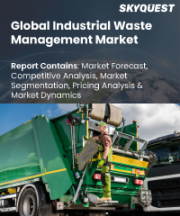
Stratistics MRC의 조사에 따르면 세계의 산업 폐기물 관리 시장은 2025년 1조 2,700억 달러 규모로, 2032년까지 1조 9,500억 달러에 이를 것으로 예측되고 있습니다.
예측 기간 동안 CAGR은 6.3%로 예상됩니다. 산업 폐기물 관리는 제조 및 공정 제품별 수집, 처리, 재활용 및 처분을 다룹니다. 공급자는 유해 폐기물 및 비 유해 폐기물 서비스, 현장 처리, 재료 회수 및 규제 준수 지원을 제공합니다. 순환형 경제에 대한 압력과 엄격한 환경 규제로 기업은 폐기물 최소화, 자원 회수 및 디지털 추적 솔루션의 도입을 강요하고 있습니다. 시장 성장은 산업 활동, 지속가능성 목표, 원재료 비용, 폐기물 관리 기준의 시행 상황에 따라 달라집니다.
유엔환경계획(UNEP)의 '세계 폐기물 관리 전망'에 따르면 2023년 도시 고형폐기물 발생량은 약 21억톤이었습니다.
엄격한 환경 규제 및 정책
세계 각국의 정부는 보다 엄격한 환경 규제를 실시하고 있으며, 산업에 적절한 폐기물 관리 방법 도입을 의무화하고 있습니다. 확대 생산자 책임(EPR) 및 매립 처분 회피 의무와 같은 정책은 타협의 여지가 없는 컴플라이언스 요구를 제기합니다. 이 규제 압력은 기업이 거대한 벌금과 법적 영향을 피하기 위해 승인된 처리 기술과 서비스에 투자해야 하기 때문에 시장 성장으로 직접 이어집니다. 결과적으로, 이러한 촉진요인은 제조, 화학 및 기타 산업 분야에서 공식적인 폐기물 관리 솔루션에 대한 기본적이고 지속적인 수요를 확립합니다.
고도 처리와 관련된 높은 운영 비용
열처리 및 화학적 안정화 처리와 같은 고급 처리 시스템은 엄청난 설비 투자와 운영 비용을 수반하며, 이는 주요 시장 장벽이 되고 있습니다. 중소기업(SME)은 이러한 비용을 부담하기 어려운 경우가 많아, 결과적으로 규제 불준수나, 효과는 떨어지지만 저렴한 대체 수단에 의존을 초래할 가능성이 있습니다. 이 재정적 장벽은 혁신적인 기술 시장 침투를 늦추고 서비스 제공업체의 이익률을 제한할 수 있으며, 특히 가격에 민감한 지역에서 시장 확대의 전반적인 속도를 억제하는 요인이 됩니다.
지속가능성과 제로 웨이스트에 대한 기업 관심 증가
환경, 사회 및 거버넌스(ESG) 기준에 기업의 중시가 높아지고 있는 것은 큰 성장 기회입니다. 기업은 현재 브랜드 평가의 향상과 투자자의 기대에 부응하기 위해 매립폐기물 제로 목표와 순환형 경제모델의 실현을 적극적으로 추진하고 있습니다. 이러한 변화는 더 나은 재활용, 자원 회수, 폐기물에서 에너지로의 전환에 대한 필요성을 높이고, 폐기물 관리 기업은 단순한 처분을 넘어 더 가치 있는 서비스를 제공하고 새로운 수익원을 창출할 수 있게 되었습니다.
비공식 폐기물 부문과의 경쟁
많은 개발도상국에서는 비공식적인 폐기물 섹터가 안전성이 부족한 환경을 손상시키는 수법을 이용하는 경우가 많으며, 대폭 저비용으로 수집 및 처리 서비스를 제공함으로써 큰 위협이 되고 있습니다. 이 불법적인 경쟁은 공식 시장을 손상시키고 재활용 가능한 폐기물 및 기타 폐기물 스트림의 상당량을 빼앗습니다. 이에 따라 가격 압력이 생겨 법령 준수사업자의 잠재고객 기반이 축소되고 시장이 분단되어 전체적인 발전과 전문성 향상이 저해되고 있습니다.
신형 코로나 바이러스 감염(COVID-19)의 영향 :
팬데믹은 당초 락다운으로 인한 일시적인 산업 정지와 폐기물 발생량 감소를 통해 산업 폐기물 관리 시장을 혼란시켰습니다. 공급망의 혼란도 장비와 예비 부품의 가용성에 영향을 미쳤습니다. 그러나 이 위기는 위생에 대한 관심을 높여 의료 폐기물과 포장 폐기물을 포함한 특정 유해 폐기물의 발생량 증가로 이어졌습니다. 시장은 탄력성을 보였고 회복은 세계 산업 활동 재개와 보조를 결합했습니다. 또한, 이 경험은 미래의 혼란에 대처하기 위한 강인하고 적응성이 있는 폐기물 관리 인프라 정비의 중요성을 보여주었습니다.
예측 기간 동안 처리 및 처분 부문이 최대 시장 규모를 차지할 것으로 예측
처리 및 처분 부문은 재활용 불가능한 폐기물에 필수적인 최종 단계를 담당하므로 예측 기간 동안 최대 시장 점유율을 차지할 것으로 예측됩니다. 여기에는 소각, 매립, 화학처리 등의 기술이 포함되며 자본 집약적이고 엄격한 규제가 부과됩니다. 기간산업으로부터 지속적이고 대량으로 배출되는 비재생 폐기물이 이 부문의 우위성을 지원하고 안정된 수요를 확보하고 있습니다. 미처리 폐기물의 폐기를 금지하는 엄격한 규제는 폐기물 관리 계층에서 본 부문의 기초적 역할을 더욱 확고히 하고 수익 측면에서 주도적 지위를 보장합니다.
예측 기간 동안 유해 폐기물 부문이 가장 높은 CAGR을 나타낼 것으로 예상
예측기간 동안 유해 폐기물 부문은 의약품, 화학, 제조업 등에서 발생량 증가를 배경으로 가장 높은 성장률을 보일 것으로 예측됩니다. 게다가 유해물질의 취급 및 처분에 관한 세계적인 규제 강화가 업계에 전문적이고 규제 준거의 서비스를 요구하고 있습니다. 이러한 폐기물 관리와 관련된 높은 비용과 필요한 기술적 전문성은 프리미엄 서비스 가치로 이어집니다. 규제 강화와 복잡한 폐기물 처리 흐름이 결합되어 광범위한 시장 내에서 고성장 틈새 시장을 형성하고 있습니다.
최대 점유율을 차지하는 지역:
예측 기간 동안 북미는 최대 시장 점유율을 유지할 것으로 예측됩니다. 이러한 이점은 성숙한 산업 기반, 미국의 RCRA(자원 보호법) 등의 확립된 규제 프레임워크, 첨단 처리 기술의 높은 도입률에 의해 지원되고 있습니다. 주요 시장 기업의 존재와 규제 준수를 중시하는 견고한 기업 문화가 그 지위를 더욱 확고하게 하고 있습니다. 게다가 폐기물 인프라의 현대화에 대한 많은 투자와 지속 가능한 실천에 대한 주력은 이 지역 시장 가치에 대한 지속적인 이점을 보장합니다.
가장 높은 CAGR을 나타내는 지역:
예측 기간 동안 아시아태평양은 가장 높은 CAGR을 나타낼 것으로 예측됩니다. 중국과 인도와 같은 국가에서 급속한 산업화, 도시화 및 이에 따른 폐기물 발생량 증가는 이러한 가속적인 성장을 뒷받침하고 있습니다. 지원적인 정부 시책과 환경 인프라에 대한 외국 투자 증가는 주요 촉진요인입니다. 더욱이, 사회적 의식과 폐기물 관리 부문의 점진적인 제도화는 확대를 위한 비옥한 토양을 창출하고 있으며, 아시아태평양을 미래 시장 성장의 초점으로 삼고 있습니다.
무료 주문을 받아서 만드는 서비스:
이 보고서를 구입한 고객은 다음 무료 맞춤설정 옵션 중 하나를 사용할 수 있습니다.
- 기업 프로파일링
- 추가 시장 기업의 종합적 프로파일링(최대 3사)
- 주요 기업의 SWOT 분석(최대 3사)
- 지역별 세분화
- 고객의 요구에 응한 주요국 시장 추계, 예측, CAGR(주 : 실현 가능성의 확인이 필요합니다)
- 경쟁 벤치마킹
- 주요 기업의 제품 포트폴리오, 지리적 전개, 전략적 제휴에 기초한 벤치마킹
목차
제1장 주요 요약
제2장 서문
- 개요
- 이해관계자
- 조사 범위
- 조사 방법
- 데이터 마이닝
- 데이터 분석
- 데이터 검증
- 조사 접근
- 조사 자료
- 1차 조사 자료
- 2차 조사 정보원
- 전제조건
제3장 시장 동향 분석
- 소개
- 성장 촉진요인
- 억제요인
- 기회
- 위협
- 신흥 시장
- COVID-19의 영향
제4장 Porter's Five Forces 분석
- 공급기업의 협상력
- 구매자의 협상력
- 대체품의 위협
- 신규 참가업체의 위협
- 경쟁 기업간 경쟁 관계
제5장 세계의 산업폐기물 관리 시장 : 서비스 유형별
- 소개
- 컬렉션
- 운송 및 물류
- 보관 및 취급
- 처리 및 폐기
- 매립
- 재활용
- 소각 및 연소
- 퇴비화 및 혐기성 소화
- 처리
- 수리
제6장 세계의 산업 폐기물 관리 시장 : 폐기물 유형별
- 소개
- 유해폐기물
- 화학폐기물 및 공정폐기물
- 의료폐기물 및 바이오해저드 폐기물
- 핵폐기물
- 기타 유해폐기물
- 비유해폐기물
- 건설폐기물
- 제조 및 공정 잔류물
- 농업 폐기물
- 기타 비유해폐기물
제7장 세계의 산업 폐기물 관리 시장 : 폐기물 형태별
- 소개
- 고형 폐기물
- 액체 폐기물
- 가스상 폐기물
- 슬러지 및 반고체
제8장 세계의 산업폐기물 관리 시장 : 업계별
- 소개
- 화학 및 석유화학
- 석유 및 가스
- 광업 및 야금
- 제조업
- 발전 및 유틸리티
- 의약품 및 헬스케어
- 식음료
- 섬유 및 피혁
- 펄프 및 종이
- 건설
- 기타 산업
제9장 세계의 산업폐기물 관리 시장 : 지역별
- 소개
- 북미
- 미국
- 캐나다
- 멕시코
- 유럽
- 독일
- 영국
- 이탈리아
- 프랑스
- 스페인
- 기타 유럽
- 아시아태평양
- 일본
- 중국
- 인도
- 호주
- 뉴질랜드
- 한국
- 기타 아시아태평양
- 남미
- 아르헨티나
- 브라질
- 칠레
- 기타 남미
- 중동 및 아프리카
- 사우디아라비아
- 아랍에미리트(UAE)
- 카타르
- 남아프리카
- 기타 중동 및 아프리카
제10장 주요 발전
- 계약, 파트너십, 협업, 합작투자
- 인수와 합병
- 신제품 발매
- 사업 확대
- 기타 주요 전략
제11장 기업 프로파일링
- Veolia Environnement SA
- SUEZ SA
- Waste Management, Inc.
- Republic Services, Inc.
- Clean Harbors, Inc.
- Stericycle, Inc.
- Covanta Holding Corporation
- Remondis SE & Co. KG
- Waste Connections, Inc.
- Biffa plc
- GFL Environmental Inc.
- Daiseki Co., Ltd.
- Sembcorp Industries Ltd.
- Urbaser SAU
- Hitachi Zosen Corporation
- Beijing Capital Eco-Environment Protection Group Co., Ltd.
According to Stratistics MRC, the Global Industrial Waste Management Market is accounted for $1.27 trillion in 2025 and is expected to reach $1.95 trillion by 2032, growing at a CAGR of 6.3% during the forecast period. Industrial waste management covers collection, treatment, recycling, and disposal of manufacturing and process byproducts. Providers offer hazardous and non-hazardous waste services, on-site treatment, materials recovery, and regulatory compliance support. Circular economy pressures and stricter environmental regulations push firms to adopt waste minimization, resource recovery, and digital tracking solutions. Market growth depends on industrial activity, sustainability targets, cost of raw materials, and enforcement of waste management standards.
According to UNEP's Global Waste Management Outlook, municipal solid waste generation was about 2.1 billion tonnes in 2023.
Market Dynamics:
Driver:
Stringent environmental regulations and policies
Governments worldwide are implementing stricter environmental regulations, compelling industries to adopt proper waste management practices. Policies like extended producer responsibility (EPR) and mandates for landfill diversion are creating a non-negotiable compliance demand. This regulatory pressure directly translates into market growth, as companies must invest in approved treatment technologies and services to avoid significant fines and legal repercussions. Consequently, this driver establishes a foundational, continuous demand for formal waste management solutions across manufacturing, chemical, and other industrial sectors.
Restraint:
High operational costs for advanced treatment
The significant capital investment and operational expenditures for advanced treatment systems, such as thermal treatment or chemical stabilization, present a major market barrier. Small and medium-sized enterprises (SMEs) often deem these costs prohibitive, potentially leading to non-compliance or reliance on less effective, cheaper alternatives. This financial hurdle can slow market penetration of innovative technologies and limit service provider margins, thereby restraining the overall pace of market expansion, particularly in price-sensitive regions.
Opportunity:
Growing corporate focus on sustainability and zero-waste initiatives
The escalating corporate emphasis on Environmental, Social, and Governance (ESG) criteria is a significant growth opportunity. Companies are now actively pursuing zero-waste-to-landfill goals and circular economy models to enhance brand reputation and meet investor expectations. This change is increasing the need for better recycling, recovering resources, and turning waste into energy, which lets waste management companies provide more valuable services and create new ways to earn money beyond just disposal.
Threat:
Competition from informal waste sectors
In many developing economies, the informal waste sector poses a substantial threat by offering collection and disposal services at substantially lower costs, albeit often with unsafe and environmentally damaging practices. This illicit competition undermines the formal market, capturing a significant volume of recyclable and other waste streams. It creates price pressure and reduces the potential customer base for compliant operators, thereby fragmenting the market and hindering its overall development and professionalization.
Covid-19 Impact:
The pandemic initially disrupted the industrial waste management market through lockdowns, which caused temporary industrial shutdowns and reduced waste generation. Supply chain interruptions also affected the availability of equipment and spare parts. However, the crisis heightened focus on hygiene, leading to increased volumes of specific hazardous waste, including medical and packaging waste. The market demonstrated resilience, with recovery aligning with global industrial reactivation. Furthermore, the experience demonstrated the importance of developing robust and adaptable waste management infrastructure to handle future disruptions.
The treatment & disposal segment is expected to be the largest during the forecast period
The treatment & disposal segment is expected to account for the largest market share during the forecast period, as it represents the essential, final stage for waste that cannot be recycled. This includes technologies like incineration, landfills, and chemical treatment, which are capital-intensive and heavily regulated. Continuous and voluminous output of non-recyclable waste from core industries drives its dominance, ensuring steady demand. Strict regulations prohibiting untreated dumping further cement this segment's foundational role in the waste management hierarchy, guaranteeing its revenue leadership.
The hazardous waste segment is expected to have the highest CAGR during the forecast period
Over the forecast period, the hazardous waste segment is predicted to witness the highest growth rate, propelled by increasing generation from sectors like pharmaceuticals, chemicals, and manufacturing. Additionally, tighter global regulations governing the handling and disposal of hazardous materials are compelling industries to seek specialized, compliant services. The high cost associated with managing such waste, coupled with the technical expertise required, translates into premium service value. This convergence of regulatory push and complex waste streams creates a high-growth niche within the broader market.
Region with largest share:
During the forecast period, North America is expected to hold the largest market share. This leadership is anchored in a mature industrial base, well-established regulatory frameworks like the RCRA in the US, and high adoption rates of advanced treatment technologies. The presence of major market players and a strong corporate culture of regulatory compliance further consolidate its position. Moreover, significant investment in modernizing waste infrastructure and a focus on sustainable practices ensure the region's continued dominance in market value.
Region with highest CAGR:
Over the forecast period, the Asia Pacific region is anticipated to exhibit the highest CAGR. Rapid industrialization, urbanization, and the resulting rise in waste generation in nations like China and India fuel this accelerated growth. Supportive government initiatives and increasing foreign investments in environmental infrastructure are key enablers. Furthermore, growing public awareness and the gradual formalization of waste management sectors are creating fertile ground for expansion, making APAC the focal point for future market growth.
Key players in the market
Some of the key players in Industrial Waste Management Market include Veolia Environnement S.A., SUEZ S.A., Waste Management, Inc., Republic Services, Inc., Clean Harbors, Inc., Stericycle, Inc., Covanta Holding Corporation, Remondis SE & Co. KG, Waste Connections, Inc., Biffa plc, GFL Environmental Inc., Daiseki Co., Ltd., Sembcorp Industries Ltd., Urbaser S.A.U., Hitachi Zosen Corporation, and Beijing Capital Eco-Environment Protection Group Co., Ltd.
Key Developments:
In July 2025, COURRIERES: As hazardous waste becomes an emerging bottleneck in global industry, environmental services giant Veolia is taking center stage with a bold new road map. At its "Deep Dive Waste to Value" conference held in Courrieres, northern France, the company unveiled a sweeping strategy to expand hazardous waste treatment capacity by 50 percent by 2030 - a key pillar of its broader GreenUp plan to accelerate sustainable infrastructure worldwide.
In June 2025, Veolia, the world's leader in end-to-end hazardous waste solutions, announces a significant reinforcement of its hazardous waste treatment capacities. Leveraging both organic growth and targeted acquisitions, Veolia is adding 530,000 tonnes of new hazardous waste annual treatment capacity by 2030 to respond proactively to intensifying global demand, critical treatment capacity shortages, and the vital need to protect public health and the environment.
In May 2025, Republic announced the planned construction of a 105,000 sq ft recycling centre in the St. Louis region to improve recycling rates, processing up to 45 tons per hour of single-stream material. Although more recycling-oriented, this supports industrial materials-recovery activities.
Service Types Covered:
- Collection
- Transportation & Logistics
- Storage & Handling
- Treatment & Disposal
- Remediation
Waste Types Covered:
- Hazardous Waste
- Non-Hazardous Waste
Waste Forms Covered:
- Solid Waste
- Liquid Waste
- Gaseous Waste
- Sludge/Semi-Solid
Industry Verticals Covered:
- Chemical & Petrochemical
- Oil & Gas
- Mining & Metallurgy
- Manufacturing
- Power Generation & Utilities
- Pharmaceutical & Healthcare
- Food & Beverage
- Textile & Leather
- Pulp & Paper
- Construction
- Other Industry Verticals
Regions Covered:
- North America
- US
- Canada
- Mexico
- Europe
- Germany
- UK
- Italy
- France
- Spain
- Rest of Europe
- Asia Pacific
- Japan
- China
- India
- Australia
- New Zealand
- South Korea
- Rest of Asia Pacific
- South America
- Argentina
- Brazil
- Chile
- Rest of South America
- Middle East & Africa
- Saudi Arabia
- UAE
- Qatar
- South Africa
- Rest of Middle East & Africa
What our report offers:
- Market share assessments for the regional and country-level segments
- Strategic recommendations for the new entrants
- Covers Market data for the years 2024, 2025, 2026, 2028, and 2032
- Market Trends (Drivers, Constraints, Opportunities, Threats, Challenges, Investment Opportunities, and recommendations)
- Strategic recommendations in key business segments based on the market estimations
- Competitive landscaping mapping the key common trends
- Company profiling with detailed strategies, financials, and recent developments
- Supply chain trends mapping the latest technological advancements
Free Customization Offerings:
All the customers of this report will be entitled to receive one of the following free customization options:
- Company Profiling
- Comprehensive profiling of additional market players (up to 3)
- SWOT Analysis of key players (up to 3)
- Regional Segmentation
- Market estimations, Forecasts and CAGR of any prominent country as per the client's interest (Note: Depends on feasibility check)
- Competitive Benchmarking
- Benchmarking of key players based on product portfolio, geographical presence, and strategic alliances
Table of Contents
1 Executive Summary
2 Preface
- 2.1 Abstract
- 2.2 Stake Holders
- 2.3 Research Scope
- 2.4 Research Methodology
- 2.4.1 Data Mining
- 2.4.2 Data Analysis
- 2.4.3 Data Validation
- 2.4.4 Research Approach
- 2.5 Research Sources
- 2.5.1 Primary Research Sources
- 2.5.2 Secondary Research Sources
- 2.5.3 Assumptions
3 Market Trend Analysis
- 3.1 Introduction
- 3.2 Drivers
- 3.3 Restraints
- 3.4 Opportunities
- 3.5 Threats
- 3.6 Emerging Markets
- 3.7 Impact of Covid-19
4 Porters Five Force Analysis
- 4.1 Bargaining power of suppliers
- 4.2 Bargaining power of buyers
- 4.3 Threat of substitutes
- 4.4 Threat of new entrants
- 4.5 Competitive rivalry
5 Global Industrial Waste Management Market, By Service Type
- 5.1 Introduction
- 5.2 Collection
- 5.3 Transportation & Logistics
- 5.4 Storage & Handling
- 5.5 Treatment & Disposal
- 5.5.1 Landfilling
- 5.5.2 Recycling
- 5.5.3 Incineration/Combustion
- 5.5.4 Composting & Anaerobic Digestion
- 5.5.5 Treatment
- 5.6 Remediation
6 Global Industrial Waste Management Market, By Waste Type
- 6.1 Introduction
- 6.2 Hazardous Waste
- 6.2.1 Chemical/Process Waste
- 6.2.2 Chemical/Process Waste
- 6.2.3 Medical/Bio-Hazardous Waste
- 6.2.4 Nuclear Waste
- 6.2.5 Other Hazardous Waste
- 6.3 Non-Hazardous Waste
- 6.3.1 Construction & Demolition (C&D) Waste
- 6.3.2 Manufacturing/Process Residues
- 6.3.3 Agricultural Waste
- 6.3.4 Other Non-Hazardous Waste
7 Global Industrial Waste Management Market, By Waste Form
- 7.1 Introduction
- 7.2 Solid Waste
- 7.3 Liquid Waste
- 7.4 Gaseous Waste
- 7.5 Sludge/Semi-Solid
8 Global Industrial Waste Management Market, By Industry Vertical
- 8.1 Introduction
- 8.2 Chemical & Petrochemical
- 8.3 Oil & Gas
- 8.4 Mining & Metallurgy
- 8.5 Manufacturing
- 8.6 Power Generation & Utilities
- 8.7 Pharmaceutical & Healthcare
- 8.8 Food & Beverage
- 8.9 Textile & Leather
- 8.10 Pulp & Paper
- 8.11 Construction
- 8.12 Other Industry Verticals
9 Global Industrial Waste Management Market, By Geography
- 9.1 Introduction
- 9.2 North America
- 9.2.1 US
- 9.2.2 Canada
- 9.2.3 Mexico
- 9.3 Europe
- 9.3.1 Germany
- 9.3.2 UK
- 9.3.3 Italy
- 9.3.4 France
- 9.3.5 Spain
- 9.3.6 Rest of Europe
- 9.4 Asia Pacific
- 9.4.1 Japan
- 9.4.2 China
- 9.4.3 India
- 9.4.4 Australia
- 9.4.5 New Zealand
- 9.4.6 South Korea
- 9.4.7 Rest of Asia Pacific
- 9.5 South America
- 9.5.1 Argentina
- 9.5.2 Brazil
- 9.5.3 Chile
- 9.5.4 Rest of South America
- 9.6 Middle East & Africa
- 9.6.1 Saudi Arabia
- 9.6.2 UAE
- 9.6.3 Qatar
- 9.6.4 South Africa
- 9.6.5 Rest of Middle East & Africa
10 Key Developments
- 10.1 Agreements, Partnerships, Collaborations and Joint Ventures
- 10.2 Acquisitions & Mergers
- 10.3 New Product Launch
- 10.4 Expansions
- 10.5 Other Key Strategies
11 Company Profiling
- 11.1 Veolia Environnement S.A.
- 11.2 SUEZ S.A.
- 11.3 Waste Management, Inc.
- 11.4 Republic Services, Inc.
- 11.5 Clean Harbors, Inc.
- 11.6 Stericycle, Inc.
- 11.7 Covanta Holding Corporation
- 11.8 Remondis SE & Co. KG
- 11.9 Waste Connections, Inc.
- 11.10 Biffa plc
- 11.11 GFL Environmental Inc.
- 11.12 Daiseki Co., Ltd.
- 11.13 Sembcorp Industries Ltd.
- 11.14 Urbaser S.A.U.
- 11.15 Hitachi Zosen Corporation
- 11.16 Beijing Capital Eco-Environment Protection Group Co., Ltd.