|
시장보고서
상품코드
2081138
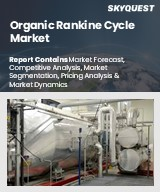
유기 랭킨 사이클(ORC) 시장 예측(-2034년) : 사이클 유형, 터빈 유형, 열원, 용량 범위, 용도, 최종사용자, 지역별 세계 분석Organic Rankine Cycle (ORC) Market Forecasts to 2034 - Global Analysis By Cycle Type (Subcritical ORC and Supercritical ORC), Turbine Type, Heat Source, Capacity Range, Application, End User and By Geography |
||||||

Stratistics MRC에 따르면 세계의 유기 랭킨 사이클(ORC) 시장은 2026년에 11억 달러 규모에 달하며, 예측 기간 중 CAGR 9.1%로 성장하며, 2034년까지 22억 달러에 달할 것으로 전망되고 있습니다.
유기 랭킨 사이클(ORC)은 저온에서 기화되는 유기 유체를 이용하여, 저·중온 열원에서 전력을 생산하는 에너지 변환 방식입니다. 기존의 증기 사이클과 비교할 때, ORC 시스템은 지열 자원, 폐열 회수, 바이오매스, 태양열 시스템 등의 용도에 더 적합합니다. 이 시스템은 열교환기, 터빈, 응축기, 순환 펌프 등의 주요 구성 요소가 연속적인 루프에서 작동함으로써 기능을 수행합니다. ORC는 내구성, 낮은 운영 요건, 그리고 효율 향상 능력 덕분에 널리 인정받고 있습니다. 이 기술은 미활용 열을 회수하여 전체 탄소 배출량 감축에 기여함으로써, 보다 깨끗한 에너지 생산을 지원하고 있습니다.
국제재생에너지기구(IRENA)에 따르면 2023년 전 세계 지열 발전 설비 용량은 14GW에 달했으며, ORC 기술은 저온 지열 이용의 중요한 원동력이 되고 있습니다.
폐열 회수에 대한 수요 증가
에너지 이용 효율 향상에 대한 관심이 높아짐에 따라 폐열 회수 기술의 도입이 가속화되고 있으며, 이것이 ORC 시장의 성장을 지원하고 있습니다. 철강, 시멘트, 유리, 화학제품 등의 중공업 분야에서는 다량의 폐열이 발생하고 있지만, 그 대부분은 활용되지 않은 채로 남아 있습니다. ORC 기술은 이 저온 열을 귀중한 전기로 변환하여 효율 향상과 비용 절감에 기여합니다. 정부의 지원적 규제 또한 산업계에서 이러한 시스템을 도입하는 데 더욱 힘을 실어주고 있습니다. 에너지 비용 상승과 환경 기준의 강화에 따라 기업은 에너지 활용 극대화에 주력하고 있으며, ORC 시스템은 낭비를 줄이고 지속가능성 목표를 효율적으로 달성하기 위한 매력적인 솔루션으로 자리 잡고 있습니다.
극저온 환경에서의 효율 저하
ORC 시스템의 주요 제약 사항은 극저온 열원에서 가동할 때 발생하는 성능 저하에 있습니다. 적당한 열 회수에는 적합하지만, 이용 가능한 열량이 너무 적으면 효율이 현저히 떨어집니다. 이로 인해 발전량이 감소하고, 시스템 전체의 효율성이 떨어집니다. 그 결과, 이용 가능한 열량이 극히 적은 산업 분야에서는 ORC 솔루션의 실용성이나 비용 대비 효과가 낮다고 판단될 가능성이 있습니다. 생산량 감소는 이러한 프로젝트의 경제적 실현 가능성에 영향을 미쳐, 투자 대상으로서의 매력을 떨어뜨릴 가능성이 있습니다. 이러한 제약으로 인해 적용 범위가 제한되어, 조직은 초저온 조건에 더 적합한 다른 기술을 검토할 수밖에 없는 경우가 있습니다.
지열 에너지 이용 확대
지열 에너지 이용 확대는 ORC 시장에 유망한 성장 전망을 가져다주고 있습니다. ORC 시스템은 중온 지열을 효율적으로 전기로 변환하므로 이러한 용도에 매우 적합합니다. 많은 국가들이 에너지 안보 강화와 이산화탄소 배출량 감축을 위해 지열 에너지에 주력하고 있습니다. ORC 기술을 통해 기존의 증기식 시스템에서는 활용할 수 없었던 자원을 활용할 수 있게 됩니다. 재생에너지 인프라에 대한 투자가 증가하는 가운데, 지열 프로젝트는 전 세계에서 탄력을 받고 있습니다. 이러한 추세에 따라 ORC 솔루션에 대한 수요가 크게 증가할 것이며, 미개발 지열 자원을 보유한 지역의 시장 확대가 촉진될 것으로 예상됩니다.
엄격한 환경 및 안전 규제
엄격한 환경 및 안전 규제는 특히 시스템에 사용되는 유기 작동 유체의 특성과 관련하여 ORC 시장에 있으며, 과제가 되고 있습니다. 특정 유체의 경우, 환경에 미치는 영향이나 가연성 등 안전상 우려로 인해 사용 제한이 부과될 가능성이 있습니다. 변화하는 규제 요건에 대응하기 위해서는 대개 추가 비용, 시스템 개조 또는 대체 재료의 사용이 수반됩니다. 이러한 요인들로 인해 설치가 지연되거나 프로젝트 개발자에게 더 큰 복잡성이 발생할 가능성이 있습니다. 전 세계에서 환경 정책이 강화되는 가운데, 기업은 새로운 기준에 적응해야 하는 압박을 자주 받고 있으며, 이는 불확실성을 야기하여 다양한 용도와 지역에서 ORC 기술의 도입 및 보급을 지연시킬 가능성이 있습니다.
신종 코로나바이러스(COVID-19)의 영향:
COVID-19의 확산은 ORC 시장에 부정적 영향과 긍정적 영향 모두를 미쳤습니다. 초기 단계에서는 공급망 혼란, 인력 부족, 진행 중인 프로젝트의 지연이 시장 발전을 저해했습니다. 산업 활동이 둔화되거나 중단됨에 따라 에너지 회수 기술에 대한 수요가 감소했습니다. 또한 재정적 불확실성으로 인해 기업은 투자를 미룰 수밖에 없었습니다. 경제가 회복되기 시작하자, 관심은 지속가능성과 효율적인 에너지 이용으로 옮겨갔습니다. 정부와 기업은 부흥 계획의 일환으로 친환경 솔루션을 중시하며 ORC 시스템의 도입을 촉진했습니다. 이러한 새로운 관심은 팬데믹 기간 중 겪었던 일시적인 침체를 상쇄하고, 향후 성장을 촉진할 것으로 보입니다.
예측 기간 중, 아임계 ORC 부문이 가장 큰 시장 규모를 차지할 것으로 예상됩니다.
아임계 ORC 부문은 다양한 분야에서 폭넓게 활용되고 신뢰성 높은 성능을 바탕으로, 예측 기간 중 가장 큰 시장 점유율을 차지할 것으로 예상됩니다. 임계 압력 수준 이하에서 작동하므로 예측 가능하고 안정적인 열역학적 특성을 갖추고 있습니다. 따라서 지열 저류층, 바이오매스 시스템, 산업 공정 등 중온 및 저온 열원에서 에너지를 회수하는 데 이상적입니다. 이러한 시스템은 도입이 비교적 용이하고, 유지보수가 복잡하지 않으며, 기존 설비와 원활하게 통합할 수 있습니다. 합리적인 가격, 입증된 효율, 그리고 뛰어난 적응성 덕분에 아임계 ORC 시스템은 에너지 효율 향상과 폐열원을 활용한 신뢰성 높은 발전을 추구하는 산업계에서 폭넓은 지지를 받고 있습니다.
예측 기간 중, 원격지 및 오프그리드 전력 공급 부문이 가장 높은 연평균 성장률(CAGR)을 보일 것으로 예상됩니다.
예측 기간 중, 분산형 에너지 시스템에 대한 수요 증가를 배경으로, 원격지·오프그리드 전력 공급 부문이 가장 높은 성장률을 보일 것으로 전망됩니다. 기존 전력망에 접근할 수 없는 지역에서는 신뢰성이 높은 자립형 에너지 솔루션이 요구되고 있습니다. ORC 시스템은 바이오매스, 지열 에너지, 산업 폐열 등 현지에서 조달 가능한 열을 이용하여 발전할 수 있으므로, 이러한 상황에서 매우 효과적입니다. 이러한 신뢰성과 유지보수 부담이 적다는 특징 덕분에 농촌 지역, 광산, 외딴 지역의 시설 등 고립된 장소에서 사용하기에 적합합니다. 이러한 자립형 에너지원에 대한 수요 증가가 이 부문의 강력한 성장을 지원하고 있습니다.
시장 점유율이 가장 높은 지역:
예측 기간 중 유럽 지역은 청정 에너지 및 효율적인 자원 활용을 위한 노력을 원동력으로 삼아 최대 시장 점유율을 유지할 것으로 예상됩니다. 이 지역은 발전 분야에 ORC 시스템을 널리 활용하고 있는 발달된 지열 및 바이오매스 산업의 혜택을 누리고 있습니다. 유리한 규제 체계에 더해, 에너지 효율 향상과 배출 감축을 촉진하는 인센티브가 시장 확대를 지원하고 있습니다. 유럽 각국 정부는 기후 목표를 달성하기 위해 지속가능한 기술에 대한 투자를 계속하고 있습니다. 이러한 요소들이 결합되어 유럽은 ORC 시장에서 선도적인 지역으로서의 입지를 확고히 했으며, 전 세계적인 도입 및 개발 분야에서 높은 점유율을 유지하고 있습니다.
CAGR이 가장 높은 지역:
예측 기간 중 아시아태평양은 산업 발전의 가속화와 에너지 수요 증가를 배경으로 가장 높은 연평균 성장률(CAGR)을 보일 것으로 예상됩니다. 신흥 경제국들은 성장을 유지하기 위해 효율적인 에너지 이용과 친환경 기술을 우선시하고 있습니다. 산업 활동의 활성화에 따라 폐열 회수 시스템의 도입이 확대되면서 ORC 솔루션에 대한 수요가 증가하고 있습니다. 재생에너지 발전 및 인프라 확충을 지원하는 정부의 정책 또한 시장 전망을 더욱 밝게 하고 있습니다. 또한 지역 밀착형이며 신뢰성이 높은 발전 시스템에 대한 수요가 증가하는 것도 이러한 급속한 성장에 기여하고 있습니다.
무료 맞춤 설정 서비스:
이 보고서를 구매하신 모든 고객님께서는 다음의 무료 맞춤 설정 옵션 중 하나를 이용하실 수 있습니다. :
- 기업 개요
- 추가 시장 참여자(최대 3개사)에 대한 포괄적인 프로파일링
- 주요 기업(최대 3곳)의 SWOT 분석
- 지역별 세분화
- 고객의 요청에 따라 주요 국가의 시장 추정 및 예측, 그리고 CAGR(주: 실현 가능성 확인 후 결정)
- 경쟁사 벤치마킹
- 제품 포트폴리오, 사업 전개 지역, 전략적 제휴에 기반한 주요 기업의 벤치마킹
목차
제1장 개요
제2장 조사 프레임워크
제3장 시장 역학과 동향 분석
제4장 경쟁 환경과 전략적 평가
제5장 세계의 유기 랭킨 사이클(ORC) 시장 : 사이클 유형별
제6장 세계의 유기 랭킨 사이클(ORC) 시장 : 터빈 유형별
제7장 세계의 유기 랭킨 사이클(ORC) 시장 : 열원별
제8장 세계의 유기 랭킨 사이클(ORC) 시장 : 용량 범위별
제9장 세계의 유기 랭킨 사이클(ORC) 시장 : 용도별
제10장 세계의 유기 랭킨 사이클(ORC) 시장 : 최종사용자별
제11장 세계의 유기 랭킨 사이클(ORC) 시장 : 지역별
제12장 전략적 시장 정보
제13장 업계 동향과 전략적 구상
제14장 기업 개요
KSAAccording to Stratistics MRC, the Global Organic Rankine Cycle (ORC) Market is accounted for $1.1 billion in 2026 and is expected to reach $2.2 billion by 2034 growing at a CAGR of 9.1% during the forecast period. The Organic Rankine Cycle (ORC) is an energy conversion method that generates electricity from low and moderate heat sources by using organic fluids that vaporize at lower temperatures. Compared to conventional steam-based cycles, ORC systems are better suited for applications like geothermal resources, waste heat recovery, biomass, and solar thermal systems. It operates through key components such as a heat exchanger, turbine, condenser, and circulation pump in a continuous loop. ORC is widely appreciated for its durability, low operational requirements, and efficiency enhancement capabilities. This technology supports cleaner energy production by capturing unused heat and helping lower overall carbon emissions.
According to the International Renewable Energy Agency (IRENA), global installed geothermal power capacity reached 14 GW in 2023, with ORC technology being a key enabler for low-temperature geothermal utilization.
Market Dynamics:
Driver:
Growing demand for waste heat recovery
Rising emphasis on improving energy utilization is accelerating the adoption of waste heat recovery technologies, thereby supporting the growth of the ORC market. Heavy industries like steel, cement, glass, and chemical production release significant amounts of excess heat that often goes unused. ORC technology helps transform this low-temperature heat into valuable electricity, enhancing efficiency and lowering expenses. Supportive government regulations further encourage industries to implement such systems. With increasing energy costs and tighter environmental standards, businesses are focusing on maximizing energy use, making ORC systems an attractive solution for reducing waste and achieving sustainability targets efficiently.
Restraint:
Limited efficiency at very low temperatures
A key limitation of ORC systems is their reduced performance when operating with extremely low-temperature heat sources. While they are suitable for moderate heat recovery, efficiency declines notably when the available heat is too low. This leads to lower electricity generation and diminished overall system effectiveness. Consequently, industries with only minimal heat availability may find ORC solutions less practical or cost-efficient. The decreased output can impact the financial feasibility of such projects, making them less attractive for investment. This limitation restricts the range of applications and may push organizations to consider other technologies better suited for ultra-low-temperature conditions.
Opportunity:
Expansion in geothermal energy applications
Increasing adoption of geothermal energy offers promising growth prospects for the ORC market. Since ORC systems efficiently convert moderate-temperature geothermal heat into power, they are highly suitable for such applications. Many nations are focusing on geothermal energy to strengthen energy security and reduce carbon emissions. ORC technology makes it possible to utilize resources that are not suitable for traditional steam-based systems. With rising investments in renewable energy infrastructure, geothermal projects are gaining momentum globally. This trend is expected to create strong demand for ORC solutions, supporting market expansion in regions with untapped geothermal potential.
Threat:
Stringent environmental and safety regulations
Tight environmental and safety rules pose challenges for the ORC market, especially concerning the characteristics of organic working fluids used in the systems. Certain fluids may face restrictions due to environmental impact or safety concerns like flammability. Meeting changing regulatory requirements often involves additional costs, system modifications, or the use of alternative materials. These factors can delay installations and increase complexity for project developers. As environmental policies become stricter worldwide, companies must frequently adjust to new standards, creating uncertainty and potentially slowing down the adoption and expansion of ORC technology in different applications and regions.
Covid-19 Impact:
The outbreak of COVID-19 affected the ORC market in both negative and positive ways. In the early stages, supply chain interruptions, workforce limitations, and delays in ongoing projects hindered market progress. Industrial activities slowed or stopped, leading to reduced need for energy recovery technologies. Financial uncertainties also caused companies to delay investments. As economies began to recover, attention shifted toward sustainability and efficient energy use. Governments and businesses emphasized environmentally friendly solutions as part of recovery plans, increasing the adoption of ORC systems. This renewed interest is likely to drive future growth, offsetting the temporary decline experienced during the pandemic period.
The subcritical ORC segment is expected to be the largest during the forecast period
The subcritical ORC segment is expected to account for the largest market share during the forecast period owing to its extensive usage and dependable performance in multiple sectors. Operating below the critical pressure level, it offers predictable and stable thermodynamic characteristics. This makes it ideal for harnessing energy from moderate and low-temperature heat sources like geothermal reservoirs, biomass systems, and industrial processes. These systems are relatively simple to implement, require less complex maintenance, and integrate smoothly with existing setups. Due to their affordability, established efficiency, and adaptability, subcritical ORC systems are widely favored by industries aiming to enhance energy efficiency and achieve reliable power generation from waste heat sources.
The remote & off-grid power supply segment is expected to have the highest CAGR during the forecast period
Over the forecast period, the remote & off-grid power supply segment is predicted to witness the highest growth rate, driven by rising demand for decentralized energy systems. Regions without access to established power grids require dependable standalone energy solutions. ORC systems are highly effective in such scenarios, as they can generate electricity using locally sourced heat, including biomass, geothermal energy, and excess industrial heat. Their reliability and low maintenance needs make them suitable for isolated locations such as rural communities, mining operations, and remote facilities. This growing need for independent energy sources is fueling strong expansion in this segment.
Region with largest share:
During the forecast period, the Europe region is expected to hold the largest market share, driven by its commitment to clean energy and efficient resource utilization. The region benefits from developed geothermal and biomass industries, which extensively use ORC systems for power generation. Favorable regulatory frameworks, along with incentives promoting energy efficiency and emission reduction, support market expansion. Governments across European nations continue to invest in sustainable technologies to meet climate goals. These combined elements position Europe as a leading region in the ORC market, maintaining a strong share in global adoption and development.
Region with highest CAGR:
Over the forecast period, the Asia-Pacific region is anticipated to exhibit the highest CAGR, driven by accelerating industrial development and increasing energy requirements. Emerging economies are prioritizing efficient energy use and environmentally friendly technologies to sustain growth. The rise in industrial activities has led to greater adoption of waste heat recovery systems, boosting demand for ORC solutions. Government policies supporting renewable energy and infrastructure expansion further enhance market prospects. Moreover, the growing demand for localized and reliable power generation systems contributes to this rapid growth.
Key players in the market
Some of the key players in Organic Rankine Cycle (ORC) Market include ABB, Access Energy, AQYLON, Atlas Copco, Baker Hughes, Clean Energy Technologies Inc. (CETY), Climeon AB, Durr Group, ElectraTherm, ENOGIA, Exergy International, Heatlift, Kaishan Group, MAN Energy Solutions, Orcan Energy, Ormat Technologies Inc., TICA and Turboden S.p.A.
Key Developments:
In March 2026, Baker Hughes and XGS Energy announced a strategic collaboration and initial order for Baker Hughes engineering services to advance XGS's planned 150-megawatt geothermal project in New Mexico. The project, once developed, will support the delivery of clean, round-the-clock power to the Public Service Company of New Mexico's (PNM) grid in support of Meta's data center operations in the state.
In December 2025, ABB and HDF Energy have signed a joint development agreement (JDA) to co-develop a high-power, megawatt-class hydrogen fuel cell system designed for use in marine vessels. The project targets use of the system on various vessel types, including large seagoing ships such as container feeder vessels and liquefied hydrogen carriers.
In October 2025, Ormat Technologies and SLB announced an agreement to fast-track the development and commercialization of integrated geothermal assets, including enhanced geothermal systems (EGS). EGS is the next generation of geothermal technology, meant to unlock geothermal energy in regions beyond where conventional geothermal resources exist.
Cycle Types Covered:
- Subcritical ORC
- Supercritical ORC
Turbine Types Covered:
- Radial Turbine
- Axial Turbine
- Screw & Scroll Turbine
Heat Sources Covered:
- Geothermal
- Biomass
- Waste Heat Recovery
- Solar Thermal
- Other Heat Sources
Capacity Ranges Covered:
- Small-scale (<1 MW)
- Medium-scale (1-5 MW)
- Large-scale (>5 MW)
Applications Covered:
- Power Generation
- CHP (Combined Heat & Power)
- Industrial Waste Heat Utilization
- Remote & Off-Grid Power Supply
End Users Covered:
- Oil & Gas
- Chemical & Petrochemical
- Cement & Glass
- Paper & Pulp
- Food & Beverage
- Other End Users
Regions Covered:
- North America
- United States
- Canada
- Mexico
- Europe
- United Kingdom
- Germany
- France
- Italy
- Spain
- Netherlands
- Belgium
- Sweden
- Switzerland
- Poland
- Rest of Europe
- Asia Pacific
- China
- Japan
- India
- South Korea
- Australia
- Indonesia
- Thailand
- Malaysia
- Singapore
- Vietnam
- Rest of Asia Pacific
- South America
- Brazil
- Argentina
- Colombia
- Chile
- Peru
- Rest of South America
- Rest of the World (RoW)
- Middle East
- Saudi Arabia
- United Arab Emirates
- Qatar
- Israel
- Rest of Middle East
- Africa
- South Africa
- Egypt
- Morocco
- Rest of Africa
What our report offers:
- Market share assessments for the regional and country-level segments
- Strategic recommendations for the new entrants
- Covers Market data for the years 2023, 2024, 2025, 2026, 2027, 2028, 2030, 2032 and 2034
- Market Trends (Drivers, Constraints, Opportunities, Threats, Challenges, Investment Opportunities, and recommendations)
- Strategic recommendations in key business segments based on the market estimations
- Competitive landscaping mapping the key common trends
- Company profiling with detailed strategies, financials, and recent developments
- Supply chain trends mapping the latest technological advancements
Free Customization Offerings:
All the customers of this report will be entitled to receive one of the following free customization options:
- Company Profiling
- Comprehensive profiling of additional market players (up to 3)
- SWOT Analysis of key players (up to 3)
- Regional Segmentation
- Market estimations, Forecasts and CAGR of any prominent country as per the client's interest (Note: Depends on feasibility check)
- Competitive Benchmarking
- Benchmarking of key players based on product portfolio, geographical presence, and strategic alliances
Table of Contents
1 Executive Summary
- 1.1 Market Snapshot and Key Highlights
- 1.2 Growth Drivers, Challenges, and Opportunities
- 1.3 Competitive Landscape Overview
- 1.4 Strategic Insights and Recommendations
2 Research Framework
- 2.1 Study Objectives and Scope
- 2.2 Stakeholder Analysis
- 2.3 Research Assumptions and Limitations
- 2.4 Research Methodology
- 2.4.1 Data Collection (Primary and Secondary)
- 2.4.2 Data Modeling and Estimation Techniques
- 2.4.3 Data Validation and Triangulation
- 2.4.4 Analytical and Forecasting Approach
3 Market Dynamics and Trend Analysis
- 3.1 Market Definition and Structure
- 3.2 Key Market Drivers
- 3.3 Market Restraints and Challenges
- 3.4 Growth Opportunities and Investment Hotspots
- 3.5 Industry Threats and Risk Assessment
- 3.6 Technology and Innovation Landscape
- 3.7 Emerging and High-Growth Markets
- 3.8 Regulatory and Policy Environment
- 3.9 Impact of COVID-19 and Recovery Outlook
4 Competitive and Strategic Assessment
- 4.1 Porter's Five Forces Analysis
- 4.1.1 Supplier Bargaining Power
- 4.1.2 Buyer Bargaining Power
- 4.1.3 Threat of Substitutes
- 4.1.4 Threat of New Entrants
- 4.1.5 Competitive Rivalry
- 4.2 Market Share Analysis of Key Players
- 4.3 Product Benchmarking and Performance Comparison
5 Global Organic Rankine Cycle (ORC) Market, By Cycle Type
- 5.1 Subcritical ORC
- 5.2 Supercritical ORC
6 Global Organic Rankine Cycle (ORC) Market, By Turbine Type
- 6.1 Radial Turbine
- 6.2 Axial Turbine
- 6.3 Screw & Scroll Turbine
7 Global Organic Rankine Cycle (ORC) Market, By Heat Source
- 7.1 Geothermal
- 7.2 Biomass
- 7.3 Waste Heat Recovery
- 7.4 Solar Thermal
- 7.5 Other Heat Sources
8 Global Organic Rankine Cycle (ORC) Market, By Capacity Range
- 8.1 Small-scale (<1 MW)
- 8.2 Medium-scale (1-5 MW)
- 8.3 Large-scale (>5 MW)
9 Global Organic Rankine Cycle (ORC) Market, By Application
- 9.1 Power Generation
- 9.2 CHP (Combined Heat & Power)
- 9.3 Industrial Waste Heat Utilization
- 9.4 Remote & Off-Grid Power Supply
10 Global Organic Rankine Cycle (ORC) Market, By End User
- 10.1 Oil & Gas
- 10.2 Chemical & Petrochemical
- 10.3 Cement & Glass
- 10.4 Paper & Pulp
- 10.5 Food & Beverage
- 10.6 Other End Users
11 Global Organic Rankine Cycle (ORC) Market, By Geography
- 11.1 North America
- 11.1.1 United States
- 11.1.2 Canada
- 11.1.3 Mexico
- 11.2 Europe
- 11.2.1 United Kingdom
- 11.2.2 Germany
- 11.2.3 France
- 11.2.4 Italy
- 11.2.5 Spain
- 11.2.6 Netherlands
- 11.2.7 Belgium
- 11.2.8 Sweden
- 11.2.9 Switzerland
- 11.2.10 Poland
- 11.2.11 Rest of Europe
- 11.3 Asia Pacific
- 11.3.1 China
- 11.3.2 Japan
- 11.3.3 India
- 11.3.4 South Korea
- 11.3.5 Australia
- 11.3.6 Indonesia
- 11.3.7 Thailand
- 11.3.8 Malaysia
- 11.3.9 Singapore
- 11.3.10 Vietnam
- 11.3.11 Rest of Asia Pacific
- 11.4 South America
- 11.4.1 Brazil
- 11.4.2 Argentina
- 11.4.3 Colombia
- 11.4.4 Chile
- 11.4.5 Peru
- 11.4.6 Rest of South America
- 11.5 Rest of the World (RoW)
- 11.5.1 Middle East
- 11.5.1.1 Saudi Arabia
- 11.5.1.2 United Arab Emirates
- 11.5.1.3 Qatar
- 11.5.1.4 Israel
- 11.5.1.5 Rest of Middle East
- 11.5.2 Africa
- 11.5.2.1 South Africa
- 11.5.2.2 Egypt
- 11.5.2.3 Morocco
- 11.5.2.4 Rest of Africa
- 11.5.1 Middle East
12 Strategic Market Intelligence
- 12.1 Industry Value Network and Supply Chain Assessment
- 12.2 White-Space and Opportunity Mapping
- 12.3 Product Evolution and Market Life Cycle Analysis
- 12.4 Channel, Distributor, and Go-to-Market Assessment
13 Industry Developments and Strategic Initiatives
- 13.1 Mergers and Acquisitions
- 13.2 Partnerships, Alliances, and Joint Ventures
- 13.3 New Product Launches and Certifications
- 13.4 Capacity Expansion and Investments
- 13.5 Other Strategic Initiatives
14 Company Profiles
- 14.1 ABB
- 14.2 Access Energy
- 14.3 AQYLON
- 14.4 Atlas Copco
- 14.5 Baker Hughes
- 14.6 Clean Energy Technologies Inc. (CETY)
- 14.7 Climeon AB
- 14.8 Durr Group
- 14.9 ElectraTherm
- 14.10 ENOGIA
- 14.11 Exergy International
- 14.12 Heatlift
- 14.13 Kaishan Group
- 14.14 MAN Energy Solutions
- 14.15 Orcan Energy
- 14.16 Ormat Technologies Inc.
- 14.17 TICA
- 14.18 Turboden S.p.A.