|
시장보고서
상품코드
1943240
섭취 가능 센서 시장 - 세계 산업 규모, 점유율, 동향, 기회, 예측 : 컴포넌트별, 센서별, 수직 시장별, 지역별&경쟁(2021-2031년)Ingestible Sensor Market - Global Industry Size, Share, Trends, Opportunity, and Forecast, Segmented By Component, By Sensor, By Vertical, By Region & Competition, 2021-2031F |
||||||

세계의 경구 섭취형 센서 시장은 2025년 24억 9,000만 달러에서 2031년까지 50억 7,000만 달러로 성장하고, CAGR 12.58%를 나타낼 것으로 예측됩니다.
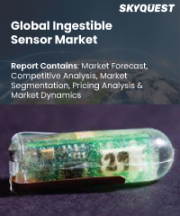
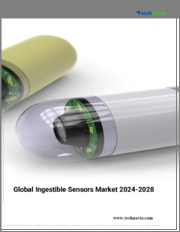
생체적합성 물질로 덮인 소형 전자기기인 이 장치는 복약 순응도 추적, 소화관 영상화, 또는 체내 생리학적 지표 모니터링을 목적으로 섭취됩니다. 이 시장의 성장은 주로 만성 소화기 질환 증가 추세와 기존 내시경 검사를 대체할 수 있는 비침습적 진단법에 대한 수요 증가에 의해 주도되고 있습니다. 또한, 디지털 의료 솔루션과 원격 환자 모니터링으로의 전 세계적 전환은 이러한 첨단 기술의 보급을 지속적으로 촉진하고 있습니다.
| 시장 개요 | |
|---|---|
| 예측 기간 | 2027-2031년 |
| 시장 규모 : 2025년 | 24억 9,000만 달러 |
| 시장 규모 : 2031년 | 50억 7,000만 달러 |
| CAGR : 2026-2031년 | 12.58% |
| 가장 성장이 빠른 부문 | 이미지 센서 |
| 최대 시장 | 북미 |
그러나 복잡한 조달 절차와 엄격한 규제 절차로 인해 상업적 접근을 저해할 수 있어 이 분야는 큰 장벽에 직면해 있습니다. Class II 또는 Class III 의료기기의 승인을 받으려면 광범위한 임상 검증이 필요하며, 이는 구태의연한 상환 제도와 자주 충돌하는 상황입니다. 이러한 어려움을 강조하기 위해 영국 의료기술산업협회는 2024년 규제 불투명성과 비현실적인 입찰 조건으로 인해 조사 대상 의료기술 기업의 50%가 신기술 도입을 연기했다고 보고했습니다. 주요 지역에서의 이러한 장벽은 급속한 기술 발전과 기존 의료 체계의 조화를 이루기 어렵다는 것을 보여줍니다.
시장 성장 촉진요인
만성 심혈관 및 소화기 질환의 발병률 증가는 전 세계 경구용 센서 시장을 근본적으로 변화시키고 있으며, 기존 방법보다 더 높은 정확도를 제공하는 진단 도구에 대한 강력한 수요를 창출하고 있습니다. 심장 부정맥과 기능성 장 질환의 유병률이 증가함에 따라 의료진은 체내의 지속적인 실시간 생리적 데이터를 얻기 위해 경구용 캡슐에 주목하고 있습니다. Atmo Biosciences가 2024년 4월에 발표한 중요한 임상시험에 관한 보도자료에 따르면, 전 세계 인구의 약 40%가 소화기 질환을 앓고 있으며, 전 세계적으로 효과적이고 비침습적인 진단법의 필요성이 대두되고 있다고 합니다. 이러한 환자 수 증가에 따라 각 제조업체들은 디바이스의 임상 적용 범위와 대상 연령의 확대에 박차를 가하고 있으며, 2024년 1월 안엑스 로보티카가 2세 소아용 비디오 캡슐 내시경 시스템에 대해 FDA의 승인을 획득한 사례를 들 수 있습니다.
이와 함께 원격 의료 및 원격 환자 모니터링 솔루션에 대한 수요가 급증하고 있습니다. 이로 인해 분산형 케어 모델에 경구 섭취형 센서의 통합이 가속화되고 있습니다. 의료 시스템이 만성 질환의 재택 치료와 재입원 감소를 목표로 하고 있는 가운데, 센싱 캡슐과 디지털 알약은 의료진의 직접적인 개입 없이도 생체 신호와 복약 순응도를 추적할 수 있는 검증 가능한 방법을 제공합니다. 이러한 재택 관리의 추세는 빠른 보급률에 의해 뒷받침되고 있으며, HealthArc는 2024년 10월 미국 내 원격 환자 모니터링 이용 환자 수가 2024년 3,000만 명으로 증가할 것이라고 보고했습니다. 섭취 가능한 센서는 의사가 원격으로 실용적인 복약 순응도 데이터를 수신하고 처방과 환자의 복약 순응도 사이의 루프를 닫을 수 있도록 하는 이 인프라의 핵심 요소가 되고 있습니다.
시장의 과제
엄격한 규제 프로세스와 복잡한 조달 절차는 전 세계 경구용 센서 시장에 큰 도전이 되고 있습니다. 이러한 관료적 장벽으로 인해 제품 승인에 소요되는 시간이 크게 연장되고, 제조업체는 클래스 II 및 클래스 III 의료기기에 대한 고비용의 장기적인 임상 검증 과정을 거쳐야 합니다. 그 결과, 혁신적인 경구용 기술의 출시가 지연되고, 상업적 가용성이 제한되며, 의료 서비스 제공업체의 채택이 늦어지는 경우가 많습니다. 이러한 상황은 특히 장기적인 사전 상용화 단계를 견딜 수 있는 자원이 부족한 중소기업에게 높은 진입장벽을 형성하고, 궁극적으로 업계 내 경쟁을 저해하고 기술 진보를 늦춥니다.
이러한 규제 병목현상으로 인한 부정적인 영향은 컴플라이언스 비용 증가로 인해 더욱 심각해져 투자 능력과 수익률을 직접적으로 저해하고 있습니다. MedTech Europe의 2024년 데이터에 따르면, 업데이트된 규제 프레임워크 하에서 의료기기의 인증 및 유지보수 비용은 기존 표준에 비해 최대 100% 증가하였습니다. 이러한 재정적 부담의 급격한 증가로 인해 기업들은 연구개발에서 자본을 전환할 수밖에 없었고, 이는 업계의 혁신 능력을 직접적으로 저해하고 있습니다. 그 결과, 비침습적 진단 도구공급이 전 세계 수요 증가를 따라잡지 못해 구강 센서 분야의 확장성과 수익성 성장이 제한되는 상황이 발생하고 있습니다.
시장 동향
마이크로바이옴 분석을 위한 가스 감지 캡슐의 등장은 소화관 내 구조적 이미징에서 기능적 대사 프로파일링으로의 중요한 진화를 보여주고 있습니다. 시각적 이상 확인에 의존하는 기존 내시경 검사와 달리, 이 구강 센서는 메탄이나 수소와 같은 특정 기체 바이오마커를 식별하여 발효 과정과 장 운동에 대한 실시간 데이터를 제공합니다. 이 기능은 시각적 지표가 종종 부족한 소장 세균 과다증식증(SIBO)과 같은 기능 장애 진단에 필수적입니다. 이 기술의 임상적 진전을 보여주는 사례로, Atmo Biosciences는 2024년 4월 200명 이상의 피험자를 대상으로 한 중요한 임상시험을 성공적으로 완료하여 장 통과 시간(국소 및 전체) 평가에 대한 캡슐의 효능을 입증했다고 발표했습니다.
동시에 머신러닝과 인공지능을 통합한 예측 분석 기술은 데이터 분석의 자동화를 통해 구강 센서의 진단 능력을 혁신하고 있습니다. 각 제조업체들은 첨단 딥러닝 알고리즘을 센서 플랫폼에 내장하여 방대한 생리 데이터와 영상 데이터를 빠르게 분석합니다. 이를 통해 소화기 전문의 판독 시간을 크게 단축하고 진단의 정확도를 높이고 있습니다. 이 기술 융합은 미세한 병변 감지의 인적 오류라는 중대한 문제를 해결합니다. 이러한 추세를 뒷받침하듯, 2024년 1월 AnX Robotica는 새롭게 FDA 승인을 받은 소장 캡슐 내시경용 AI 지원 판독 도구가 임상 검증에서 환자별 분석에서 99.88%의 민감도를 달성했다고 발표했습니다.
자주 묻는 질문
목차
제1장 개요
제2장 조사 방법
제3장 주요 요약
제4장 고객의 소리
제5장 세계의 섭취 가능 센서 시장 전망
제6장 북미의 섭취 가능 센서 시장 전망
제7장 유럽의 섭취 가능 센서 시장 전망
제8장 아시아태평양의 섭취 가능 센서 시장 전망
제9장 중동 및 아프리카의 섭취 가능 센서 시장 전망
제10장 남미의 섭취 가능 센서 시장 전망
제11장 시장 역학
제12장 시장 동향과 발전
제13장 세계의 섭취 가능 센서 시장 : SWOT 분석
제14장 Porter의 Five Forces 분석
제15장 경쟁 구도
제16장 전략적 제안
제17장 회사 소개 및 면책조항
LSH 26.03.10The Global Ingestible Sensor Market is projected to expand from USD 2.49 Billion in 2025 to USD 5.07 Billion by 2031, registering a CAGR of 12.58%. These devices, which are miniaturized electronics encased in biocompatible materials, are swallowed to track medication adherence, image the gastrointestinal tract, or monitor internal physiological metrics. The market is primarily propelled by the growing burden of chronic gastrointestinal conditions and a rising preference for non-invasive diagnostic options over conventional endoscopy. Additionally, the worldwide transition toward digitized healthcare solutions and remote patient monitoring continues to bolster the uptake of these advanced technologies.
| Market Overview | |
|---|---|
| Forecast Period | 2027-2031 |
| Market Size 2025 | USD 2.49 Billion |
| Market Size 2031 | USD 5.07 Billion |
| CAGR 2026-2031 | 12.58% |
| Fastest Growing Segment | Image Sensor |
| Largest Market | North America |
However, the sector encounters considerable obstacles due to complex procurement procedures and strict regulatory pathways that can impede commercial access. Securing approval for these Class II or Class III medical devices demands extensive clinical validation, which frequently conflicts with antiquated reimbursement structures. Highlighting these difficulties, the Association of British HealthTech Industries reported in 2024 that regulatory ambiguity and unfeasible tender conditions caused 50% of surveyed health technology firms to postpone the launch of new innovations. These barriers in major regions underscore the challenge of harmonizing rapid technological progress with established healthcare frameworks.
Market Driver
The rising incidence of chronic cardiovascular and gastrointestinal diseases is fundamentally transforming the Global Ingestible Sensor Market, creating a strong demand for diagnostic tools that provide higher precision than traditional methods. As the prevalence of cardiac irregularities and functional gut disorders increases, healthcare providers are turning to ingestible capsules to obtain continuous, real-time physiological data from inside the body. According to an April 2024 media release by Atmo Biosciences regarding a pivotal clinical study, nearly 40% of the global population suffers from gastrointestinal issues, highlighting the urgent worldwide need for effective, non-invasive diagnostics. This growing patient volume is compelling manufacturers to broaden the clinical application and reach of their devices, as seen in January 2024 when AnX Robotica announced FDA clearance to use its Small Bowel Video Capsule Endoscopy system in patients as young as two years old.
A parallel catalyst is the surging demand for telehealth and remote patient monitoring solutions, which accelerates the incorporation of ingestible sensors into decentralized care models. As healthcare systems aim to treat chronic illnesses at home and reduce hospital readmissions, sensing capsules and digital pills offer a verifiable method to track internal vitals and medication adherence without direct clinician involvement. This trend toward home-based management is supported by rapid adoption rates; HealthArc reported in October 2024 that the number of patients in the United States using remote patient monitoring increased to 30 million in 2024. Ingestible sensors are becoming a crucial element of this infrastructure, allowing physicians to receive actionable compliance data remotely and closing the loop between prescription and patient adherence.
Market Challenge
Stringent regulatory pathways and intricate procurement processes present a major challenge for the Global Ingestible Sensor Market. These bureaucratic hurdles significantly prolong the time needed for product approval, requiring manufacturers to navigate expensive and lengthy clinical validation steps for Class II and Class III devices. Consequently, the launch of innovative ingestible technologies is often delayed, restricting their commercial availability and slowing their adoption by healthcare providers. This landscape establishes high entry barriers, especially for smaller firms lacking the resources to endure extended pre-market phases, which ultimately stifles competition and decelerates technological advancement within the industry.
The negative impact of these regulatory bottlenecks is intensified by rising compliance costs, which directly deplete investment capabilities and profit margins. Data from MedTech Europe in 2024 indicates that certification and maintenance expenses for medical devices under updated regulatory frameworks have jumped by up to 100% compared to previous standards. This sharp increase in financial burden forces companies to divert capital away from research and development, directly impeding the industry's capacity to innovate. As a result, the market struggles to match the supply of non-invasive diagnostic tools with growing global demand, limiting the scalability and revenue growth of the ingestible sensor sector.
Market Trends
The rise of gas-sensing capsules for microbiome analysis represents a significant evolution from structural imaging to functional metabolic profiling within the gastrointestinal tract. Unlike traditional endoscopy, which depends on visual confirmation of abnormalities, these ingestible sensors identify specific gaseous biomarkers like methane and hydrogen to provide real-time data on fermentation processes and gut motility. This functionality is essential for diagnosing functional disorders such as Small Intestinal Bacterial Overgrowth (SIBO), where visual indicators are often missing. Demonstrating the clinical advancement of this technology, Atmo Biosciences announced in April 2024 that it successfully completed a pivotal trial with over 200 subjects to validate the capsule's efficacy in assessing regional and whole gut transit time.
At the same time, the integration of machine learning and artificial intelligence for predictive analytics is revolutionizing the diagnostic capabilities of ingestible sensors by automating data interpretation. Manufacturers are embedding sophisticated deep learning algorithms into sensor platforms to rapidly analyze immense volumes of physiological and video data, drastically reducing the reading time for gastroenterologists while improving diagnostic precision. This technological convergence resolves the critical issue of human error in detecting subtle pathologies. Validating this trend, AnX Robotica announced in January 2024 that its newly FDA-cleared AI-assisted reading tool for small bowel capsule endoscopy achieved a 99.88% sensitivity in per-patient analysis during clinical validation.
Key Market Players
- RF Co. Ltd
- CapsoVision Inc.
- Medtronic Inc
- Olympus Corporation
- Given Imaging Ltd.
- Medimetrics
- Microchips Biotech, Inc.
- Check-Cap Ltd
- IntroMedic Co., Ltd.
- Sensirion AG
Report Scope
In this report, the Global Ingestible Sensor Market has been segmented into the following categories, in addition to the industry trends which have also been detailed below:
Ingestible Sensor Market, By Component
- Sensor
- Wearable Patch/ Data Recorder
- Software
Ingestible Sensor Market, By Sensor
- Temperature Sensor
- Pressure Sensor
- pH Sensor
- Image Sensor
Ingestible Sensor Market, By Vertical
- Medical
- Sports & Fitness
Ingestible Sensor Market, By Region
- North America
- United States
- Canada
- Mexico
- Europe
- France
- United Kingdom
- Italy
- Germany
- Spain
- Asia Pacific
- China
- India
- Japan
- Australia
- South Korea
- South America
- Brazil
- Argentina
- Colombia
- Middle East & Africa
- South Africa
- Saudi Arabia
- UAE
Competitive Landscape
Company Profiles: Detailed analysis of the major companies present in the Global Ingestible Sensor Market.
Available Customizations:
Global Ingestible Sensor Market report with the given market data, TechSci Research offers customizations according to a company's specific needs. The following customization options are available for the report:
Company Information
- Detailed analysis and profiling of additional market players (up to five).
Table of Contents
1. Product Overview
- 1.1. Market Definition
- 1.2. Scope of the Market
- 1.2.1. Markets Covered
- 1.2.2. Years Considered for Study
- 1.2.3. Key Market Segmentations
2. Research Methodology
- 2.1. Objective of the Study
- 2.2. Baseline Methodology
- 2.3. Key Industry Partners
- 2.4. Major Association and Secondary Sources
- 2.5. Forecasting Methodology
- 2.6. Data Triangulation & Validation
- 2.7. Assumptions and Limitations
3. Executive Summary
- 3.1. Overview of the Market
- 3.2. Overview of Key Market Segmentations
- 3.3. Overview of Key Market Players
- 3.4. Overview of Key Regions/Countries
- 3.5. Overview of Market Drivers, Challenges, Trends
4. Voice of Customer
5. Global Ingestible Sensor Market Outlook
- 5.1. Market Size & Forecast
- 5.1.1. By Value
- 5.2. Market Share & Forecast
- 5.2.1. By Component (Sensor, Wearable Patch/ Data Recorder, Software)
- 5.2.2. By Sensor (Temperature Sensor, Pressure Sensor, pH Sensor, Image Sensor)
- 5.2.3. By Vertical (Medical, Sports & Fitness)
- 5.2.4. By Region
- 5.2.5. By Company (2025)
- 5.3. Market Map
6. North America Ingestible Sensor Market Outlook
- 6.1. Market Size & Forecast
- 6.1.1. By Value
- 6.2. Market Share & Forecast
- 6.2.1. By Component
- 6.2.2. By Sensor
- 6.2.3. By Vertical
- 6.2.4. By Country
- 6.3. North America: Country Analysis
- 6.3.1. United States Ingestible Sensor Market Outlook
- 6.3.1.1. Market Size & Forecast
- 6.3.1.1.1. By Value
- 6.3.1.2. Market Share & Forecast
- 6.3.1.2.1. By Component
- 6.3.1.2.2. By Sensor
- 6.3.1.2.3. By Vertical
- 6.3.1.1. Market Size & Forecast
- 6.3.2. Canada Ingestible Sensor Market Outlook
- 6.3.2.1. Market Size & Forecast
- 6.3.2.1.1. By Value
- 6.3.2.2. Market Share & Forecast
- 6.3.2.2.1. By Component
- 6.3.2.2.2. By Sensor
- 6.3.2.2.3. By Vertical
- 6.3.2.1. Market Size & Forecast
- 6.3.3. Mexico Ingestible Sensor Market Outlook
- 6.3.3.1. Market Size & Forecast
- 6.3.3.1.1. By Value
- 6.3.3.2. Market Share & Forecast
- 6.3.3.2.1. By Component
- 6.3.3.2.2. By Sensor
- 6.3.3.2.3. By Vertical
- 6.3.3.1. Market Size & Forecast
- 6.3.1. United States Ingestible Sensor Market Outlook
7. Europe Ingestible Sensor Market Outlook
- 7.1. Market Size & Forecast
- 7.1.1. By Value
- 7.2. Market Share & Forecast
- 7.2.1. By Component
- 7.2.2. By Sensor
- 7.2.3. By Vertical
- 7.2.4. By Country
- 7.3. Europe: Country Analysis
- 7.3.1. Germany Ingestible Sensor Market Outlook
- 7.3.1.1. Market Size & Forecast
- 7.3.1.1.1. By Value
- 7.3.1.2. Market Share & Forecast
- 7.3.1.2.1. By Component
- 7.3.1.2.2. By Sensor
- 7.3.1.2.3. By Vertical
- 7.3.1.1. Market Size & Forecast
- 7.3.2. France Ingestible Sensor Market Outlook
- 7.3.2.1. Market Size & Forecast
- 7.3.2.1.1. By Value
- 7.3.2.2. Market Share & Forecast
- 7.3.2.2.1. By Component
- 7.3.2.2.2. By Sensor
- 7.3.2.2.3. By Vertical
- 7.3.2.1. Market Size & Forecast
- 7.3.3. United Kingdom Ingestible Sensor Market Outlook
- 7.3.3.1. Market Size & Forecast
- 7.3.3.1.1. By Value
- 7.3.3.2. Market Share & Forecast
- 7.3.3.2.1. By Component
- 7.3.3.2.2. By Sensor
- 7.3.3.2.3. By Vertical
- 7.3.3.1. Market Size & Forecast
- 7.3.4. Italy Ingestible Sensor Market Outlook
- 7.3.4.1. Market Size & Forecast
- 7.3.4.1.1. By Value
- 7.3.4.2. Market Share & Forecast
- 7.3.4.2.1. By Component
- 7.3.4.2.2. By Sensor
- 7.3.4.2.3. By Vertical
- 7.3.4.1. Market Size & Forecast
- 7.3.5. Spain Ingestible Sensor Market Outlook
- 7.3.5.1. Market Size & Forecast
- 7.3.5.1.1. By Value
- 7.3.5.2. Market Share & Forecast
- 7.3.5.2.1. By Component
- 7.3.5.2.2. By Sensor
- 7.3.5.2.3. By Vertical
- 7.3.5.1. Market Size & Forecast
- 7.3.1. Germany Ingestible Sensor Market Outlook
8. Asia Pacific Ingestible Sensor Market Outlook
- 8.1. Market Size & Forecast
- 8.1.1. By Value
- 8.2. Market Share & Forecast
- 8.2.1. By Component
- 8.2.2. By Sensor
- 8.2.3. By Vertical
- 8.2.4. By Country
- 8.3. Asia Pacific: Country Analysis
- 8.3.1. China Ingestible Sensor Market Outlook
- 8.3.1.1. Market Size & Forecast
- 8.3.1.1.1. By Value
- 8.3.1.2. Market Share & Forecast
- 8.3.1.2.1. By Component
- 8.3.1.2.2. By Sensor
- 8.3.1.2.3. By Vertical
- 8.3.1.1. Market Size & Forecast
- 8.3.2. India Ingestible Sensor Market Outlook
- 8.3.2.1. Market Size & Forecast
- 8.3.2.1.1. By Value
- 8.3.2.2. Market Share & Forecast
- 8.3.2.2.1. By Component
- 8.3.2.2.2. By Sensor
- 8.3.2.2.3. By Vertical
- 8.3.2.1. Market Size & Forecast
- 8.3.3. Japan Ingestible Sensor Market Outlook
- 8.3.3.1. Market Size & Forecast
- 8.3.3.1.1. By Value
- 8.3.3.2. Market Share & Forecast
- 8.3.3.2.1. By Component
- 8.3.3.2.2. By Sensor
- 8.3.3.2.3. By Vertical
- 8.3.3.1. Market Size & Forecast
- 8.3.4. South Korea Ingestible Sensor Market Outlook
- 8.3.4.1. Market Size & Forecast
- 8.3.4.1.1. By Value
- 8.3.4.2. Market Share & Forecast
- 8.3.4.2.1. By Component
- 8.3.4.2.2. By Sensor
- 8.3.4.2.3. By Vertical
- 8.3.4.1. Market Size & Forecast
- 8.3.5. Australia Ingestible Sensor Market Outlook
- 8.3.5.1. Market Size & Forecast
- 8.3.5.1.1. By Value
- 8.3.5.2. Market Share & Forecast
- 8.3.5.2.1. By Component
- 8.3.5.2.2. By Sensor
- 8.3.5.2.3. By Vertical
- 8.3.5.1. Market Size & Forecast
- 8.3.1. China Ingestible Sensor Market Outlook
9. Middle East & Africa Ingestible Sensor Market Outlook
- 9.1. Market Size & Forecast
- 9.1.1. By Value
- 9.2. Market Share & Forecast
- 9.2.1. By Component
- 9.2.2. By Sensor
- 9.2.3. By Vertical
- 9.2.4. By Country
- 9.3. Middle East & Africa: Country Analysis
- 9.3.1. Saudi Arabia Ingestible Sensor Market Outlook
- 9.3.1.1. Market Size & Forecast
- 9.3.1.1.1. By Value
- 9.3.1.2. Market Share & Forecast
- 9.3.1.2.1. By Component
- 9.3.1.2.2. By Sensor
- 9.3.1.2.3. By Vertical
- 9.3.1.1. Market Size & Forecast
- 9.3.2. UAE Ingestible Sensor Market Outlook
- 9.3.2.1. Market Size & Forecast
- 9.3.2.1.1. By Value
- 9.3.2.2. Market Share & Forecast
- 9.3.2.2.1. By Component
- 9.3.2.2.2. By Sensor
- 9.3.2.2.3. By Vertical
- 9.3.2.1. Market Size & Forecast
- 9.3.3. South Africa Ingestible Sensor Market Outlook
- 9.3.3.1. Market Size & Forecast
- 9.3.3.1.1. By Value
- 9.3.3.2. Market Share & Forecast
- 9.3.3.2.1. By Component
- 9.3.3.2.2. By Sensor
- 9.3.3.2.3. By Vertical
- 9.3.3.1. Market Size & Forecast
- 9.3.1. Saudi Arabia Ingestible Sensor Market Outlook
10. South America Ingestible Sensor Market Outlook
- 10.1. Market Size & Forecast
- 10.1.1. By Value
- 10.2. Market Share & Forecast
- 10.2.1. By Component
- 10.2.2. By Sensor
- 10.2.3. By Vertical
- 10.2.4. By Country
- 10.3. South America: Country Analysis
- 10.3.1. Brazil Ingestible Sensor Market Outlook
- 10.3.1.1. Market Size & Forecast
- 10.3.1.1.1. By Value
- 10.3.1.2. Market Share & Forecast
- 10.3.1.2.1. By Component
- 10.3.1.2.2. By Sensor
- 10.3.1.2.3. By Vertical
- 10.3.1.1. Market Size & Forecast
- 10.3.2. Colombia Ingestible Sensor Market Outlook
- 10.3.2.1. Market Size & Forecast
- 10.3.2.1.1. By Value
- 10.3.2.2. Market Share & Forecast
- 10.3.2.2.1. By Component
- 10.3.2.2.2. By Sensor
- 10.3.2.2.3. By Vertical
- 10.3.2.1. Market Size & Forecast
- 10.3.3. Argentina Ingestible Sensor Market Outlook
- 10.3.3.1. Market Size & Forecast
- 10.3.3.1.1. By Value
- 10.3.3.2. Market Share & Forecast
- 10.3.3.2.1. By Component
- 10.3.3.2.2. By Sensor
- 10.3.3.2.3. By Vertical
- 10.3.3.1. Market Size & Forecast
- 10.3.1. Brazil Ingestible Sensor Market Outlook
11. Market Dynamics
- 11.1. Drivers
- 11.2. Challenges
12. Market Trends & Developments
- 12.1. Merger & Acquisition (If Any)
- 12.2. Product Launches (If Any)
- 12.3. Recent Developments
13. Global Ingestible Sensor Market: SWOT Analysis
14. Porter's Five Forces Analysis
- 14.1. Competition in the Industry
- 14.2. Potential of New Entrants
- 14.3. Power of Suppliers
- 14.4. Power of Customers
- 14.5. Threat of Substitute Products
15. Competitive Landscape
- 15.1. RF Co. Ltd
- 15.1.1. Business Overview
- 15.1.2. Products & Services
- 15.1.3. Recent Developments
- 15.1.4. Key Personnel
- 15.1.5. SWOT Analysis
- 15.2. CapsoVision Inc.
- 15.3. Medtronic Inc
- 15.4. Olympus Corporation
- 15.5. Given Imaging Ltd.
- 15.6. Medimetrics
- 15.7. Microchips Biotech, Inc.
- 15.8. Check-Cap Ltd
- 15.9. IntroMedic Co., Ltd.
- 15.10. Sensirion AG