|
시장보고서
상품코드
1963867
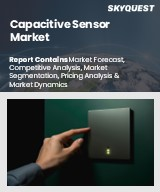
정전용량식 센서 시장 : 세계 산업 규모, 점유율, 동향, 기회, 예측 - 유형별, 최종사용자별, 지역별, 경쟁(2021-2031년)Capacitive Sensor Market - Global Industry Size, Share, Trends, Opportunity, and Forecast, Segmented By Type, By End User, By Region & Competition, 2021-2031F |
||||||

세계의 정전용량식 센서 시장은 2025년 308억 8,000만 달러에서 2031년까지 428억 5,000만 달러로 확대하며, CAGR 5.61%를 달성할 것으로 예측됩니다.
이러한 비접촉식 전자부품은 전기 용량의 변화를 측정하여 물체의 존재, 위치 또는 특정 특성을 식별하는 기능을 가지고 있습니다. 이러한 성장을 이끄는 주요 요인으로는 가전제품의 터치 기반 휴먼 머신 인터페이스의 확산과 자동화 시스템에서 정확하고 마모 없는 감지에 대한 산업계의 요구가 증가하고 있다는 점을 꼽을 수 있습니다. 이러한 기본적인 운영 요건은 일시적인 디자인 동향나 기술적 유행과는 별개로 존재하는 수요의 확고한 기반을 확립하고 있습니다.
| 시장 개요 | |
|---|---|
| 예측 기간 | 2027-2031년 |
| 시장 규모 : 2025년 | 308억 8,000만 달러 |
| 시장 규모 : 2031년 | 428억 5,000만 달러 |
| CAGR : 2026-2031년 | 5.61% |
| 가장 빠르게 성장하는 부문 | 모션 센서 |
| 최대 시장 | 아시아태평양 |
광범위한 응용 분야에도 불구하고 시장은 환경 민감성 측면에서 심각한 장벽에 직면해 있습니다. 특히 가혹한 작동 환경에서 극한의 온도와 습도가 신호의 정확도에 영향을 미치는 경우입니다. 또한 다운스트림 산업의 경제적 불안정성은 지속가능한 성장의 주요 장벽이 되고 있습니다. AMA(센서 및 계측 협회)의 데이터에 따르면 센서 산업은 2024년 3분기에 전년 동기 대비 10%의 매출 감소를 기록했습니다. 이러한 하락은 주요 자동차 및 제조 부문 수요 감소에 기인한 것으로 추정됩니다.
시장 성장 촉진요인
주요 성장 요인은 자동차 인포테인먼트 시스템 및 첨단운전자보조시스템(ADAS)에 정전용량식 기술이 빠르게 도입되고 있다는 점입니다. 현대 차량 설계에서 기계식 스위치기어는 체계적으로 터치 지원 인터페이스와 곡면 디스플레이 패널로 대체되고 있으며, 이는 정확한 입력을 위해 정전 용량 전극에 의존하고 있습니다. 또한 자율주행 기능 관련 안전규정에 따라 운전자의 조작 상태를 정확하게 파악하기 위해 스티어링 휠에 정전식 핸드온 감지 센서를 장착하도록 의무화되어 있습니다. LG전자가 지난 10월 발표한 '2024년 3분기 실적 발표'에서 자동차 부품 솔루션 부문이 3분기 2조 6,100억 원의 매출을 기록했다고 밝힌 것에서도 알 수 있듯이, 고급차 인터페이스와 콕핏 전장품에 대한 산업 수요는 지속되고 있습니다. 한 사실에서도 알 수 있습니다.
동시에, CE(Consumer Electronics) 분야에서 멀티 터치 인터페이스의 보급은 부품의 대규모 조달을 필연적으로 요구하고 있습니다. 이러한 수요는 스마트 가전 및 웨어러블 기기에도 적용되며, 정전식 슬라이더는 기계식 대비 오염물질에 대한 내성이 뛰어나 이 분야에 제품을 공급하는 업체들에게 지속적인 수입원을 확보해주고 있습니다. Samsung Electronics는 지난 10월 발표한 '2024년 3분기 실적 발표'에서 모바일 익스피리언스 사업부문의 연결 매출액이 30조 5,200억 원에 달했다고 보고한 바 있습니다. 또한 TE Connectivity의 2024년 7월 '3분기 결산'에서 TE Connectivity의 총 순매출액이 40억 달러에 달하는 것으로 밝혀져, 센싱 솔루션에 의존하는 부문에 흐르는 자본의 규모를 보여주는 한 예가 되었습니다.
시장이 해결해야 할 과제
다운스트림 부문의 경기 변동은 세계 정전식 센서 시장의 꾸준한 성장에 큰 장애물이 되고 있습니다. 터치 인터페이스와 자동화 기능에 대한 기술적 요구사항은 여전히 높은 반면, 주요 구매 산업, 특히 산업 제조 및 자동차 생산의 재정적 불안정성으로 인해 최종사용자는 설비 투자를 연기할 수밖에 없는 상황입니다. 불투명한 재정 전망에 직면한 제조업체는 설비 업그레이드나 신규 장비 조달보다 비용 절감 방안을 우선시할 수밖에 없습니다. 이러한 망설임은 센서 공급업체에게 즉각적인 병목현상을 야기합니다. 왜냐하면 부품의 주문량은 부품이 지원하는 기계 및 장치의 생산 속도와 직결되기 때문입니다.
이러한 다운스트림 부문의 위축의 심각성은 최근 산업 부문의 실적 지표에서 잘 드러나고 있습니다. VDMA Robotics + Automation Association에 따르면 투자 행동의 신중함으로 인해 2024년 업계 매출은 6% 감소했습니다. 이러한 자동화 분야의 축소로 인해 정밀한 위치 감지가 필요한 산업용 로봇 및 자동화 시스템의 도입이 감소함에 따라 정전식 센서의 잠재적 시장이 직접적으로 축소될 것입니다. 결과적으로 시장 성장의 궤적은 기술적 수요 기반과 상관없이 이러한 거시경제 변동에 의해 자주 방해받게 될 것입니다.
시장 동향
접이식 장치의 상업적 보급에 힘입어 유연성 및 신축성 센서 기술의 부상으로 시장이 재편되고 있습니다. 기계적 스트레스 하에서도 전기적 무결성을 유지하기 위해 제조업체는 부서지기 쉬운 산화인듐주석(ITO)을 대체할 수 있는 은 나노와이어와 전도성 폴리머를 채택하고 있습니다. 이 혁신은 비평면 표면과 소프트 로봇에 터치 기능을 통합할 수 있게 하여 기존의 경질 스크린을 넘어 응용 범위가 넓어졌습니다. Samsung Electronics가 지난 10월 발표한 '2024년 3분기 실적 발표'에서도 이러한 첨단 형태에 대한 견고한 수요가 반영되었습니다. 이 회사의 디스플레이 사업부문은 8조원의 연결 매출액을 기록하며 접이식 패널 부품의 중요한 가치를 부각시켰습니다.
이와 동시에, 산업 운영자들은 인더스트리 4.0의 목표에 부합하기 위해 정전식 센서에 IO-Link 기술을 적극적으로 채택하고 있습니다. 이 표준은 실시간 데이터 교환 및 원격 설정이 가능하며, 기본 감지기를 다운타임을 최소화할 수 있는 지능형 진단 툴로 효과적으로 전환할 수 있습니다. 시설들이 디지털 연결을 위해 레거시 시스템을 현대화함에 따라 이 프로토콜의 보급이 가속화되고 있습니다. PROFIBUS &PROFINET International이 2024년 4월에 발표한 '2023년 IO-Link 노드 전년 대비 89% 성장'이라는 제목의 보도자료에 따르면 IO-Link 장치 설치 수는 전년 대비 1,590만 개가 증가하여 스마트하고 통신이 가능한 스마트하고 통신 가능한 센서 인프라로의 중요한 전환을 지원하고 있습니다.
자주 묻는 질문
목차
제1장 개요
제2장 조사 방법
제3장 개요
제4장 고객의 소리
제5장 세계의 정전용량식 센서 시장 전망
제6장 북미의 정전용량식 센서 시장 전망
제7장 유럽의 정전용량식 센서 시장 전망
제8장 아시아태평양의 정전용량식 센서 시장 전망
제9장 중동 및 아프리카의 정전용량식 센서 시장 전망
제10장 남미의 정전용량식 센서 시장 전망
제11장 시장 역학
제12장 시장 동향과 발전
제13장 세계의 정전용량식 센서 시장 : SWOT 분석
제14장 Porter's Five Forces 분석
제15장 경쟁 구도
제16장 전략적 제안
제17장 조사회사 소개·면책사항
KSA 26.04.03The Global Capacitive Sensor Market is projected to expand from USD 30.88 Billion in 2025 to USD 42.85 Billion by 2031, achieving a CAGR of 5.61%. These non-contact electronic components function by measuring variations in electrical capacitance to identify the presence, position, or specific traits of a target object. The primary forces propelling this growth include the widespread adoption of touch-based human-machine interfaces within consumer electronics and the increasing industrial need for accurate, wear-free detection in automation systems. Such fundamental operational requirements establish a solid baseline for demand that exists independently of fleeting design trends or technological fads.
| Market Overview | |
|---|---|
| Forecast Period | 2027-2031 |
| Market Size 2025 | USD 30.88 Billion |
| Market Size 2031 | USD 42.85 Billion |
| CAGR 2026-2031 | 5.61% |
| Fastest Growing Segment | Motion Sensors |
| Largest Market | Asia Pacific |
Despite its broad utility, the market encounters significant obstacles regarding environmental sensitivity, particularly when extreme temperatures or moisture interfere with signal accuracy in harsh operating conditions. Furthermore, economic instability in downstream industries presents a major barrier to consistent growth. Data from the AMA Association for Sensors and Measurement indicates that the sensor industry suffered a ten percent year-over-year sales decline in the third quarter of 2024, a downturn attributed to weakened demand within the critical automotive and manufacturing sectors.
Market Driver
A primary growth determinant is the rapid incorporation of capacitive technology into automotive infotainment systems and Advanced Driver Assistance Systems. Contemporary vehicle designs are systematically substituting mechanical switchgear with touch-responsive interfaces and curved display panels that depend on capacitive electrodes for accurate input. Additionally, safety regulations regarding autonomous driving capabilities have mandated the installation of capacitive hands-on detection sensors in steering wheels to precisely track driver engagement. This sustained industrial demand for premium vehicle interfaces and cockpit electronics is evidenced by LG Electronics, which reported in its '3Q 2024 Earnings Release' from October 2024 that its Vehicle component Solutions Company generated third-quarter revenue of KRW 2.61 trillion.
Concurrently, the ubiquity of multi-touch interfaces across the consumer electronics sector dictates high-volume component procurement. This demand encompasses smart home appliances and wearable devices, where capacitive sliders provide better resistance to contaminants than mechanical counterparts, thereby securing a recurring revenue stream for manufacturers serving these verticals. Highlighting the massive scale of these touch-enabled device shipments, Samsung Electronics reported in its October 2024 '3Q 2024 Earnings Release' that its Mobile eXperience business achieved consolidated revenue of KRW 30.52 trillion. To further illustrate the magnitude of capital moving through sectors dependent on sensing solutions, TE Connectivity's July 2024 'Third Quarter Results' revealed total net sales of $4.0 billion.
Market Challenge
Economic volatility within downstream sectors represents a formidable barrier to the steady expansion of the Global Capacitive Sensor Market. Although the technical requirement for touch interfaces and automation capabilities remains strong, financial instability in primary buying industries, particularly industrial manufacturing and automotive production, compels end-users to postpone capital expenditures. When facing uncertain fiscal outlooks, manufacturers inevitably favor cost containment strategies over upgrading facilities or procuring new equipment. This hesitation generates an immediate bottleneck for sensor suppliers, as the volume of component orders is directly tied to the production rates of the machinery and devices they support.
The gravity of this downstream contraction is highlighted by recent performance metrics in the industrial sector. According to the VDMA Robotics + Automation Association, the industry experienced a turnover decline of 6 percent in 2024, driven by hesitant investment behaviors. This shrinkage in the automation segment directly diminishes the addressable market for capacitive sensors, as fewer industrial robots and automated systems requiring precise position detection are being deployed. Consequently, the market's growth trajectory is frequently interrupted by these macroeconomic fluctuations, irrespective of the fundamental technological demand.
Market Trends
The market is being reshaped by the rise of flexible and stretchable sensor technologies, a trend driven by the commercial proliferation of foldable devices. To ensure sensors maintain electrical integrity under mechanical stress, manufacturers are adopting silver nanowires and conductive polymers as replacements for brittle Indium Tin Oxide (ITO). This innovation facilitates the integration of touch capabilities into non-planar surfaces and soft robotics, thereby expanding utility beyond traditional rigid screens. The robust demand for these advanced form factors is reflected in the October 2024 '3Q 2024 Earnings Release' from Samsung Electronics, where its Display Corporation business reported consolidated revenue of KRW 8.0 trillion, highlighting the significant value of foldable panel components.
In parallel, industrial operators are aggressively adopting IO-Link technology within capacitive sensors to align with Industry 4.0 goals. This standard facilitates real-time data exchange and remote configuration, effectively converting basic detectors into intelligent diagnostic tools capable of minimizing downtime. The uptake of this protocol is gaining speed as facilities modernize legacy systems for digital connectivity. According to a press release from PROFIBUS & PROFINET International in April 2024 titled '89% Annual Growth in IO-Link Nodes in 2023', the installation of IO-Link devices increased by 15.9 million units year-over-year, underscoring the critical transition toward smart, communicative sensor infrastructure.
Key Market Players
- Infineon Technologies AG
- NXP Semiconductors N.V.
- STMicroelectronics International N.V.
- Texas Instruments Incorporated
- Analog Devices, Inc.
- Microchip Technology Inc.
- Honeywell International Inc.
- Omron Corporation
- Schneider Electric SE
- Pepperl+Fuchs Vertrieb Deutschland GmbH
Report Scope
In this report, the Global Capacitive Sensor Market has been segmented into the following categories, in addition to the industry trends which have also been detailed below:
Capacitive Sensor Market, By Type
- Touch Sensors
- Motion Sensors
- Position Sensors
- Proximity Sensors
Capacitive Sensor Market, By End User
- Consumer Electronics
- Automotive
- Oil & Gas
- Healthcare
- Food & Beverages
- Aerospace & Defense
- Others
Capacitive Sensor Market, By Region
- North America
- United States
- Canada
- Mexico
- Europe
- France
- United Kingdom
- Italy
- Germany
- Spain
- Asia Pacific
- China
- India
- Japan
- Australia
- South Korea
- South America
- Brazil
- Argentina
- Colombia
- Middle East & Africa
- South Africa
- Saudi Arabia
- UAE
Competitive Landscape
Company Profiles: Detailed analysis of the major companies present in the Global Capacitive Sensor Market.
Available Customizations:
Global Capacitive Sensor Market report with the given market data, TechSci Research offers customizations according to a company's specific needs. The following customization options are available for the report:
Company Information
- Detailed analysis and profiling of additional market players (up to five).
Table of Contents
1. Product Overview
- 1.1. Market Definition
- 1.2. Scope of the Market
- 1.2.1. Markets Covered
- 1.2.2. Years Considered for Study
- 1.2.3. Key Market Segmentations
2. Research Methodology
- 2.1. Objective of the Study
- 2.2. Baseline Methodology
- 2.3. Key Industry Partners
- 2.4. Major Association and Secondary Sources
- 2.5. Forecasting Methodology
- 2.6. Data Triangulation & Validation
- 2.7. Assumptions and Limitations
3. Executive Summary
- 3.1. Overview of the Market
- 3.2. Overview of Key Market Segmentations
- 3.3. Overview of Key Market Players
- 3.4. Overview of Key Regions/Countries
- 3.5. Overview of Market Drivers, Challenges, Trends
4. Voice of Customer
5. Global Capacitive Sensor Market Outlook
- 5.1. Market Size & Forecast
- 5.1.1. By Value
- 5.2. Market Share & Forecast
- 5.2.1. By Type (Touch Sensors, Motion Sensors, Position Sensors, Proximity Sensors)
- 5.2.2. By End User (Consumer Electronics, Automotive, Oil & Gas, Healthcare, Food & Beverages, Aerospace & Defense, Others)
- 5.2.3. By Region
- 5.2.4. By Company (2025)
- 5.3. Market Map
6. North America Capacitive Sensor Market Outlook
- 6.1. Market Size & Forecast
- 6.1.1. By Value
- 6.2. Market Share & Forecast
- 6.2.1. By Type
- 6.2.2. By End User
- 6.2.3. By Country
- 6.3. North America: Country Analysis
- 6.3.1. United States Capacitive Sensor Market Outlook
- 6.3.1.1. Market Size & Forecast
- 6.3.1.1.1. By Value
- 6.3.1.2. Market Share & Forecast
- 6.3.1.2.1. By Type
- 6.3.1.2.2. By End User
- 6.3.1.1. Market Size & Forecast
- 6.3.2. Canada Capacitive Sensor Market Outlook
- 6.3.2.1. Market Size & Forecast
- 6.3.2.1.1. By Value
- 6.3.2.2. Market Share & Forecast
- 6.3.2.2.1. By Type
- 6.3.2.2.2. By End User
- 6.3.2.1. Market Size & Forecast
- 6.3.3. Mexico Capacitive Sensor Market Outlook
- 6.3.3.1. Market Size & Forecast
- 6.3.3.1.1. By Value
- 6.3.3.2. Market Share & Forecast
- 6.3.3.2.1. By Type
- 6.3.3.2.2. By End User
- 6.3.3.1. Market Size & Forecast
- 6.3.1. United States Capacitive Sensor Market Outlook
7. Europe Capacitive Sensor Market Outlook
- 7.1. Market Size & Forecast
- 7.1.1. By Value
- 7.2. Market Share & Forecast
- 7.2.1. By Type
- 7.2.2. By End User
- 7.2.3. By Country
- 7.3. Europe: Country Analysis
- 7.3.1. Germany Capacitive Sensor Market Outlook
- 7.3.1.1. Market Size & Forecast
- 7.3.1.1.1. By Value
- 7.3.1.2. Market Share & Forecast
- 7.3.1.2.1. By Type
- 7.3.1.2.2. By End User
- 7.3.1.1. Market Size & Forecast
- 7.3.2. France Capacitive Sensor Market Outlook
- 7.3.2.1. Market Size & Forecast
- 7.3.2.1.1. By Value
- 7.3.2.2. Market Share & Forecast
- 7.3.2.2.1. By Type
- 7.3.2.2.2. By End User
- 7.3.2.1. Market Size & Forecast
- 7.3.3. United Kingdom Capacitive Sensor Market Outlook
- 7.3.3.1. Market Size & Forecast
- 7.3.3.1.1. By Value
- 7.3.3.2. Market Share & Forecast
- 7.3.3.2.1. By Type
- 7.3.3.2.2. By End User
- 7.3.3.1. Market Size & Forecast
- 7.3.4. Italy Capacitive Sensor Market Outlook
- 7.3.4.1. Market Size & Forecast
- 7.3.4.1.1. By Value
- 7.3.4.2. Market Share & Forecast
- 7.3.4.2.1. By Type
- 7.3.4.2.2. By End User
- 7.3.4.1. Market Size & Forecast
- 7.3.5. Spain Capacitive Sensor Market Outlook
- 7.3.5.1. Market Size & Forecast
- 7.3.5.1.1. By Value
- 7.3.5.2. Market Share & Forecast
- 7.3.5.2.1. By Type
- 7.3.5.2.2. By End User
- 7.3.5.1. Market Size & Forecast
- 7.3.1. Germany Capacitive Sensor Market Outlook
8. Asia Pacific Capacitive Sensor Market Outlook
- 8.1. Market Size & Forecast
- 8.1.1. By Value
- 8.2. Market Share & Forecast
- 8.2.1. By Type
- 8.2.2. By End User
- 8.2.3. By Country
- 8.3. Asia Pacific: Country Analysis
- 8.3.1. China Capacitive Sensor Market Outlook
- 8.3.1.1. Market Size & Forecast
- 8.3.1.1.1. By Value
- 8.3.1.2. Market Share & Forecast
- 8.3.1.2.1. By Type
- 8.3.1.2.2. By End User
- 8.3.1.1. Market Size & Forecast
- 8.3.2. India Capacitive Sensor Market Outlook
- 8.3.2.1. Market Size & Forecast
- 8.3.2.1.1. By Value
- 8.3.2.2. Market Share & Forecast
- 8.3.2.2.1. By Type
- 8.3.2.2.2. By End User
- 8.3.2.1. Market Size & Forecast
- 8.3.3. Japan Capacitive Sensor Market Outlook
- 8.3.3.1. Market Size & Forecast
- 8.3.3.1.1. By Value
- 8.3.3.2. Market Share & Forecast
- 8.3.3.2.1. By Type
- 8.3.3.2.2. By End User
- 8.3.3.1. Market Size & Forecast
- 8.3.4. South Korea Capacitive Sensor Market Outlook
- 8.3.4.1. Market Size & Forecast
- 8.3.4.1.1. By Value
- 8.3.4.2. Market Share & Forecast
- 8.3.4.2.1. By Type
- 8.3.4.2.2. By End User
- 8.3.4.1. Market Size & Forecast
- 8.3.5. Australia Capacitive Sensor Market Outlook
- 8.3.5.1. Market Size & Forecast
- 8.3.5.1.1. By Value
- 8.3.5.2. Market Share & Forecast
- 8.3.5.2.1. By Type
- 8.3.5.2.2. By End User
- 8.3.5.1. Market Size & Forecast
- 8.3.1. China Capacitive Sensor Market Outlook
9. Middle East & Africa Capacitive Sensor Market Outlook
- 9.1. Market Size & Forecast
- 9.1.1. By Value
- 9.2. Market Share & Forecast
- 9.2.1. By Type
- 9.2.2. By End User
- 9.2.3. By Country
- 9.3. Middle East & Africa: Country Analysis
- 9.3.1. Saudi Arabia Capacitive Sensor Market Outlook
- 9.3.1.1. Market Size & Forecast
- 9.3.1.1.1. By Value
- 9.3.1.2. Market Share & Forecast
- 9.3.1.2.1. By Type
- 9.3.1.2.2. By End User
- 9.3.1.1. Market Size & Forecast
- 9.3.2. UAE Capacitive Sensor Market Outlook
- 9.3.2.1. Market Size & Forecast
- 9.3.2.1.1. By Value
- 9.3.2.2. Market Share & Forecast
- 9.3.2.2.1. By Type
- 9.3.2.2.2. By End User
- 9.3.2.1. Market Size & Forecast
- 9.3.3. South Africa Capacitive Sensor Market Outlook
- 9.3.3.1. Market Size & Forecast
- 9.3.3.1.1. By Value
- 9.3.3.2. Market Share & Forecast
- 9.3.3.2.1. By Type
- 9.3.3.2.2. By End User
- 9.3.3.1. Market Size & Forecast
- 9.3.1. Saudi Arabia Capacitive Sensor Market Outlook
10. South America Capacitive Sensor Market Outlook
- 10.1. Market Size & Forecast
- 10.1.1. By Value
- 10.2. Market Share & Forecast
- 10.2.1. By Type
- 10.2.2. By End User
- 10.2.3. By Country
- 10.3. South America: Country Analysis
- 10.3.1. Brazil Capacitive Sensor Market Outlook
- 10.3.1.1. Market Size & Forecast
- 10.3.1.1.1. By Value
- 10.3.1.2. Market Share & Forecast
- 10.3.1.2.1. By Type
- 10.3.1.2.2. By End User
- 10.3.1.1. Market Size & Forecast
- 10.3.2. Colombia Capacitive Sensor Market Outlook
- 10.3.2.1. Market Size & Forecast
- 10.3.2.1.1. By Value
- 10.3.2.2. Market Share & Forecast
- 10.3.2.2.1. By Type
- 10.3.2.2.2. By End User
- 10.3.2.1. Market Size & Forecast
- 10.3.3. Argentina Capacitive Sensor Market Outlook
- 10.3.3.1. Market Size & Forecast
- 10.3.3.1.1. By Value
- 10.3.3.2. Market Share & Forecast
- 10.3.3.2.1. By Type
- 10.3.3.2.2. By End User
- 10.3.3.1. Market Size & Forecast
- 10.3.1. Brazil Capacitive Sensor Market Outlook
11. Market Dynamics
- 11.1. Drivers
- 11.2. Challenges
12. Market Trends & Developments
- 12.1. Merger & Acquisition (If Any)
- 12.2. Product Launches (If Any)
- 12.3. Recent Developments
13. Global Capacitive Sensor Market: SWOT Analysis
14. Porter's Five Forces Analysis
- 14.1. Competition in the Industry
- 14.2. Potential of New Entrants
- 14.3. Power of Suppliers
- 14.4. Power of Customers
- 14.5. Threat of Substitute Products
15. Competitive Landscape
- 15.1. Infineon Technologies AG
- 15.1.1. Business Overview
- 15.1.2. Products & Services
- 15.1.3. Recent Developments
- 15.1.4. Key Personnel
- 15.1.5. SWOT Analysis
- 15.2. NXP Semiconductors N.V.
- 15.3. STMicroelectronics International N.V.
- 15.4. Texas Instruments Incorporated
- 15.5. Analog Devices, Inc.
- 15.6. Microchip Technology Inc.
- 15.7. Honeywell International Inc.
- 15.8. Omron Corporation
- 15.9. Schneider Electric SE
- 15.10. Pepperl+Fuchs Vertrieb Deutschland GmbH