|
시장보고서
상품코드
2046679
풍력 LiDAR 시장 - 산업 규모, 점유율, 동향, 기회, 예측 : 전개 방법별, 용도별, 기술별, 범위별, 지역별 경쟁(2021-2031년)Wind LiDAR Market - Global Industry Size, Share, Trends, Opportunity, and Forecast, Segmented, By Deployment, By Application, By Technology, By Range, By Region & Competition, 2021-2031F |
||||||

세계의 풍력 LiDAR 시장은 2025년 15억 7,000만 달러에서 2031년까지 49억 3,000만 달러로 대폭 확대되어 CAGR 21.01%를 나타낼 것으로 예측됩니다.
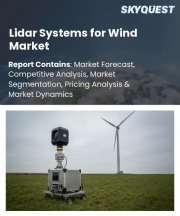
이 첨단 풍력 LiDAR 시스템은 펄스 레이저 기술을 채택하여 다양한 고도에서 풍속, 풍향, 난류 프로파일과 같은 중요한 풍황 파라미터를 원격으로 측정하여 기존의 기상 관측 마스트를 대체하거나 보완하는 역할을 합니다. 이 시장의 성장은 주로 재생에너지 도입에 대한 전 세계적인 움직임과 풍력 발전의 에너지 수율을 최적화하기 위한 정확한 자원 평가에 대한 중요한 요구에 의해 주도되고 있습니다. 해상풍력 발전소 개발이 진행됨에 따라 물리적 관측탑 설치에 따른 물류 및 비용 부담이 커지면서, 입지 평가 및 성능 추적을 위한 이러한 적응형 원격 감지 솔루션에 대한 수요는 더욱 증가하고 있습니다.
| 시장 개요 | |
|---|---|
| 예측 기간 | 2027-2031년 |
| 시장 규모 : 2025년 | 15억 7,000만 달러 |
| 시장 규모 : 2031년 | 49억 3,000만 달러 |
| CAGR : 2026-2031년 | 21.01% |
| 가장 성장이 현저한 부문 | 펄스식 |
| 최대 시장 | 북미 |
그럼에도 불구하고, LiDAR 장비의 광범위한 시장 침투에 큰 장벽이 되는 것은 LiDAR 장비에 필요한 막대한 초기 투자이며, 이는 특히 비용에 민감한 신흥 시장에서의 도입을 억제하고 있습니다. 이러한 재정적 장벽에도 불구하고, 전 세계 풍력 발전 개발의 규모는 정밀 측정 기술에 대한 지속적인 수요가 있음을 보여줍니다. 예를 들어, 세계풍력에너지협의회(GWEC)의 보고서에 따르면, 2025년 기준 세계 풍력 산업은 전년도에 117GW의 신규 설비용량을 가동했습니다. 이는 정확한 풍력 데이터 검증을 필요로 하는 인프라 프로젝트가 상당수 존재한다는 것을 입증합니다.
시장 성장 촉진요인
세계 해상풍력 산업의 급속한 성장은 LiDAR 시스템의 보급을 촉진하는 중요한 요인이 되고 있습니다. 그 주된 이유는 심해 환경에서 이러한 기술이 기존의 고정식 기상 관측 마스트에 비해 보다 경제적인 솔루션을 제공하기 때문입니다. 프로젝트 개발자들은 신뢰할 수 있는 풍력 자원 평가 및 난류 측정을 위해 부유식 LiDAR 유닛에 대한 의존도를 높이고 있습니다. 이는 열악한 해양 환경에서 프로젝트 자금 조달을 보장하고 최적의 터빈 배치를 설계하는 데 필수적입니다. 이러한 원격 감지 기술의 채택은 건설 전 활동이 급증하고 있는 것도 한몫하고 있습니다. 예를 들어, WindEurope는 2025년 2월 유럽 각국 정부가 2024년 입찰을 통해 사상 최대 규모인 19.9GW의 신규 해상풍력 발전 용량을 할당했다고 보고했습니다. 해양 인프라에 대한 이러한 대규모 투자는 건설을 시작하기 전에 현장의 타당성을 확인하기 위해 보다 엄격하고 적응력 있는 측정 캠페인이 직접적으로 필요합니다.
동시에 재생 에너지 인프라에 대한 투자 증가는 신흥 시장과 성숙 시장 모두에서 첨단 계측 장비의 광범위한 도입을 촉진하고 있습니다. 이 분야에 대한 자본 유입이 증가함에 따라 사업자들은 불확실성을 줄이고 대규모 풍력 발전소의 운영 효율을 향상시킬 수 있는 기술을 우선시하고 있습니다. 국제에너지기구(IEA)가 지난 6월 발표한 'World Energy Investment 2025' 보고서에 따르면, 2025년 청정에너지 기술에 대한 전 세계 투자액은 2조 2,000억 달러에 달하고, 화석연료에 대한 지출을 크게 상회할 것으로 예측됩니다. 미국 청정전력협회(ACPA)에 따르면, 2025년 기준 개발업체들은 전년도에 49GW의 신규 청정 전력 설비 용량을 신설한 것으로 나타났습니다. 이러한 자산 기반이 확대됨에 따라 지속적인 성능 검증과 출력 곡선 검증이 필수적이며, LiDAR는 이러한 자본 집약적 자산을 보호하고 최적화하는 데 필수적인 도구로 자리매김하고 있습니다.
시장의 과제
풍력 LiDAR 장비 도입에 필요한 막대한 초기 투자비용은 시장 성장에 큰 걸림돌로 작용하고 있습니다. 이러한 원격 센싱 시스템이 제공하는 데이터 정확도는 뛰어나지만, 높은 비용 구조가 도입의 걸림돌로 작용하고 있으며, 특히 프로젝트 자금 확보에 제약이 많은 신흥 시장에서는 더욱 그러합니다. 그 결과, 예산이 한정된 개발업체는 예측 불가능한 건설 전 단계에서 현금 흐름을 확보하기 위해 전통적인 측정 기술을 선택하거나 고급 센싱 기술 도입을 미루는 경우가 있습니다.
이러한 재무적 신중함은 업계 내 활발한 움직임에도 불구하고 여전히 일반적이며, 사업자들은 프로젝트의 실행 가능성을 보장하기 위해 자본 지출을 면밀히 평가했습니다. WindEurope의 보고서에 따르면, 2025년 기준 유럽 전역의 신규 풍력 발전 프로젝트는 전년도에 330억 유로의 자금을 조달했습니다. 이러한 투자 규모는 견조하지만, 자금 조달을 위한 치열한 경쟁으로 인해 개발자들은 부수적인 비용을 최소화해야 하며, 이는 비용 효율성이 의사결정의 주요 요인으로 작용하는 시장에서 고가의 LiDAR 솔루션의 즉각적이고 광범위한 도입을 직접적으로 저해하고 있습니다.
시장 동향
터빈의 능동적 제어를 위한 나셀 장착형 LiDAR의 도입은 정적 모니터링에서 동적 최적화로 전환함으로써 운영 관행을 변화시키고 있습니다. 기존의 풍속 측정과는 달리, 이러한 선견지명이 있는 센서는 터빈 제어 장치가 풍속 변동을 예측하고 블레이드의 피치를 실시간으로 조정하여 기계적 스트레스를 효과적으로 최소화하고 후류 영향을 줄일 수 있습니다. 이 기능은 대규모 자산 포트폴리오를 관리하는 OEM(Original Equipment Manufacturer)에게 매우 중요한 것으로 입증되었으며, 연간 발전량을 직접적으로 증가시키고 장비의 가동 수명을 연장하는 데 기여하고 있습니다. 베스타스는 2024년 11월, 풍력 터빈 수주 잔고와 서비스 계약 총액이 634억 유로에 달했다고 보고했습니다. 이는 수익성을 최적화하고 전력망 표준을 준수하기 위해 이러한 고도의 제어 시스템을 필요로 하는 인프라의 규모가 매우 커졌음을 반영합니다.
동시에 풍력 LiDAR와 인공지능(AI), 고급 분석 기술의 통합은 특히 데이터의 양과 복잡성이 수작업으로 처리할 수 있는 능력을 넘어서는 대규모 해상풍력 프로젝트 개발을 간소화합니다. 개발 사업자들은 원시 데이터인 LiDAR 데이터와 머신러닝 알고리즘을 결합하여 기존의 물리적 관측탑으로는 불가능한 정확도로 복잡한 난류 모델을 재구성하고 장기적인 풍력 자원을 예측하는 사례가 늘고 있습니다. 이러한 디지털화는 열악한 해양 환경에서 빠르게 확장되는 프로젝트 파이프라인에서 생성되는 방대한 데이터 세트를 효율적으로 검증하는 데 필수적입니다. 미국 에너지부는 2024년 8월 미국의 해상풍력 발전 프로젝트 개발 및 운영 파이프라인이 전년 대비 53% 확대되어 잠재 발전 용량이 80,523MW에 달했다고 발표했습니다. 이러한 방대한 규모에 AI를 활용한 자동화된 평가 도구는 부지 특성 평가를 가속화하고 재무적 불확실성을 줄이기 위해 필수적입니다.
자주 묻는 질문
목차
제1장 개요
제2장 조사 방법
제3장 주요 요약
제4장 고객의 소리
제5장 세계 풍력 LiDAR 시장 전망
제6장 북미 풍력 LiDAR 시장 전망
제7장 유럽 풍력 LiDAR 시장 전망
제8장 아시아태평양 풍력 LiDAR 시장 전망
제9장 중동 및 아프리카 풍력 LiDAR 시장 전망
제10장 남미 풍력 LiDAR 시장 전망
제11장 시장 역학
제12장 시장 동향과 발전
제13장 세계의 풍력 LiDAR 시장 : SWOT 분석
제14장 Porter's Five Forces 분석
제15장 경쟁 구도
제16장 전략적 제안
제17장 회사 소개 및 면책조항
JHS 26.06.05The Global Wind LiDAR Market is anticipated to expand significantly, climbing from USD 1.57 Billion in 2025 to USD 4.93 Billion by 2031, demonstrating a robust Compound Annual Growth Rate (CAGR) of 21.01%. These advanced Wind LiDAR systems employ pulsed laser technology to remotely assess crucial wind parameters such as speed, direction, and turbulence profiles at diverse altitudes, effectively replacing or complementing conventional meteorological masts. This market's growth is primarily driven by the global push towards renewable energy adoption and the crucial need for accurate resource assessments to optimize energy yield in wind power generation. The increasing development of offshore wind farms, where installing physical masts is both logistically challenging and expensive, further amplifies the demand for these adaptable remote sensing solutions for site evaluation and performance tracking.
| Market Overview | |
|---|---|
| Forecast Period | 2027-2031 |
| Market Size 2025 | USD 1.57 Billion |
| Market Size 2031 | USD 4.93 Billion |
| CAGR 2026-2031 | 21.01% |
| Fastest Growing Segment | Pulsed |
| Largest Market | North America |
Nevertheless, a major impediment to widespread market penetration is the substantial upfront capital investment required for LiDAR equipment, which particularly restrains adoption in emerging markets sensitive to costs. Despite this financial obstacle, the sheer scale of global wind energy development indicates a persistent demand for precise measurement technologies. For instance, the Global Wind Energy Council reported that the global wind industry installed 117 GW of new capacity in the preceding year, as of 2025, underscoring the considerable number of infrastructure projects that require accurate wind data validation.
Market Driver
The swift growth of the global offshore wind industry is a significant impetus driving the uptake of LiDAR systems, primarily because these technologies provide a more economical solution compared to traditional fixed meteorological masts in deep-water settings. Project developers are increasingly depending on floating LiDAR units to execute reliable wind resource assessments and turbulence measurements, which are vital for securing project financing and designing optimal turbine layouts in challenging marine environments. This adoption of remote sensing is further supported by a sharp rise in pre-construction activities; for instance, WindEurope reported in February 2025 that European governments allocated a record 19.9 GW of new offshore wind capacity through auctions in 2024. Such substantial investments in offshore infrastructure directly necessitate more rigorous and adaptable measurement campaigns to confirm site viability before construction commences.
Simultaneously, rising investments in renewable energy infrastructure are facilitating the wider deployment of sophisticated measurement instrumentation across both nascent and mature markets. With capital increasingly flowing into the sector, operators are prioritizing technologies that can mitigate uncertainty and boost the operational efficiency of extensive wind farms. The International Energy Agency's June 2025 'World Energy Investment 2025' report projects global investment in clean energy technologies to hit USD 2.2 trillion in 2025, considerably surpassing fossil fuel expenditures. This financial impetus is clearly observed in key markets like the United States, where, as per the American Clean Power Association, developers installed 49 GW of new clean power capacity in the prior year as of 2025. This expanding asset base mandates ongoing performance verification and power curve validation, solidifying LiDAR's role as an indispensable tool for safeguarding and optimizing these capital-intensive assets.
Market Challenge
The significant upfront capital investment necessary for Wind LiDAR instrumentation poses a considerable obstacle to the market's growth. Despite the superior data accuracy these remote sensing systems provide, their high cost structure discourages adoption, particularly in emerging markets where securing project financing is frequently constrained. As a result, developers working with tight budgets may opt for conventional measurement techniques or defer the acquisition of advanced sensing technology to conserve cash flow during the unpredictable pre-construction phase.
This financial prudence remains prevalent even amid substantial activity within the sector, as operators meticulously evaluate capital expenditures to ensure project viability. WindEurope reported that new wind projects across Europe garnered €33 billion in capital during the preceding year, as of 2025. Although this level of investment is strong, the fierce competition for funding compels developers to minimize supplementary costs, which directly impedes the immediate widespread deployment of costly LiDAR solutions in markets where cost-effectiveness is the primary factor in decision-making.
Market Trends
The adoption of nacelle-based LiDAR for active turbine control is transforming operational practices by shifting from static monitoring to dynamic optimization. These forward-looking sensors, unlike conventional anemometry, empower turbine controllers to foresee wind fluctuations and adjust blade pitch in real-time, effectively minimizing mechanical stresses and ameliorating wake effects. This capability is proving vital for original equipment manufacturers overseeing substantial asset portfolios, as it directly boosts annual energy production and prolongs the operational lifespan of equipment. Vestas reported in November 2024 that their combined backlog of wind turbine orders and service agreements totaled EUR 63.4 billion, reflecting the massive scale of infrastructure that now demands such sophisticated control systems to optimize profitability and ensure adherence to grid standards.
Concurrently, the integration of Wind LiDAR with Artificial Intelligence (AI) and advanced analytics is simplifying large-scale offshore developments, especially where the volume and complexity of data surpass manual processing abilities. Developers are increasingly combining raw LiDAR data with machine learning algorithms to reconstruct intricate turbulence models and forecast long-term wind resources with greater accuracy than traditional physical masts permit. This digitalization is essential for the efficient validation of the extensive datasets generated by the swiftly expanding project pipelines in challenging maritime settings. The U.S. Department of Energy noted in August 2024 that the U.S. offshore wind project development and operational pipeline expanded by 53% from the previous year, reaching a potential capacity of 80,523 MW. This immense scale inherently requires automated, AI-powered assessment tools to expedite site characterization and diminish financial ambiguities.
Key Market Players
- Vaisala Oyj
- Leosphere SAS
- NRG Systems, Inc.
- Avent Lidar Technology Ltd.
- Windar Photonics A/S
- Clir Renewables Inc.
- Halo Photonics Ltd.
- Second Wind, Inc.
- Metek Meteorologische Messtechnik GmbH
Report Scope
In this report, the Global Wind LiDAR Market has been segmented into the following categories, in addition to the industry trends which have also been detailed below:
Wind LiDAR Market, By Deployment
- Onshore
- Offshore
Wind LiDAR Market, By Application
- Power Forecasting
- Site Assessment
- Turbine Operation & Maintenance
Wind LiDAR Market, By Technology
- Continuous Wave
- Pulsed
Wind LiDAR Market, By Range
- Short Range
- Medium Range
- Long Range
Wind LiDAR Market, By Region
- North America
- United States
- Canada
- Mexico
- Europe
- France
- United Kingdom
- Italy
- Germany
- Spain
- Asia Pacific
- China
- India
- Japan
- Australia
- South Korea
- South America
- Brazil
- Argentina
- Colombia
- Middle East & Africa
- South Africa
- Saudi Arabia
- UAE
Competitive Landscape
Company Profiles: Detailed analysis of the major companies present in the Global Wind LiDAR Market.
Available Customizations:
Global Wind LiDAR Market report with the given market data, TechSci Research offers customizations according to a company's specific needs. The following customization options are available for the report:
Company Information
- Detailed analysis and profiling of additional market players (up to five).
Table of Contents
1. Product Overview
- 1.1. Market Definition
- 1.2. Scope of the Market
- 1.2.1. Markets Covered
- 1.2.2. Years Considered for Study
- 1.2.3. Key Market Segmentations
2. Research Methodology
- 2.1. Objective of the Study
- 2.2. Baseline Methodology
- 2.3. Key Industry Partners
- 2.4. Major Association and Secondary Sources
- 2.5. Forecasting Methodology
- 2.6. Data Triangulation & Validation
- 2.7. Assumptions and Limitations
3. Executive Summary
- 3.1. Overview of the Market
- 3.2. Overview of Key Market Segmentations
- 3.3. Overview of Key Market Players
- 3.4. Overview of Key Regions/Countries
- 3.5. Overview of Market Drivers, Challenges, Trends
4. Voice of Customer
5. Global Wind LiDAR Market Outlook
- 5.1. Market Size & Forecast
- 5.1.1. By Value
- 5.2. Market Share & Forecast
- 5.2.1. By Deployment (Onshore, Offshore)
- 5.2.2. By Application (Power Forecasting, Site Assessment, Turbine Operation & Maintenance)
- 5.2.3. By Technology (Continuous Wave, Pulsed)
- 5.2.4. By Range (Short Range, Medium Range, Long Range)
- 5.2.5. By Region
- 5.2.6. By Company (2025)
- 5.3. Market Map
6. North America Wind LiDAR Market Outlook
- 6.1. Market Size & Forecast
- 6.1.1. By Value
- 6.2. Market Share & Forecast
- 6.2.1. By Deployment
- 6.2.2. By Application
- 6.2.3. By Technology
- 6.2.4. By Range
- 6.2.5. By Country
- 6.3. North America: Country Analysis
- 6.3.1. United States Wind LiDAR Market Outlook
- 6.3.1.1. Market Size & Forecast
- 6.3.1.1.1. By Value
- 6.3.1.2. Market Share & Forecast
- 6.3.1.2.1. By Deployment
- 6.3.1.2.2. By Application
- 6.3.1.2.3. By Technology
- 6.3.1.2.4. By Range
- 6.3.1.1. Market Size & Forecast
- 6.3.2. Canada Wind LiDAR Market Outlook
- 6.3.2.1. Market Size & Forecast
- 6.3.2.1.1. By Value
- 6.3.2.2. Market Share & Forecast
- 6.3.2.2.1. By Deployment
- 6.3.2.2.2. By Application
- 6.3.2.2.3. By Technology
- 6.3.2.2.4. By Range
- 6.3.2.1. Market Size & Forecast
- 6.3.3. Mexico Wind LiDAR Market Outlook
- 6.3.3.1. Market Size & Forecast
- 6.3.3.1.1. By Value
- 6.3.3.2. Market Share & Forecast
- 6.3.3.2.1. By Deployment
- 6.3.3.2.2. By Application
- 6.3.3.2.3. By Technology
- 6.3.3.2.4. By Range
- 6.3.3.1. Market Size & Forecast
- 6.3.1. United States Wind LiDAR Market Outlook
7. Europe Wind LiDAR Market Outlook
- 7.1. Market Size & Forecast
- 7.1.1. By Value
- 7.2. Market Share & Forecast
- 7.2.1. By Deployment
- 7.2.2. By Application
- 7.2.3. By Technology
- 7.2.4. By Range
- 7.2.5. By Country
- 7.3. Europe: Country Analysis
- 7.3.1. Germany Wind LiDAR Market Outlook
- 7.3.1.1. Market Size & Forecast
- 7.3.1.1.1. By Value
- 7.3.1.2. Market Share & Forecast
- 7.3.1.2.1. By Deployment
- 7.3.1.2.2. By Application
- 7.3.1.2.3. By Technology
- 7.3.1.2.4. By Range
- 7.3.1.1. Market Size & Forecast
- 7.3.2. France Wind LiDAR Market Outlook
- 7.3.2.1. Market Size & Forecast
- 7.3.2.1.1. By Value
- 7.3.2.2. Market Share & Forecast
- 7.3.2.2.1. By Deployment
- 7.3.2.2.2. By Application
- 7.3.2.2.3. By Technology
- 7.3.2.2.4. By Range
- 7.3.2.1. Market Size & Forecast
- 7.3.3. United Kingdom Wind LiDAR Market Outlook
- 7.3.3.1. Market Size & Forecast
- 7.3.3.1.1. By Value
- 7.3.3.2. Market Share & Forecast
- 7.3.3.2.1. By Deployment
- 7.3.3.2.2. By Application
- 7.3.3.2.3. By Technology
- 7.3.3.2.4. By Range
- 7.3.3.1. Market Size & Forecast
- 7.3.4. Italy Wind LiDAR Market Outlook
- 7.3.4.1. Market Size & Forecast
- 7.3.4.1.1. By Value
- 7.3.4.2. Market Share & Forecast
- 7.3.4.2.1. By Deployment
- 7.3.4.2.2. By Application
- 7.3.4.2.3. By Technology
- 7.3.4.2.4. By Range
- 7.3.4.1. Market Size & Forecast
- 7.3.5. Spain Wind LiDAR Market Outlook
- 7.3.5.1. Market Size & Forecast
- 7.3.5.1.1. By Value
- 7.3.5.2. Market Share & Forecast
- 7.3.5.2.1. By Deployment
- 7.3.5.2.2. By Application
- 7.3.5.2.3. By Technology
- 7.3.5.2.4. By Range
- 7.3.5.1. Market Size & Forecast
- 7.3.1. Germany Wind LiDAR Market Outlook
8. Asia Pacific Wind LiDAR Market Outlook
- 8.1. Market Size & Forecast
- 8.1.1. By Value
- 8.2. Market Share & Forecast
- 8.2.1. By Deployment
- 8.2.2. By Application
- 8.2.3. By Technology
- 8.2.4. By Range
- 8.2.5. By Country
- 8.3. Asia Pacific: Country Analysis
- 8.3.1. China Wind LiDAR Market Outlook
- 8.3.1.1. Market Size & Forecast
- 8.3.1.1.1. By Value
- 8.3.1.2. Market Share & Forecast
- 8.3.1.2.1. By Deployment
- 8.3.1.2.2. By Application
- 8.3.1.2.3. By Technology
- 8.3.1.2.4. By Range
- 8.3.1.1. Market Size & Forecast
- 8.3.2. India Wind LiDAR Market Outlook
- 8.3.2.1. Market Size & Forecast
- 8.3.2.1.1. By Value
- 8.3.2.2. Market Share & Forecast
- 8.3.2.2.1. By Deployment
- 8.3.2.2.2. By Application
- 8.3.2.2.3. By Technology
- 8.3.2.2.4. By Range
- 8.3.2.1. Market Size & Forecast
- 8.3.3. Japan Wind LiDAR Market Outlook
- 8.3.3.1. Market Size & Forecast
- 8.3.3.1.1. By Value
- 8.3.3.2. Market Share & Forecast
- 8.3.3.2.1. By Deployment
- 8.3.3.2.2. By Application
- 8.3.3.2.3. By Technology
- 8.3.3.2.4. By Range
- 8.3.3.1. Market Size & Forecast
- 8.3.4. South Korea Wind LiDAR Market Outlook
- 8.3.4.1. Market Size & Forecast
- 8.3.4.1.1. By Value
- 8.3.4.2. Market Share & Forecast
- 8.3.4.2.1. By Deployment
- 8.3.4.2.2. By Application
- 8.3.4.2.3. By Technology
- 8.3.4.2.4. By Range
- 8.3.4.1. Market Size & Forecast
- 8.3.5. Australia Wind LiDAR Market Outlook
- 8.3.5.1. Market Size & Forecast
- 8.3.5.1.1. By Value
- 8.3.5.2. Market Share & Forecast
- 8.3.5.2.1. By Deployment
- 8.3.5.2.2. By Application
- 8.3.5.2.3. By Technology
- 8.3.5.2.4. By Range
- 8.3.5.1. Market Size & Forecast
- 8.3.1. China Wind LiDAR Market Outlook
9. Middle East & Africa Wind LiDAR Market Outlook
- 9.1. Market Size & Forecast
- 9.1.1. By Value
- 9.2. Market Share & Forecast
- 9.2.1. By Deployment
- 9.2.2. By Application
- 9.2.3. By Technology
- 9.2.4. By Range
- 9.2.5. By Country
- 9.3. Middle East & Africa: Country Analysis
- 9.3.1. Saudi Arabia Wind LiDAR Market Outlook
- 9.3.1.1. Market Size & Forecast
- 9.3.1.1.1. By Value
- 9.3.1.2. Market Share & Forecast
- 9.3.1.2.1. By Deployment
- 9.3.1.2.2. By Application
- 9.3.1.2.3. By Technology
- 9.3.1.2.4. By Range
- 9.3.1.1. Market Size & Forecast
- 9.3.2. UAE Wind LiDAR Market Outlook
- 9.3.2.1. Market Size & Forecast
- 9.3.2.1.1. By Value
- 9.3.2.2. Market Share & Forecast
- 9.3.2.2.1. By Deployment
- 9.3.2.2.2. By Application
- 9.3.2.2.3. By Technology
- 9.3.2.2.4. By Range
- 9.3.2.1. Market Size & Forecast
- 9.3.3. South Africa Wind LiDAR Market Outlook
- 9.3.3.1. Market Size & Forecast
- 9.3.3.1.1. By Value
- 9.3.3.2. Market Share & Forecast
- 9.3.3.2.1. By Deployment
- 9.3.3.2.2. By Application
- 9.3.3.2.3. By Technology
- 9.3.3.2.4. By Range
- 9.3.3.1. Market Size & Forecast
- 9.3.1. Saudi Arabia Wind LiDAR Market Outlook
10. South America Wind LiDAR Market Outlook
- 10.1. Market Size & Forecast
- 10.1.1. By Value
- 10.2. Market Share & Forecast
- 10.2.1. By Deployment
- 10.2.2. By Application
- 10.2.3. By Technology
- 10.2.4. By Range
- 10.2.5. By Country
- 10.3. South America: Country Analysis
- 10.3.1. Brazil Wind LiDAR Market Outlook
- 10.3.1.1. Market Size & Forecast
- 10.3.1.1.1. By Value
- 10.3.1.2. Market Share & Forecast
- 10.3.1.2.1. By Deployment
- 10.3.1.2.2. By Application
- 10.3.1.2.3. By Technology
- 10.3.1.2.4. By Range
- 10.3.1.1. Market Size & Forecast
- 10.3.2. Colombia Wind LiDAR Market Outlook
- 10.3.2.1. Market Size & Forecast
- 10.3.2.1.1. By Value
- 10.3.2.2. Market Share & Forecast
- 10.3.2.2.1. By Deployment
- 10.3.2.2.2. By Application
- 10.3.2.2.3. By Technology
- 10.3.2.2.4. By Range
- 10.3.2.1. Market Size & Forecast
- 10.3.3. Argentina Wind LiDAR Market Outlook
- 10.3.3.1. Market Size & Forecast
- 10.3.3.1.1. By Value
- 10.3.3.2. Market Share & Forecast
- 10.3.3.2.1. By Deployment
- 10.3.3.2.2. By Application
- 10.3.3.2.3. By Technology
- 10.3.3.2.4. By Range
- 10.3.3.1. Market Size & Forecast
- 10.3.1. Brazil Wind LiDAR Market Outlook
11. Market Dynamics
- 11.1. Drivers
- 11.2. Challenges
12. Market Trends & Developments
- 12.1. Merger & Acquisition (If Any)
- 12.2. Product Launches (If Any)
- 12.3. Recent Developments
13. Global Wind LiDAR Market: SWOT Analysis
14. Porter's Five Forces Analysis
- 14.1. Competition in the Industry
- 14.2. Potential of New Entrants
- 14.3. Power of Suppliers
- 14.4. Power of Customers
- 14.5. Threat of Substitute Products
15. Competitive Landscape
- 15.1. Vaisala Oyj
- 15.1.1. Business Overview
- 15.1.2. Products & Services
- 15.1.3. Recent Developments
- 15.1.4. Key Personnel
- 15.1.5. SWOT Analysis
- 15.2. Leosphere SAS
- 15.3. NRG Systems, Inc.
- 15.4. Avent Lidar Technology Ltd.
- 15.5. Windar Photonics A/S
- 15.6. Clir Renewables Inc.
- 15.7. Halo Photonics Ltd.
- 15.8. Second Wind, Inc.
- 15.9. Metek Meteorologische Messtechnik GmbH