|
시장보고서
상품코드
1615847
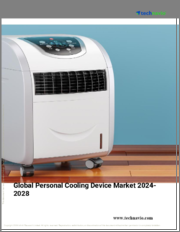
개인용 냉각 용품 시장 규모 : 제품 유형별, 기술별, 최종사용자별, 지역별, 범위 및 예측Global Personal Cooling Device Market Size By Product Type, By Technology, By End User, By Geographic Scope And Forecast |
||||||

개인용 냉각 용품 시장 규모 및 전망
개인용 냉각 용품 시장 규모는 2023년 560만 달러로 평가되며 2024-2030년 예측 기간 동안 연평균 5.3% 성장하여 2030년에는 610만 달러에 달할 것으로 예상됩니다.
개인용 냉각 용품 세계 시장 촉진요인
개인용 냉각 용품 시장의 시장 촉진요인은 다양한 요인의 영향을 받을 수 있습니다.
세계의 기온 상승:
기후변화로 인한 전 세계 기온 상승은 사람들이 더위로 인한 불편함과 건강 위험으로부터 벗어나기를 원하면서 개인용 냉각 용품에 대한 수요를 촉진하고 시장 성장을 촉진하고 있습니다.
더위 관련 질병에 대한 지식 증가 열사병, 탈수, 열 피로 등 열 노출과 관련된 건강 위험에 대한 인식이 높아짐에 따라 소비자들은 안전과 편안함을 위해 개인용 냉방 기기에 투자하고 있으며, 이는 시장 확대에 기여하고 있습니다.
도시화와 열섬의 확장:
도시화로 인해 주변 온도가 상승하고 인구 밀집 지역에 열섬이 형성되면서 도시인들은 열 스트레스에 대응하기 위한 수단으로 개인용 냉방 용품을 사용하게 되었고, 이는 시장 확대를 촉진하고 있습니다.
웨어러블 및 휴대용 냉각 솔루션에 대한 수요:
이동 중에도 간편하게 시원하게 지낼 수 있는 방법을 찾는 사람들이 늘어나면서 웨어러블 선풍기, 쿨링 타월, 휴대용 에어컨의 인기가 높아지고 있습니다. 이에 따라 웨어러블 및 휴대용 쿨링 솔루션에 대한 수요가 증가하고 있습니다.
아웃도어 레크리에이션 및 스포츠 활동의 성장:
하이킹, 캠핑, 아웃도어 스포츠 이벤트 등 야외 활동이 인기를 끌면서 이러한 야외 활동에 참여하면서 시원하고 쾌적하게 지내고자 하는 애호가들의 개인용 냉각 용품에 대한 수요도 증가하고 있습니다. 이러한 수요가 시장 성장의 원동력이 되고 있습니다.
냉각기술의 기술 개발:
개인용 냉각용품의 기능성과 매력을 향상시켜 가볍고 에너지 효율이 높으며 배터리 수명이 길고 냉각 능력이 빠른 냉각 장치 개발 등 냉각 기술 개발이 진행되어 시장 확대에 박차를 가하고 있습니다.
건강과 웰니스 트렌드:
소비자들이 일상 생활에서 쾌적함과 온도 조절을 중시하고 건강과 웰빙에 대한 인식이 높아지면서 개인용 냉각 용품 시장이 확대될 것으로 예상됩니다.
제조업, 농업, 건설업 등 더위가 자주 발생하는 분야는 산업안전보건법이 엄격하게 규정되어 있기 때문에 근로자들이 개인용 냉각 용품을 사용하여 더위 관련 질병과 부상을 예방할 수 있도록 장려하고 있으며, 이는 시장 성장의 원동력이 되고 있습니다.
고령화 인구 및 취약 계층:
노령화와 노인, 어린이, 특정 질환을 앓고 있는 사람 등 더위와 관련된 건강 위험에 대한 민감도가 높아짐에 따라 열적 쾌적함을 유지하고 열 관련 질병을 예방하기 위한 개인용 냉각 용품에 대한 수요가 증가하고 있습니다. 이는 궁극적으로 시장 확대로 이어질 것입니다.
E-Commerce 및 온라인 소매 채널의 확장:
E-Commerce 및 온라인 소매 채널의 확대로 소비자는 다양한 개인용 냉각 용품을 쉽게 구할 수 있습니다.
개인용 냉각 용품 세계 시장 억제요인
개인용 냉각 용품 시장에는 여러 가지 요인이 억제요인 및 도전 과제로 작용할 수 있습니다. 여기에는 다음과 같은 것들이 포함됩니다.
제한된 교육 및 인식:
개인용 냉각 용품 비즈니스의 주요 장애물 중 하나는 소비자들이 이러한 장치의 존재와 이점을 알지 못한다는 것입니다. 많은 잠재 고객이 사용 가능한 개인용 냉각 제품의 종류와 더위로 인한 불편함을 성공적으로 완화하는 데 사용할 수 있는 방법을 모를 수 있습니다. 시장 확대를 위해서는 스포츠, 사무실, 야외, 건강 관리 등 다양한 상황에서 개인용 냉각 제품의 장점과 용도에 대해 소비자를 교육하는 것이 필수적입니다.
비대한 장비 비용:
상 변화 재료, 열전 냉각, 증발 냉각 공정 등 개인용 냉각 용품에는 최첨단 기술이 사용되기 때문에 제조 비용이 상승할 수 있습니다. 결과적으로 이러한 장비의 비용은 기존 냉각 방식보다 더 높을 수 있습니다. 가격에 민감한 소비자들은 특히 가처분 소득이 낮거나 의료 예산이 부족한 지역에서는 높은 가격 때문에 개인용 냉각 용품의 구매를 꺼릴 수 있습니다.
제한적인 접근성:
유통 경로, 매장에서의 가용성, 지리적 위치 등은 개인용 냉각 용품의 접근성을 제한하는 요인 중 하나입니다. 일부 지역에서는 소매점이나 인터넷이 없는 경우, 개인용 냉각 용품에 대한 접근이 제한될 수 있습니다. 소매점과의 관계를 확대하고, 온라인 구매를 최적화하고, 유통망을 개선함으로써 더 많은 고객층에 접근하고 접근성을 향상시킬 수 있습니다.
인지된 효과와 편안함:
개인용 냉각 용품의 소비자 보급과 만족도는 효과와 쾌적성에 대한 인식에 크게 영향을 받습니다. 일부 사용자들은 개인용 냉각 용품이 다루기 어렵고, 불편하며, 에어컨이나 선풍기와 같은 전통적인 냉방 기술보다 효율이 낮다고 생각합니다. 소비자의 불안을 해소하고 시장 도입률을 높이기 위해 개인용 냉각 시스템은 인체공학적이고, 가볍고, 충분한 냉각이 가능해야 합니다.
수요의 계절성:
따뜻한 계절이나 무더운 시기에는 개인용 냉각 용품에 대한 계절적 수요가 발생할 수 있습니다. 시원한 계절이나 기온이 낮은 지역에서는 개인용 냉각 용품에 대한 수요가 감소하여 매출과 수익이 변동될 수 있습니다. 연중 내내 판매 모멘텀을 유지하기 위해 제조업체와 유통업체는 계절에 따라 마케팅 방법, 프로모션 및 제품 다양성을 채택해야 할 수도 있습니다.
규제 준수:
제품 안전, 전자파 적합성 및 환경 규제에 대한 요구사항이 개인용 냉각 장비에 적용될 수 있습니다. 생산자가 관련 규정을 준수하고 필요한 인증을 획득하는 것은 비용과 시간이 많이 소요될 수 있습니다. 시장 성장과 경쟁력은 규제 규정 미준수로 인해 영향을 받을 수 있으며, 이는 법적 책임과 시장 진입 장벽으로 이어질 수 있습니다.
환경 문제:
일부 개인용 냉각 시스템에는 배터리, 냉매, 기타 온실 가스 배출 및 전기 폐기물 등 환경에 영향을 미치는 물질이 사용되었을 가능성이 있습니다. 지속가능성과 환경 문제에 대한 고객의 인식이 높아짐에 따라 환경 친화적이고 에너지 효율적인 냉각 시스템 구매 선호도에 영향을 미칠 수 있습니다. 법적 요건과 소비자 선호도를 충족시키기 위해 제조업체는 제품 설계, 재료 조달 및 폐기물 처리에서 환경적 요인을 고려해야 할 수도 있습니다.
목차
제1장 소개
- 시장 정의
- 시장 세분화
- 조사 방법
제2장 주요 요약
- 주요 조사 결과
- 시장 개요
- 시장 하이라이트
제3장 시장 개요
- 시장 규모와 성장의 가능성
- 시장 동향
- 시장 성장 촉진요인
- 시장 성장 억제요인
- 시장 기회
- Porter's Five Forces 분석
제4장 개인용 냉각 용품 시장 : 제품 유형별
- 웨어러블 팬
- 냉각 타월
- 퍼스널 에어컨
- 핸드헬드 미스트 팬
- 냉각 베스트
- 냉각 캡/모자
- 냉각 슬리브
제5장 개인용 냉각 용품 시장 : 기술별
- 증발 냉각
- 압축 냉각
- 상변화물질(PCM) 냉각
- 열전 냉각
- 배터리식 냉각
제6장 개인용 냉각 용품 시장 : 최종사용자별
- 아웃도어 애호가
- 고온 환경에서의 작업자
- 의료·헬스케어
- 일반소비자
제7장 지역 분석
- 북미
- 미국
- 캐나다
- 멕시코
- 유럽
- 영국
- 독일
- 프랑스
- 이탈리아
- 아시아태평양
- 중국
- 일본
- 인도
- 호주
- 라틴아메리카
- 브라질
- 아르헨티나
- 칠레
- 중동 및 아프리카
- 남아프리카공화국
- 사우디아라비아
- 아랍에미리트
제8장 시장 역학
- 시장 성장 촉진요인
- 시장 성장 억제요인
- 시장 기회
- COVID-19의 시장에 대한 영향
제9장 경쟁 구도
- 주요 기업
- 시장 점유율 분석
제10장 기업 개요
- Dyson(U.K.)
- LG Electronics(South Korea)
- Samsung Electronics(South Korea)
- Honeywell International Inc.(U.S.)
- O2COOL LLC(U.S.)
- Evapolar Ltd.(Russia)
- Havells India Ltd(India)
- Holmes Group(U.S.)
- Ambient Therapeutics Inc.(U.S.)
- Lakeland Ltd.(U.K.) Design Go Ltd.(U.K.)
- Shenzhen KRG Electronics Co. Ltd(China)
제11장 시장 전망과 기회
- 신기술
- 향후 시장 동향
- 투자 기회
제12장 부록
- 약어 리스트
- 정보 출처와 참고문헌
Personal Cooling Device Market Size And Forecast
Personal Cooling Device Market size was valued at USD 5.6 Million in 2023 and is projected to reach USD 6.10 Million by 2030, growing at a CAGR of 5.3% during the forecast period 2024-2030. Global Personal Cooling Device Market Drivers The market drivers for the Personal Cooling Device Market can be influenced by various factors. These may include: Rising Global Temperature: As people look for relief from heat-related discomfort and health risks, rising global temperatures brought on by climate change are driving demand for personal cooling devices and promoting market growth.
Increasing Knowledge of Heat-Related Diseases Consumers are investing in personal cooling equipment for safety and comfort as a result of growing awareness of the health hazards connected to heat exposure, including as heatstroke, dehydration, and heat exhaustion, which is propelling market expansion.
Growing Urbanization and Heat Islands:
As a result of rising ambient temperatures brought on by urbanization and the formation of heat islands in densely populated areas, people in urban areas are adopting personal cooling devices as a way to combat heat stress, which is propelling the market's expansion.
Demand for Wearable and Portable Cooling Solutions:
As people look for easy ways to stay cool while they're on the go, wearable fans, cooling towels, and portable air conditioners are becoming more and more popular. This is creating a demand for wearable and portable cooling solutions.
Growth in Outdoor Recreation and Sports Activities:
As outdoor activities like hiking, camping, and outdoor sports events become more popular, so does the demand for personal cooling devices from enthusiasts who want to stay cool and comfortable while participating in these outdoor pursuits. This demand drives the growth of the market.
Technological Developments in Cooling Technology:
By improving the functionality and attractiveness of personal cooling devices, ongoing developments in cooling technology, such as the creation of lightweight, energy-efficient cooling devices with longer battery lives and faster cooling capacities, propel market expansion.
Health and Wellness Trends:
As consumers place a higher priority on comfort and temperature control in their daily lives, the market for personal cooling devices is expected to grow as a result of this growing awareness of health and wellness.
Strict occupational health and safety laws in sectors like manufacturing, agriculture, and construction that involve a lot of heat encourage workers to use personal cooling devices as a preventative measure against heat-related illnesses and injuries, which in turn boosts the market.
Aging Population and Vulnerable Groups:
Due to their increased susceptibility to heat-related health risks, the aging population and vulnerable groups, including the elderly, children, and people with specific medical conditions, are driving the demand for personal cooling devices in order to maintain thermal comfort and prevent heat-related illnesses. This will ultimately lead to market expansion.
Expansion of E-commerce and Online Retail Channels:
By increasing product availability and broadening market reach, the expansion of e-commerce and online retail channels has made it easier for consumers to obtain a variety of personal cooling devices.
Global Personal Cooling Device Market Restraints
Several factors can act as restraints or challenges for the Personal Cooling Device Market. These may include:
Limited Education and Awareness:
One of the main obstacles to the personal cooling device business is consumers' ignorance of the existence and advantages of these devices. It's possible that many prospective customers are unaware of the variety of personal cooling products available or how to utilize them to successfully relieve discomfort brought on by heat. To propel market expansion, it is imperative to educate consumers about the benefits of personal cooling devices and their uses in a range of contexts, including sports, the office, outdoor activities, and healthcare.
Exorbitant Device Cost:
The use of cutting-edge technology in personal cooling devices, such as phase-change materials, thermoelectric cooling, and evaporative cooling processes, can raise production costs. Consequently, the cost of these devices can be higher than that of conventional cooling methods. Price-conscious consumers may be discouraged from buying personal cooling equipment due to their high cost, especially in areas with lower disposable incomes or tighter healthcare budgets.
Limited Accessibility:
Distribution routes, availability in stores, and geographic location are a few examples of the variables that may limit someone's access to obtain personal cooling equipment. Due to a lack of retail locations or internet availability, users may only have restricted access to personal cooling devices in some areas. Reaching a wider customer base and improving accessibility can be achieved via growing retail relationships, optimizing online availability, and improving distribution networks.
Perceived efficacy and Comfort:
Consumer adoption and satisfaction with personal cooling devices are significantly influenced by perceived efficacy and comfort. Certain users can view personal cooling systems as unwieldy, inconvenient, or less efficient than conventional cooling techniques like air conditioning or fans. To allay consumer worries and improve market adoption, personal cooling systems must be ergonomic, lightweight, and capable of providing sufficient cooling.
Demand Seasonality:
During warmer months or times of intense heat, there may be a seasonal demand for personal cooling equipment. Sales and revenue may fluctuate due to a fall in demand for personal cooling equipment during cooler seasons or in locations with temperate temperatures. To sustain sales momentum throughout the year, manufacturers and merchants might need to employ seasonal marketing methods, promotions, and product variety.
Regulatory Compliance:
Requirements pertaining to product safety, electromagnetic compatibility, and environmental restrictions may apply to personal cooling equipment. For producers, ensuring compliance with relevant rules and gaining the required certifications can be expensive and time-consuming. Market growth and competitiveness may be impacted by non-compliance with regulatory rules, which may lead to legal liabilities or impediments to market entry.
Environmental Concerns:
Batteries, refrigerants, and other materials that have an impact on the environment, such as greenhouse gas emissions or electrical waste, may be used in some personal cooling systems. Growing customer awareness of sustainability and environmental issues may have an impact on their purchase preferences, favoring eco-friendly and energy-efficient cooling systems. In order to comply with legal requirements and consumer preferences, manufacturers may need to take environmental factors into account while designing products, procuring materials, and disposing of waste.
Global Personal Cooling Device Market Segmentation Analysis
The Global Personal Cooling Device Market is Segmented on the basis of Product Type, Technology, End User, And Geography.
Personal Cooling Device Market, By Product Type
- Wearable Fans:
- Portable fans designed to be worn around the neck or clipped onto clothing, providing hands-free cooling airflow.
- Cooling Towels:
- Moisture-wicking towels infused with cooling agents such as water-absorbing polymers or menthol, offering instant cooling relief when wrapped around the neck or body.
- Personal Air Conditioners:
- Compact air conditioning units designed for personal use, featuring portable designs and rechargeable batteries for cooling individual spaces.
- Handheld Mist Fans:
- Handheld fans equipped with misting functionality, spraying a fine mist of water to provide both evaporative cooling and airflow.
- Cooling Vests:
- Garments or vests equipped with cooling gel packs or circulating water systems, designed to regulate body temperature and provide sustained cooling during physical activity or hot weather conditions.
- Cooling Caps/Hats:
- Headwear with built-in cooling technology, such as evaporative cooling fabric or gel inserts, to keep the head cool and protect against heat exposure.
- Cooling Sleeves:
- Arm sleeves or garments designed to cover the arms and provide cooling relief through moisture-wicking materials or cooling gel inserts.
Personal Cooling Device Market, By Technology
- Evaporative Cooling:
- Devices utilizing the principle of evaporative cooling to lower ambient temperature through the evaporation of water, providing cooling relief without the need for electricity.
- Compression Cooling:
- Cooling devices employing compression technology to circulate chilled air or liquid coolant, offering rapid and efficient cooling in portable form factors.
- Phase Change Material (PCM) Cooling:
- Personal cooling products incorporating PCM packs or materials that absorb and release thermal energy at specific temperatures, providing long-lasting and reusable cooling effects.
- Thermoelectric Cooling:
- Devices using thermoelectric modules to create temperature differentials and generate cooling effects, suitable for portable cooling applications such as personal air conditioners.
- Battery-powered Cooling:
- Personal cooling devices powered by rechargeable batteries or disposable batteries, offering portability and convenience for on-the-go cooling.
Personal Cooling Device Market, By End User
- Outdoor Enthusiasts:
- Personal cooling devices targeted at individuals engaged in outdoor activities such as hiking, camping, sports, and festivals, providing relief from heat exposure and maintaining comfort during outdoor pursuits.
- Workers in Hot Environments:
- Cooling solutions designed for workers in industries with high heat exposure, such as construction, agriculture, manufacturing, and utilities, to prevent heat-related illnesses and improve productivity.
- Medical and Healthcare:
- Cooling devices used in medical settings to manage heat stress, alleviate symptoms of hot flashes, and provide comfort for patients undergoing medical treatments or recovering from surgeries.
- General Consumers:
- Personal cooling products marketed to consumers seeking relief from hot weather, hot flashes, menopausal symptoms, or heat-related discomfort in daily life, catering to diverse cooling needs and preferences.
Personal Cooling Device Market, By Geography
- North America:
- Market conditions and demand in the United States, Canada, and Mexico.
- Europe:
- Analysis of the PERSONAL COOLING DEVICE MARKET in European countries.
- Asia-Pacific:
- Focusing on countries like China, India, Japan, South Korea, and others.
- Middle East and Africa:
- Examining market dynamics in the Middle East and African regions.
- Latin America:
- Covering market trends and developments in countries across Latin America.
Key Players
- The major players in the Personal Cooling Device Market are:
- Dyson (U.K.)
- LG Electronics (South Korea)
- Samsung Electronics (South Korea)
- Honeywell International Inc. (U.S.)
- O2COOL LLC (U.S.)
- Evapolar Ltd. (Russia)
- Havells India Ltd (India)
- Holmes Group (U.S.)
- Ambient Therapeutics Inc. (U.S.)
- Lakeland Ltd. (U.K.) Design Go Ltd. (U.K.)
- Shenzhen KRG Electronics Co. Ltd (China)
TABLE OF CONTENTS
1. Introduction
- Market Definition
- Market Segmentation
- Research Methodology
2. Executive Summary
- Key Findings
- Market Overview
- Market Highlights
3. Market Overview
- Market Size and Growth Potential
- Market Trends
- Market Drivers
- Market Restraints
- Market Opportunities
- Porter's Five Forces Analysis
4. Personal Cooling Device Market, By Product Type
- Wearable Fans
- Cooling Towels
- Personal Air Conditioners
- Handheld Mist Fans
- Cooling Vests
- Cooling Caps/Hats
- Cooling Sleeves
5. Personal Cooling Device Market, By Technology
- Evaporative Cooling
- Compression Cooling
- Phase Change Material (PCM) Cooling
- Thermoelectric Cooling
- Battery-powered Cooling
6. Personal Cooling Device Market, By End User
- Outdoor Enthusiasts
- Workers in Hot Environments
- Medical and Healthcare
- General Consumers
7. Regional Analysis
- North America
- United States
- Canada
- Mexico
- Europe
- United Kingdom
- Germany
- France
- Italy
- Asia-Pacific
- China
- Japan
- India
- Australia
- Latin America
- Brazil
- Argentina
- Chile
- Middle East and Africa
- South Africa
- Saudi Arabia
- UAE
8. Market Dynamics
- Market Drivers
- Market Restraints
- Market Opportunities
- Impact of COVID-19 on the Market
9. Competitive Landscape
- Key Players
- Market Share Analysis
10. Company Profiles
- Dyson (U.K.)
- LG Electronics (South Korea)
- Samsung Electronics (South Korea)
- Honeywell International Inc. (U.S.)
- O2COOL LLC (U.S.)
- Evapolar Ltd. (Russia)
- Havells India Ltd (India)
- Holmes Group (U.S.)
- Ambient Therapeutics Inc. (U.S.)
- Lakeland Ltd. (U.K.) Design Go Ltd. (U.K.)
- Shenzhen KRG Electronics Co. Ltd (China)
11. Market Outlook and Opportunities
- Emerging Technologies
- Future Market Trends
- Investment Opportunities
12. Appendix
- List of Abbreviations
- Sources and References