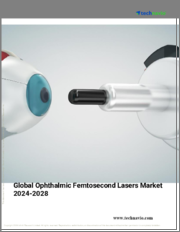
|
시장보고서
상품코드
2037674
안과용 펨토초 레이저 시장 : 규모, 용도별, 최종 사용자별, 기술별, 지역별 예측Ophthalmic Femtosecond Lasers Market Size By Application, By End-User, By Technology, By Geographic Scope and Forecast |
||||||

세계의 안과용 펨토초 레이저 시장 규모 및 예측
안과용 펨토초 레이저 시장 규모는 2025년에 3억 9,300만 달러로 중요 수준에 달했고, 2027년부터 2033년까지 예측 기간 중 CAGR 7.3%로 견실한 성장이 전망되고 있습니다. 수술 정도 향상과 예측 가능한 결과를 얻기 위해서, 레이저 지원 백내장 수술 채택이 확대하고 있는 것을 받아 기업 전체로 이것을 추진할 방침이, 이 큰 성장 강력한 주요 촉진요인되고 있습니다. 이 시장은 2033년까지 7억 2,400만 달러에 이를 것으로 예측되며, 이것은 경제 정세 전체에 큰 재평가를 시사하고 있습니다.
세계 안과용 펨토초 레이저 시장 개요
안과용 펨토초 레이저는 안과 수술에 사용되는 첨단 레이저 시스템을 말하며, 초단파 펄스 레이저를 통해 매우 정밀한 조직 절개 및 형성을 가능하게 합니다. 이 카테고리는 안과, 특히 백내장, 굴절 교정 및 각막 수술에 대한 임상 적용에 의해 정의됩니다. 시장 조사에서는 지역과 의료 현장에 관계없이 기기 판매량, 도입량, 수술 채택 현황을 일관되게 추적하기 위해 이 부문을 명확하게 정의된 기술 분류로 취급하고 있습니다.
세계 안과용 펨토초 레이저 시장은 수술의 정확성, 환자의 안전, 시술의 효율성이 수술 건수의 급속한 확대보다 우선시되는 병원 및 안과 전문 클리닉의 꾸준한 수요에 의해 형성되고 있습니다. 구매자는 일반적으로 대규모 의료 제공업체 및 전문센터에 집중되어 있으며, 구매 결정은 단기적인 가격 변동보다는 임상 결과, 시스템 신뢰성 및 장기적인 서비스 지원을 기반으로 이루어집니다.
이 시장의 조달 패턴은 종종 자본 장비의 예산 주기에 따라 결정되며, 가격 책정에는 기술 업그레이드, 유지보수 계약, 시스템 통합 능력이 반영되는 경향이 있습니다. 원자재 비용, 연구 투자, 규제 준수 요건이 전체 가격 체계에 영향을 미치고 있습니다. 또한, 도입 수준은 상환 정책 및 숙련된 안과 의사의 확보 상황과 관련이 있습니다.
당분간 시장 동향은 선택적 안과 수술 건수, 의료 인프라에 대한 투자, 새로운 레이저 플랫폼에 대한 규제 당국의 승인 여부에 따라 달라질 것으로 예측됩니다. 안전 기준, 임상적 증거, 그리고 첨단 저침습적 시술에 대한 환자들의 선호도가 구매 결정에 영향을 미치고 이 부문에서의 경쟁적 지위를 형성할 것입니다.
세계 안과용 펨토초 레이저 시장 성장 촉진요인
백내장 및 굴절교정수술 수요 증가: 고령화 및 시력 관리에 대한 인식이 높아짐에 따라 연간 안과 수술 건수가 증가하고 있습니다. 백내장 수술은 여전히 전 세계적으로 가장 흔한 수술 중 하나이며, 많은 외과 의사들이 수정체 분쇄 및 각막 절개 정확도를 높이기 위해 펨토초 레이저를 채택하고 있습니다. 그 결과, 환자 수요를 충족시키기 위해 더 많은 클리닉과 병원이 이 기술에 투자하고 있습니다. 일부 지역에서는 지난 10년간 연간 백내장 수술 건수가 25% 이상 증가했으며, 이는 고도의 수술적 개입으로의 강력한 변화를 반영하고 있습니다.
최소침습수술 지향: 환자들은 회복이 빠르고, 불편함이 적고, 결과를 예측하기 쉬운 수술을 점점 더 선호하고 있습니다. 펨토초 레이저는 주변 조직의 손상을 최소화하면서 높은 정밀도를 제공하기 때문에 백내장 수술뿐만 아니라 LASIK, SMILE 등의 수술에서도 매력적인 선택이 되고 있습니다. 이러한 추세에 따라 안과 의사들이 환자의 기대에 부응하기 위해 레이저 플랫폼을 진료에 도입하면서 레이저 플랫폼의 도입이 촉진되고 있습니다.
레이저 기술의 발전 : 펄스 속도 향상, 이미지 통합 기능 강화, 소프트웨어 제어 개선 등 펨토초 레이저 시스템의 지속적인 개선으로 인해 이러한 플랫폼은 더욱 효율적이고 다기능화되었습니다. 이러한 업그레이드를 통해 시술 시간 단축, 안전 마진 향상, 치료 가능한 질환 범위 확대가 가능해졌습니다. 경쟁력을 유지하고 양질의 의료 서비스를 제공하고자 하는 클리닉들이 새로운 레이저 모델을 선택하고 있으며, 이것이 시장의 성장을 뒷받침하고 있습니다.
신흥 시장의 안과 의료 인프라 확대: 신흥 시장의 의료 투자가 증가하고 있으며, 안과 의료시설의 개원 및 수술 능력의 향상이 이루어지고 있습니다. 이러한 확장으로 펨토초 레이저를 이용한 첨단 수술에 대한 접근성이 기존 도시지역을 넘어 전국으로 확대되고 있습니다. 그 결과, 동남아시아, 라틴아메리카, 중동 일부 지역에서는 증가하는 환자층에 대응하고 미충족된 시력 치료 수요를 충족시키기 위해 레이저 시스템 구매가 증가하고 있습니다.
세계 안과용 펨토초 레이저 시장 성장 억제요인들
높은 레이저 시스템 비용: 펨토초 레이저 플랫폼은 구매 및 유지 보수에 많은 비용이 들기 때문에 병원이나 전문 클리닉에 큰 재정적 부담이 되는 경우가 많습니다. 저소득 지역의 소규모 진료소나 시설의 경우, 기존 수술 장비가 여전히 더 저렴하기 때문에 이러한 투자를 정당화하기 어려울 수 있습니다. 이 높은 비용은 특히 예산의 제약이 우려되는 지역에서 보급을 저해하는 요인으로 작용하고 있습니다.
제한적인 보험 환급 제도: 많은 국가에서 건강 보험이나 공적 보험 제도는 펨토초 레이저를 이용한 시술에 대해 전액 보상하지 않습니다. 환자는 추가 기술 비용을 자비로 부담해야 할 수 있으며, 이는 수요를 감소시키는 요인으로 작용할 수 있습니다. 보험 제도가 기존 수술에 대한 보상을 우선시하는 경우, 병원은 가격 경쟁력을 유지해야 하는 압력에 직면하여 기술 도입 속도가 느려질 것입니다.
전문 교육 필요: 펨토초 레이저를 효과적으로 사용하려면 외과 의사에 대한 특정 교육과 경험이 필요합니다. 클리닉은 직원 교육에 시간과 자원을 투자해야 하며, 이는 도입을 지연시키고 기존 기술에 익숙한 외과의사의 신뢰를 떨어뜨릴 수 있습니다. 이러한 학습 곡선은 구매 결정을 지연시키고 새로운 시스템이 외과 진료에 통합되는 속도를 제한할 수 있습니다.
신흥 지역의 인프라 제약: 첨단 레이저 시스템은 안정적인 전력 공급, 적절한 시설 및 지속적인 기술 지원이 필요합니다. 일부 신흥 시장에서는 의료 인프라 부족과 서비스 기술자 확보의 어려움으로 인해 이러한 장비의 설치 및 유지보수가 어려울 수 있습니다. 이러한 물류상의 문제는 잠재적 구매자의 망설임을 불러일으키고, 안과 의료 수요가 증가하는 지역으로의 진출을 지연시킬 수 있습니다.
목차
제1장 서론
제2장 조사 방법
제3장 주요 요약
제4장 시장 전망
제5장 용도별
제6장 최종 사용자별
제7장 기술별
제8장 지역별
제9장 경쟁 구도
제10장 기업 개요
JHS 26.05.22Global Ophthalmic Femtosecond Lasers Market Size and Forecast
Market capitalization in the ophthalmic femtosecond lasers market had hit a significant point of USD 393 Million in 2025, with a strong 7.3 % CAGR during the forecast period from 2027 to 2033. A company-wide policy adopting the rising adoption of laser-assisted cataract surgery for higher surgical precision and predictable outcomes runs as the strong main driving factor for great growth. The market is projected to reach a figure of USD 724 Million 2033, indicating a significant reassessment of the entire economic landscape.
Global Ophthalmic Femtosecond Lasers Market Overview
Ophthalmic femtosecond lasers refer to advanced laser systems used in eye surgeries where ultra-short laser pulses allow highly precise tissue cutting and reshaping. The category is defined by its clinical application in ophthalmology, particularly in cataract, refractive, and corneal procedures. In market research, this segment is treated as a clearly defined technology class to ensure consistent tracking of equipment sales, installed base, and procedural adoption across regions and healthcare settings.
The global ophthalmic femtosecond lasers market is shaped by steady demand from hospitals and specialized eye clinics where surgical accuracy, patient safety, and procedural efficiency are prioritized over rapid expansion in volume. Buyers are typically concentrated among large healthcare providers and specialty centers, with purchasing decisions guided by clinical outcomes, system reliability, and long-term service support rather than short-term price movements.
Procurement patterns in this market are often aligned with capital equipment budgeting cycles, and pricing tends to reflect technology upgrades, maintenance agreements, and system integration capabilities. Input costs, research investments, and regulatory compliance requirements influence overall pricing structures. Adoption levels are also linked to reimbursement policies and the availability of trained ophthalmic surgeons.
Near-term activity in the market is expected to follow trends in elective eye surgery volumes, healthcare infrastructure investment, and regulatory approvals for new laser platforms. Safety standards, clinical evidence, and patient preference for advanced, minimally invasive procedures will continue to guide purchasing decisions and shape competitive positioning within the segment.
Global Ophthalmic Femtosecond Lasers Market Drivers
The market drivers for the ophthalmic femtosecond lasers market can be influenced by various factors. These may include:
Growth in Cataract and Refractive Surgery Demand: Aging populations and rising awareness of vision care are increasing the number of eye surgeries performed each year. Cataract surgery remains one of the most common procedures worldwide, and many surgeons are adopting femtosecond lasers to improve precision in lens fragmentation and corneal incisions. As a result, more clinics and hospitals are investing in this technology to meet patient demand. In some regions, the number of cataract surgeries performed annually has increased by over 25% in the past decade, reflecting a strong shift toward advanced surgical interventions.
Preference for Minimally Invasive Procedures: Patients increasingly prefer procedures that offer faster recovery, less discomfort, and more predictable outcomes. Femtosecond lasers provide high accuracy with minimal collateral tissue damage, making them attractive for procedures like LASIK and SMILE in addition to cataract surgery. This growing preference boosts adoption as eye surgeons incorporate laser platforms into their practice to meet patient expectations.
Advancements in Laser Technology: Continuous improvements in femtosecond laser systems such as faster pulse rates, enhanced imaging integration, and better software controls are making these platforms more efficient and versatile. These upgrades help reduce procedure time, improve safety margins, and expand the range of treatable conditions. Clinics looking to stay competitive and deliver high-quality care are choosing newer laser models, supporting market growth.
Expansion of Eye Care Infrastructure in Emerging Markets: Healthcare investment in emerging markets is on the rise, with more eye care facilities opening and upgrading their surgical capabilities. This expansion helps extend access to advanced procedures using femtosecond lasers beyond traditional urban centers. As a result, regions such as Southeast Asia, Latin America, and parts of the Middle East are seeing increased purchases of laser systems to serve growing patient populations and address unmet vision care needs.
Global Ophthalmic Femtosecond Lasers Market Restraints
Several factors act as restraints or challenges ophthalmic femtosecond lasers market. These may include:
High Cost of Laser Systems: Femtosecond laser platforms are expensive to purchase and maintain, often requiring a significant financial outlay from hospitals and specialty clinics. Smaller practices or facilities in lower-income regions may find it difficult to justify the investment when conventional surgical tools remain more affordable. This high cost limits widespread adoption, especially where budget constraints are a concern.
Limited Reimbursement Policies: In many countries, health insurance and public reimbursement schemes do not fully cover procedures using femtosecond lasers. Patients may have to pay out of pocket for the added technology, which can reduce demand. When insurance systems favor traditional surgery coverage, clinics face pressure to keep prices competitive, slowing the pace of technology adoption.
Need for Specialized Training: Using femtosecond lasers effectively requires specific surgeon training and experience. Clinics must invest time and resources in training staff, which can slow deployment and reduce confidence among surgeons who are accustomed to conventional techniques. This learning curve can delay purchase decisions and limit how quickly new systems are integrated into surgical practice.
Infrastructure Constraints in Emerging Regions: Advanced laser systems require reliable electrical supply, proper facilities, and ongoing technical support. In some emerging markets, gaps in healthcare infrastructure and limited access to service technicians can make it difficult to install and maintain these machines. These logistical challenges create hesitation among potential buyers and slow expansion into regions where eye care demand is otherwise growing.
Global Ophthalmic Femtosecond Lasers Market Segmentation Analysis
The Global Ophthalmic Femtosecond Lasers Market is segmented based on Application, End-User, Technology, and Geography.
Ophthalmic Femtosecond Lasers Market, By Application
In the ophthalmic femtosecond lasers market, systems are commonly utilized across three main application areas. Cataract surgery uses femtosecond lasers for precise corneal incisions, capsulotomy, and lens fragmentation. Refractive surgery applies the technology in procedures such as LASIK and SMILE to reshape the cornea and correct vision. Corneal surgery involves laser-assisted keratoplasty and other corneal interventions where accuracy and tissue preservation are essential. The market dynamics for each application are broken down as follows:
Cataract Surgery: Cataract surgery dominates the ophthalmic femtosecond lasers market, as rising aging populations continue to increase procedure volumes globally. Hospitals and specialty eye centers are witnessing increasing adoption of laser-assisted techniques due to improved precision, better reproducibility, and enhanced surgical planning. Demand for predictable visual outcomes and reduced manual variability supports consistent equipment utilization. Growth in premium intraocular lens implantation further strengthens segment demand.
Refractive Surgery: Refractive surgery is witnessing substantial growth, driven by increasing demand for vision correction procedures among younger and middle-aged patients. Utilization of femtosecond lasers in LASIK and SMILE procedures is witnessing increasing adoption due to high accuracy in corneal flap creation and tissue reshaping. Preference for minimally invasive treatments with faster recovery times encourages patient interest. Expanding private eye clinic networks contribute to steady procedure volumes.
Corneal Surgery: Corneal surgery is witnessing gradual expansion in the market, as advanced laser systems improve the safety and precision of complex corneal procedures. Adoption is increasing in tertiary care hospitals where specialized surgical expertise is available. Improved graft preparation techniques and enhanced control over incision depth support consistent clinical performance. Rising awareness of advanced corneal treatment options contributes to stable growth within this segment.
Ophthalmic Femtosecond Lasers Market, By End-User
In the ophthalmic femtosecond lasers market, demand is commonly structured across three main end-user segments. Hospitals utilize femtosecond laser systems within ophthalmology departments for cataract and complex eye procedures. Ophthalmic clinics adopt these systems to offer specialized refractive and laser-assisted surgeries. Ambulatory surgical centers (ASCs) use femtosecond lasers for outpatient eye procedures where efficiency and rapid patient turnover are prioritized. The market dynamics for each end-user are broken down as follows:
Hospitals: Hospitals dominate the ophthalmic femtosecond lasers market, as large patient volumes and access to capital budgets support equipment procurement. Multi-specialty facilities are witnessing increasing adoption of laser-assisted cataract and corneal procedures due to demand for high surgical precision and safety standards. Availability of trained ophthalmic surgeons and integrated diagnostic systems strengthens utilization rates. Long-term equipment planning and institutional purchasing frameworks reinforce segment stability.
Ophthalmic Clinics: Ophthalmic clinics are witnessing substantial growth in adoption, driven by rising demand for refractive surgeries and premium cataract procedures. Specialized eye centers are increasingly investing in femtosecond platforms to differentiate service offerings and improve patient outcomes. Preference for minimally invasive procedures and faster recovery times is encouraging steady patient inflow. Expansion of private eye care networks supports consistent equipment deployment.
Ambulatory Surgical Centers (ASCs): Ambulatory surgical centers are witnessing gradual expansion in the market, as outpatient eye procedures continue to increase. Utilization of femtosecond lasers in ASCs is witnessing increasing interest due to shorter procedure times and operational efficiency. Cost control and streamlined patient flow models support adoption in high-volume centers. Growth in day-care surgical infrastructure contributes to steady development of this segment.
Ophthalmic Femtosecond Lasers Market, By Technology
In the ophthalmic femtosecond lasers market, systems are commonly categorized into two main technology formats. Standalone systems operate as independent laser platforms used alongside separate diagnostic and surgical equipment. Integrated systems combine femtosecond laser technology with imaging, guidance, and workflow management features within a unified platform. The market dynamics for each technology type are broken down as follows:
Standalone Systems: Standalone systems maintain steady demand within the market, particularly in facilities that already possess advanced diagnostic and surgical infrastructure. Hospitals and specialty eye centers are witnessing increasing adoption where flexibility in equipment configuration is preferred. These systems allow clinics to upgrade laser capability without fully replacing existing surgical setups. Cost considerations and phased capital investment strategies support continued utilization in established practices.
Integrated Systems: Integrated systems are witnessing strong growth, driven by demand for streamlined surgical workflow and improved procedural accuracy. Adoption is increasing in advanced ophthalmic centers seeking real-time imaging guidance and enhanced automation during cataract and refractive procedures. Consolidation of multiple functions into a single platform reduces setup time and improves operational efficiency. Rising preference for technology-driven surgical environments strengthens the market share of integrated systems.
Ophthalmic Femtosecond Lasers Market, By Geography
In the ophthalmic femtosecond lasers market, North America and Europe show stable demand supported by advanced healthcare systems and established ophthalmic surgery practices, where buyers prioritize clinical accuracy, regulatory compliance, and long-term service reliability. Asia Pacific is emerging as a high-growth region, driven by expanding eye care infrastructure in China, India, Japan, and Southeast Asia. Latin America represents a developing market with rising adoption in private eye clinics. The Middle East and Africa rely largely on imported laser systems, with demand linked to private hospital investments and urban healthcare expansion. The market dynamics for each region are broken down as follows:
North America: North America dominates the ophthalmic femtosecond lasers market, as high cataract and refractive surgery volumes support consistent system utilization. Advanced hospital networks and specialty eye centers are witnessing increasing adoption of laser-assisted procedures to improve surgical precision and patient outcomes. Strong reimbursement frameworks and early acceptance of new technologies encourage steady procurement. The presence of well-established ophthalmic device infrastructure reinforces regional market size.
Europe: Europe is witnessing substantial growth in the market, driven by rising demand for premium cataract surgery and refractive correction procedures. Strict regulatory standards and emphasis on patient safety support continued use of advanced laser platforms. Adoption of integrated surgical systems is showing growing interest across leading ophthalmic centers. Expansion of outpatient surgical facilities sustains regional demand.
Asia Pacific: Asia Pacific is witnessing the fastest expansion, as increasing healthcare investment and growing awareness of advanced eye treatments generate higher procedure volumes. Large populations with rising age-related vision disorders are witnessing increasing adoption of femtosecond-assisted cataract surgery. Expanding private hospital chains and urban eye clinics support system installations. Improving access to specialized ophthalmic training strengthens regional growth.
Latin America: Latin America is experiencing steady growth, supported by expansion of private ophthalmology clinics and rising interest in laser-based refractive surgery. Urban healthcare development and improving patient awareness are showing growing interest in advanced surgical solutions. Import-based equipment supply supports consistent but price-sensitive procurement. Growth in medical tourism in selected countries contributes to market expansion.
Middle East and Africa: The Middle East and Africa are witnessing gradual growth, as investments in tertiary care hospitals and specialty eye centers increase. Demand is witnessing increasing adoption in metropolitan areas where advanced surgical infrastructure is available. Import-dependent supply chains support selective installations of high-end laser systems. Rising focus on improving regional eye care services strengthens long-term demand prospects.
Key Players
- The competitive landscape is increasingly determined by how well players adjust to new consumer values, even though it is still based on brand equity and scale. Even though market consolidation continues to change the strategic map, supply chain ethics, scientific innovation in comfort, and verifiable eco-credentials are now the main areas of strategic differentiation.
- Key Players Operating in the Global Ophthalmic Femtosecond Lasers Market
- Alcon, Inc.
- Carl Zeiss Meditec AG
- Johnson & Johnson Vision
- Bausch & Lomb Incorporated
- Ziemer Ophthalmic Systems AG
- Market Outlook and Strategic Implications
- Growth momentum is remaining stable, while strategic focus is increasingly prioritizing compliance readiness, premiumization, and consumer trust reinforcement. Investment allocation is shifting toward scalable innovation and lifecycle value, as transparency, safety assurance, and access expansion are emerging as long-term competitive differentiators.
- Alcon, Inc. announced in March 2025 the launch of its next-generation femtosecond laser platform featuring enhanced imaging integration and faster procedure workflows, aimed at improving surgical precision and expanding adoption across premium ophthalmic centers.
- Carl Zeiss Meditec AG announced in May 2025 a strategic partnership with leading eye care networks to roll out advanced laser training programs for surgeons, designed to increase clinical proficiency and support broader use of femtosecond laser systems in refractive and cataract procedures.
- Recent Milestones
2025: Johnson & Johnson Vision announced the successful integration of advanced imaging software into its femtosecond platforms at multiple global sites, enhancing precision in corneal incision planning and strengthening clinical adoption in specialty ophthalmic practices.
TABLE OF CONTENTS
1 INTRODUCTION
- 1.1 MARKET DEFINITION
- 1.2 MARKET SEGMENTATION
- 1.3 RESEARCH TIMELINES
- 1.4 ASSUMPTIONS
- 1.5 LIMITATIONS
2 RESEARCH METHODOLOGY
- 2.1 DATA MINING
- 2.2 SECONDARY RESEARCH
- 2.3 PRIMARY RESEARCH
- 2.4 SUBJECT MATTER EXPERT ADVICE
- 2.5 QUALITY CHECK
- 2.6 FINAL REVIEW
- 2.7 DATA TRIANGULATION
- 2.8 BOTTOM-UP APPROACH
- 2.9 TOP-DOWN APPROACH
- 2.10 RESEARCH FLOW
- 2.11 DATA TECHNOLOGY
3 EXECUTIVE SUMMARY
- 3.1 GLOBAL OPHTHALMIC FEMTOSECOND LASERS MARKETOVERVIEW
- 3.2 GLOBAL OPHTHALMIC FEMTOSECOND LASERS MARKETESTIMATES AND FORECAST (USD MILLION)
- 3.3 GLOBAL OPHTHALMIC FEMTOSECOND LASERS MARKETECOLOGY MAPPING
- 3.4 COMPETITIVE ANALYSIS: FUNNEL DIAGRAM
- 3.5 GLOBAL OPHTHALMIC FEMTOSECOND LASERS MARKETABSOLUTE MARKET OPPORTUNITY
- 3.6 GLOBAL OPHTHALMIC FEMTOSECOND LASERS MARKETATTRACTIVENESS ANALYSIS, BY REGION
- 3.7 GLOBAL OPHTHALMIC FEMTOSECOND LASERS MARKETATTRACTIVENESS ANALYSIS, BY APPLICATION
- 3.8 GLOBAL OPHTHALMIC FEMTOSECOND LASERS MARKETATTRACTIVENESS ANALYSIS, BY END-USER
- 3.9 GLOBAL OPHTHALMIC FEMTOSECOND LASERS MARKETATTRACTIVENESS ANALYSIS, BY TECHNOLOGY
- 3.10 GLOBAL OPHTHALMIC FEMTOSECOND LASERS MARKETGEOGRAPHICAL ANALYSIS (CAGR %)
- 3.11 GLOBAL OPHTHALMIC FEMTOSECOND LASERS MARKET, BY APPLICATION (USD MILLION)
- 3.12 GLOBAL OPHTHALMIC FEMTOSECOND LASERS MARKET, BY END-USER (USD MILLION)
- 3.13 GLOBAL OPHTHALMIC FEMTOSECOND LASERS MARKET, BY TECHNOLOGY (USD MILLION)
- 3.14 GLOBAL OPHTHALMIC FEMTOSECOND LASERS MARKET, BY GEOGRAPHY (USD MILLION)
- 3.15 FUTURE MARKET OPPORTUNITIES
4 MARKET OUTLOOK
- 4.1 GLOBAL OPHTHALMIC FEMTOSECOND LASERS MARKETEVOLUTION
- 4.2 GLOBAL OPHTHALMIC FEMTOSECOND LASERS MARKETOUTLOOK
- 4.3 MARKET DRIVERS
- 4.4 MARKET RESTRAINTS
- 4.5 MARKET TRENDS
- 4.6 MARKET OPPORTUNITY
- 4.7 PORTER'S FIVE FORCES ANALYSIS
- 4.7.1 THREAT OF NEW ENTRANTS
- 4.7.2 BARGAINING POWER OF SUPPLIERS
- 4.7.3 BARGAINING POWER OF BUYERS
- 4.7.4 THREAT OF SUBSTITUTE APPLICATIONS
- 4.7.5 COMPETITIVE RIVALRY OF EXISTING COMPETITORS
- 4.8 VALUE CHAIN ANALYSIS
- 4.9 PRICING ANALYSIS
- 4.10 MACROECONOMIC ANALYSIS
5 MARKET, BY APPLICATION
- 5.1 OVERVIEW
- 5.2 GLOBAL OPHTHALMIC FEMTOSECOND LASERS MARKET: BASIS POINT SHARE (BPS) ANALYSIS, BY APPLICATION
- 5.3 CATARACT SURGERY
- 5.4 REFRACTIVE SURGERY
- 5.5 CORNEAL SURGERY
6 MARKET, BY END-USER
- 6.1 OVERVIEW
- 6.2 GLOBAL OPHTHALMIC FEMTOSECOND LASERS MARKET: BASIS POINT SHARE (BPS) ANALYSIS, BY END-USER
- 6.3 HOSPITALS
- 6.4 OPHTHALMIC CLINICS
- 6.5 AMBULATORY SURGICAL CENTERS (ASCS)
7 MARKET, BY TECHNOLOGY
- 7.1 OVERVIEW
- 7.2 GLOBAL OPHTHALMIC FEMTOSECOND LASERS MARKET: BASIS POINT SHARE (BPS) ANALYSIS, BY TECHNOLOGY
- 7.3 STANDALONE SYSTEMS
- 7.4 INTEGRATED SYSTEMS
8 MARKET, BY GEOGRAPHY
- 8.1 OVERVIEW
- 8.2 NORTH AMERICA
- 8.2.1 U.S.
- 8.2.2 CANADA
- 8.2.3 MEXICO
- 8.3 EUROPE
- 8.3.1 GERMANY
- 8.3.2 U.K.
- 8.3.3 FRANCE
- 8.3.4 ITALY
- 8.3.5 SPAIN
- 8.3.6 REST OF EUROPE
- 8.4 ASIA PACIFIC
- 8.4.1 CHINA
- 8.4.2 JAPAN
- 8.4.3 INDIA
- 8.4.4 REST OF ASIA PACIFIC
- 8.5 LATIN AMERICA
- 8.5.1 BRAZIL
- 8.5.2 ARGENTINA
- 8.5.3 REST OF LATIN AMERICA
- 8.6 MIDDLE EAST AND AFRICA
- 8.6.1 UAE
- 8.6.2 SAUDI ARABIA
- 8.6.3 SOUTH AFRICA
- 8.6.4 REST OF MIDDLE EAST AND AFRICA
9 COMPETITIVE LANDSCAPE
- 9.1 OVERVIEW
- 9.2 KEY DEVELOPMENT STRATEGIES
- 9.3 COMPANY REGIONAL FOOTPRINT
- 9.4 ACE MATRIX
- 9.4.1 ACTIVE
- 9.42 CUTTING EDGE
- 9.4.3 EMERGING
- 9.4.4 INNOVATORS
10 COMPANY PROFILES
- 10.1 OVERVIEW
- 10.2 ALCON, INC
- 10.3 CARL ZEISS MEDITEC AG
- 10.4 JOHNSON & JOHNSON VISION
- 10.5 BAUSCH & LOMB INCORPORATED
- 10.6 ZIEMER OPHTHALMIC SYSTEMS AG