|
시장보고서
상품코드
1951138
방위용 통합 교량 시스템(IBS) 시장(2026-2036년)Global Defense Integrated Bridges Systems (IBS) Market 2026-2036 |
||||||

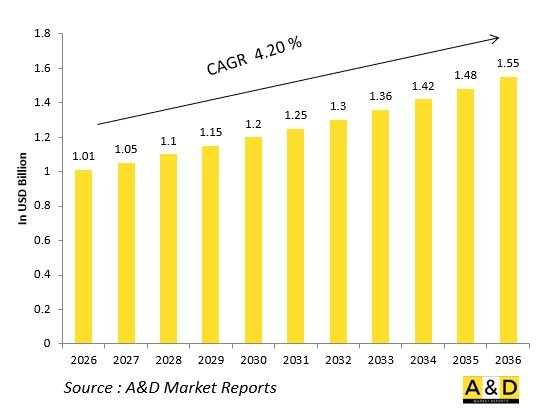
세계의 방위용 통합 교량 시스템(IBS) 시장 규모는 2026년에 약 10억 1,000만 달러, 2036년까지 15억 5,000만 달러에 이를 것으로 예측되며, 2026-2036년의 예측 기간에 CAGR 4.20%의 성장이 전망되고 있습니다.
소개
세계 방위용 통합 교량 시스템(IBS) 시장은 함정에서 지휘통제를 일원화하고 항법, 레이더, 통신, 무기를 통합 콘솔에 통합하는 시장입니다. 이 유리 브리지 구성은 독립적인 계기판을 터치스크린식 신옵틱스로 대체하여 선장이 방위각, 속도, 접촉 목표, 위협을 종합적으로 모니터링할 수 있게 해줍니다. 수상전투함 건조 증가에 따라 수요가 급증하고 있으며, 다중 위협 시나리오에서 작업 부하를 줄여주는 휴먼-머신 인터페이스가 우선시되고 있습니다. 주요 구성품에는 ECDIS, 조타 표시 장치, 경보 관리 시스템, 내충격성 및 전자기 펄스(EMP) 저항성을 강화한 전자기 펄스(EMP)가 포함됩니다. 잠수함에는 돛을 관통하는 변형이 채택되어 있습니다. 시장은 함대 효율화를 추진하고 의사결정 지원을 위한 AI 통합을 추진하고 있습니다. 해군이 전략적 요충지를 다투는 가운데, IBS는 외양 제패와 연안 기동성의 중추로 부상하고 있습니다.
방위용 통합 교량 시스템(IBS)에 미치는 기술의 영향
기술 혁신이 국방용 IBS를 변화시키고, 교량 운영을 효율화합니다. 제스처 및 음성 제어가 가능한 비접촉식 HMI를 통해 장갑 착용 시 조작 부하를 줄일 수 있습니다. AR 오버레이가 레이더 정보를 해수면 시야에 통합합니다. AI 감시 시스템이 수상한 선박이나 표류물 등 이상 징후를 감지합니다. 사이버 보안은 노드 간 제로 트러스트 아키텍처로 노드를 보호합니다. 모듈식 COTS 콘솔은 플러그 앤 플레이 방식의 업그레이드를 실현합니다. 5G 백본이 브리지와 CIC를 원활하게 연결합니다. 예지보전은 센서를 통해 콘솔의 상태를 모니터링합니다. 듀얼 주파수 ECDIS는 기밀 해도를 처리합니다. 양자암호화 링크가 데이터 흐름을 보호합니다. 이러한 비약적인 진화를 통해 훈련 기간 단축, 상황 인식 능력 향상, 자율성 향상에 대한 단서가 내장되어 있으며, 브리지는 인지적 지휘 센터로 재정의되고 있습니다.
방위용 통합 교량 시스템(IBS)의 주요 추진 요인
국방용 IBS 시장을 가속화하는 중요한 시장 성장 촉진요인이 존재합니다. 승무원 감소로 인해 복잡한 작전을 처리할 수 있는 직관적인 인터페이스가 요구되고 있습니다. 다영역 위협은 융합 센서 심볼을 필요로 합니다. 레거시 아날로그 브리지는 의무적으로 디지털 개보수를 해야 하는 상황입니다. 상호운용성 표준은 NATO 스타일의 디스플레이를 통일합니다. 방해 전파 저항은 중복 데이터 경로를 촉진합니다. 친환경 전기화에는 EMI 내성 전자 장비가 필요합니다. 무인 연계는 원격 선박 피드를 통합합니다. 인적 요소는 피로를 줄여주는 인체공학적 요소를 우선시하고 있습니다. 공급망 강화는 디스플레이 장비 부족에 대응합니다. 예산은 확장 가능한 소프트웨어 계층에 중점을 둡니다. 이러한 요인으로 인해 IBS는 고강도 전투에서 작업 부하 분산 장치로 추진되고 있습니다.
방위용 통합 교량 시스템(IBS)의 지역별 동향
각 지역 해군은 독트린에 따라 IBS를 맞춤화하고 있습니다. 북미는 항공모함에 항공단 사이클에 대응하는 AR 강화 통합 감시 시스템을 장착하고 있습니다. 유럽은 발트해 작전 호위함대를 위해 콘솔을 표준화하고 있습니다. 아시아태평양은 해협에 배치된 구축함 부대를 위해 비접촉식 브리지를 확장하고 있습니다. 인도 태평양 지역에서는 동맹 함대를 위한 사이버 내성 강화 링크에 중점을 두고 있습니다. 중동은 사막 냉각 장치를 걸프만 순찰에 적용하고 있습니다.
세계의 방위용 통합 교량 시스템(IBS) 시장에 대해 조사 분석했으며, 시장에 영향을 미치는 기술, 향후 10년간의 예측, 각 지역별 동향 등의 정보를 전해드립니다.
목차
방위용 통합 교량 시스템(IBS) 시장 보고서 정의
방위용 통합 교량 시스템(IBS) 시장 세분화
향후 10년간 방위용 통합 교량 시스템(IBS) 시장 분석
세계의 방위용 통합 교량 시스템(IBS) 시장 예측
지역 방위용 통합 교량 시스템(IBS) 시장 동향과 예측
시장 예측과 시나리오 분석
방위용 통합 교량 시스템(IBS) 시장 국가별 분석
시장 예측과 시나리오 분석
방위용 통합 교량 시스템(IBS) 시장 기회 매트릭스
결론
LSH 26.03.23The Global defense integrated bridge systems (IBS) market is estimated at USD 1.01 billion in 2026, projected to grow to USD 1.55 billion by 2036 at a Compound Annual Growth Rate (CAGR) of 4.20% over the forecast period 2026-2036.
Introduction:
The Global defense integrated bridge systems (IBS) market centralizes command and control on warships, fusing navigation, radar, comms, and weapons into unified consoles. These glass-bridge setups replace standalone dials with touchscreen synoptics, enabling captains to monitor azimuth, speed, contacts, and threats holistically. Demand surges with surface combatant builds, prioritizing human-machine interfaces that cut workload amid multi-threat scenarios. Core components include ECDIS, conning displays, and alarm management, hardened for shock and EMP. Submarines adapt variants for sail penetrations. The market drives fleet efficiency, integrating AI for decision aids. As navies contest chokepoints, IBS emerges as the nerve center for blue-water supremacy and littoral agility.
Technology Impact in Defense Integrated Bridge Systems (IBS)
Technological infusions transform defense IBS, streamlining bridge ops. Touchless HMIs with gesture and voice controls reduce gloved interactions. Augmented reality overlays fuse radar paints on sea views. AI watchkeepers flag anomalies like rogue vessels or drift. Cybersecurity meshes zero-trust architectures across nodes. Modular COTS consoles enable plug-and-play upgrades. 5G backbones link bridge to CIC seamlessly. Predictive maintenance monitors console health via sensors. Dual-frequency ECDIS handles classified charts. Quantum-secure links guard data flows. These leaps slash training curves, boost SA, and embed autonomy cues, redefining bridges as cognitive command hubs.
Key Drivers in Defense Integrated Bridge Systems (IBS)
Key drivers accelerate the defense IBS market. Crew reductions demand intuitive interfaces handling complex ops. Multi-domain threats require fused sensor symbiology. Legacy analog bridges face mandated digital refits. Interoperability standards unify NATO-style displays. Jamming resilience spurs redundant data paths. Green electrification needs EMI-proof electronics. Unmanned teaming integrates remote vessel feeds. Human factors prioritize fatigue-mitigating ergonomics. Supply chain hardening counters display shortages. Budgets favor scalable software layers. Collectively, these propel IBS as workload balancers in high-tempo warfare.
Regional Trends in Defense Integrated Bridge Systems (IBS)
Regional navies customize IBS to doctrines. North America equips carriers with AR-enhanced synoptics for air wing cycles. Europe standardizes consoles for frigate squadrons in Baltic ops. Asia-Pacific scales touchless bridges for destroyer flotillas in straits. Indo-Pacific emphasizes cyber-hardened links for alliance fleets. Middle East adapts desert-cooled units for Gulf patrols. Africa deploys ruggedized kits on corvettes. South America fuses with river monitors. Coalitions harmonize protocols, blending U.S. glass cockpits with Asian modularity. Trends spotlight AI copilots and voice AI, mirroring congested littorals and carrier ops.
Key Defense Integrated Bridge Systems (IBS) Programs
Landmark IBS programs showcase integration prowess. Destroyer classes debut holographic conning for 360 vigilance. Submarine bridges test periscope-AR hybrids. Littoral combatants validate unmanned feed overlays. Allied trials sync displays across task groups. Drone motherships embed remote bridge stations. Shock tests confirm console survivability. Amphibs link IBS to well-deck radars. Developmental voice-AI prototypes pioneer hands-free command. These initiatives deliver future-proof, networked bridges, empowering captains with god's-eye views.
Table of Contents
Defense Integrated Bridges Systems (IBS) Market - Table of Contents
Defense Integrated Bridges Systems (IBS) Market Report Definition
Defense Integrated Bridges Systems (IBS) Market Segmentation
By Region
By Platform
By Integration Level
By Components
Defense Integrated Bridges Systems (IBS) Market Analysis for next 10 Years
The 10-year Defense Integrated Bridges Systems (IBS) Market analysis would give a detailed overview of Defense Integrated Bridges Systems (IBS) Market growth, changing dynamics, technology adoption overviews and the overall market attractiveness is covered in this chapter.
Market Technologies of Defense Integrated Bridges Systems (IBS) Market
This segment covers the top 10 technologies that is expected to impact this market and the possible implications these technologies would have on the overall market.
Global Defense Integrated Bridges Systems (IBS) Market Forecast
The 10-year Defense Integrated Bridges Systems (IBS) Market forecast of this market is covered in detailed across the segments which are mentioned above.
Regional Defense Integrated Bridges Systems (IBS) Market Trends & Forecast
The regional counter drone market trends, drivers, restraints and Challenges of this market, the Political, Economic, Social and Technology aspects are covered in this segment. The market forecast and scenario analysis across regions are also covered in detailed in this segment. The last part of the regional analysis includes profiling of the key companies, supplier landscape and company benchmarking. The current market size is estimated based on the normal scenario.
North America
Drivers, Restraints and Challenges
PEST
Market Forecast & Scenario Analysis
Key Companies
Supplier Tier Landscape
Company Benchmarking
Europe
Middle East
APAC
South America
Country Analysis of Defense Integrated Bridges Systems (IBS) Market
This chapter deals with the key defense programs in this market, it also covers the latest news and patents which have been filed in this market. Country level 10 year market forecast and scenario analysis are also covered in this chapter.
US
Defense Programs
Latest News
Patents
Current levels of technology maturation in this market
Market Forecast & Scenario Analysis
Canada
Italy
France
Germany
Netherlands
Belgium
Spain
Sweden
Greece
Australia
South Africa
India
China
Russia
South Korea
Japan
Malaysia
Singapore
Brazil
Opportunity Matrix for Defense Integrated Bridges Systems (IBS) Market
The opportunity matrix helps the readers understand the high opportunity segments in this market.
Expert Opinions on Defense Integrated Bridges Systems (IBS) Market Report
Hear from our experts their opinion of the possible analysis for this market.
Conclusions
About Aviation and Defense Market Reports