

|
시장보고서
상품코드
1966910
방위용 차량 인터컴 시스템(VIC) 시장(2026-2036년)Global Defense Vehicle Intercom Systems (VIC) Market 2026-2036 |
||||||

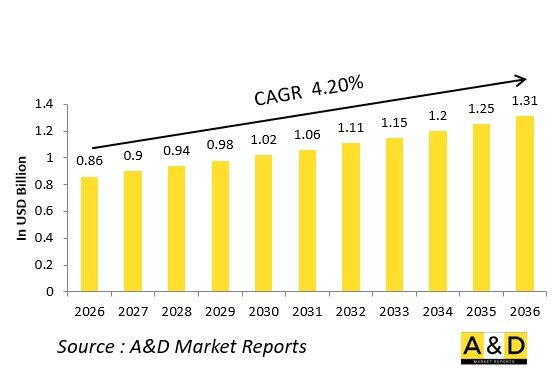
세계의 방위용 차량 인터컴 시스템(VIC) 시장 규모는 2026년 8억 6,000만 달러에서 2026-2036년의 예측 기간 중 CAGR 4.20%로 성장하며, 2036년에는 13억 7,000만 달러에 달할 것으로 전망되고 있습니다.
소개: 세계 국방용 차량용 인터콤 시스템(VIC) 시장
국방용 차량용 인터콤 시스템(VIC)은 군용 플랫폼의 안전하고 끊김 없는 연계를 지원하기 위해 설계된 임무 수행에 필수적인 통신 솔루션입니다. 이 시스템은 가혹한 소음, 진동, 전투 환경에서도 승무원 간의 명확한 의사소통을 가능하게 합니다. 현대식 인터컴 솔루션은 장갑차, 전술 트럭, 해군 플랫폼, 지원 차량에 통합되어 상황 인식 능력과 지휘 효율성을 보장합니다. 국방부대가 기동성, 디지털 연결성, 승무원의 생존성을 점점 더 중요시하는 가운데, 차량용 인터콤 시스템은 기본적인 음성 통신을 넘어 진화하고 있습니다. 첨단 아키텍처는 데이터 교환, 무전기와의 통합, 전투 관리 시스템, 외부 통신 네트워크와의 연계를 가능하게 합니다. 세계 시장에서는 공동작전 및 연합 임무에서 운용 가능한 상호운용성, 견고성, 확장성을 갖춘 시스템에 대한 수요가 증가하고 있습니다. 국방 현대화 프로그램, 비대칭 전쟁의 요구 사항, 네트워크 중심 작전으로의 전환은 시장의 발전을 계속 형성하고 있습니다. 인터콤 시스템은 현재 작전 효과 향상, 대응 시간 단축, 복잡한 전투 환경에서의 협력적 의사결정을 지원하는 전략적 기반 기술로 자리매김하고 있습니다.
국방용 차량용 인터콤 시스템(VIC)의 기술적 영향
기술 혁신은 성능, 신뢰성, 운영 유연성 향상을 통해 국방용 VIC를 크게 변화시키고 있습니다. 아날로그에서 디지털 통신으로의 전환으로 위협이 높은 환경에서 음성 명료도, 노이즈 캔슬링, 신호 무결성이 개선되었습니다. 소프트웨어 정의 아키텍처를 통해 대규모 하드웨어 변경 없이 시스템 업그레이드가 가능하여 수명주기 가치를 연장할 수 있습니다. 전술 무전기, 항법 시스템, 전장 관리 플랫폼과의 통합을 통해 차량 간 및 지휘 네트워크 전체에서 원활한 정보 공유가 가능합니다. 무선 탑승자 연결과 헬멧 장착형 인터페이스는 케이블 의존도를 줄이고 탑승자의 이동성과 인체공학적 특성을 향상시킵니다. 기밀 작전 데이터를 전자전 위협으로부터 보호하기 위해 사이버 보안 대책을 적용한 통신 프로토콜을 내장하는 사례가 증가하고 있습니다. AI 기반 음성 처리 기술은 높은 스트레스 상황에서 음성 인식과 우선순위를 강화합니다. 또한 모듈식 개방형 시스템 설계는 다양한 차종 및 임무 역할에 따라 신속한 커스터마이징을 지원합니다. 이러한 기술 발전으로 인터콤 시스템은 단순한 음성 툴이 아닌 지능형 커뮤니케이션 허브로 재정의되고 있습니다.
국방용 차량용 인터콤 시스템(VIC)의 주요 추진 요인
세계 방산용 VIC 수요를 견인하는 전략적, 운영적 요인은 여러 가지가 있습니다. 승무원의 안전과 임무 수행 능력에 대한 중요성이 높아지면서 전투 및 후방 지원 활동에서 명확한 내부 통신의 중요성이 인식되고 있습니다. 현대의 전장 환경에서는 특히 다지역-통합부대 작전에서 신속한 협력이 요구됩니다. 차량 현대화 프로그램에서는 첨단 통신 시스템이 옵션 장비가 아닌 표준 장비로 통합되어 있습니다. 네트워크 중심 전술의 개념이 확산되면서 차량, 지휘부, 외부 자산 간의 원활한 연결성이 필수적으로 요구되고 있습니다. 평화유지활동, 국경경비, 대반란 작전에서 장갑차 및 전술차량의 배치 확대도 수요를 촉진하고 있습니다. 동맹군 간의 상호운용성 요구사항은 표준화되고 확장 가능한 인터컴 솔루션의 채택을 촉진합니다. 또한 고소음 환경에서 탑승자의 피로 감소와 인지적 부담 감소에 대한 요구는 첨단 음성 처리 기술에 대한 투자를 지원하고 있습니다. 이러한 요소들이 결합되어 인터콤 시스템은 현대 국방 플랫폼의 필수적인 구성 요소로 자리 매김하고 있습니다.
방산용 차량용 인터콤 시스템(VIC)의 지역별 동향
방위용 VIC의 지역별 시장 역학은 각 지역의 우선순위와 작전 교리의 차이를 반영합니다. 첨단 군사 조직에서는 네트워크 중심 작전이나 연합군 작전에 적합한 디지털 호환 시스템을 우선시합니다. 이들 지역에서는 지휘통제시스템과의 통합과 전자전 내성 강화가 중요시되고 있습니다. 신흥 방산 시장에서는 비용 효율적이고 신뢰할 수 있는 인터컴 솔루션으로 노후화된 차량을 현대화하는 것이 주요 관심사입니다. 국경 보안 및 국내 치안 유지 활동이 여러 지역의 조달 결정에 영향을 미치고 있습니다. 장갑차 프로그램을 추진하는 국가에서는 가혹한 기후 조건에서도 작동할 수 있는 견고한 시스템에 대한 강한 수요가 있습니다. 해상 및 수륙양용 부대에서는 해군 플랫폼 및 해안 작전에 적합한 전용 인터콤 시스템 채택이 진행되고 있습니다. 지역 산업 참여와 국내 제조 구상이 조달 전략을 형성하고, 세계 공급업체와 현지 방위산업체와의 협력을 촉진하고 있습니다. 전반적으로 지역 동향은 진화하는 안보 이슈로 인한 실용적인 현대화 요구와 첨단 역량 도입 사이의 균형을 강조하고 있습니다.
세계의 국방용 차량용 인터콤 시스템(VIC) 시장을 조사했으며, 주요 동향, 시장 영향요인, 주요 기술 및 그 영향력, 주요 지역 및 국가별 동향, 시장 기회 분석 등의 정보를 정리하여 전해드립니다.
목차
세계의 방위용 차량 인터컴 시스템(VIC) 시장 : 목차
세계의 방위용 차량 인터컴 시스템(VIC) 시장 : 리포트 정의
세계의 방위용 차량 인터컴 시스템(VIC) 시장 : 세분화
향후 10년간의 세계 방위용 차량 인터컴 시스템(VIC) 시장 : 시장 분석
세계의 방위용 차량 인터컴 시스템(VIC) 시장 : 시장 예측
세계의 방위용 차량 인터컴 시스템(VIC) 시장 : 지역별 동향·예측
시장 예측·시나리오 분석
세계의 방위용 차량 인터컴 시스템(VIC) 시장 : 국가별 분석
시장 예측·시나리오 분석
세계의 방위용 차량 인터컴 시스템(VIC) 시장 : 시장 기회 매트릭스
결론
KSA 26.03.26Global Defense Vehicle Intercom Systems Market 2026-2036
The Global Defense Vehicle Intercom Systems Market is estimated at USD 0.86 billion in 2026, projected to grow to USD 1.37 billion by 2036 at a Compound Annual Growth Rate (CAGR) of 4.20% over the forecast period 2026-2036.
Introduction: Global Defense Vehicle Intercom Systems Market
Defense vehicle intercom systems are mission-critical communication solutions designed to support secure, uninterrupted coordination inside military platforms. These systems enable crew members to communicate clearly despite extreme noise, vibration, and combat conditions. Modern intercom solutions are integrated across armored vehicles, tactical trucks, naval platforms, and support vehicles to ensure situational awareness and command efficiency. As defense forces increasingly emphasize mobility, digital connectivity, and crew survivability, vehicle intercom systems are evolving beyond basic voice communication. Advanced architectures now support data exchange, integration with radios, battle management systems, and external communication networks. The global market reflects growing demand for interoperable, rugged, and scalable systems that can operate across joint and coalition missions. Defense modernization programs, asymmetric warfare requirements, and the shift toward network-centric operations continue to shape market development. Intercom systems are now viewed as strategic enablers that enhance operational effectiveness, reduce response times, and support coordinated decision-making in complex combat environments.
Technology Impact in Defense Vehicle Intercom Systems
Technological innovation is significantly transforming defense vehicle intercom systems by enhancing performance, reliability, and operational flexibility. The transition from analog to digital communication has improved audio clarity, noise cancellation, and signal integrity in high-threat environments. Software-defined architectures allow system upgrades without extensive hardware changes, extending lifecycle value. Integration with tactical radios, navigation systems, and battlefield management platforms enables seamless information sharing across vehicle and command networks. Wireless crew connectivity and helmet-mounted interfaces are reducing cable dependency, improving crew mobility and ergonomics. Cyber-secure communication protocols are increasingly embedded to protect sensitive operational data from electronic warfare threats. Artificial intelligence-driven audio processing enhances speech recognition and prioritization during high-stress scenarios. Additionally, modular and open-system designs support rapid customization for different vehicle types and mission roles. These technological advancements are redefining intercom systems as intelligent communication hubs rather than standalone voice tools.
Key Drivers in Defense Vehicle Intercom Systems
Several strategic and operational factors are driving demand for defense vehicle intercom systems worldwide. Increasing emphasis on crew safety and mission effectiveness has elevated the importance of clear internal communication during combat and logistics operations. Modern warfare environments demand rapid coordination, especially in multi-domain and joint force operations. Vehicle fleet modernization programs are integrating advanced communication systems as standard equipment rather than optional upgrades. Rising adoption of network-centric warfare concepts requires seamless connectivity between vehicles, command units, and external assets. Growing deployment of armored and tactical vehicles for peacekeeping, border security, and counterinsurgency missions is also fueling demand. Interoperability requirements among allied forces encourage adoption of standardized and scalable intercom solutions. Additionally, the need to reduce crew fatigue and cognitive overload in high-noise environments supports investment in advanced audio processing technologies. Together, these drivers position intercom systems as essential components of modern defense platforms.
Regional Trends in Defense Vehicle Intercom Systems
Regional market dynamics for defense vehicle intercom systems reflect varying defense priorities and operational doctrines. Advanced military forces prioritize digital, interoperable systems aligned with network-centric and coalition operations. These regions emphasize integration with command systems and electronic warfare resilience. Emerging defense markets are focused on upgrading legacy vehicle fleets with cost-effective yet reliable intercom solutions. Border security concerns and internal security operations are influencing procurement decisions across several regions. Nations with active armored vehicle programs show strong demand for ruggedized systems capable of operating in extreme climates. Maritime and amphibious forces are adopting specialized intercom systems suited for naval platforms and coastal operations. Regional industrial participation and domestic manufacturing initiatives are shaping procurement strategies, encouraging partnerships between global suppliers and local defense firms. Overall, regional trends highlight a balance between advanced capability adoption and practical modernization needs driven by evolving security challenges.
Key Defense Vehicle Intercom Systems Programs
Defense vehicle intercom system programs are increasingly aligned with broader vehicle modernization and digital battlefield initiatives. These programs focus on upgrading communication capabilities across armored, tactical, and support vehicle fleets. Emphasis is placed on modular designs that can be adapted for multiple vehicle platforms and mission profiles. Integration with radios, sensors, and command networks is a core objective to ensure seamless operational connectivity. Many programs prioritize interoperability with allied forces to support joint operations and coalition missions. Lifecycle sustainability, including ease of maintenance and future technology upgrades, is a key consideration in system selection. Training support and human-machine interface optimization are also central program elements to improve crew efficiency. Additionally, programs increasingly incorporate cybersecurity resilience and electronic countermeasure protection. Collectively, these initiatives aim to enhance battlefield coordination, survivability, and decision-making effectiveness across modern defense vehicle fleets.
Table of Contents
Global Defense Vehicle Intercom Systems (VIC) Market - Table of Contents
Global Defense Vehicle Intercom Systems (VIC) Market Report Definition
Global Defense Vehicle Intercom Systems (VIC) Market Segmentation
By Region
By Platform
By Technology
By Application
By Vehicle type
Global Defense Vehicle Intercom Systems (VIC) Market Analysis for next 10 Years
The 10-year Global Defense Explosive Reactive Armor (ERA) Tiles Market analysis would give a detailed overview of Global Defense Explosive Reactive Armor (ERA) Tiles Market growth, changing dynamics, technology adoption overviews and the overall market attractiveness is covered in this chapter.
Market Technologies of Global Defense Vehicle Intercom Systems (VIC) Market
This segment covers the top 10 technologies that is expected to impact this market and the possible implications these technologies would have on the overall market.
Global Defense Vehicle Intercom Systems (VIC) Market Forecast
The 10-year Global Defense Explosive Reactive Armor (ERA) Tiles Market forecast of this market is covered in detailed across the segments which are mentioned above.
Regional Global Defense Vehicle Intercom Systems (VIC) Market Trends & Forecast
The regional counter drone market trends, drivers, restraints and Challenges of this market, the Political, Economic, Social and Technology aspects are covered in this segment. The market forecast and scenario analysis across regions are also covered in detailed in this segment. The last part of the regional analysis includes profiling of the key companies, supplier landscape and company benchmarking. The current market size is estimated based on the normal scenario.
North America
Drivers, Restraints and Challenges
PEST
Market Forecast & Scenario Analysis
Key Companies
Supplier Tier Landscape
Company Benchmarking
Europe
Middle East
APAC
South America
Country Analysis of Global Defense Vehicle Intercom Systems (VIC) Market
This chapter deals with the key defense programs in this market, it also covers the latest news and patents which have been filed in this market. Country level 10 year market forecast and scenario analysis are also covered in this chapter.
US
Defense Programs
Latest News
Patents
Current levels of technology maturation in this market
Market Forecast & Scenario Analysis
Canada
Italy
France
Germany
Netherlands
Belgium
Spain
Sweden
Greece
Australia
South Africa
India
China
Russia
South Korea
Japan
Malaysia
Singapore
Brazil
Opportunity Matrix for Global Defense Vehicle Intercom Systems (VIC) Market
The opportunity matrix helps the readers understand the high opportunity segments in this market.
Expert Opinions on Global Defense Vehicle Intercom Systems (VIC) Market Report
Hear from our experts their opinion of the possible analysis for this market.
Conclusions
About Aviation and Defense Market Reports


