|
시장보고서
상품코드
1966918
방위용 액티브 방호 시스템(APS) 레이더 시장(2026-2036년)Global Defense Active Protection System (APS) Radars Market 2026-2036 |
||||||

세계의 방위용 액티브 방호 시스템(APS) 레이더 시장
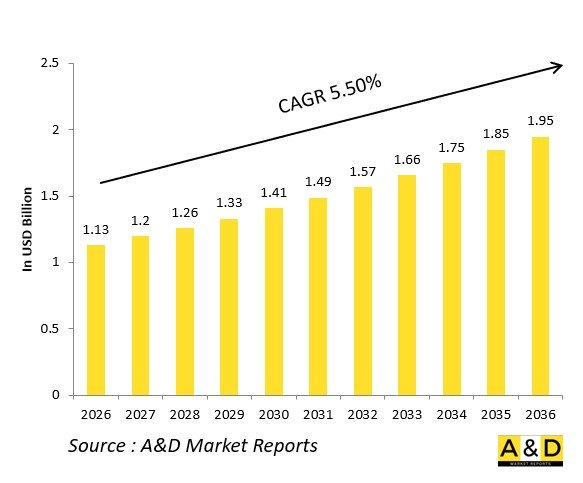
세계의 방위용 액티브 방호 시스템(APS) 레이더 시장은 2026년에 11억 3,000만 달러로 추정되며, 2026-2036년의 예측 기간에 CAGR 5.50%로 성장하며, 2036년까지 19억 5,000만 달러에 달할 것으로 전망되고 있습니다.
소개 - 세계 방산용 능동형 방호 시스템(APS) 레이더 시장
세계 국방용 능동형 방호 시스템 레이더 시장은 현대 전투 환경에서 장갑차의 생존성을 지원하는 중요한 기반 기술로 부상하고 있습니다. APS 레이더는 대응 조치가 취해지기 전에 접근하는 위협을 감지, 추적, 분류하는 능동적 방어 시스템의 감지 핵심을 담당하고 있습니다. 대전차 무기의 기동성과 정확도가 향상됨에 따라 군는 수동적 방어에서 능동적 방어 솔루션으로 전환하고 있습니다. APS 레이더는 신속한 상황 인식과 신뢰할 수 있는 위협 식별을 제공함으로써 이러한 전환을 지원합니다. 방위군은 승무원의 안전과 임무 수행 능력을 향상시키기 위해 주력 전차와 전투 차량을 포함한 다양한 플랫폼에 이러한 레이더를 통합하고 있습니다. 업계는 컴팩트한 디자인, 열악한 환경에서의 신뢰성, 차량 전자 장치와의 완벽한 통합에 초점을 맞추었습니다. 다층 방어 아키텍처에 대한 관심이 높아지면서 APS 레이더는 전 세계 미래 기갑전 전략의 핵심 기술로 자리매김하고 있습니다.
방어용 능동 보호 시스템(APS) 레이더에 미치는 기술적 영향
기술 혁신은 방어용 능동 보호 시스템(APS) 레이더의 능력을 크게 좌우하고 있습니다. 레이더 신호 처리, 디지털 빔 포밍, 센서 융합의 발전으로 고속 이동 위협에 대한 감지 정확도가 향상되고 반응 시간이 단축되었습니다. 현대의 APS 레이더는 소음이 많은 환경에서도 효과적으로 작동하도록 설계되어 지형 장애물이나 전자적 방해가 존재하더라도 성능을 유지합니다. 고체소자 전자장치와 안테나 설계의 개선으로 다양한 차량 플랫폼에 적합한 컴팩트하고 가벼운 시스템을 실현하고 있습니다. 탑재된 컴퓨팅 시스템 및 지휘 시스템과의 통합을 통해 실시간 데이터 공유 및 자동 응답 조정이 가능해졌습니다. 강화된 소프트웨어 알고리즘은 위협을 정밀하게 분류하여 오경보 및 부수적인 위험을 최소화합니다. 또한 방해 전파 및 사이버 간섭에 대한 내성 향상으로 운영 신뢰성을 강화합니다. 이러한 기술적 발전으로 APS 레이더는 진화하는 위협 환경에 대한 적응성을 유지하면서 지능형 자율 차량 보호 시스템으로의 광범위한 전환을 지원할 수 있습니다.
방어용 능동형 보호 시스템(APS) 레이더의 주요 추진 요인
국방용 능동형 방호 시스템 레이더 수요를 견인하는 몇 가지 주요 요인이 있습니다. 대전차 유도 미사일을 비롯한 정밀 위협의 급속한 진화로 인해 조기 감지 및 신속한 대응 능력의 필요성이 높아지고 있습니다. 군사 현대화 프로그램에서는 수동적 장갑에만 의존하지 않고 능동적 방어를 제공하는 생존성 기술이 점점 더 우선시되고 있습니다. 운영 경험을 통해 APS 솔루션이 차량 손실을 줄이고 인력을 보호하는 데 효과적이라는 것이 입증되었습니다. 네트워크화된 전장 인식에 대한 중요성이 높아지면서 레이더 기반 보호 시스템의 채택이 증가하고 있습니다. 국방 조달 전략에서도 서로 다른 플랫폼 간에 적응할 수 있는 모듈식 솔루션이 선호되고 있습니다. 국내 국방 기술에 대한 투자와 전문 센서 제조업체와의 협력은 개발 및 배치를 가속화하고 있습니다. 이러한 촉진요인은 종합적으로 장갑 부대의 전장 복원력과 작전상 신뢰성을 향상시키는 지능형 보호 시스템으로의 광범위한 전환을 반영합니다.
방위용 능동형 방호시스템(APS) 레이더의 지역별 동향
방위용 APS 레이더 시장의 지역별 동향은 각 지역의 고유한 안보 환경과 방위 우선순위에 따라 영향을 받습니다. 북미에서는 첨단 센서 통합과 차세대 차량 보호 프로그램에 중점을 두고 있습니다. 유럽 국방부대는 연합 환경에서 운용되는 기갑부대의 상호운용성과 생존성 향상에 중점을 두고 있습니다. 아시아태평양에서는 방어태세 강화와 플랫폼 현대화 계획의 진전으로 인해 능동형 방호 기술에 대한 관심이 높아지고 있습니다. 중동 국가들은 유도형 및 비유도형 대전차 위협에 지속적으로 노출되어 APS 레이더 도입에 우선순위를 두고 있습니다. 신흥 방산 시장에서는 국제적인 파트너십과 기술이전 협정을 통해 APS 레이더 솔루션의 채택이 점차 확대되고 있습니다. 지역 산업 역량과 정부의 국산 방산 제조 지원은 시스템 설계 및 조달 결정에 영향을 미치고 있습니다. 전반적으로 지역별 도입 패턴은 APS 레이더가 현대 장갑차 방어 전략에서 APS 레이더가 필수적인 요소로 전 세계에서 인식되고 있음을 보여줍니다.
주요 방어용 능동방어시스템(APS) 레이더 계획
주요 방어 APS 레이더 프로그램은 장갑차군 전체의 위협 감지 및 대응 능력 강화에 초점을 맞추었습니다. 많은 차량 개조 계획에는 기존 보호 시스템을 보완하기 위해 APS 레이더의 통합이 포함됩니다. 방위 기관은 레이더 기술 프로바이더와 긴밀히 협력하여 특정 운영 요건에 맞는 솔루션을 구축하고 있습니다. 프로그램에서는 확장성을 중시하는 경향이 있으며, 최소한의 개조로 다양한 차종에 레이더를 배치할 수 있습니다. 시험 및 평가는 실전 환경에서의 신뢰성과 대응 조치 시스템과의 호환성을 우선적으로 고려합니다. 조사 구상은 커버리지 개선과 고속 처리를 위한 차세대 레이더 아키텍처 개발을 지원합니다. 국내 생산 프로그램은 공급망의 탄력성을 강화하고 장기적인 지속가능성을 보장합니다. 수출 지향적 구상은 동맹국 간의 국방 협력도 촉진합니다. 이 프로그램들은 종합적으로 APS 레이더가 진화하는 전장 위협으로부터 기갑부대를 보호하는 데 있으며, 전략적 중요성을 강조하고 있습니다.
목차
세계의 방위용 액티브 방호 시스템(APS) 레이더 시장 - 목차
세계의 방위용 액티브 방호 시스템(APS) 레이더 시장 보고서 정의
세계의 방위용 액티브 방호 시스템(APS) 레이더 시장 세분화
향후 10년간 세계 방위용 액티브 방호 시스템(APS) 레이더 시장 분석
세계의 방위용 액티브 방호 시스템(APS) 레이더 시장 예측
지역별 세계의 방위용 액티브 방호 시스템(APS) 레이더 시장 동향과 예측
시장 예측과 시나리오 분석
세계의 방위용 액티브 방호 시스템(APS) 레이더 시장의 국가별 분석
시장 예측과 시나리오 분석
세계의 방위용 액티브 방호 시스템(APS) 레이더 시장의 기회 매트릭스
결론
KSA 26.03.26Global Defense Active Protection System (APS) Radars Market
The Global Defense Active Protection System (APS) Radars Market is estimated at USD 1.13 billion in 2026, projected to grow to USD 1.95 billion by 2036 at a Compound Annual Growth Rate (CAGR) of 5.50% over the forecast period 2026-2036.
Introduction: Global Defense Active Protection System (APS) Radars Market
The Global Defense Active Protection System Radars Market is emerging as a critical enabler of armored vehicle survivability in modern combat environments. APS radars serve as the sensing backbone of active protection systems, detecting, tracking, and classifying incoming threats before countermeasures are deployed. As anti-armor weapons become more agile and precise, militaries are shifting from passive protection toward proactive defensive solutions. APS radars support this transition by providing rapid situational awareness and high-confidence threat discrimination. Defense forces are integrating these radars across a range of platforms, including main battle tanks and combat vehicles, to enhance crew safety and mission effectiveness. Industry focus is centered on compact designs, reliability in harsh environments, and seamless integration with vehicle electronics. The growing emphasis on layered defense architectures positions APS radars as a cornerstone technology in future armored warfare strategies worldwide.
Technology Impact in Defense Active Protection System (APS) Radars
Technological innovation is significantly shaping the capabilities of defense active protection system radars. Advances in radar signal processing, digital beamforming, and sensor fusion have improved detection accuracy and reduced reaction time against fast-moving threats. Modern APS radars are designed to operate effectively in cluttered environments, maintaining performance despite terrain obstacles and electronic interference. Improvements in solid-state electronics and antenna design support compact, lightweight systems suitable for diverse vehicle platforms. Integration with onboard computing and command systems enables real-time data sharing and automated response coordination. Enhanced software algorithms allow precise threat classification, minimizing false alarms and collateral risk. Additionally, increased resistance to jamming and cyber interference strengthens operational reliability. These technological developments ensure APS radars remain adaptable to evolving threat landscapes while supporting the broader shift toward intelligent and autonomous vehicle protection systems.
Key Drivers in Defense Active Protection System (APS) Radars
Several key factors are driving demand for defense active protection system radars. The rapid evolution of anti-tank guided missiles and other precision threats has heightened the need for early detection and rapid response capabilities. Military modernization programs increasingly prioritize survivability technologies that offer active defense rather than relying solely on passive armor. Operational experience has demonstrated the effectiveness of APS solutions in reducing vehicle losses and protecting personnel. Growing emphasis on networked battlefield awareness further supports adoption of radar-based protection systems. Defense procurement strategies also favor modular solutions that can be adapted across different platforms. Investment in domestic defense technologies and collaboration with specialized sensor manufacturers accelerate development and deployment. Together, these drivers reflect a broader shift toward intelligent protection systems that enhance battlefield resilience and operational confidence for armored forces.
Regional Trends in Defense Active Protection System (APS) Radars
Regional trends in the defense APS radars market are influenced by distinct security environments and defense priorities. North America focuses on advanced sensor integration and next-generation vehicle protection programs. European defense forces emphasize interoperability and survivability upgrades for armored fleets operating in coalition environments. In the Asia-Pacific region, rising defense preparedness and platform modernization initiatives are driving interest in active protection technologies. Middle Eastern countries prioritize APS radars due to persistent exposure to guided and unguided anti-armor threats. Emerging defense markets are gradually adopting APS radar solutions through international partnerships and technology transfer arrangements. Regional industrial capabilities and government support for indigenous defense manufacturing shape system design and sourcing decisions. Overall, regional adoption patterns demonstrate growing global recognition of APS radars as essential components of modern armored vehicle defense strategies.
Key Defense Active Protection System (APS) Radars Program
Key defense APS radar programs focus on enhancing threat detection and response capabilities across armored vehicle fleets. Many vehicle upgrade initiatives include the integration of APS radars to complement existing protection systems. Defense agencies collaborate closely with radar technology providers to tailor solutions for specific operational requirements. Programs often emphasize scalability, allowing radars to be deployed across different vehicle classes with minimal modification. Testing and evaluation efforts prioritize reliability under combat conditions and compatibility with countermeasure systems. Research initiatives support the development of next-generation radar architectures with improved coverage and faster processing. Domestic production programs strengthen supply chain resilience and ensure long-term sustainment. Export-oriented initiatives also promote defense cooperation among allied nations. Collectively, these programs highlight the strategic importance of APS radars in safeguarding armored forces against evolving battlefield threats.
Table of Contents
Global Defense Active Protection System (APS) Radars Market - Table of Contents
Global Defense Active Protection System (APS) Radars Market Report Definition
Global Defense Active Protection System (APS) Radars Market Segmentation
By Region
By Platform
By Radar Type
By Range
Global Defense Active Protection System (APS) Radars Market Analysis for next 10 Years
The 10-year Global Defense Active Protection System (APS) Radars Market analysis would give a detailed overview of Global Defense Active Protection System (APS) Radars Market growth, changing dynamics, technology adoption overviews and the overall market attractiveness is covered in this chapter.
Market Technologies of Global Defense Active Protection System (APS) Radars Market
This segment covers the top 10 technologies that is expected to impact this market and the possible implications these technologies would have on the overall market.
Global Defense Active Protection System (APS) Radars Market Forecast
The 10-year Global Defense Active Protection System (APS) Radars Market forecast of this market is covered in detailed across the segments which are mentioned above.
Regional Global Defense Active Protection System (APS) Radars Market Trends & Forecast
The regional counter drone market trends, drivers, restraints and Challenges of this market, the Political, Economic, Social and Technology aspects are covered in this segment. The market forecast and scenario analysis across regions are also covered in detailed in this segment. The last part of the regional analysis includes profiling of the key companies, supplier landscape and company benchmarking. The current market size is estimated based on the normal scenario.
North America
Drivers, Restraints and Challenges
PEST
Market Forecast & Scenario Analysis
Key Companies
Supplier Tier Landscape
Company Benchmarking
Europe
Middle East
APAC
South America
Country Analysis of Global Defense Active Protection System (APS) Radars Market
This chapter deals with the key defense programs in this market, it also covers the latest news and patents which have been filed in this market. Country level 10 year market forecast and scenario analysis are also covered in this chapter.
US
Defense Programs
Latest News
Patents
Current levels of technology maturation in this market
Market Forecast & Scenario Analysis
Canada
Italy
France
Germany
Netherlands
Belgium
Spain
Sweden
Greece
Australia
South Africa
India
China
Russia
South Korea
Japan
Malaysia
Singapore
Brazil
Opportunity Matrix for Global Defense Active Protection System (APS) Radars Market
The opportunity matrix helps the readers understand the high opportunity segments in this market.
Expert Opinions on Global Defense Active Protection System (APS) Radars Market Report
Hear from our experts their opinion of the possible analysis for this market.
Conclusions
About Aviation and Defense Market Reports